Artist
Movement
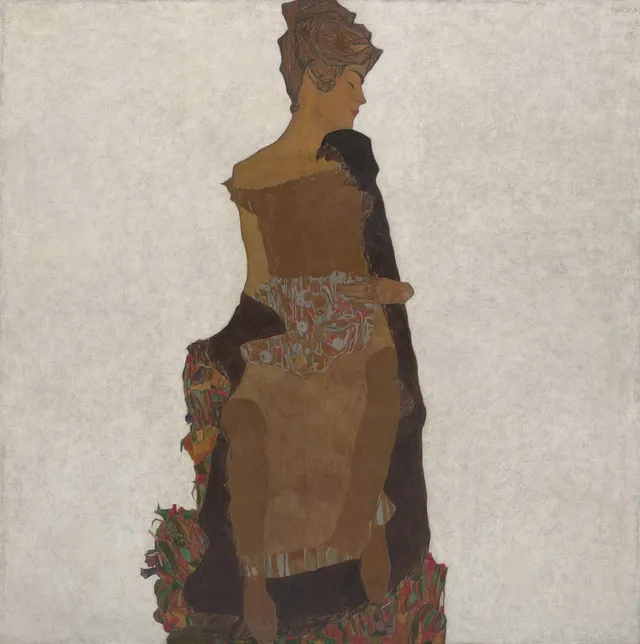
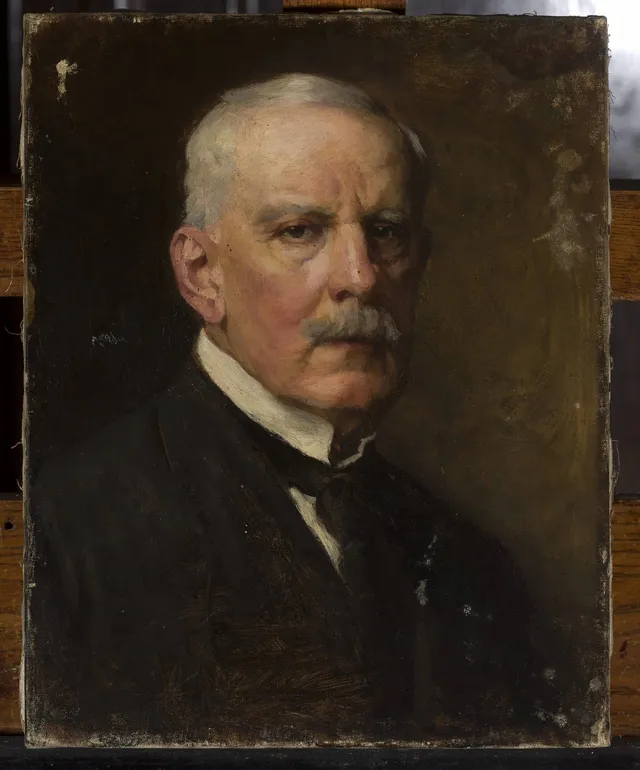
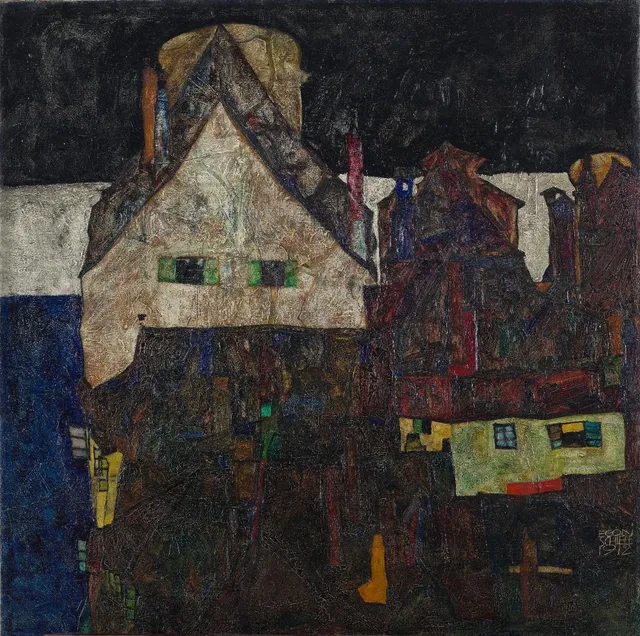
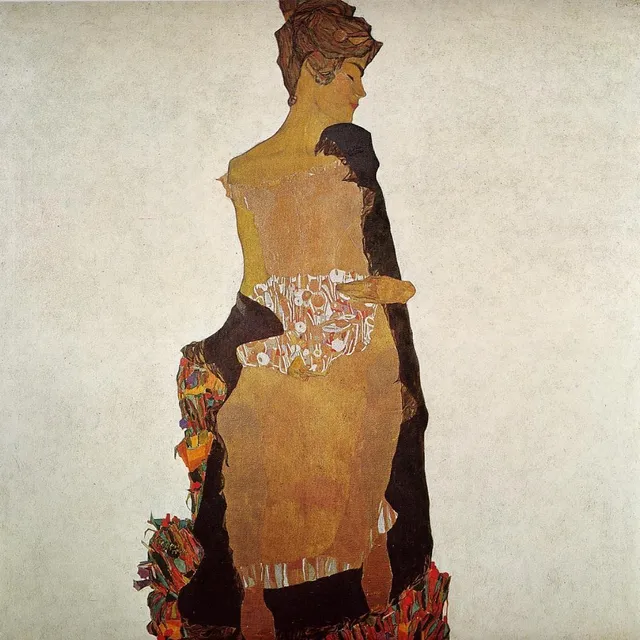
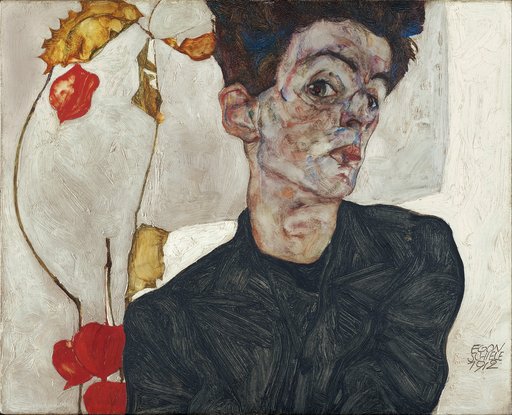
Austrian Expressionism is an art movement of the 1900–1940 period. The gallery holds 4 works in this movement, including works by Egon Schiele. Browse Austrian Expressionism paintings, portraits, pictures and artworks from the world's public-domain museum collections.
Austrian Expressionism—often called Viennese Expressionism—was the intense, psychologically raw current that emerged in Vienna in the years around 1908–1910, as a younger generation pushed beyond the decorative refinement of Gustav Klimt and the Secession he had founded in 1897. Where Jugendstil prized ornament, gold, and sensuous surface, these artists turned inward, toward anxiety, eros, illness, and mortality. The shift was inseparable from its setting: the Vienna of Sigmund Freud and Arnold Schönberg, a capital obsessively interested in the unconscious and increasingly conscious of its own decline in the last years of the Habsburg empire.
Visually, the movement abandoned conventional beauty for nervous, exposed feeling. Its hallmark is the agitated, wiry contour—Egon Schiele's twisted, emaciated bodies and clawed hands, set against bare backgrounds that isolate the figure like a specimen. Colour is often dry, bruised, and muted rather than the vivid clash of the German Expressionists, and portraiture becomes a kind of psychological excavation, exposing the sitter's interior life rather than flattering the surface. Distortion, in this idiom, is not decoration but diagnosis.
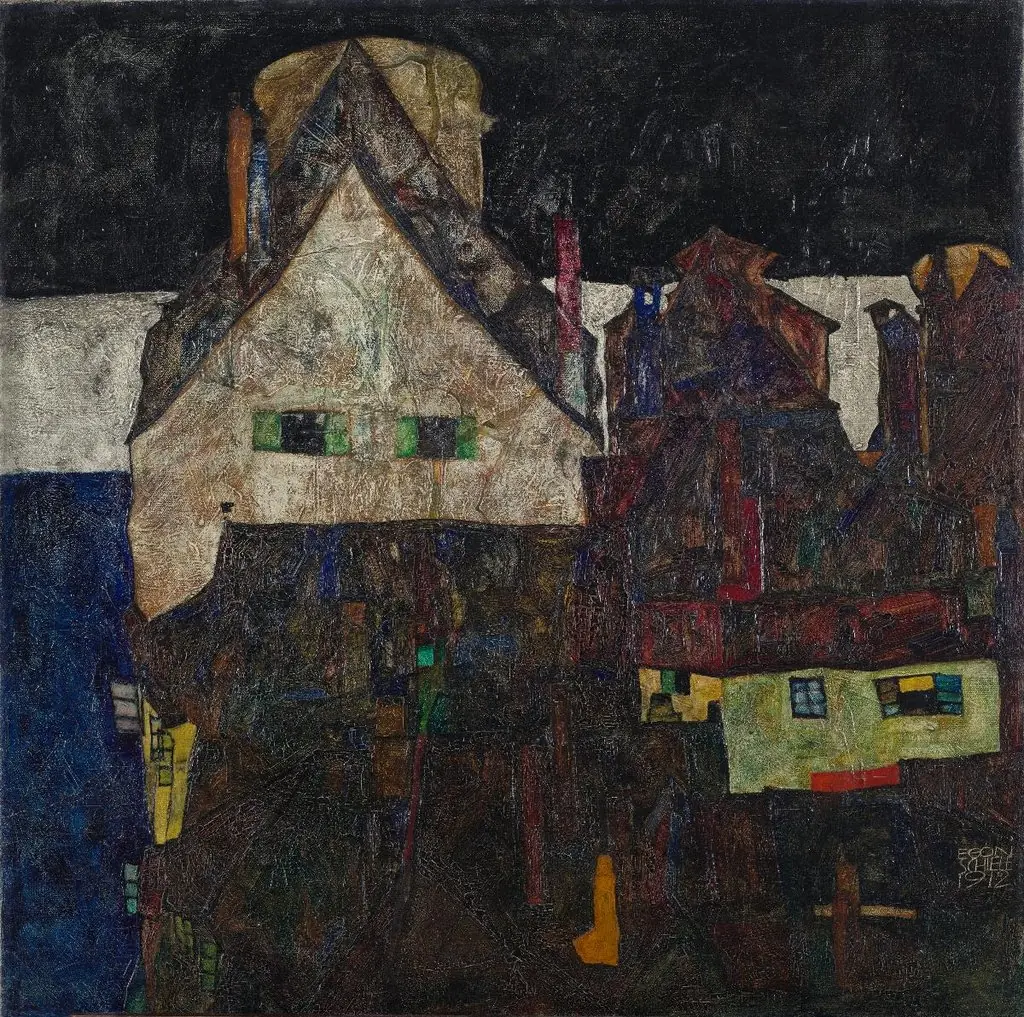
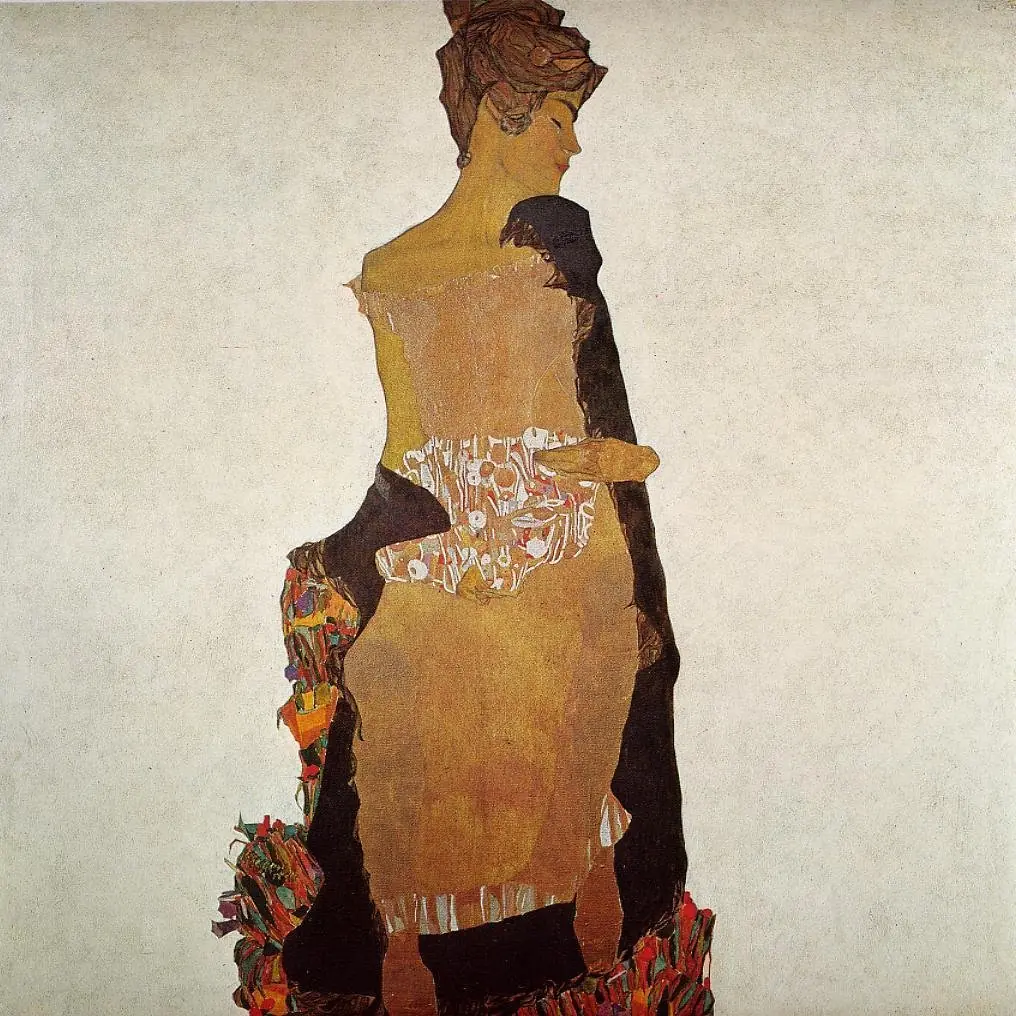
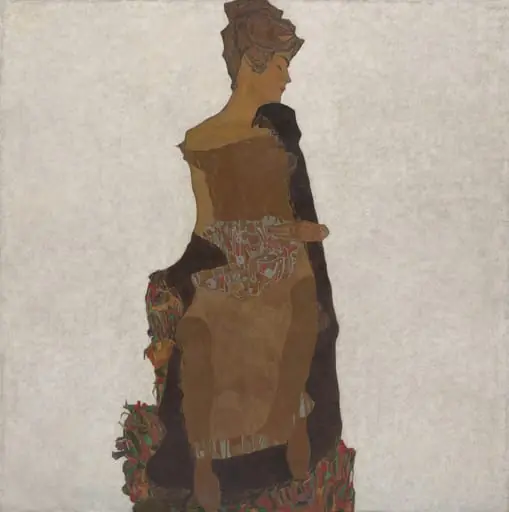
The canonical figures are three. Richard Gerstl (1883–1908), the proto-Expressionist whose slashing, near-abstract brushwork anticipated the movement before he destroyed much of his work and took his own life at twenty-five. Egon Schiele (1890–1918), its defining draughtsman, author of "Death and the Maiden" (1915) and "The Family" (1918). And Oskar Kokoschka (1886–1980), whose probing portraits and the swirling "Bride of the Wind" (1913) carried the style toward a more turbulent, painterly register. Our collection holds several Schiele works, including "Die kleine Stadt I" and the "Portrait of Gerti Schiele."
The movement was cut short with brutal speed. The First World War scattered and traumatised its artists, and the 1918 Spanish-flu pandemic killed Klimt and then Schiele—who died on 31 October 1918, three days after his pregnant wife Edith. Though brief, Austrian Expressionism left an outsized legacy: a counterweight to the louder Brücke and Blaue Reiter groups in Germany, and a direct ancestor of later confessional figuration and the body-focused intensity of post-war Viennese art.
Artist
Austrian Expressionism is an art movement. The intense, psychologically raw strand of Expressionism in early 20th-century Vienna.
Key Austrian Expressionism artists in the collection include Egon Schiele.
Austrian Expressionism dates from 1900–1940.
Austrian Expressionism works in the collection are held by Museum of Modern Art, Kunsthaus Zürich and National Museum in Warsaw.
Your cart is empty
Browse artworks →