Artist
Movement
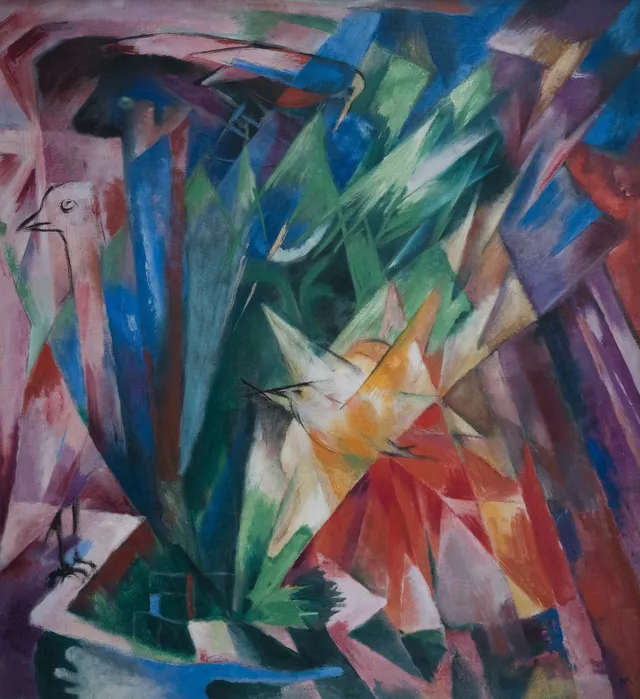
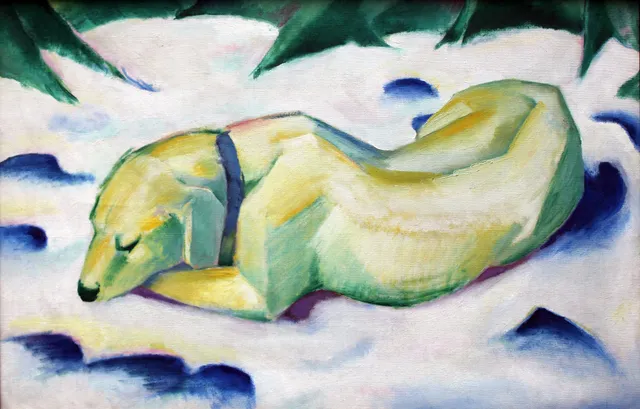
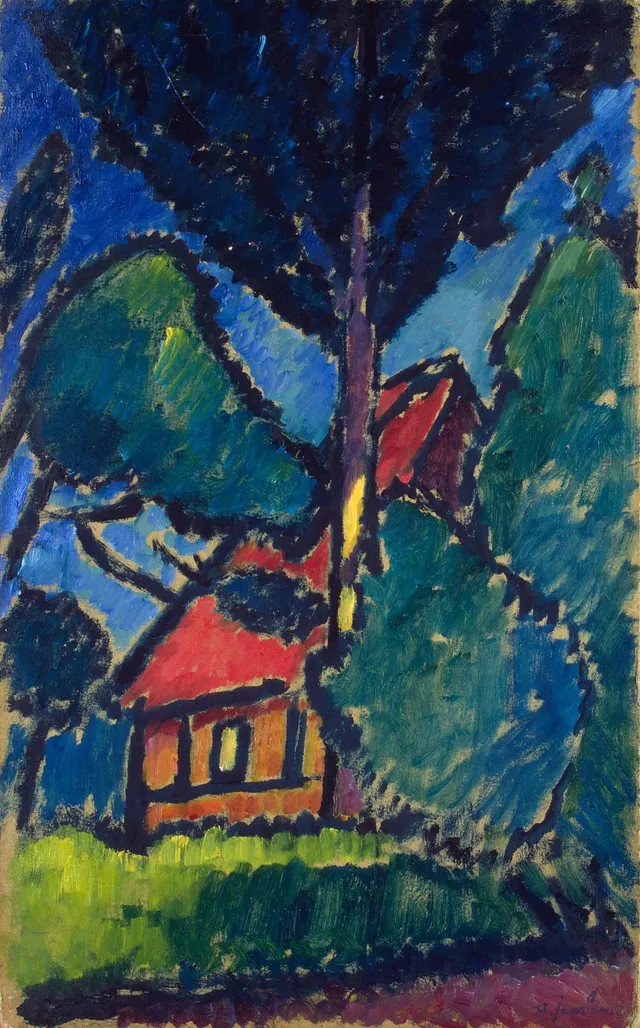
Der Blaue Reiter is an art movement dating from 1903. The gallery holds 12 works in this movement, including works by Franz Marc, Alexej von Jawlensky and Heinrich Campendonk. Browse Der Blaue Reiter paintings, portraits, pictures and artworks from the world's public-domain museum collections.
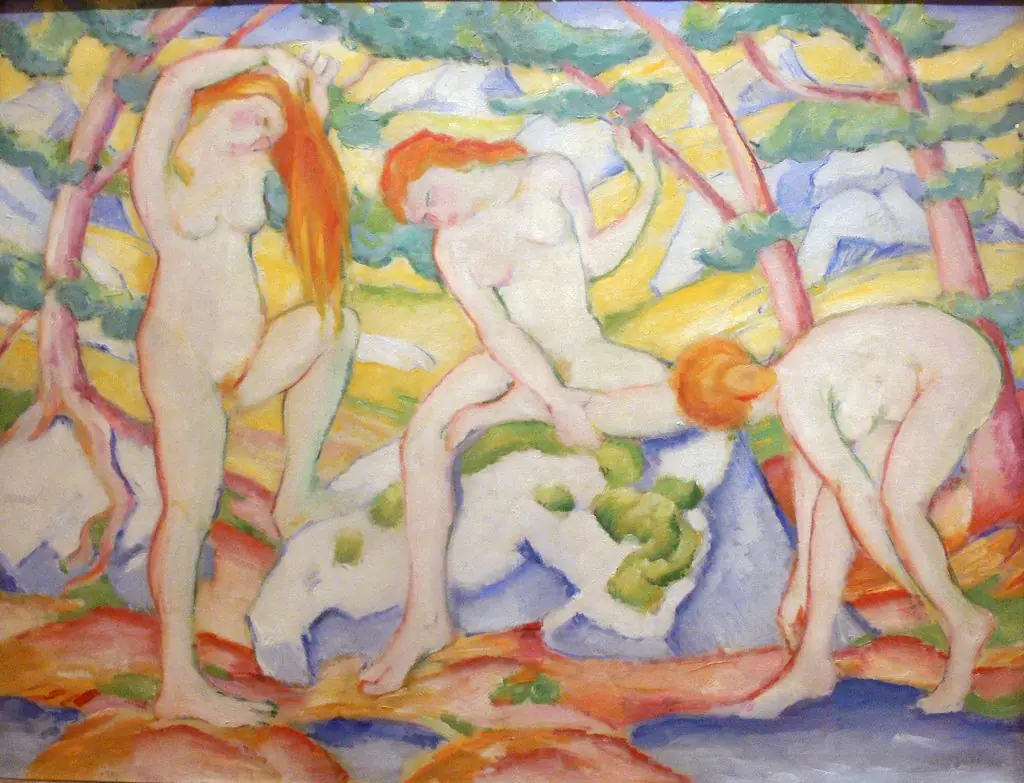
Der Blaue Reiter (The Blue Rider) was a loose circle of Expressionist artists that coalesced in Munich in 1911, taking its name—as Wassily Kandinsky later explained—from a shared affection: "both of us loved blue, Marc—horses, I—riders." Kandinsky and Franz Marc forged the group after breaking from the more conservative Neue Künstlervereinigung München, and it crystallised around the landmark almanac Der Blaue Reiter, edited by the pair and published in 1912. More an editorial and exhibiting alliance than a movement with a fixed manifesto, the circle was bound by a conviction that painting should express an inner, spiritual reality rather than describe the visible world—an idea Kandinsky set out in his treatise Concerning the Spiritual in Art (1911).
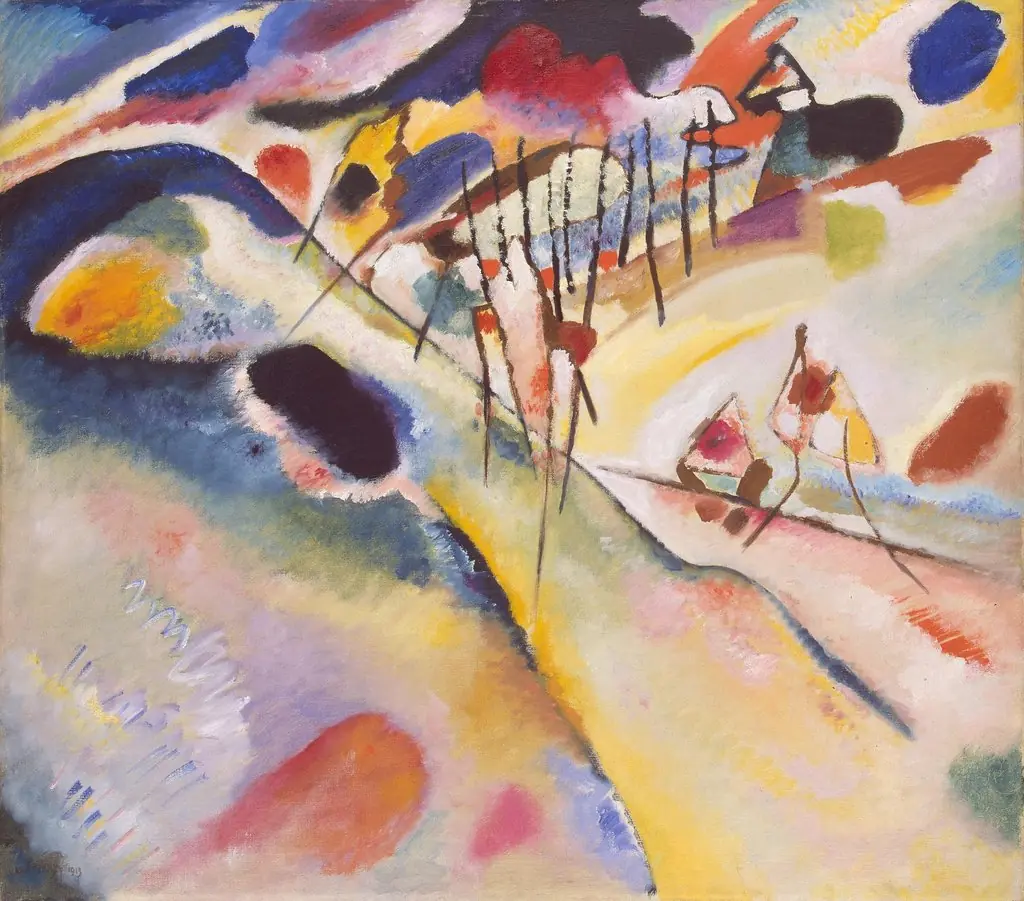
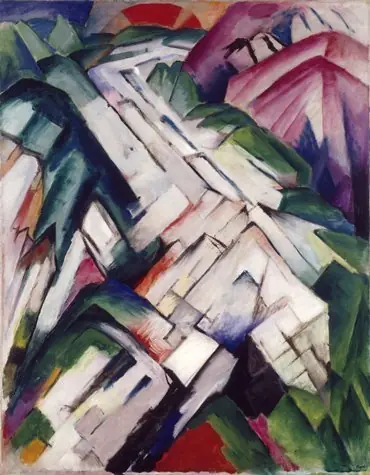
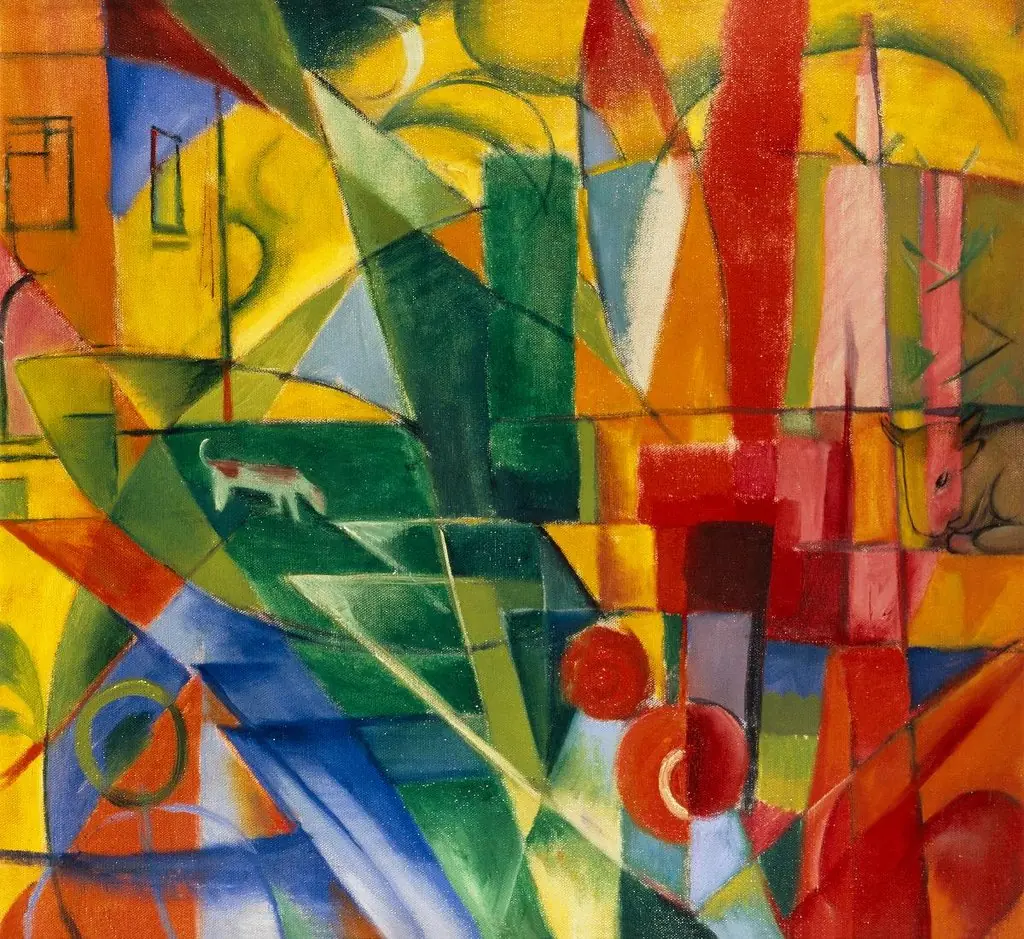
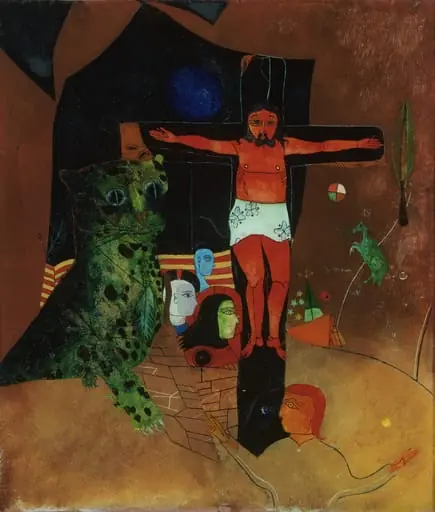
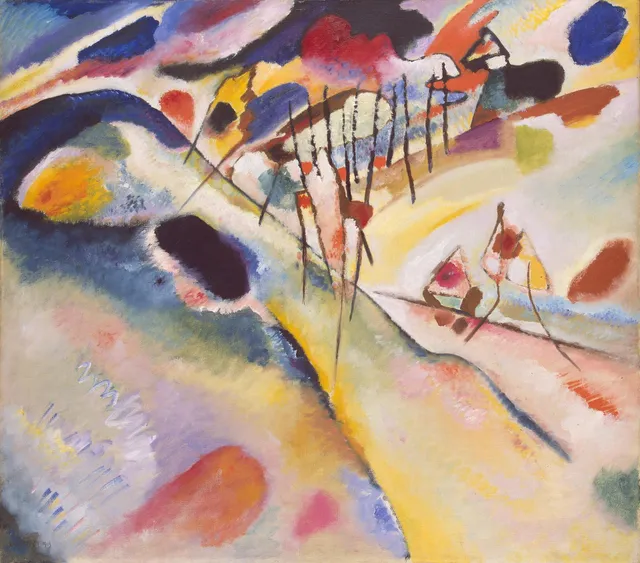
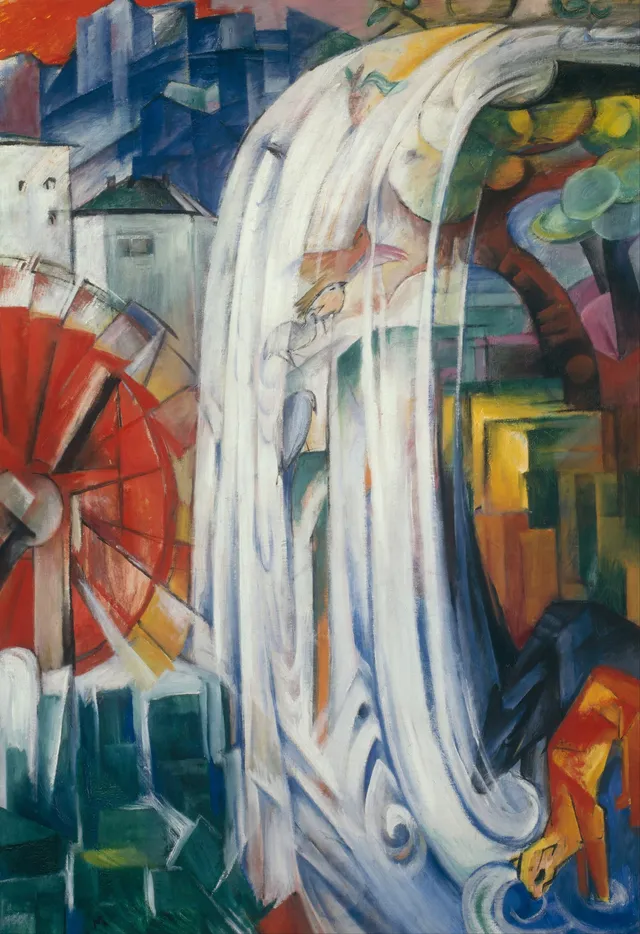
Visually, the group is defined by luminous, non-naturalistic colour, lyrical abstraction, and an instinctive, symbolic approach to form. Kandinsky pushed toward pure abstraction, dissolving line into floating expanses of colour, while Marc fractured animals into faceted, near-Cubist planes saturated with emblematic hues—blue for the spiritual and masculine, yellow for the gentle and feminine. Folk art, children's drawings, medieval glass, and non-Western sources all fed an aesthetic that prized intuition over academic finish.
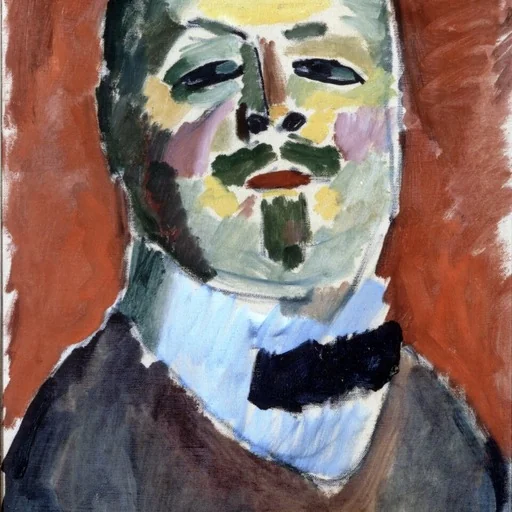
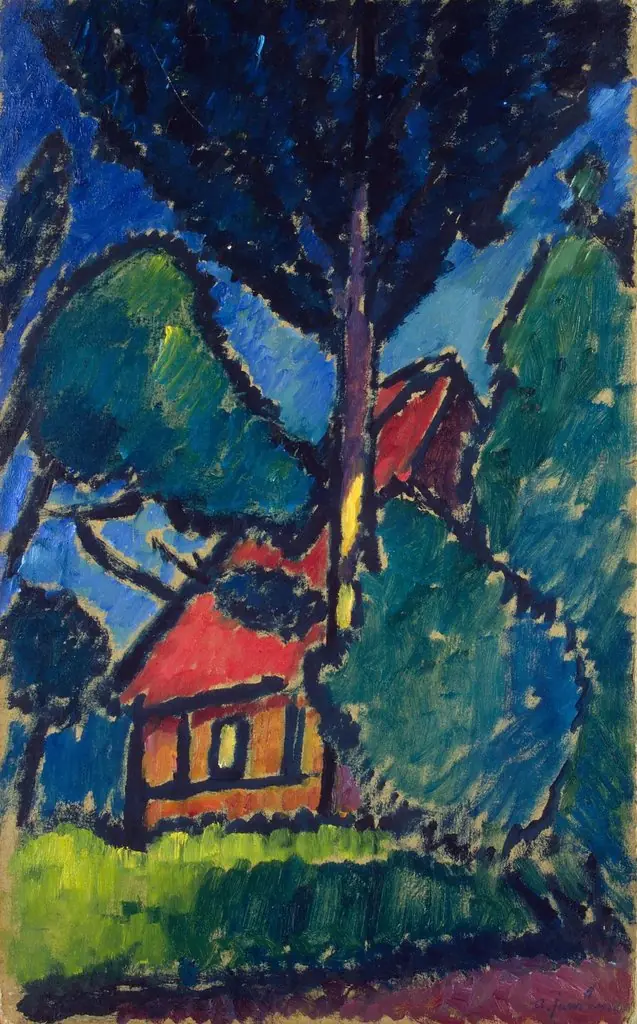
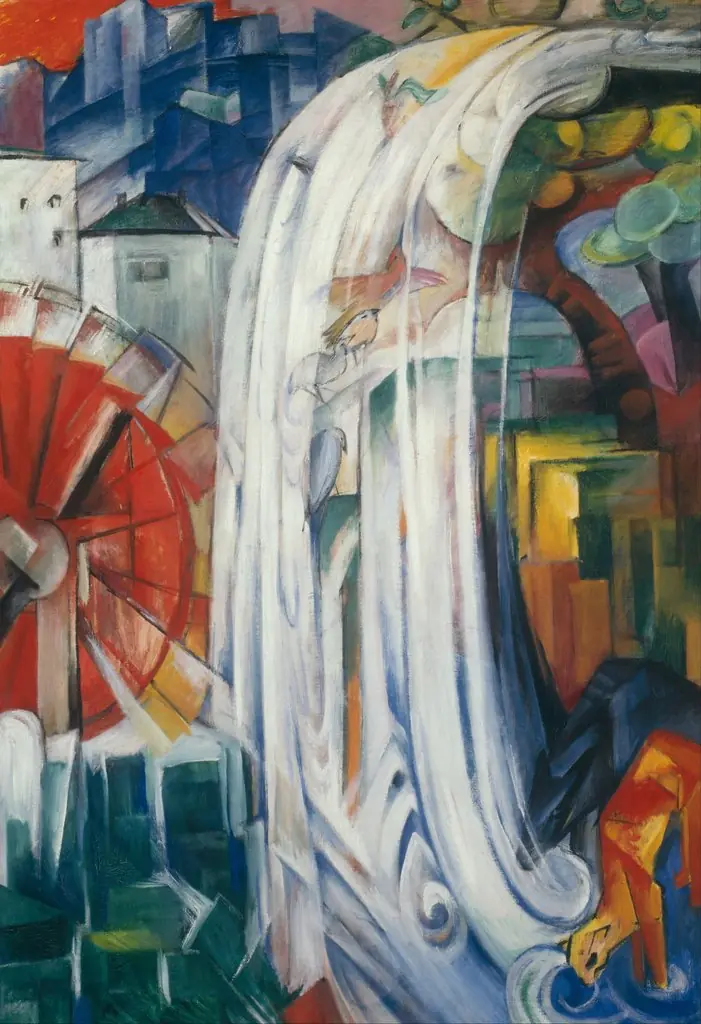
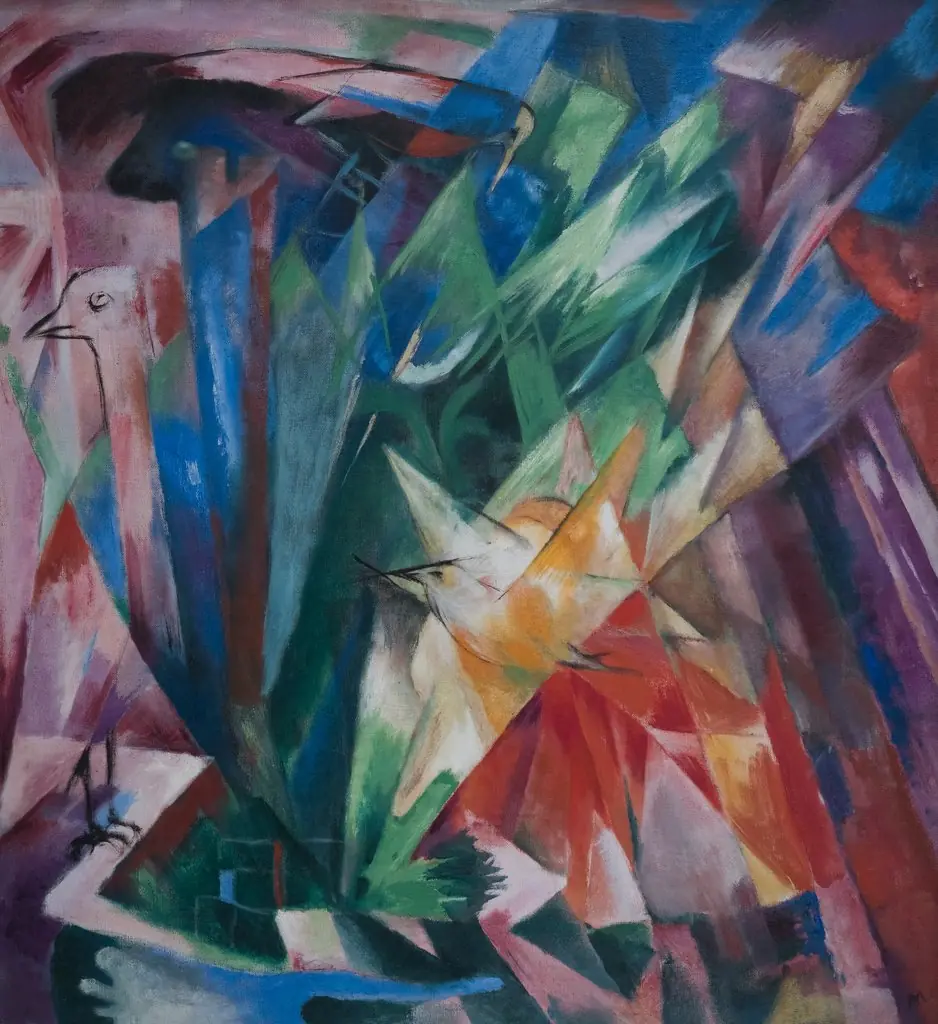
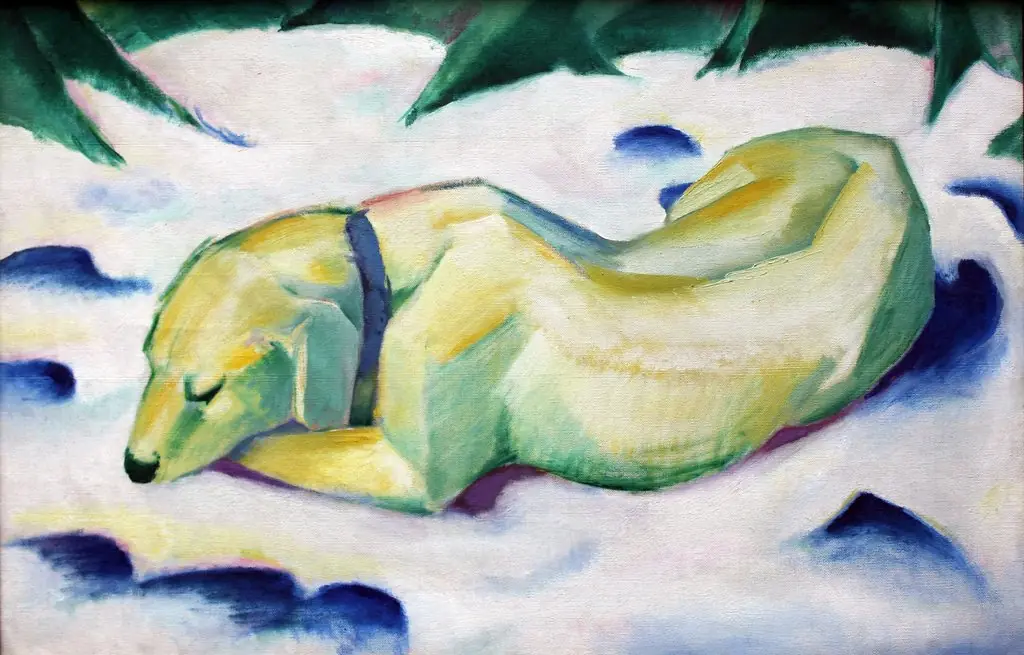
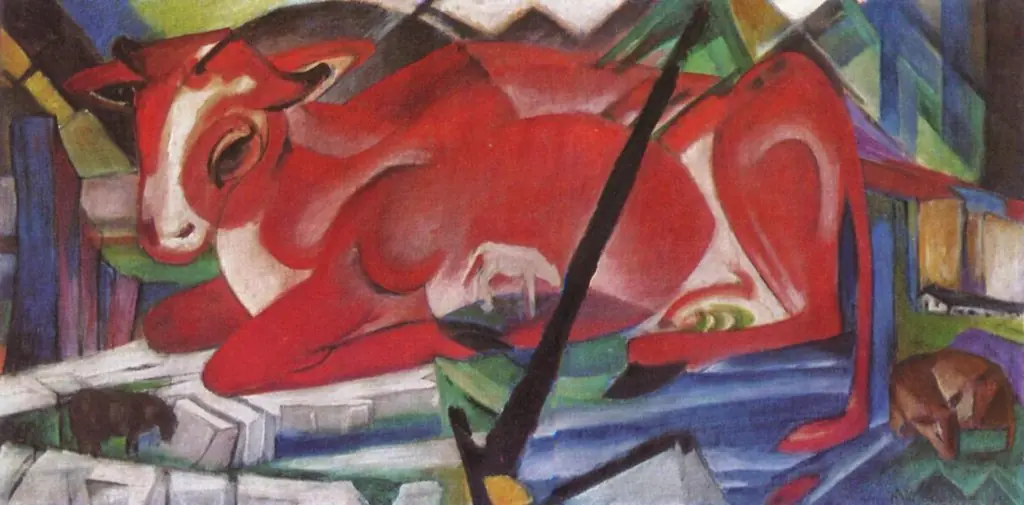
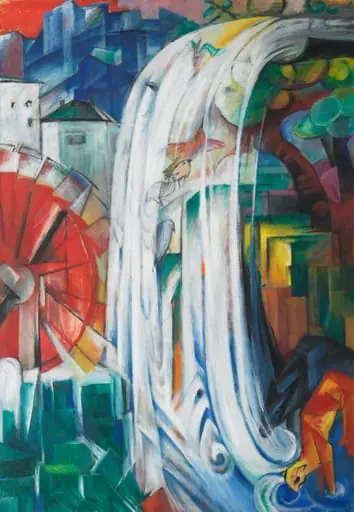
The principal figures were Kandinsky and Marc, joined by August Macke, Gabriele Münter, Alexej von Jawlensky, Marianne von Werefkin, Heinrich Campendonk, and the young Paul Klee; the composer Arnold Schönberg also contributed. Canonical works include Kandinsky's Composition series and his 1903 painting Der Blaue Reiter, Marc's Blue Horse I (1911) and The Fate of the Animals (1913), and Jawlensky's intense, icon-like heads. Our own collection holds Jawlensky's Landscape with Red House and several Marc paintings—The Bewitched Mill, Birds, Dog Lying in the Snow, and World Cow—alongside a Kandinsky Landscape.
The first Blaue Reiter exhibition opened at the Thannhauser Galleries in Munich in December 1911. Unlike the raw, urban, woodcut-driven art of Die Brücke—the Dresden Expressionist group founded in 1905—the Blue Rider was poetic, cosmopolitan, and theoretically ambitious. The First World War scattered it: Macke was killed in 1914 and Marc at Verdun in 1916, while Kandinsky, a Russian national, was forced to leave Germany. Brief though it was, the circle proved decisive for the emergence of abstraction and shaped the Bauhaus through Kandinsky and Klee.
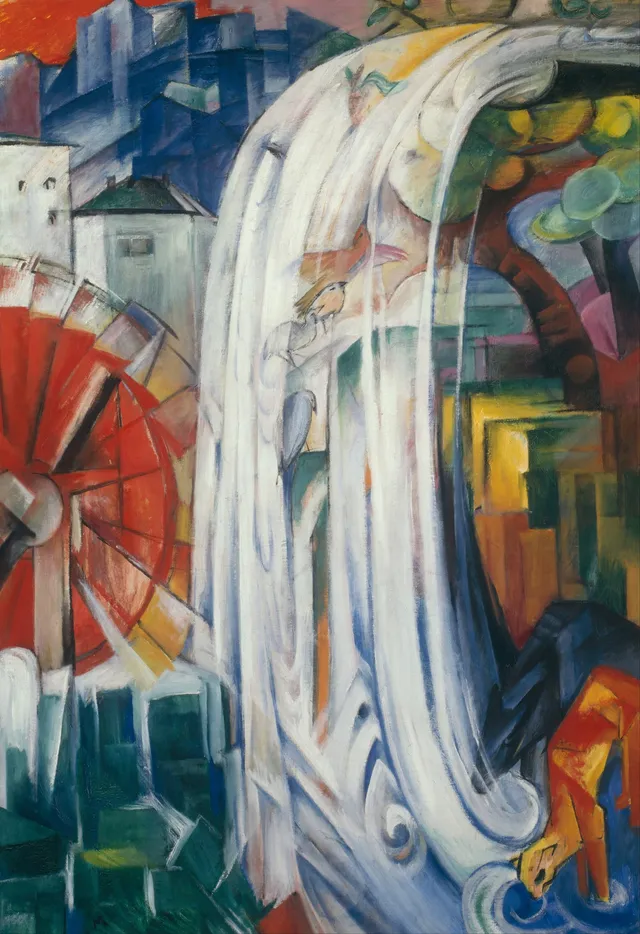
Der Blaue Reiter is an art movement. A loose association of Munich artists (1911–1914) organized by Wassily Kandinsky and Franz Marc that sought spiritual truth through abstraction, color, and primitivism.
Artifact World Gallery holds 12 public-domain Der Blaue Reiter works, all free to view and download.
Key Der Blaue Reiter artists in the collection include Franz Marc, Alexej von Jawlensky and Heinrich Campendonk.
Der Blaue Reiter dates from around 1903.
Der Blaue Reiter works in the collection are held by Art Institute of Chicago, Museum of Modern Art and Hermitage Museum.
Your cart is empty
Browse artworks →