Movement
Lyrical Abstraction
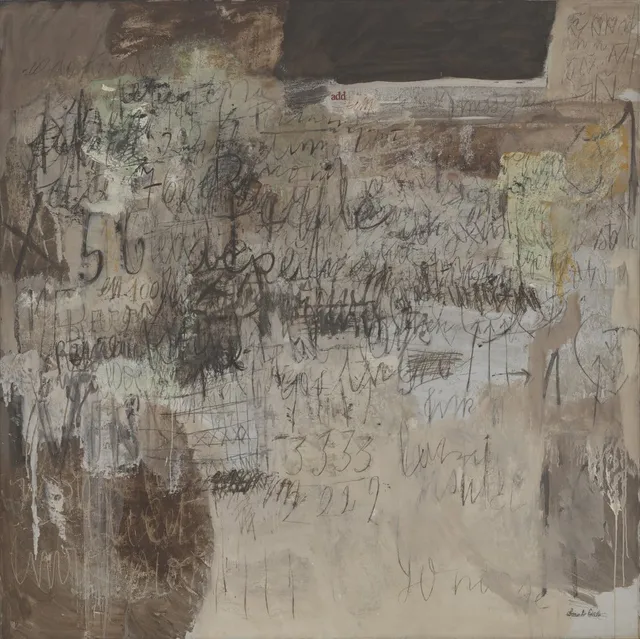
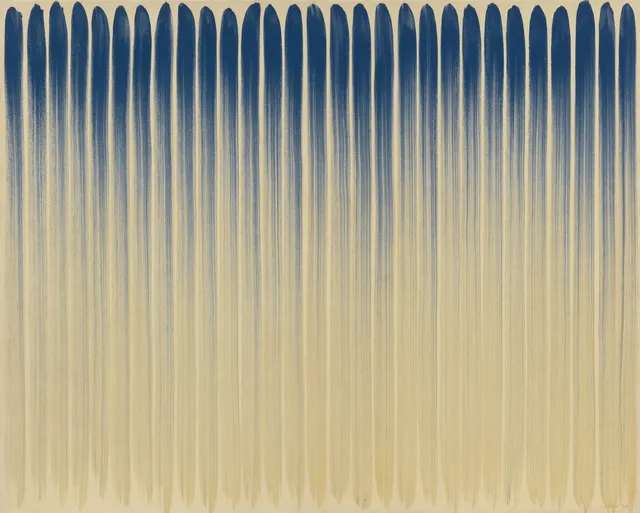
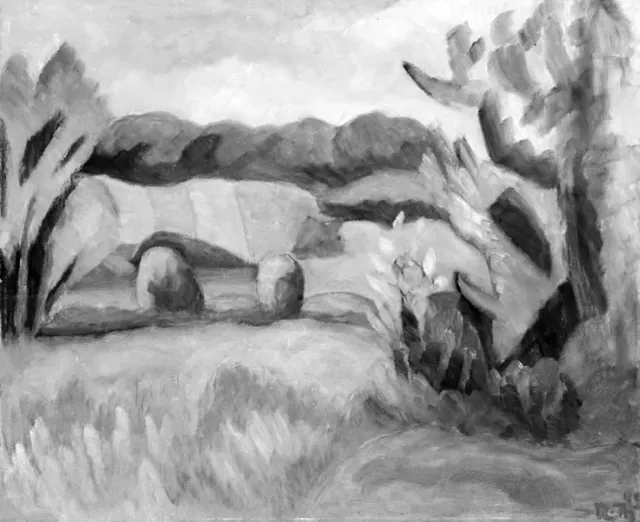
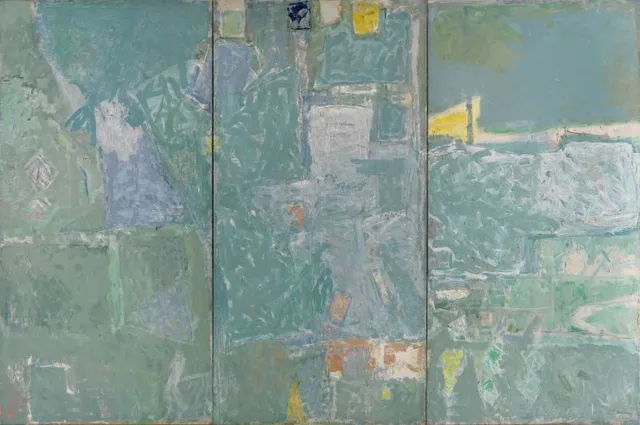
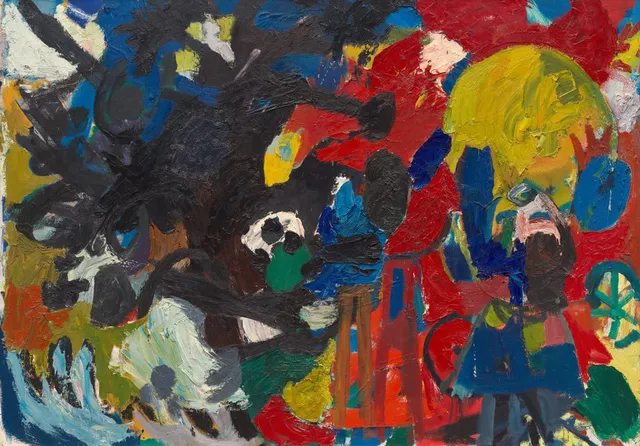
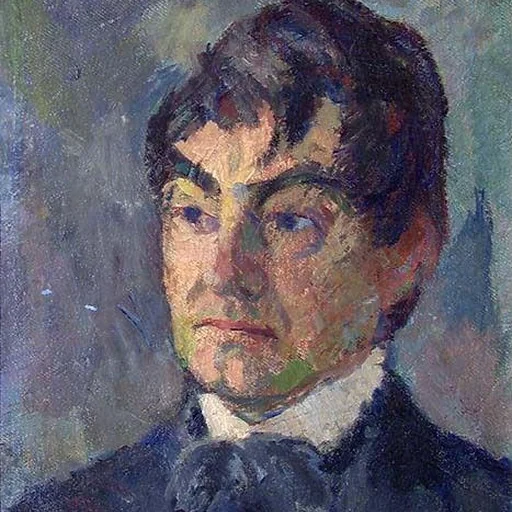
Lyrical Abstraction is an art movement dating from 1940. The gallery holds 5 works in this movement, including works by Rudolph Thygesen, Lea Nikel and Yossef Zaritsky. Browse Lyrical Abstraction paintings, portraits, pictures and artworks from the world's public-domain museum collections.
"Lyrical Abstraction" names two related but historically distinct currents of gestural abstract painting. The original European strain — abstraction lyrique — was christened in Paris in 1947 by the painter Georges Mathieu and the critic Jean-José Marchand, around the exhibition "L'Imaginaire" at the Galerie du Luxembourg. It arose in a city rebuilding its cultural authority after the Occupation, offering a warm, intuitive alternative to the cool geometry of prewar abstraction and a French counterpart to American Abstract Expressionism.
The movement prized the freedom and immediacy of the painterly gesture over preconceived form. In manifestos issued from 1947 onward, Mathieu set out conditions for the new painting: primacy of speed of execution, no preexisting shapes, no premeditated composition, and a near-ecstatic state of mind in the artist. In practice this produced calligraphic lines, splashes and stains, and webs of colour laid down at speed. Overlapping with the broader tendencies the critic Michel Tapié called art informel and with Tachisme, it counted among its figures Hans Hartung, Wols, Pierre Soulages, Gérard Schneider, Jean-Paul Riopelle and Zao Wou-Ki.
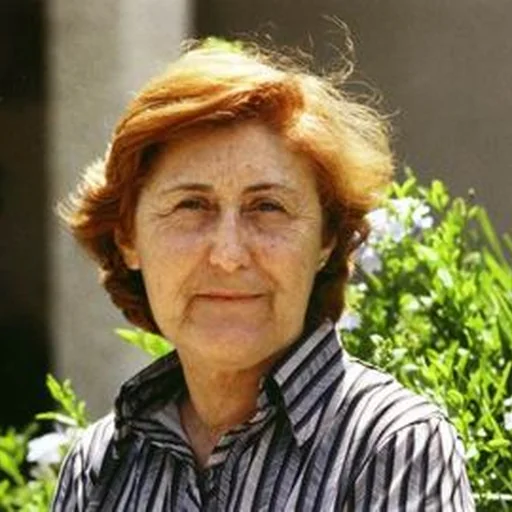
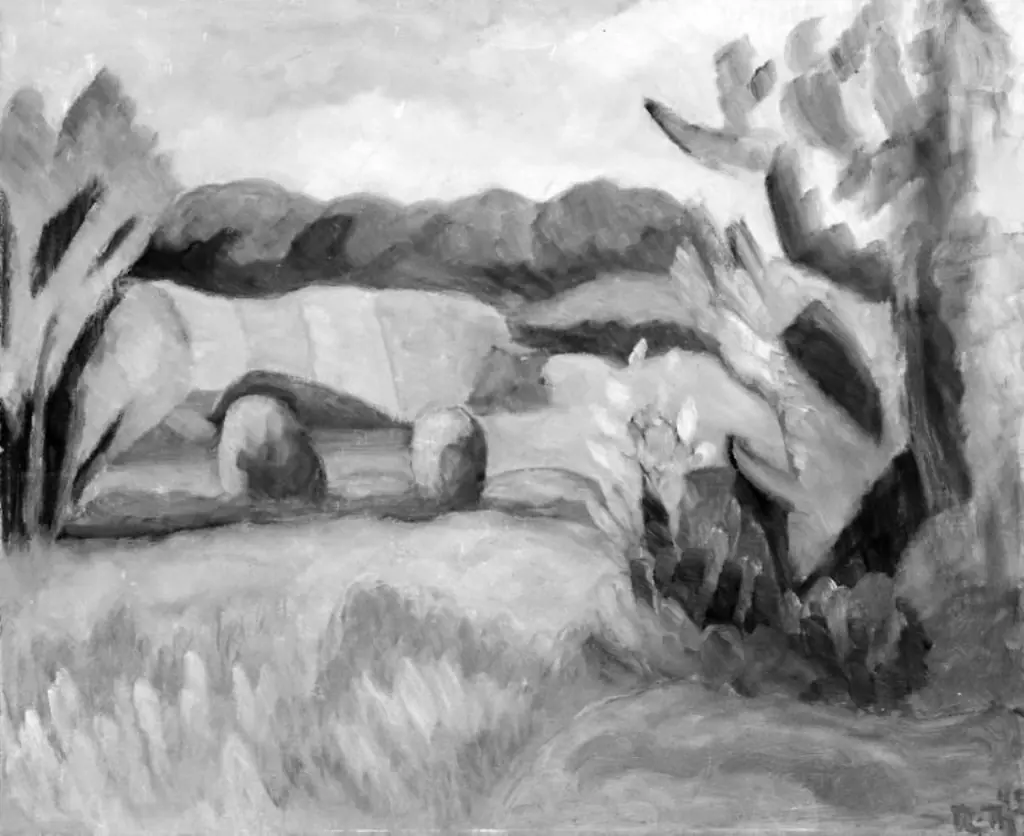
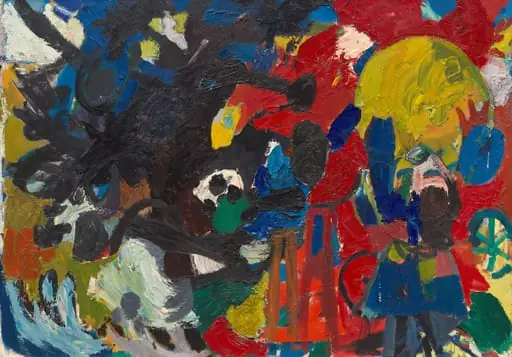
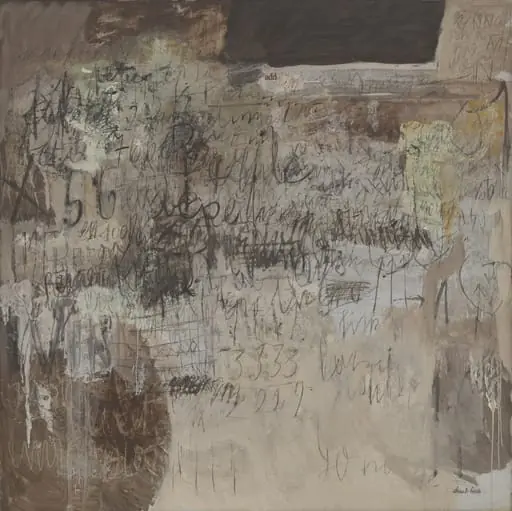
The idiom spread internationally. In Israel, Joseph (Yossef) Zaritsky co-founded the New Horizons group in 1948 and became the leading exponent of an Israeli lyrical abstraction that often dissolved a figurative motif into colour while leaving a trace of the subject lingering beneath the surface — an approach legible in the catalogue's Painting. Lea Nikel, never admitted to New Horizons because of her unrestrained colour and full abstraction, is now regarded as among the style's foremost Israeli voices. The collection's wider holdings extend the geography, including Sarah Grilo's Untitled, Ger Lataster's Untitled and Rudolph Thygesen's Summer Landscape.
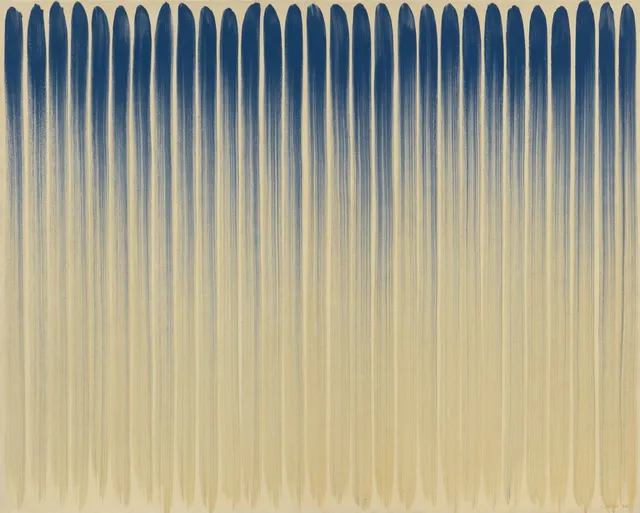
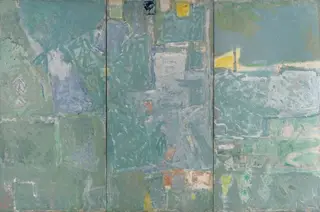
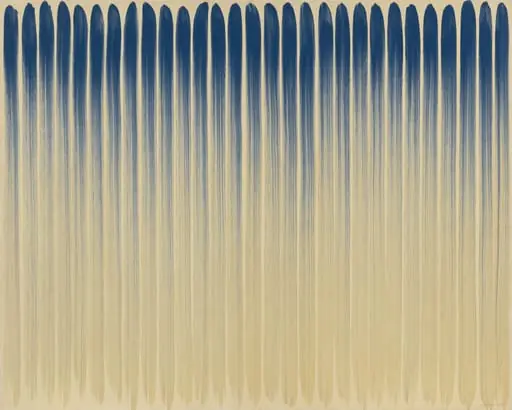
A second, American Lyrical Abstraction emerged around 1969–71, the term coined by the collector Larry Aldrich in his Art in America article "Young Lyrical Painters." It described a return to loose, emotive, painterly canvases — acrylic staining, illusionist space, intuitive handling — after the austerity of Minimalism and hard-edge painting; the catalogue's Ron Davis and David Diao belong to this milieu.
Both currents share a conviction that abstraction could be personal, spontaneous and expressive rather than systematic. Lyrical abstraction thus bridges Abstract Expressionism, Color Field painting and art informel, and remains a touchstone for the enduring appeal of gestural painting.
Key artists


Works
Groups & collectives
Frequently asked questions
What is Lyrical Abstraction?
Lyrical Abstraction is an art movement. A broad term for gestural, non-geometric abstraction — used both for the European Art Informel tradition and a later American tendency of the 1960s–70s that returned to painterly looseness after hard-edge minimalism.
Who are the key Lyrical Abstraction artists?
Key Lyrical Abstraction artists in the collection include Rudolph Thygesen, Lea Nikel and Yossef Zaritsky.
When did Lyrical Abstraction take place?
Lyrical Abstraction dates from around 1940.
Where can I see Lyrical Abstraction works?
Lyrical Abstraction works in the collection are held by Museum of Modern Art, Statens Museum for Kunst and Israel Museum.