Movement
Tachisme
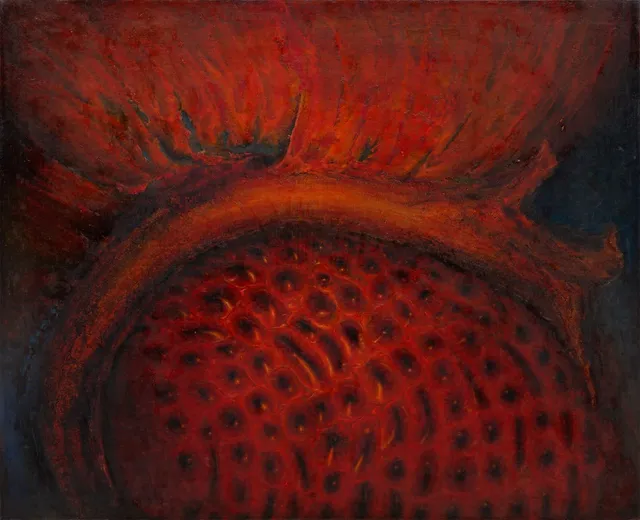
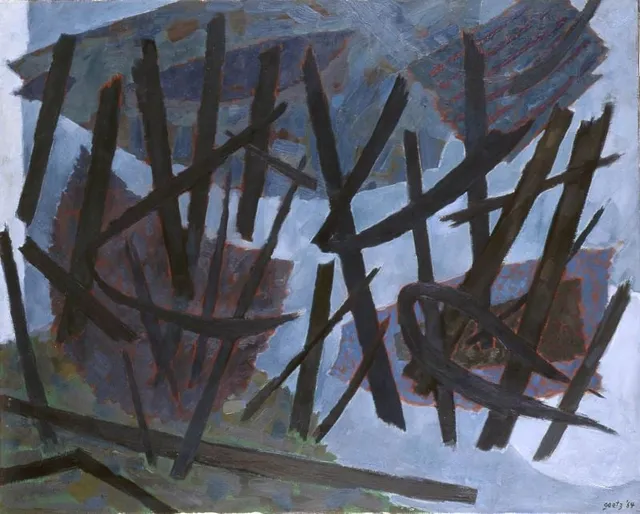
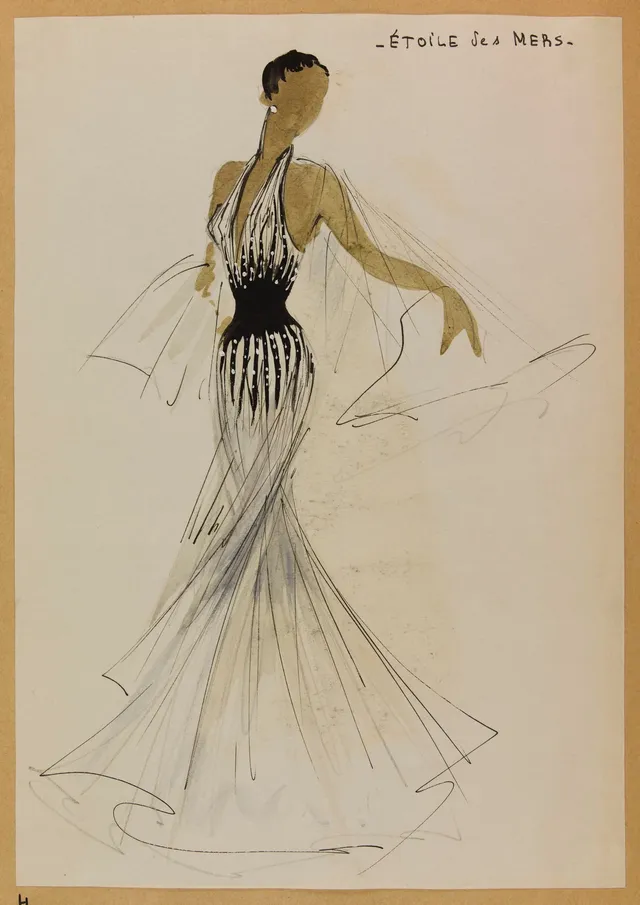
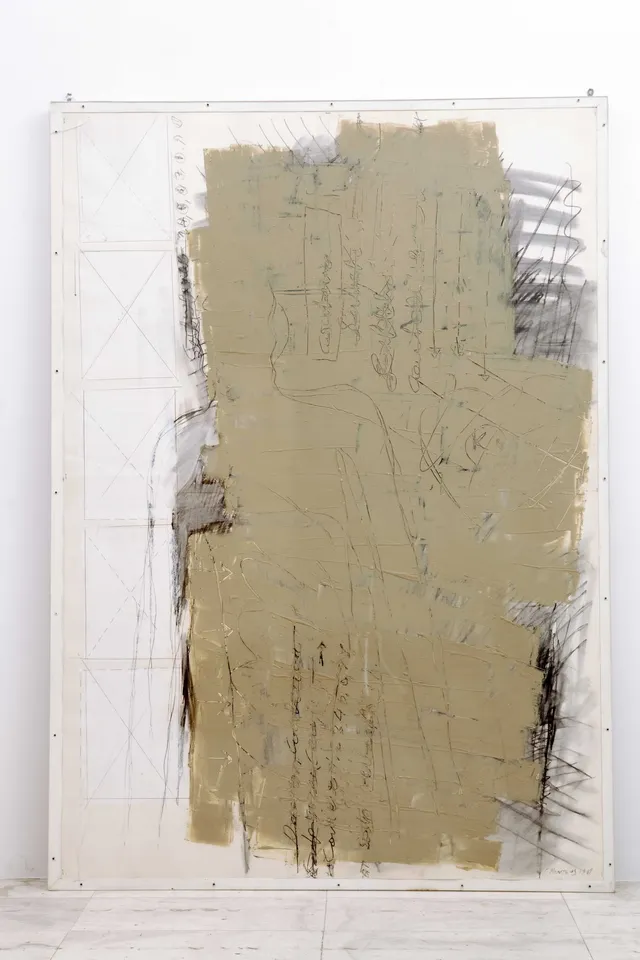
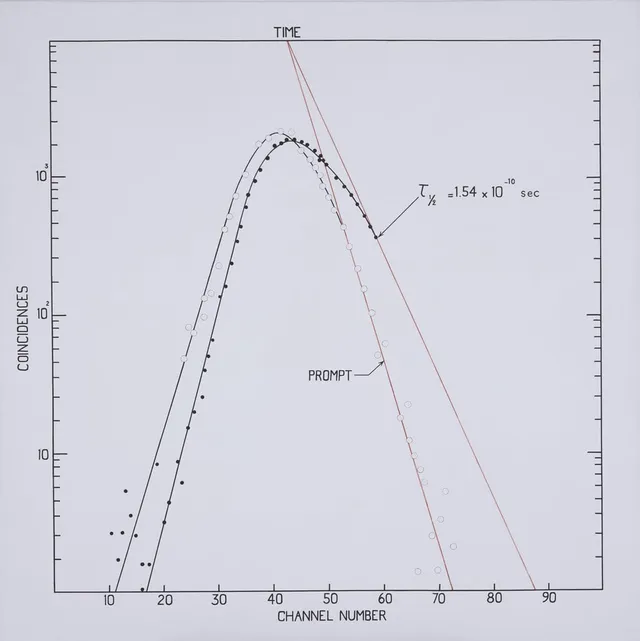
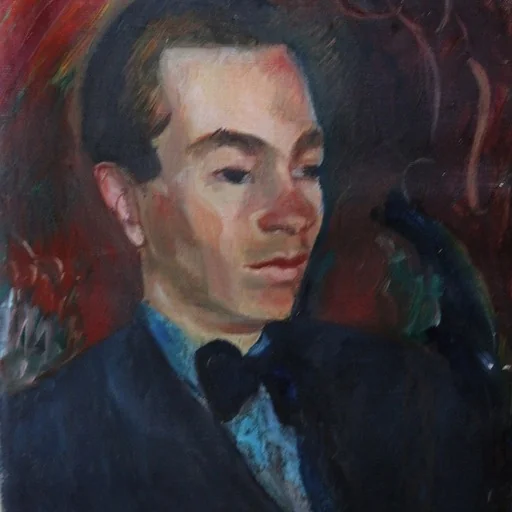
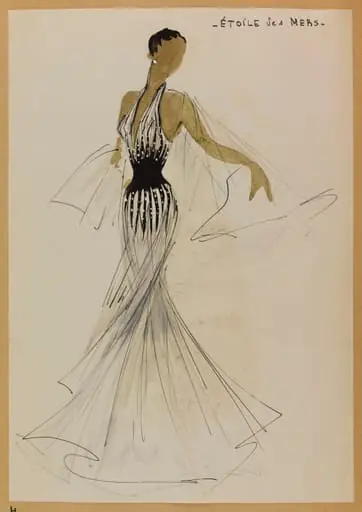
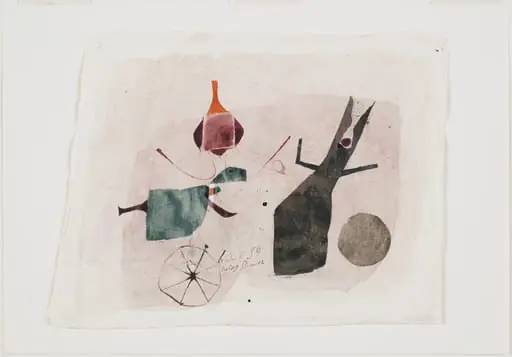
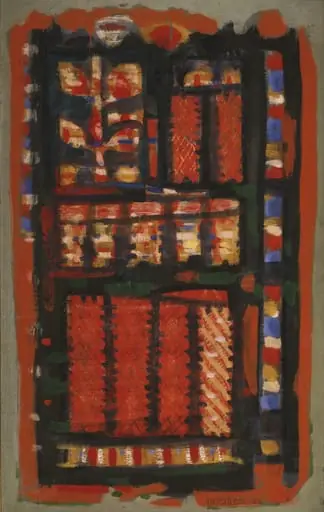
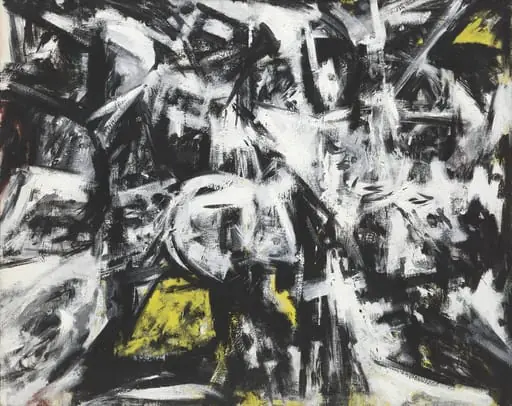
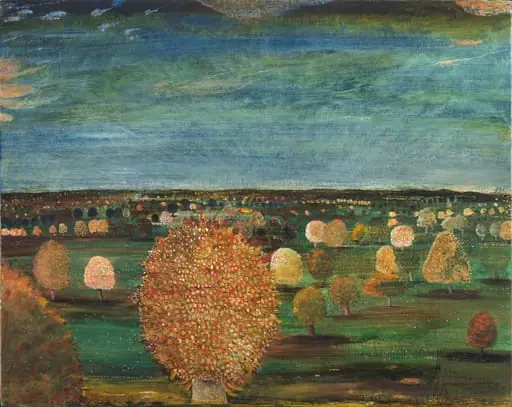
Tachisme is an art movement of the 1940–1960 period. The gallery holds 17 works in this movement, including works by Marie-Louise Carven, Henri-Bernard Goetz and André Lanskoy. Browse Tachisme paintings, portraits, pictures and artworks from the world's public-domain museum collections.
Tachisme was the dominant current of gestural abstraction in France during the late 1940s and 1950s, its name taken from the French word *tache* — a stain, blot, or spot of colour. It emerged from the disillusioned, existentialist climate of postwar Paris as a deliberate revolt against the rationalism and geometry of Cubism and the cool order of geometric abstraction. Where prewar abstraction had measured and constructed, the Tachistes wanted painting to register raw feeling and instinct: the mark made in the moment, unplanned and irreducible.
The term entered critical use around 1951, with the French critics Charles Estienne and Pierre Guéguen each credited with coining it. Estienne made it a banner, publishing the polemic "Une révolution : le tachisme" in *Combat-Art* on 1 March 1954 with the encouragement of André Breton. Tachisme overlapped almost completely with two parallel labels of the period — Art Informel, named by the critic Michel Tapié in 1952 (his book *Un art autre* appeared that year), and Abstraction Lyrique. Together they framed what is generally regarded as Europe's answer to American Abstract Expressionism, though European canvases tended to be smaller, more intimate and calligraphic, and less aggressively raw than the action painting of Pollock or de Kooning.
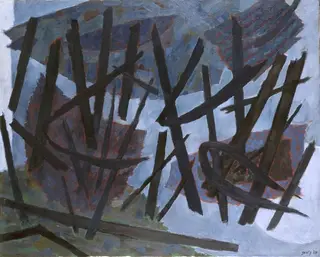
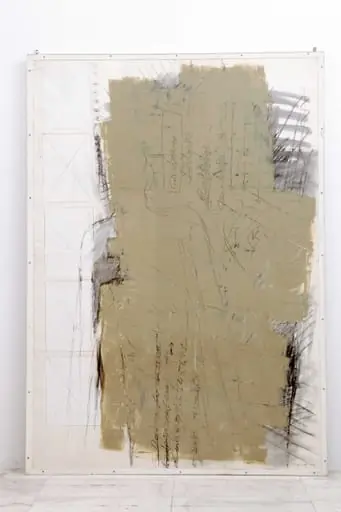
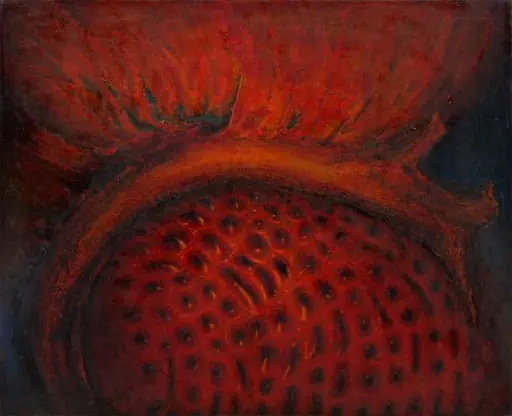
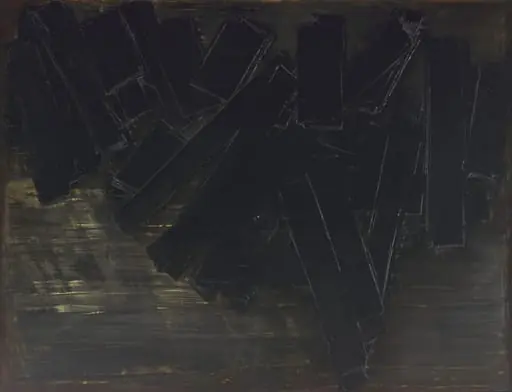
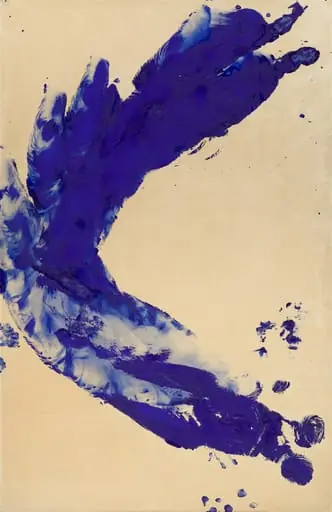
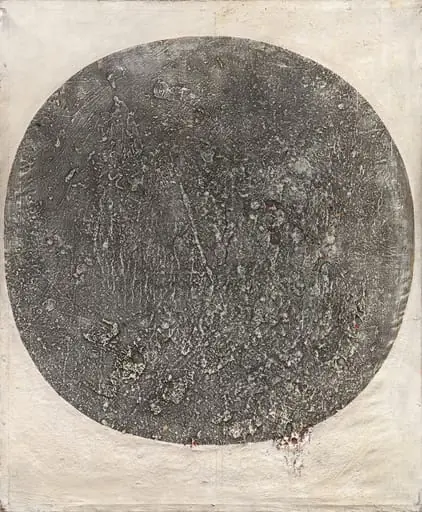
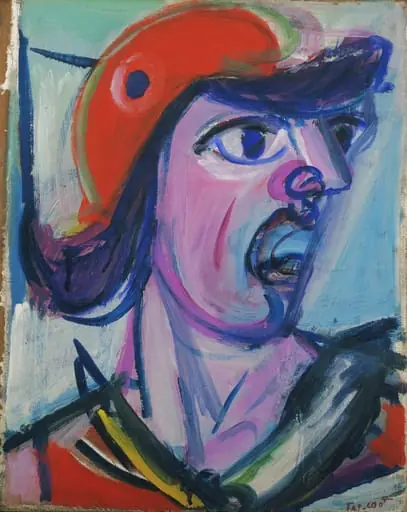
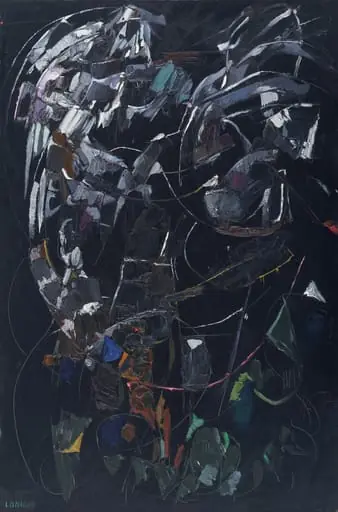
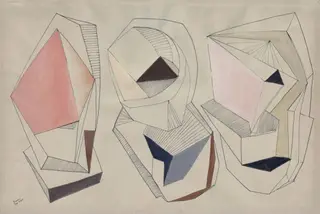
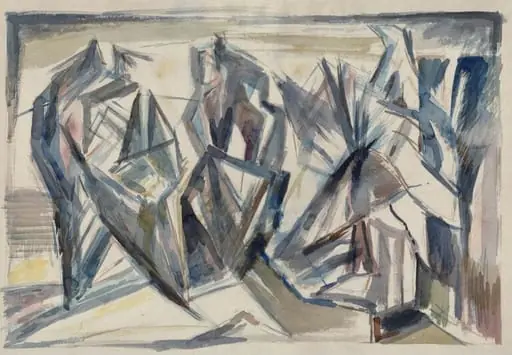
Visually, Tachisme is defined by spontaneous brushwork, dribbles and splashes, paint squeezed straight from the tube, and scribbled, sign-like marks that often verge on illegible calligraphy. Composition is intuitive rather than designed, the surface a record of gesture and accident. The pioneer was the German-born Wols, whose small, anguished works shown in Paris in 1947 proved decisive; he was followed by Hans Hartung, Georges Mathieu, Jean-Paul Riopelle, Camille Bryen, Gérard Schneider, and Pierre Soulages, whose dark, architectonic sweeps of black — and later his luminous "outrenoir" — count among the style's canonical achievements. The landmark 1951 exhibition at the Galerie Nina Dausset gathered Mathieu, Hartung, Riopelle, Wols and Pollock under one roof.
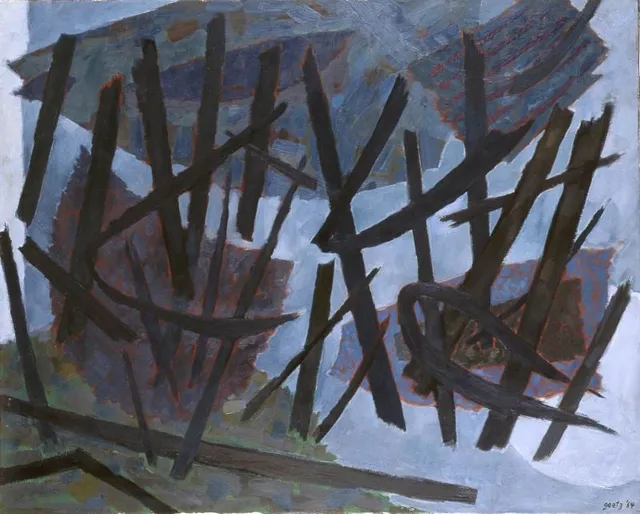
Tachisme's reach extended across Europe and into the work of figures associated with the broader Informel orbit, among them Roger Bissière, René Tal-Coat, André Lanskoy and Henri Goetz, several of whom are held in this collection alongside Soulages. By the early 1960s its lyrical spontaneity had largely given way to Pop and Minimalism, but its insistence on the autonomous, expressive mark left a lasting mark on later abstraction.
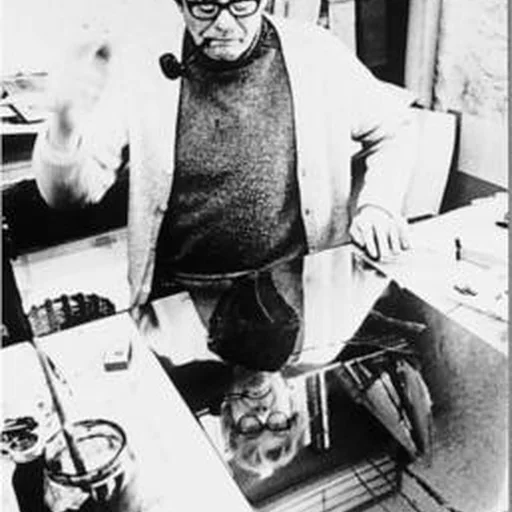
Key artists
Works
Frequently asked questions
What is Tachisme?
Tachisme is an art movement. French gestural painting of the late 1940s and 1950s — the European cousin of American Action Painting — in which marks (taches) of color were applied rapidly and intuitively.
How many Tachisme works does Artifact World Gallery have?
Artifact World Gallery holds 17 public-domain Tachisme works, all free to view and download.
Who are the key Tachisme artists?
Key Tachisme artists in the collection include Marie-Louise Carven, Henri-Bernard Goetz and André Lanskoy.
When did Tachisme take place?
Tachisme dates from 1940–1960.
Where can I see Tachisme works?
Tachisme works in the collection are held by Museum of Modern Art, Victoria and Albert Museum and Israel Museum.