Movement
Macchiaioli
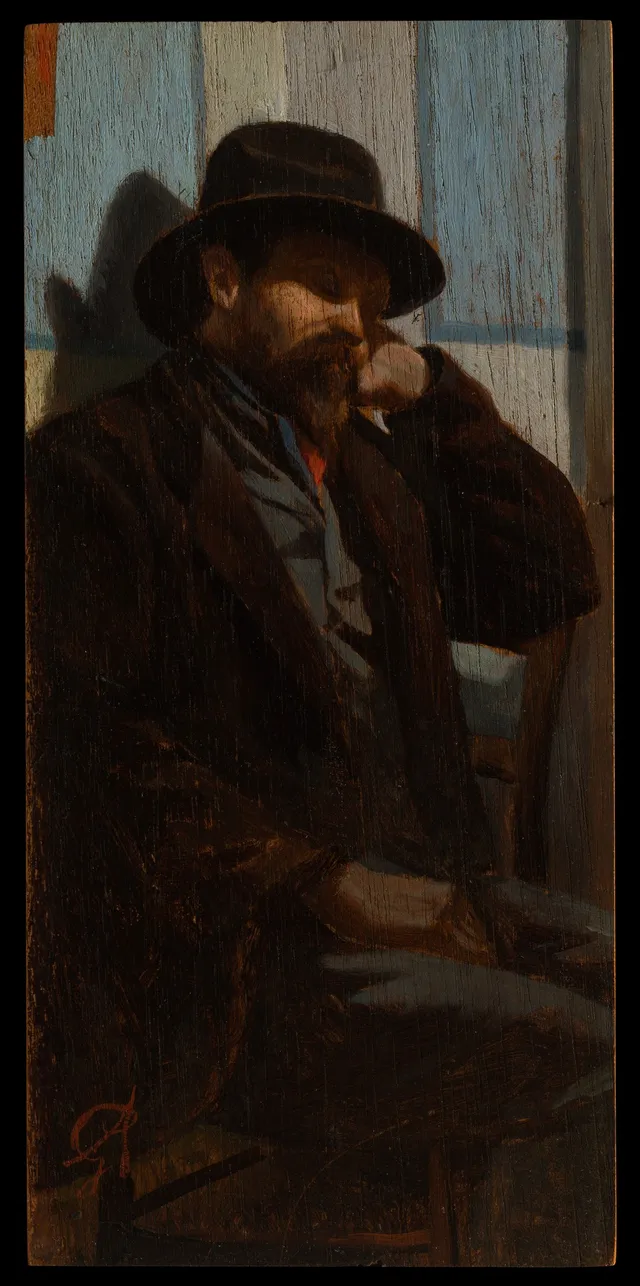
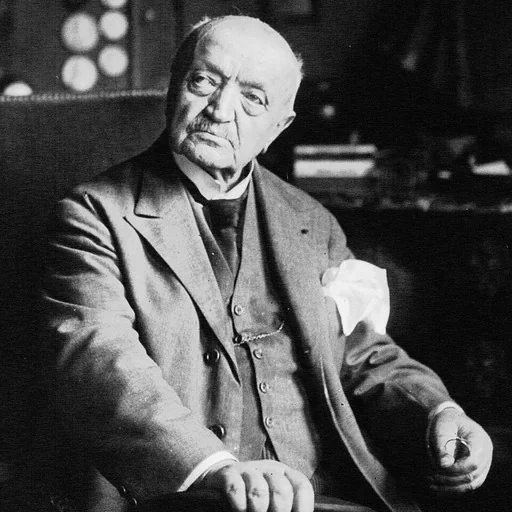
Macchiaioli is an art movement dating from 1850. The gallery holds 2 works in this movement, including works by Giovanni Boldini, Achille Lega and Edith Corbet. Browse Macchiaioli paintings, portraits, pictures and artworks from the world's public-domain museum collections.
The Macchiaioli were a group of Tuscan painters who coalesced in Florence around 1855, in the ferment of the Risorgimento. Many had taken part in the revolutionary uprisings of 1848, and their rebellion against the conventions of academic art carried a parallel political charge. They gathered at the Caffè Michelangiolo on the Via Larga (now Via Cavour), a bohemian hub active from 1848 to 1866, to argue over a new way of painting. A decisive spark came when Serafino De Tivoli returned with enthusiasm for the French Barbizon school and its practice of working directly from nature; his friends quickly elaborated these ideas into a distinctly Italian idiom.
The movement's name derives from the macchia—Italian for "patch," "spot," or "blot." The Macchiaioli held that broad areas of light and shadow, laid down as bold tonal patches rather than carefully blended contours, were the essential building blocks of a picture. Painting outdoors, they sought the immediate effect of strong Mediterranean sunlight, often using a dark ground and sharp value contrasts to compress a scene into a few telling masses. The label itself began as an insult: a hostile review in the Gazzetta del Popolo on 3 November 1862 first used "Macchiaioli" in print, mocking the finished canvases as mere unresolved sketches.
The principal figures were Giovanni Fattori (1825–1908) and Silvestro Lega (1826–1895), regarded as the group's leading creative talents, with Telemaco Signorini (1835–1901) serving as its restless theorist and polemicist. Fattori is celebrated for military scenes and luminous coastal views such as the Rotonda di Palmieri (1866); Lega for tender domestic and garden subjects like Il pergolato; Signorini for unsparing realist images of modern life. The young Giuseppe Abbati and other associates worked alongside them, often at the seaside estate of the critic Diego Martelli at Castiglioncello, which gave its name to a related strand of the movement.
Though sometimes called the "Italian Impressionists," the Macchiaioli largely preceded their French counterparts, and Martelli became an early champion of both circles, befriending Degas and Pissarro. Their tonal economy and plein-air directness shaped later Tuscan painting and remain the movement's enduring legacy.
Key artists
Works
Frequently asked questions
What is Macchiaioli?
Macchiaioli is an art movement. A group of progressive Italian painters based in Florence from the 1850s who painted in macchie ('patches') of contrasting light and dark — a tonal shorthand for direct outdoor observation developed independently of, but roughly parallel to, French Impressionism.
Who are the key Macchiaioli artists?
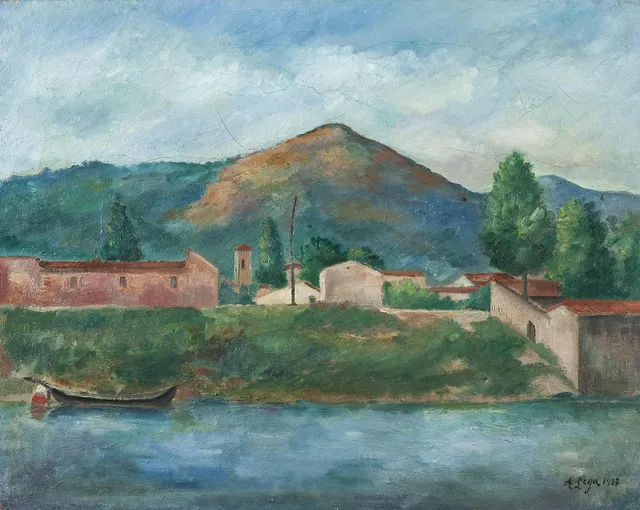
Key Macchiaioli artists in the collection include Giovanni Boldini, Achille Lega and Edith Corbet.
When did Macchiaioli take place?
Macchiaioli dates from around 1850.
Where can I see Macchiaioli works?
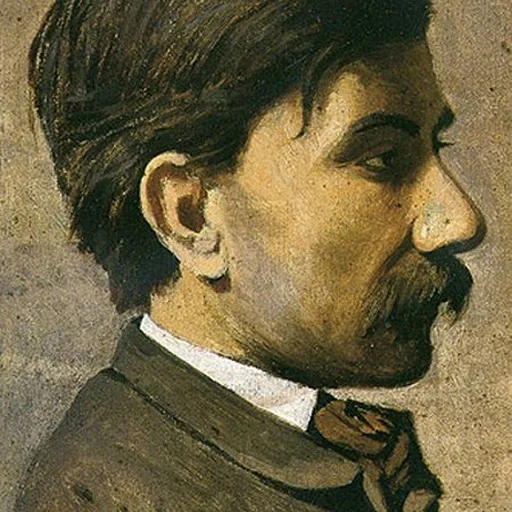
Macchiaioli works in the collection are held by Metropolitan Museum of Art and Hermitage Museum.