
Movement
Metaphysical painting
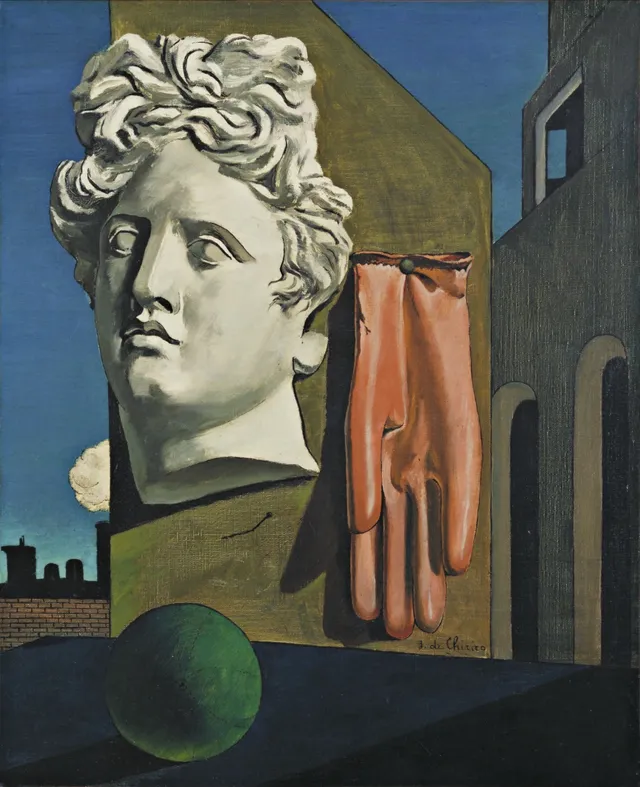
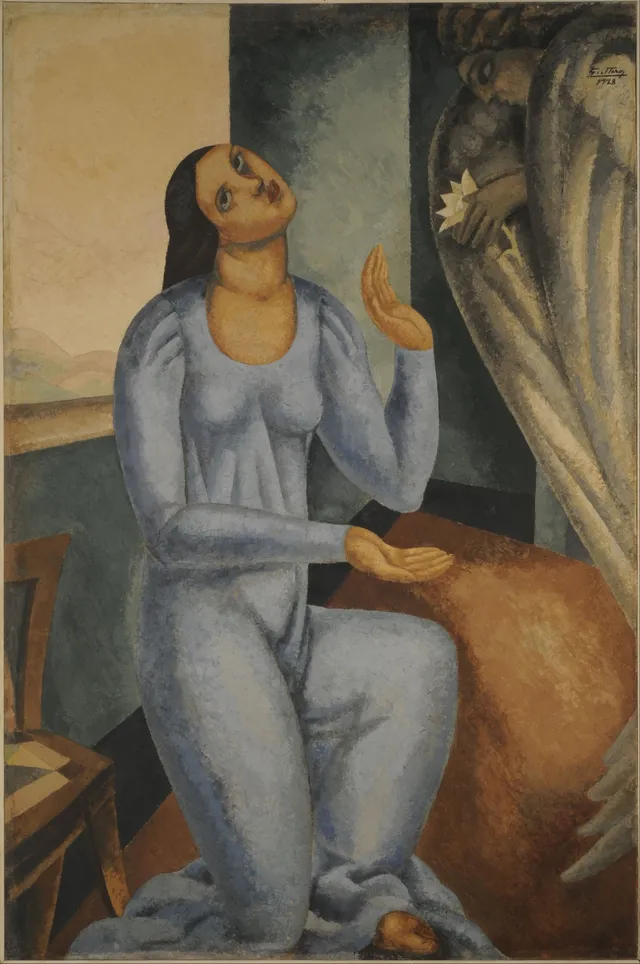
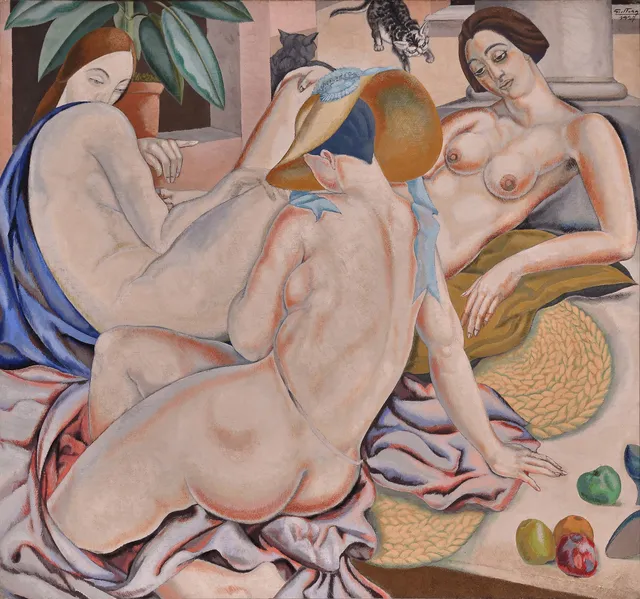
Metaphysical painting is an art movement of the 1917–1920 period. The gallery holds 3 works in this movement, including works by Giorgio de Chirico, Alfredo Guttero and Giorgio Morandi. Browse Metaphysical painting paintings, portraits, pictures and artworks from the world's public-domain museum collections.
Metaphysical painting — in Italian, *Pittura Metafisica* — was an Italian movement that conjured uncanny, dreamlike scenes from ordinary materials, rendered with cool, classical clarity. Its origins lie with Giorgio de Chirico, who from around 1910 began painting hushed, threatening cityscapes; the poet Guillaume Apollinaire first applied the word "metaphysical" to these works in 1913. The movement coalesced during the First World War, when de Chirico and the former Futurist Carlo Carrà met in 1917 while stationed in Ferrara, working for a stretch at a military hospital there. With de Chirico's brother, the writer and painter Alberto Savinio, they articulated the school's principles, and the Milan journal *Valori Plastici*, founded by Mario Broglio in 1918, spread its images and essays to a small but influential audience.
The style returned deliberately to traditional technique and iconography after the fractures of Cubism and Futurism. Its hallmark is the deserted Italian piazza: arcaded, raked by long shadows under a low sun, ringed by classical statuary and pierced by sharp, illogical perspective. Into these silent stages the painters introduced incongruous objects — tailor's mannequins, faceless dummies, draughtsman's instruments, distant locomotives — assembled in juxtapositions that feel charged with melancholy and unspoken meaning, "painting that which cannot be seen."
The canonical figures are de Chirico, Carrà, Savinio, and Giorgio Morandi, whose austere metaphysical still lifes of bottles and boxes (1918–1922) appeared in *Valori Plastici*; Mario Sironi is often shown alongside them. The defining work is de Chirico's *The Song of Love* (1914, Museum of Modern Art), which pins a Greek sculpted head, a surgeon's rubber glove, and a green ball against a wall before a distant train — a painting we hold in our collection. René Magritte recalled that seeing a reproduction of it was a moment when "my eyes saw thought for the first time."
Though short-lived as an organized school, Metaphysical painting was enormously consequential. André Breton, Max Ernst, Yves Tanguy, Magritte, and Salvador Dalí all credited de Chirico in their turn toward Surrealism, while his mannequins fed George Grosz's New Objectivity and Oskar Schlemmer's Bauhaus work — making the movement a direct bridge between the avant-garde and Surrealism.
Key artists
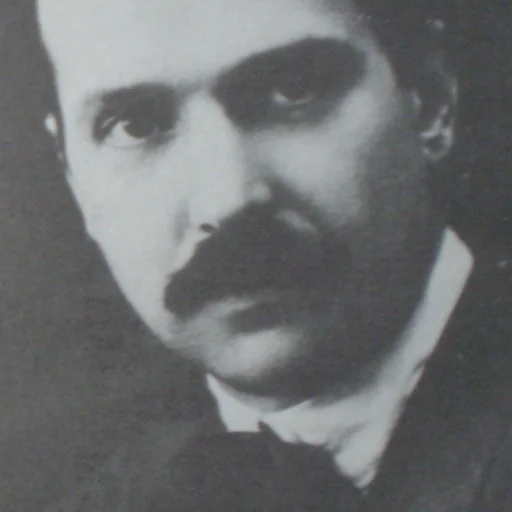
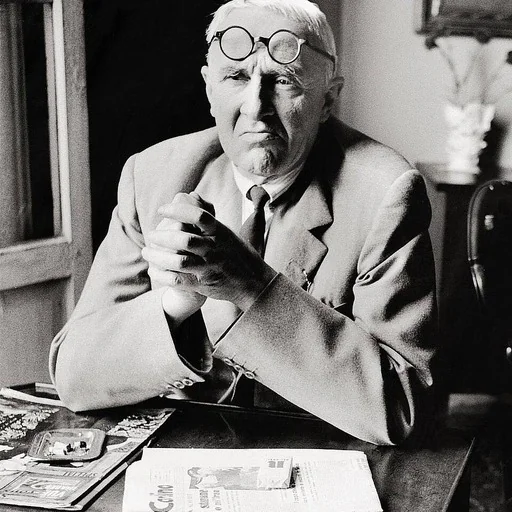
Works
Frequently asked questions
What is Metaphysical painting?
Metaphysical painting is an art movement. Pittura metafisica — an Italian movement founded around 1910 by Giorgio de Chirico and later joined by Carlo Carrà.
Who are the key Metaphysical painting artists?
Key Metaphysical painting artists in the collection include Giorgio de Chirico, Alfredo Guttero and Giorgio Morandi.
When did Metaphysical painting take place?
Metaphysical painting dates from 1917–1920.
Where can I see Metaphysical painting works?
Metaphysical painting works in the collection are held by National Museum of Fine Arts, Argentina and Museum of Modern Art.