Movement
Surrealism
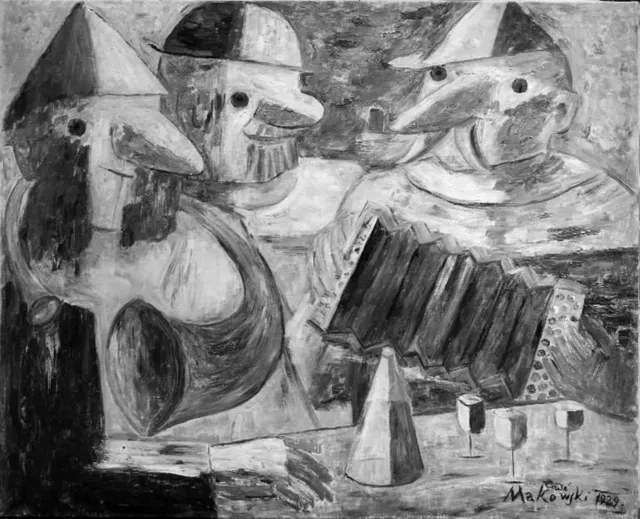
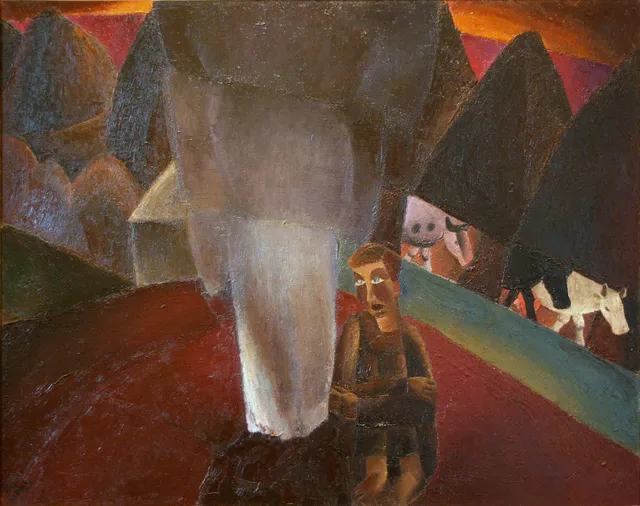
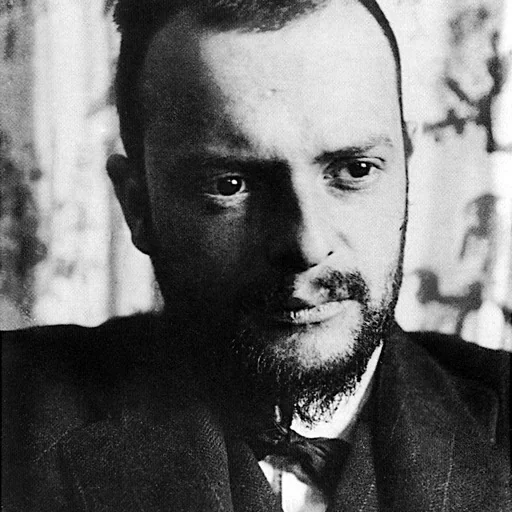
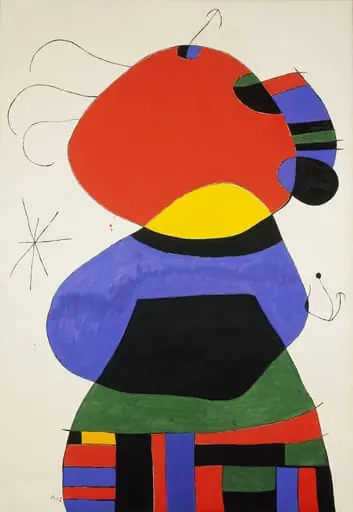
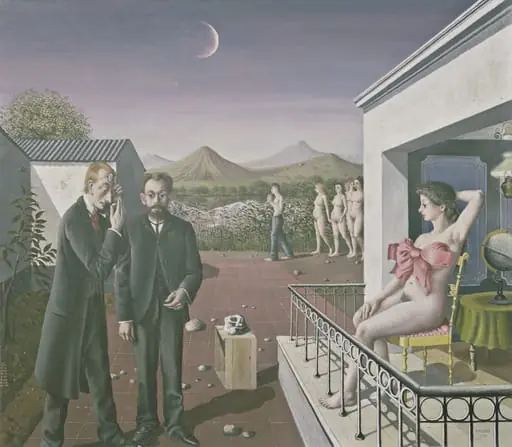
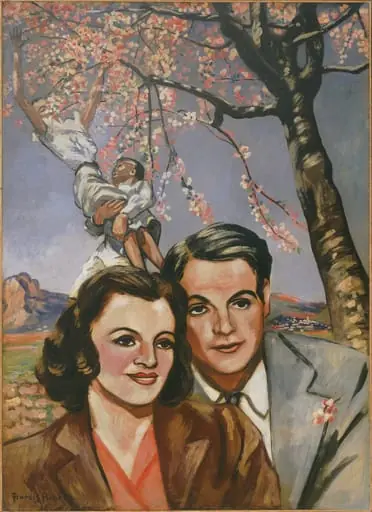
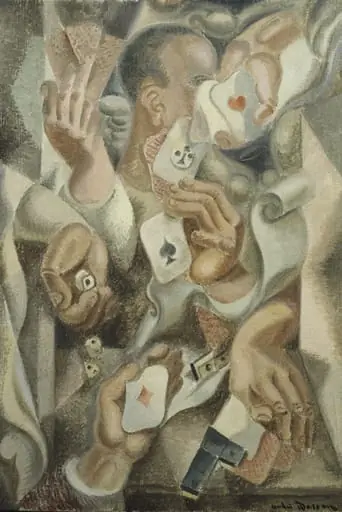
Surrealism is an art movement of the 1920–1980 period. The gallery holds 77 works in this movement, including works by Paul Klee, Osvaldo Louis Guglielmi and Luc Albert Moreau. Browse Surrealism paintings, portraits, pictures and artworks from the world's public-domain museum collections.
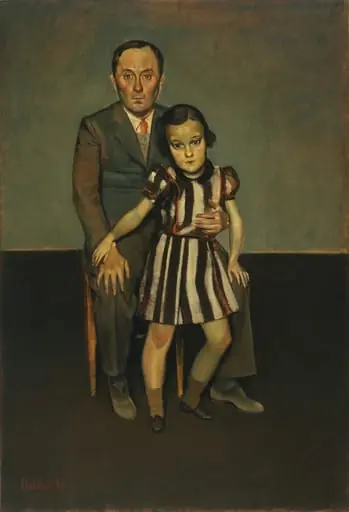
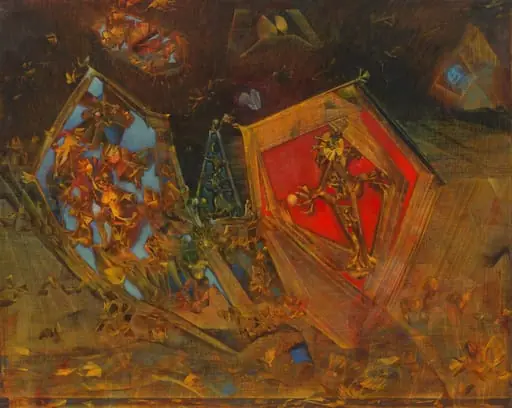
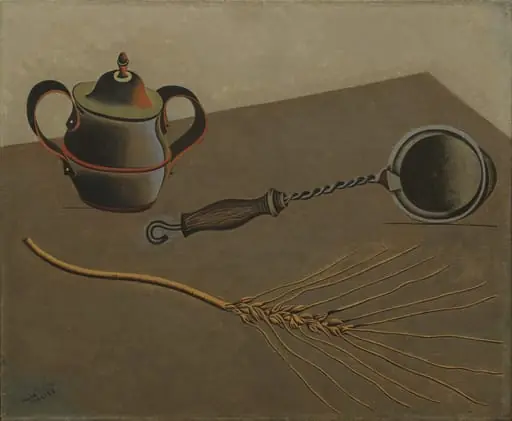
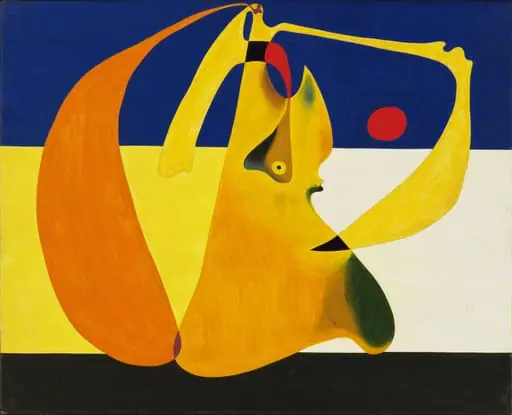
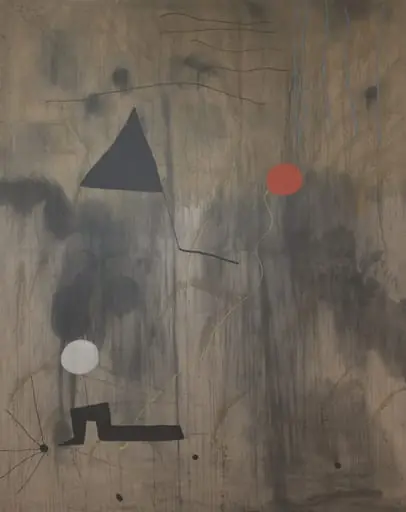
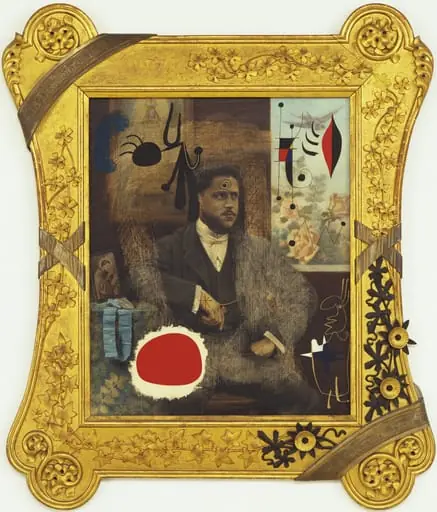
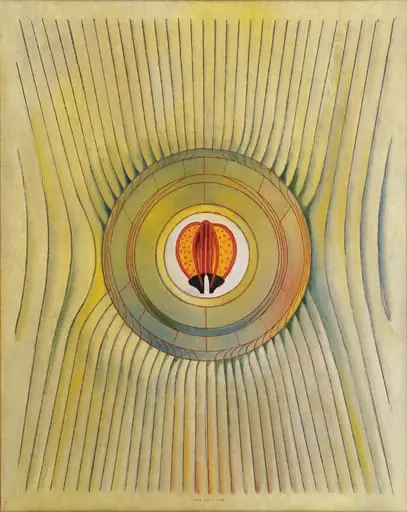
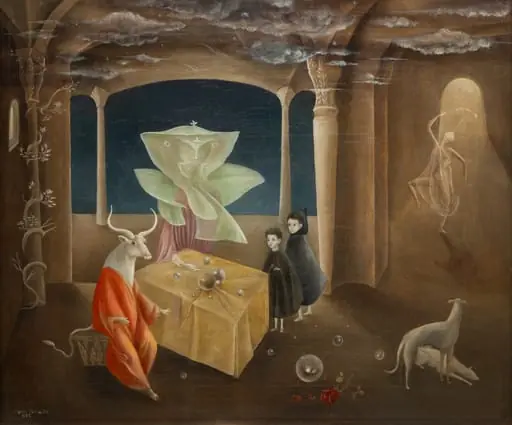
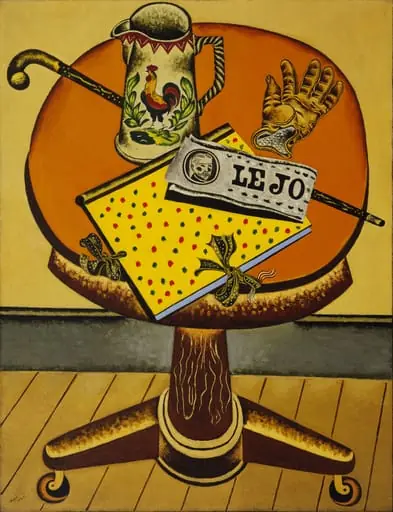
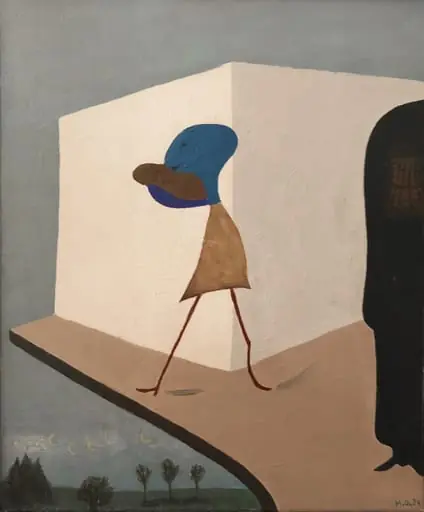
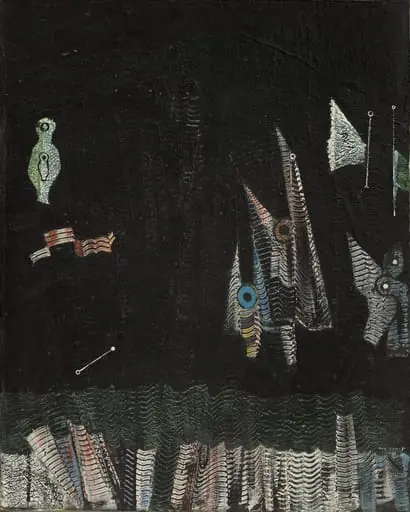
Surrealism was an international cultural movement that crystallized in Paris in the early 1920s, formally launched when the poet and critic André Breton published his *Manifesto of Surrealism* in 1924. That same year Breton founded the Bureau of Surrealist Research and the journal *La Révolution surréaliste*, giving the movement institutional shape. Surrealism grew directly out of Dada's anti-rational provocations and was steeped in Sigmund Freud's theories of dreams and the unconscious. Breton defined it as "pure psychic automatism," a means of expressing the real functioning of thought freed from reason, aesthetic convention, and moral control. What had begun as a literary experiment with automatic writing soon expanded into the visual arts.
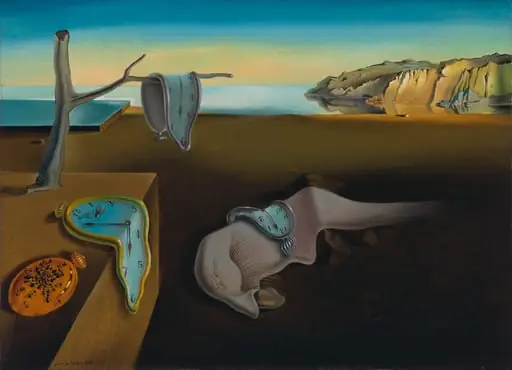
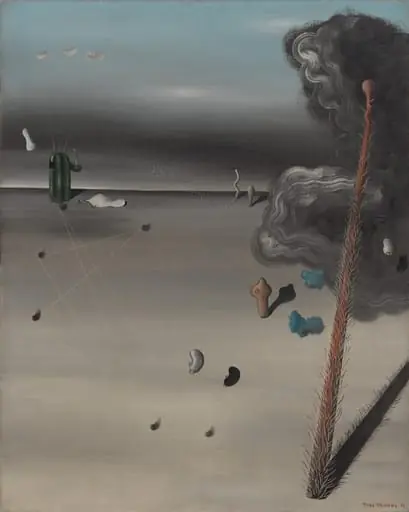
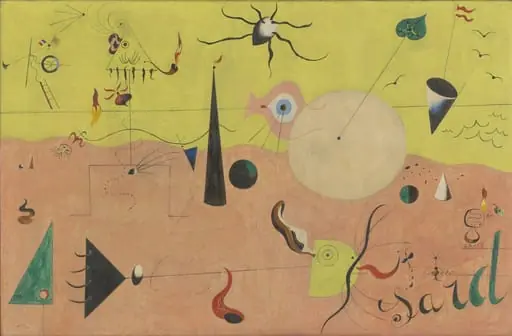
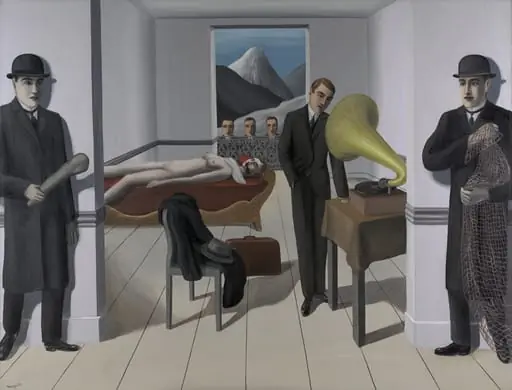
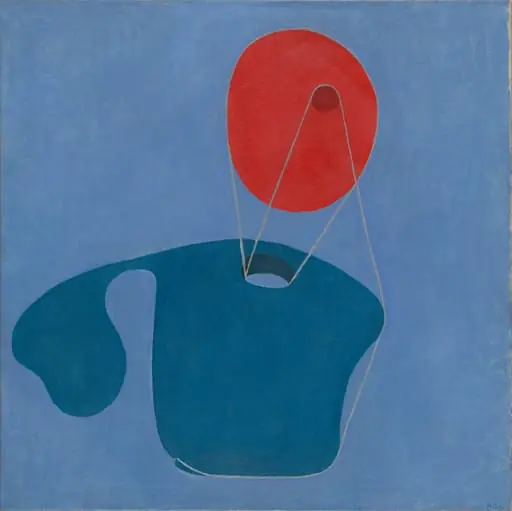
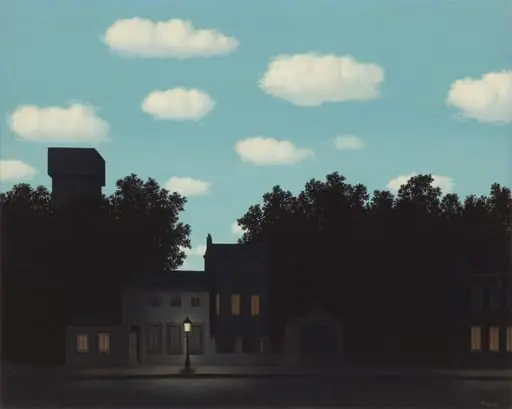
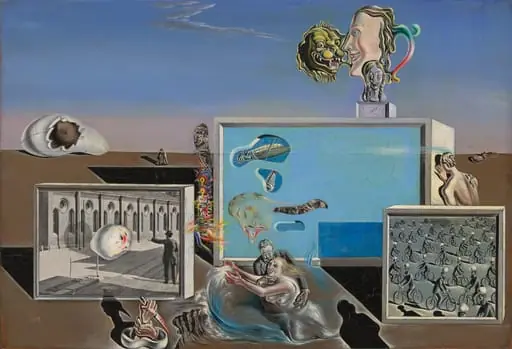
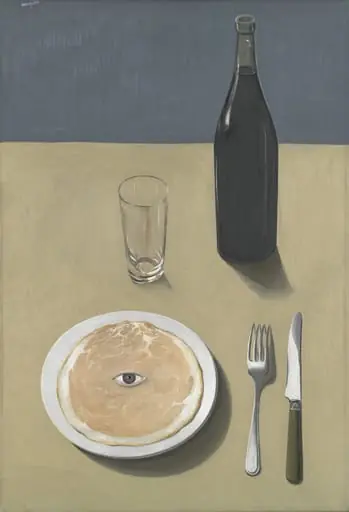
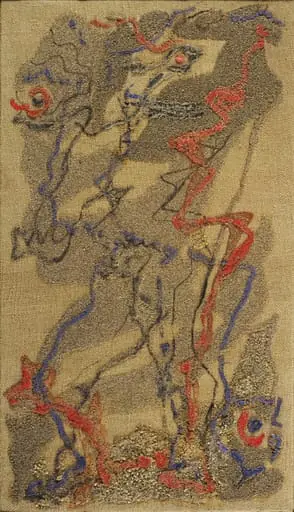
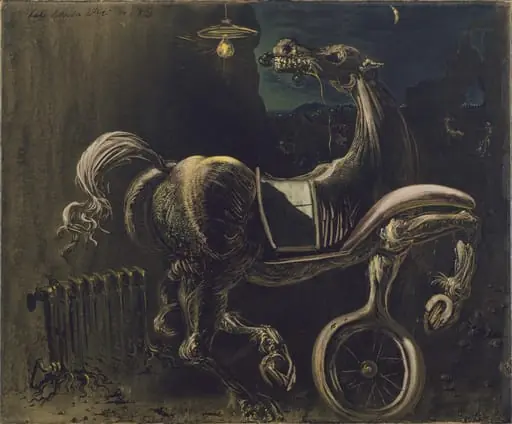
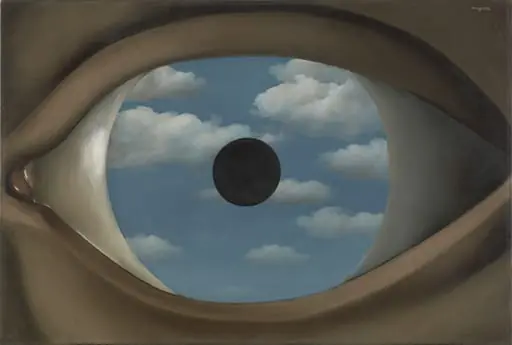
Two broad approaches emerged. The automatist wing—Joan Miró, André Masson, and the German émigré Max Ernst—courted chance and the unconscious through spontaneous mark-making and invented techniques such as frottage (rubbing over textured surfaces), grattage (scraping paint), and decalcomania. The veristic or hyperrealist wing—Salvador Dalí, Yves Tanguy, and René Magritte—rendered impossible scenes with crisp, illusionistic precision, lending dream imagery the conviction of photographs. Both shared a taste for unexpected juxtaposition, metamorphosis, and the uncanny.
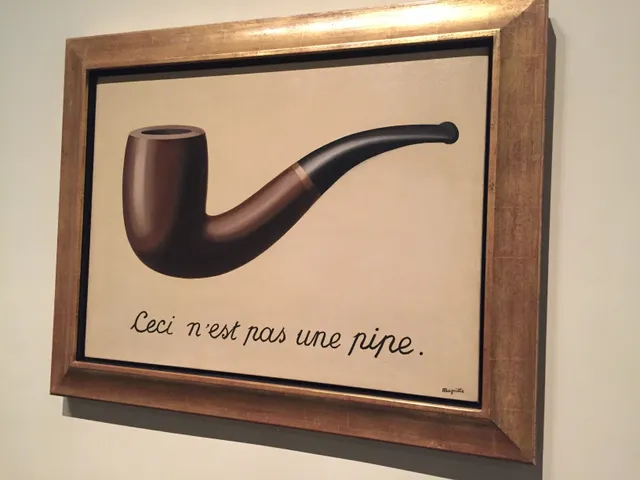
The movement's canonical works remain touchstones of twentieth-century art. Dalí's *The Persistence of Memory* (1931), with its limp watches melting across a barren shore, became Surrealism's defining image. Magritte's *The Treachery of Images* (1929), inscribed "Ceci n'est pas une pipe," interrogated the gap between objects, pictures, and words—a conceptual provocation held in this collection. Ernst, Miró, Tanguy, and Masson rounded out a roster that also embraced photography, film, and sculpture.
Surrealism drew heavily on precursors, above all Giorgio de Chirico's enigmatic Metaphysical painting and the dream-laden imagination of nineteenth-century Symbolism, while extending Dada's iconoclasm into a constructive program. When many of its members fled wartime Europe for New York in the early 1940s, their emphasis on spontaneity and the unconscious helped catalyze Abstract Expressionism, shaping painters such as Jackson Pollock and Mark Rothko. Its influence persists across modern advertising, cinema, and contemporary art, making Surrealism one of the most far-reaching avant-gardes of the modern era.
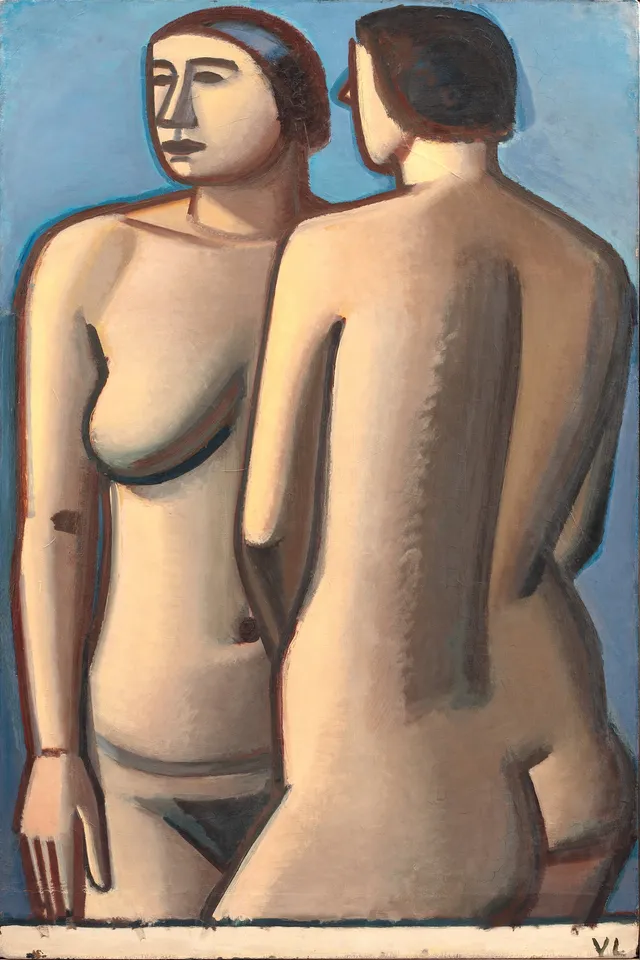
Key artists
Works
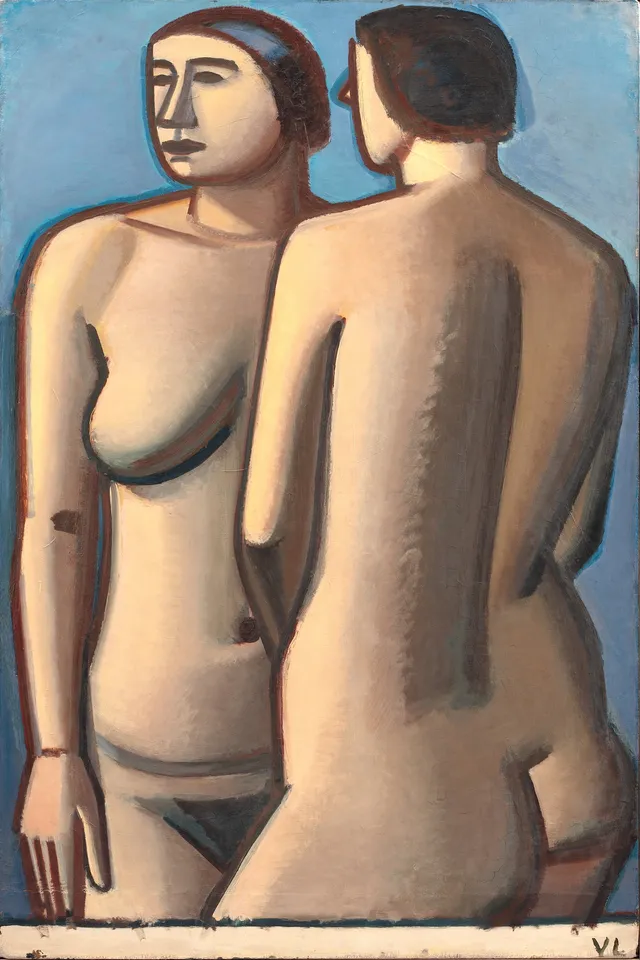
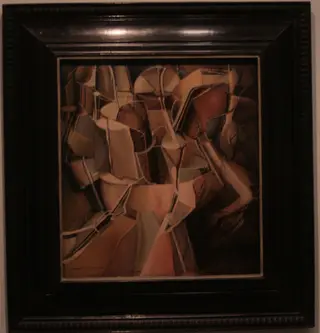
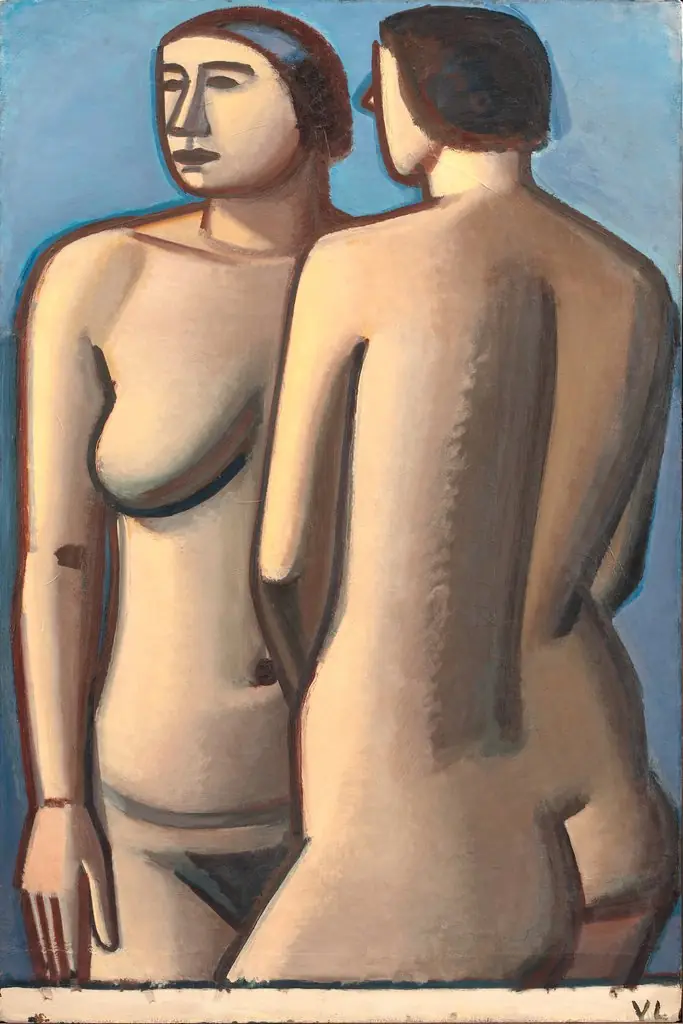 Two Female Nudes
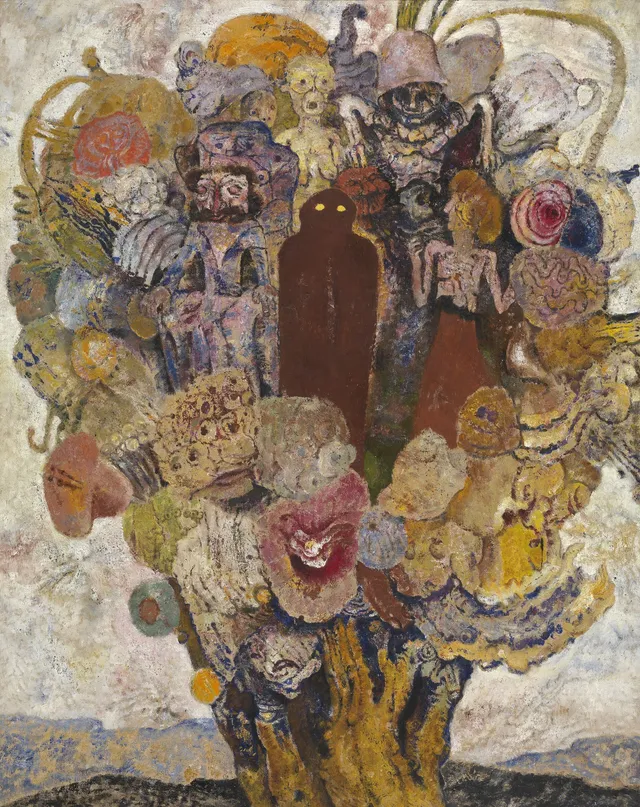
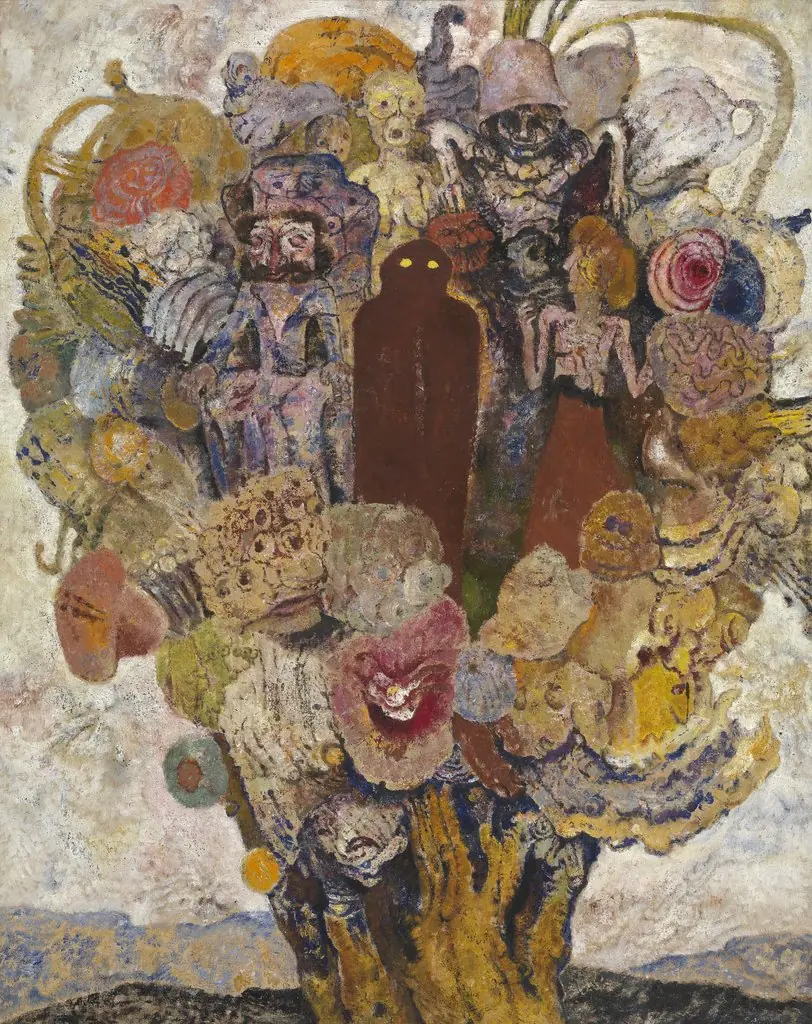 Tree in Bloom
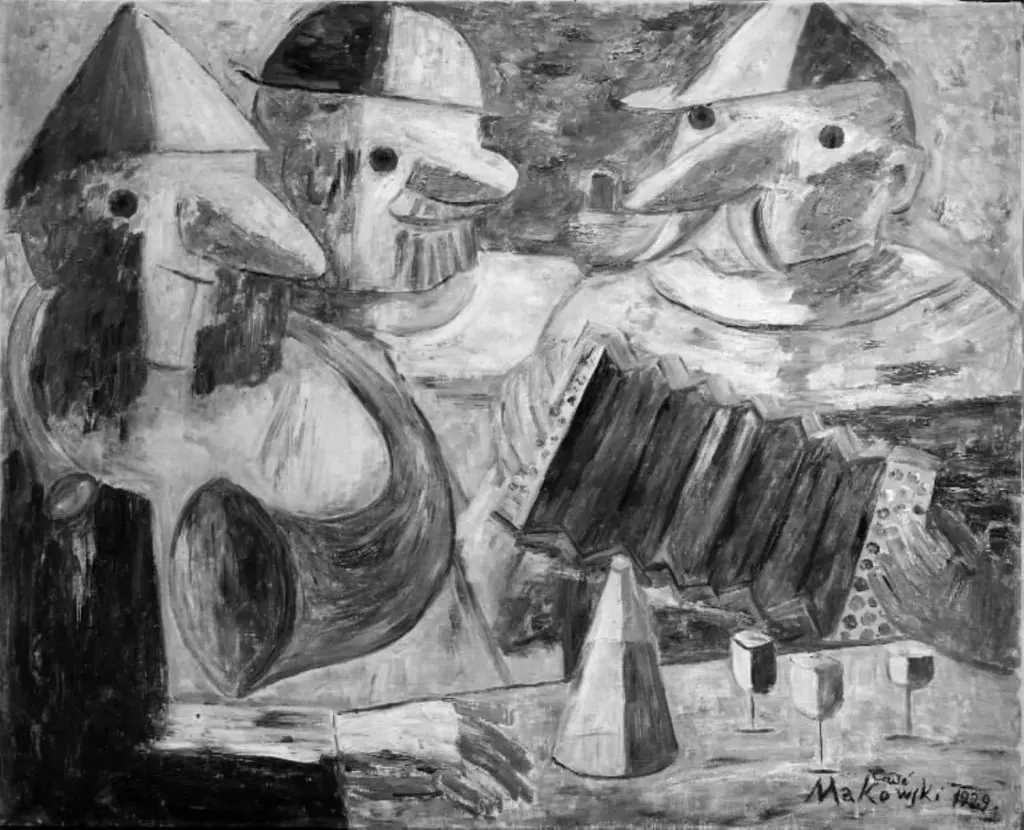 Les trois copains
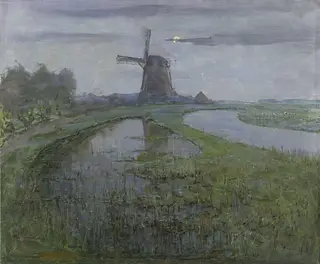
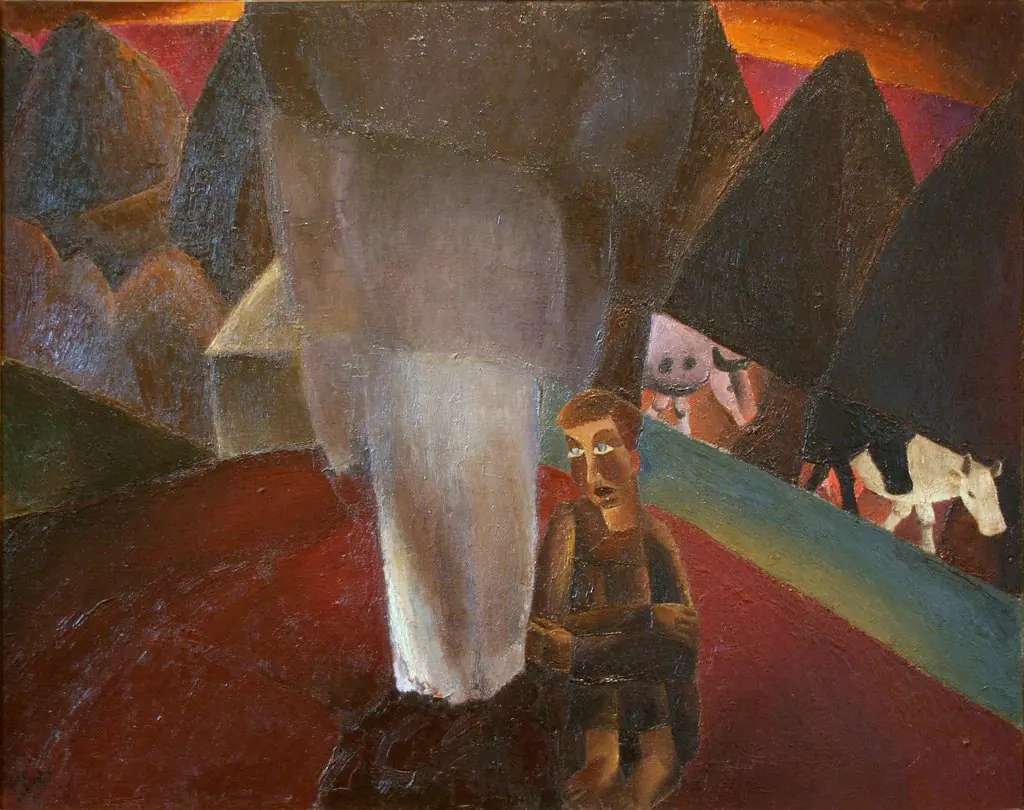 Avondschemering
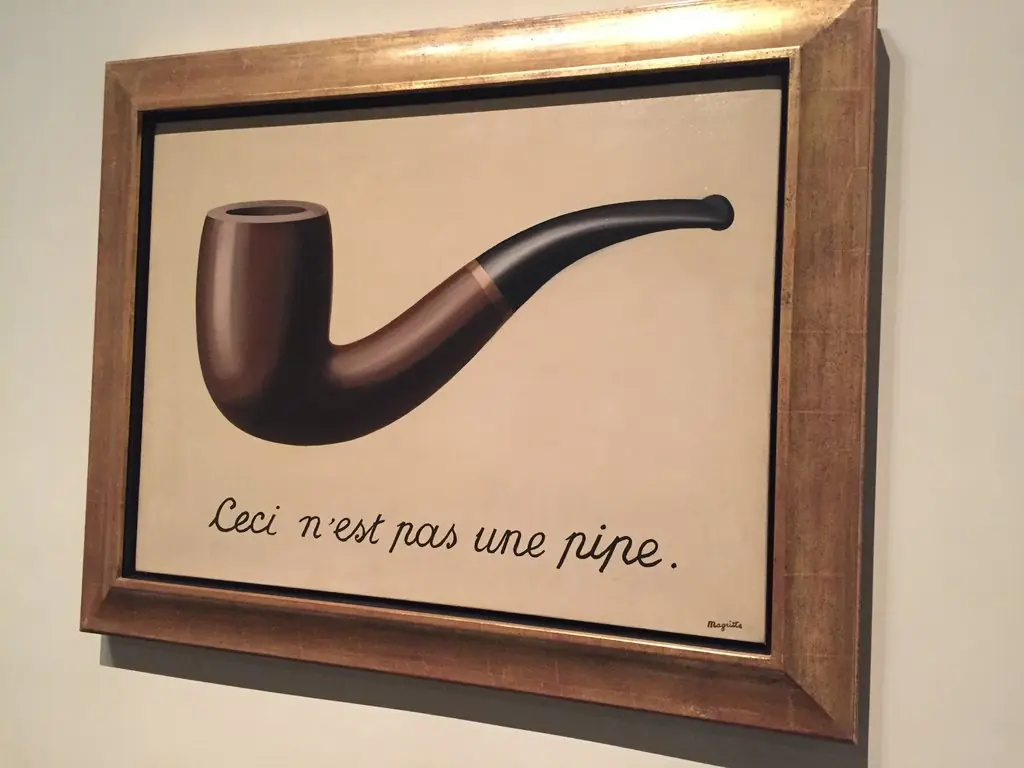 The Treachery of Images
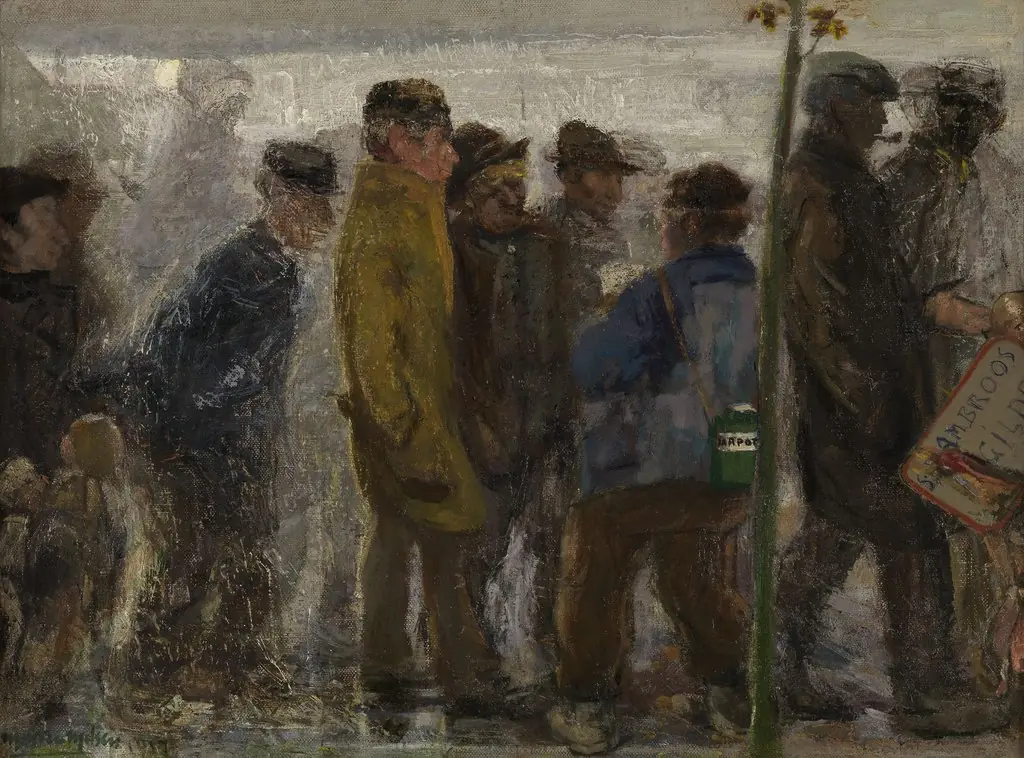 The Bee Keepers
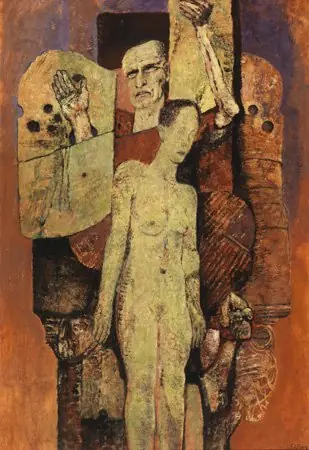 Distances
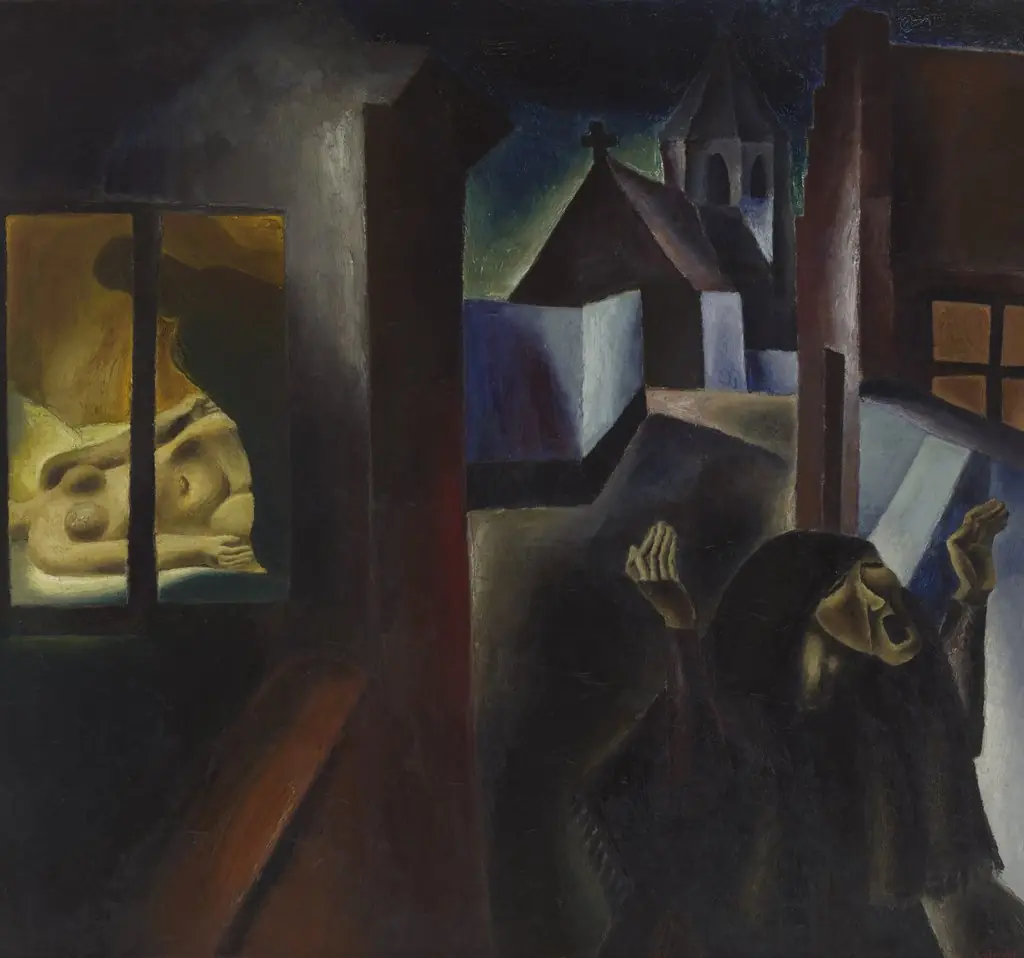 Life
Life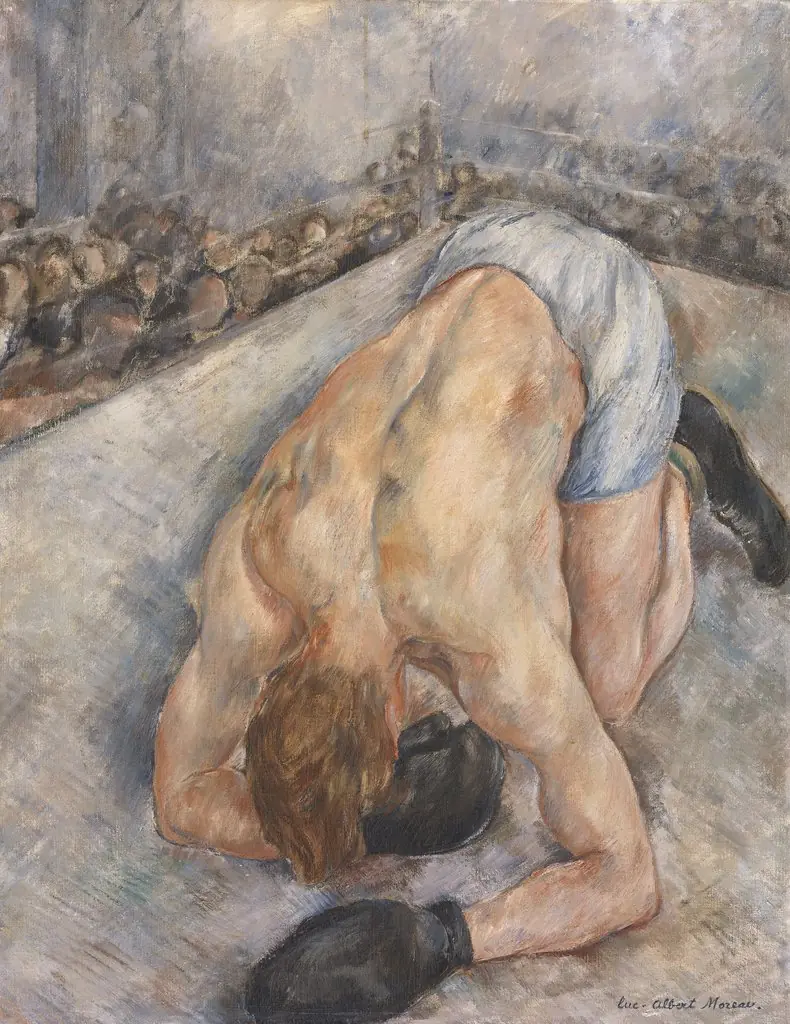 The Knock-Out
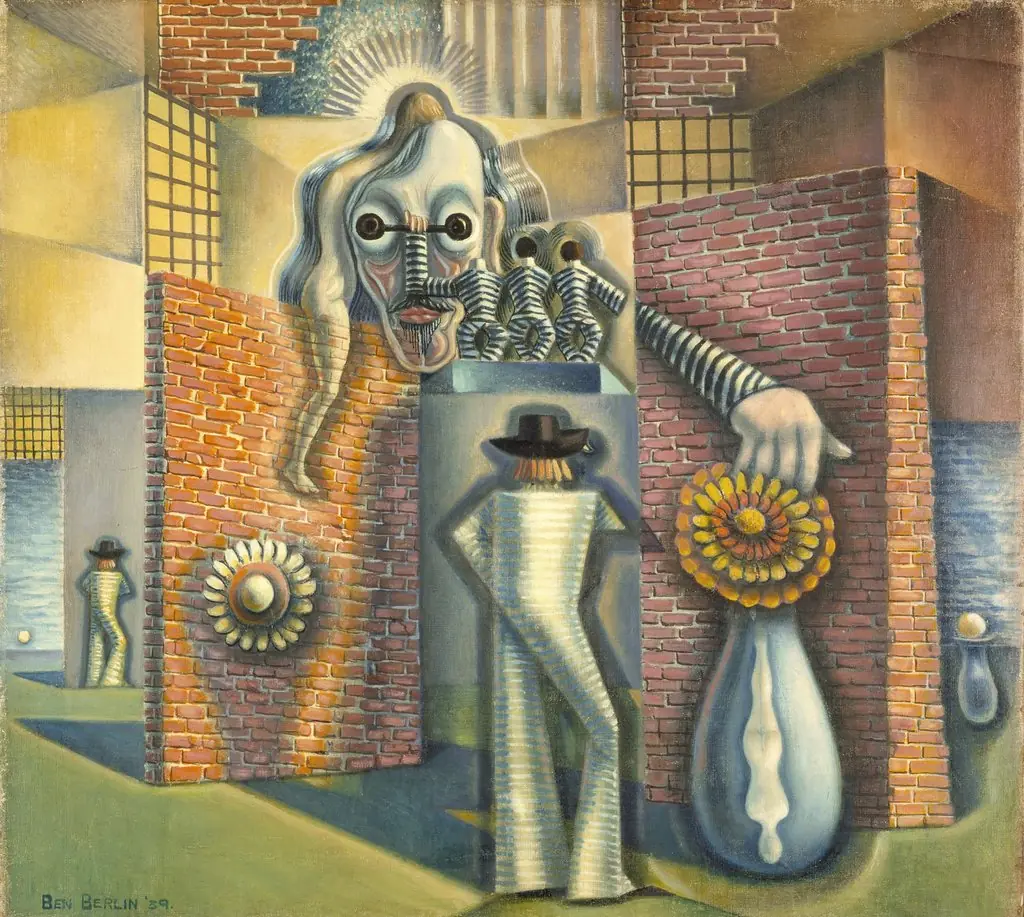 Untitled (Surreal Abstraction)
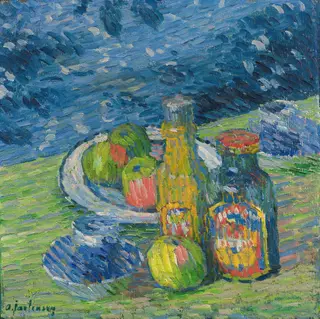
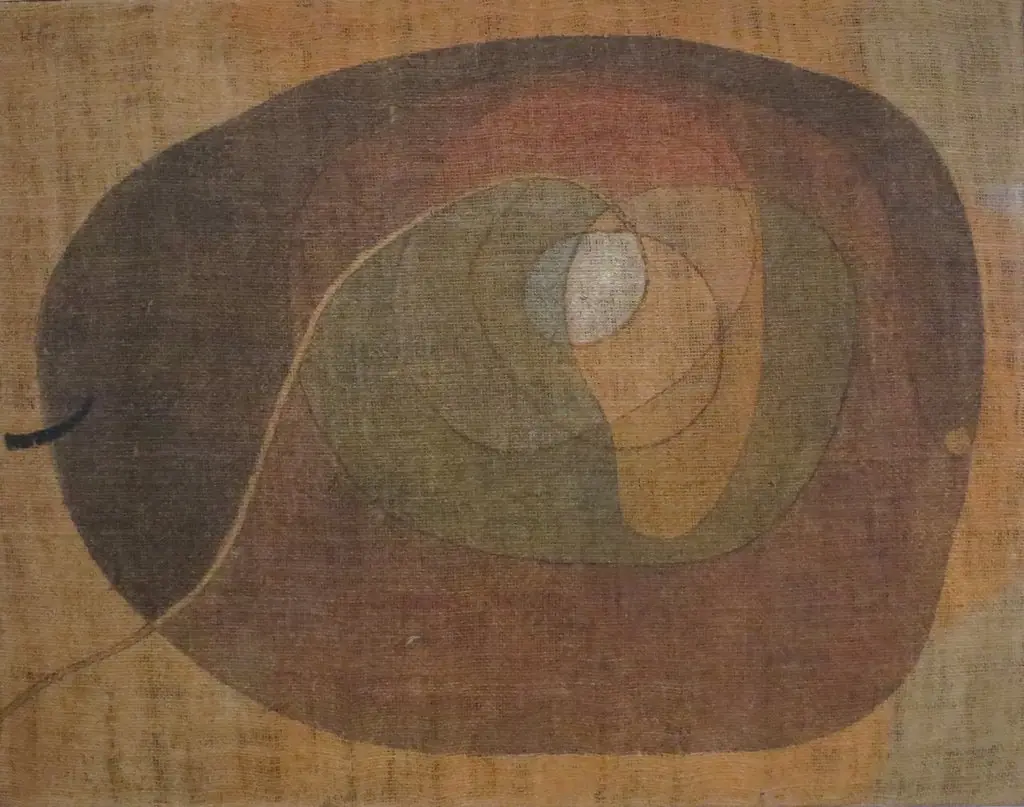 The Fruit
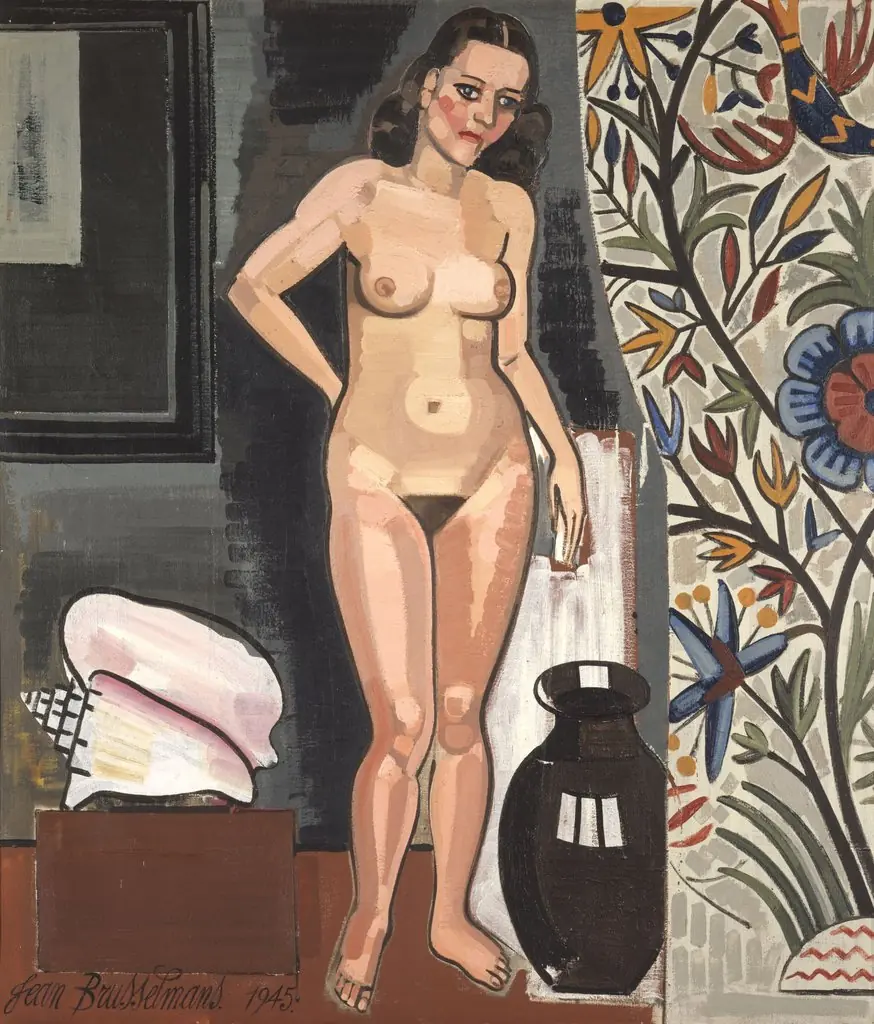 Naakt met schelp
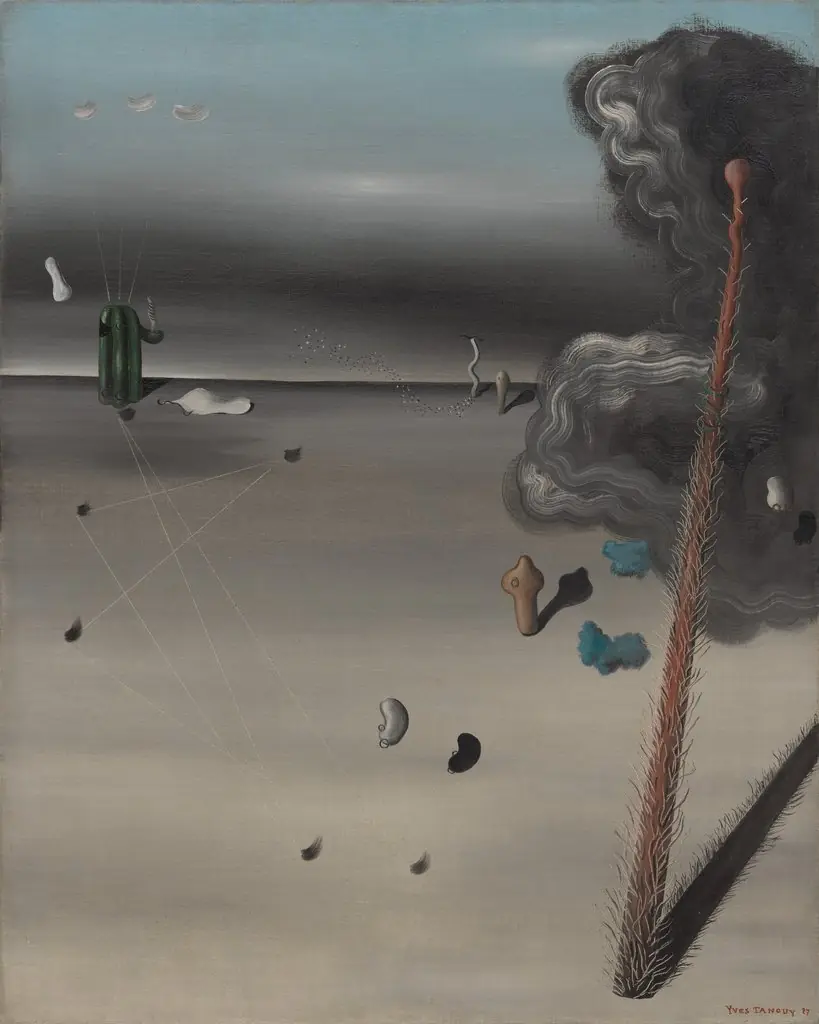 Mama, Papa Is Wounded!
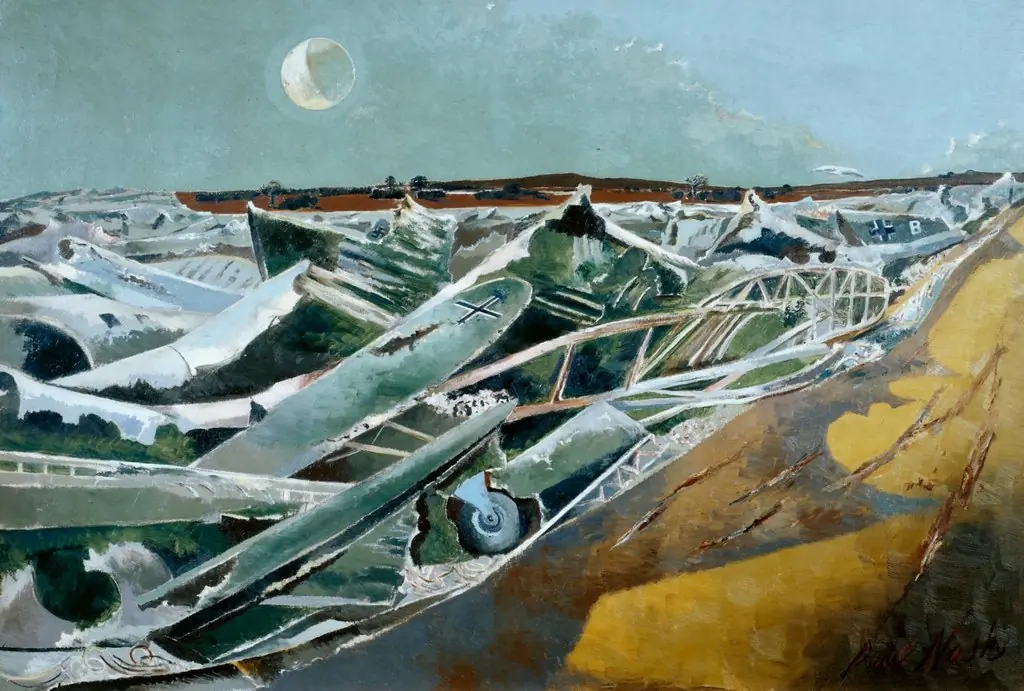 Totes Meer (Dead Sea)
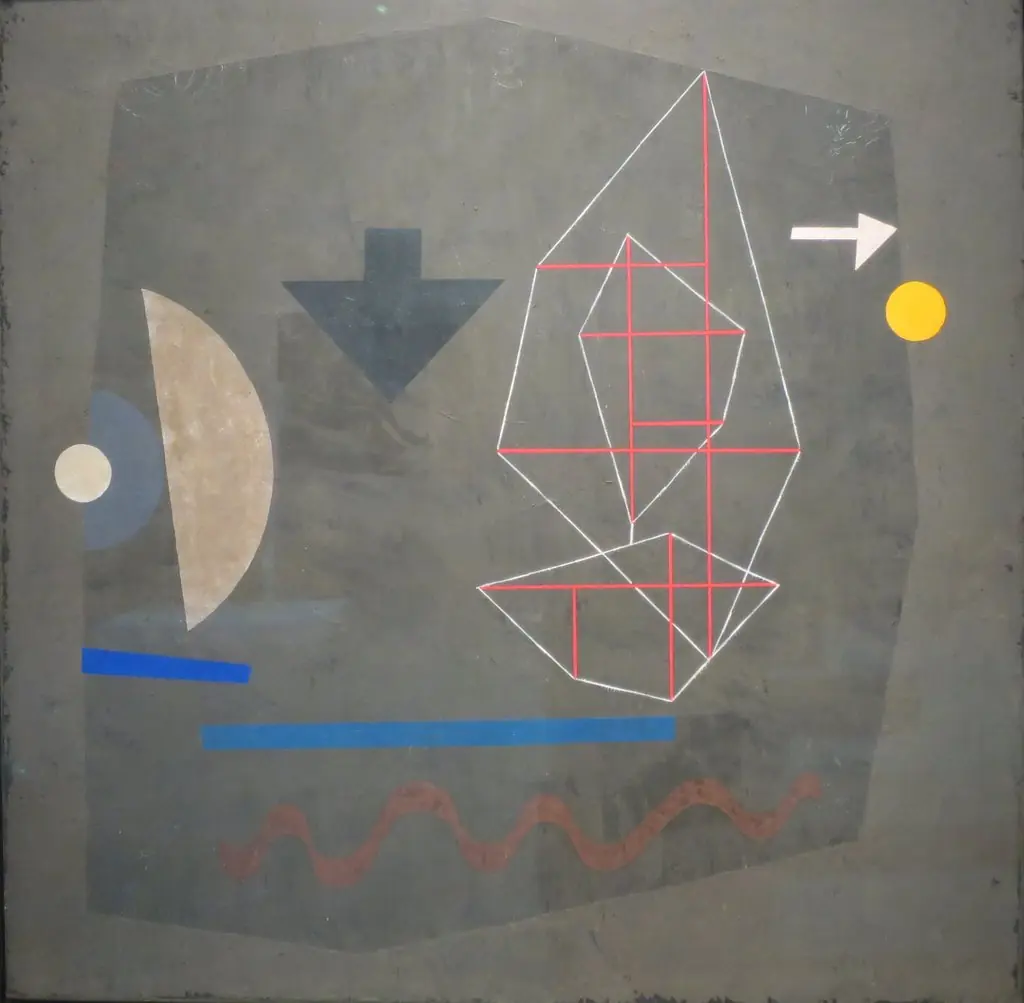 Possibilities at Sea
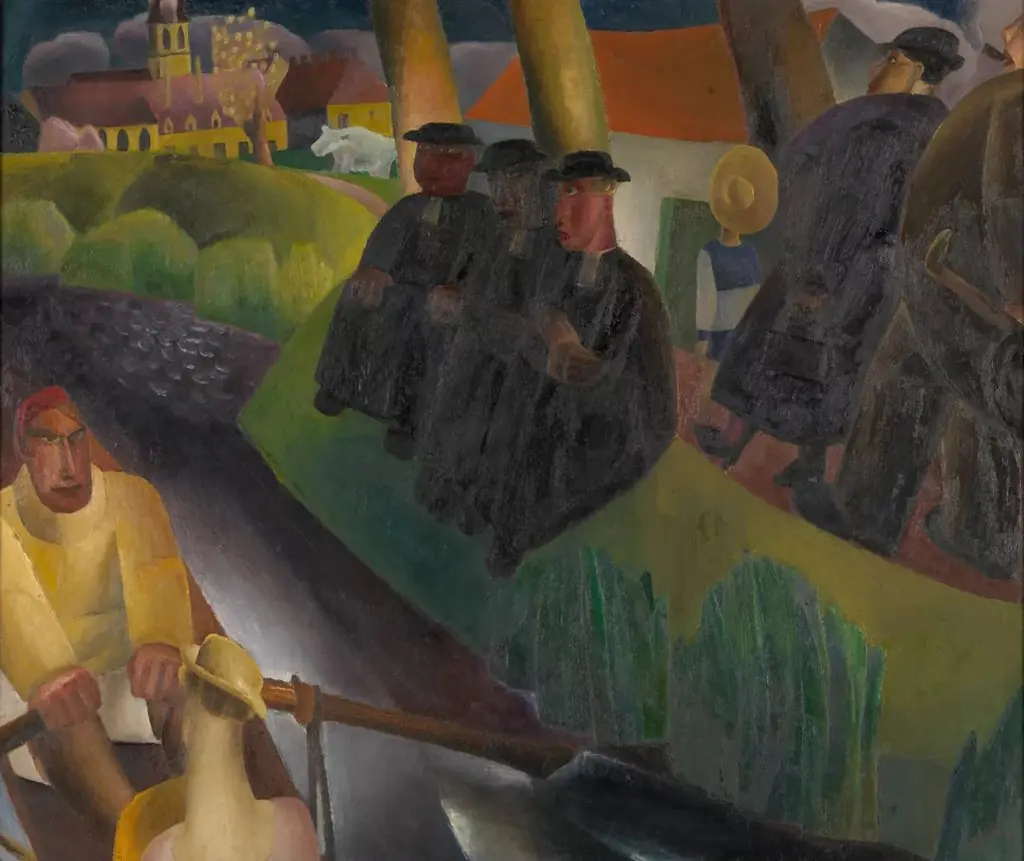 Sunday
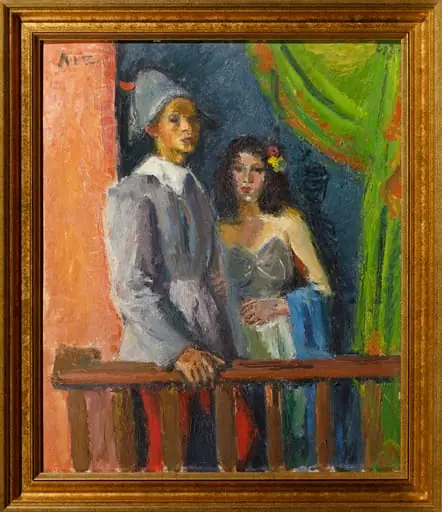 Arlechinadă (Paulina și Arlechin)
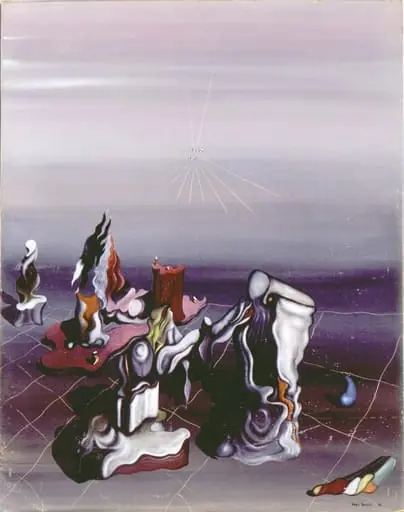 Painting
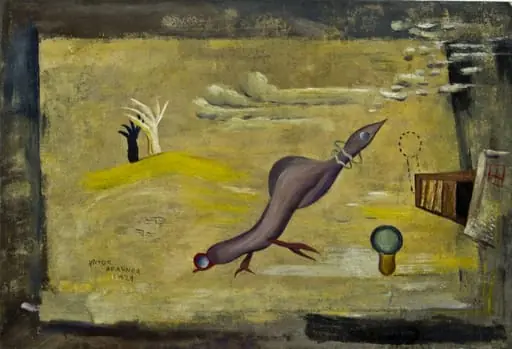 Compoziție suprarealistă
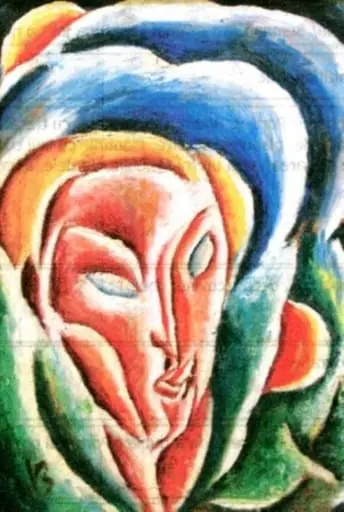 Portretul lui X (față); Portretul lui Ilarie Voronca (verso)
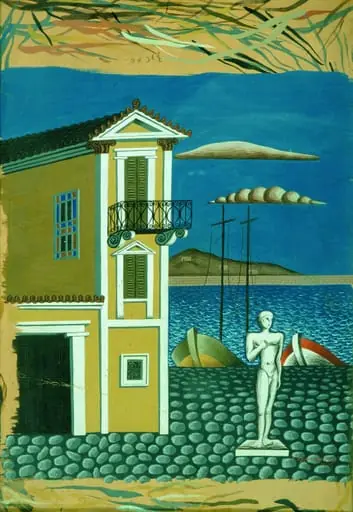 Σχέδιο για το "Τοπίο του Πειραιά με άγαλμα"
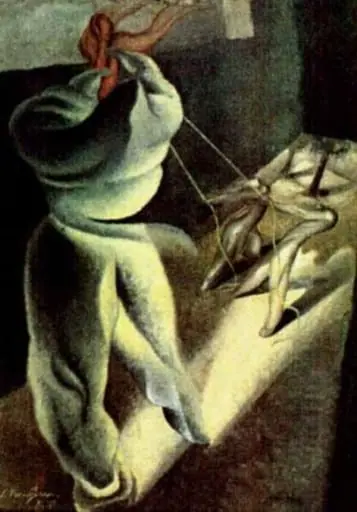 Compoziție suprarealistă
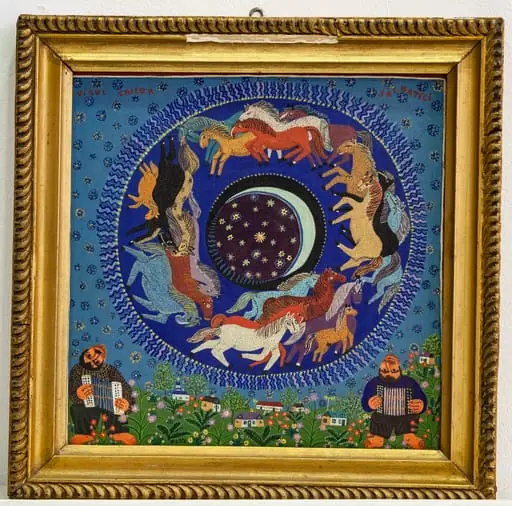 Visul cailor sălbatici
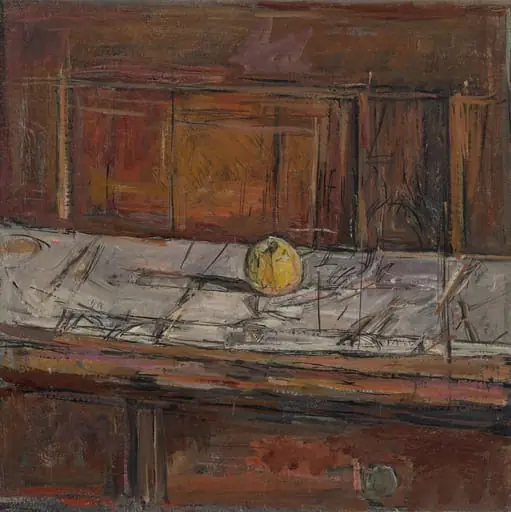 Untitled
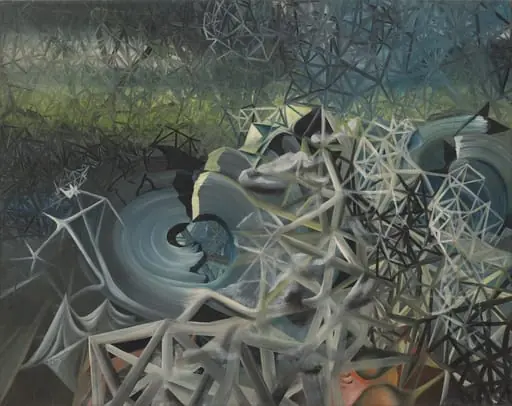 Untitled
 Untitled
 Untitled
 Untitled
 Untitled
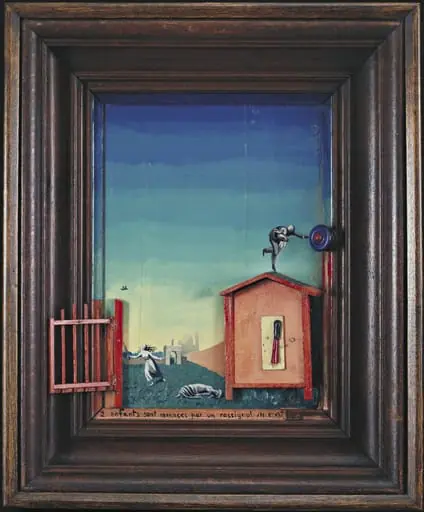 Untitled
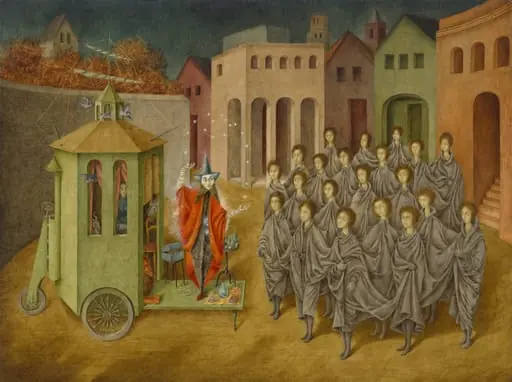 Untitled
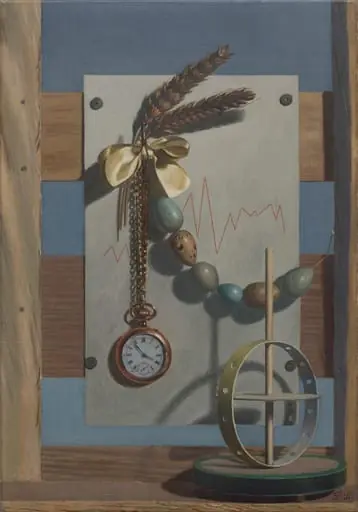 Untitled
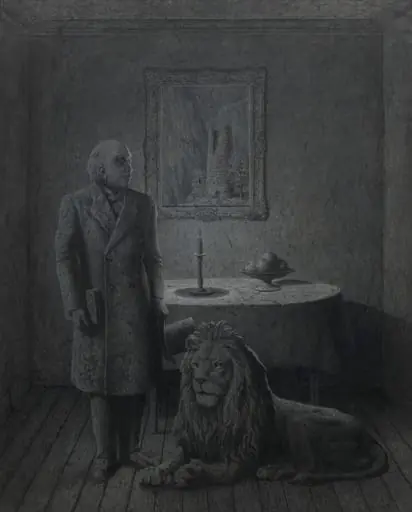 Untitled
 Untitled
 Untitled
 Untitled
 Untitled
 Untitled
 Untitled
 Untitled
 Untitled
 Untitled
 Untitled
 Untitled
 Untitled
 Untitled
 Untitled
 Untitled
 Untitled
 Untitled
 Untitled
 Untitled
 Untitled
 Untitled
 Untitled
 Untitled
 Untitled
 Untitled
 Untitled
 Untitled
 Untitled
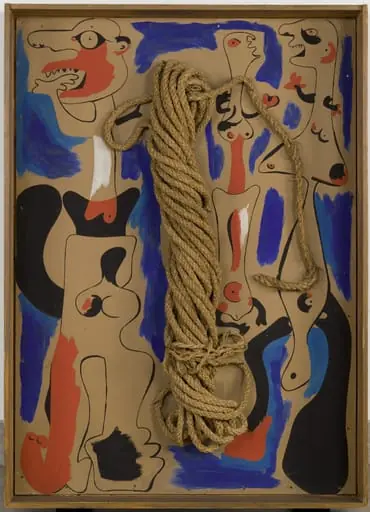 Untitled
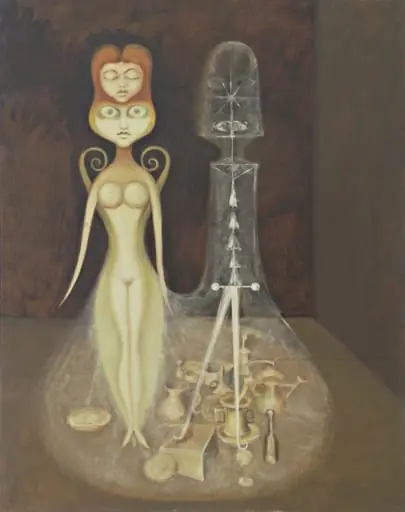 Untitled
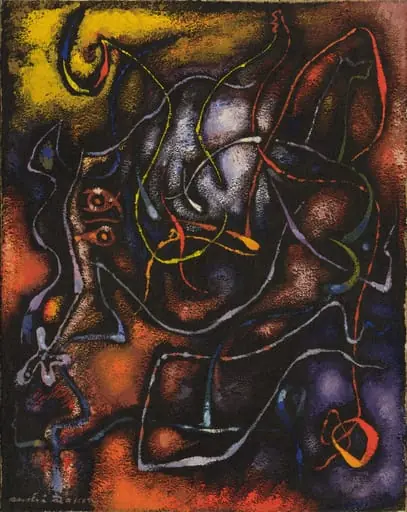 Untitled
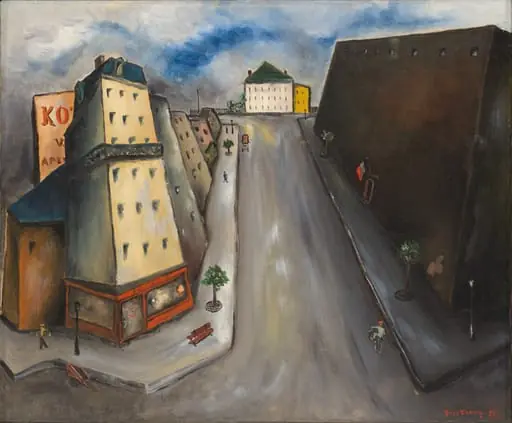 Untitled
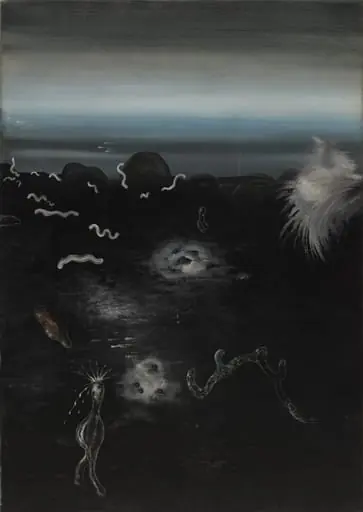 Untitled
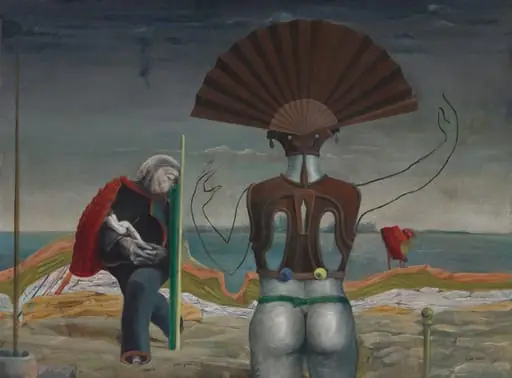 Untitled
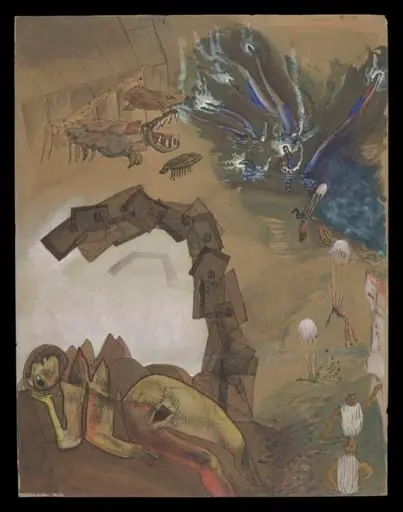 Woman Dreaming
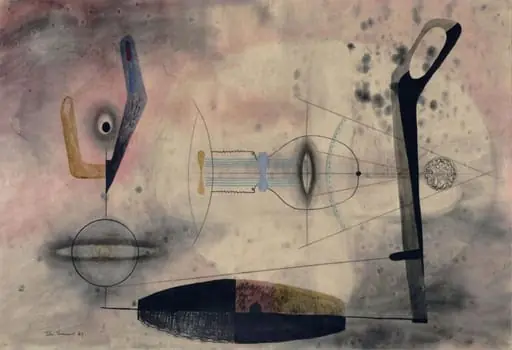 Device
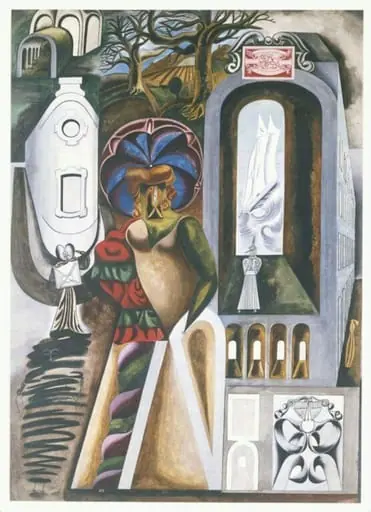 Surrealist Composition
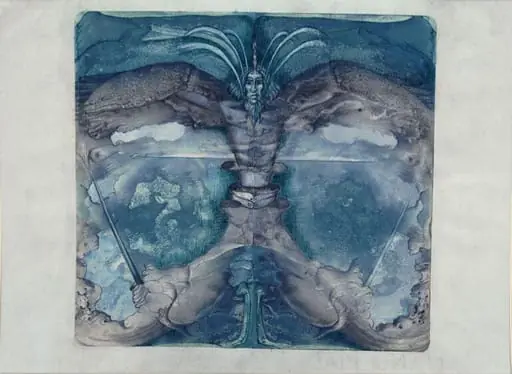 Triton
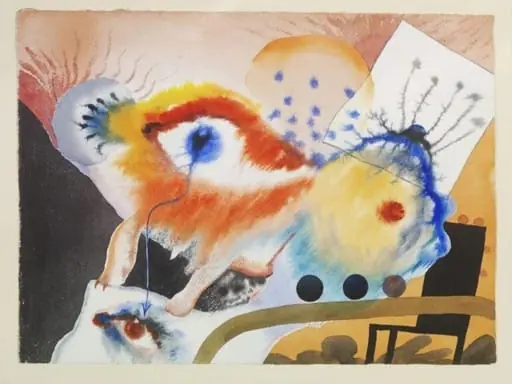 Abstract with Eye and Breast
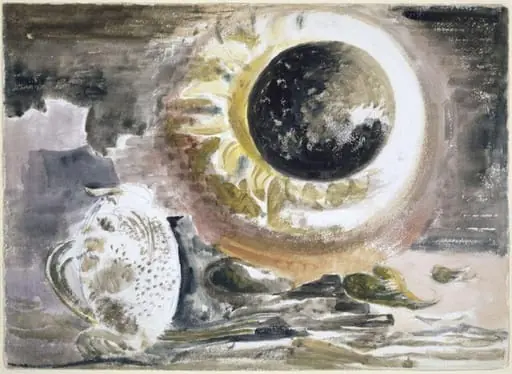 The Eclipse of the Sunflower
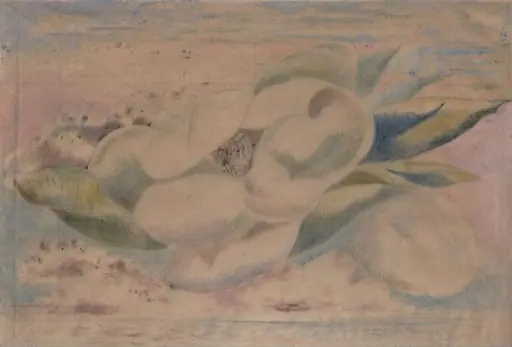 Flight of the Magnolia
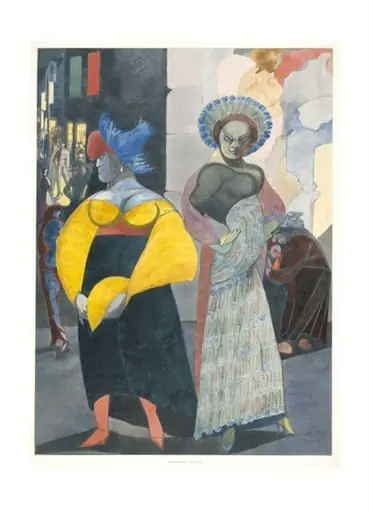 Ladies Walking
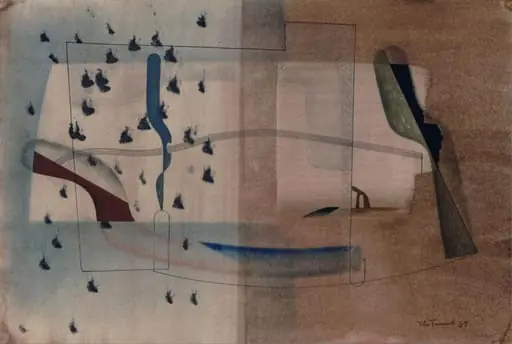 Descent
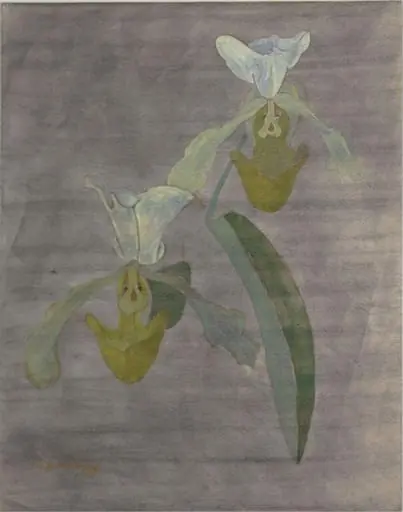 Orchids
Groups & collectives
Frequently asked questions
What is Surrealism?
Surrealism is an art movement. An international movement launched in Paris in 1924 by André Breton that drew on Freudian psychology and the unconscious to create art that bypassed rational control.
How many Surrealism works does Artifact World Gallery have?
Artifact World Gallery holds 77 public-domain Surrealism works, all free to view and download.
Who are the key Surrealism artists?
Key Surrealism artists in the collection include Paul Klee, Osvaldo Louis Guglielmi and Luc Albert Moreau.
When did Surrealism take place?
Surrealism dates from 1920–1980.
Where can I see Surrealism works?
Surrealism works in the collection are held by Museum of Modern Art, Victoria and Albert Museum and Royal Museum of Fine Arts Antwerp.