
Movement
Vorticism
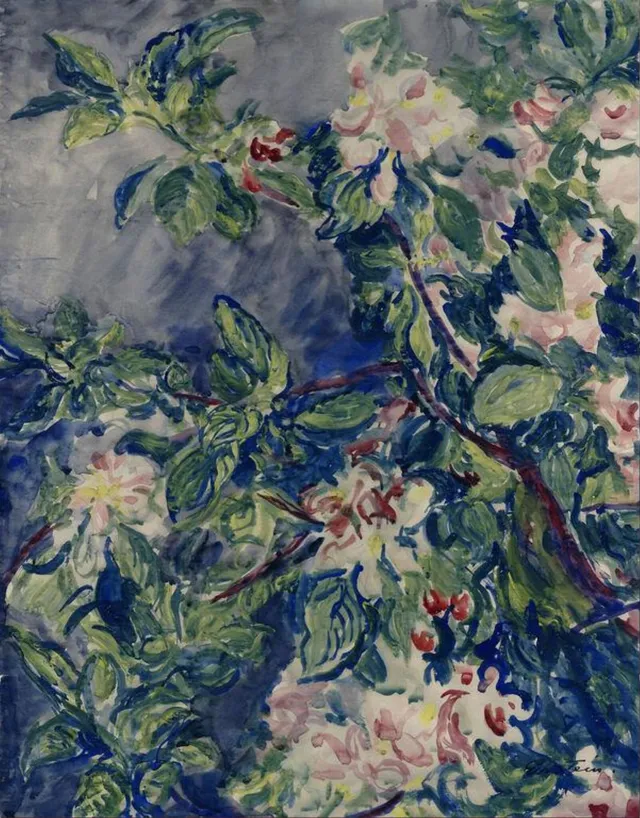
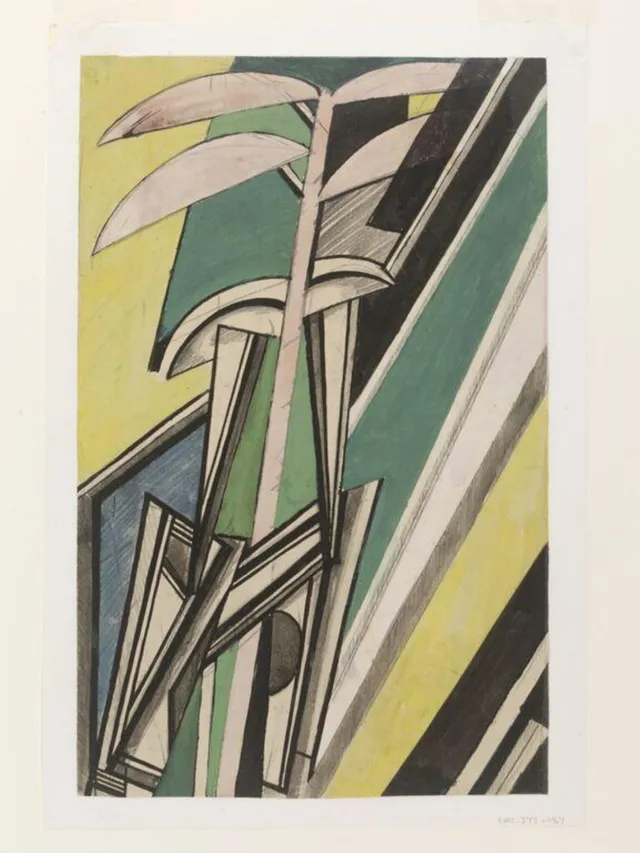
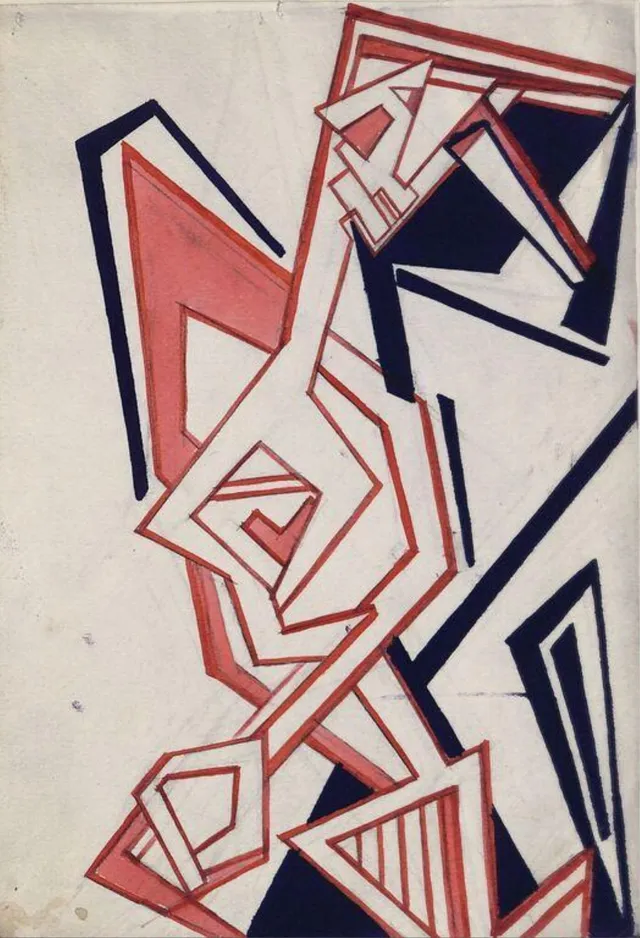
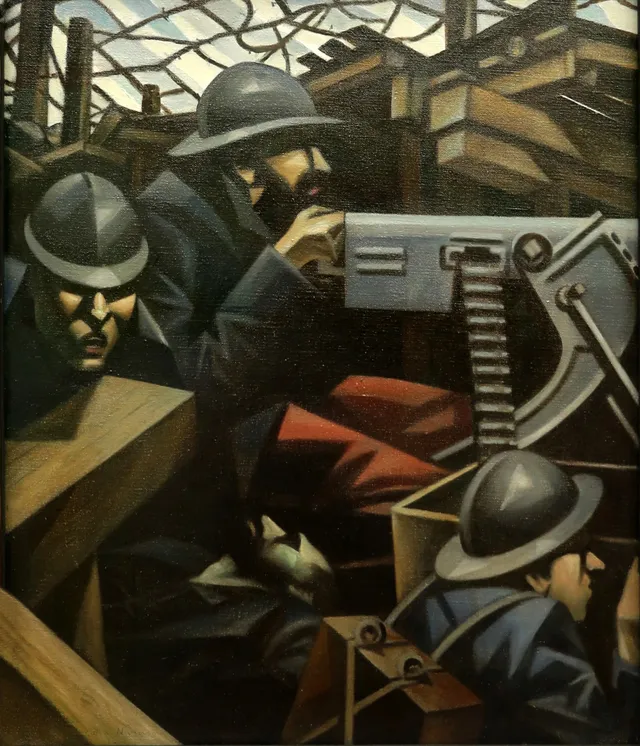
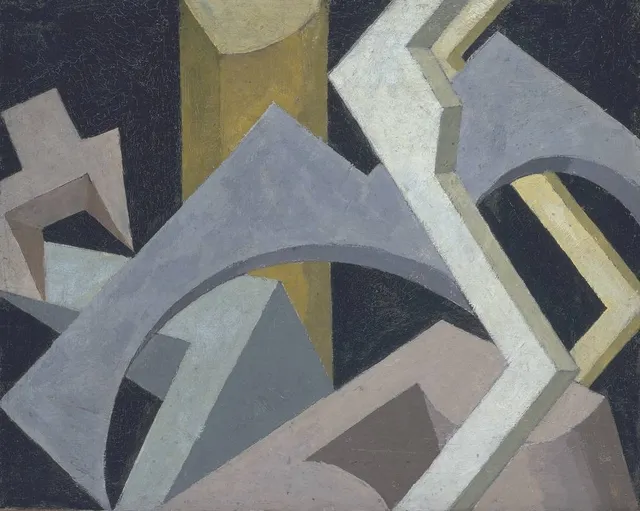
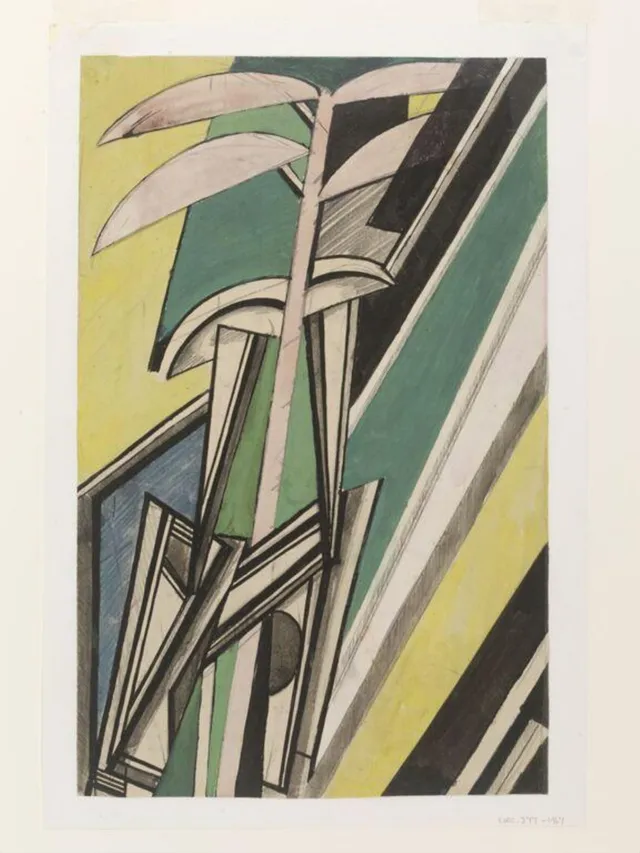
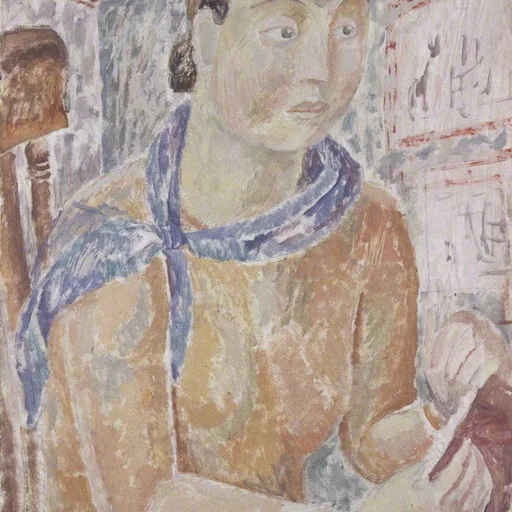
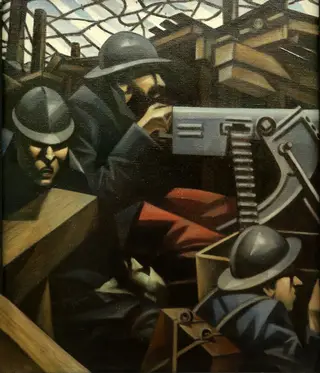
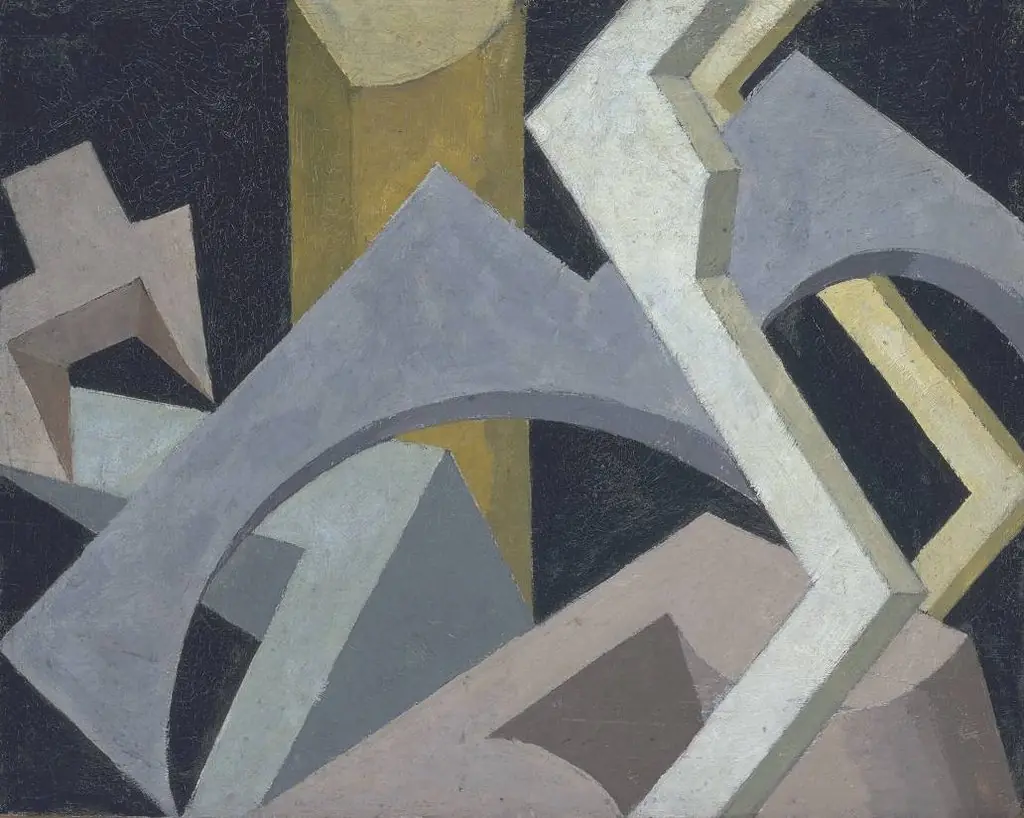
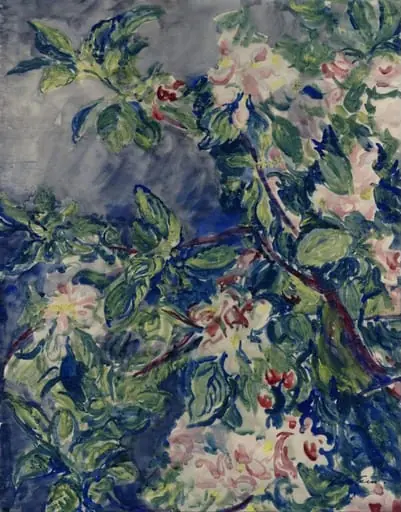
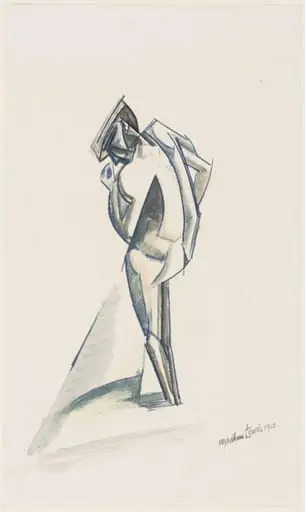
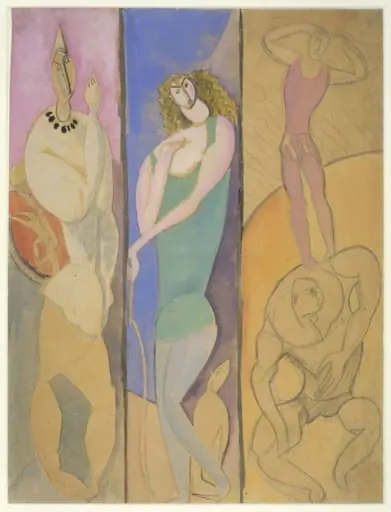
Vorticism is an art movement of the 1912–1915 period. The gallery holds 7 works in this movement, including works by Henri Gaudier-Brzeska, Jessica Dismorr and Edward Wadsworth. Browse Vorticism paintings, portraits, pictures and artworks from the world's public-domain museum collections.
Vorticism was a short-lived but combative modernist movement in British art and poetry, launched in London in 1914 by the painter and writer Wyndham Lewis. The poet Ezra Pound supplied its name, declaring that "the vortex is the point of maximum energy" — a still centre of concentrated force from which the new art would radiate. Emerging from the Rebel Art Centre that Lewis founded at 38 Great Ormond Street, the movement was conceived as a deliberate act of aggression against what its members saw as a moribund English Victorianism. Crucially, it was also a bid for independence: although Vorticism absorbed lessons from Cubism and Futurism, Lewis positioned it as a distinct British alternative to both, rejecting Italian Futurism's romantic worship of speed in favour of a colder, more static dynamism.
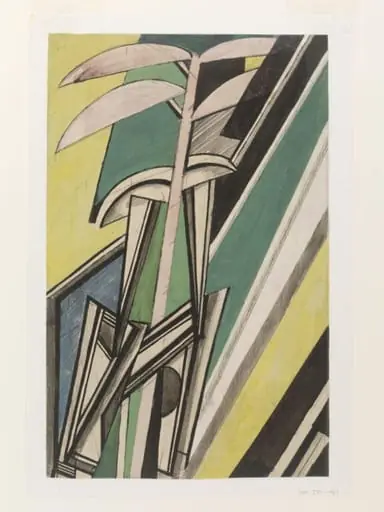
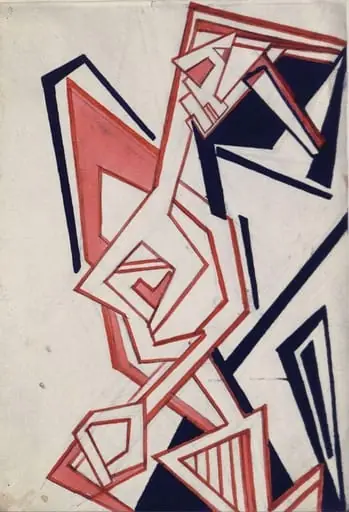
The Vorticist style fused the fragmented planes of Cubism with hard-edged imagery drawn from the machine and the modern industrial city. Familiar representational forms gave way to harsh, angular geometries, stark tonal contrasts, and clamorous diagonals that suggested arrested mechanical energy. This aesthetic found its loudest expression in BLAST: Review of the Great English Vortex, the movement's journal, whose two issues — the puce-covered first number of July 1914 and the "War Number" of July 1915 — paired bold, eruptive typography with manifestos "blasting" and "blessing" the icons of English culture.
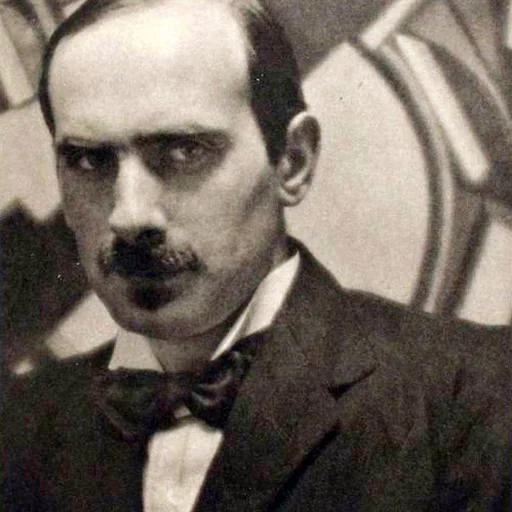
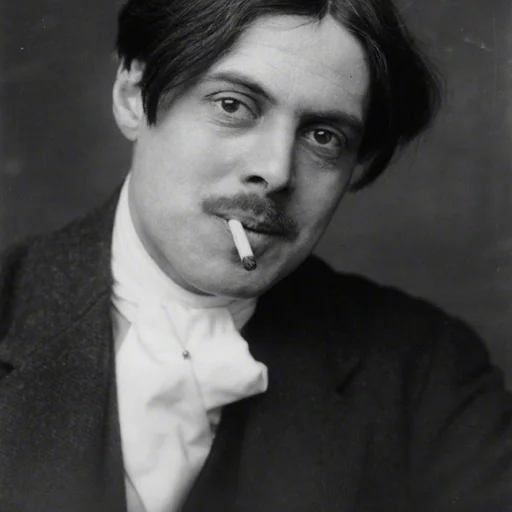
The circle gathered around Lewis a notable roster: the sculptors Henri Gaudier-Brzeska and Jacob Epstein, the painters Edward Wadsworth, William Roberts, Frederick Etchells and David Bomberg, and the women artists Jessica Dismorr and Helen Saunders, both signatories of the BLAST manifesto. Canonical works include Bomberg's The Mud Bath, Wadsworth's dazzle-camouflage studies, Lewis's own designs, and Saunders's geometric Vorticist Compositions. The group exhibited together only once, at the Doré Gallery in London in 1915.
The First World War effectively destroyed the movement. Gaudier-Brzeska was killed at Neuville-Saint-Vaast on 5 June 1915, his death announced in BLAST's final issue, and the conflict scattered the survivors. Though Vorticism lasted barely three years, its legacy endured: it stands as Britain's first organised abstract avant-garde, a homegrown answer to Continental modernism whose machine-age vocabulary echoed in later British art, in war painting, and — through Wadsworth — in the dazzle camouflage of Allied ships.
Key artists
Works
Frequently asked questions
What is Vorticism?
Vorticism is an art movement. A British avant-garde movement of 1914–1918, launched by Wyndham Lewis in the magazine BLAST.
Who are the key Vorticism artists?
Key Vorticism artists in the collection include Henri Gaudier-Brzeska, Jessica Dismorr and Edward Wadsworth.
When did Vorticism take place?
Vorticism dates from 1912–1915.
Where can I see Vorticism works?
Vorticism works in the collection are held by Victoria and Albert Museum, Tate and National Gallery.