December 29 in Art History
4 real events recorded on December 29, the earliest from 1687. 2 artists were born , 1 died on this date.
The day's biggest moments
Born on this day 2
- 1687 Born
Born this day: Jean-Baptiste Massé
Jean-Baptiste Massé was a French miniature painter, engraver, and draftsman, born on December 29, 1687, in Paris. He is best remembered as the court painter of Louis XV and for training notable artists like Jean-Étienne Liotard and Cornelius Høyer. His work includes volumes on the works of Charles Le Brun, such as Galerie de Versailles.
Massé's contributions to French art and his influence on subsequent generations of artists remain significant.
- 1695 Born
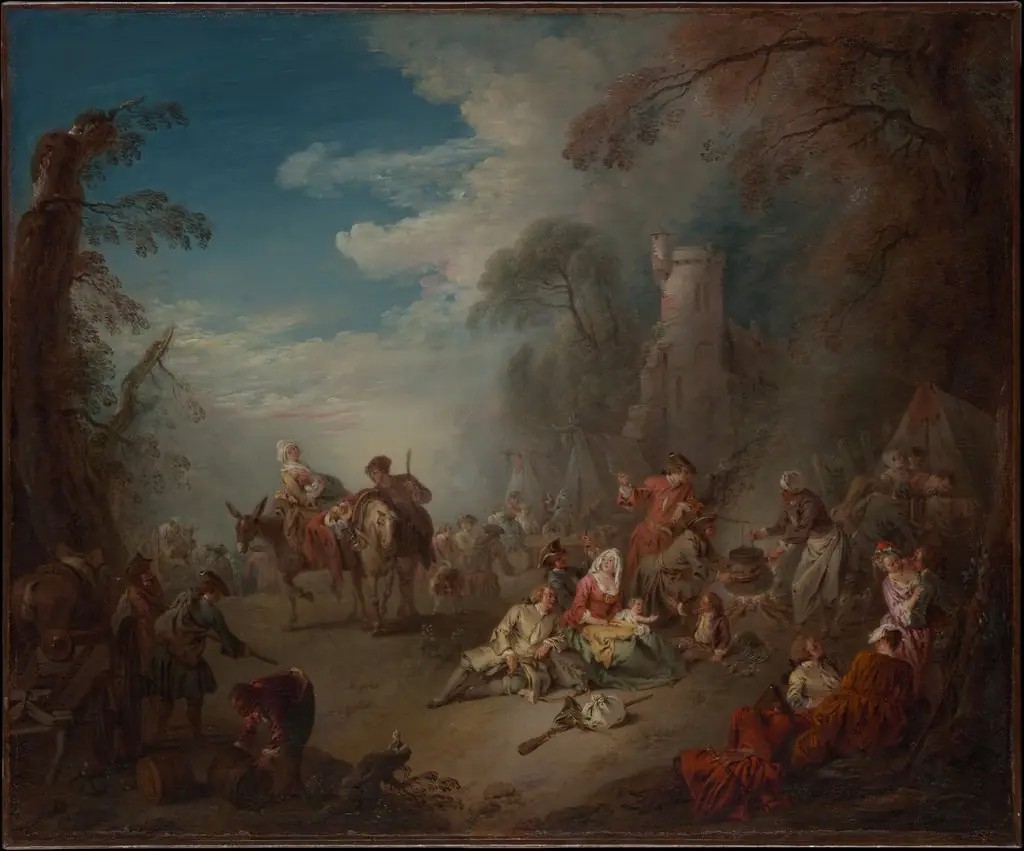
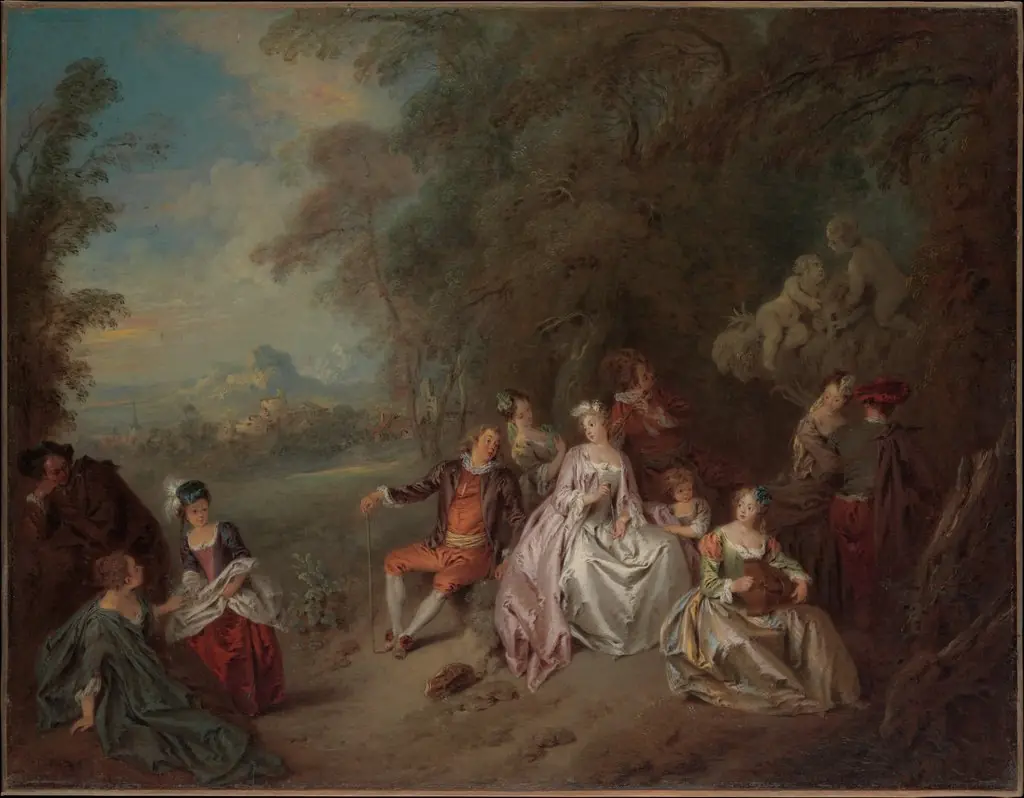
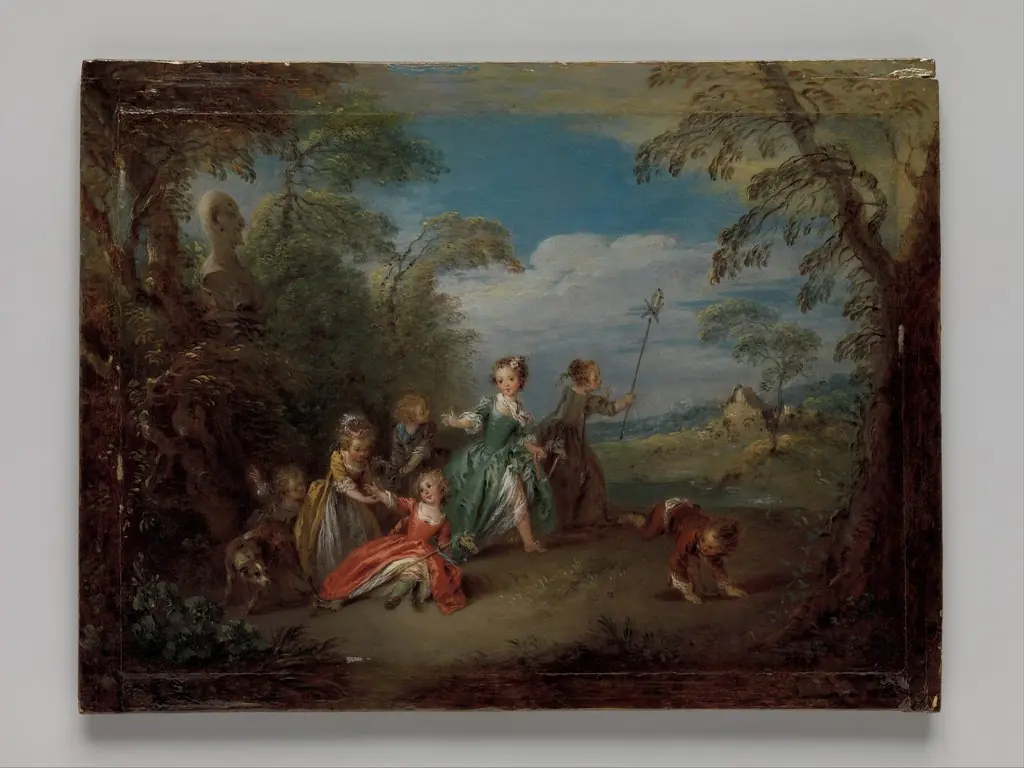
Born this day: Jean-Baptiste Pater
Jean-Baptiste Pater, a French rococo painter, was born on December 29, 1695. He is known for his works such as Concert Champêtre and Troops at Rest, which reflect the influence of his mentor Antoine Watteau. Pater's style is characterized by delicate and intimate scenes, often depicting everyday life and landscapes.
Pater's brief but significant training under Watteau had a lasting impact on his artistic style and legacy.
Died on this day 1
- 1825 Died
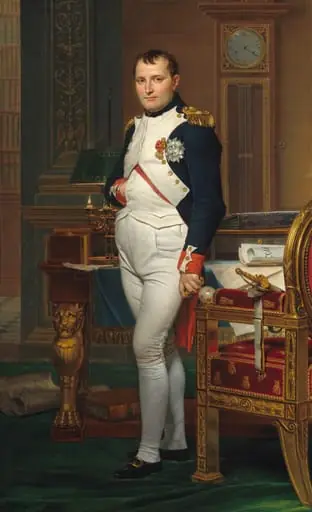
Died this day: Jacques-Louis David
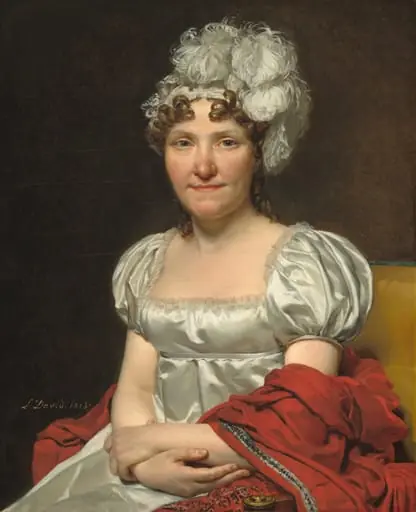
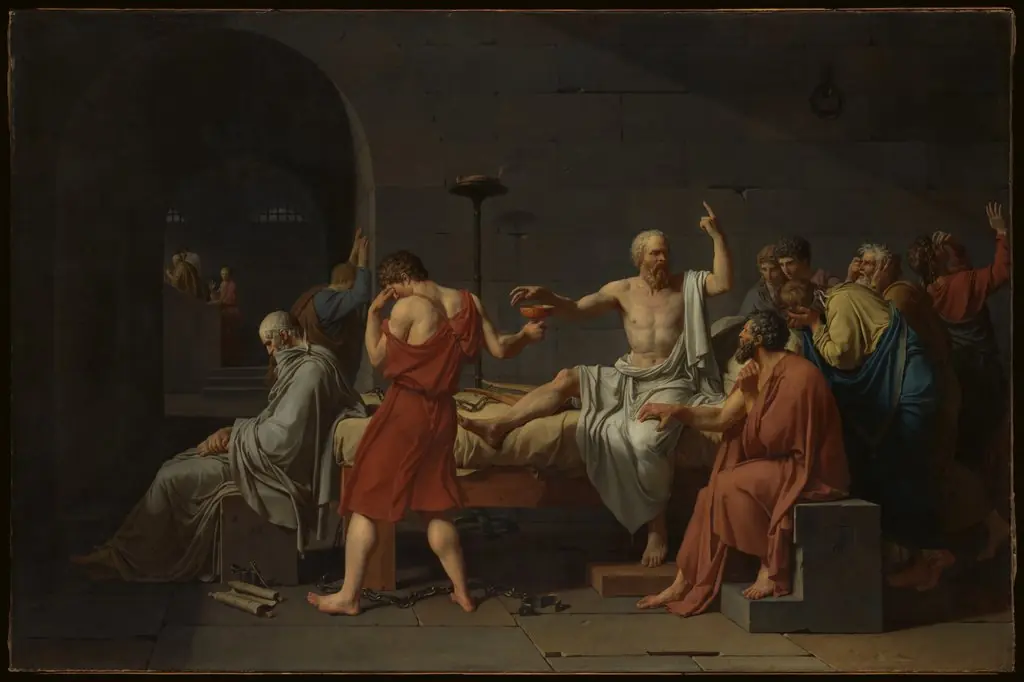
Jacques-Louis David, a French Neoclassicism artist, died on December 29, 1825. He is known for his severe classical style, developed during his time in Italy, where he studied antiquities and Caravaggio. His large history paintings, such as 'The Oath of the Horatii', often served as political arguments, showcasing his unique blend of artistic and ideological expression.
David's work continues to influence the development of Neoclassical art and its enduring impact on European art history.
Exhibitions & salons 1
- 1884 Salon Landmark
Opening of the Salon des Indépendants
On December 29, 1884, the Société des Artistes Indépendants held its inaugural general assembly in Paris, formally establishing the Salon des Indépendants. Founded by artists including Albert Dubois-Pillet, Odilon Redon, Georges Seurat, and Paul Signac, the group rejected the traditional jury system of the official Paris Salon. Their founding manifesto declared that the new exhibition would operate without a jury or prizes, allowing any artist to exhibit upon payment of a small fee. This radical organizational structure provided a crucial platform for the emerging Neo-Impressionists and Symbolists, fostering an environment of artistic freedom that would define the avant-garde for decades.
It established the enduring model of the jury-free exhibition, fundamentally altering how modern art was displayed and critiqued.