Artist
Georges Seurat
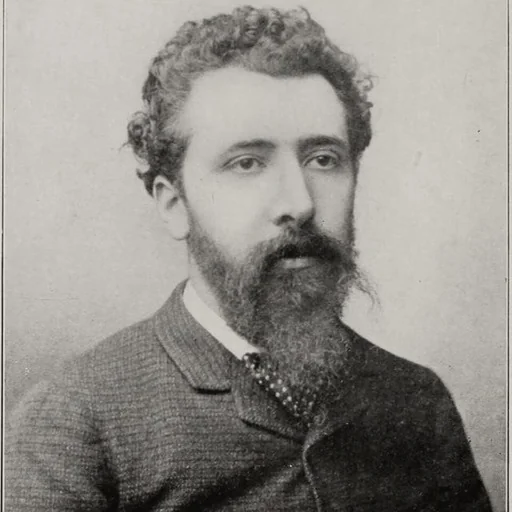
French, 1859–1891
Georges Seurat was a French Post-Impressionism painter. 68 works are cataloged here, principally at National Gallery of Art, most of them oil paintings. Georges Seurat was born in Paris.
Georges Pierre Seurat (UK: SUR-ah, -ə, US: suu-RAH; French:; 2 December 1859 – 29 March 1891) was a French post-Impressionist artist. He devised the painting techniques known as chromoluminarism and pointillism and used conté crayon for drawings on paper with a rough surface. Seurat's artistic personality combined qualities that are usually thought of as opposed and incompatible: on the one hand, his extreme and delicate sensibility, on the other, a passion for logical abstraction and an almost mathematical precision of mind.
His large-scale work A Sunday Afternoon on the Island of La Grande Jatte (1884–1886) altered the direction of modern art by initiating Neo-Impressionism, and is one of the icons of late 19th-century painting.
Works by Georges Seurat
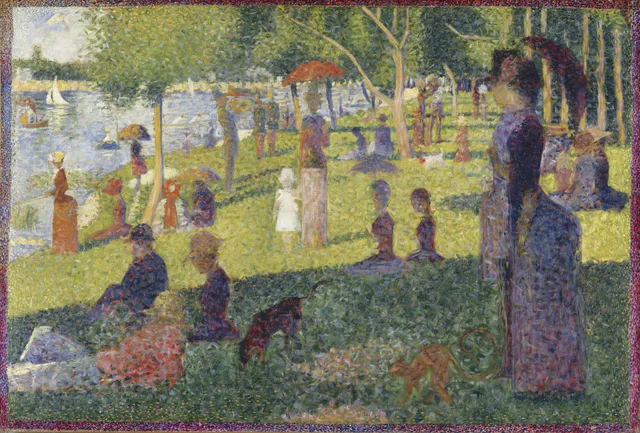 Final study for "La Grande Jatte"
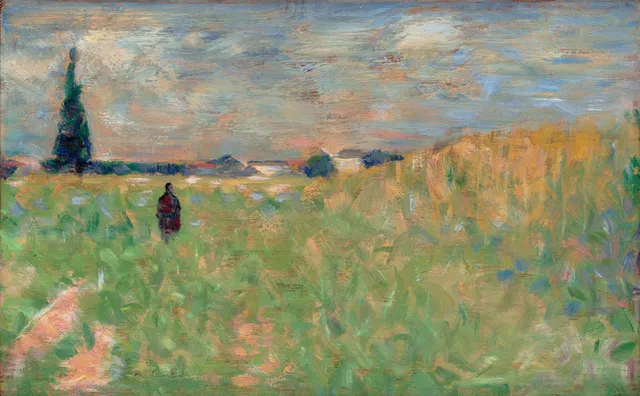 A Summer Landscape
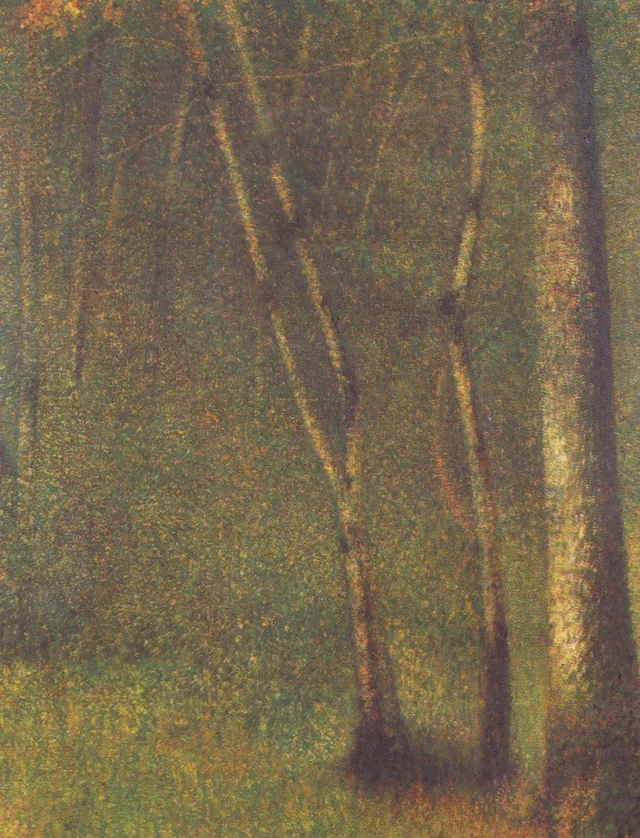 The Forest at Pontaubert
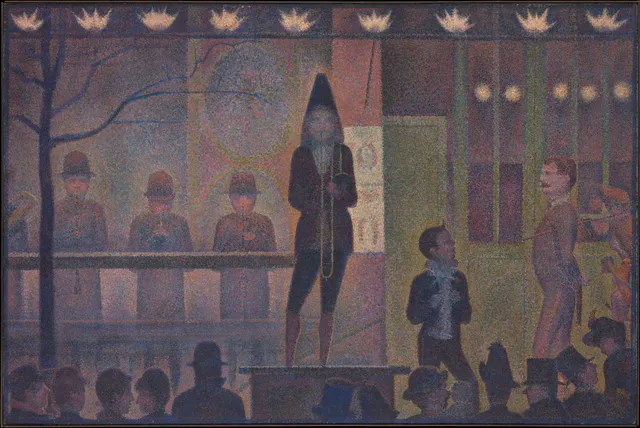 The Circus Parade
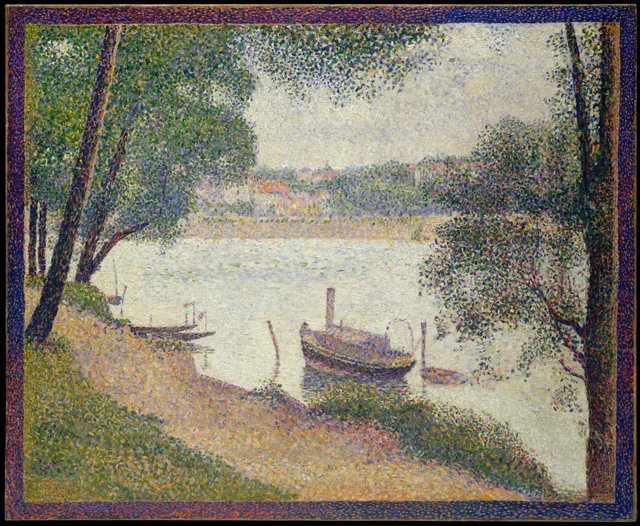 Gray Weather, Grande Jatte
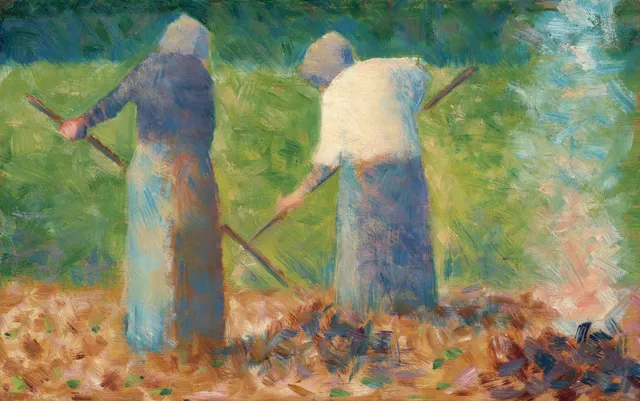 Haymakers at Montfermeil
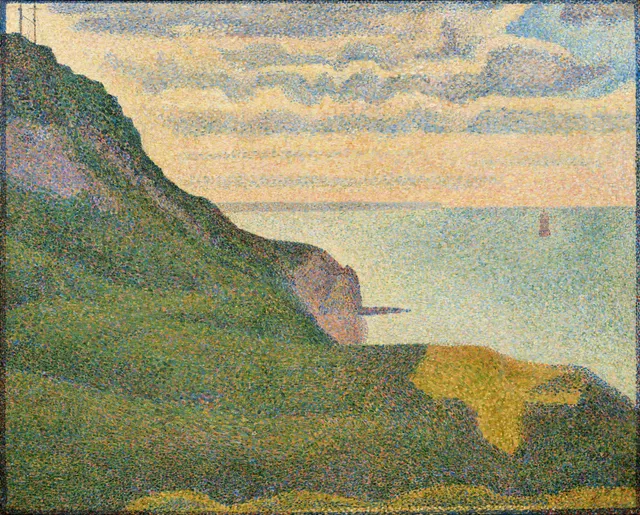 Seascape at Port-en-Bessin, Normandy
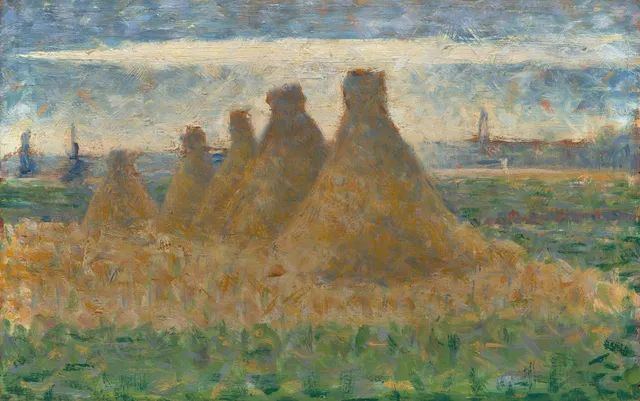 Haystacks
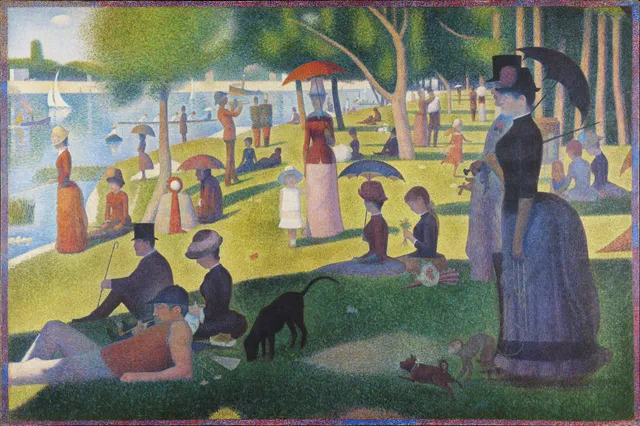 A Sunday Afternoon on the Island of La Grande Jatte
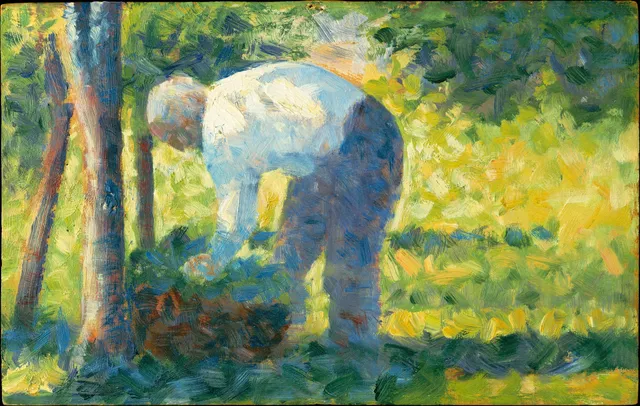 The Gardener
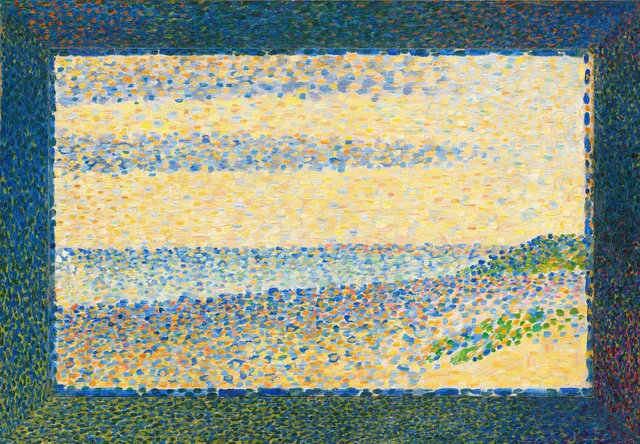 Seascape (Gravelines)
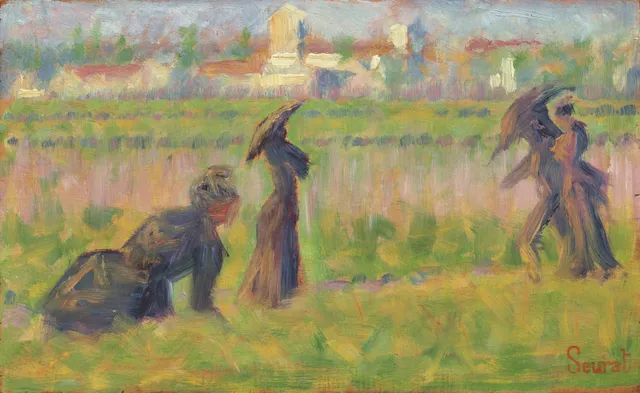 Figures in a Landscape
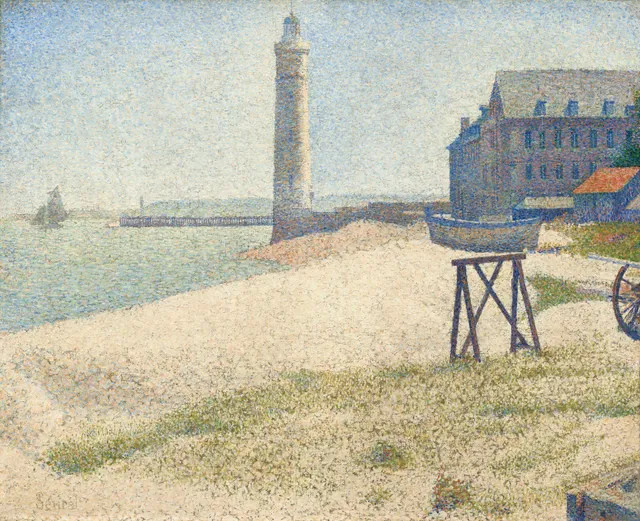 The Lighthouse at Honfleur
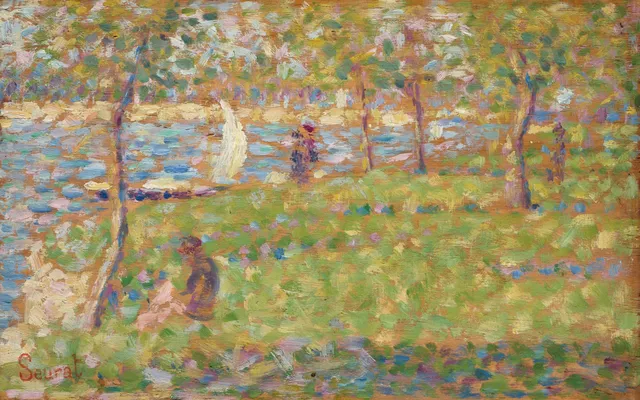 Study for "La Grande Jatte"
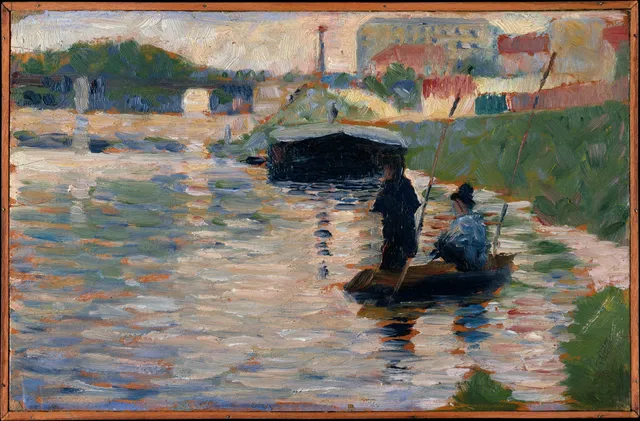 View of the Seine
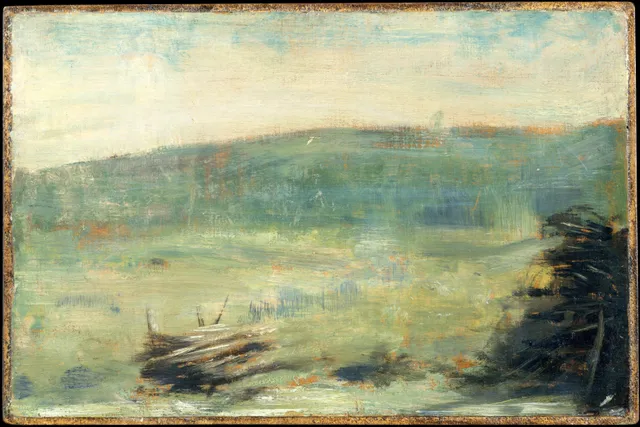 Landscape at Saint-Ouen
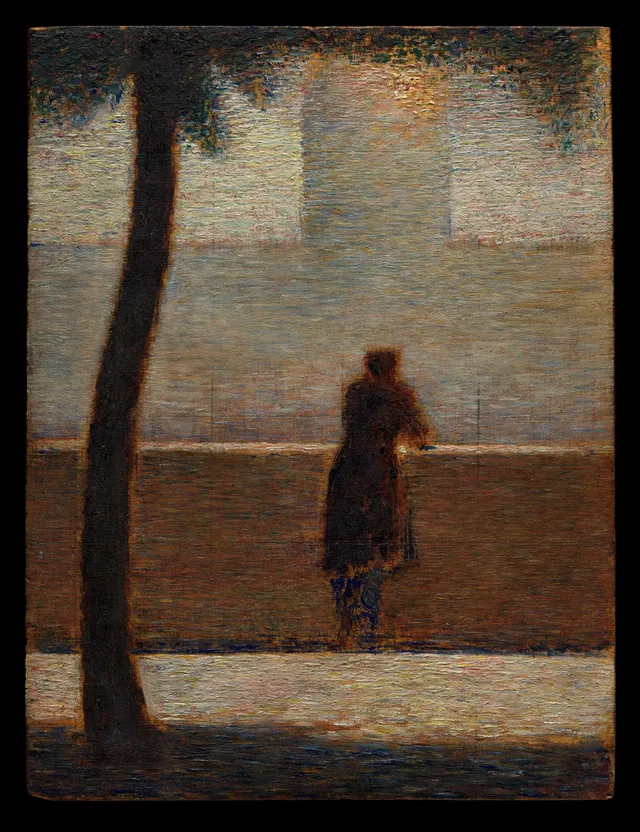 A Man Leaning on a Parapet
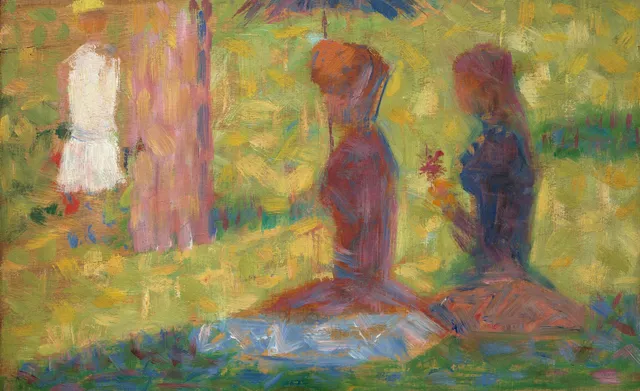 Study of Figures for "La Grande Jatte"
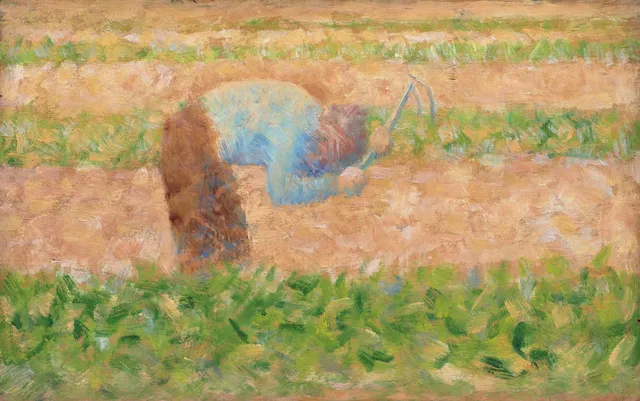 Man with a Hoe
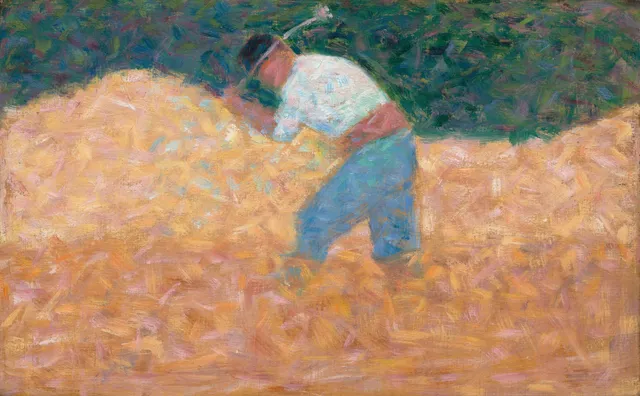 The Stone Breaker
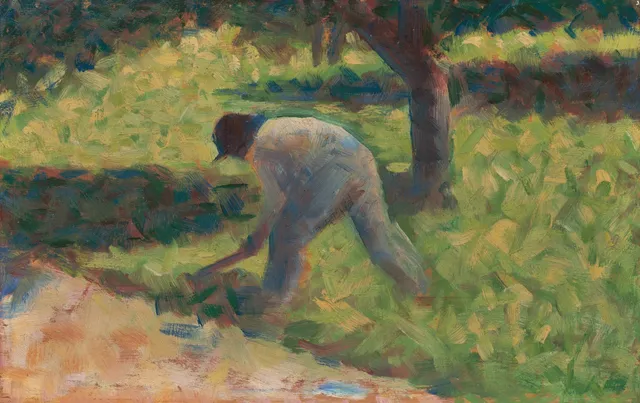 Peasant with a Hoe
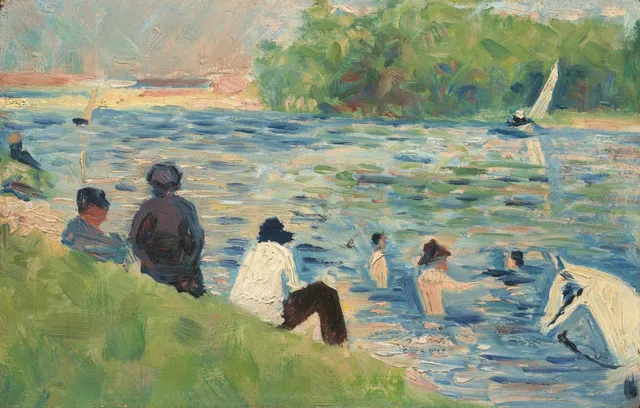 Bathers (Study for "Bathers at Asnières")
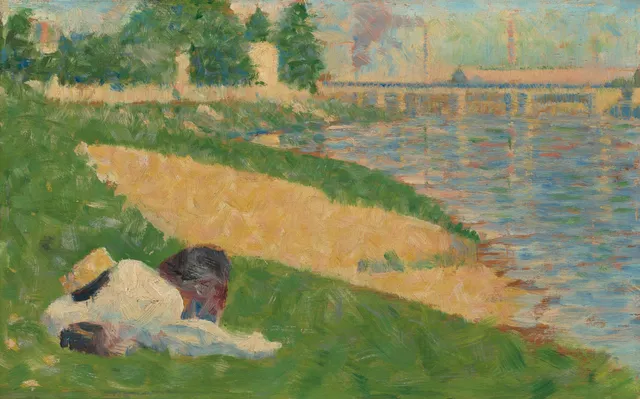 The Seine with Clothing on the Bank (Study for "Bathers at Asnières")
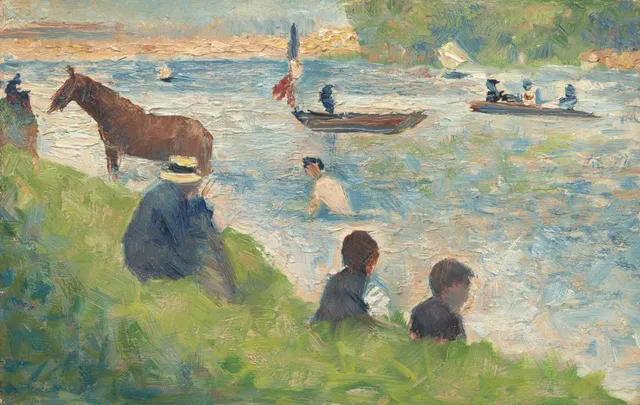 Horse and Boats (Study for "Bathers at Asnières")
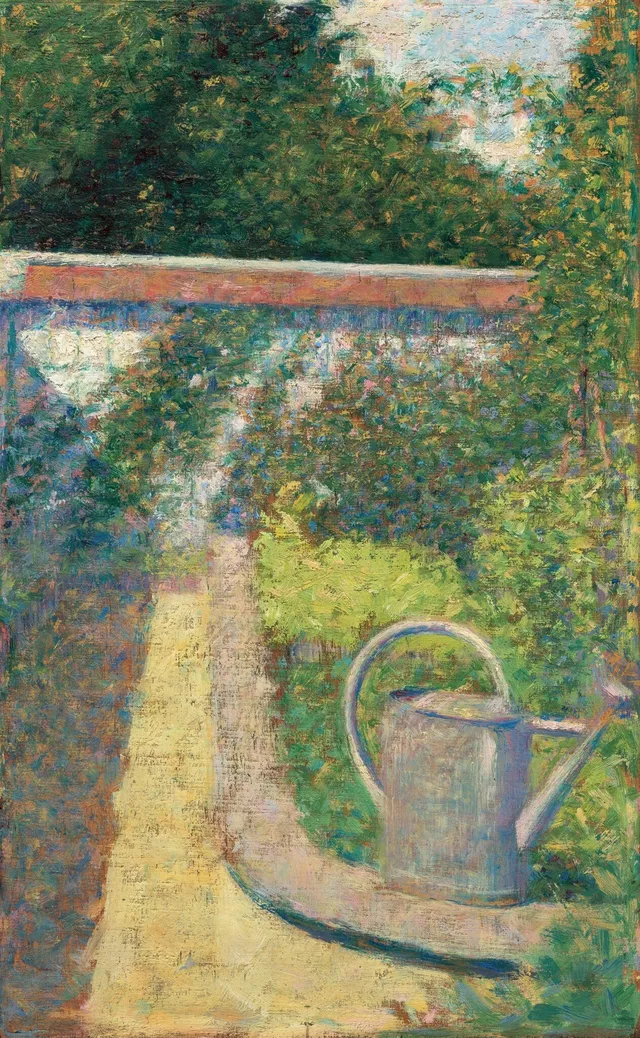 The Watering Can - Garden at Le Raincy
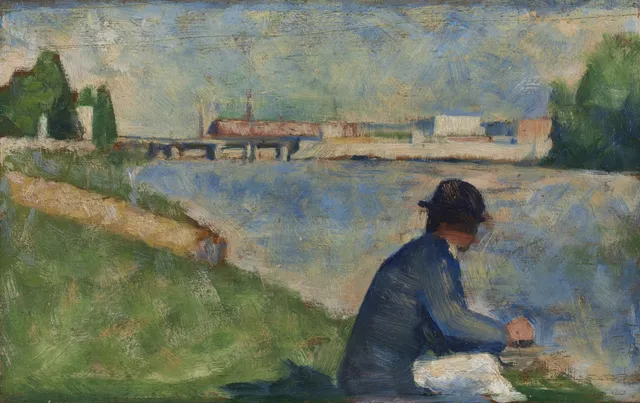 Study for "Bathers at Asnières"
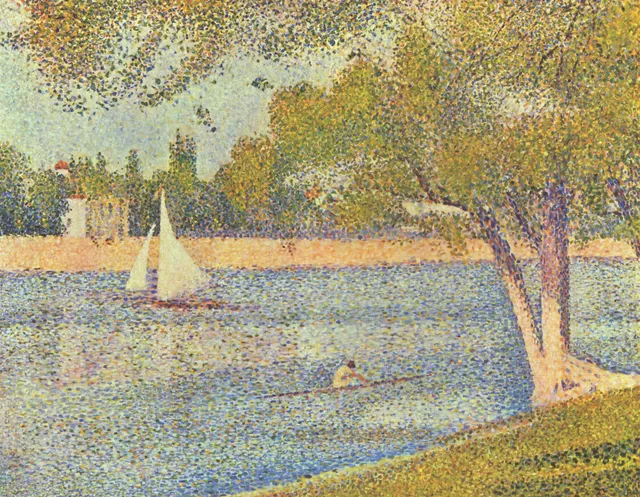 The Seine at La Grande Jatte
Collections represented


Moments involving Georges Seurat
- Museum of Modern Art Opens · 1929 It became the preeminent global institution for the collection and promotion of modern and contemporary art.
- Salon des Indépendants Opens · 1884 It established a permanent alternative exhibition model that democratized the Parisian art world and accelerated the acceptance of avant-garde movements.
- Opening of the Salon des Indépendants · 1884 It permanently altered the exhibition landscape by democratizing access to the Paris art market and fostering the rise of modernist movements.
- Opening of the Salon des Indépendants · 1884 It institutionalized the 'no jury' model that defined modern independent art movements for decades.
- Opening of the Salon des Indépendants · 1884 It institutionalized the concept of the jury-free exhibition, fundamentally altering how modern art was presented and consumed in France.
- Opening of the Salon des Indépendants · 1884 It established a permanent, open platform that became the primary showcase for avant-garde movements like Neo-Impressionism and Fauvism.
Featured in a course
Artists in a similar vein