Artwork
The Death of Socrates
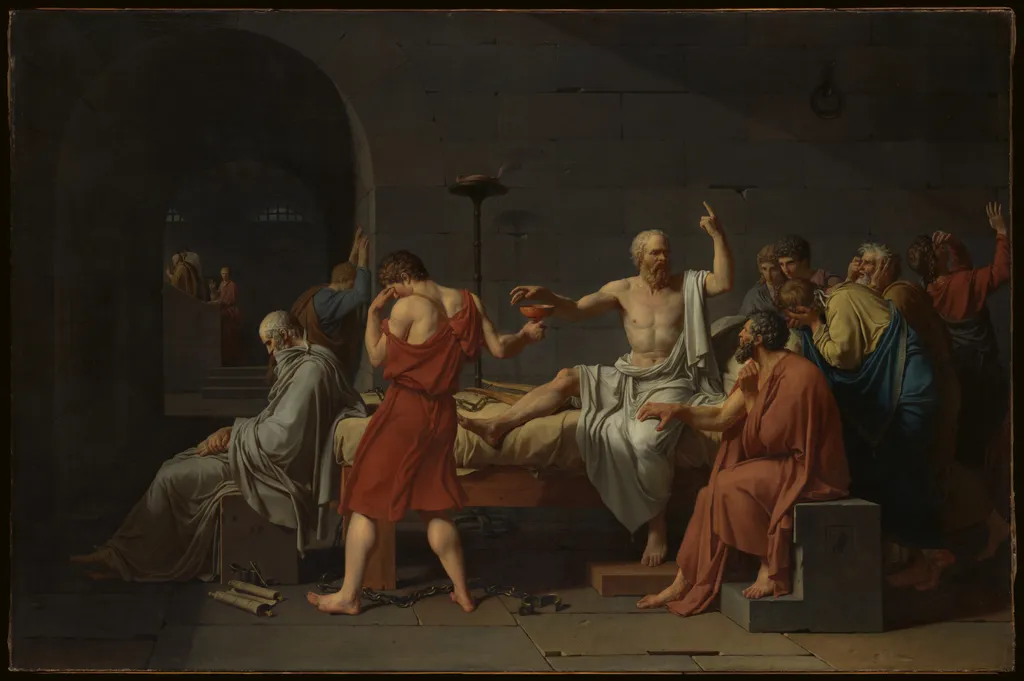
The Death of Socrates is an oil painting by the Academic Art artist Jacques-Louis David. It dates from 1794 and is held in the collection of the Metropolitan Museum of Art.
About this work
In a stone prison cell, the aged Socrates reaches for a cup of hemlock, his arm raised as he lectures his grieving disciples on the immortality of the soul. Jacques-Louis David drew heavily on Plato's Phaedo for the scene. It entered the Metropolitan Museum of Art in 1931 through the Catharine Lorillard Wolfe Fund, its frieze-like arrangement of figures still charged with moral resolve.
Subject & Meaning
The painting depicts the execution of Socrates as recounted in Plato’s Phaedo.
The painting depicts the execution of Socrates as recounted in Plato’s Phaedo. Iconographically, Socrates sits upright in a white robe, his right hand reaching for the cup of hemlock while his left hand gestures upward, symbolizing his teaching on the immortality of the soul and the transcendent realm of the Forms. He is surrounded by grieving disciples; notably, Plato is shown as an elderly, slumped figure at the bed’s foot, a deliberate anachronism since Plato was absent and much younger, perhaps representing the enduring influence of Socrates’ ideas.
David employs color symbolism: muted reds at the periphery intensify toward the vibrant robe of the cup-bearer, while the serene Socrates and Plato are clad in bluish-white, emphasizing wisdom and calm. The artist’s signatures carry meaning, his initials beneath Plato credit the source, and his full signature under Crito expresses personal identification with that loyal disciple. Ultimately, the work functions as a neoclassical exemplum virtutis, presenting Socrates as a model of rational self-control and virtue in the face of unjust death, aligning with Enlightenment values.
Technique & Style
Executed in oil on canvas, David's neoclassical composition employs a muted palette that intensifies toward the center, where the saturated red robe of the cupbearer draws the eye. The serene figures of Socrates and Plato are clad in contrasting bluish-white, emphasizing their wisdom and calm. The artist deliberately simplified the scene, removed historical accessories, and idealized Socrates' features to project an exemplum virtutis.
The composition, with its offset vanishing point above Plato, draws on Poussin's Testament d'Eudamidas and eschews the garish colors critics had noted in David's earlier Oath of the Horatii. The low-key reds and restrained decor create a unified, sober atmosphere suited to the philosophical subject.
History & Provenance
The painting was commissioned directly in 1786 by the wealthy Charles-Michel Trudaine de la Sablière, rather than being a royal commission. David had conceived an initial composition as early as 1782 and consulted the Hellenist Father Jean Adry on the historical circumstances of Socrates' death. Completed in 1787, the work was first exhibited at the Salon of 1787.
Its provenance includes ownership by Charles-Louis Trudaine de Montigny, Olivier de Saint-Georges de Vérac, Adolphe de Rougé, and Marius Bianchi. It is now held by the Metropolitan Museum of Art in New York. David signed the painting in two places: his full name under the figure of Crito and his initials under Plato.
The painting is housed in the Metropolitan Museum of Art in New York. Its exhibition history includes its debut at the Salon of 1787 in Paris, where it was shown alongside a version by Pierre Peyron, and it was exhibited again at the Salon of 1791. The work has also been featured in later exhibitions such as those dedicated to Jacques-Louis David, Baudelaire, and the artist's circle. No inventory or accession number is specified in the available sources.
Context
Painted in 1787, David's The Death of Socrates was exhibited at the Salon of that year alongside a version by Pierre Peyron, marking a key moment in Neoclassical history painting. Critics of David's earlier Oath of the Horatii had deemed his colors garish, a critique that may have prompted the more muted palette in this work. Commissioned privately by Charles-Michel Trudaine de la Sablière, the painting reflects Enlightenment ideals, portraying Socrates as a rational, self-controlled exemplar.
Scholarship has noted its deliberate historical inaccuracies, such as the aged Plato, interpreted as a philosophical analysis rather than a failed historical record. David's symbolic signatures (full signature under Crito, initials under Plato) further embed the artist's identification with Socratic values. The work solidified David's reputation as the leading Neoclassical painter.
Overview
Jacques-Louis David's 1787 oil painting, The Death of Socrates, depicts the philosopher's final moments. It is a key work of the Neoclassical style, drawing from Plato's account of Socrates' execution by hemlock. The artwork presents a scene of moral fortitude and intellectual discourse in the face of death, set within a stark prison cell.
Own this work as a print
Artist & collection
Artist
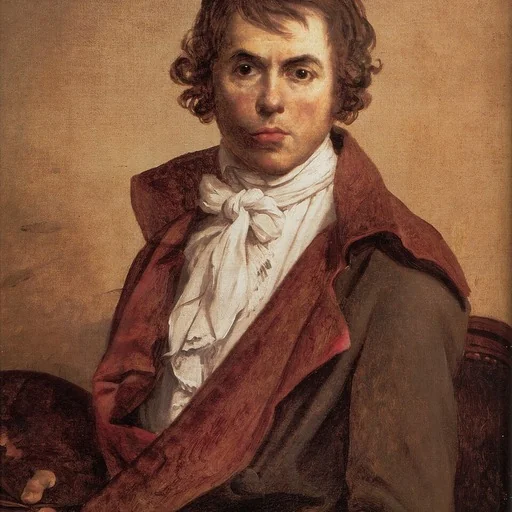
Jacques-Louis David was born in Paris on 30 August 1748 into a bourgeois family; his father died in a duel when the boy was nine, and a maternal uncle guided his education.

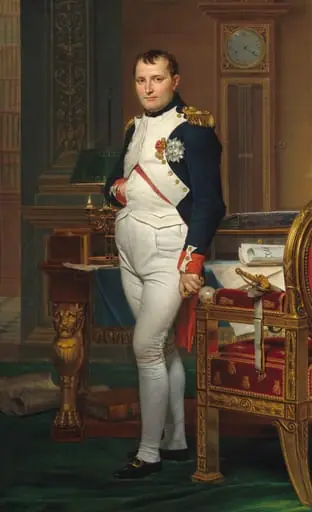 The Emperor Napoleon in His Study at the Tuileries
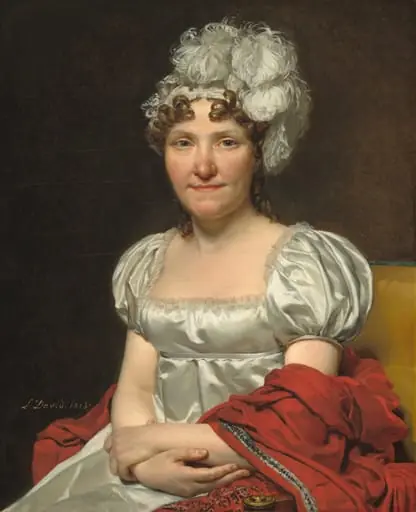 Madame David
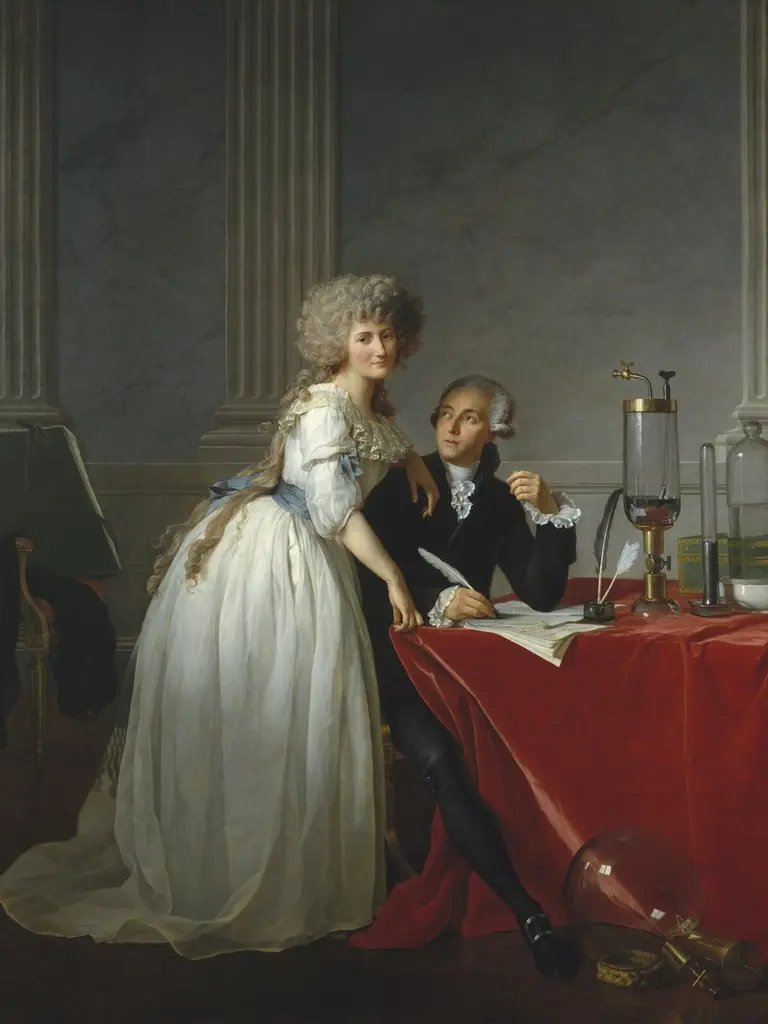 Portrait of Antoine-Laurent Lavoisier and his wife
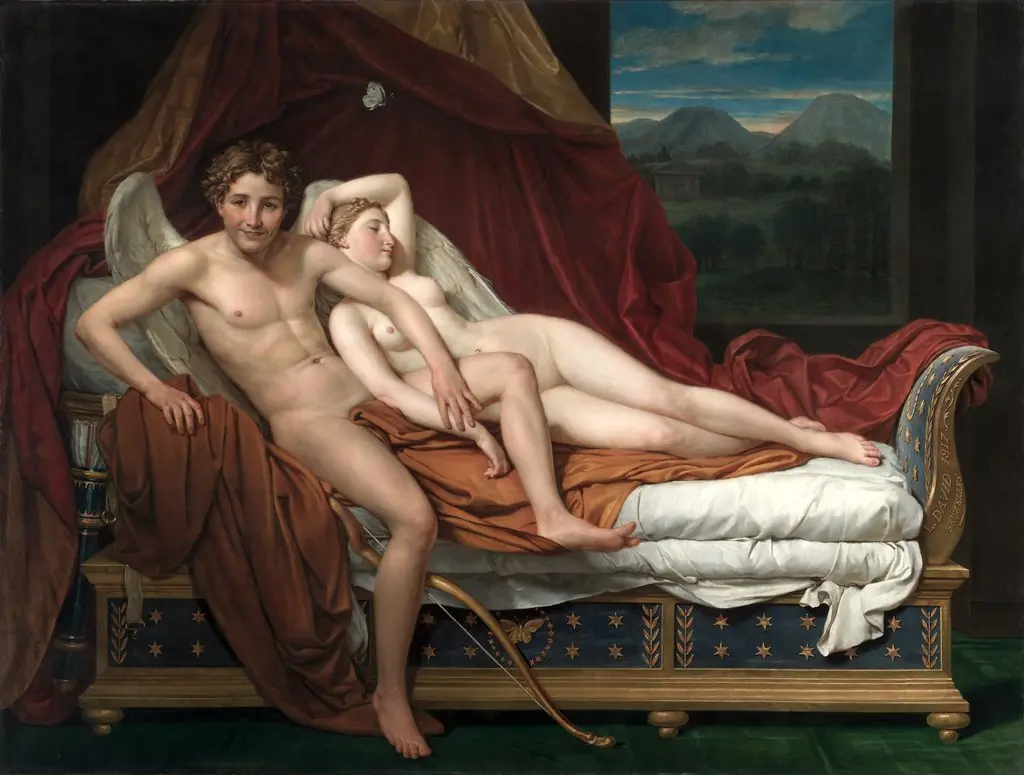 Cupid and Psyche
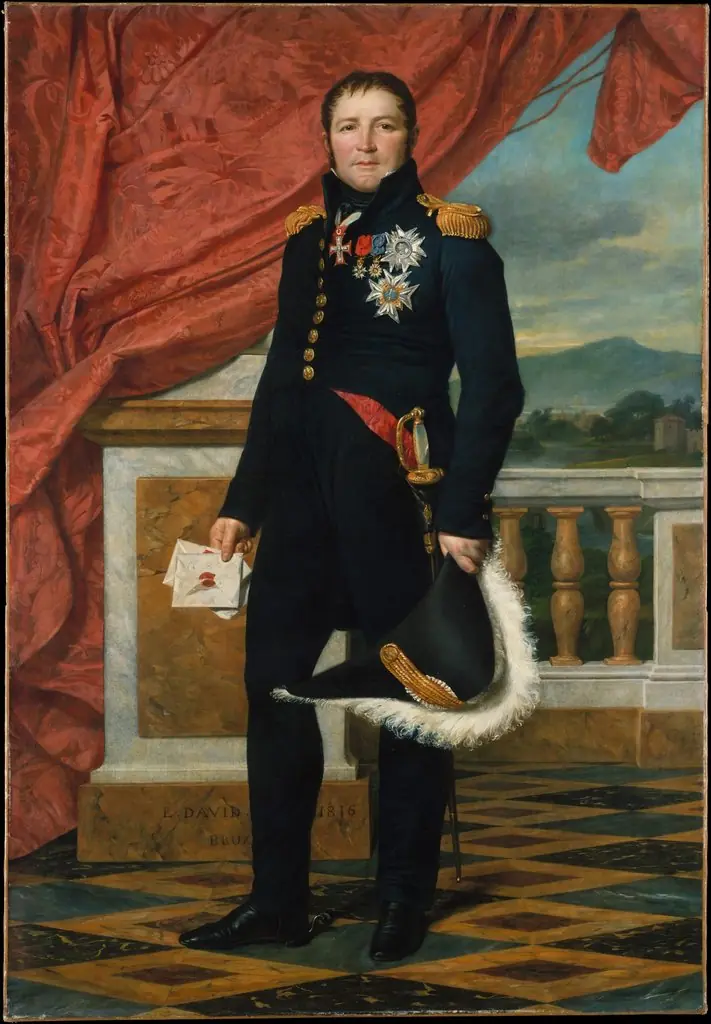 General Étienne-Maurice Gérard (1773–1852), Marshal of France
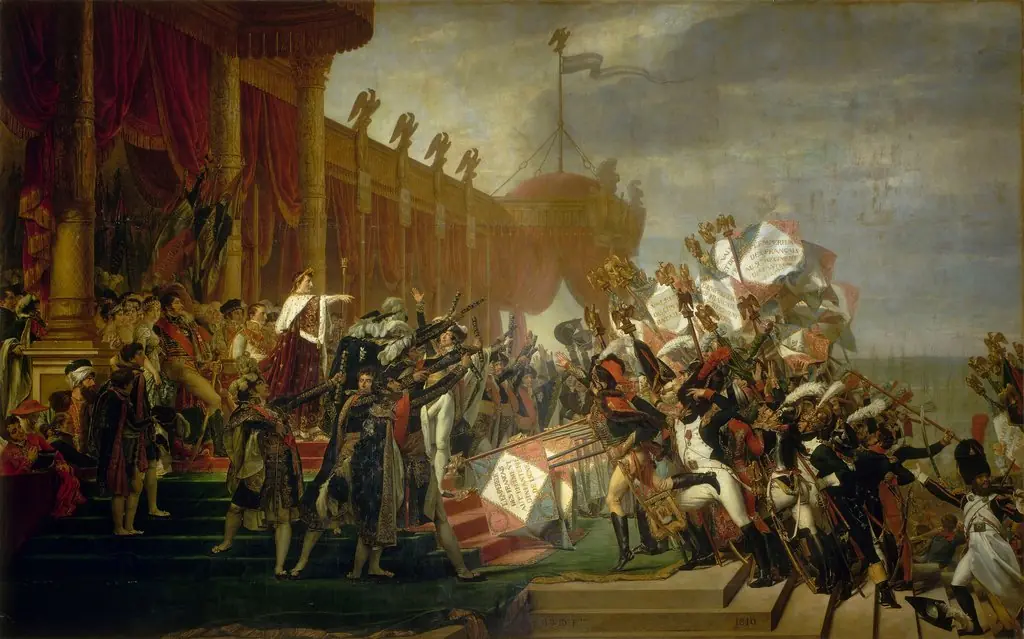 The Distribution of the Eagle Standards
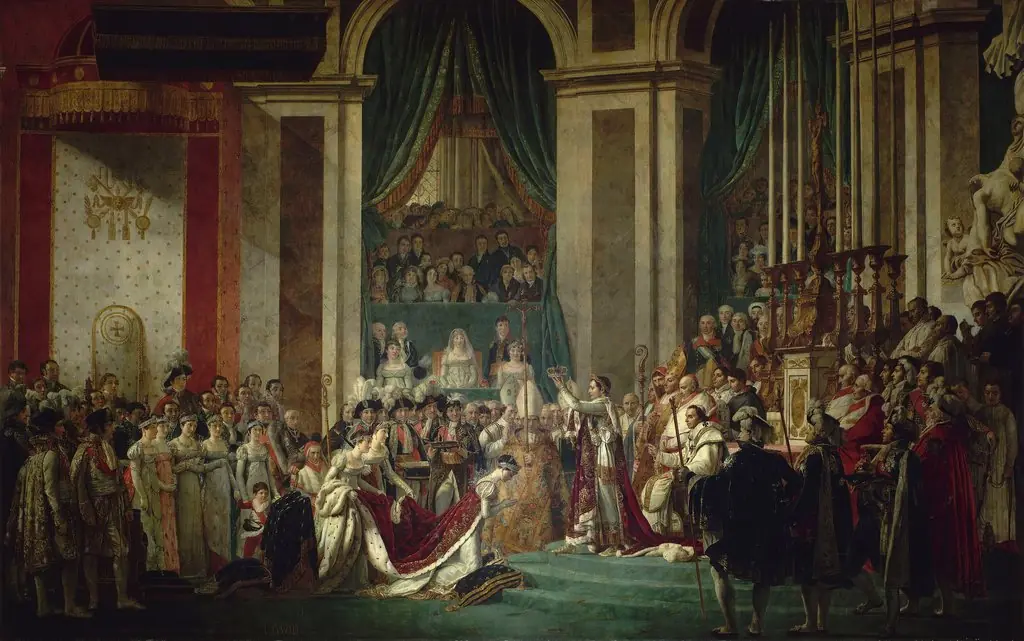 Coronation of Emperor Napoleon I and Coronation of the Empress Josephine
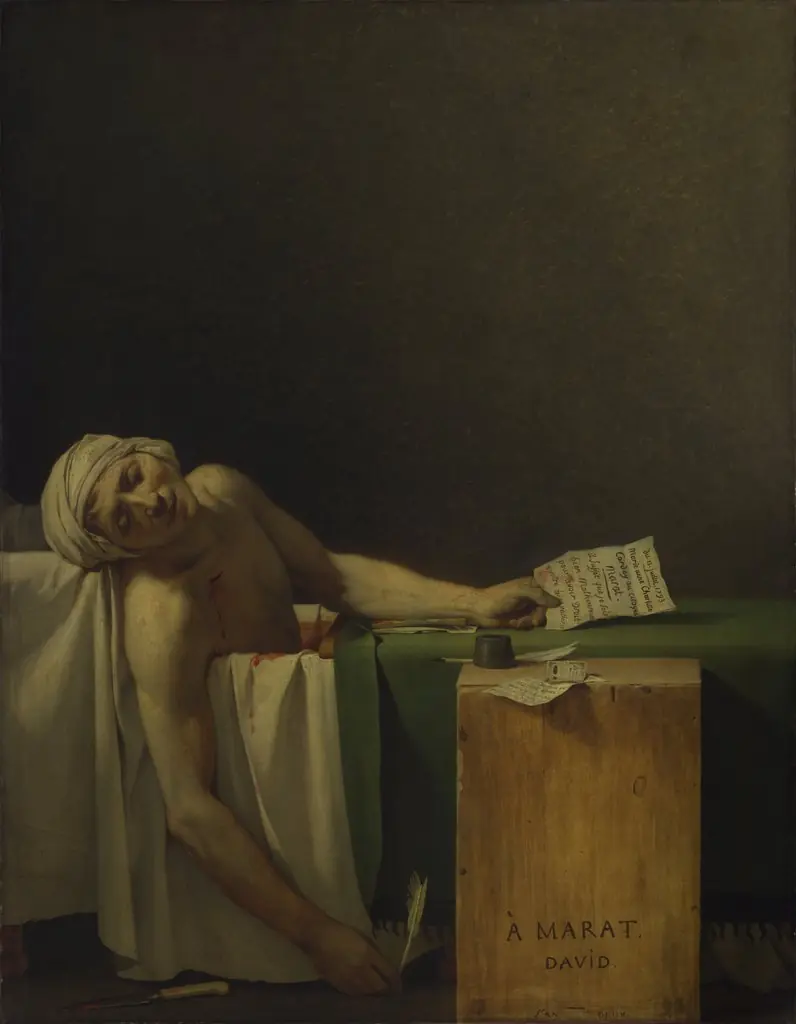 The Death of Marat
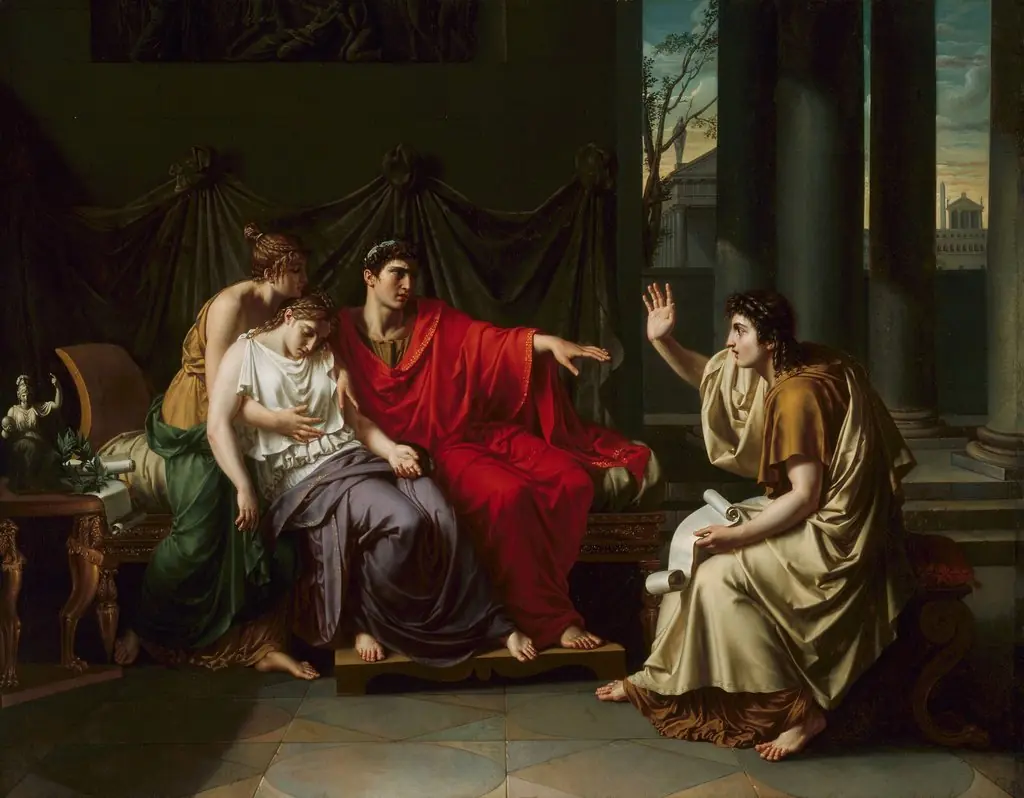 Virgil Reading the "Aeneid" to Augustus, Octavia, and Livia
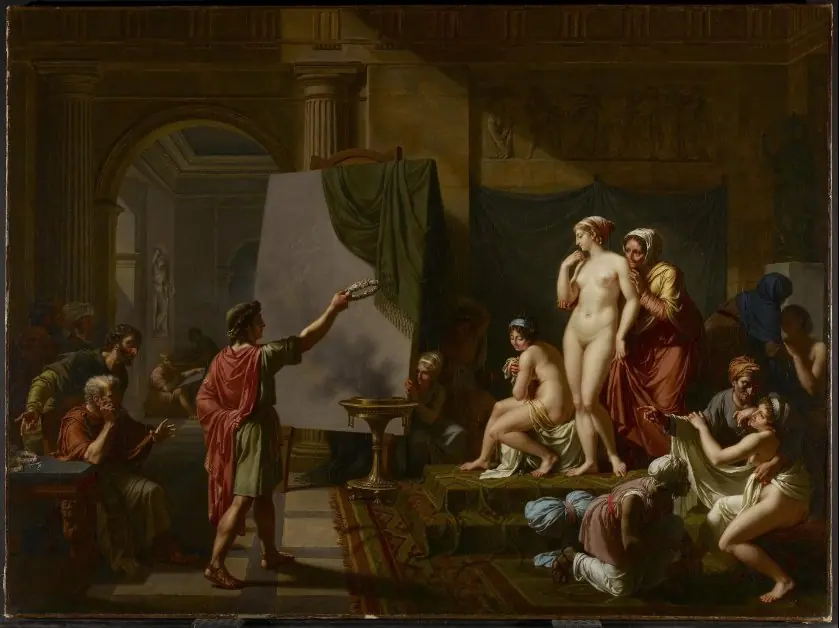 Zeuxis choisissant des modèles
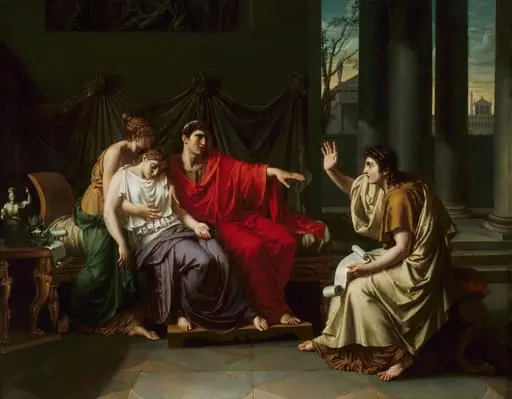 Virgil Reading the "Aeneid" to Augustus, Octavia, and Livia
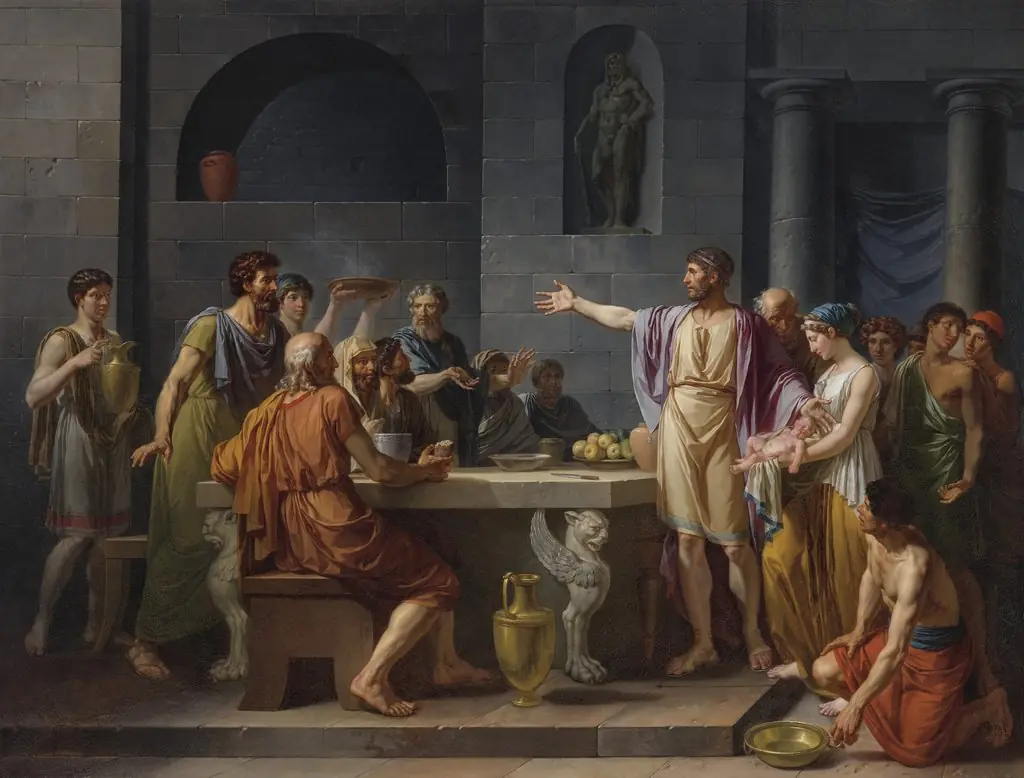 The Magnanimity of Lycurgus
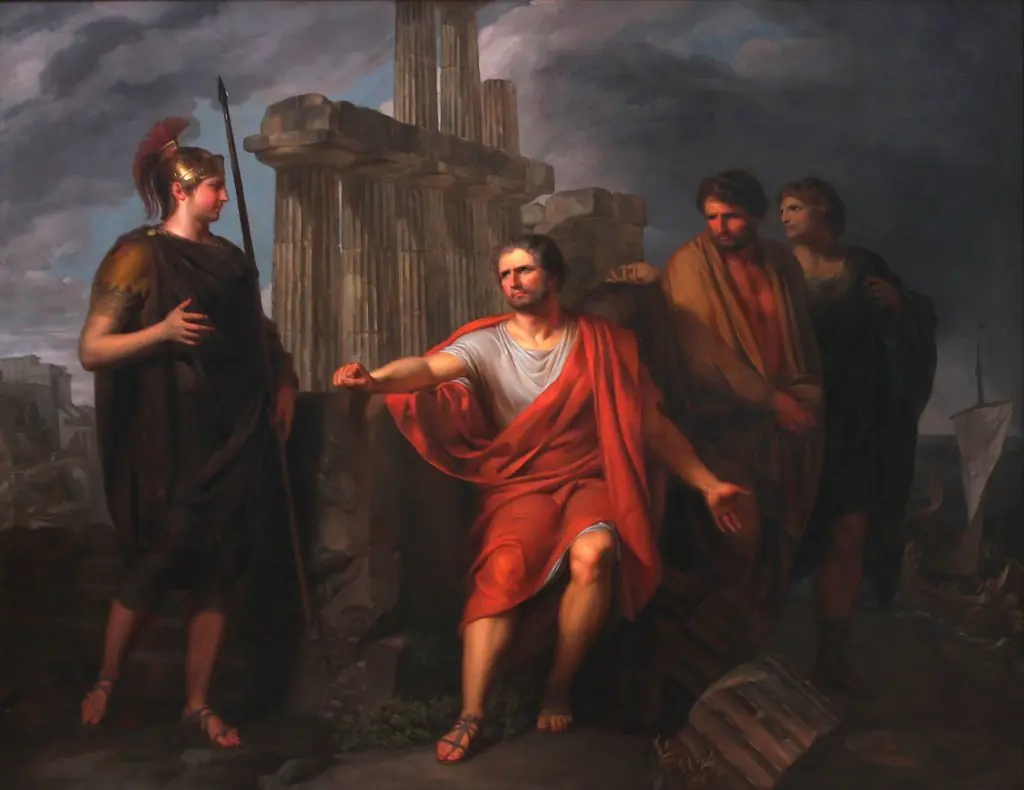 Marius on the ruins of Carthage
 Coriolanus Taking Leave of his Family
 Alexander den Store på sygelejet
 El año del hambre de Madrid
 Cleombrotus Ordered into Banishment by Leonidas II, King of Sparta
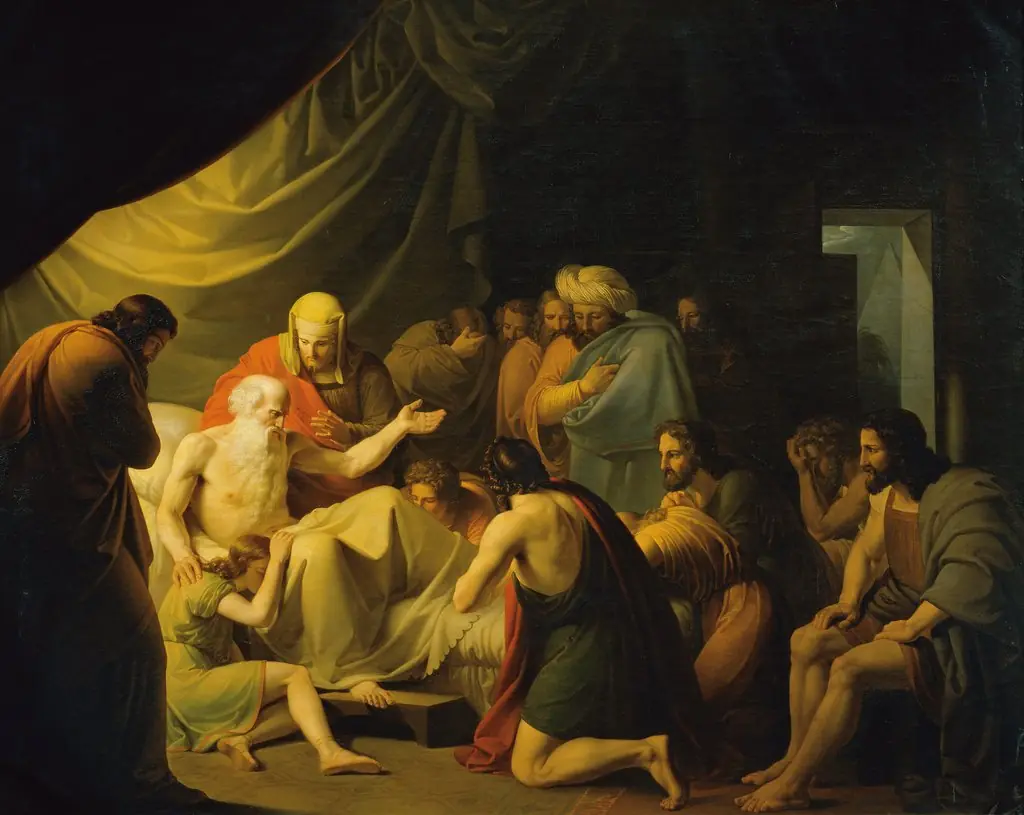 Jacob blesses the sons of Joseph
 Studied in the Mythology in Art course