February 11 in Art History
7 real events recorded on February 11, the earliest from 1607. 2 artists were born , 1 died on this date.
The day's biggest moments
Born on this day 2
- 1607 Born
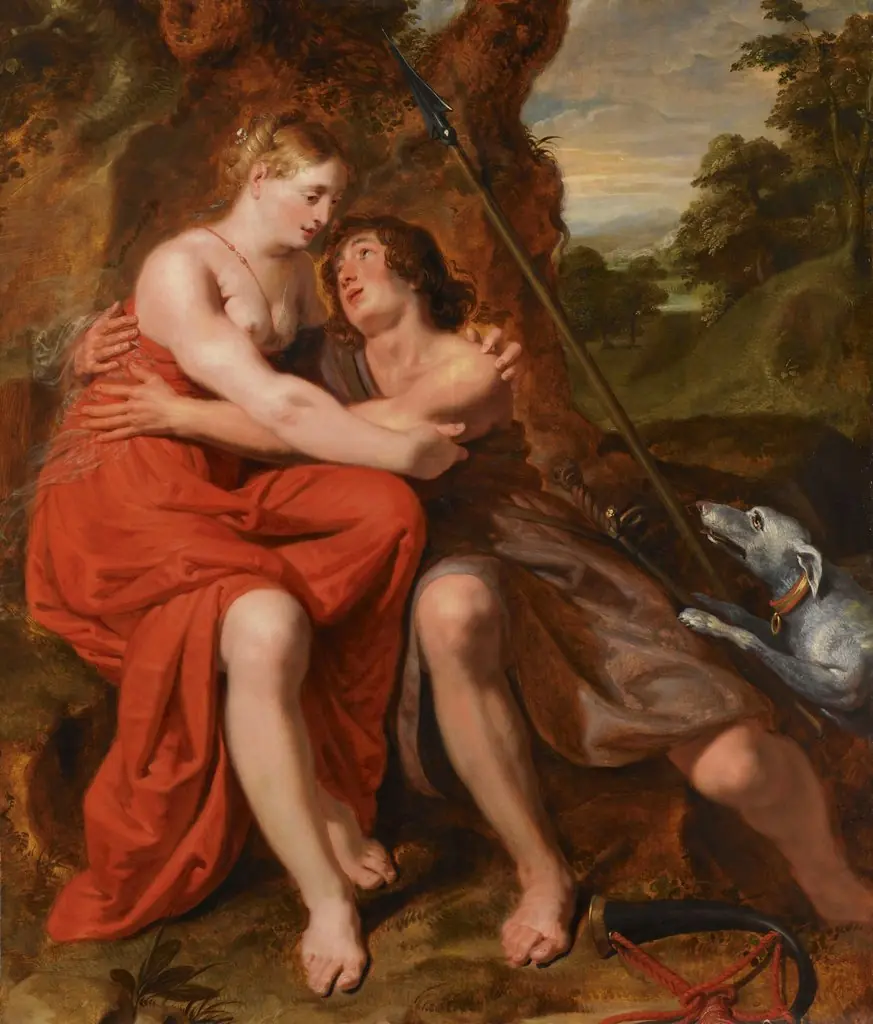
Born this day: Joost de Pape
Joost de Pape, a 17th-century painter, was born on February 11, 1607. His work, such as 'Venus and Adonis', showcases his skill in oil on panel and his study of antique sculpture. De Pape's training in Antwerp and time in Rome influenced his style.
He contributed to the development of 17th-century European painting with his unique blend of Flemish and Italian styles.
- 1755 Born
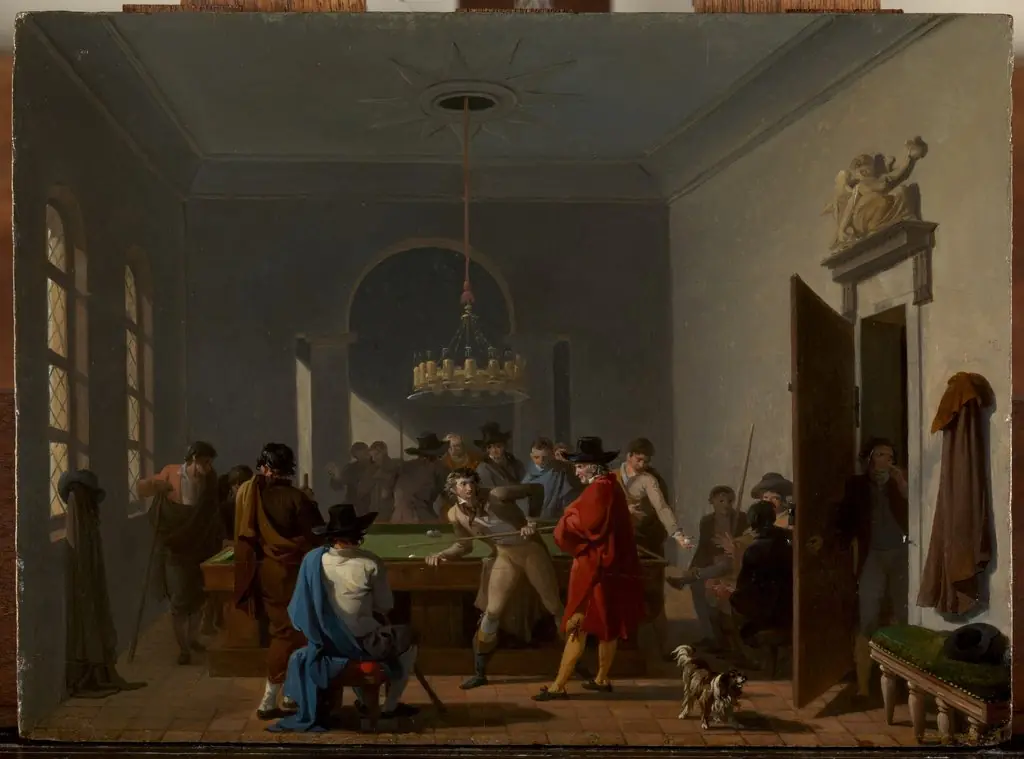
Born this day: Nicolas-Antoine Taunay
Nicolas-Antoine Taunay, born on February 10, 1755, was a French painter renowned for his landscapes that often incorporated scenes from ancient and modern history, mythology, and religion, as seen in works like The Billiard Room and Héroïsme des marins du vaisseau Le Vengeur.
Taunay's work continues to be celebrated for its unique blend of historical and mythological themes within serene landscapes.
Died on this day 1
- 1848 Died
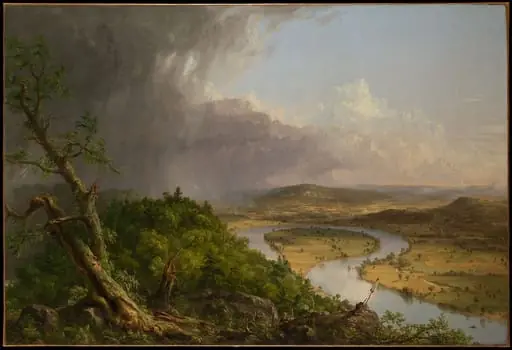
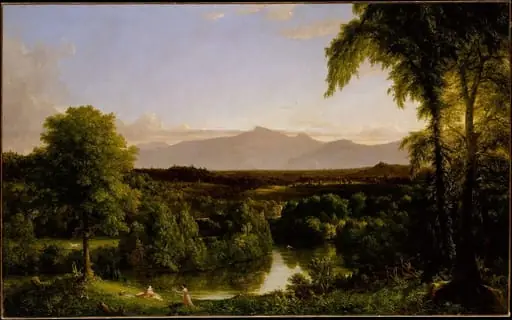
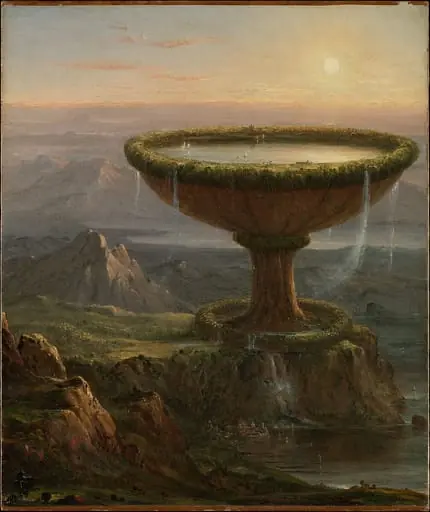
Died this day: Thomas Cole
Thomas Cole, founder of the Hudson River School, was a 19th-century American artist known for his romantic and allegoric landscapes that critiqued industrialism and urbanism. His paintings often featured small figures or structures set against moody natural landscapes, framing the New World as a natural eden.
He remains a significant figure in American art history, influencing generations of landscape painters with his unique blend of European and American sensibilities.
Exhibitions & salons 2
- 1884 Salon Landmark
Opening of the Salon des Indépendants
On February 11, 1884, the Société des Artistes Indépendants held its inaugural exhibition in Paris, establishing a radical alternative to the official Académie des Beaux-Arts. Founded by artists including Albert Dubois-Pillet, Odilon Redon, Georges Seurat, and Paul Signac, the salon adopted the principle of 'no jury and no prizes,' allowing any artist to exhibit upon payment of a fee. This event marked a pivotal shift in the art world, providing a crucial platform for the emerging Neo-Impressionists and Symbolists to display their work outside the rigid constraints of the traditional Salon system.
It institutionalized the concept of the jury-free exhibition, fundamentally altering how modern art was presented and consumed in France.
- 1937 Exhibition
Women Artists of Europe Opens at the Jeu de Paume
Les femmes artistes d'Europe opened at the Jeu de Paume in Paris, then the Musee des ecoles etrangeres contemporaines. The exhibition ran from 11 to 28 February 1937 and gathered hundreds of works by women artists from across Europe and beyond. Organized with figures including Andre Dezarrois, Antonietta Paoli Pogliani, Rose Valland, Laure Albin-Guillot, and Marie-Anne Camax-Zoegger, it placed contemporary women artists inside an important state museum context at a moment when professional women's art societies were pressing for recognition. The show included painting, sculpture, decorative arts, drawings, prints, and watercolors, and juxtaposed living artists with a retrospective section honoring earlier figures such as Mary Cassatt and Berthe Morisot.
It became a rare prewar museum-scale statement of women's international artistic production.
Openings & foundings 2
- 1990 Opening
Community Artists' Collective Holds First Elgin-Space Show
The Community Artists' Collective's first show at its new 1501 Elgin location in Houston took place on February 11, 1990, in conjunction with Houston FotoFest. Founded in 1987 by artist Michelle Barnes and Texas Southern University professor Sarah Trotty, the Collective grew out of Barnes's earlier Barnes-Blackman Gallery and was created to provide exhibition opportunities, especially for professional African American artists and African American women artists in Houston. Moving into the Elgin building gave the organization a more independent base, even though the space required significant renovation. The first show marked the transition from a part-time gallery presence into a community-rooted exhibition, education, and advocacy platform.
The opening helped establish one of Houston's lasting Black artist-centered exhibition spaces.
- 1999 Opening
Craft and Folk Art Museum Reopens
The Craft and Folk Art Museum in Los Angeles, now Craft Contemporary, re-opened on February 11, 1999 after a period of closure and financial uncertainty. The institution had originated from Edith Wyle's Egg and The Eye gallery and restaurant, became a nonprofit museum in the 1970s, and built a distinctive identity around contemporary craft, folk art, artist-led workshops, and multicultural public programming. After an earlier renovation and reopening in 1995, the museum closed again at the end of 1997 and was widely thought to be finished. Its 1999 return followed a partnership involving museum leadership and the Los Angeles Department of Cultural Affairs, preserving a rare West Coast institution devoted to craft as contemporary art practice.
The reopening kept Los Angeles's specialized craft-art museum alive for its later transformation into Craft Contemporary.