Artist
Mary Cassatt
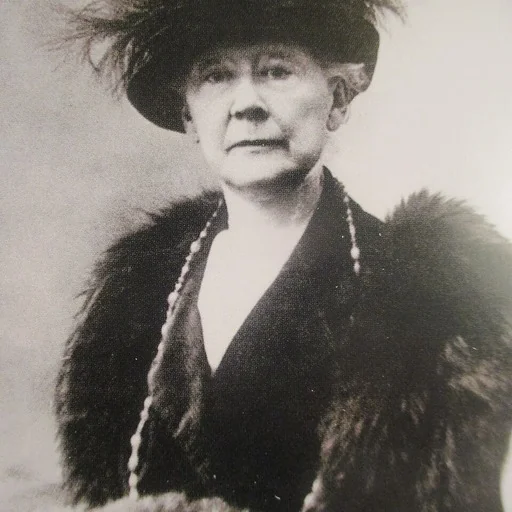
American, 1844–1926
Mary Cassatt was an American Impressionism painter. 172 works are cataloged here, principally at National Gallery of Art, most of them oil paintings. Mary Cassatt was born in Allegheny.
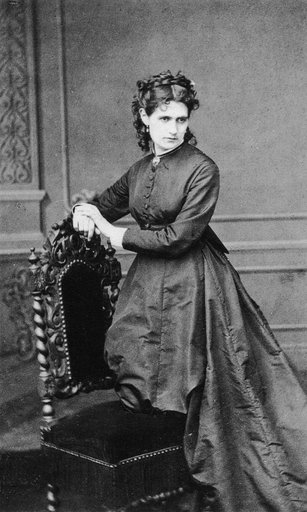
Mary Stevenson Cassatt (; May 22, 1844 – June 14, 1926) was an American painter and printmaker. She was born in Allegheny, Pennsylvania (now part of Pittsburgh's North Side), but lived most of her adult life in France, where she befriended Edgar Degas and exhibited with the Impressionists. Cassatt often created images of the social and private lives of women, with particular emphasis on the intimate bonds between mothers and children.
She was described by Gustave Geffroy as one of "les trois grandes dames" (the three great ladies) of Impressionism alongside Marie Bracquemond and Berthe Morisot. In 1879, Diego Martelli compared her to Degas, as they both sought to depict movement, light, and design in the most modern sense. She also played an important role in introducing Impressionism to American collectors, notably through her friendship with the Havemeyer family.
Works by Mary Cassatt
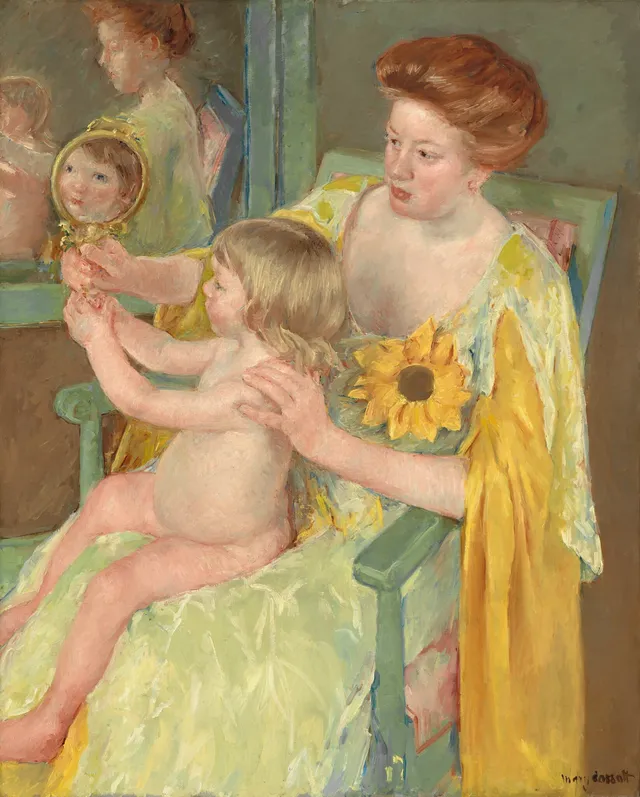 Woman with a Sunflower
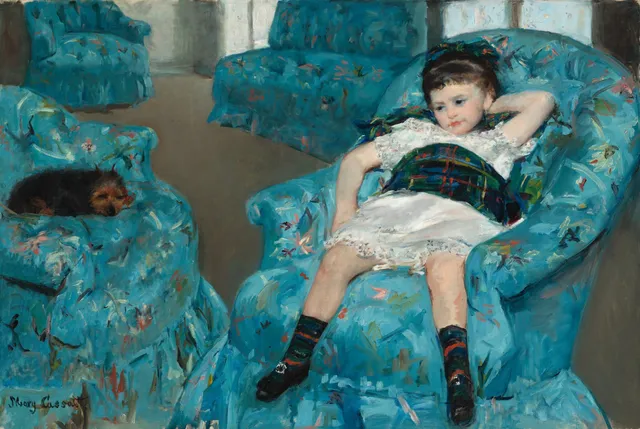 Little Girl in a Blue Armchair
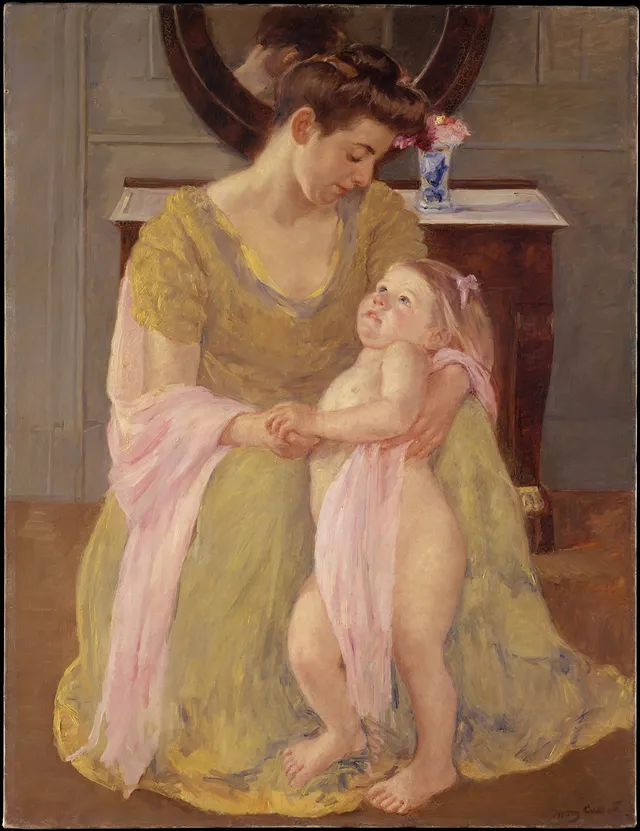 Mother and Child with a Rose Scarf
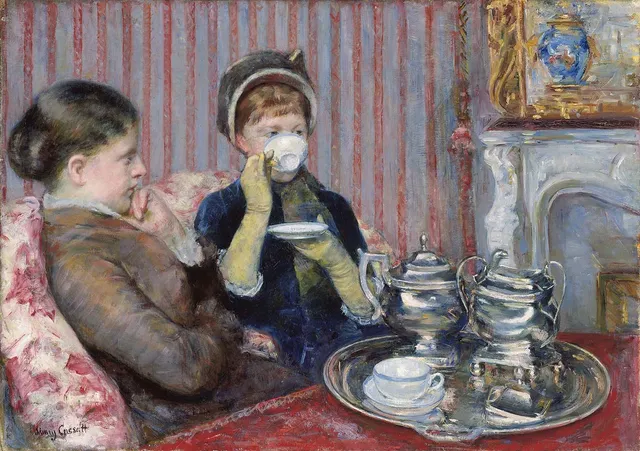 Five O'Clock Tea
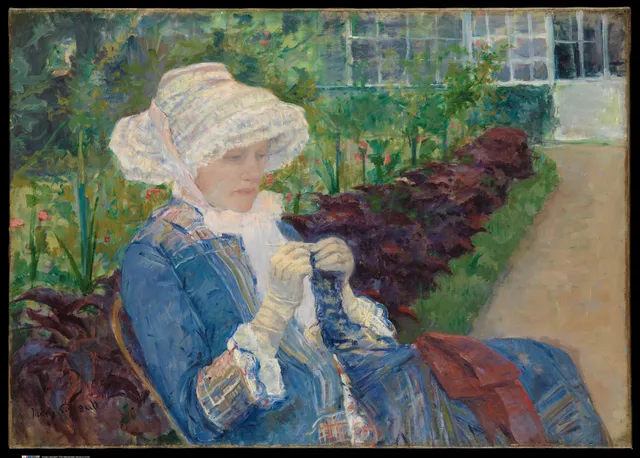 Lydia Crocheting in the Garden at Marly
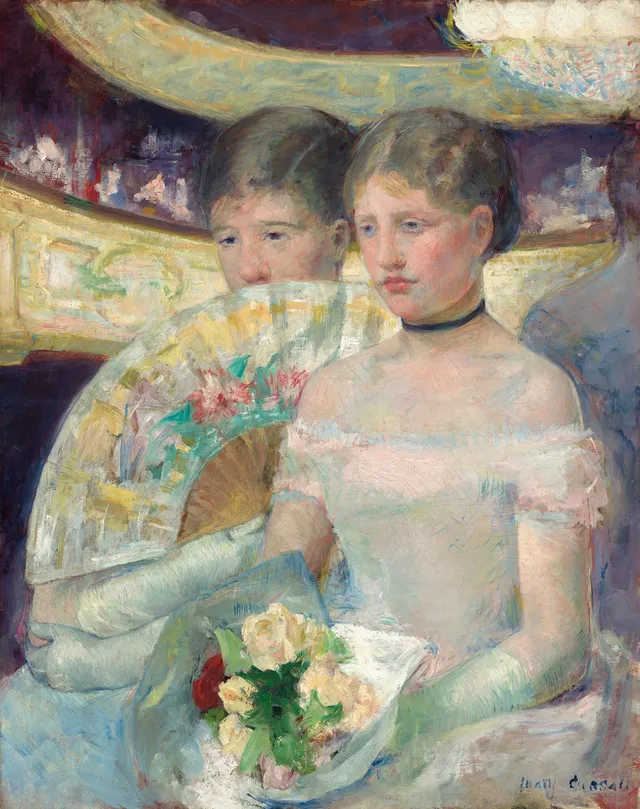 The Loge
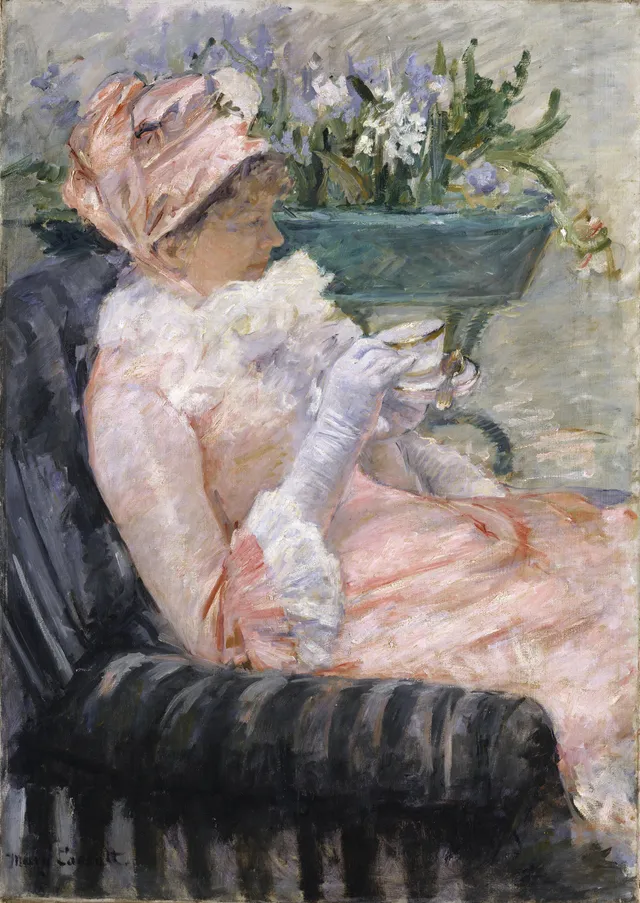 The Cup of Tea
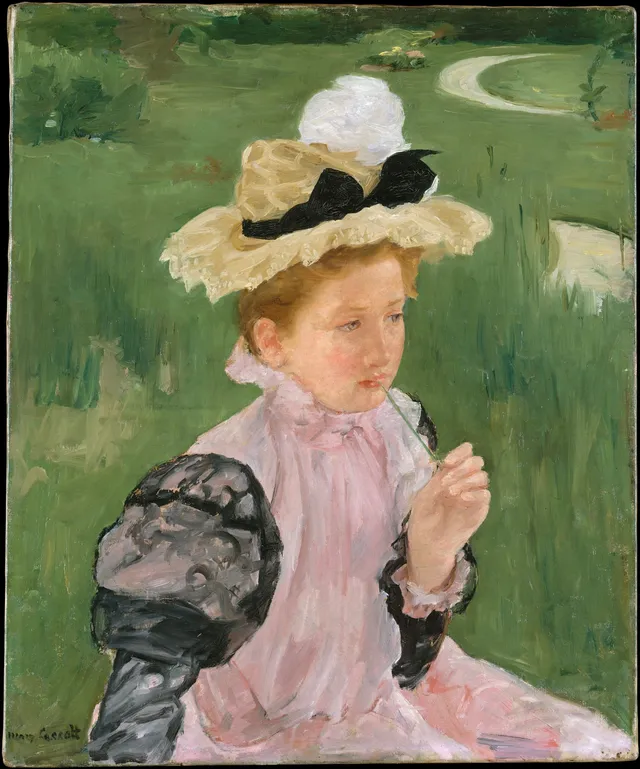 Portrait of a Young Girl
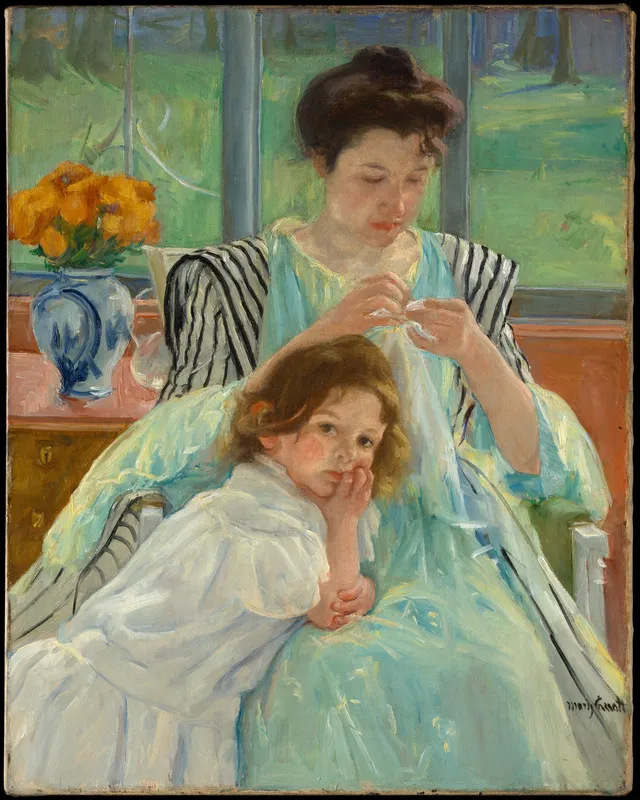 Young Mother Sewing
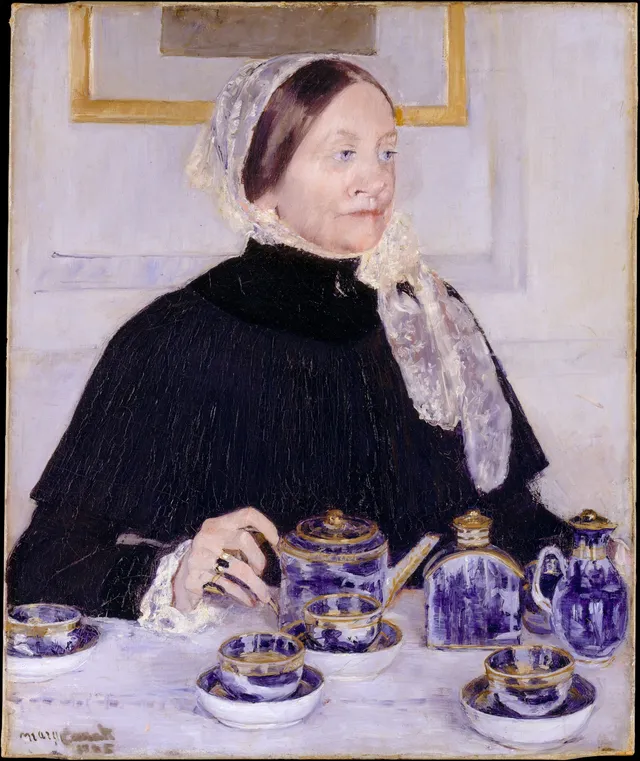 Lady at the Tea Table
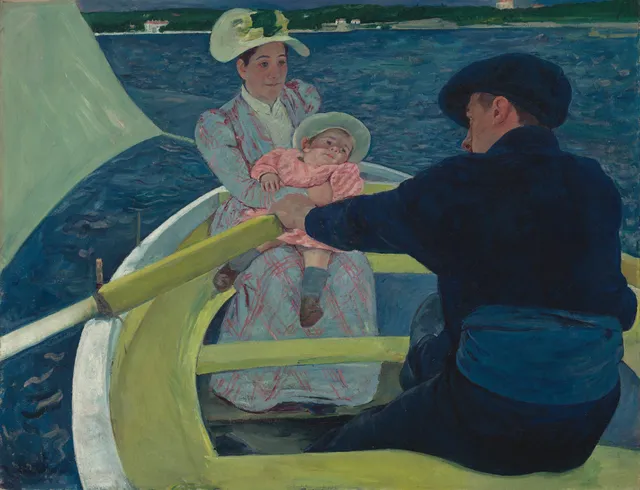 The Boating Party
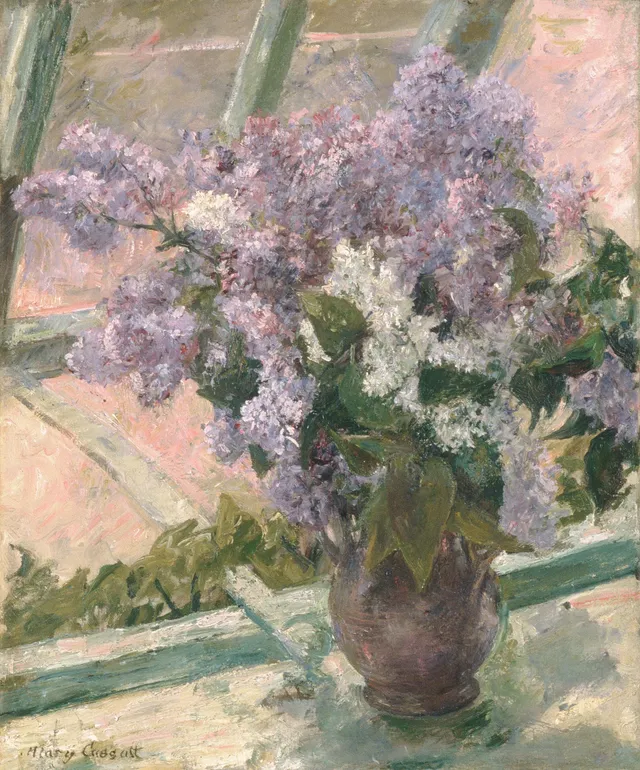 Lilacs in a Window
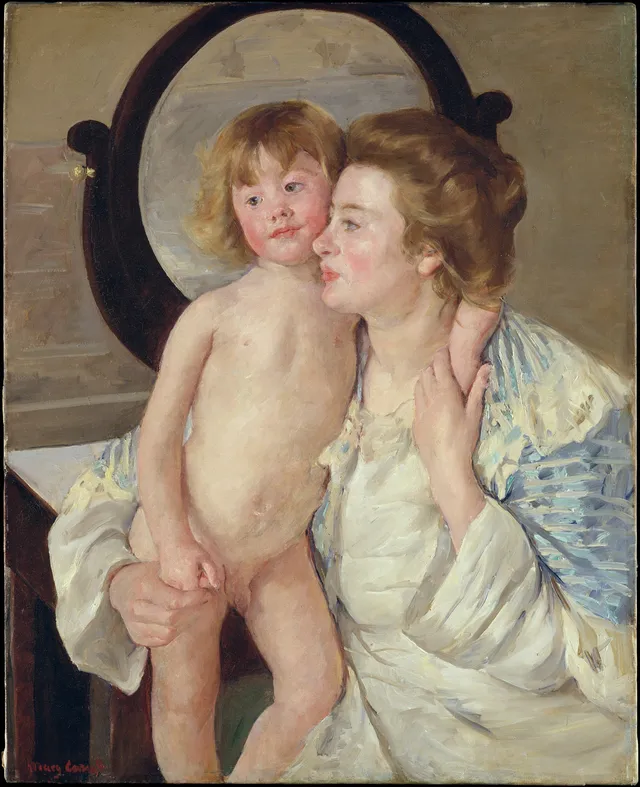 Mother and Child (The Oval Mirror)
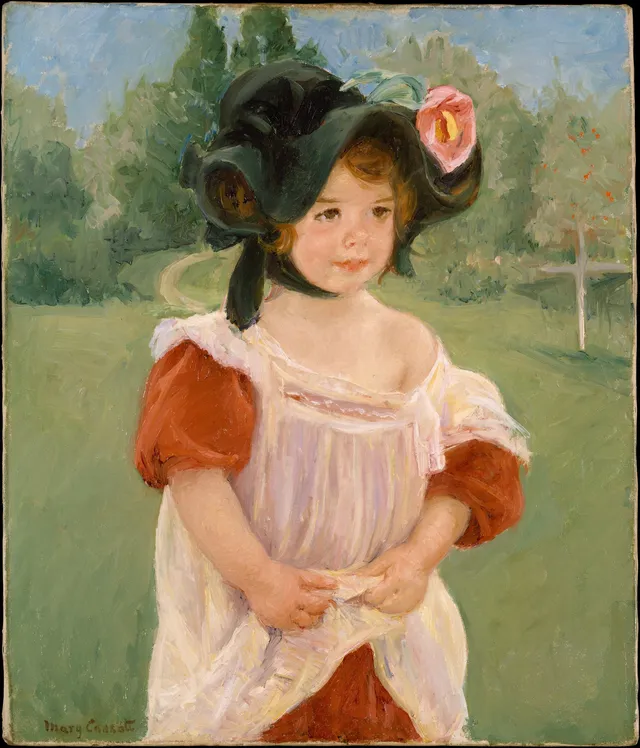 Spring: Margot Standing in a Garden (Fillette dans un jardin)
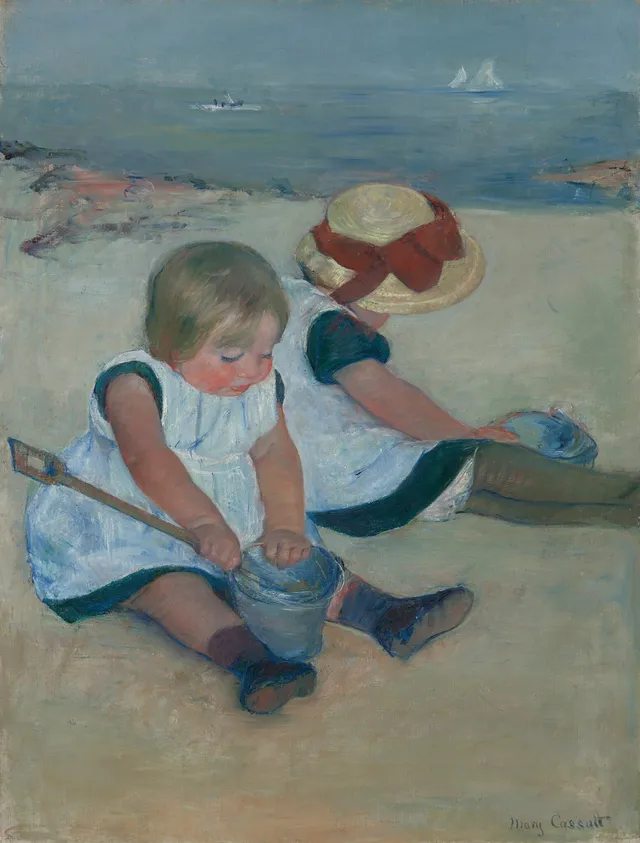 Children Playing on the Beach
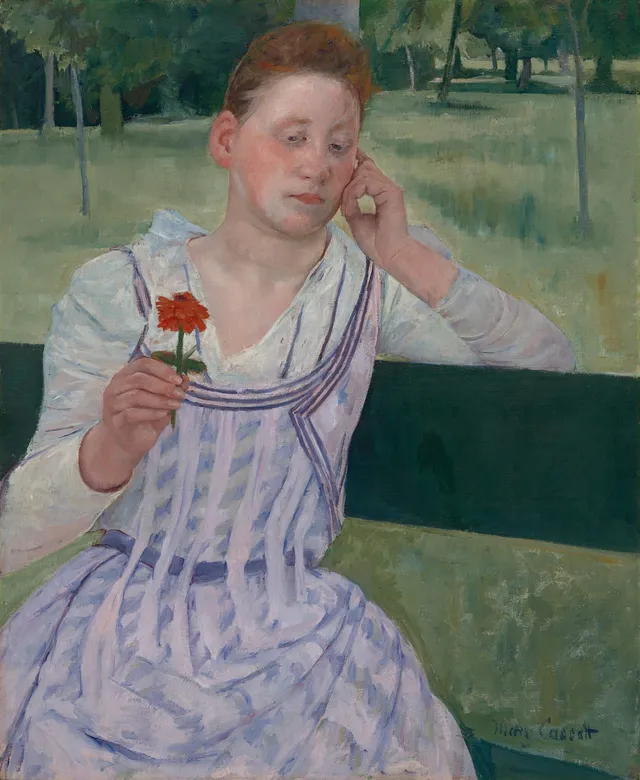 Woman with a Red Zinnia (Revery)
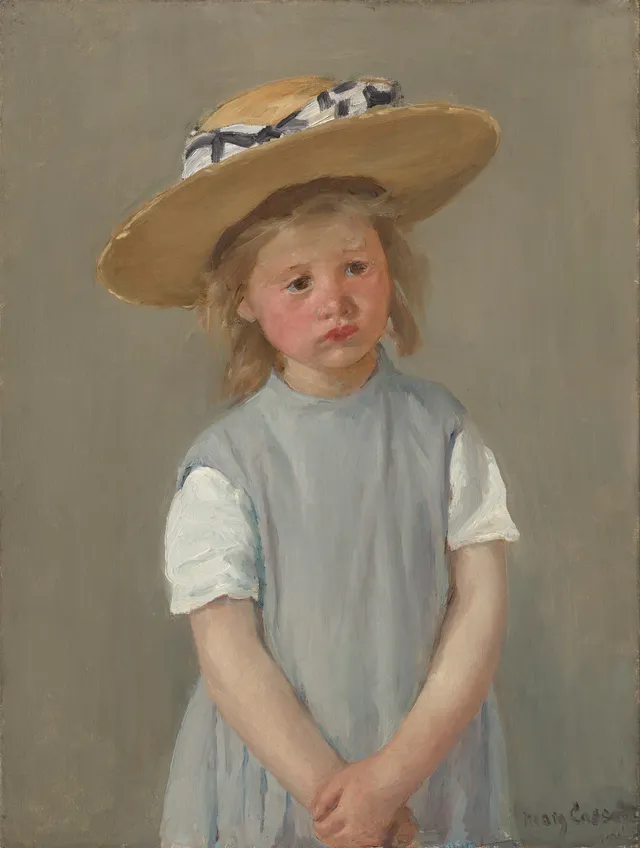 Child in a Straw Hat
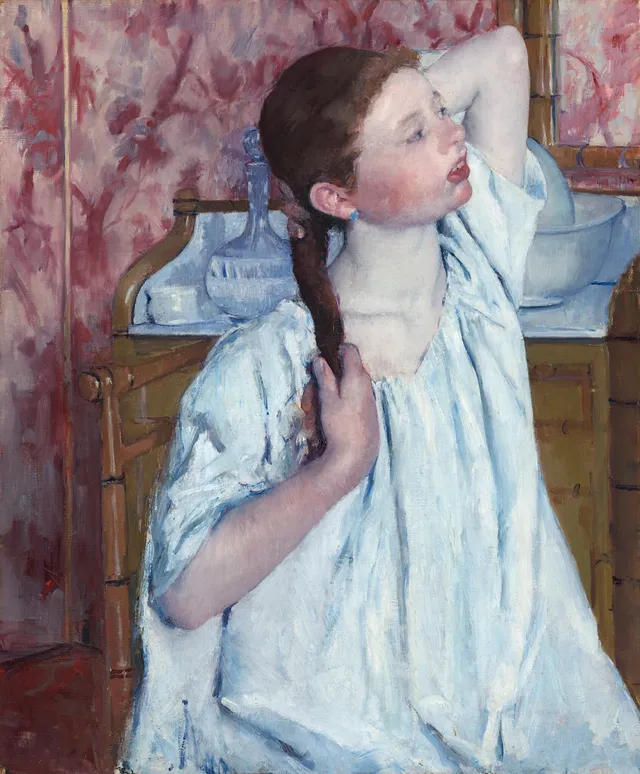 Girl Arranging Her Hair
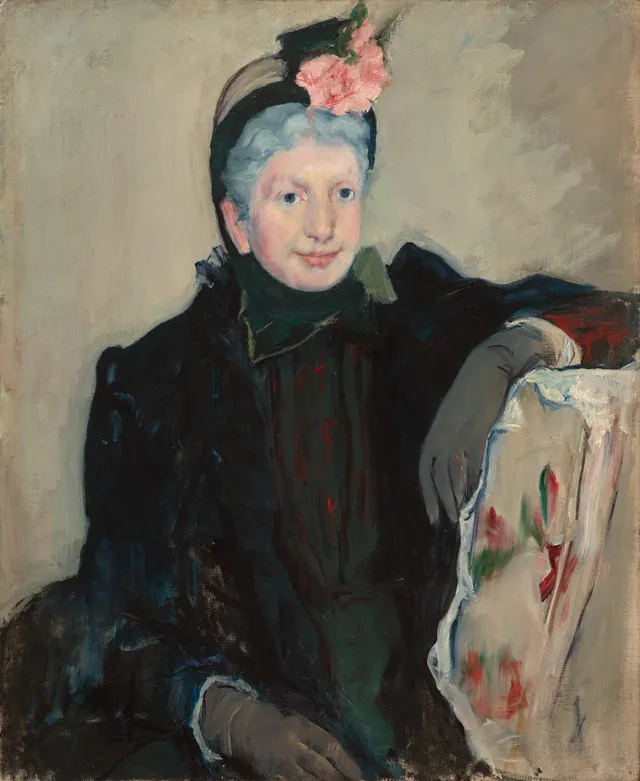 Portrait of a Lady
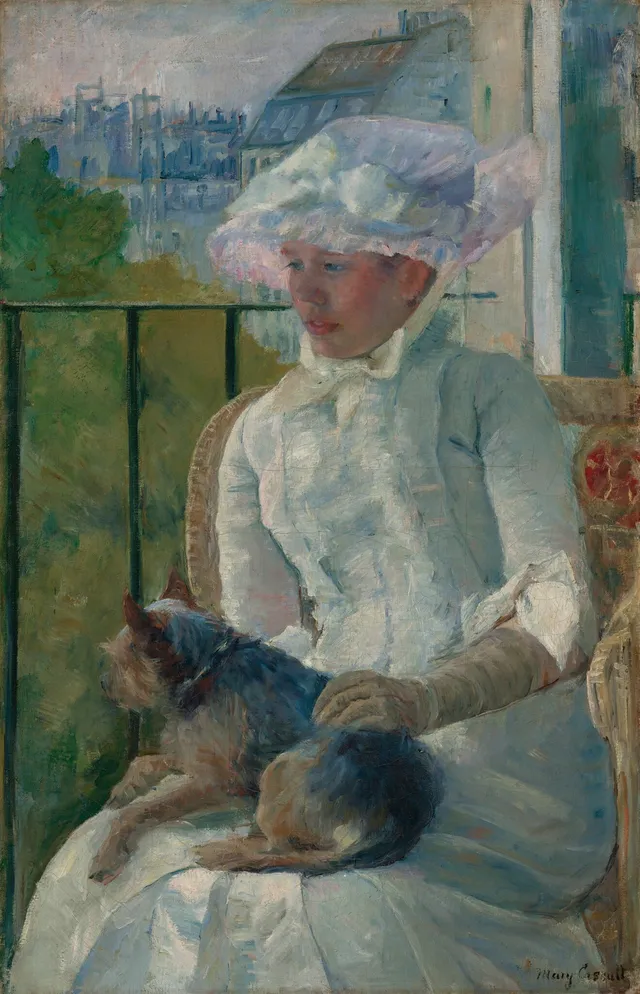 Young Girl at a Window
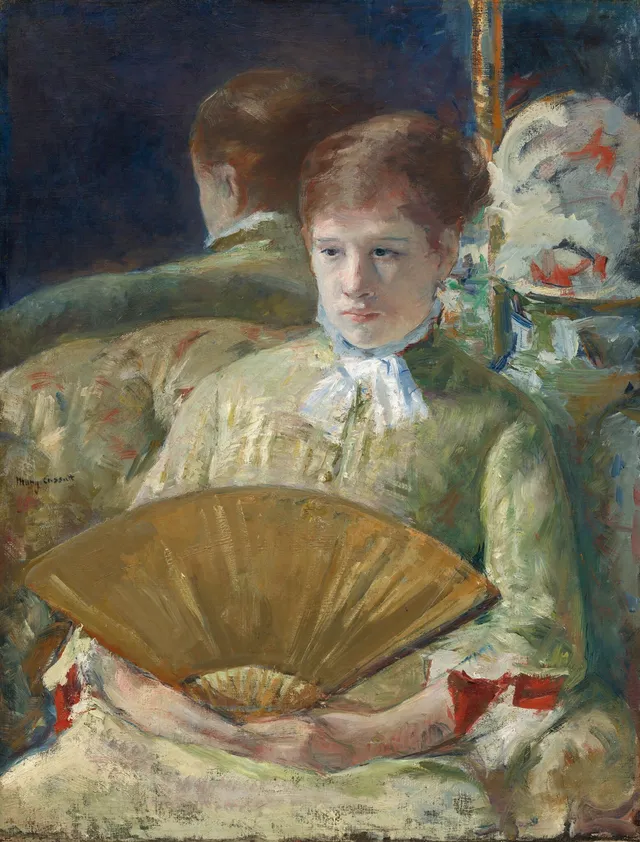 Woman with a Fan
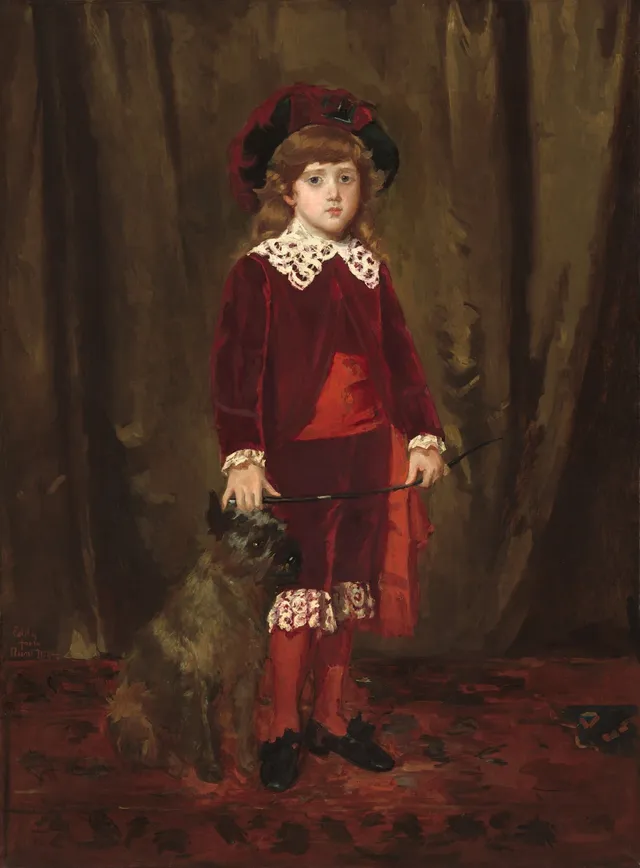 Eddy Cassatt (Edward Buchanan Cassatt)
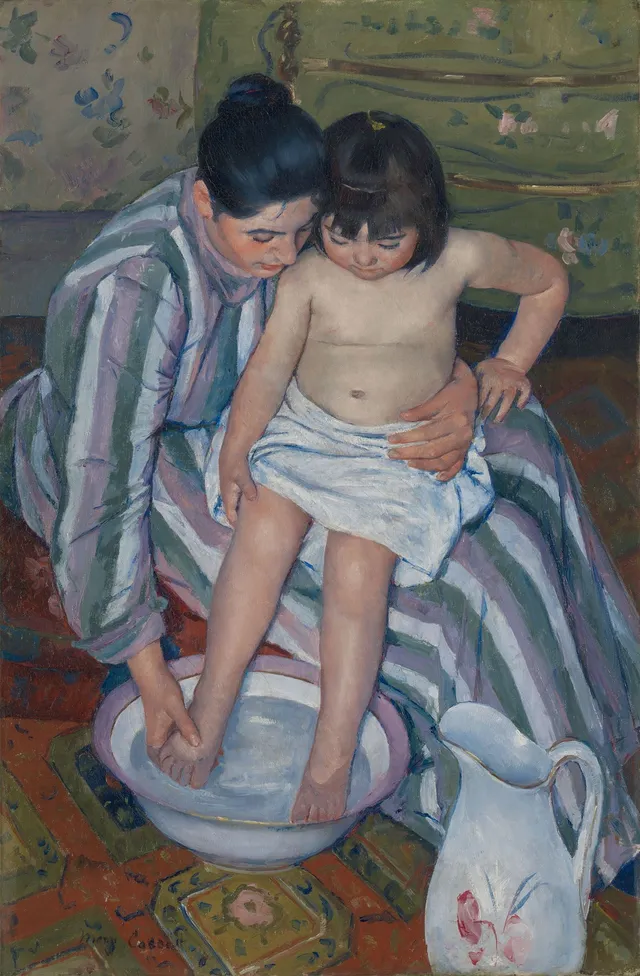 The Child's Bath
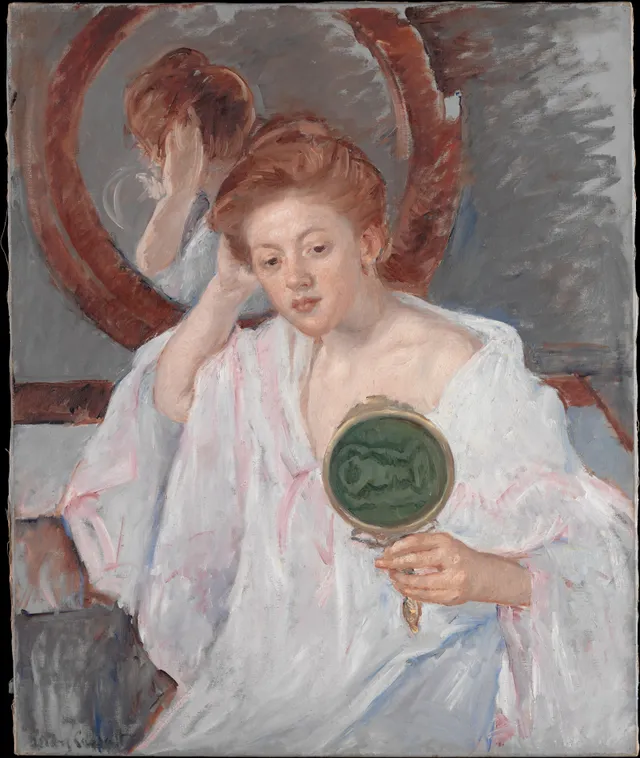 Denise at Her Dressing Table
Collections represented


Moments involving Mary Cassatt
- Eighth (and Last) Impressionist Exhibition · 1886 Impressionism's group identity dissolved at the very moment its successor movement stepped on stage, the torch passing visible in a single room.
- Women Artists of Europe Opens at the Jeu de Paume · 1937 It became a rare prewar museum-scale statement of women's international artistic production.
Featured in a course
Artists in a similar vein