February 19 in Art History
6 real events recorded on February 19, the earliest from 1622. 2 artists were born , 1 died on this date.
Born on this day 2
- 1640 Born
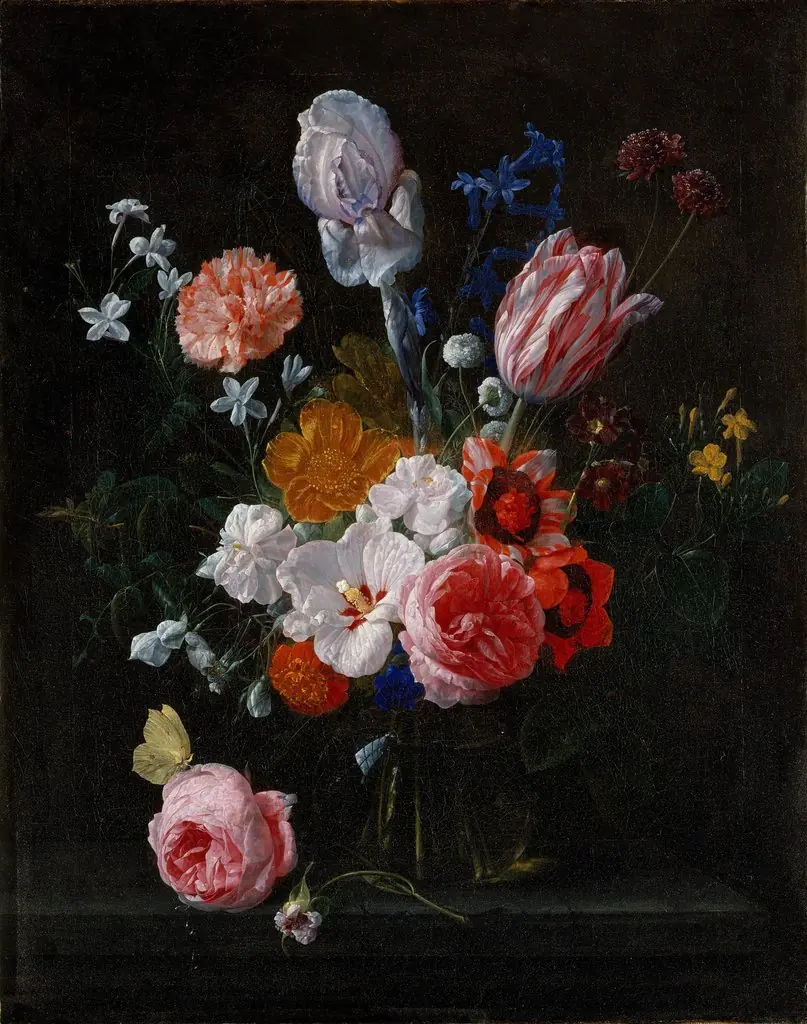
Born this day: Nicolaes van Verendael
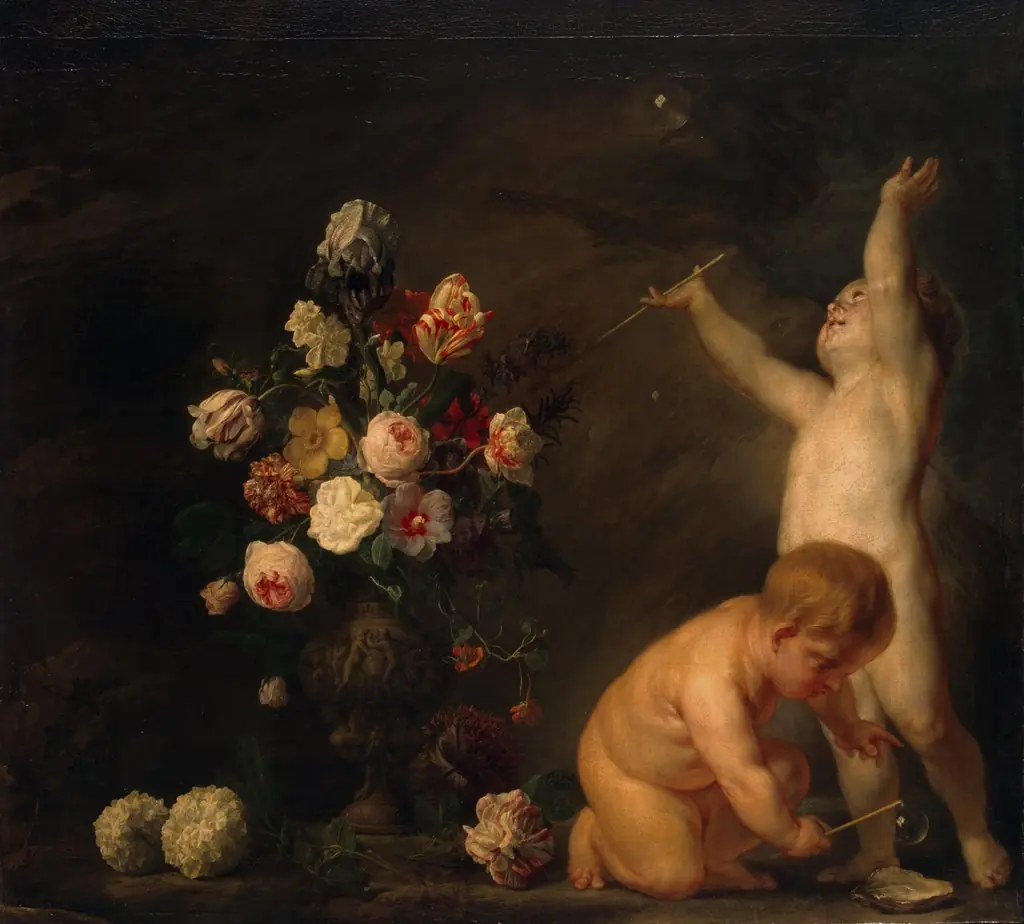
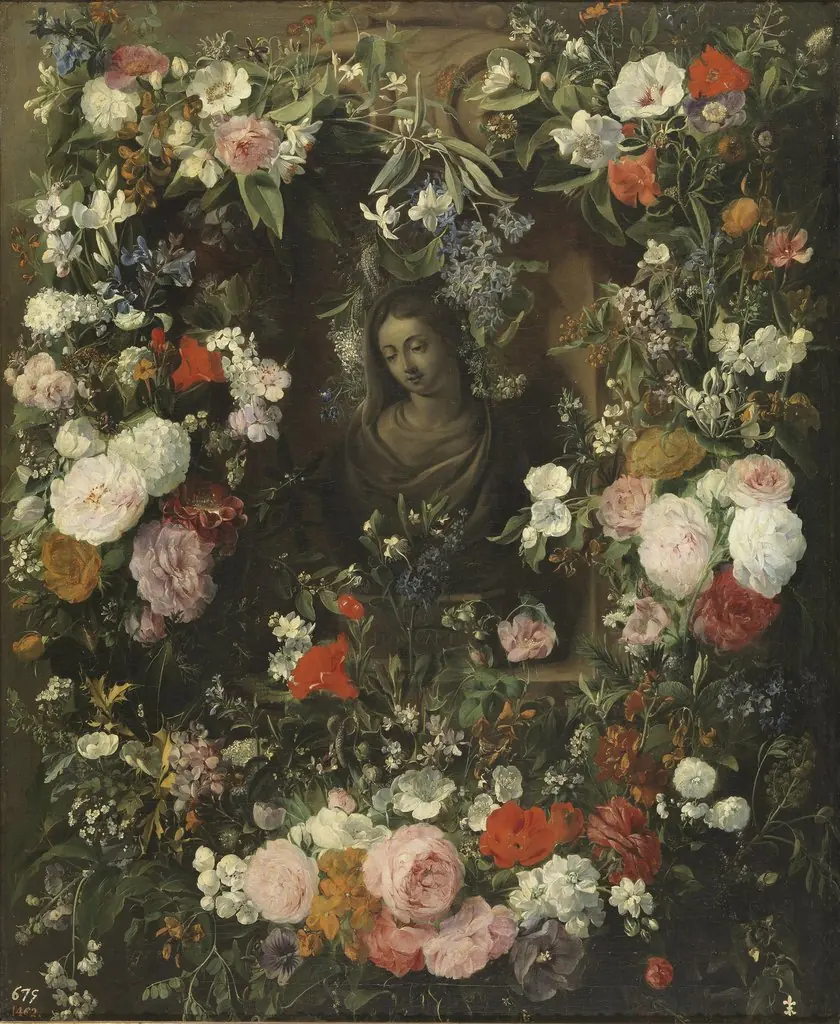
Nicolaes van Verendael, born on February 19, 1640, was a Flemish painter known for his delicate flower paintings and thought-provoking vanitas still lifes, often collaborating with other artists to add intricate details to their compositions.
He remains a notable figure in Flemish art for his contributions to still life painting and his unique collaborations with other artists.
- 1766 Born
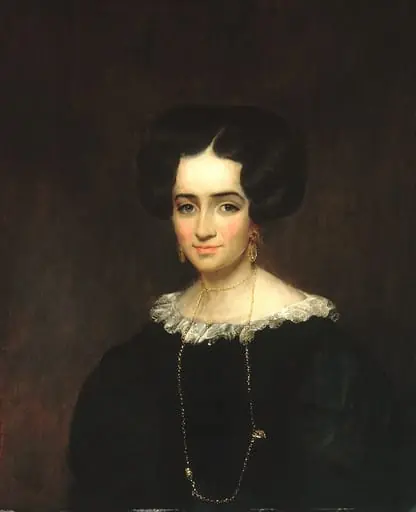
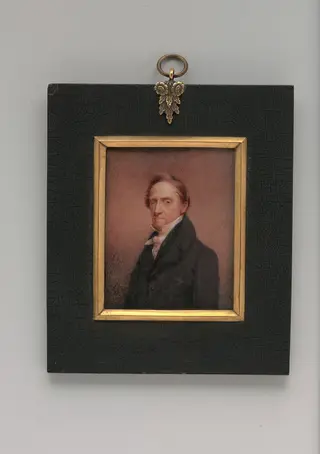
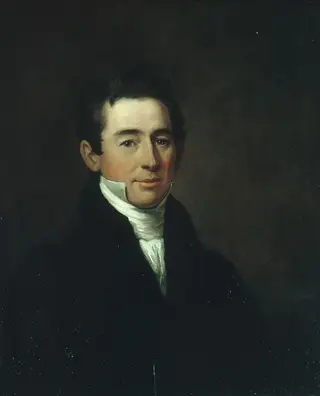
Born this day: William Dunlap
On February 19, 1766, American artist William Dunlap was born, a pioneer of American theater who also made significant contributions as a painter, despite losing an eye in childhood. He managed prominent theaters and later resumed painting, creating notable works such as portraits of prominent figures, including George Washington. His artistic training included studies under Benjamin West in London and Abraham Delanoy in New York.
William Dunlap's legacy lies in his foundational role in American theater and his enduring portraits of historic figures.
Died on this day 1
- 1622 Died
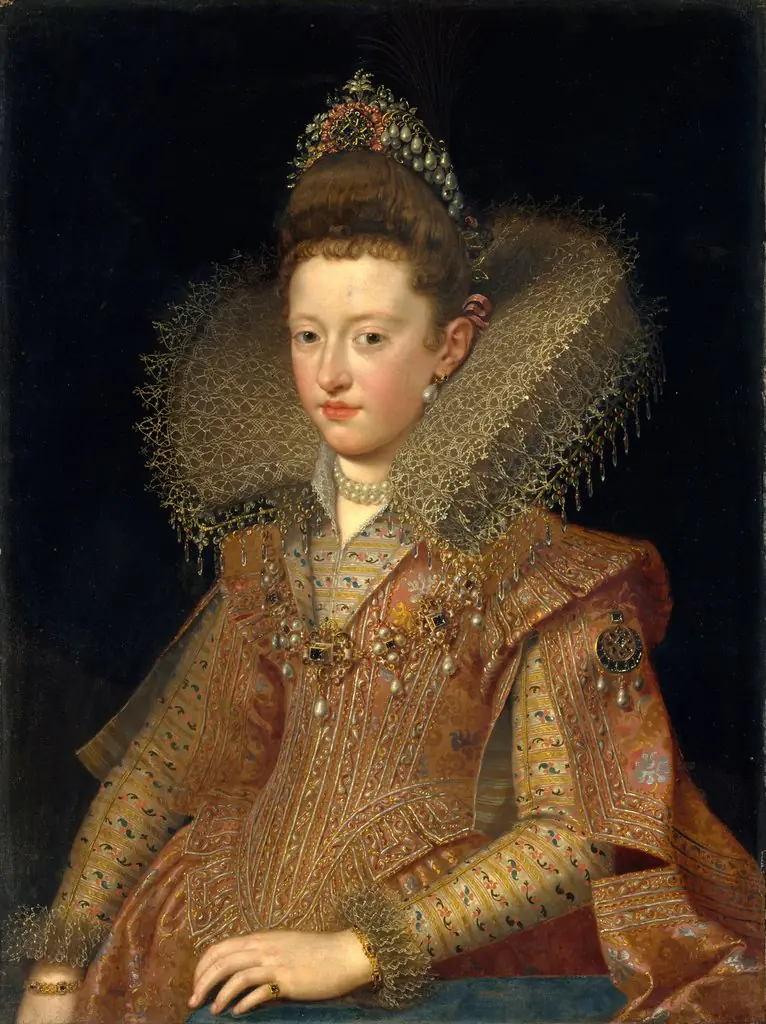
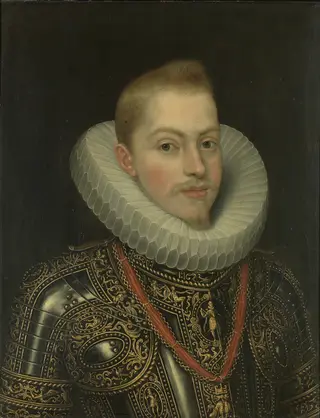
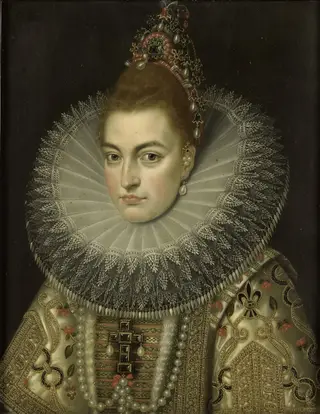
Died this day: Frans Pourbus, the Younger
Frans Pourbus the Younger, a Flemish painter, specialized in portrait painting, creating royal portraits for prominent courts, including the Archdukes in Brussels and the French court. His work is characterized by static, formal compositions with meticulous attention to costume, jewelry, and draperies.
He remains notable for his detailed and ornate depictions of royal subjects, offering a glimpse into the opulence of 17th-century European courts.
Exhibitions & salons 2
- 1907 Exhibition
Photo-Secession group exhibition at 291
Alfred Stieglitz's Little Galleries of the Photo-Secession, later known simply as 291, opened a photographic exhibition by Alice Boughton, William B. Dyer, and C. Yarnall Abbott. The show ran from February 19 to March 5 at the Fifth Avenue gallery. Although this particular exhibition preceded 291's decisive turn toward European modernism, it belongs to the gallery's formative program of presenting photography as fine art and building an audience for experimental visual culture in New York. Boughton was a prominent portrait photographer associated with Pictorialism, while Dyer and Abbott were part of the wider Photo-Secession orbit. The exhibition helps mark the moment when Stieglitz's gallery still centered photography, just before it became a crucial American conduit for Matisse, Rodin, Cezanne, Picasso, Brancusi, and other modernists.
291's early photography program helped prepare the audience and institutional platform for modern art in the United States.
- 2011 Exhibition
Picasso masterpieces exhibition at VMFA
The Virginia Museum of Fine Arts opened Picasso: Masterpieces from the Musee National Picasso, Paris, an exhibition drawn from the artist's personal collection in the Paris museum while that institution was under renovation. The exhibition ran from February 19 to May 15, 2011 and occupied ten galleries in VMFA's newly renovated building. VMFA was one of only seven museums worldwide selected for the tour, and the Richmond presentation included 176 paintings spanning Picasso's career. Director Alex Nyerges emphasized the rarity of seeing such a concentrated group of works from the artist's own holdings, framing it as a survey of one of the twentieth century's most influential figures rather than a conventional loan show assembled from many collections.
The exhibition extended the Musee Picasso renovation tour to a major American regional museum and broadened public access to Picasso's retained works.
Manifestos & publications 1
- 2014 Publication
Biennale of Sydney Transfield open letter
Twenty-eight artists participating in the 19th Biennale of Sydney published an open letter to the Biennale's board on February 19, 2014, objecting to the exhibition's sponsorship links with Transfield. The artists argued that Transfield Holdings' connection to Transfield Services, a company contracted for Australian offshore detention centers, compromised the Biennale's ethical position. The letter asked the Biennale to withdraw from its current sponsorship arrangements and seek alternatives. Its signatories included Gabrielle de Vietri, Libia Castro, Olafur Olafsson, Angelica Mesiti, Ahmet Ogut, Nathan Coley, Martin Boyce, Emily Roysdon, and others. The intervention became a prominent case of artists using participation in a major international exhibition to contest institutional funding structures.
The campaign led to withdrawals, widened debate about arts sponsorship ethics, and preceded the Biennale board's decision to cut ties with Transfield.