Artwork
Margherita Gonzaga (1591–1632), Princess of Mantua
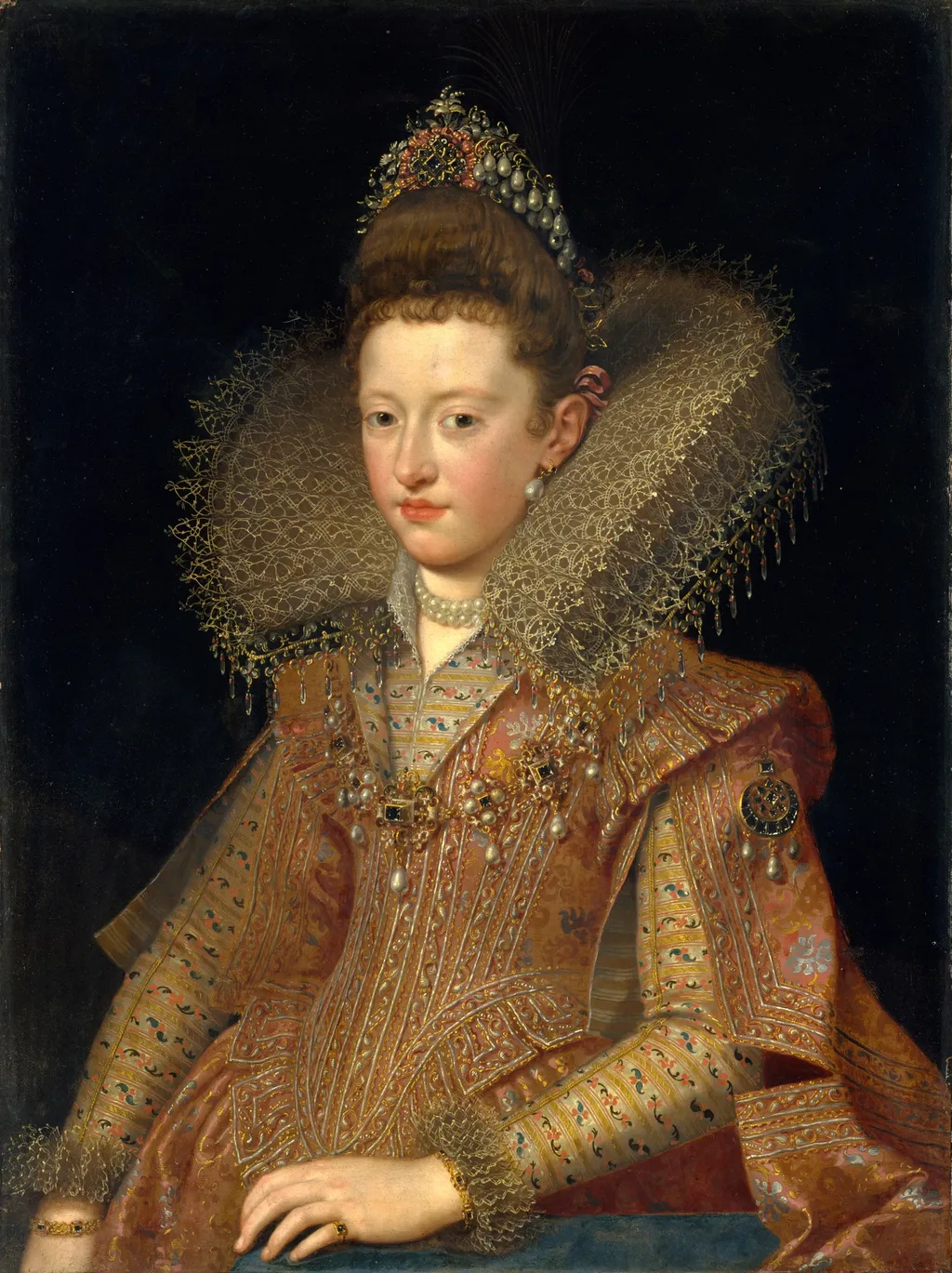
Margherita Gonzaga (1591–1632), Princess of Mantua is an oil painting by the Flemish Baroque painting artist Frans Pourbus, the Younger. It dates from 1605 and is held in the collection of the Metropolitan Museum of Art. This half-length oil portrait by Frans Pourbus the Younger depicts Margherita Gonzaga, Princess of Mantua, around 1605.
About this work
Frans Pourbus the Younger painted Margherita Gonzaga, daughter of Vincenzo Gonzaga, Duke of Mantua, around 1605 while serving as the duke's chief portraitist. The starched lace collar and posed fingers mark the careful self-presentation of court life. The oil likely aided marriage talks; the next year she wed Henri II of Lorraine.
Subject & Meaning
The portrait depicts Margherita Gonzaga, a princess of the House of Gonzaga who later became Duchess of Lorraine. She is adorned with a pearl necklace, brooch, tiara, lace, and ruff, accoutrements that visually assert her noble status and wealth within the conventions of early 17th-century court portraiture. These elements serve as iconographic markers of her royal identity.
Technique & Style
The portrait is executed in oil on canvas. Dimensions are recorded as 92.7 × 69.2 cm (Wikidata) or alternatively 84 × 67 cm (French and Italian Wikipedia). The painting dates to circa 1605 and depicts Margherita Gonzaga in a half-length format. No further information on brushwork, handling, condition, or formal/stylistic qualities is provided in the available sources.
Overview
The painting likely served a diplomatic function, specifically in marriage negotiations, as Margherita wed Henri II of Lorraine the following year.
This half-length oil portrait by Frans Pourbus the Younger depicts Margherita Gonzaga, Princess of Mantua, around 1605. As chief portraitist to her father, Duke Vincenzo Gonzaga I, Pourbus captured the young princess in a formal court setting. The painting likely served a diplomatic function, specifically in marriage negotiations, as Margherita wed Henri II of Lorraine the following year. It showcases the artist's skill in rendering luxurious details while subtly conveying the sitter's presence.
Context
Pourbus arrived in Mantua in 1600 from Brussels, where he had served Archduke Albert, to become the primary portraitist for Duke Vincenzo Gonzaga I. His precise style was ideally suited to documenting the grandeur of the Gonzaga court. During this period, Peter Paul Rubens also worked for the Duke, but Pourbus was largely entrusted with the formal state portraits, like this one, which required a specific blend of regal representation and detailed execution.
History & Provenance
This portrait of Margherita Gonzaga became part of the Metropolitan Museum of Art's collection in 1900. It was a significant component of the extensive bequest from Collis P. Huntington, a prominent American railroad executive and art collector. The painting is cataloged under the object number 25.110.21, marking its place within the museum's holdings as a testament to early modern European court portraiture.
Own this work as a print
Artist & collection
Artist
Frans Pourbus the Younger or Frans Pourbus (II) (Antwerp, 1569 – Paris, 1622) was a Flemish painter, specialised in portrait painting.

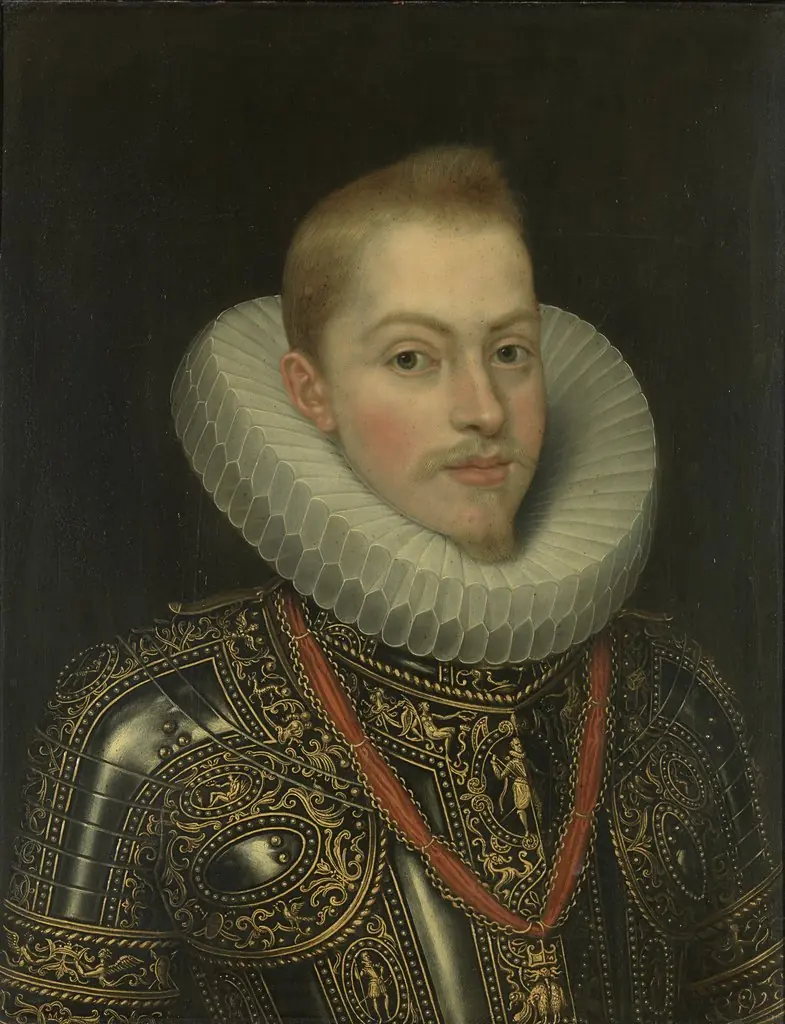
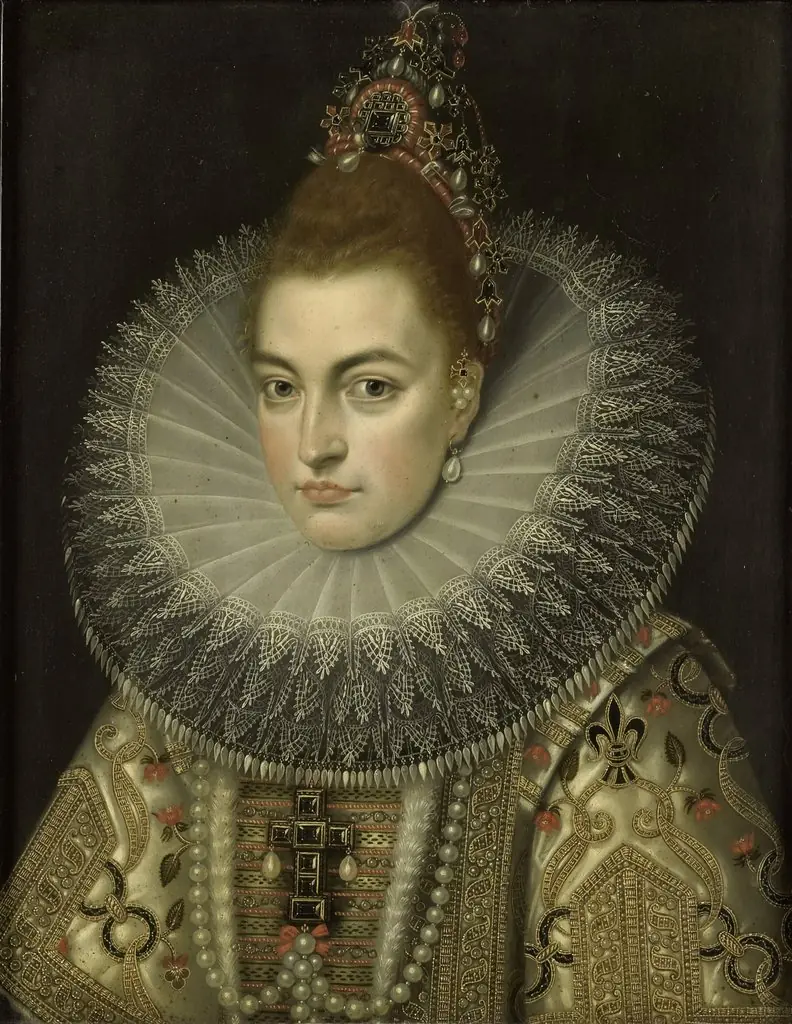
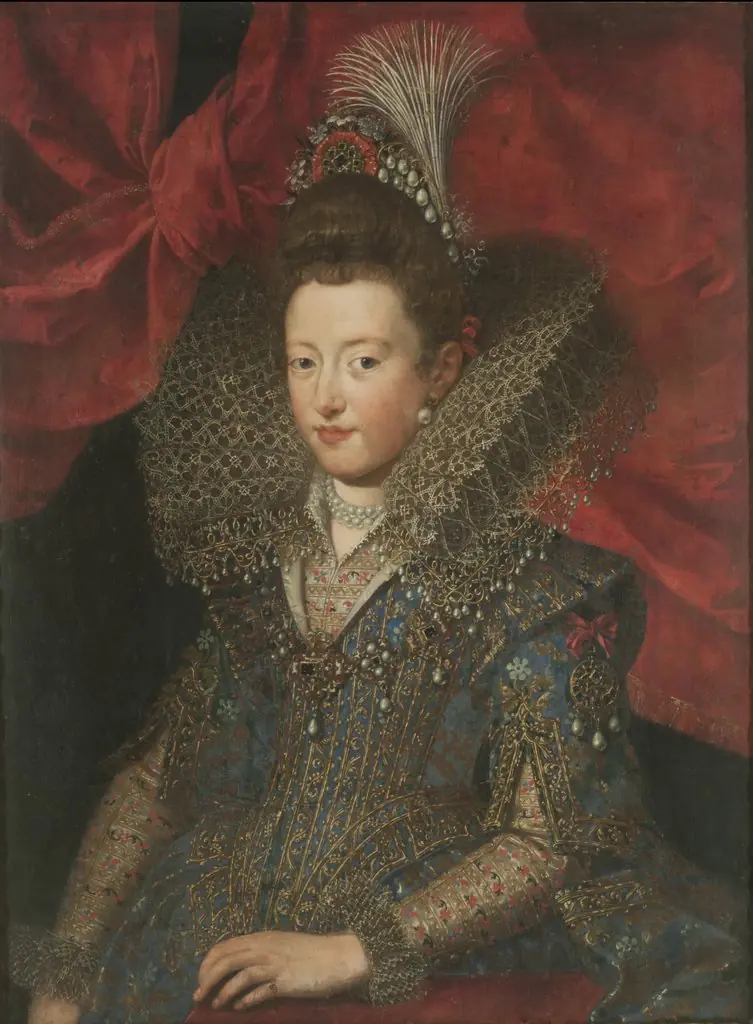 Portrait of Margarita Gonzaga
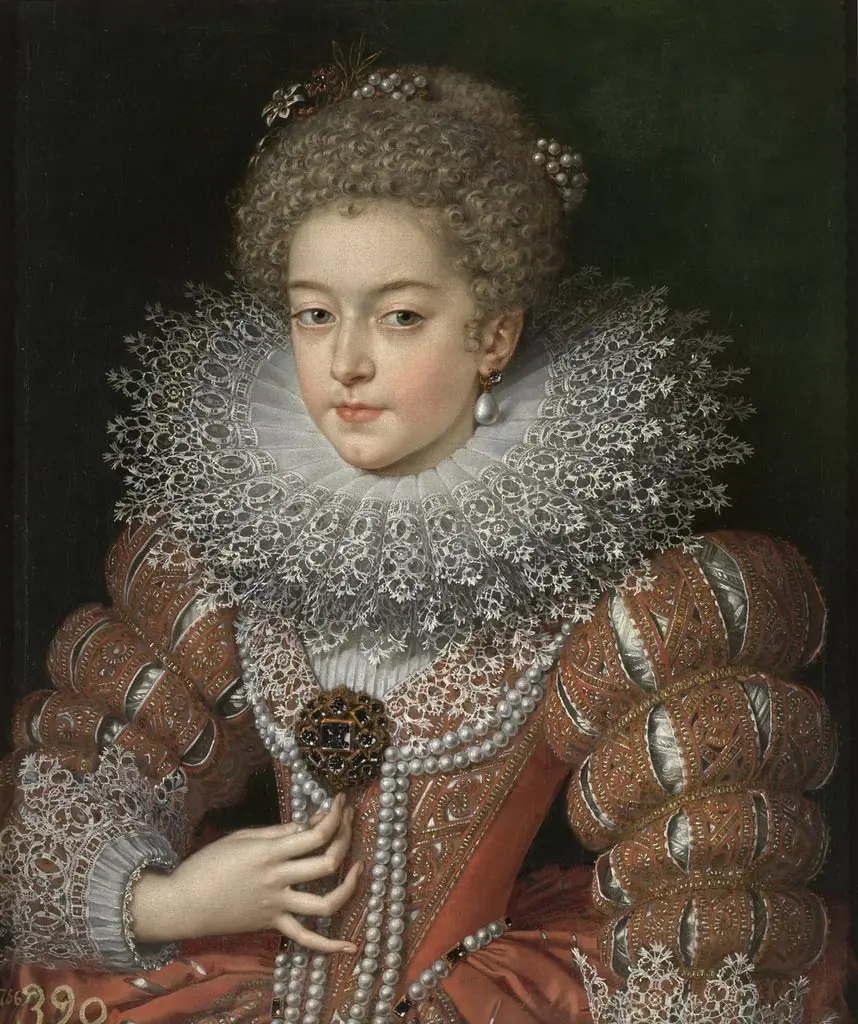 Isabella of France Queen of Spain
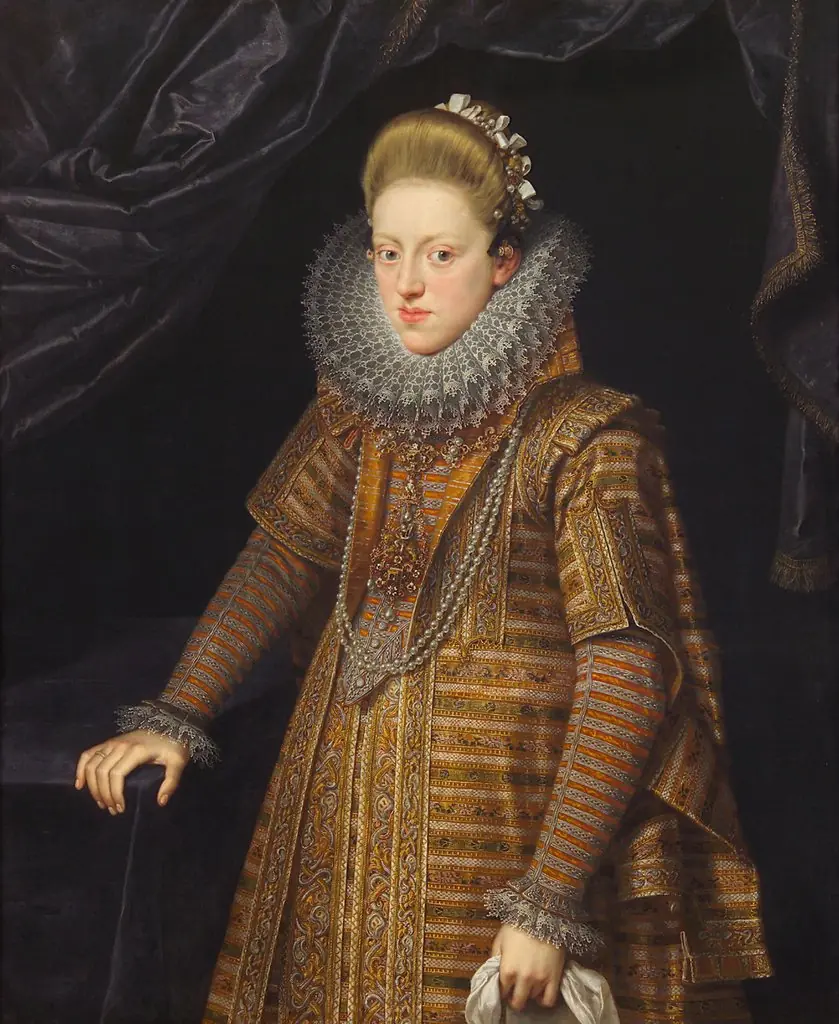 Erzherzogin Eleonore (1582-1620), Kniestück
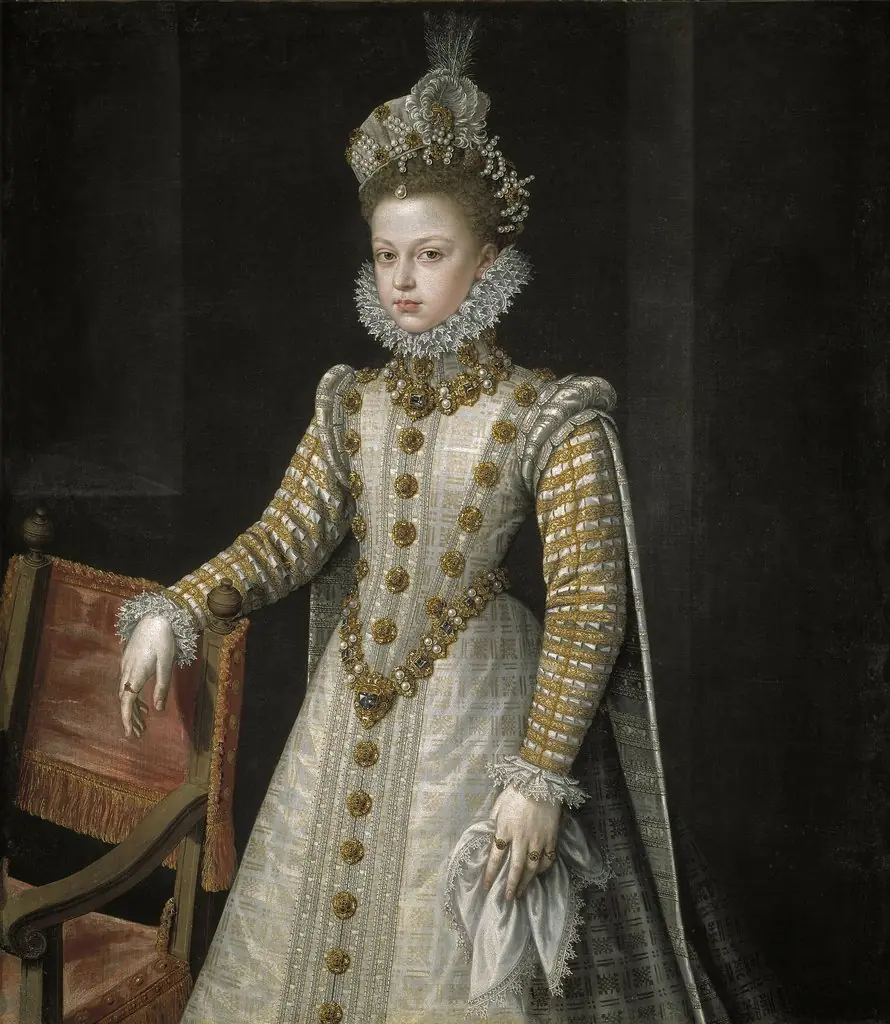 Infanta Isabel Clara Eugenia
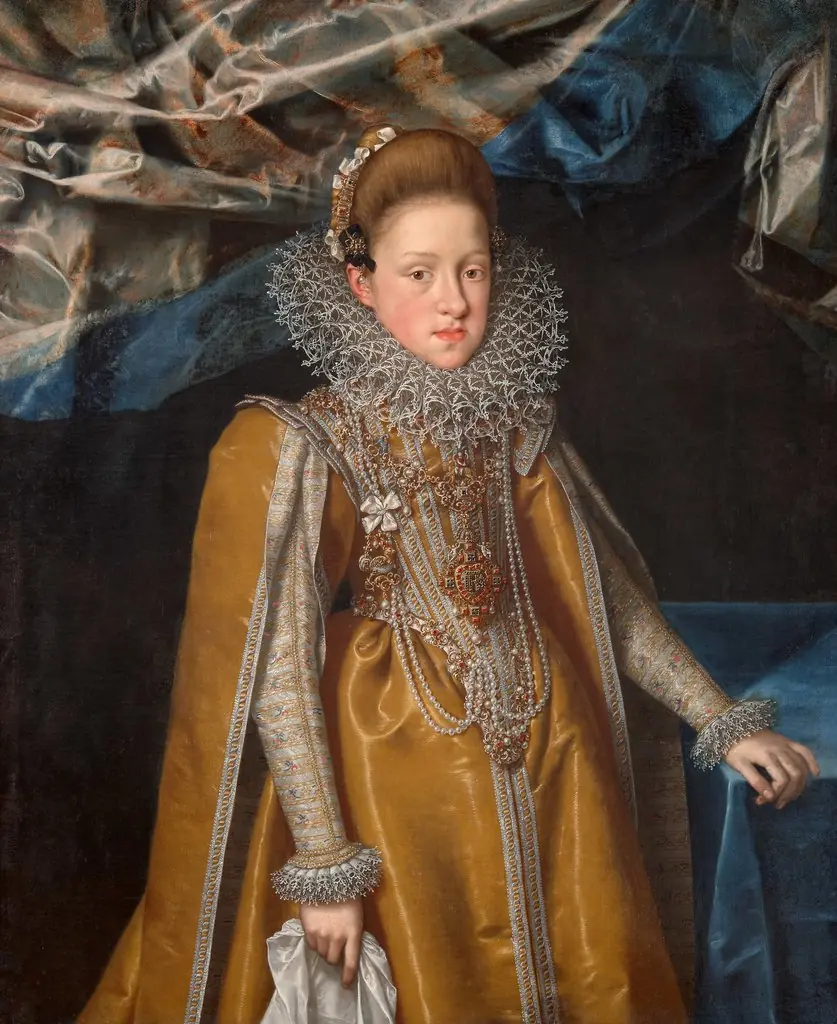 Archduchess Maria Magdalena of Austria
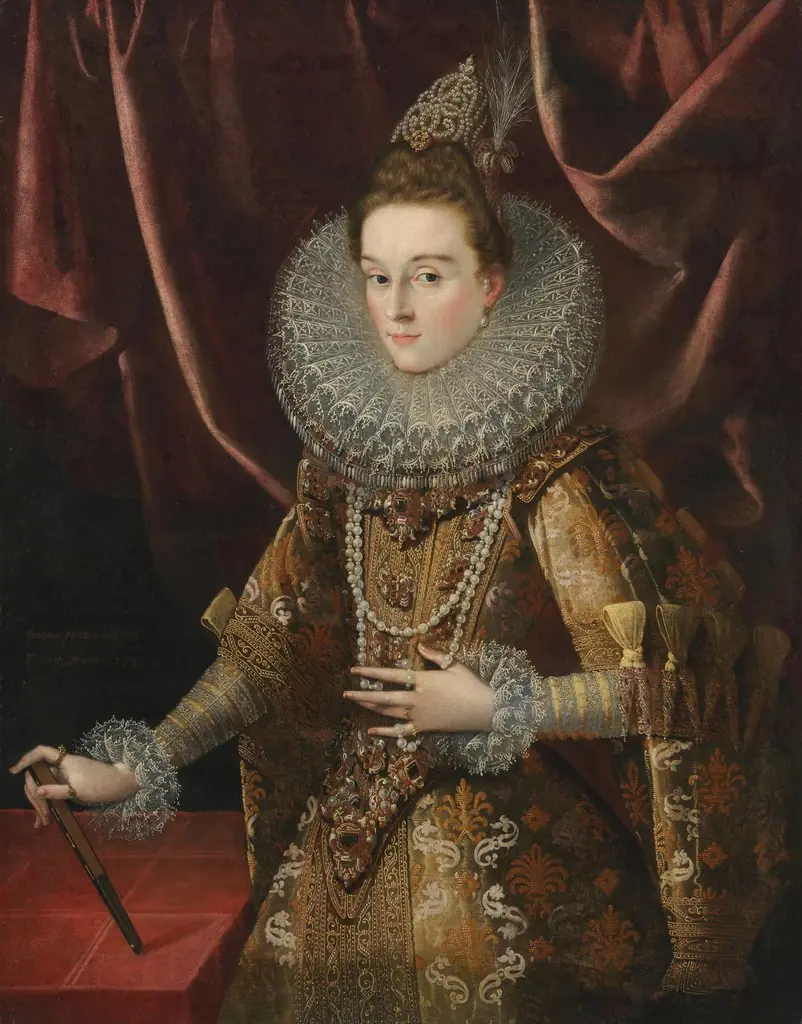 Isabella Clara Eugenia by Juan Pantoja de la Cruz
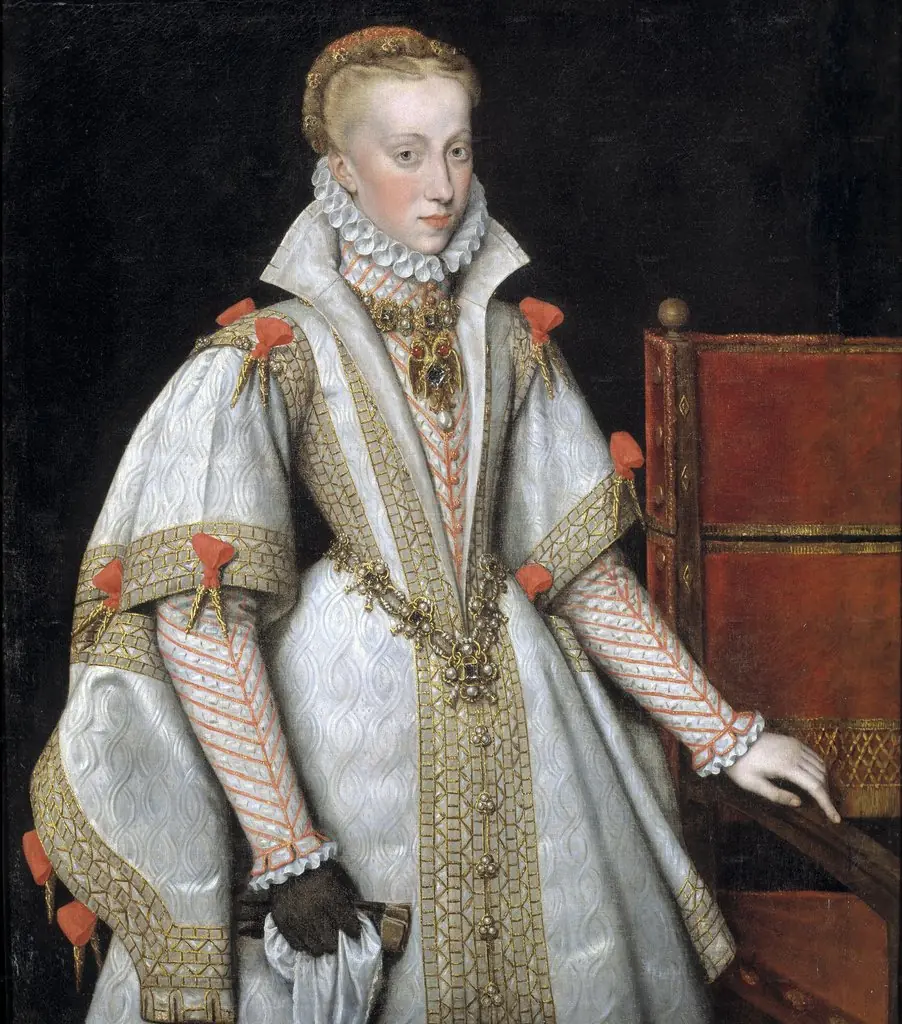 Queen Anne of Austria, fourth Wife of Philip II
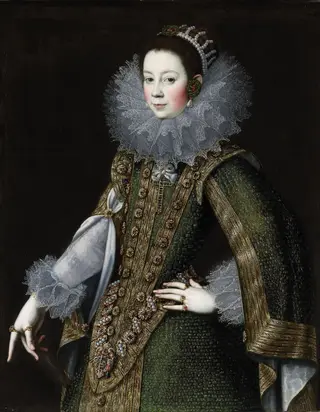 Portrait of a Spanish Noblewoman
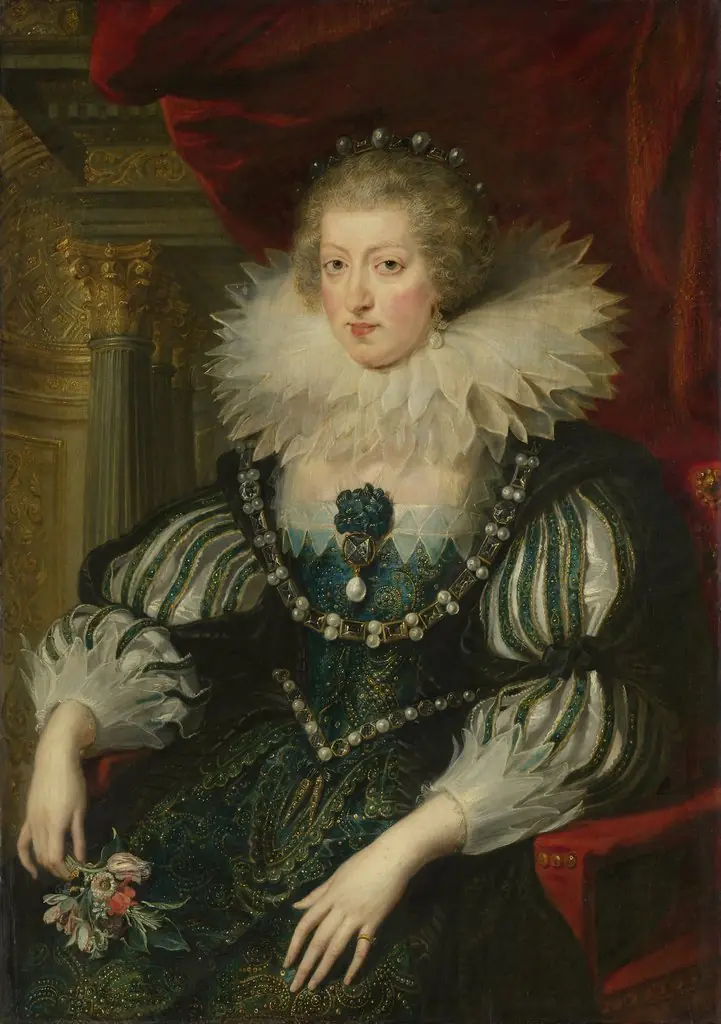 Anne of Austria (1601-66). Wife of Louis XIII, king of France
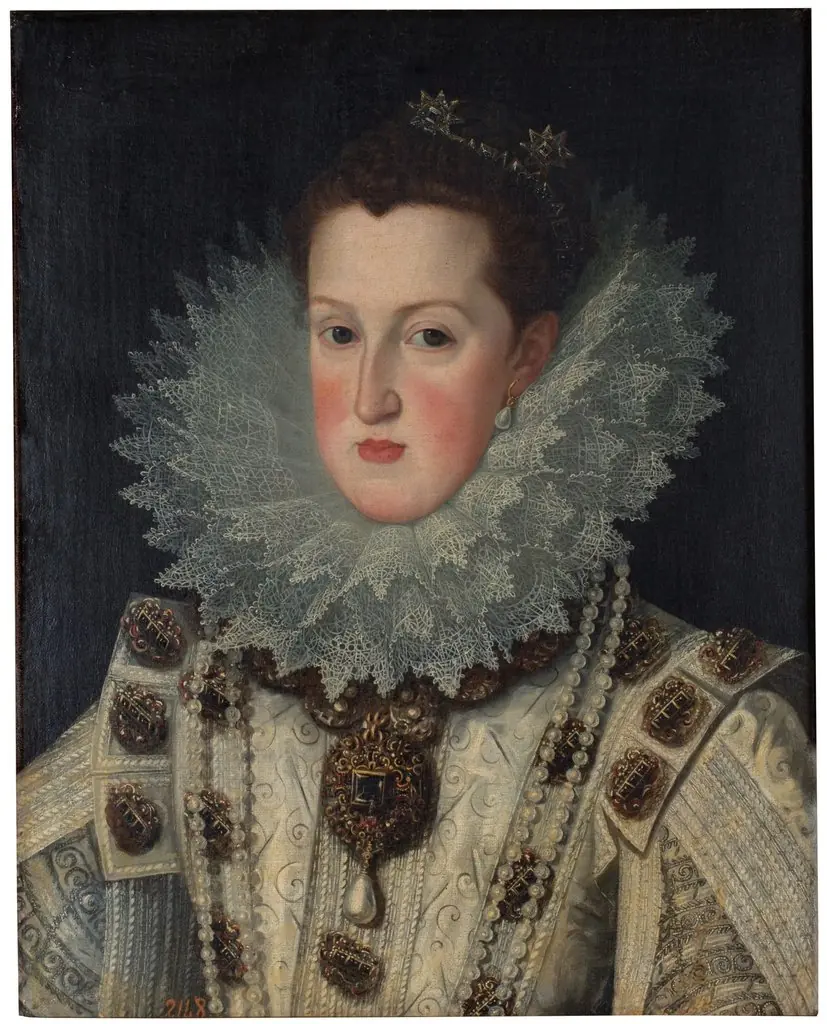 Margarita de Austria, reina de España
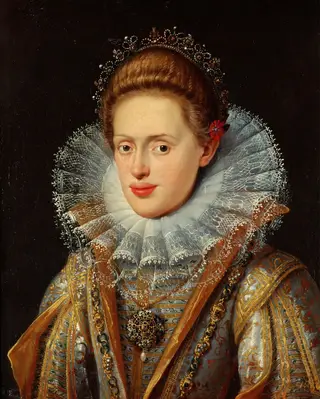 Erzherzogin Anna (1585-1618), Gemahlin von Kaiser Matthias und Tochter von Erzherzog Ferdinand II., Landesfürst von Tirol; Brustbild
- Portrait of Margaret of Savoy, Duchess of Mantua