February 3 in Art History
7 real events recorded on February 3, the earliest from 1800. 2 artists were born , 1 died on this date.
The day's biggest moments
Born on this day 2
- 1800 Born
Born this day: Francis Alexander
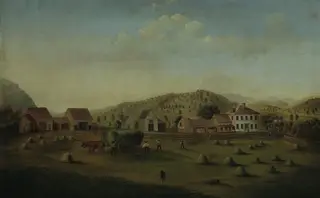
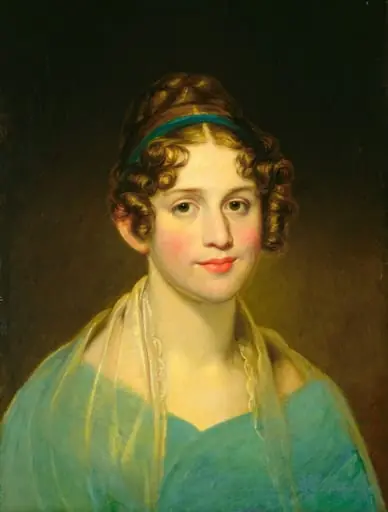
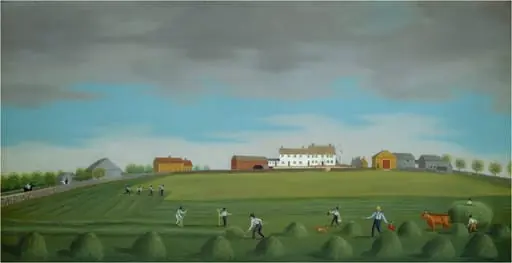
Francis Alexander, born on February 3, 1800, was an American artist known for his portraits and landscapes, as seen in works like Leete Farm and portraits of notable figures such as Charles Dickens. His art reflects a traditional approach to representation.
Francis Alexander's legacy lies in his contributions to American portraiture and landscape painting of the 19th century.
- 1842 Born
Born this day: Pierre-Paul-Léon Glaize
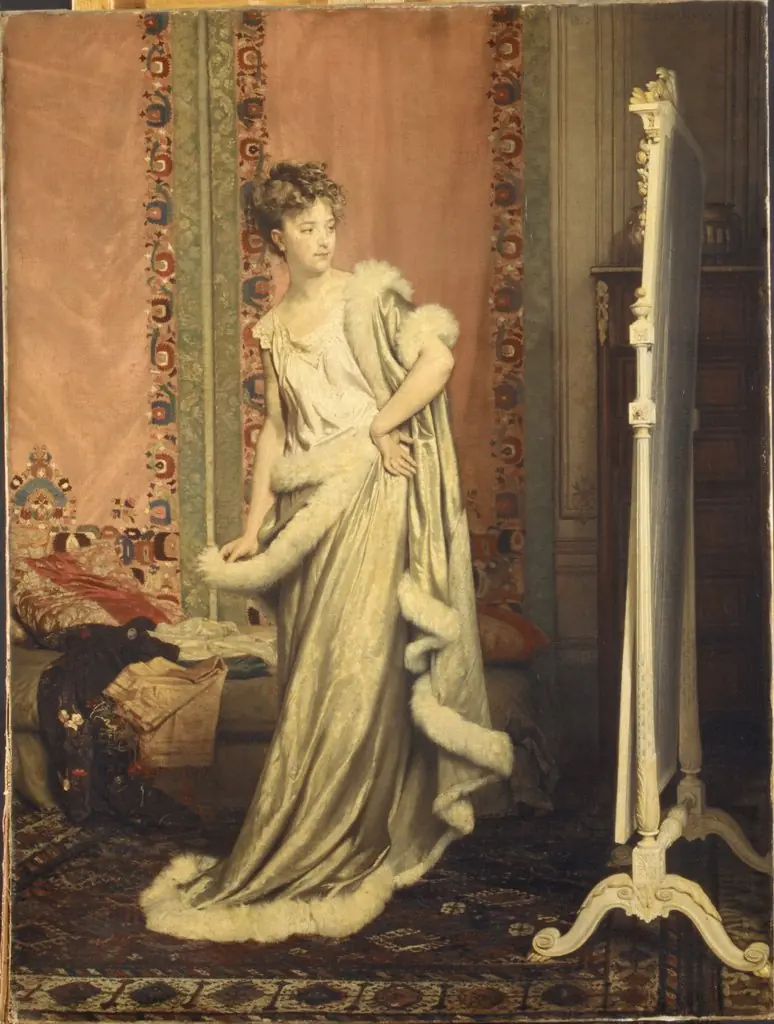
Pierre-Paul-Léon Glaize, a French painter born on February 3, 1842, is known for his adherence to neoclassical and romantic techniques, despite the evolving art landscape of his time. His works include portraits, religious scenes, and genre scenes, showcasing his dedication to traditional methods. Glaize's art reflects his training under his father and Jean-Léon Gérôme.
Léon Glaize's legacy lies in his preservation of traditional French painting techniques amidst a period of significant artistic innovation.
Died on this day 1
- 1933 Died
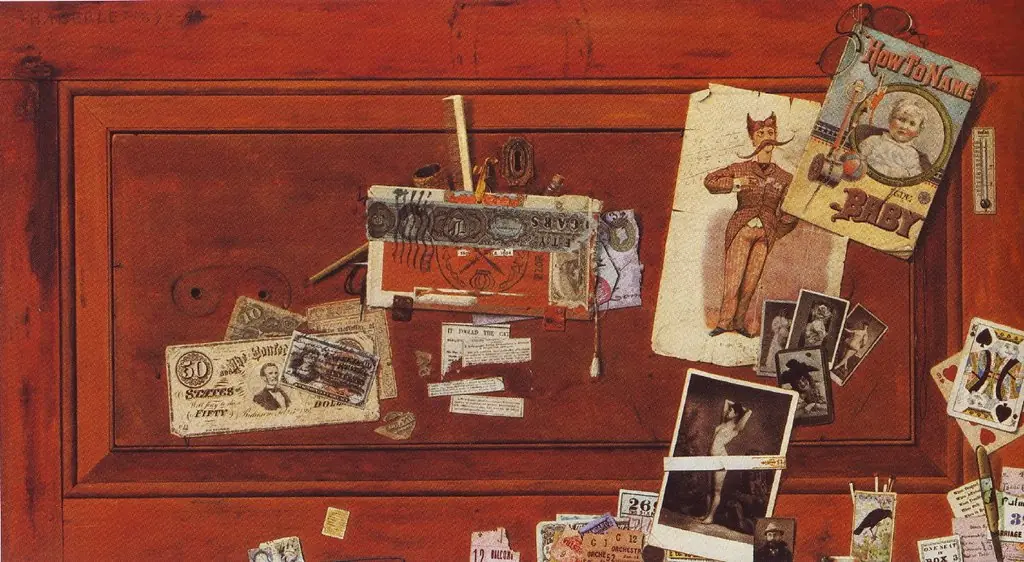
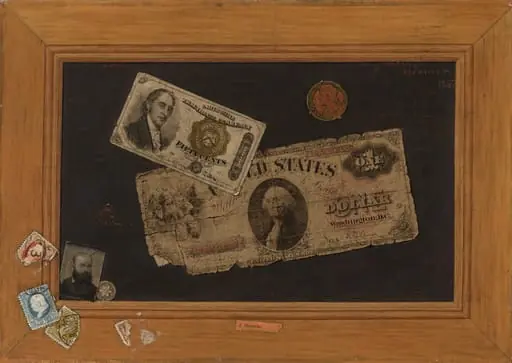
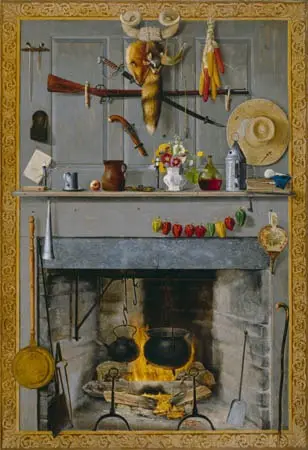
Died this day: John Haberle
John Haberle, an American painter, was a master of trompe-l'œil, creating still lifes that deceived the eye into seeing ordinary objects as real. His works, such as A Bachelor's Drawer and Grandma's Hearthstone, showcased his skill in this unique style.
He remains one of the most important American trompe-l'œil painters of his time.
Exhibitions & salons 2
- 1908 Exhibition
The Eight at Macbeth Galleries
Eight painters around Robert Henri — rejecting the National Academy of Design's juries — staged their own exhibition at Macbeth Galleries. Five of them painted the tenements, saloons and street life of New York with a dark, rapid realism that critics would later call the Ashcan School.
American art's declaration of independence from academy taste; the direct ancestor of the Armory Show five years later.
Maurice Prendergast , William James Glackens , Robert Henri , Ernest Lawson , John Sloan
- 2013 Exhibition
Llyn Foulkes Retrospective Opens at the Hammer
On February 3, 2013, the Hammer Museum opened LLYN FOULKES, an extensive retrospective devoted to the Los Angeles painter, assemblagist, and musician. The museum's exhibition page documents the exact run from February 3 to May 19, 2013 and describes a survey of about 150 works from public and private collections in the United States and Europe. Organized by Hammer curator Ali Subotnick, the show presented the breadth of Foulkes's career, from early cartoons and macabre 1960s paintings to rock paintings, the bloody head series, anti-corporate tableaux, Disney critiques, and documentation of his one-man musical instrument, the Machine. It helped consolidate Foulkes's position as a major, difficult-to-classify figure in West Coast postwar art.
The retrospective brought renewed institutional attention to an artist long influential in Los Angeles but under-recognized nationally.
Openings & foundings 1
- 2020 Opening
Harvey Museum of Art Opens at Talladega College
On February 3, 2020, the Dr. William R. Harvey Museum of Art opened at Talladega College in Talladega, Alabama. The museum was created to house and interpret Hale Woodruff's Amistad Mutiny murals, a major cycle painted for the college in the late 1930s and 1940s that narrates the 1839 Amistad revolt, the court case that followed, and the founding of the college. The opening followed years of fundraising, including a major gift from William R. Harvey and his family and state support for construction. The ribbon cutting placed the murals in a purpose-built campus museum after their conservation and national touring history, reconnecting a landmark of African American mural painting with the institution for which it was made.
The opening gave Woodruff's Amistad murals a permanent interpretive home and strengthened Talladega's role in preserving African American art history.
Auctions, prizes & heists 1
- 2010 Auction Landmark
Giacometti's Walking Man Sets an Auction Record
On February 3, 2010, Sotheby's London sold Alberto Giacometti's bronze L'Homme qui marche I in its Impressionist and Modern Art Evening Sale. The auction catalogue identifies the sale date and the lot, while contemporary reports recorded the result as roughly 65 million pounds, or about $104 million, after only minutes of bidding. The cast, edition 2/6, had been consigned by Commerzbank after its acquisition of Dresdner Bank, and its estimate had been far lower than the final price. The sale made the lean, striding figure one of the defining market icons of postwar sculpture and briefly the most expensive work of art ever sold at auction.
The result accelerated the market revaluation of modern sculpture and helped make Giacometti a benchmark for trophy-level auction prices.