Art Museum
Hammer Museum

Image: Wikimedia Commons.
Hammer Museum is an art museum in Los Angeles, United States. 44 works from its collection are in this catalog, including Titian and Jean Baptiste Camille Corot.
About Hammer Museum
The Hammer Museum is an art museum and cultural center known for its artist-centric and progressive array of exhibitions and public programs. It is affiliated with the University of California, Los Angeles. Founded in 1990 by the entrepreneur-industrialist Armand Hammer to house his personal art collection, the museum has since expanded its scope. The Hammer Museum hosts over 300 programs throughout the year, from lectures, symposia, and readings to concerts and film screenings. As of June 2025, the museum's collections, exhibitions, and programs are free to all visitors.
Overview & Identity
The Hammer Museum is an art museum and cultural center located in the Westwood neighborhood of Los Angeles, California. Affiliated with the University of California, Los Angeles (UCLA), the institution is known for its artist-centric and progressive array of exhibitions and public programs. Originally established to showcase a private collection of historical paintings, the museum has evolved into a driving force for artistic innovation in Los Angeles, engaging with contemporary art and urgent social issues.
Under the leadership of director Ann Philbin since 1999, the museum has expanded its reach to become a vibrant hub for dialogue and artistic exploration.
History & Founding
The museum was founded by Dr. Armand Hammer and opened to the public on November 28, 1990, with an exhibition of work by the Russian artist Ilya Glazunov. Hammer died less than a month after the opening, leaving the institution mired in litigation over its financing and the disposition of his estate. The museum's initial operating budget was supported by a $36 million annuity purchased by the Armand Hammer Foundation.
In 2007, the Hammer Museum and the Armand Hammer Foundation dissolved their relationship, dividing the original collection of 195 objects; the museum retained 103 objects valued at $250 million, while the foundation kept 92 paintings valued at $55 million. By 2020, the museum planned to use its bond portfolio to purchase the building.
Building & Architecture
The original building was designed by Edward Larrabee Barnes and opened in 1990. In 2000, architect Michael Maltzan was commissioned to create a master plan for the museum, leading to a multi-decade transformation. Key interventions included the addition of the Billy Wilder Theater in 2006, the John V. Tunney Bridge connecting the museum to the adjacent tower, and the renovation of the third-floor galleries in 2017.
The most recent phase, completed in 2023, added a new ground-floor lobby in the adjoining tower (originally built in 1962 for Occidental Petroleum), a sculpture terrace, and a 5,600-square-foot gallery with a glazed wall facing Wilshire Boulevard. This final phase, dubbed the Lynda and Stewart Resnick Cultural Center, cost $90 million.
Collections & Highlights
The Hammer Museum manages five distinct collections. The Hammer Contemporary Collection, inaugurated in 1999, focuses on post-1960s art. The UCLA Grunwald Center for the Graphic Arts, housed at the Hammer since 1956, is one of the largest collections of works on paper in the country, holding over 40,000 prints, drawings, photographs, and artists' books.
Notable holdings within the Grunwald Center include the Rudolf L. Baumfeld Collection of landscape drawings and prints and the Honoré Daumier and Contemporaries Collection. The museum also holds the Susan and Larry Marx Collection and the Valentine-Adelson Collection. Selections from these collections are displayed in the third-floor galleries.
Significance & Legacy
Despite early institutional hurdles that earned it the nickname 'America's vainest museum,' the Hammer is now widely acknowledged as a premier venue for contemporary art and serious historical exploration. It is particularly noted for its public programs, including the annual Unmonumental exhibition, the inaugural biennial devoted exclusively to Los Angeles artists launched in 2010, and the Hammer Conversations series featuring cultural and political leaders. The museum's budget grew from $5 million to roughly $20 million annually under current leadership, with a staff of over 100.
In 2010, attendance reached an estimated 175,000. The institution remains a critical resource for UCLA faculty and students while serving the broader public through free admission and diverse programming.
What to see at Hammer Museum
Start with Boulevard Montmartre, Mardi Gras by Camille Pissarro.
See all highlights at Hammer Museum →Hammer Museum by the numbers
- Founded
- 1990
Works from Hammer Museum
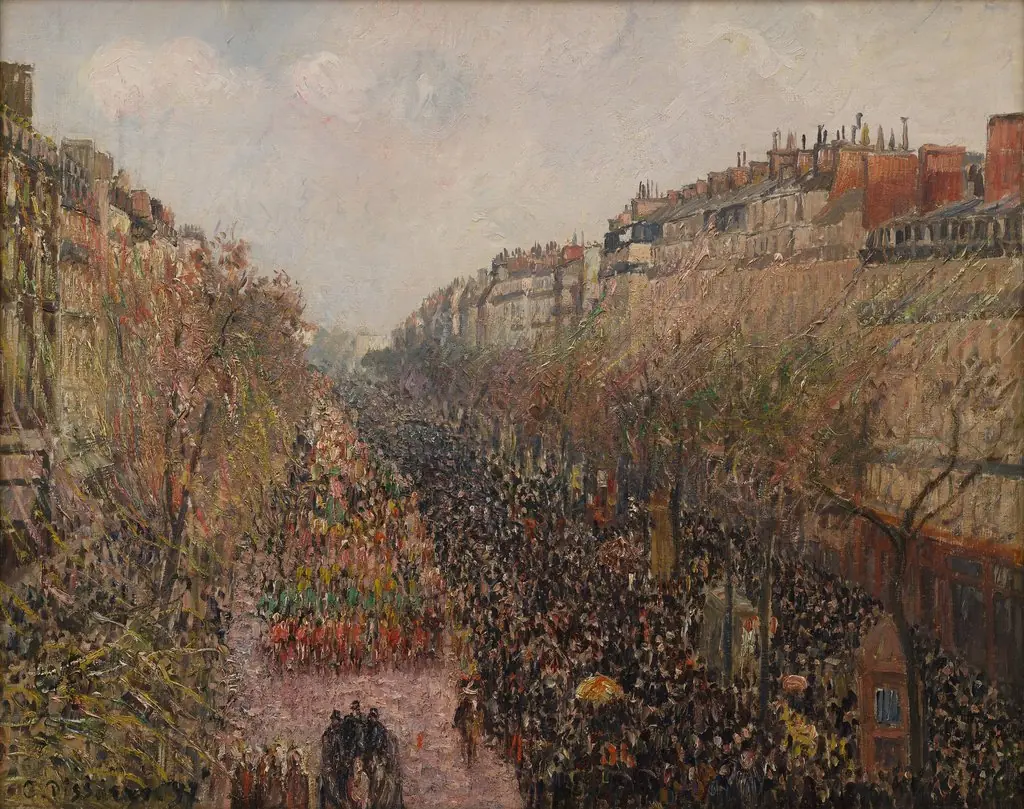 Boulevard Montmartre, Mardi Gras
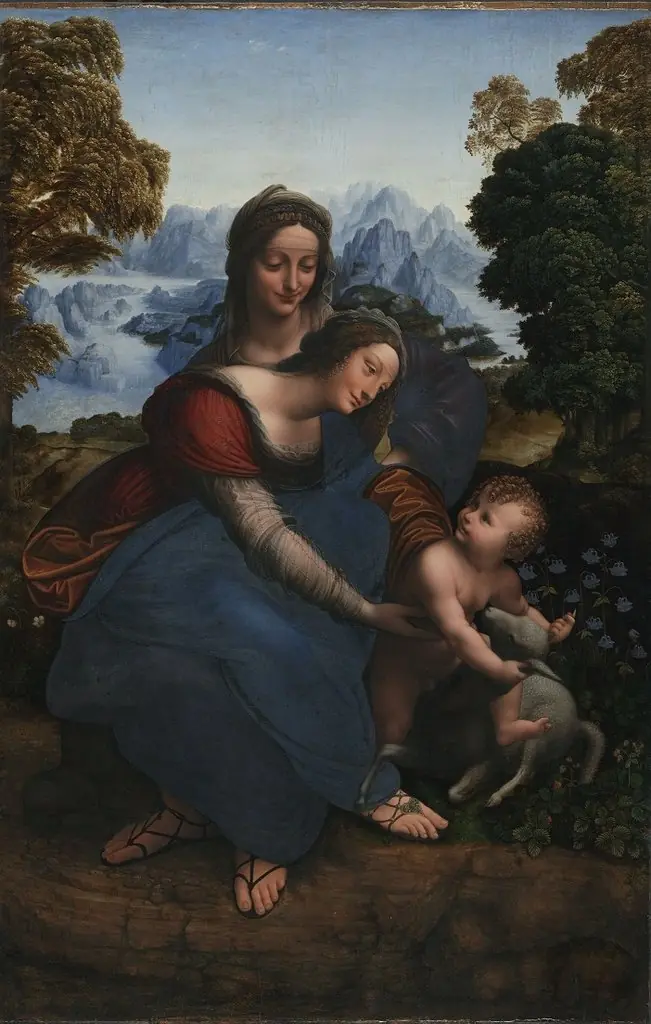 Madonna and Child with Saint Anne in a Landscape
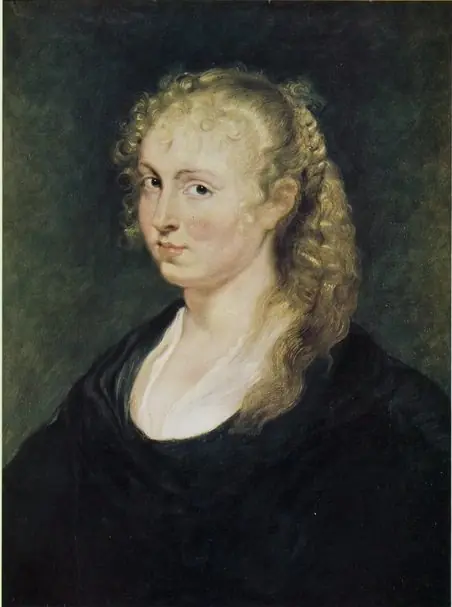 Portrait of an unknown woman with braided blond hair
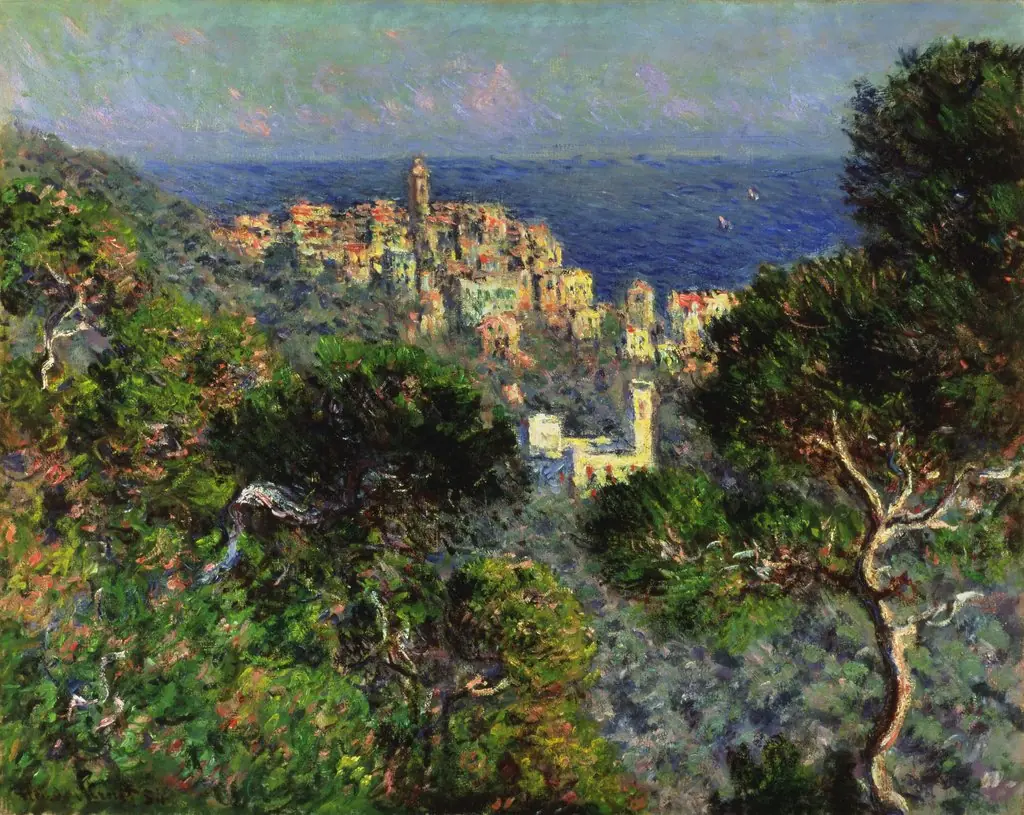 View of Bordighera
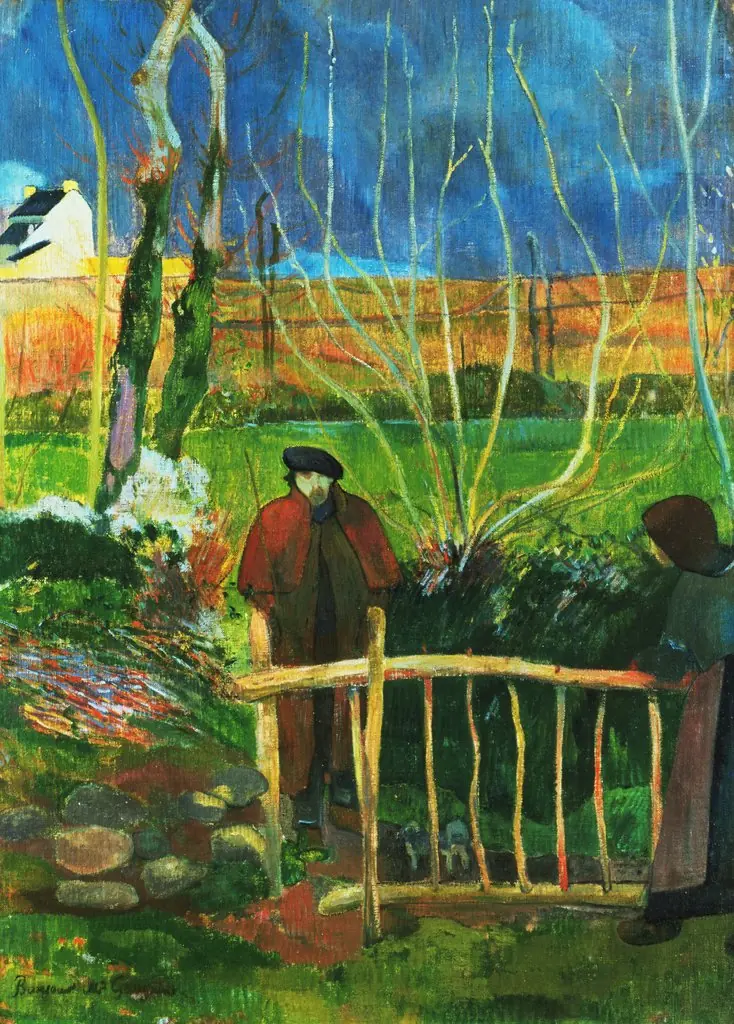 Bonjour Monsieur Gauguin
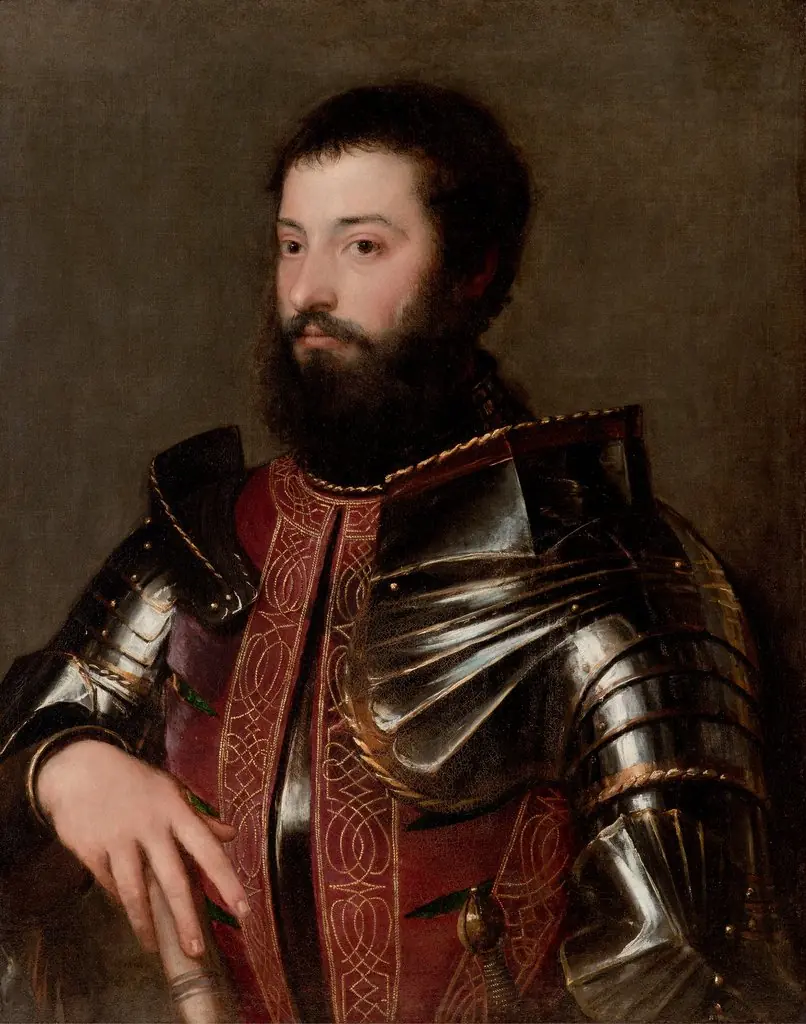 Portrait of a Man in Armor
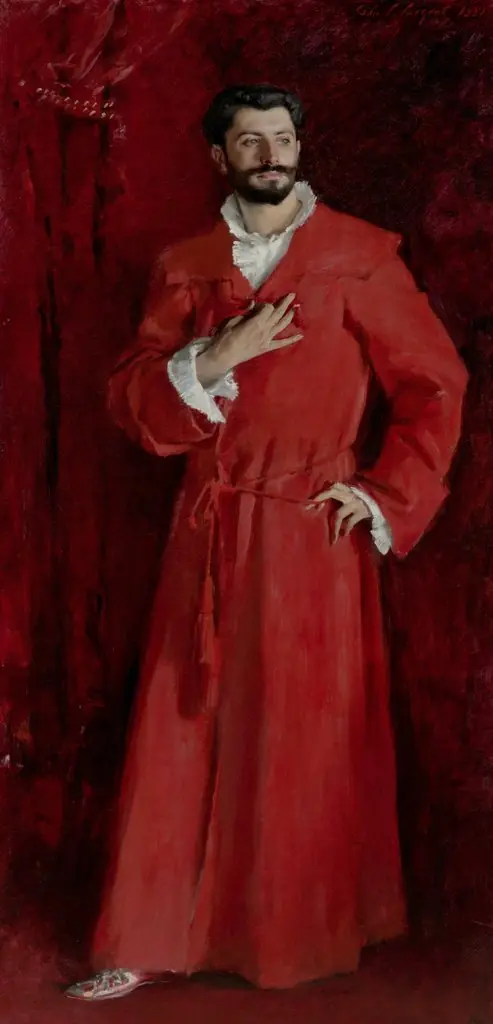 Dr. Pozzi at Home
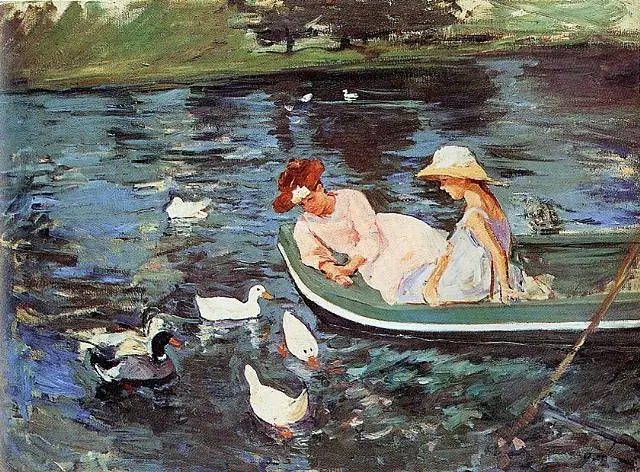 Summertime
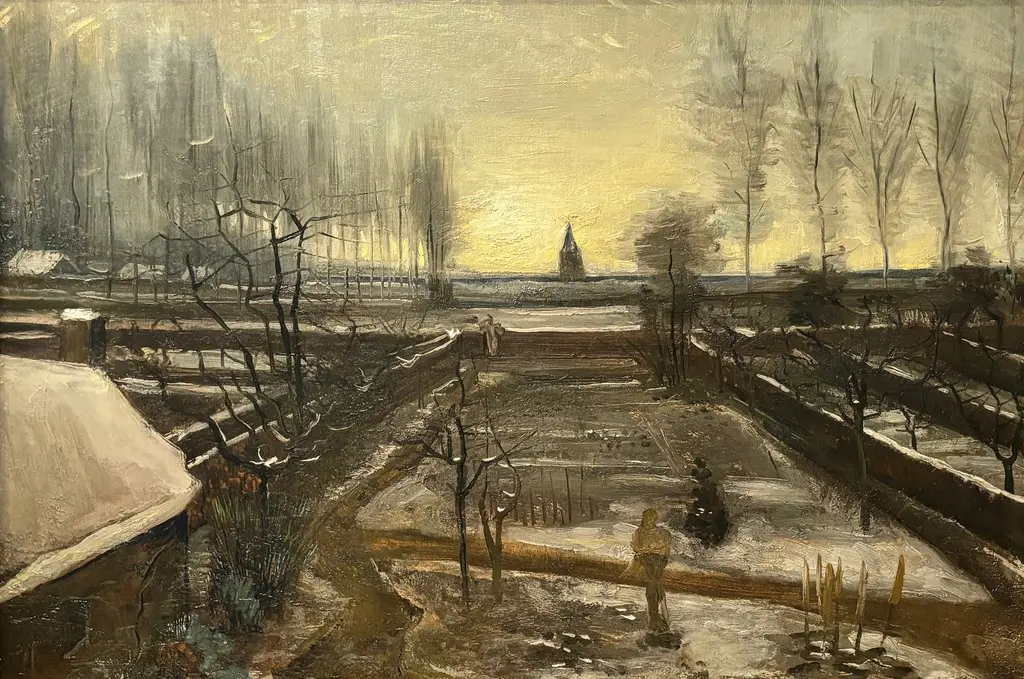 The Parsonage Garden at Nuenen in the Snow
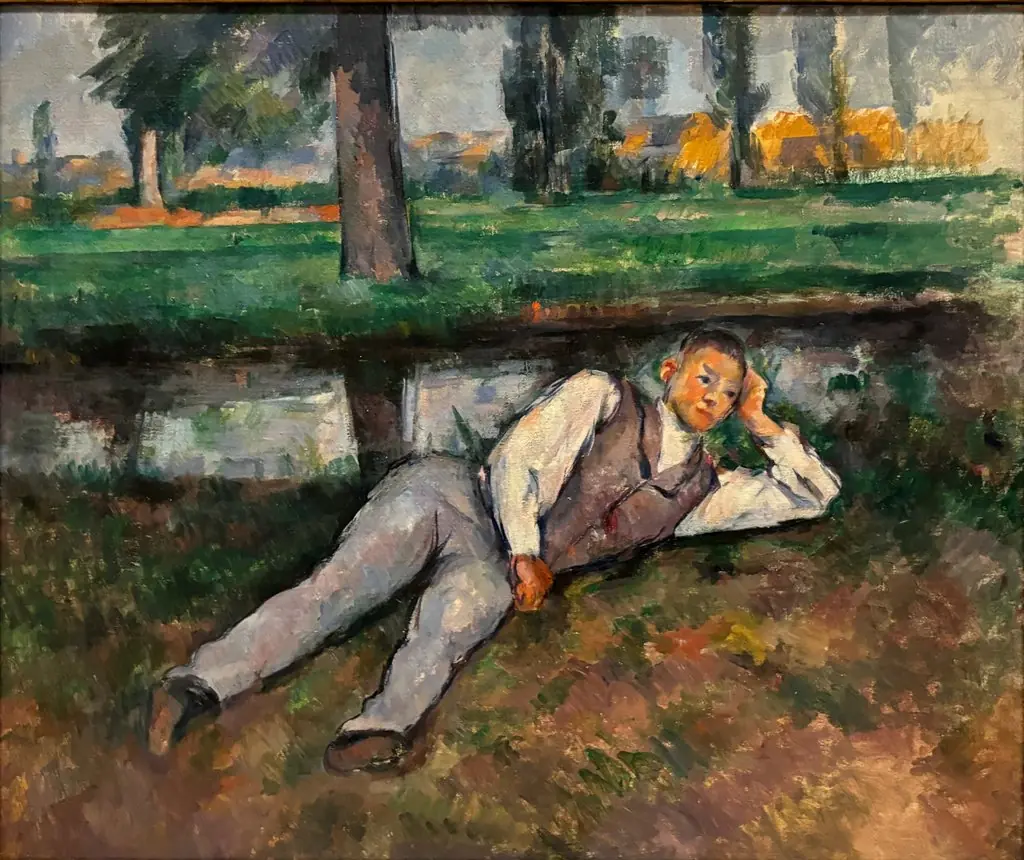 Garçon couché (Boy by the Brook)
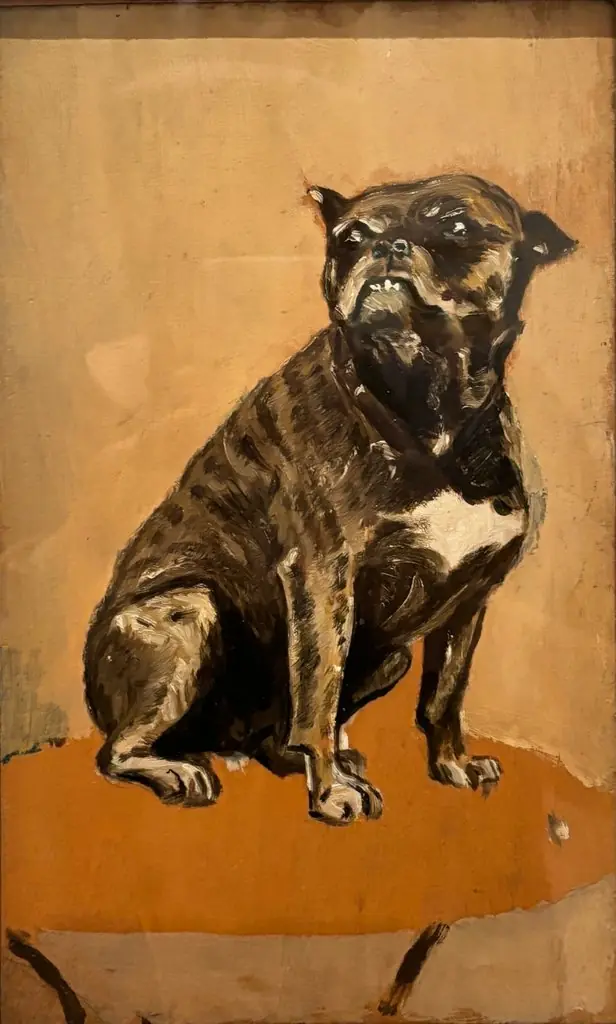 Touc, Seated on a Table
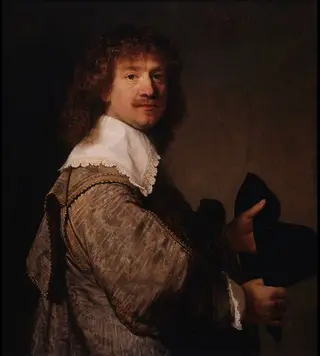 Portrait of a Man Holding a Hat
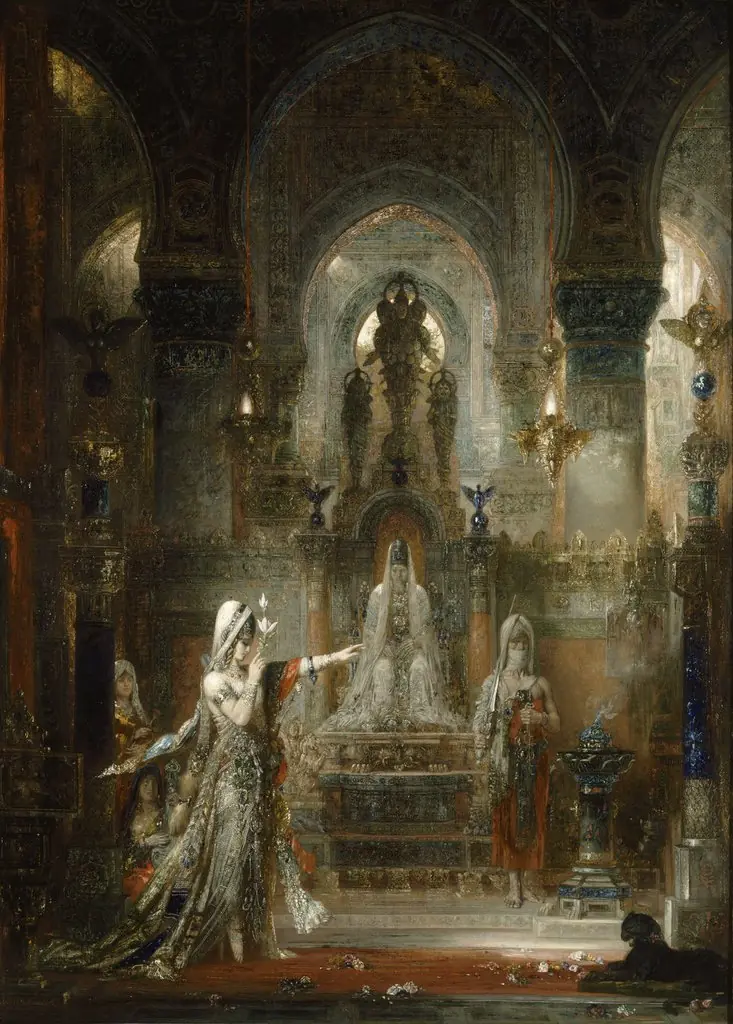 Salomé Dancing before Herod
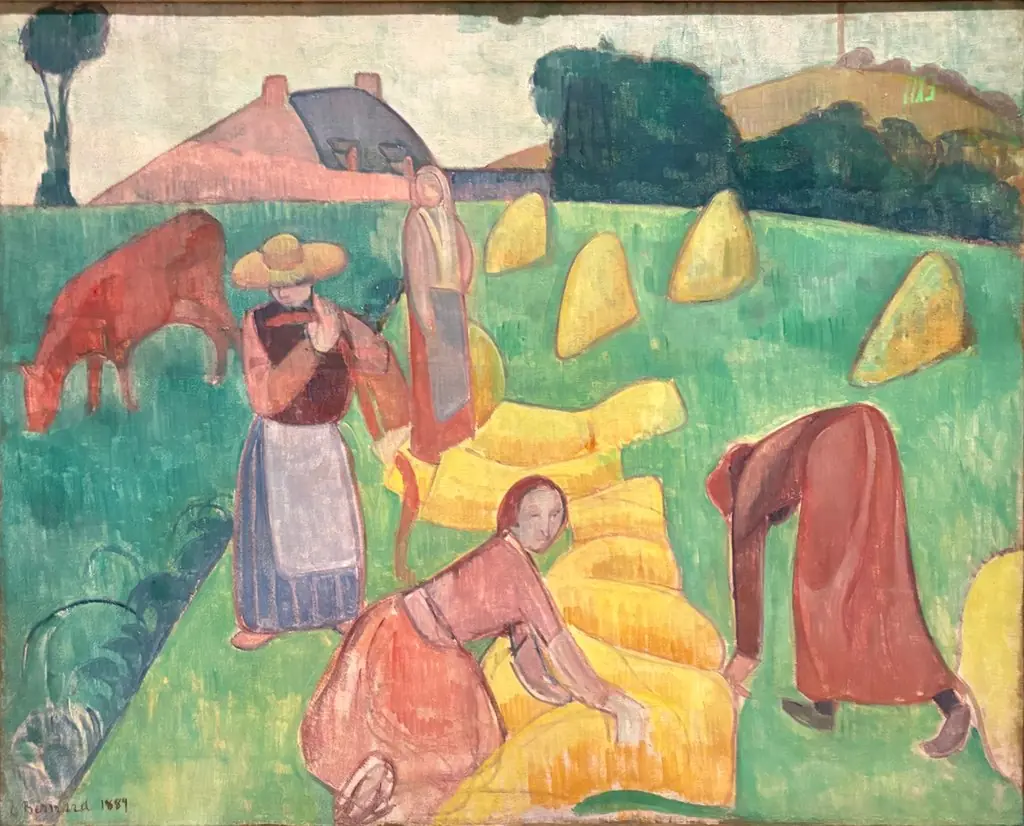 Wheat Harvest
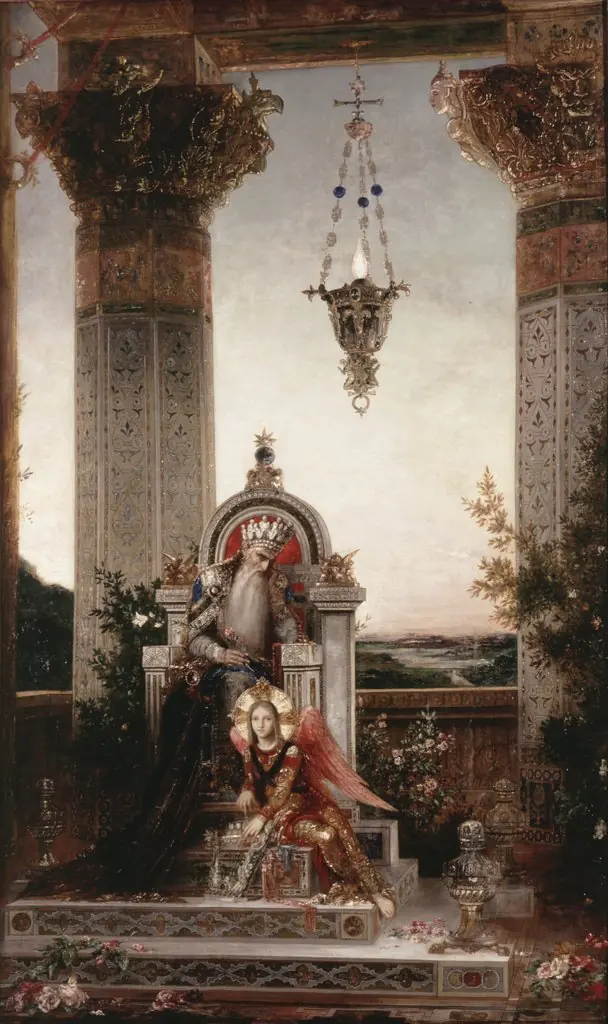 King David
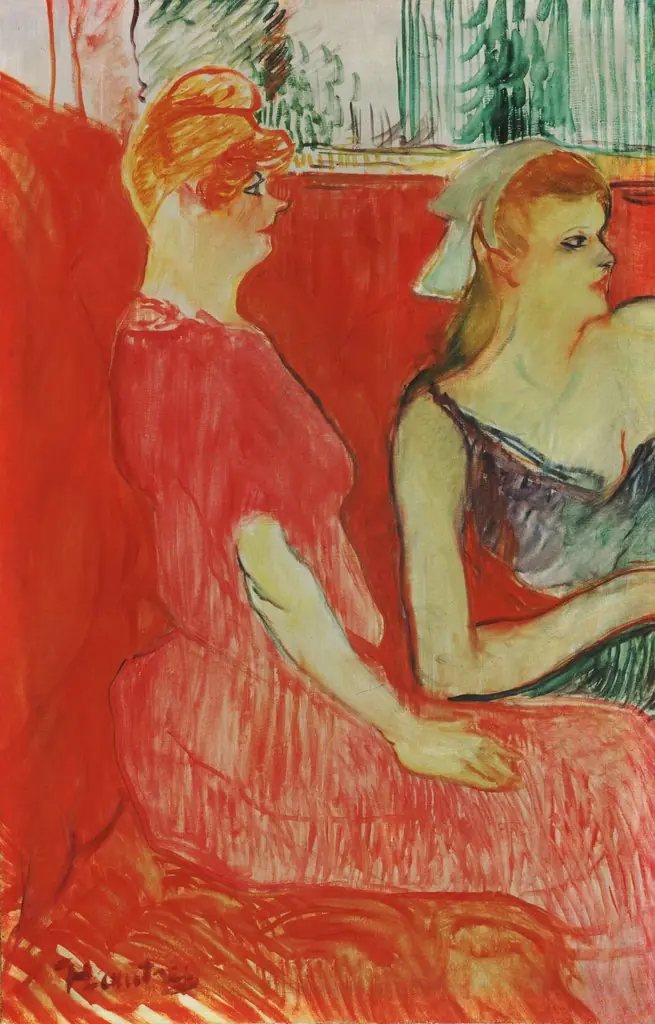 Study for In the Salon on the Rue des Moulins
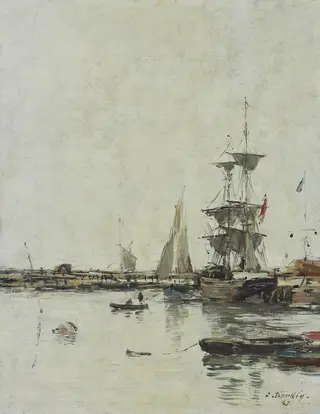 La jetée à Trouville
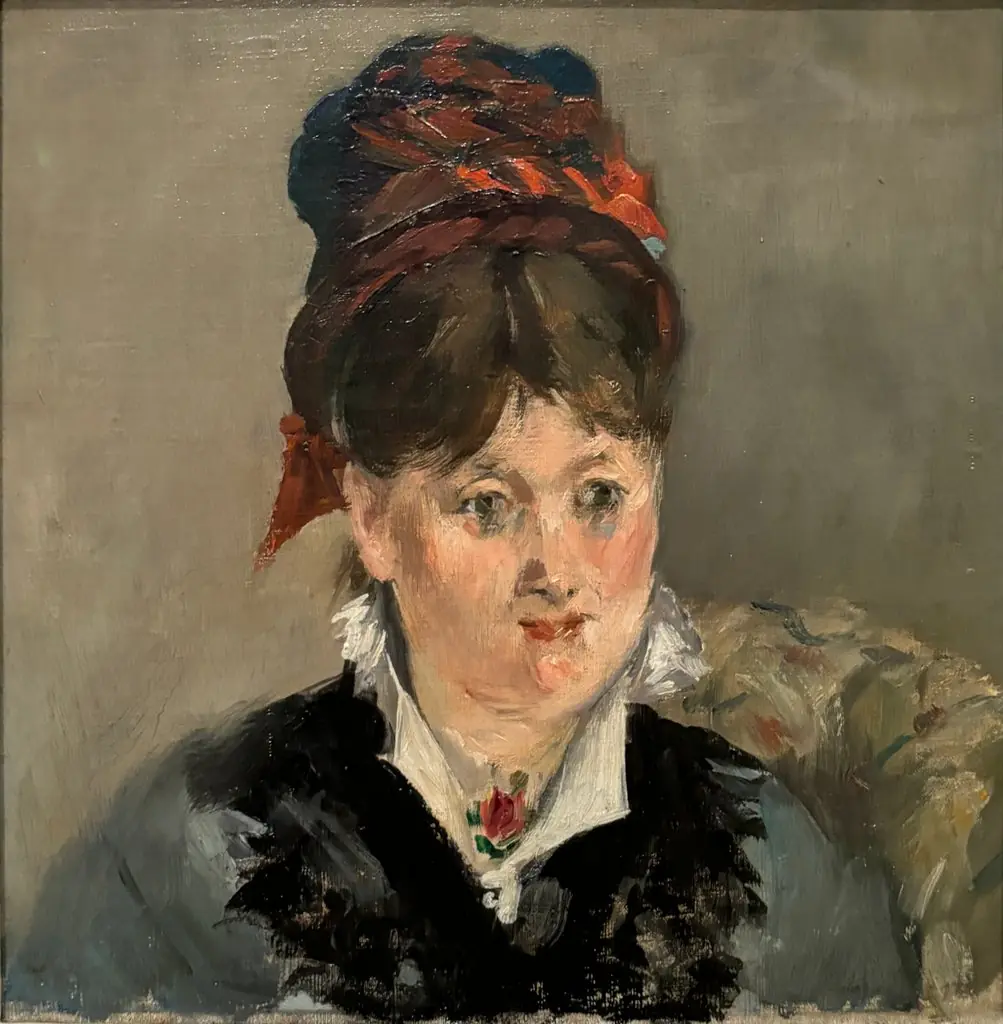 Portrait of Alice Legouvé
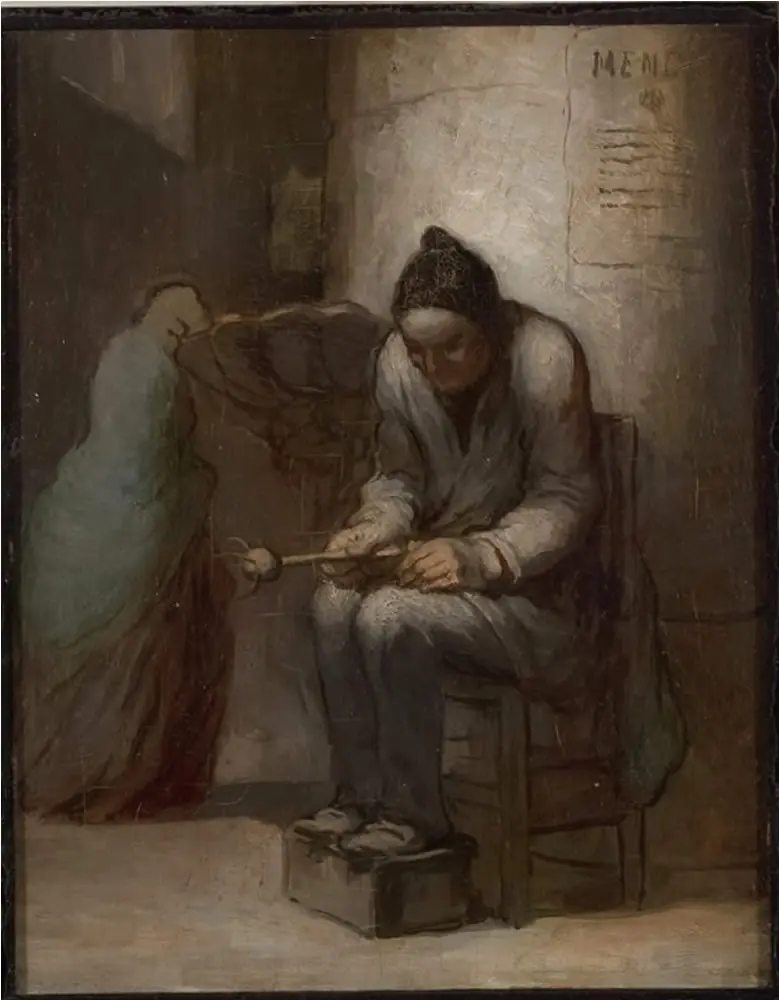 Le donneur d'eau benite à Notre Dame
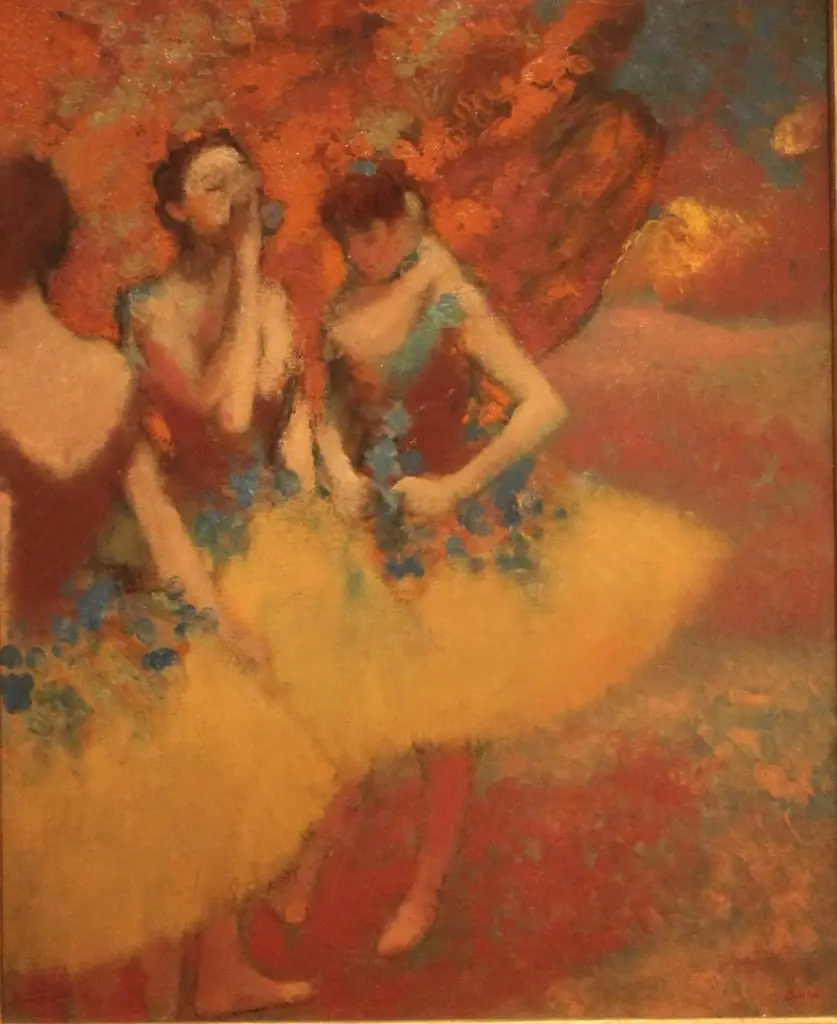 Trois danseuses, jupes jaunes
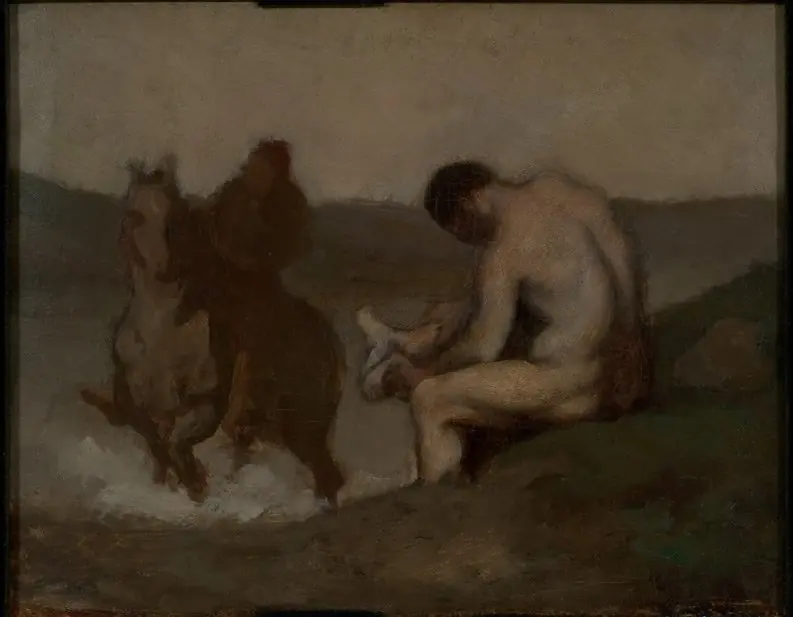 Baignade (L'Abreuvoir)
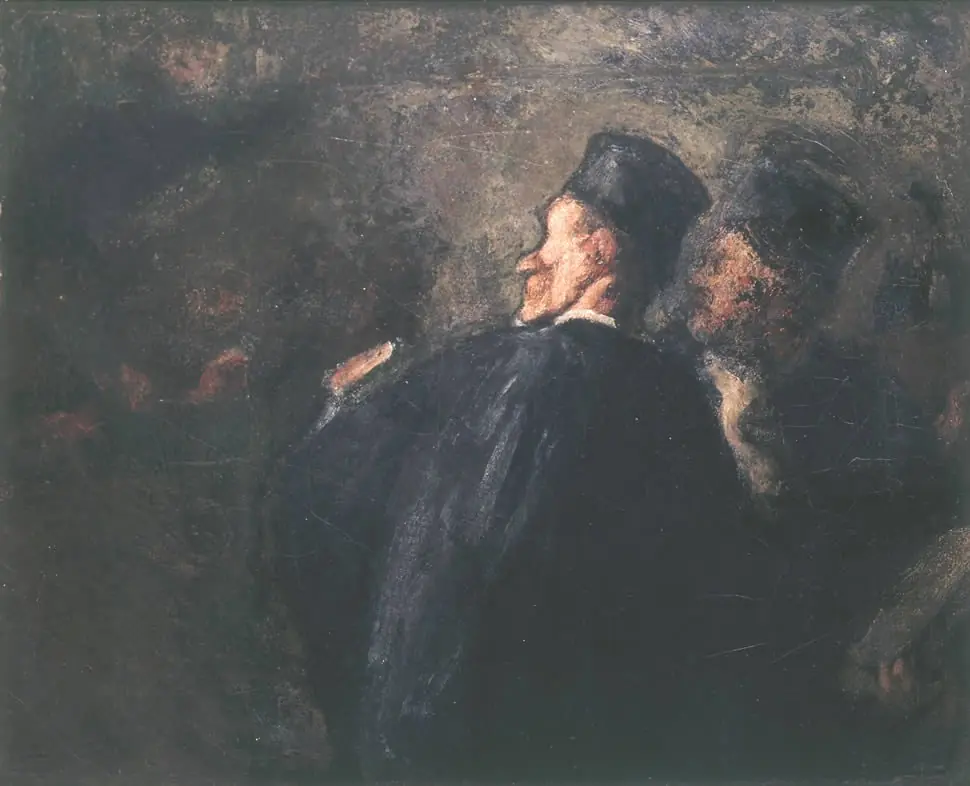 La Plaidoirie
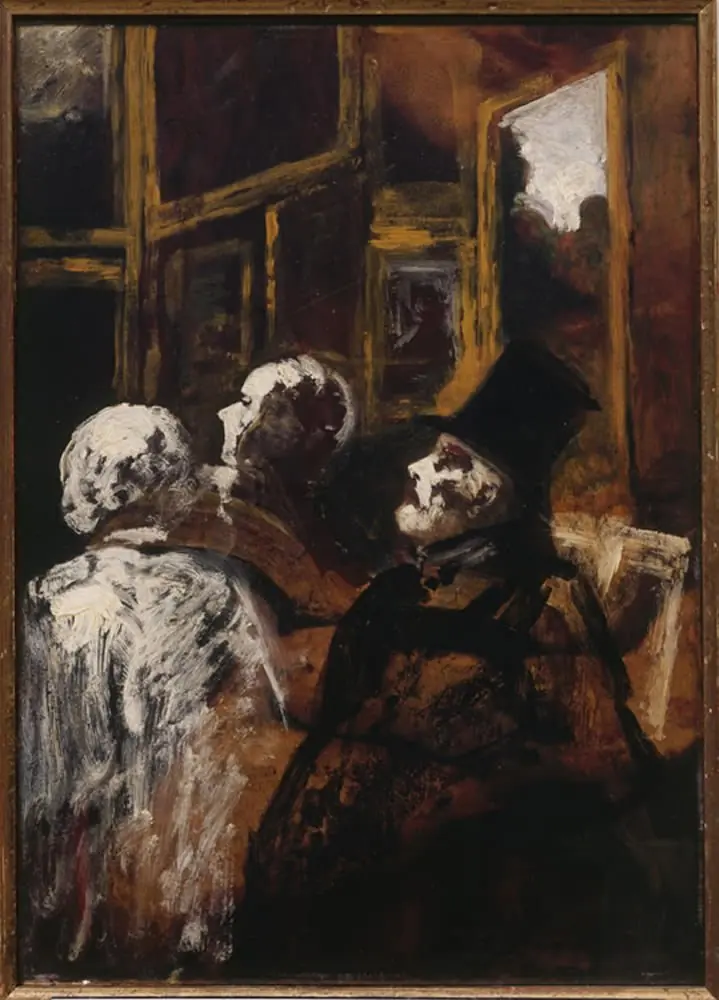 Les Amateurs de Tableaux
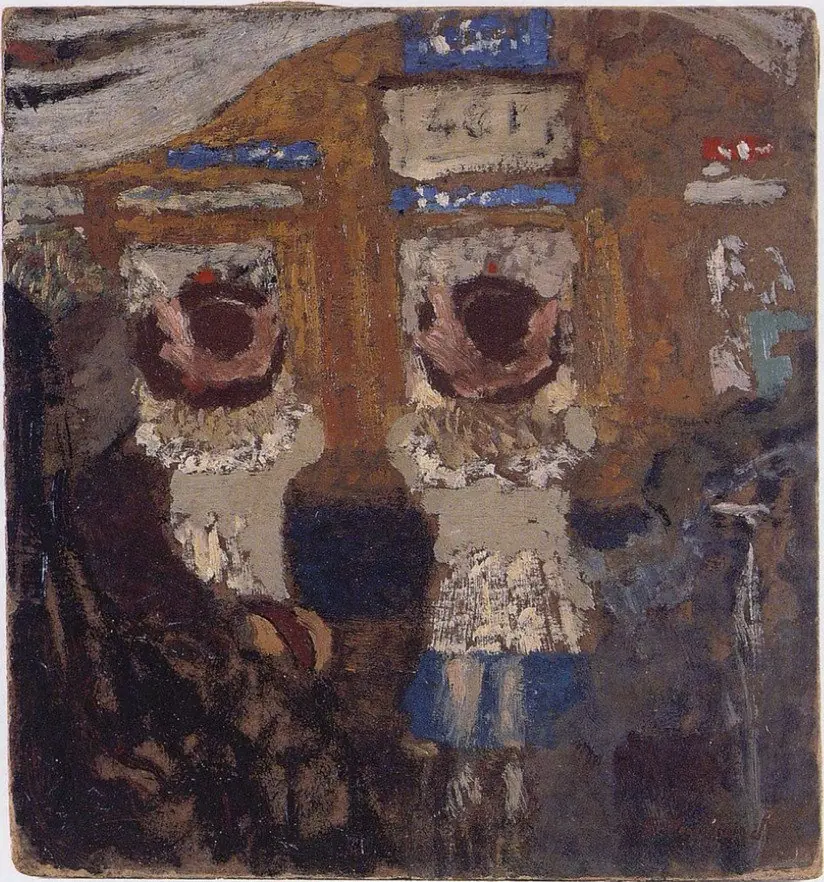 In the Bus
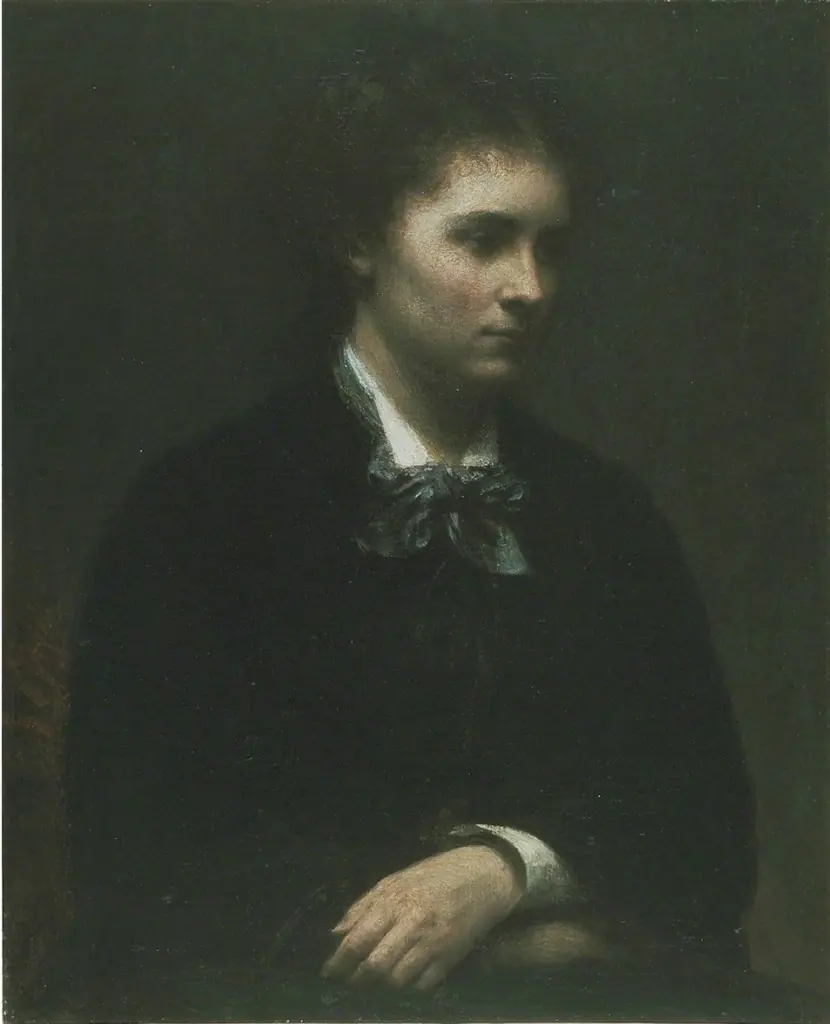 Portrait of Miss Edith Crowe
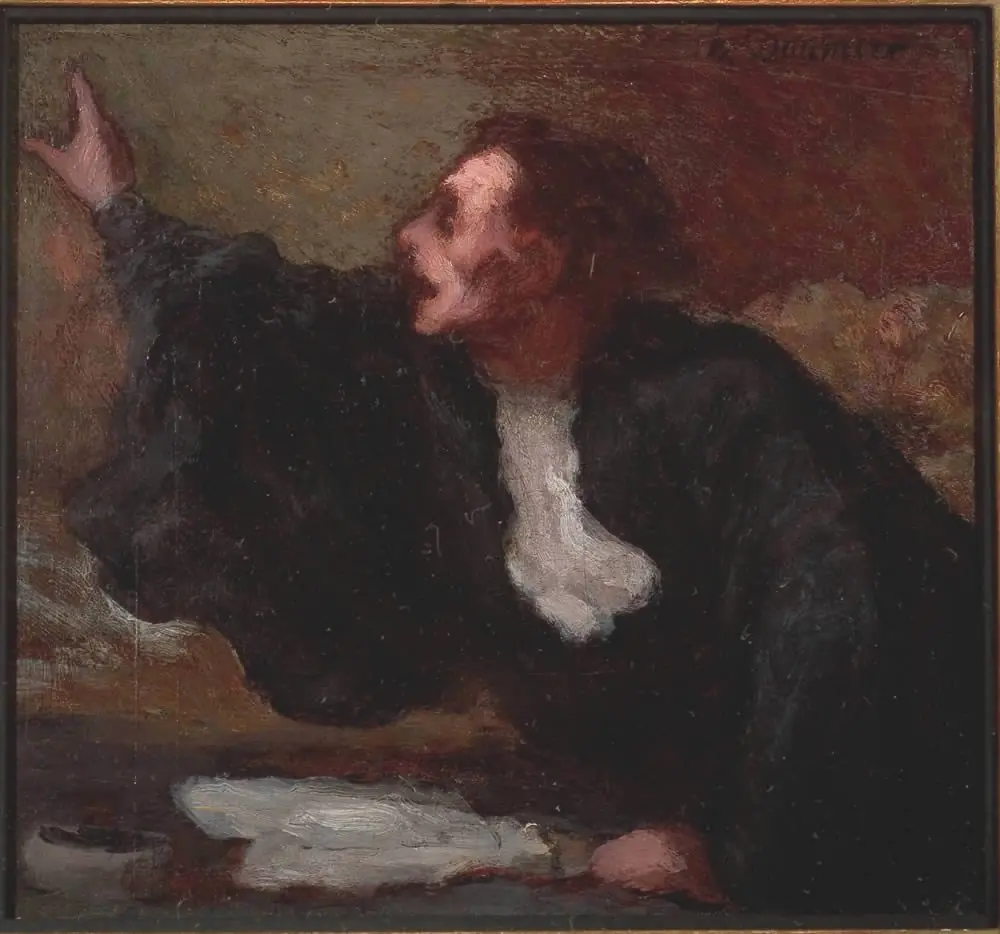 Avocat plaidant
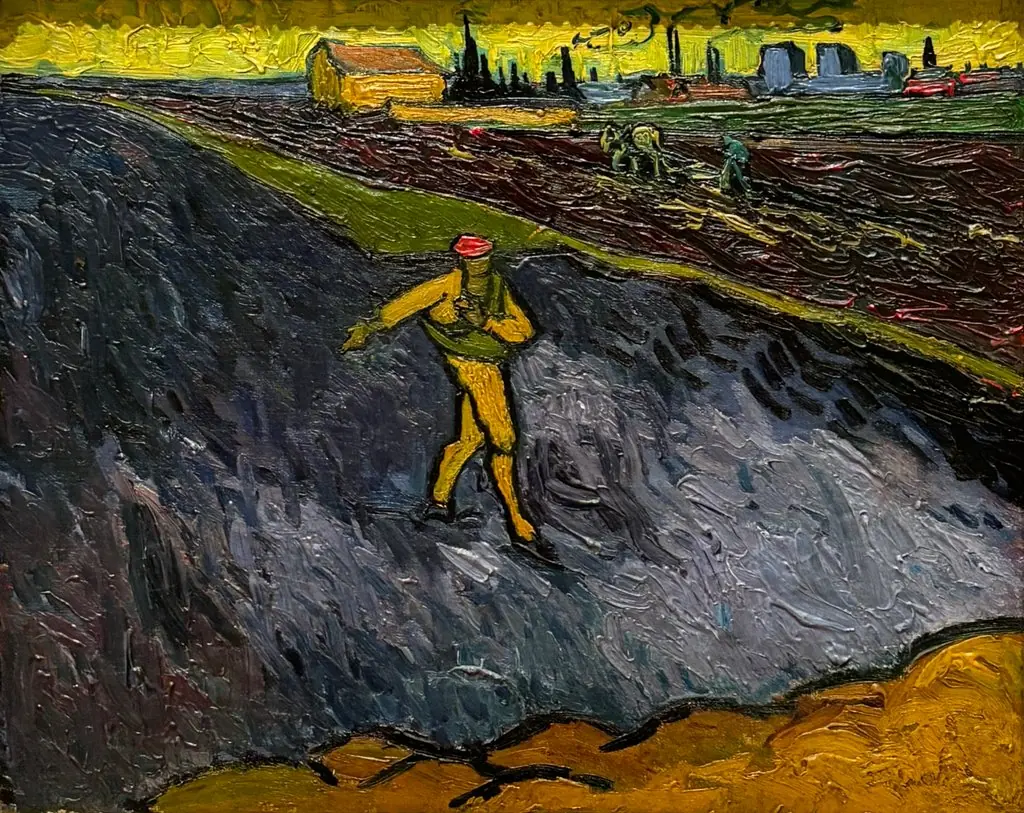 The Sower: Outskirts of Arles in the Background
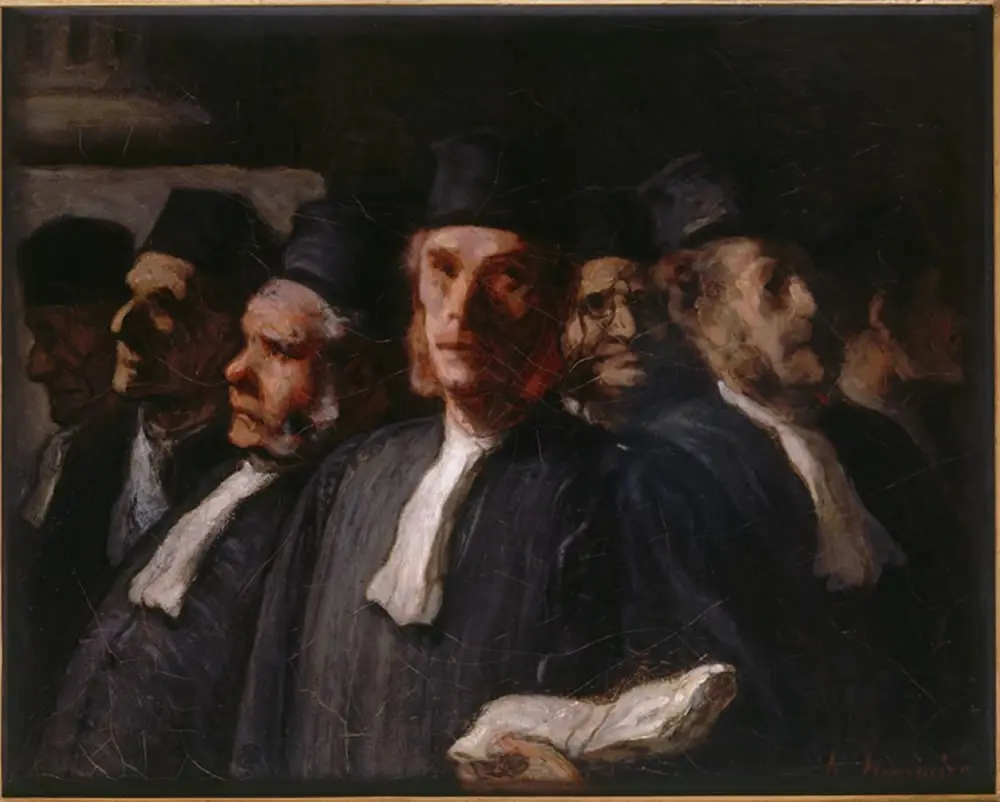 Les Avocats
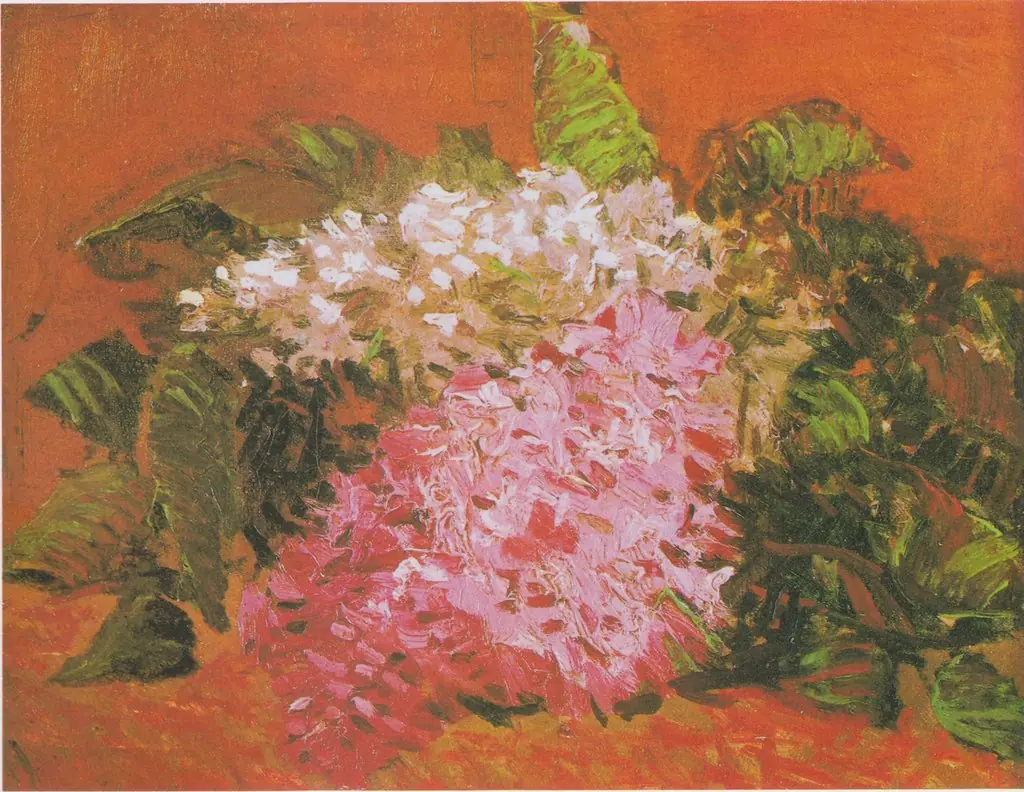 Lilacs
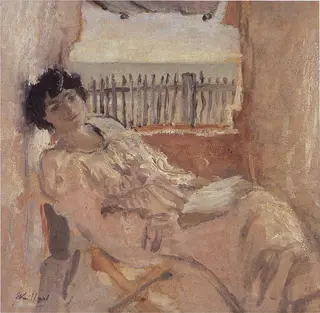 Madame Hessel at the Seashore
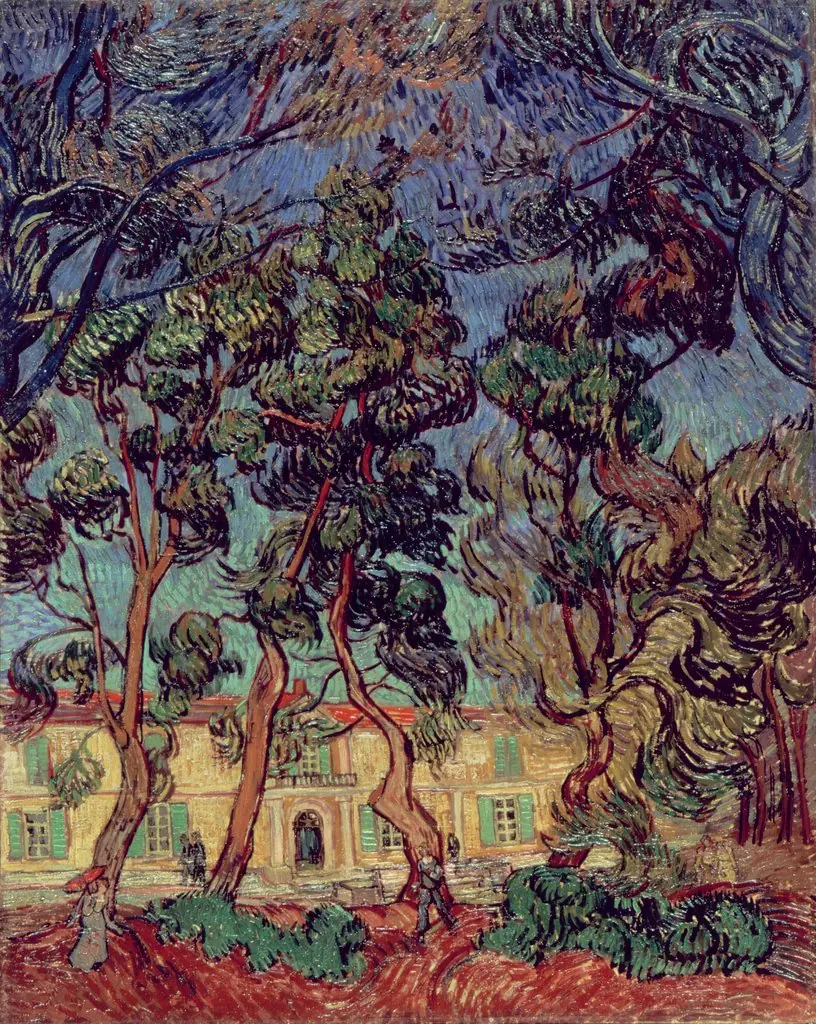 Trees in the Garden of Saint-Paul Hospital
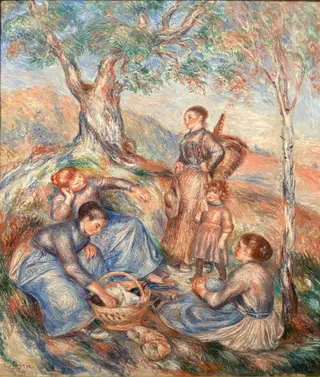 Grape Pickers at Lunch
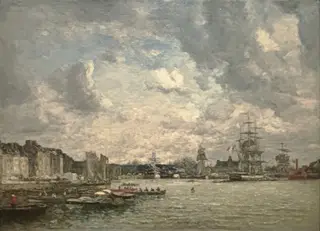 Sailing Ships in Port
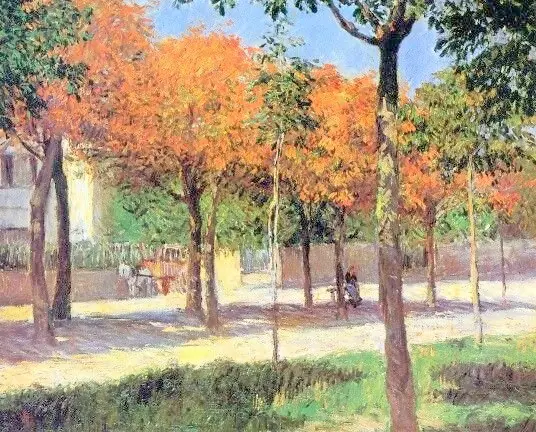 Square in Argenteuil
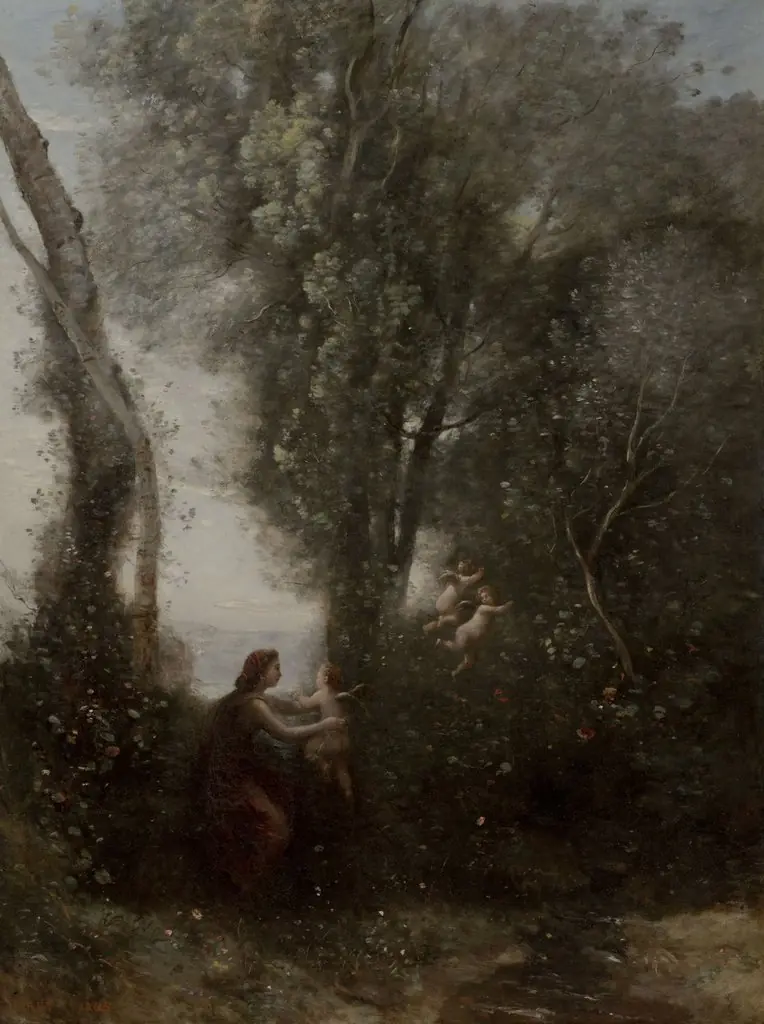 Morning
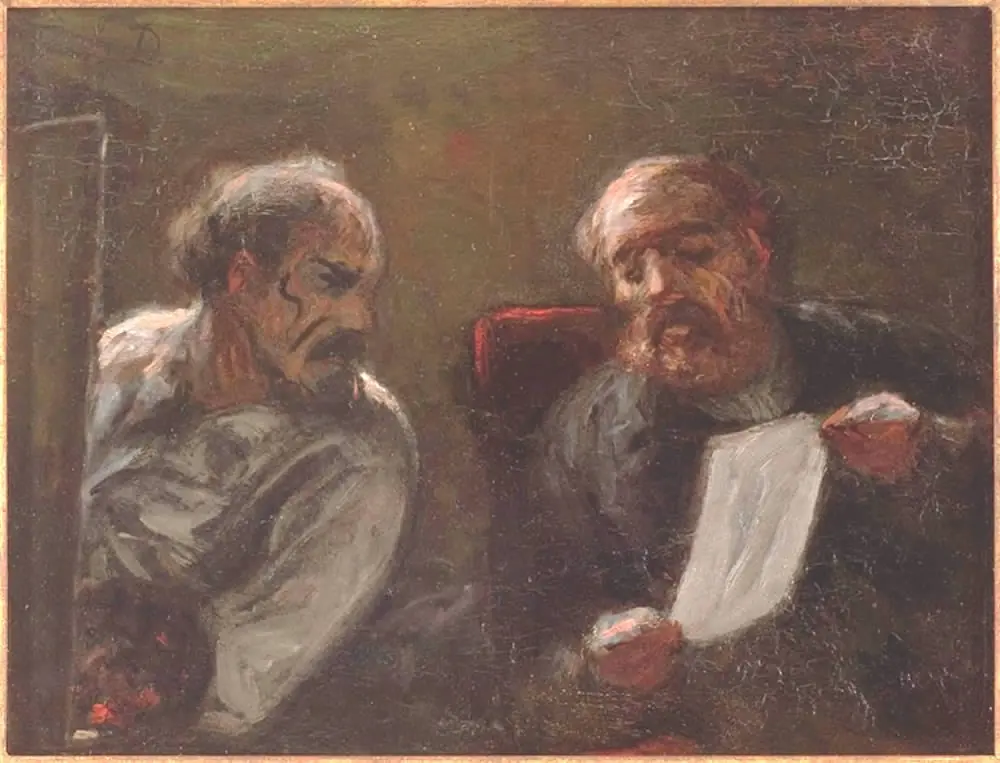 Causerie dans l'Atelier
Plan your visit
Hammer Museum
- Website
- hammer.ucla.edu
Moments held at Hammer Museum
Museums near Hammer Museum
- Getty Center Los Angeles, United States
- Art Museum J. Paul Getty Museum Los Angeles, United States
- Art Museum Los Angeles County Museum of Art Los Angeles, United States
- Art Museum Norton Simon Museum Pasadena, United States
- Art Museum The Huntington Library, Art Museum, and Botanical Gardens San Marino, United States
- Art Museum Cantor Arts Center at Stanford University California, United States


What's on
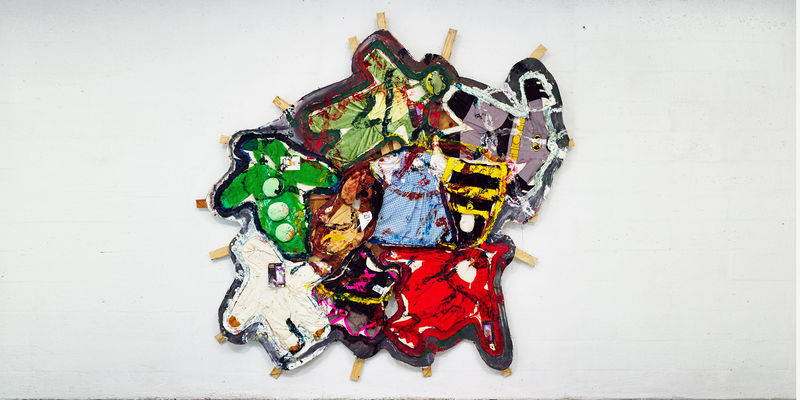
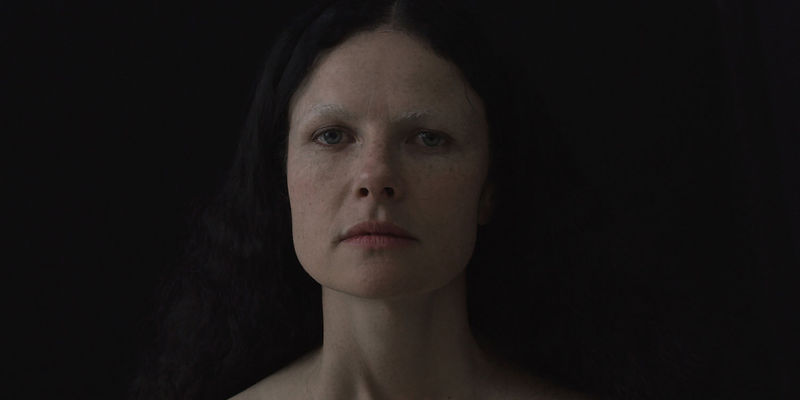

Five Centuries of Works on Paper: The Grunwald Center at 70, Part II
7 Jun 2026 – 25 Oct 2026
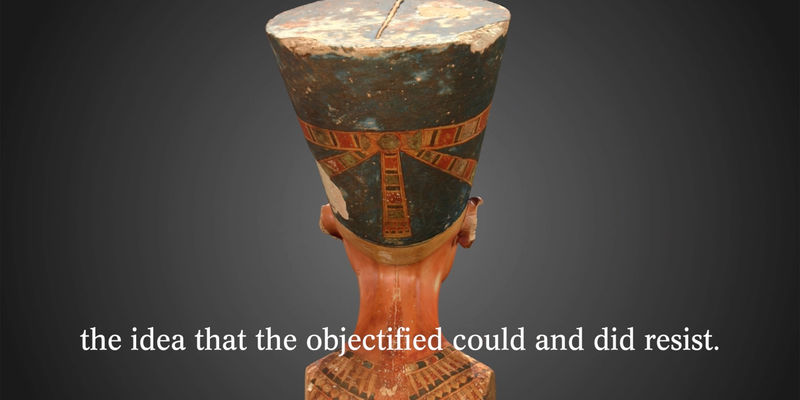
SPACE IS THE PLACE: Selections from the Hammer Contemporary Collection
5 Apr 2026 – 6 Sep 2026
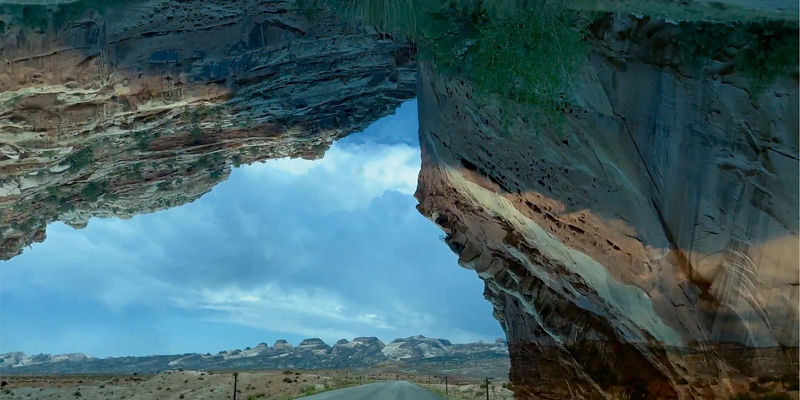
Several Eternities in a Day: Form in the Age of Living Materials
5 Apr 2026 – 23 Aug 2026