February 5 in Art History
7 real events recorded on February 5, the earliest from 1788. 2 artists were born , 1 died on this date.
The day's biggest moments
Born on this day 2
- 1788 Born
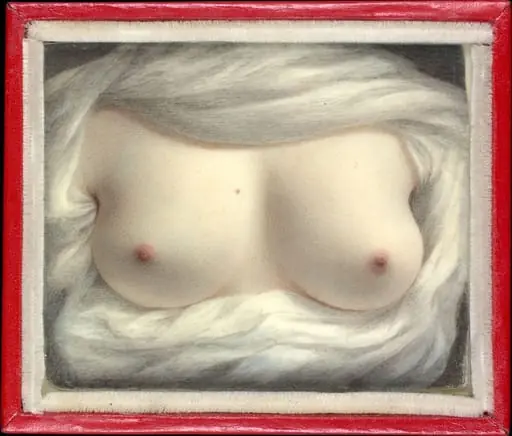
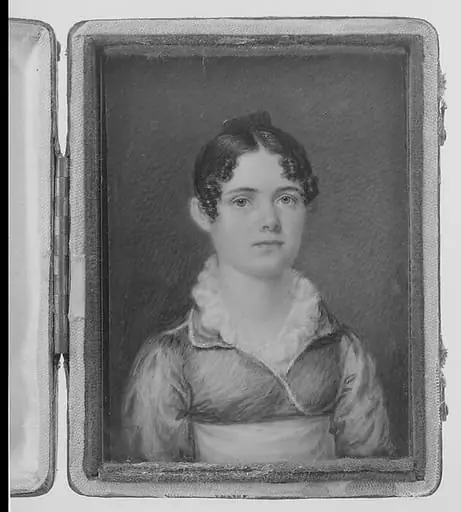
Born this day: Sarah Goodridge
On February 5, 1788, American artist Sarah Goodridge was born, known for her exquisite miniatures on ivory, characterized by sharp details and plain light, as seen in works like 'Beauty Revealed' and 'Portrait of a Lady'. She spent her life in Boston, self-taught and prolific, even continuing to paint after losing her eyesight. Her bold and unflinching self-portrait, created around 1825, remains a notable example of her skill and confidence.
Sarah Goodridge's legacy lies in her innovative and intimate miniature portraits that continue to captivate audiences with their remarkable detail and honesty.
- 1819 Born
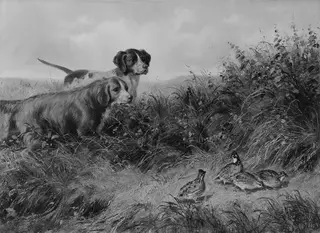
Born this day: Arthur Fitzwilliam Tait
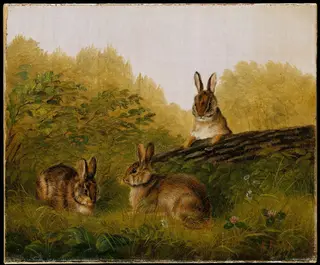
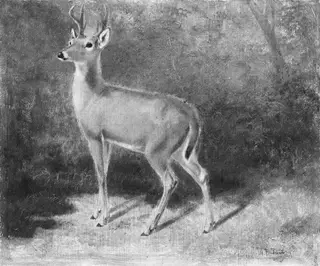
Arthur Fitzwilliam Tait, born on February 5, 1819, was a British-American artist known for his wildlife paintings, actively contributing to the New York City art scene. His work defines a niche in 19th-century American art, focusing on detailed depictions of animals in their natural habitats.
Tait's legacy lies in his captivating and realistic wildlife paintings that continue to inspire artists and art enthusiasts today.
Died on this day 1
- 1888 Died
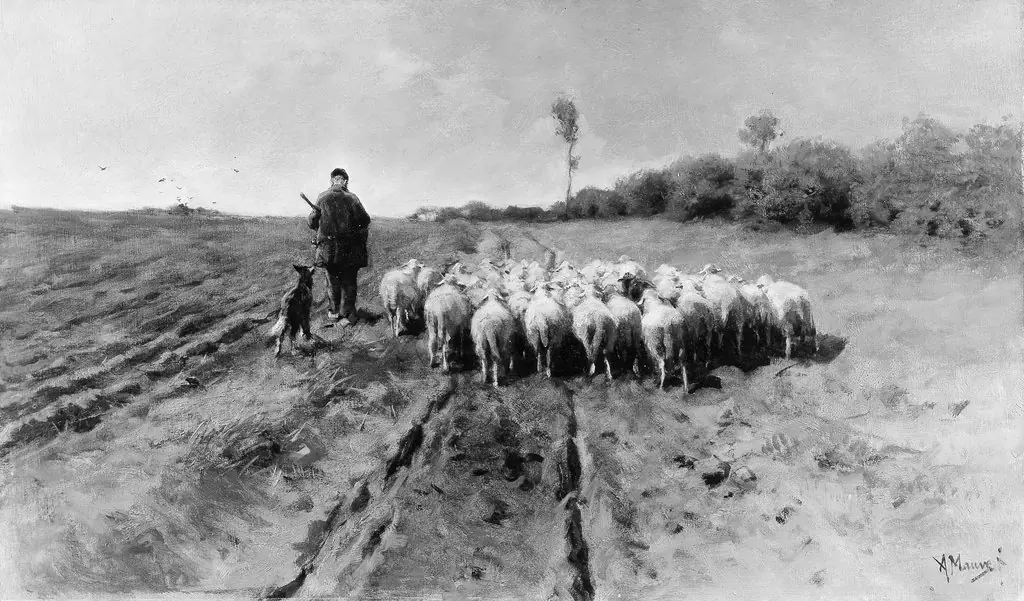
Died this day: Anton Mauve
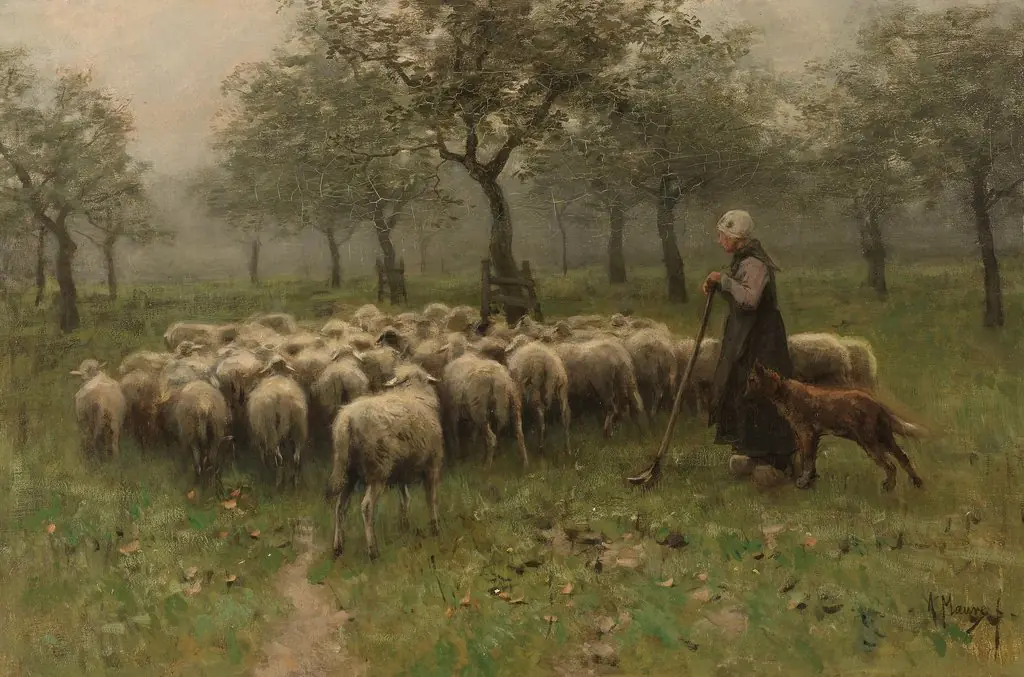
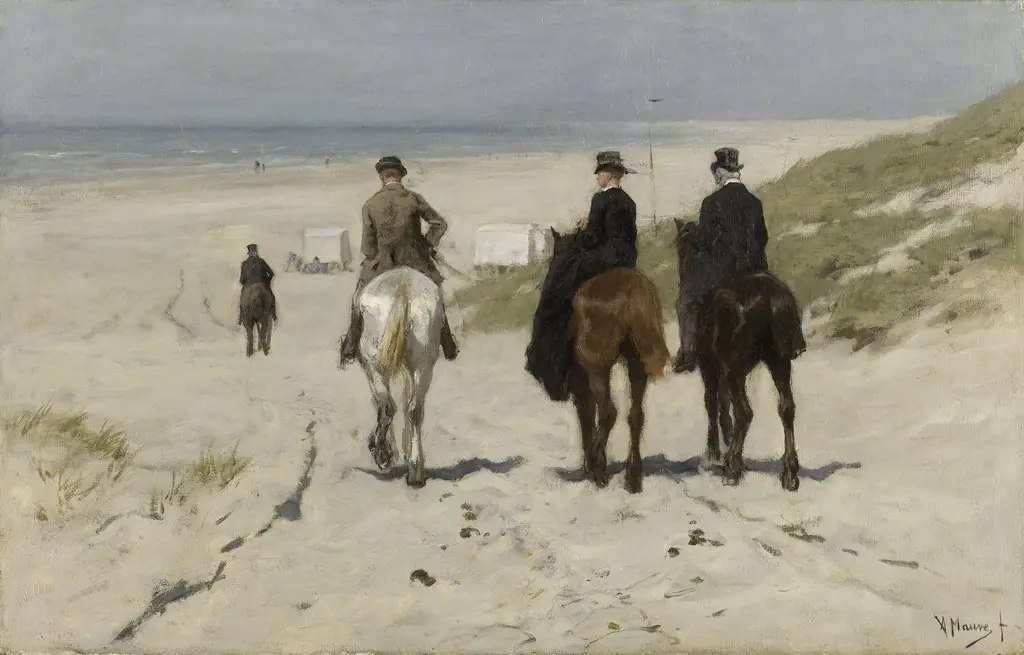
Anton Mauve, a Dutch realist painter and leading member of the Hague School, was known for his masterful use of color and poignant depictions of peasants and sheep. His work had a significant influence on his cousin-in-law Vincent van Gogh.
He remains a notable figure in the development of modern Dutch painting.
Exhibitions & salons 1
- 1884 Salon Landmark
Salon des Indépendants Opens
The first Salon des Indépendants opened in Paris on February 5, 1884, organized by the Société des Artistes Indépendants. Founded by artists including Albert Dubois-Pillet, Odilon Redon, Georges Seurat, and Paul Signac, the exhibition was established to provide a venue free from the jury system and academic restrictions of the official Paris Salon. The event famously adopted the motto 'No jury, no prizes,' allowing any artist to exhibit upon payment of a fee. This inaugural showing marked a pivotal moment in the shift toward modernism, offering a platform for the emerging Neo-Impressionists and Symbolists to display their radical works to the public.
It established a permanent alternative exhibition model that democratized the Parisian art world and accelerated the acceptance of avant-garde movements.
Openings & foundings 2
- 1852 Opening Landmark
New Hermitage Opens to the Public
On 5 February 1852, the New Hermitage in Saint Petersburg opened to the public, transforming part of the Romanov imperial collection from courtly privilege into a public museum experience. The building, designed for Nicholas I after plans by Leo von Klenze and completed under Vasily Stasov and Nikolai Yefimov, gave the Hermitage a purpose-built setting for display rather than private accumulation. Its public opening placed one of Europe’s great dynastic art collections within the nineteenth-century museum movement, alongside the Louvre, the British Museum, and other institutions that recast royal, aristocratic, and scholarly holdings as civic culture. The opening also anchored later growth of the State Hermitage, whose collections expanded through acquisitions, transfers, and the incorporation of the Winter Palace.
The Hermitage became one of the defining public art museums of Europe.
- 1916 Founding Landmark
Cabaret Voltaire Opens in Zurich
On 5 February 1916, Hugo Ball and Emmy Hennings opened the Cabaret Voltaire in the back room of the Holländische Meierei at Spiegelgasse 1 in Zurich. Conceived as a small performance venue for artists and writers during World War I, it became the crucible of Dada. The cabaret’s evenings mixed poetry, music, dance, masks, noise, and deliberately unstable performance, attracting figures including Tristan Tzara, Marcel Janco, Richard Huelsenbeck, Sophie Taeuber-Arp, and Jean Arp. Though the original venue lasted only until the summer of 1916, its anti-bourgeois, antiwar energy helped define Dada as a transnational avant-garde practice rather than a single style. Its program also pushed performance, sound poetry, collage, and manifesto culture into new forms of artistic dissent.
Cabaret Voltaire became the symbolic birthplace of Dada and a model for experimental performance spaces.
Manifestos & publications 1
- 1909 Manifesto Landmark
Futurist Manifesto First Appears in Print
On 5 February 1909, Filippo Tommaso Marinetti’s founding Futurist manifesto was first published in Bologna’s La gazzetta dell’Emilia, before its better-known French appearance in Le Figaro on 20 February. The text announced a modernist program that rejected inherited artistic tradition and exalted speed, machinery, urban energy, youth, and violence. Although the manifesto did not yet give painters and sculptors a complete visual method, it provided the rhetoric and public strategy that made Futurism one of the first avant-garde movements to organize itself through manifestos, publicity, and provocation. Its later artistic program drew in Umberto Boccioni, Carlo Carra, Giacomo Balla, Gino Severini, and Luigi Russolo, extending the manifesto’s polemics into painting, sculpture, design, sound, theater, and performance.
The manifesto made the art manifesto a central weapon of the twentieth-century avant-garde.
Filippo Tommaso Marinetti , Umberto Boccioni , Gino Severini , Carlo Carrà , Giacomo Balla