January 26 in Art History
7 real events recorded on January 26, the earliest from 1642. 2 artists were born , 1 died on this date.
Born on this day 2
- 1642 Born
Born this day: Evert Collier
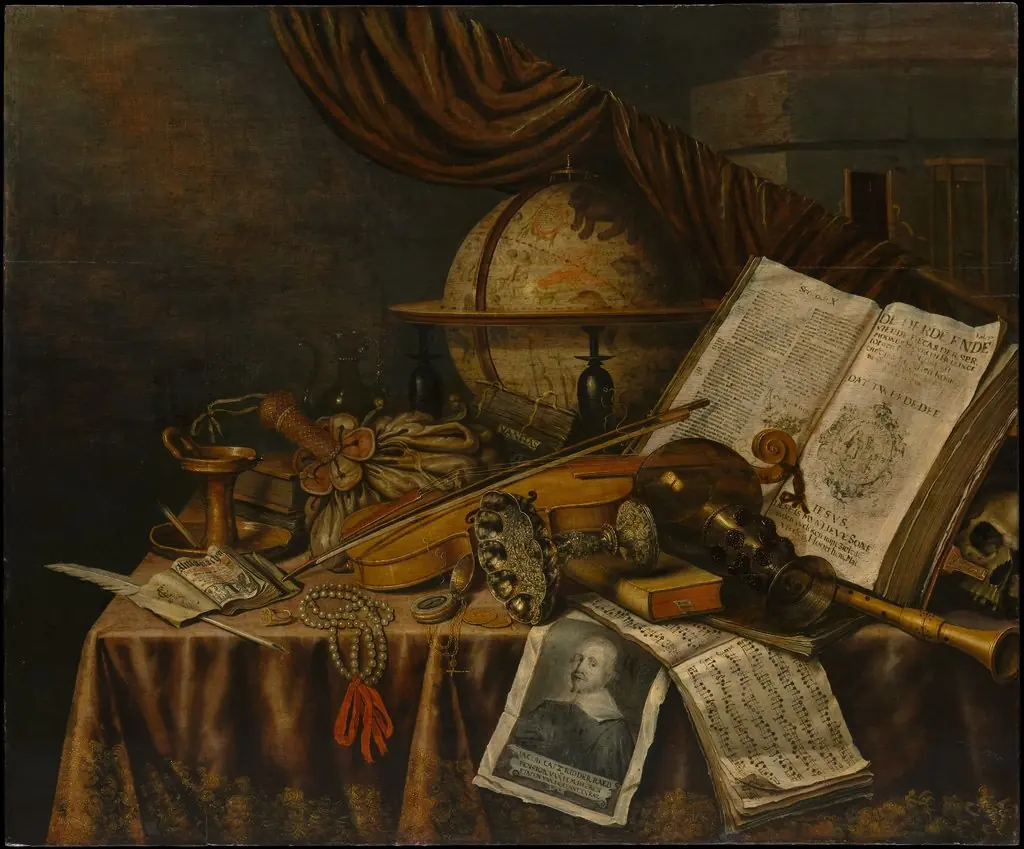
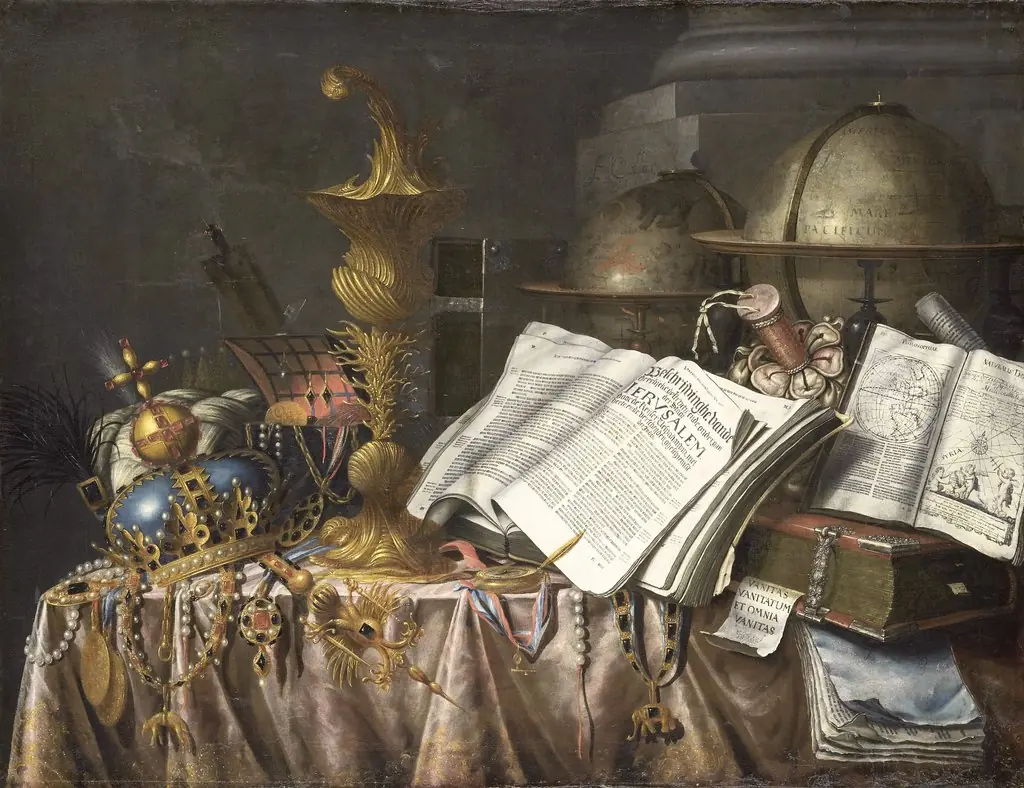
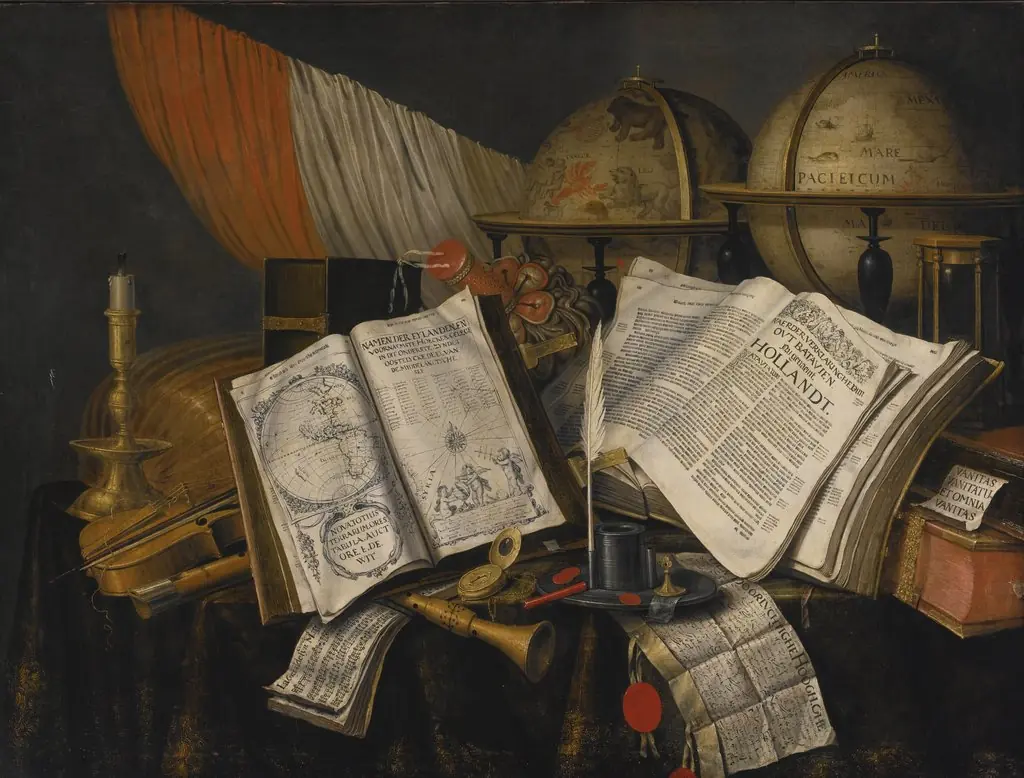
Evert Collier, a Dutch Golden Age painter, was born on January 26, 1642. He is known for his still-life paintings, particularly vanitas and trompe-l'œil works, which often featured symbolic objects like hourglasses and globes. His paintings continue to captivate audiences with their intricate details and thought-provoking themes.
Evert Collier's works remain significant examples of Dutch still-life painting, offering insights into the cultural and intellectual currents of his time.
- 1801 Born
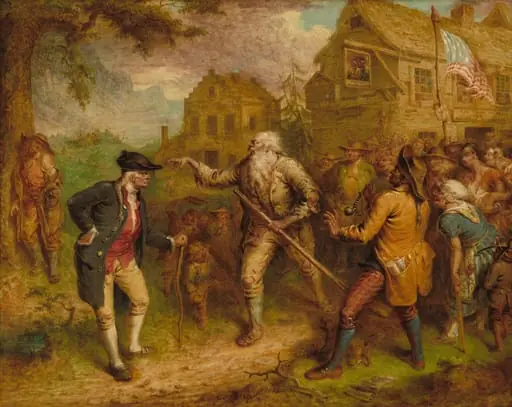
Born this day: John Quidor
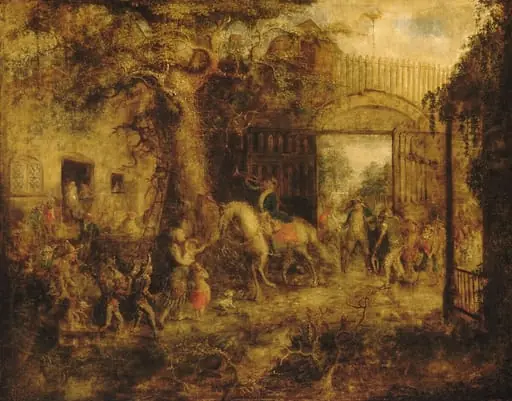
John Quidor, born on January 26, 1801, was an American painter known for his historical and literary subjects, often drawing inspiration from Washington Irving's stories and the Hudson Valley. His work reflects the influence of English painters such as William Hogarth and Joseph Wright of Derby.
John Quidor's paintings remain significant for their unique depiction of Dutch New York and American cultural heritage.

Died on this day 1
- 1752 Died
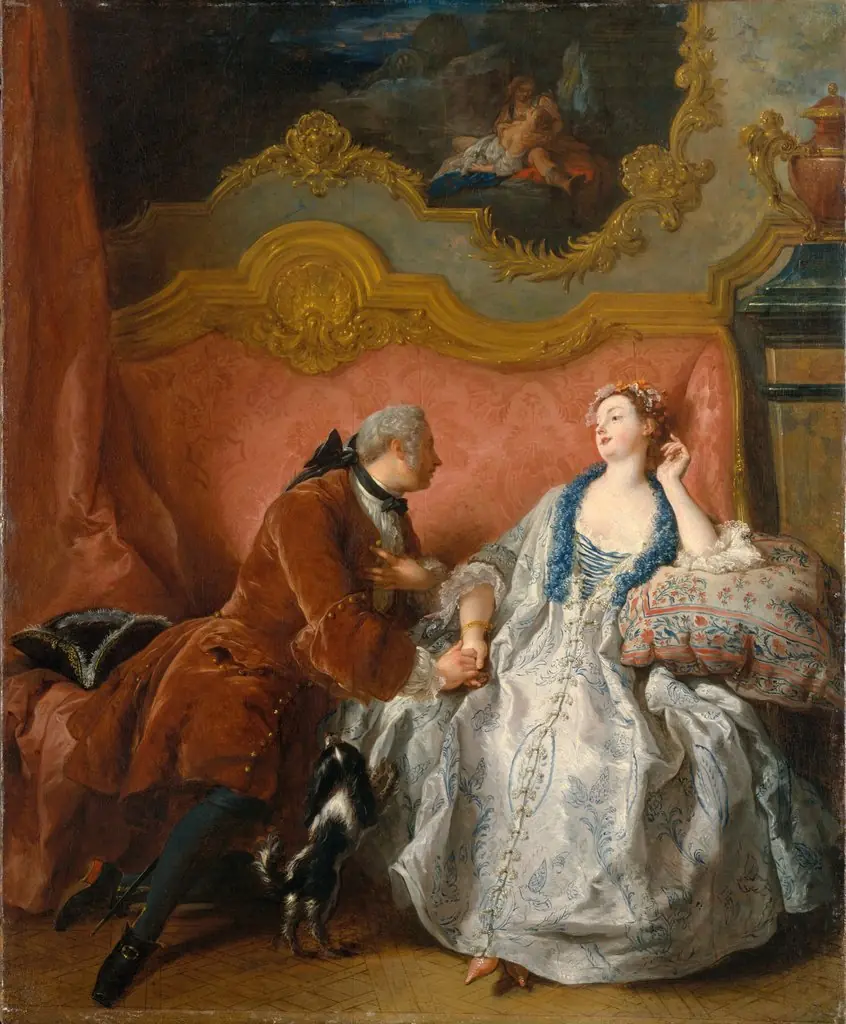
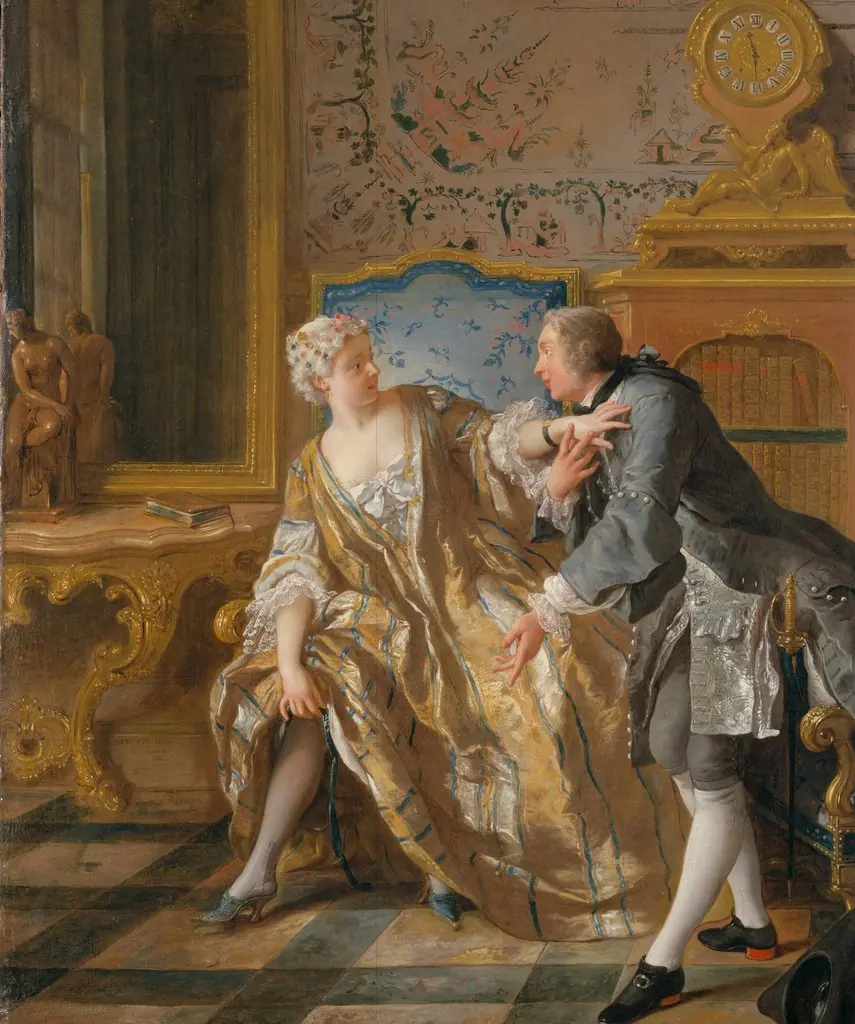
Died this day: Jean-François de Troy
Jean-François de Troy, a French Rococo painter, draughtsman, and tapestry designer, was known for his diverse works, including history paintings, decorative pieces, and portraits. He invented the 'tableaux de modes', capturing contemporary fashions and manners. As a leading artist of his time, he directed the French Academy in Rome from 1738.
He remains a significant figure in the development of Rococo art, influencing the representation of everyday life and fashion in 18th-century painting.

Exhibitions & salons 2
- 2011 Exhibition
Messerschmidt Exhibition Opens at the Louvre
On January 26, 2011, the Louvre opened the Paris presentation of Franz Xaver Messerschmidt 1736-1783: From Neoclassicism to Expressionism, following its debut at Neue Galerie New York. Organized by Guilhem Scherf, chief curator of sculpture at the Louvre, the exhibition centered on Messerschmidt's famous character heads, late eighteenth-century busts whose grimaces and psychological intensity had long seemed to anticipate Expressionism. The show was significant both art historically and institutionally: it reframed a neoclassical sculptor through the lens of modern expressive distortion, and Neue Galerie described the Louvre venue as the first collaboration between the two museums.
The exhibition strengthened Messerschmidt's modern reputation as a bridge between Enlightenment portraiture and Expressionist intensity.
- 2025 Exhibition
Pirouette Opens at MoMA
On January 26, 2025, the Museum of Modern Art opened Pirouette: Turning Points in Design in its Philip Johnson Galleries. Organized by Paola Antonelli with Maya Ellerkmann, the exhibition drew mostly from MoMA's design collection to examine objects that changed habits, technologies, materials, and social behavior. The checklist moved across everyday and specialist design culture, from Post-its, the Walkman, the Macintosh 128K, the I Love NY logo, accessible-symbol design, Telfar's Shopping Bag, and Shigetaka Kurita's early emoji. Its art-historical value lay in treating design not as background utility but as a primary record of how contemporary life is imagined, standardized, personalized, and made visible.
The show extended MoMA's argument that designed objects are central evidence in modern and contemporary art history.
Openings & foundings 2
- 2001 Opening
Sendai Mediatheque Opens
On January 26, 2001, Sendai Mediatheque opened in Sendai, Japan. Designed by Toyo Ito after a 1995 public competition, the building combined library, gallery, film, studio, and public-event functions inside a transparent structural system of plates, tubes, and skin. Its public galleries and flexible media spaces made it more than a library: it became an architectural argument for cultural institutions shaped by information flows, public use, and changing media rather than fixed museum typologies. The opening quickly became a landmark in contemporary museum and cultural architecture, especially because Ito treated structure, circulation, light, and infrastructure as a single spatial language.
It became one of Toyo Ito's defining works and a model for flexible media-oriented cultural buildings.
- 2019 Opening
Hood Museum Reopens After Expansion
On January 26, 2019, the Hood Museum of Art at Dartmouth College reopened to the public after a major renovation and expansion by Tod Williams Billie Tsien Architects. The project reworked Charles Moore and Chad Floyd's 1985 postmodern building, shifted the entrance toward the Dartmouth Green, added a public atrium, increased gallery and office space, and created a dedicated art study center for teaching with objects. The reopening mattered because the Hood is attached to one of the oldest college art collections in the United States, and the redesign turned a relatively inward campus museum into a more visible gateway for art, teaching, and public access.
The reopening recast the Hood as a teaching museum with a larger civic and campus presence.