Artwork
The Triumph of Mordecai
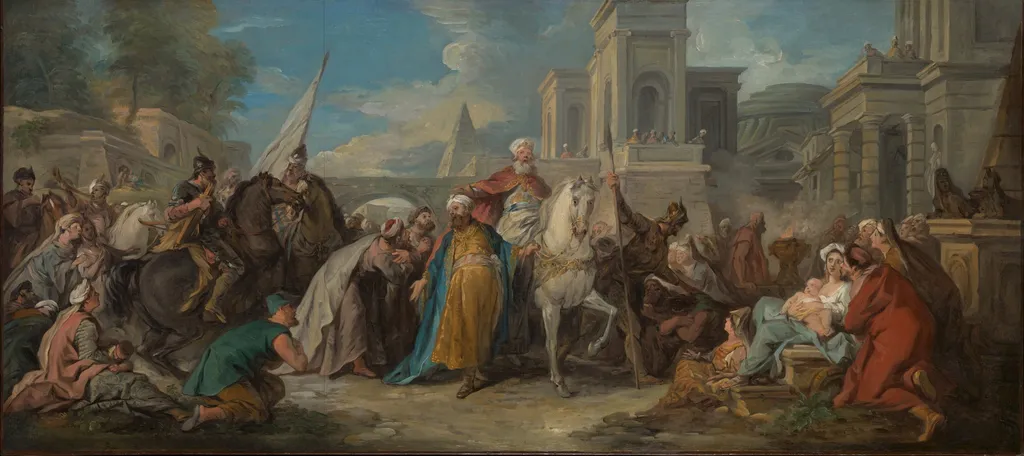
The Triumph of Mordecai is an oil painting by the Rococo painting artist Jean-François de Troy. It dates from 1736 and is held in the collection of the Metropolitan Museum of Art.
About this work
Subject & Meaning
As a religious work, the scene conveys themes of divine providence, justice, and the triumph of the faithful over oppression.
The painting illustrates the episode from the Book of Esther in which Mordecai, having earned the king’s favor, is led through the streets of Susa on a horse by his former enemy Haman, who is compelled to honor him. The presence of Mordecai, Haman, the horse, and the citadel of Susa identifies the specific biblical moment, while the composition underscores the dramatic reversal of fortune that delivers the Jewish people from impending destruction. As a religious work, the scene conveys themes of divine providence, justice, and the triumph of the faithful over oppression.
Technique & Style
Executed in 1736 by Jean-François de Troy, this work is an oil painting on canvas. The composition measures 86 cm in height and 150.2 cm in width, presenting a horizontal format typical for narrative scenes. As a piece of religious art, the image depicts the biblical figures Mordecai and Haman within the setting of Susa, accompanied by a horse and other male figures.
The application of oil paint on a woven fabric support characterizes the material construction of the piece, which is currently held in the collection of the Metropolitan Museum of Art.
History & Provenance
Jean-François de Troy's oil painting, The Triumph of Mordecai, created in 1736, is held in the collection of the Metropolitan Museum of Art. The work, which depicts the biblical figures Mordecai and Haman alongside a horse in Susa, measures 86 by 150.2 centimeters. While the specific accession number is not provided in the available records, the museum identifies the piece as a religious art piece executed on canvas.
The provided sources confirm the artwork's current location but do not contain details regarding its specific inventory number or a history of exhibitions.
Overview
The Triumph of Mordecai is an oil painting that captures a moment of public celebration. At its core, the artwork features a man on horseback, surrounded by a lively crowd and architectural elements. The artist employs a palette ranging from intense hues for the main subjects to softer tones in the distance, creating an impression of energy and continuous motion within the depicted scene.
Artist & collection
Artist
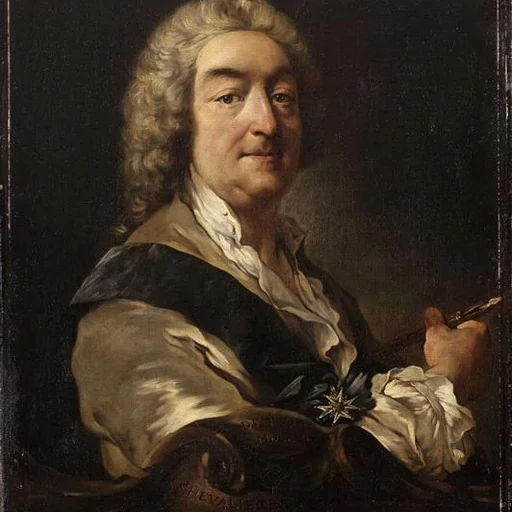
Jean-François de Troy (27 January 1679, Paris – 26 January 1752, Rome) was a French Rococo easel and fresco painter, draughtsman and tapestry designer.

- The Murder of Patrona Halil and his Fellow Rebels
 Joseph’s Triumph in Egypt
 Untitled
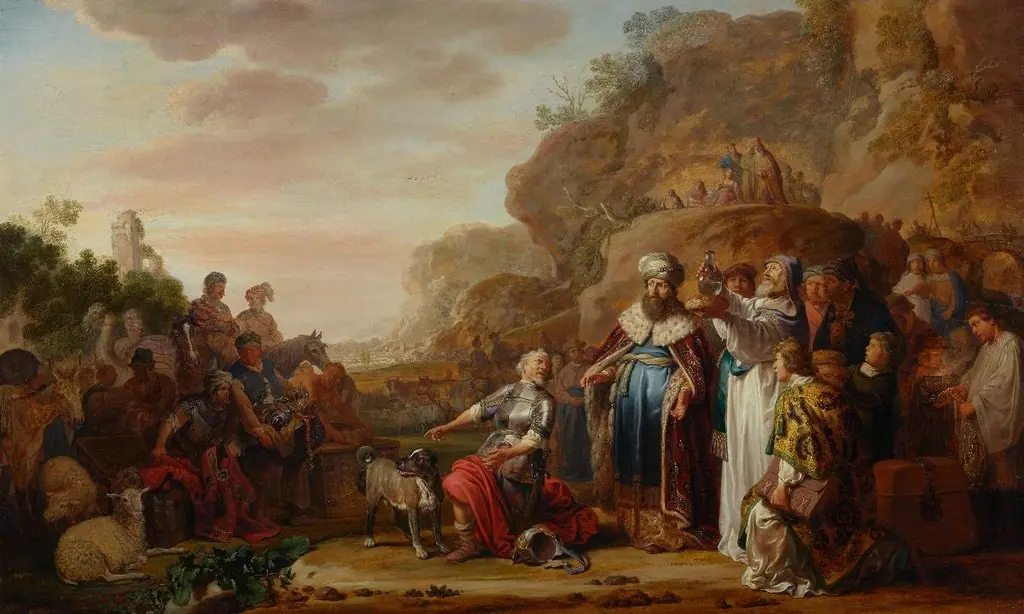 Abraham und Melchisedek
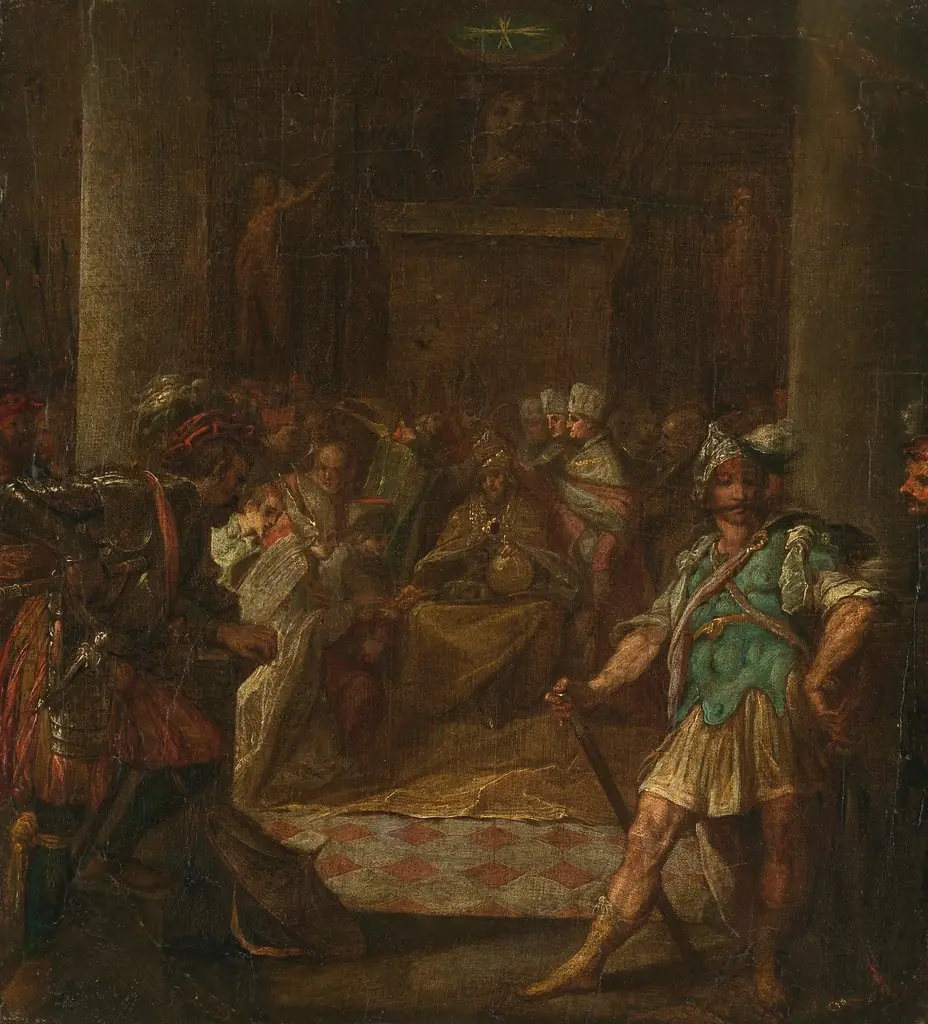 Imperial Coronation
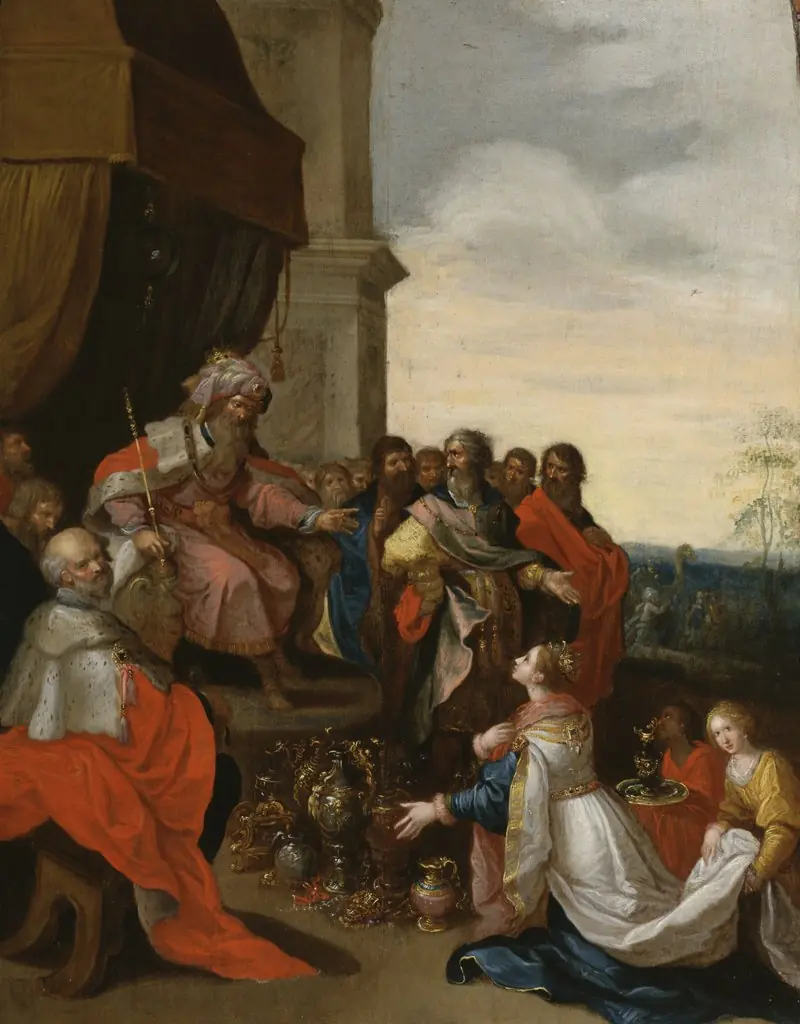 King Solomon Receiving the Queen of Sheba
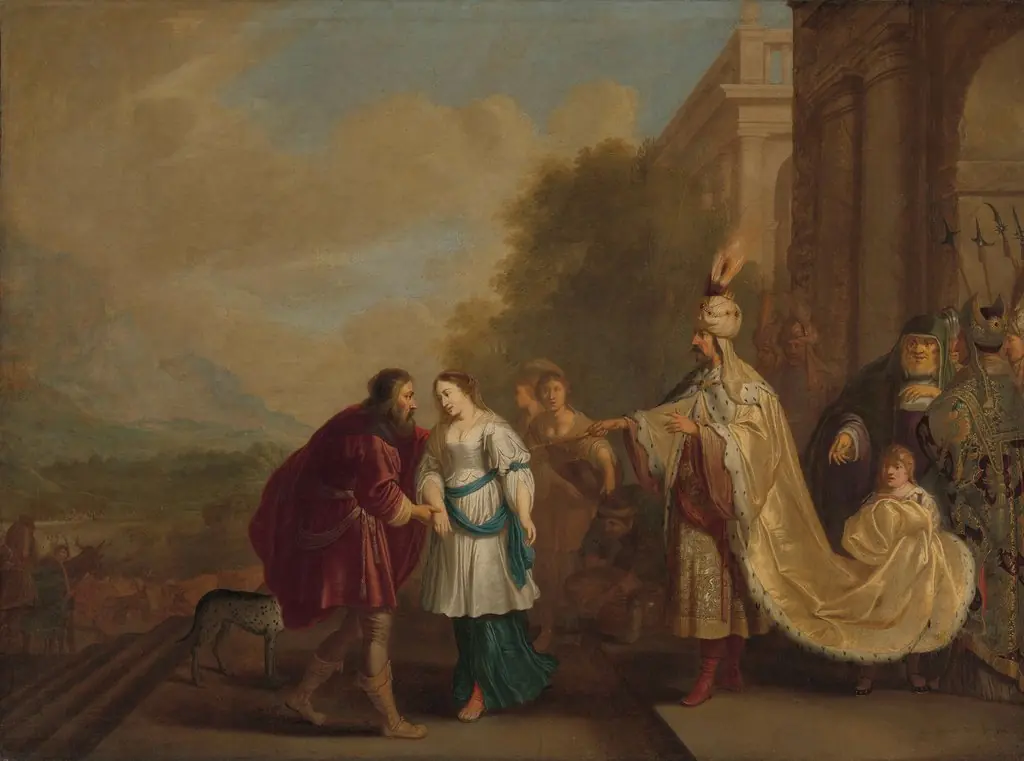 Pharaoh gives Sarah back to Abraham
 Anthony Leading Cleopatra on board
 Salomo ontvangt geschenken
 Adoration of the Magi
 Historical Scene
 Die Taufe des Mohrenkämmerers