March 9 in Art History
6 real events recorded on March 9, the earliest from 1681. 1 artist was born , 1 died on this date.
The day's biggest moments
Born on this day 1
- 1681 Born
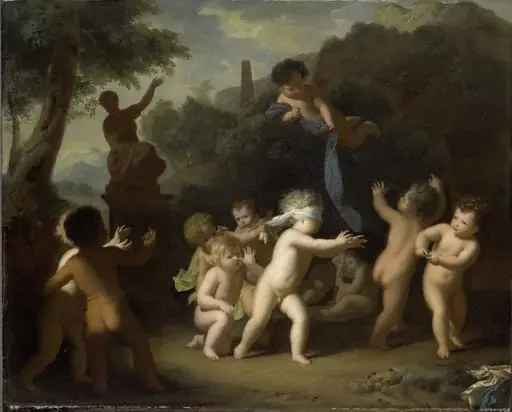
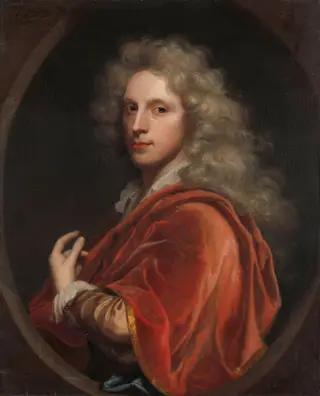
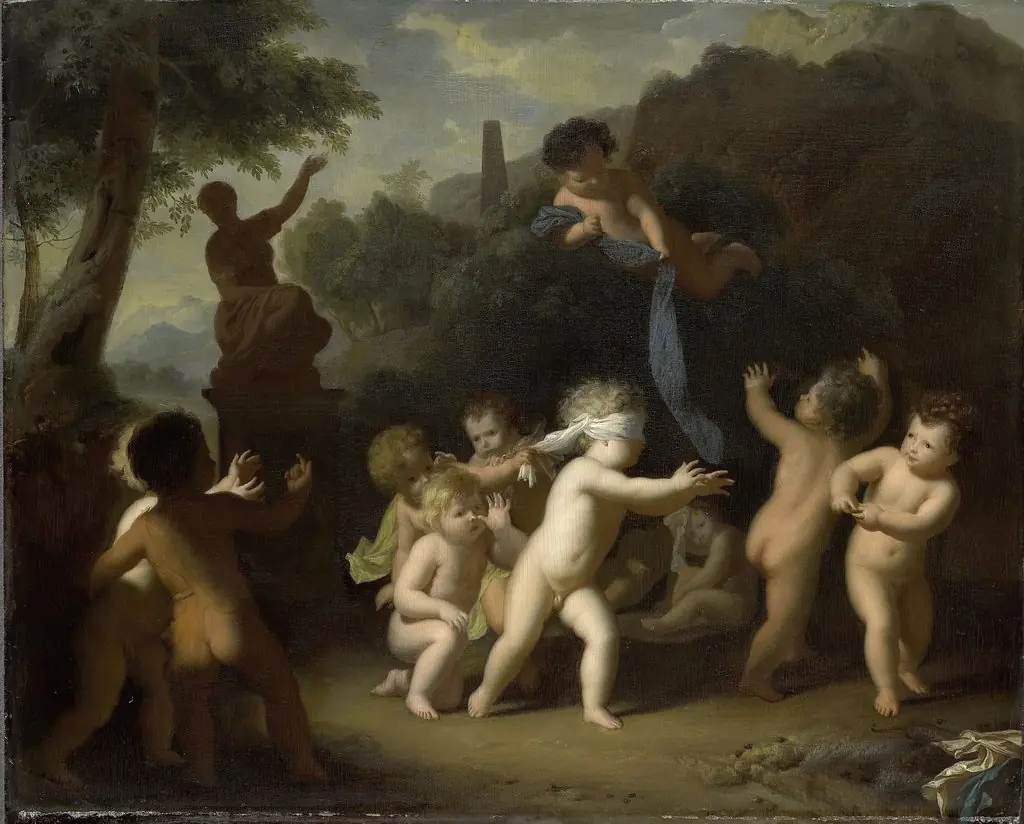
Born this day: Hendrik van Limborch
Hendrik van Limborch, a Dutch painter and engraver, was born on March 9, 1681, in The Hague. He is known for his portraits and historical allegories, showcasing his skill in various artistic genres. As a pupil of notable artists, Limborch's work reflects the influences of his time.
Hendrik van Limborch's artistic contributions remain a part of Dutch art history, notable for his portraits and allegorical works.
Died on this day 1
- 1852 Died
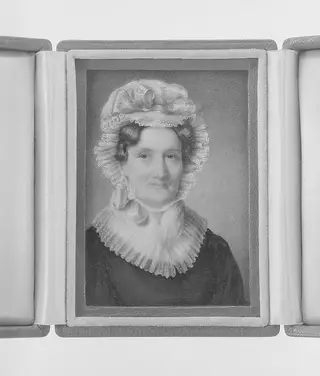
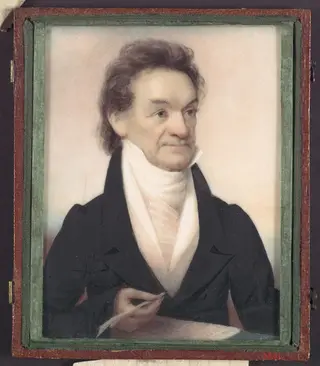
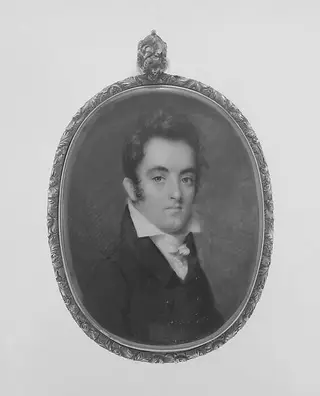
Died this day: Anson Dickinson
Anson Dickinson was an American painter of miniature portraits, known for his prolific output and fame during his lifetime, as seen in works like Edward Livingston and Mrs. George Burroughs. His portraits showcased his skill in capturing likenesses in small scale.
Dickinson's legacy lies in his contributions to the art of miniature portraiture in 19th-century America.
Exhibitions & salons 1
- 1925 Salon
First Hoosier Salon Opens
The first Hoosier Salon opened at the Marshall Field and Company art galleries on East Washington Street in Chicago. Organized by the Daughters of Indiana, it was a juried exhibition intended to give Indiana-linked artists a serious market and critical platform outside the state. The inaugural show accepted 253 works by 132 artists, including painters associated with the Hoosier Group and the Brown County Art Colony as well as cartoonist Harold Gray. T. C. Steele and Selma Steele attended the opening, and prizes went to artists including Steele, Wayman Adams, William Forsyth, Eugene Savage, and several women exhibitors. The event adapted the prestige language of the Paris Salon to a Midwestern regional art movement and soon became an annual institution.
It created a durable exhibition structure for Indiana artists and helped canonize Hoosier regional painting.
Openings & foundings 2
- 1963 Opening Landmark
Museu Picasso Opens In Barcelona
Barcelona's Museu Picasso opened to the public in the Palau Aguilar on Carrer de Montcada. The museum grew from Jaume Sabartes's wish to donate his Picasso collection and from Barcelona civic efforts to reconnect with an artist whose formative years were tied to the city. Because Picasso opposed Franco's regime, the museum initially used the discreet name Sabartes Collection, yet mayor Josep Maria de Porcioles pressed the project forward. Its founding collection centered on Sabartes's 574 works, with additional Picasso works connected to Barcelona's municipal collections and friends of the artist. The institution was the first museum devoted to Picasso and the only one created during his lifetime.
It anchored Picasso's early career in Barcelona and became a model for single-artist museums built around local biography.
- 1984 Opening
Neue Staatsgalerie Opens
The Neue Staatsgalerie opened beside Stuttgart's older State Gallery as James Stirling's purpose-built home for the museum's twentieth-century modern art holdings. The building immediately became a touchstone of postmodern museum architecture: it quoted Schinkel's Altes Museum through its rotunda and processional galleries while disrupting classical symmetry with ramps, angled approaches, bright materials, and an urban route through the museum complex. Its galleries held modern works by artists such as Picasso, Oskar Schlemmer, Joan Miro, Joseph Beuys, Paul Klee, and others, but the building itself became nearly as influential as the collection it housed. The project changed the Staatsgalerie's international profile and made Stuttgart a key stop in debates about museum architecture after modernism.
It helped define postmodern museum design and raised the Staatsgalerie's global architectural stature.
James Stirling , Pablo Picasso , Oskar Schlemmer , Joseph Beuys , Joan Miró Staatsgalerie Stuttgart, Stuttgart
Manifestos & publications 1
- 2013 Publication
Van Dyck Attribution Announced Online
The identification of the Bowes Museum's portrait of Olivia Boteler Porter as an original work by Anthony van Dyck was publicly announced after the painting had been spotted through the BBC Your Paintings project. The portrait had long sat in storage, dirty and treated as a later copy. Art historian Bendor Grosvenor investigated it for a BBC Culture Show special; cleaning, technical examination, and expert review by Christopher Brown supported the attribution. The subject was identified as Olivia Porter, wife of Van Dyck's friend and patron Sir Endymion Porter and a lady-in-waiting to Henrietta Maria. The announcement was a striking demonstration of how digitized public collections could surface overlooked works and alter museum knowledge.
It became an early showcase for digital collection access as a tool for attribution and rediscovery.