Artist
Subject
Abstract Art
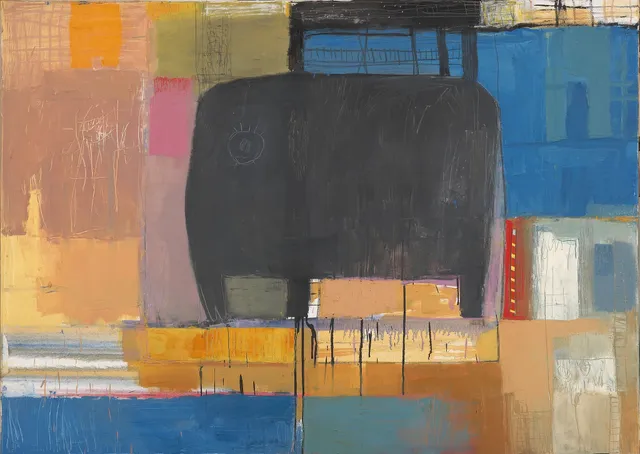
Abstract Art is a subject in art. The gallery holds 43 works in this subject in art, including works by Marcel Iancu, János Mattis-Teutsch and Vassiliki Boukoni.
Abstract art uses visual language of shape, form, color, and line to create a composition which may exist with a degree of independence from visual references in the world. Abstract art, non-figurative art, non-objective art, and non-representational art are all closely related terms.
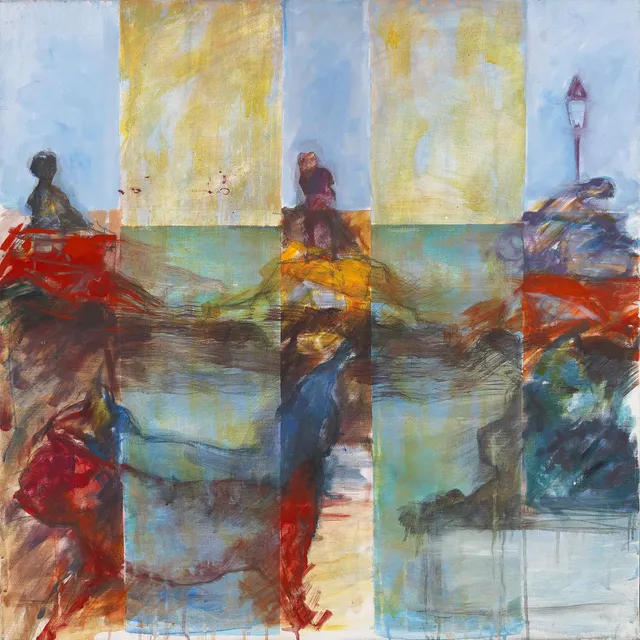
Key artists
Overview
Abstract art is a mode of artistic expression that employs the visual language of shape, form, color, and line to create compositions existing with a degree of independence from visual references in the world. Emerging in the late 19th and early 20th centuries, it represented a fundamental break from the Western tradition, dominant since the Renaissance, of reproducing illusions of visible reality through perspective. The movement arose as artists sought to respond to transformative changes in technology, science, and philosophy, and to escape what they perceived as the restrictive limitations of representational accuracy. Abstract art encompasses a continuum from partial abstraction, where recognizable forms are altered or distorted, to total abstraction, where no trace of the natural world remains. Related terms including non-figurative, non-objective, and non-representational art share overlapping but not identical meanings. The genre has proven remarkably adaptable, persisting across more than a century of artistic development and remaining central to contemporary visual culture.
Across movements & periods
The trajectory toward abstraction developed through successive artistic movements in the 19th and early 20th centuries. Romanticism, Impressionism, and Expressionism each contributed by advancing artistic independence and shifting emphasis from literal depiction toward subjective perception. James McNeill Whistler's Nocturne in Black and Gold: The Falling Rocket (1872) and Georgiana Houghton's spirit drawings of 1871 offered early intimations of non-representational priorities. Fauvism, led by Henri Matisse and others, liberated color from descriptive function, while Cubism, building on Paul Cézanne's geometric reduction of nature to cube, sphere, and cone, fractured form and opened the path to pure abstraction. Orphism, named by Guillaume Apollinaire during the 1912 Salon de la Section d'Or, celebrated pure artistic creation divorced from visual borrowing. Geometric abstraction emerged through the work of Hilma af Klint, whose first large-format abstract painting dates to 1907, and František Kupka, who began painting abstract works in 1911. Wassily Kandinsky's theoretical writings, particularly Über das Geistige in der Kunst (1910), provided systematic grounding, though his claimed first non-objective painting of 1910 is now thought to have been painted in 1913. In sculpture, genuinely non-objective work appeared around 1920 through Alexander Archipenko, El Lissitzky, and Henry Moore. Later developments included Abstract Expressionism with its divergent strands of action painting and color field work, Minimalism, Post-painterly Abstraction, and contemporary digital and mixed-media practices. Black artists in the United States developed significant abstract practices from the 1940s onward, though many remained excluded from mainstream art historical narratives.
Notable depictions
Several works have achieved canonical status within abstract art. Wassily Kandinsky's Composition VII exemplifies the musical, dynamic approach to non-representational composition, while his Untitled (First Abstract Watercolor), painted in 1910 and held at the Centre Georges Pompidou, is often cited as a foundational work of the movement. Kazimir Malevich's Suprematist Composition: White on White, in the Museum of Modern Art collection, reduced painting to a tilted white square on white ground, defining geometric minimalism. Piet Mondrian's Broadway Boogie Woogie, also at MoMA, translated urban and jazz rhythms into pulsing grids of color. Mark Rothko's color-field works, including No. 14 at the San Francisco Museum of Modern Art, created immersive emotional experiences through floating zones of color. Jackson Pollock's Blue Poles, in the National Gallery of Australia, demonstrated the possibilities of drip painting and physical engagement with the canvas. Helen Frankenthaler's Mountains and Sea at the National Gallery of Art, Washington, pioneered the soak-stain technique that expanded Color Field painting. More recently, Julie Mehretu's Stadia II at MoMA combines architectural drawing with digital layering to address global systems, while the Ollie Collection at the Saint Louis Art Museum preserves significant works by underrecognized Black abstractionists including Norman Lewis, Sam Gilliam, Ed Clark, and Stanley Whitney.
Legacy
Abstract art's influence extends across visual culture, design, and contemporary practice. Its principles shaped Bauhaus design, mid-century graphics, and branding, demonstrating that non-representational form could communicate complex cultural experiences such as urban energy without literal depiction. The movement's legacy includes expanded definitions of artistic materials and methods, from Pollock's floor-based drip technique to Frankenthaler's poured stains, Mehretu's digital layering, and Sarah Crowner's sewn fabric panels. Contemporary artists employ resin, recycled materials, industrial pigments, and AI-generated patterns, while maintaining abstraction's core focus on color, gesture, and form. The genre's market presence remains strong, with collectors valuing its versatility across domestic, corporate, and public spaces. Digital platforms and virtual exhibitions have increased accessibility, though this democratization exists alongside sustained institutional efforts to correct historical exclusions. The 2017 gift of the Ollie Collection to the Saint Louis Art Museum exemplifies renewed attention to artists previously omitted from dominant narratives, particularly Black abstractionists who forged independent networks when denied access to mainstream professional circles. Abstract art continues to provide space for identity and interpretation without direct portraiture, with women, artists of color, and transnational voices increasingly shaping museum collections and major exhibitions. The genre's persistence across more than a century, and its capacity to assimilate new technologies and cultural perspectives, suggests that its fundamental project, the creation of meaning through purely formal means, remains inexhaustible.
Works
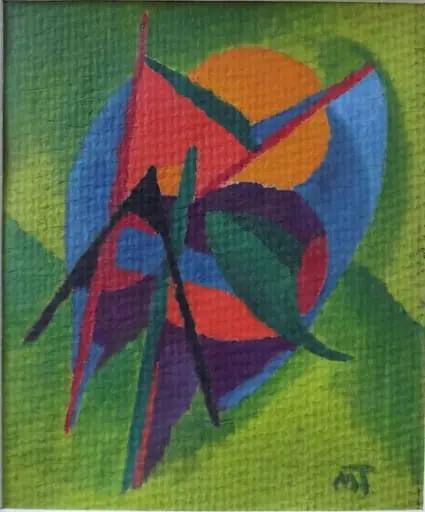 Compoziție
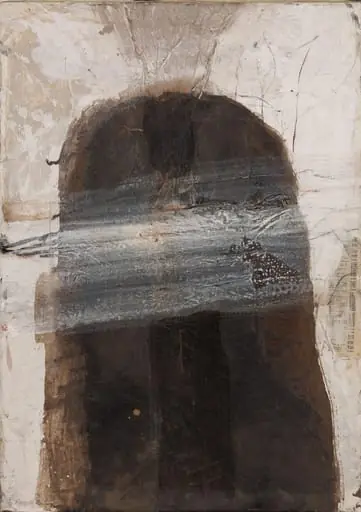 Ερωτικό.
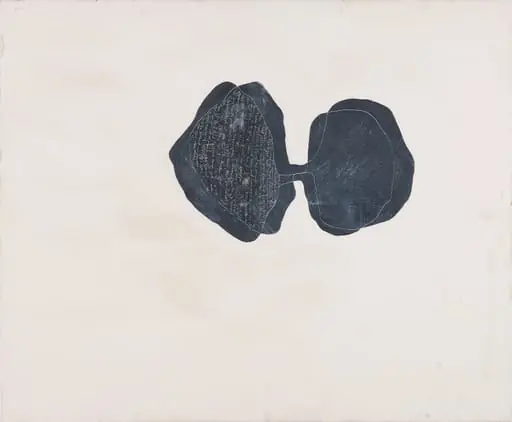 Χωρίς Τίτλο
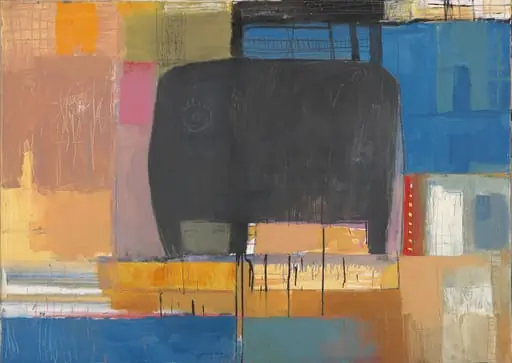 Χωρίς Τίτλο
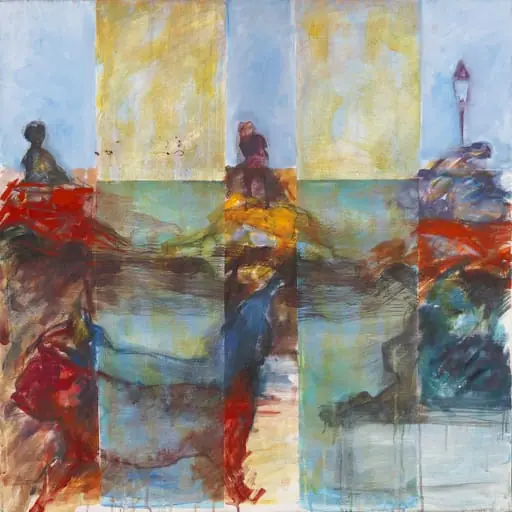 Χωρίς Τίτλο
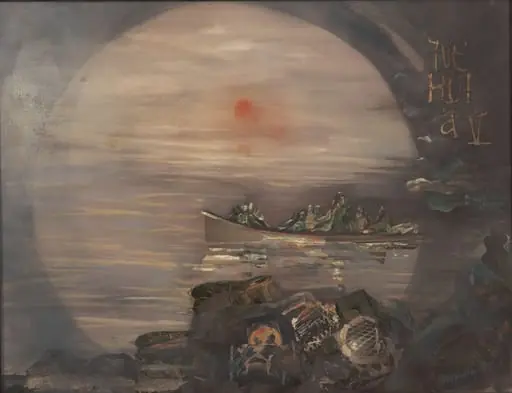 Νέκια V
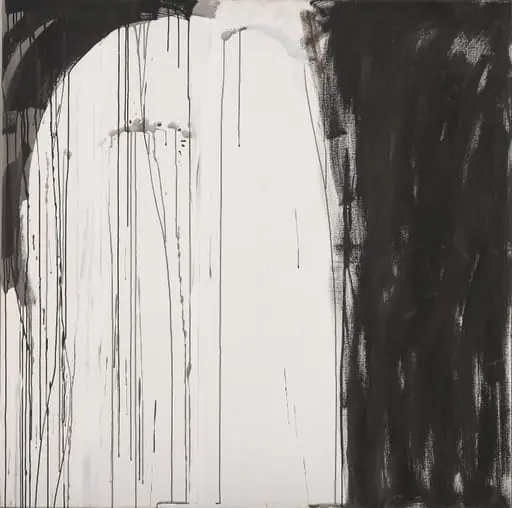 Χωρίς τίτλο
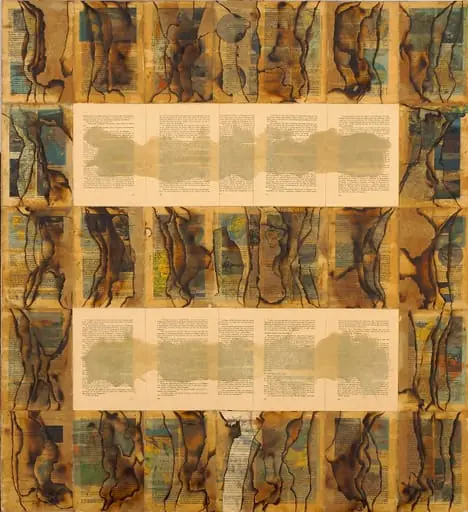 Λόγος
Λόγος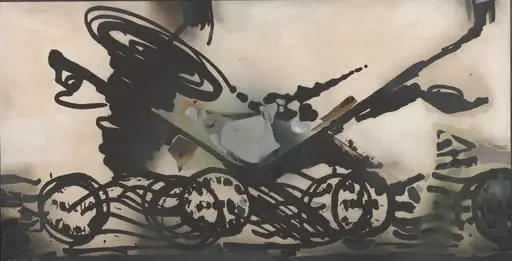 Ερινύα Δ
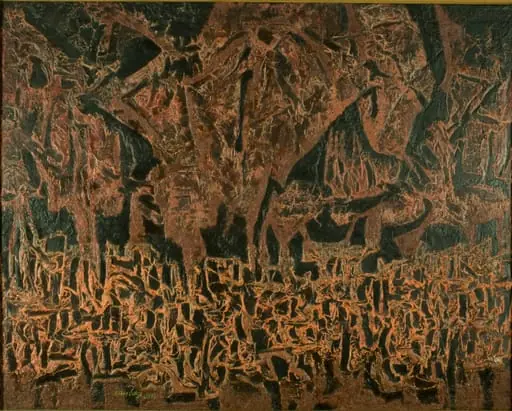 Χωρίς τίτλο
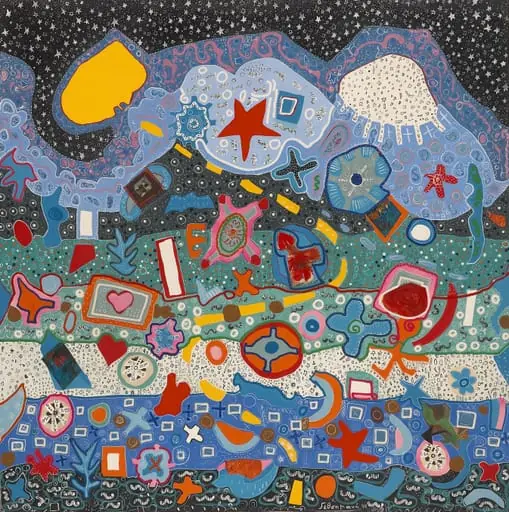 Είναι ευχάριστο να οδηγείς τη νύχτα, αρκεί να έχεις πολλά φώτα.
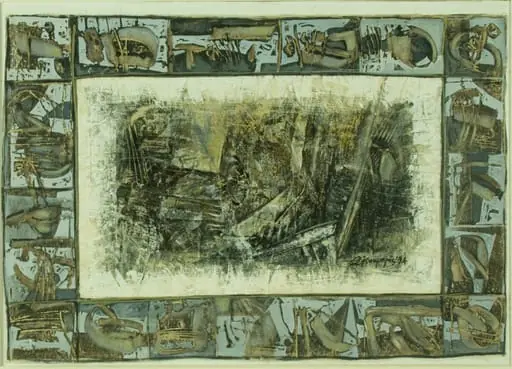 Χωρίς τίτλο
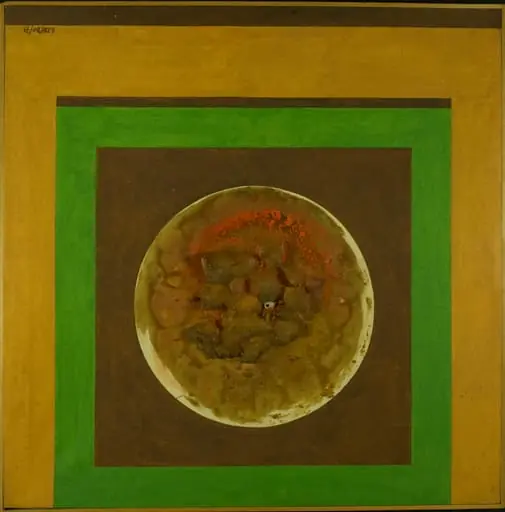 Σύνθεση Β4
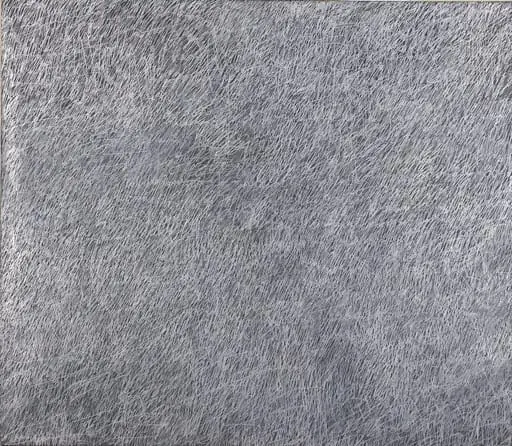 Χωρίς τίτλο
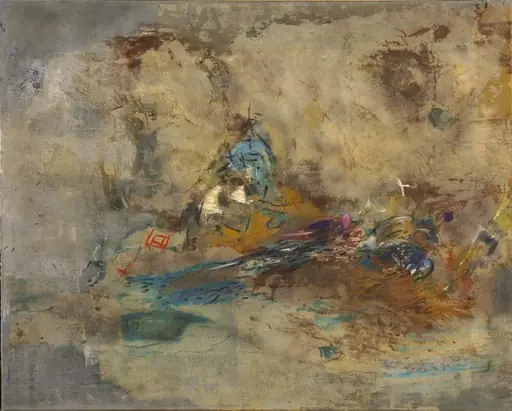 Χωρίς τίτλο
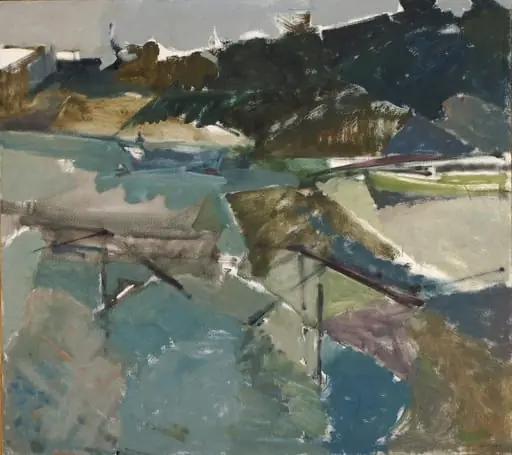 Αρετσού - Χαμόδρακας
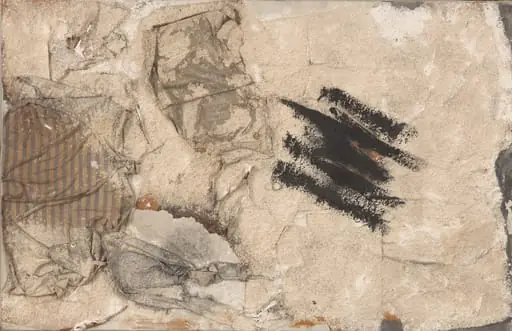 Σύνθεση.
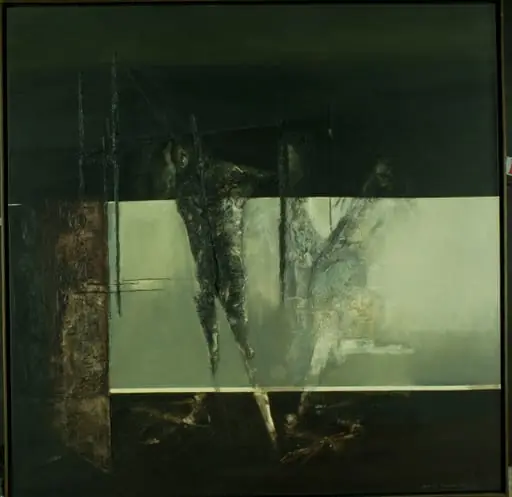 Μορφή σε χώρο
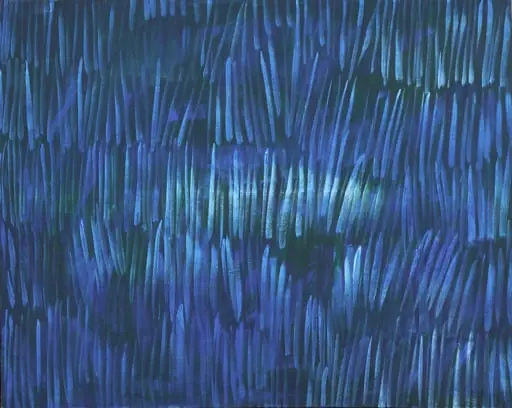 Χωρίς τίτλο
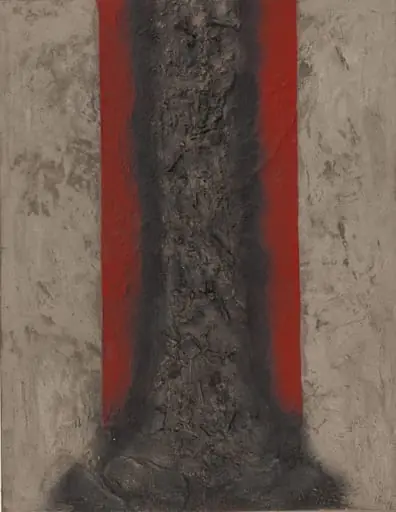 Χωρίς τίτλο
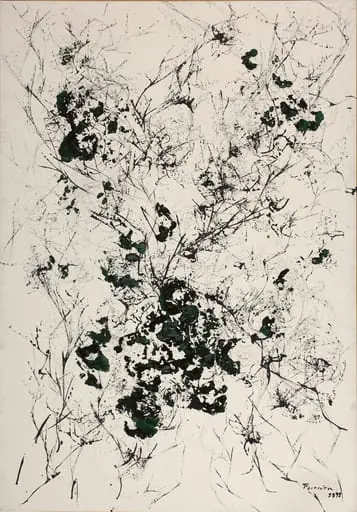 Χρώματα αυτοκινήτου
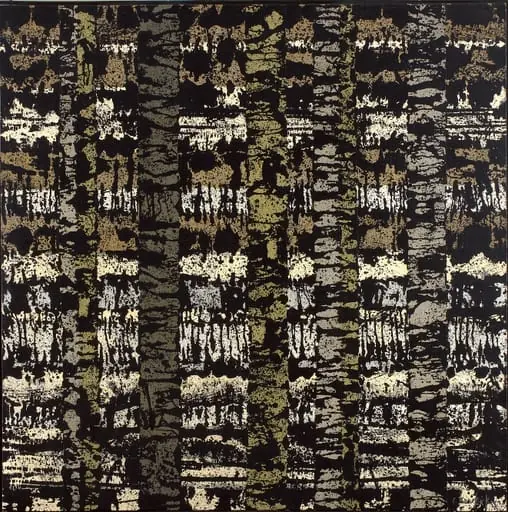 Χωρίς τίτλο
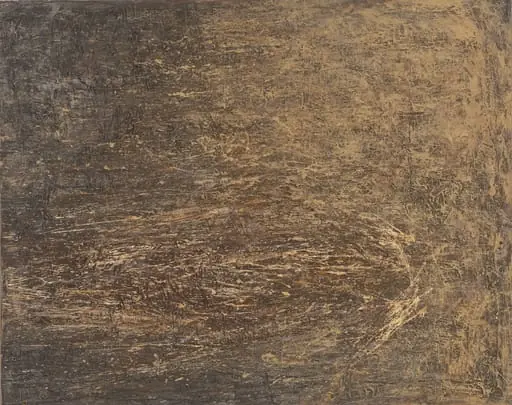 Χωρίς Τίτλο
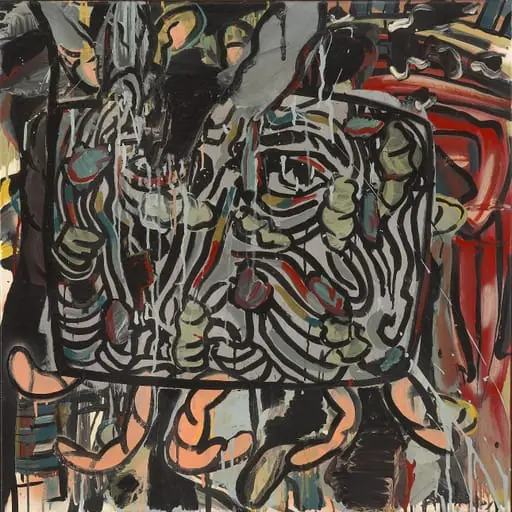 Πλευρική διαδρομή
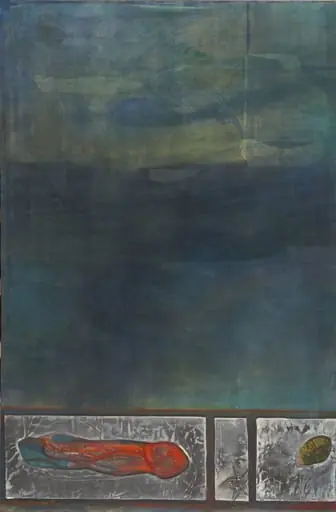 Πεερί φύσεως (του νερού)
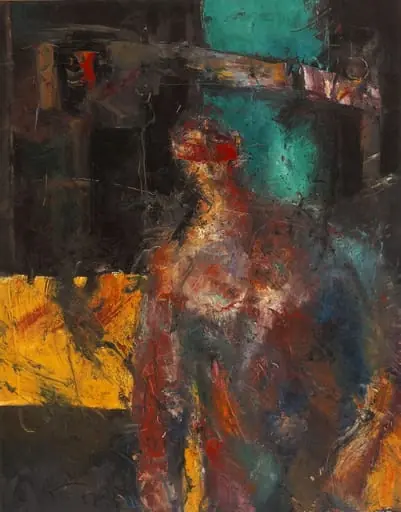 Viator
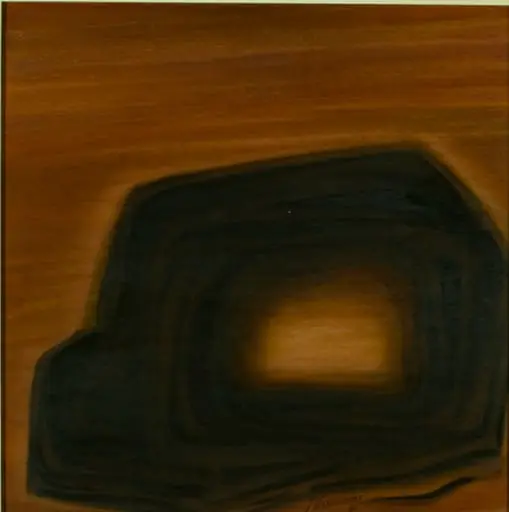 Το τούνελ
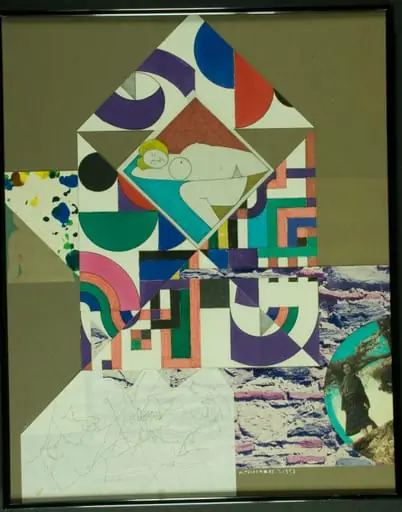 Ερωτική επιστολή
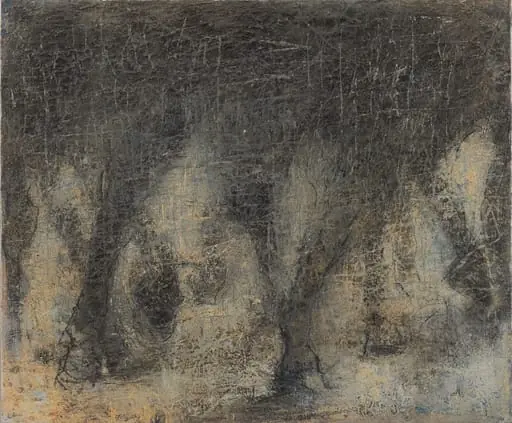 Χωρίς Τίτλο- Ενότητα 3 έργων
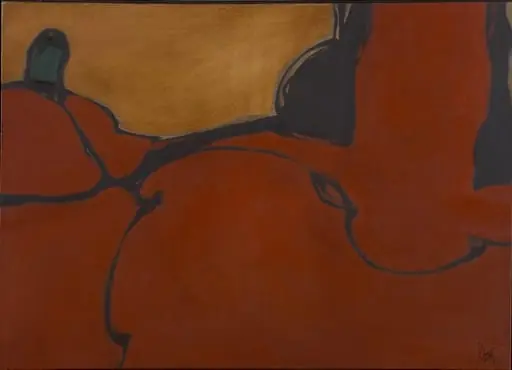 Αναφορά στον Φελίνι.
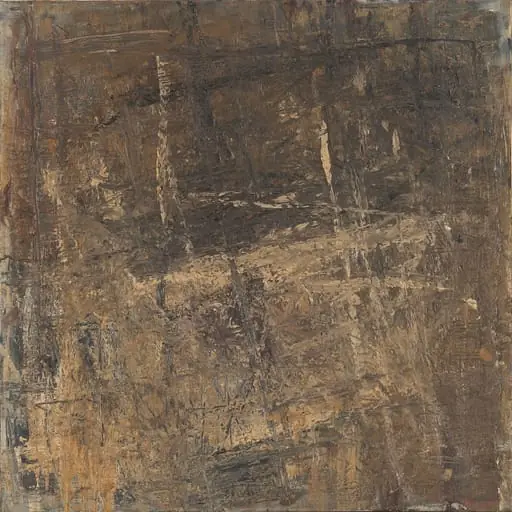 Χωρις Τίτλο
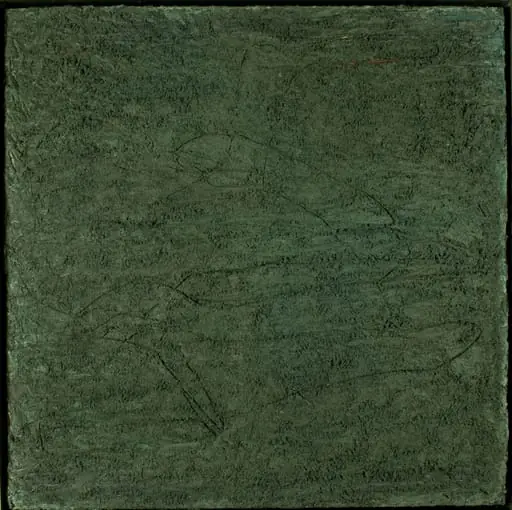 Άτιτλο
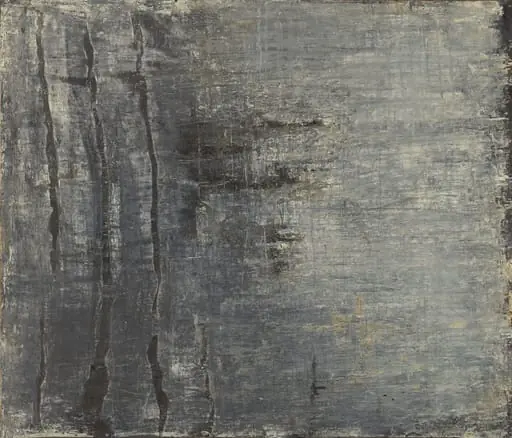 Χωρίς Τίτλο
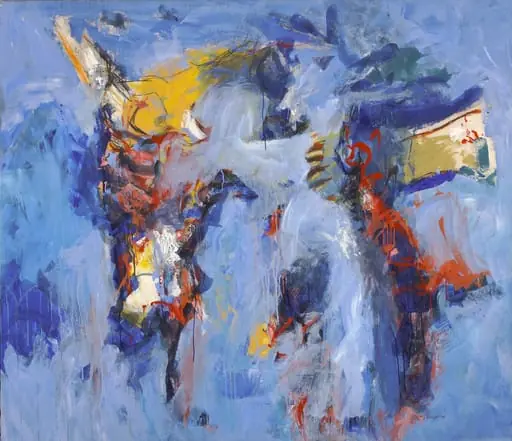 Χωρίς τίτλο
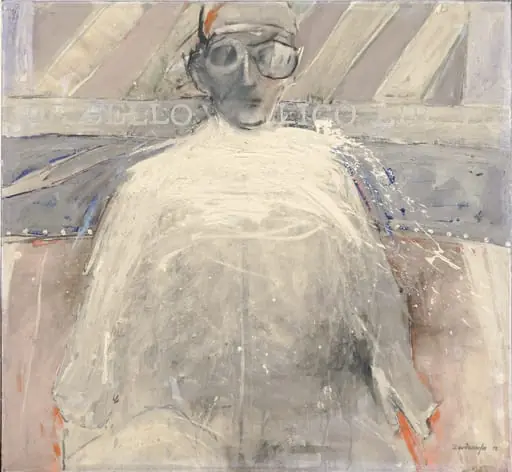 Χωρίς τίτλο
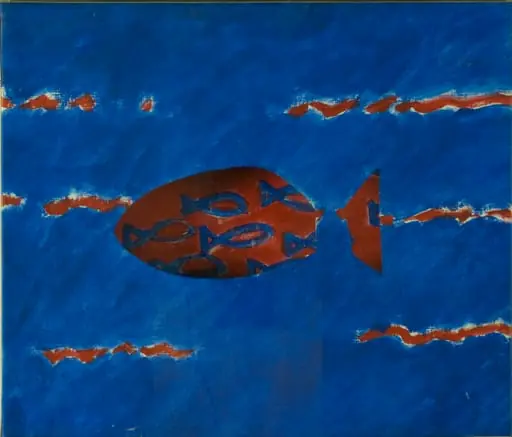 Θάλασσα
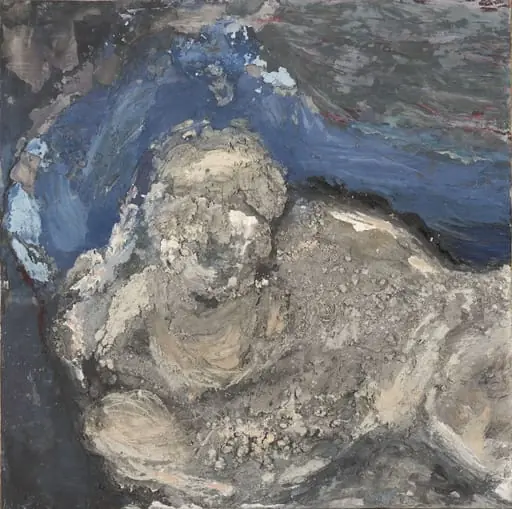 Χωρίς Τίτλο- Ενότητα δυο έργων
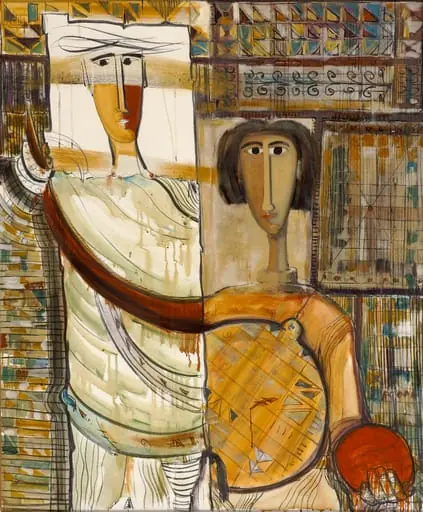 Πέρασμα μέσα από το χρόνο
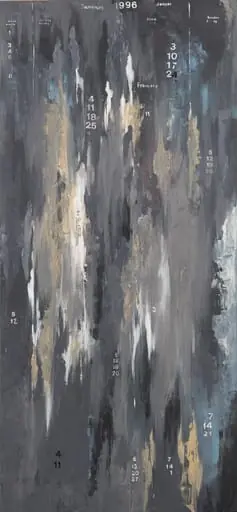 Χωρίς Τίτλο
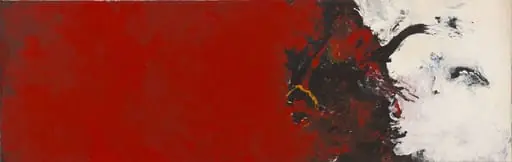 Χωρίς τίτλο
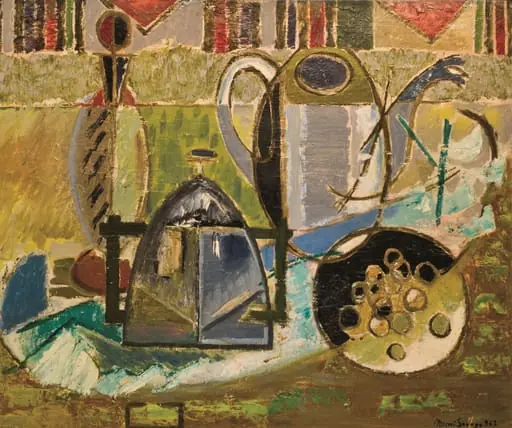 Natură statică
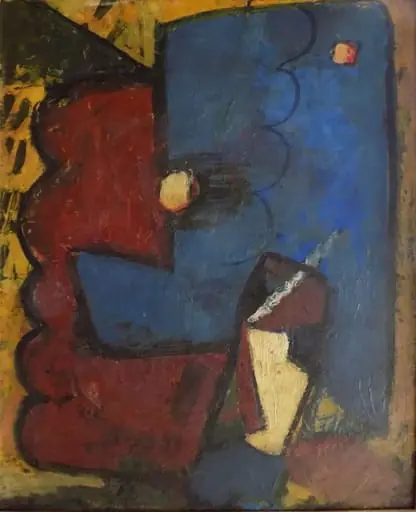 Compoziție
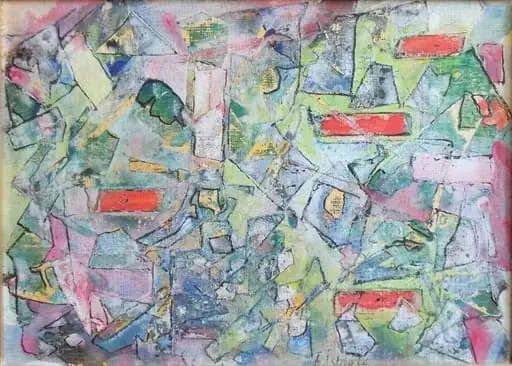 Compozitie
Frequently asked questions
What is Abstract Art?
Abstract art uses visual language of shape, form, color, and line to create a composition which may exist with a degree of independence from visual references in the world.
How many Abstract Art works does Artifact World Gallery have?
Artifact World Gallery holds 43 public-domain Abstract Art works, all free to view and download.
Who are the key Abstract Art artists?
Key Abstract Art artists in the collection include Marcel Iancu, János Mattis-Teutsch and Vassiliki Boukoni.
Where can I see Abstract Art works?
Abstract Art works in the collection are held by Metropolitan Organisation of Museums of Visual Arts of Thessaloniki – MOMus and Bucharest Municipality Museum.