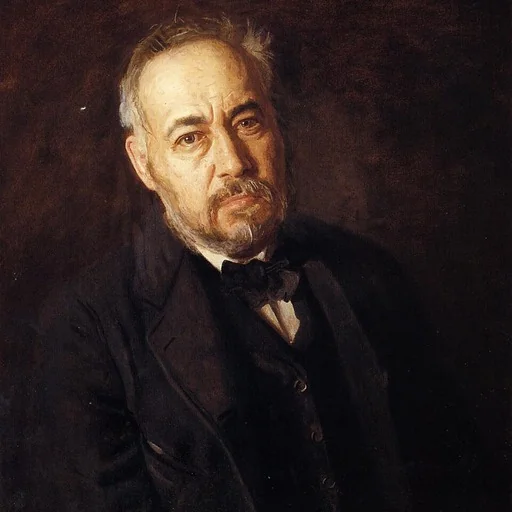
Subject
Writing
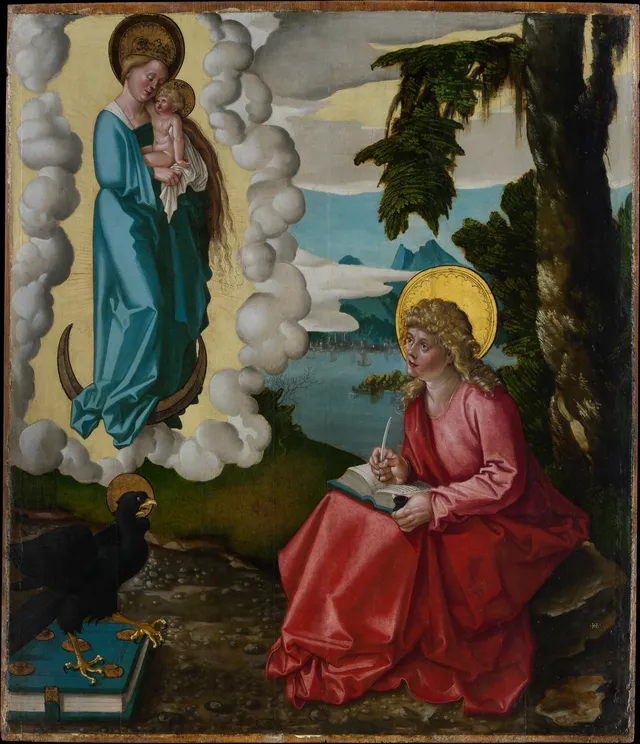
Writing is a subject in art. The gallery holds 182 works in this subject in art, including works by Thomas Eakins, Francis William Edmonds and William Sidney Mount.
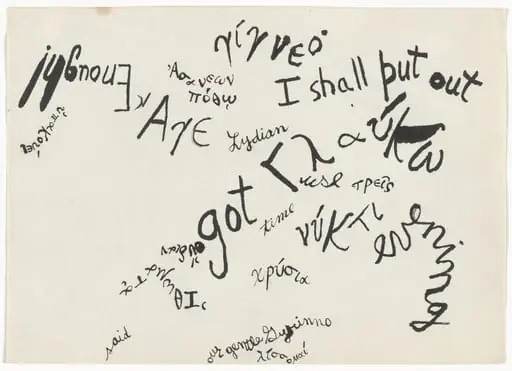
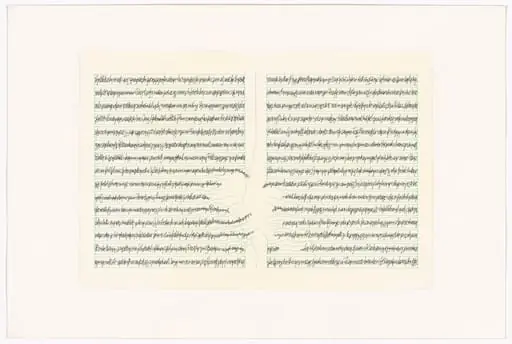
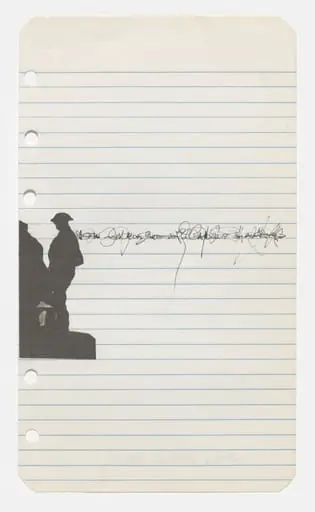
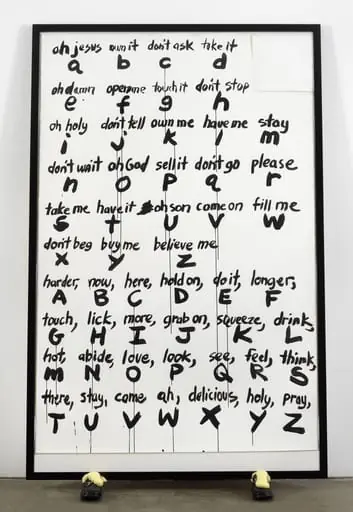
Writing is the act of creating a persistent, usually visual representation of language on a surface. As a structured system of communication, writing is also known as written language.
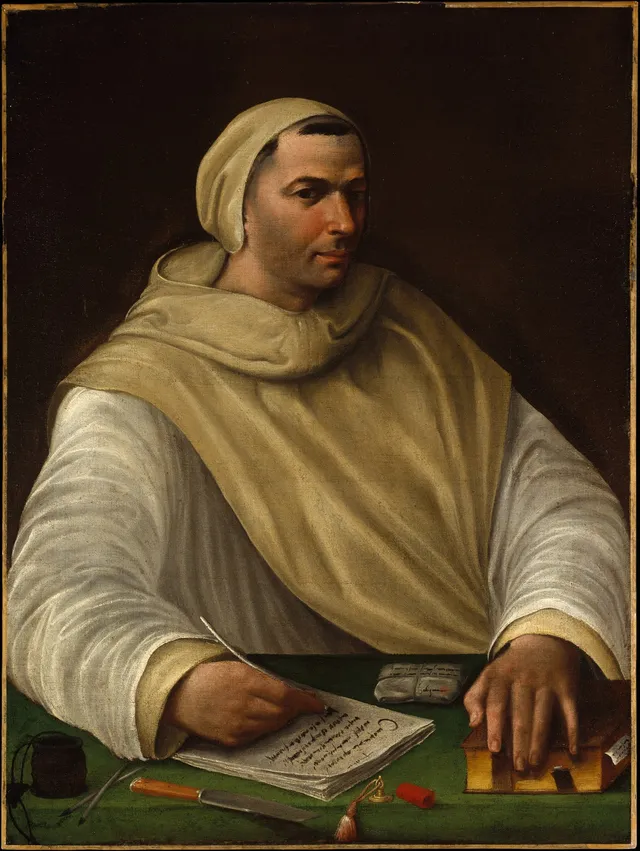
Key artists

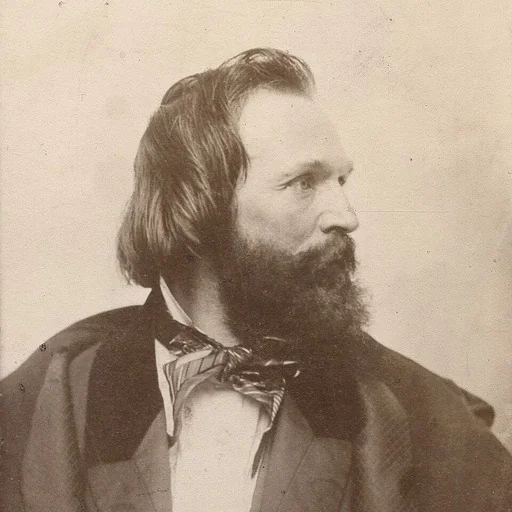
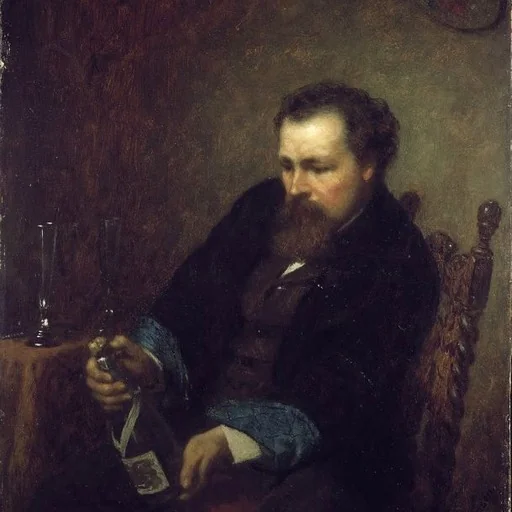
Overview
Writing is the act of creating a persistent, usually visual representation of language on a surface. As a structured system of communication, it is also known as written language, involving a complex interaction among available tools, intentions, cultural customs, and cognitive routines. The physical output of this neuropsychological and physical activity is a text, a series of inscribed, transferred, or digitally represented symbols. While the use of spoken language is universal across human societies, most spoken languages are not written, making writing a distinct cultural technology. In art, the motif of writing recurs because it externalizes human thought, allowing knowledge to be recorded, transmitted across space, and stored for future reading, fundamentally changing human relationships with information.
Iconography & meaning
The iconography of writing in art centers on the physical tools and surfaces used to inscribe language, as well as the social and cognitive significance of the act itself. Implements such as styluses, ink brushes, pens, and pencils, alongside surfaces like stone tablets, clay, papyrus, vellum, parchment, and paper, serve as visual attributes of the scribe and the intellectual act. The form of the script itself can be an artistic expression, as seen in calligraphy, where the visual quality of the handwriting carries meaning independent of the text. Beyond the visual, writing represents the externalization of memory and intellect, symbolizing the transition from prehistory to history, the codification of law, and the diffusion of sacred or foundational knowledge.
Across movements & periods
The treatment of writing in art has shifted alongside the historical evolution of writing technologies and social practices. In antiquity, writing was a specialized skill reserved for a professional class of scribes, a status that persisted in many regions until the introduction of general compulsory education. During the Middle Ages, the ability to write was largely confined to the clergy and the nobility, though artisans and the emerging middle class gradually adopted basic literacy for administrative purposes. The invention of the printing press, the rise of Protestantism, and the Renaissance expanded literacy across broader social strata. Later, the advent of the typewriter and digital word processors revolutionized the visual consistency and mechanical production of text, shifting the artistic depiction of writing from manual script and calligraphy to the standardized, mechanically reproduced page.
Legacy
The legacy of writing as a cultural motif continues to evolve alongside technological advancements. The global spread of digital communication systems, such as email and social media, has made writing an increasingly pervasive feature of daily life, mixing with older technologies like paper and whiteboards. In modern workplaces, written documentation constitutes the primary mode of work itself, extending beyond traditional writing professions. Furthermore, early advancements in natural language processing have led to software capable of generating formulaic writing, while recent generative pre-trained transformers can produce longer, register-appropriate texts from a prompt. This ongoing digital revolution ensures that the visual and conceptual representation of writing remains a dynamic subject, reflecting humanity's continued reliance on externalized, durable records of language.
Works
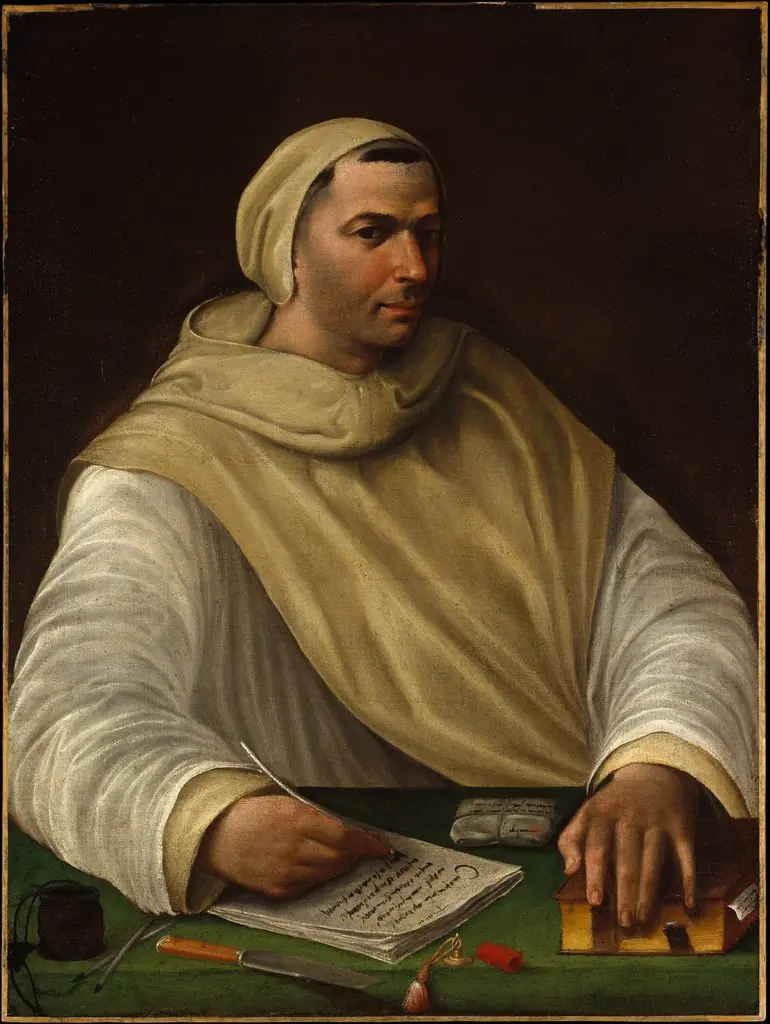 Portrait of an Olivetan Monk
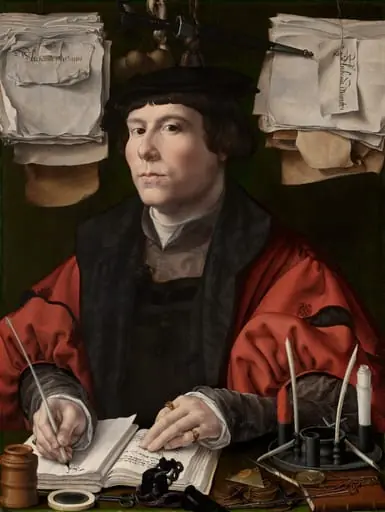 Portrait of a Man, possibly Jan Snoeck
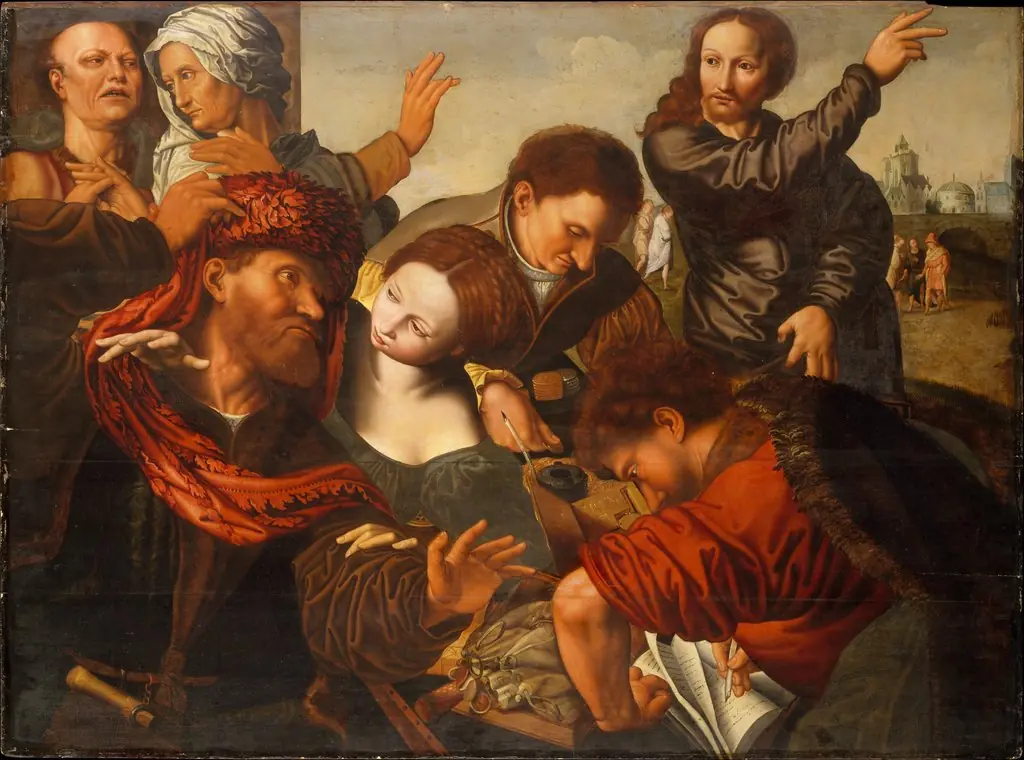 The Calling of Saint Matthew
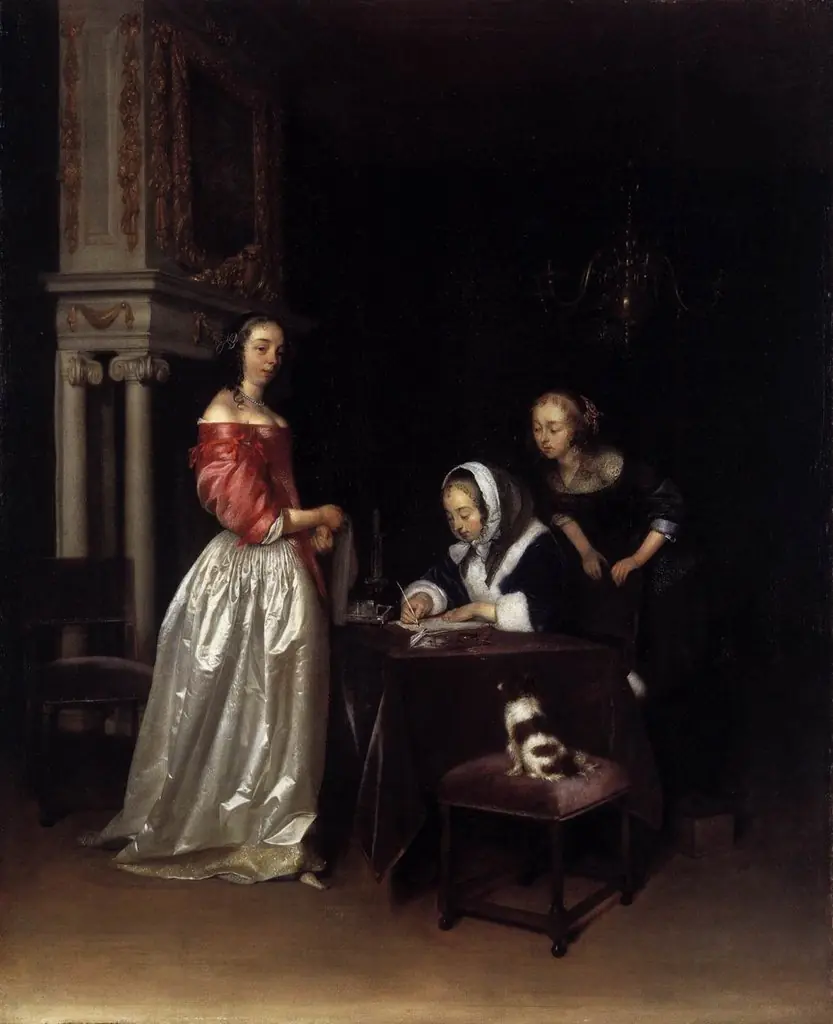 The Curious
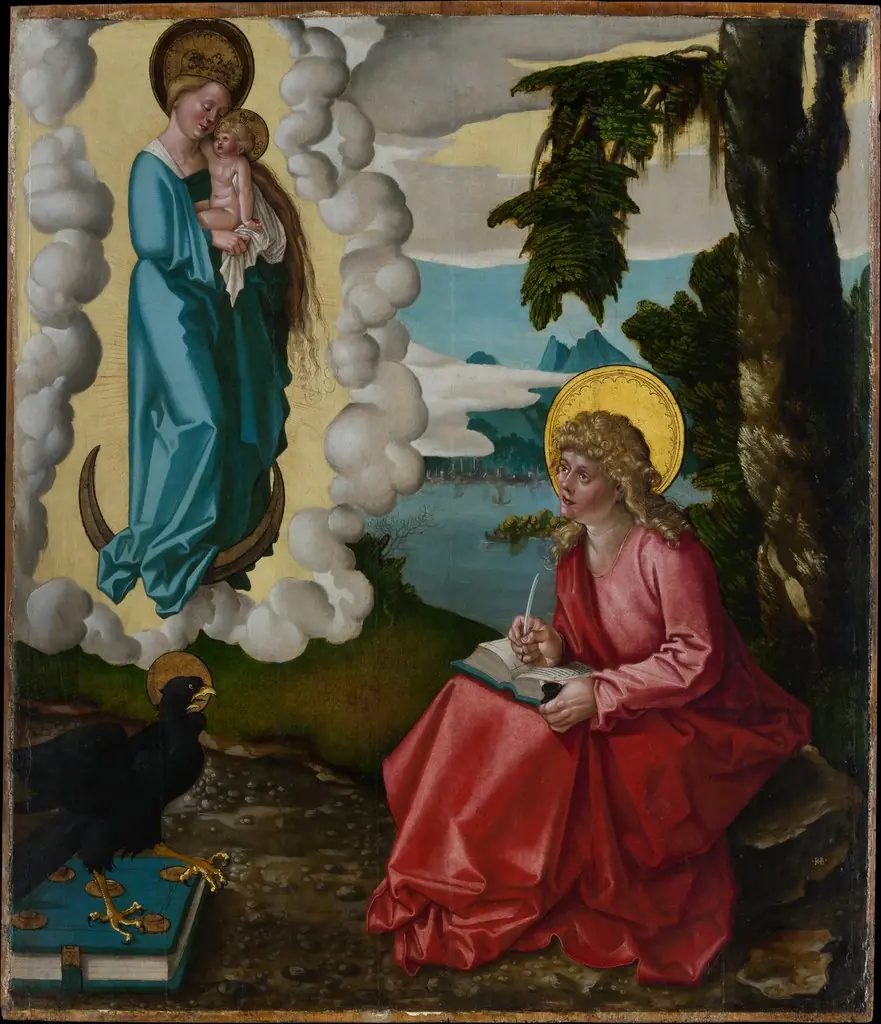 Saint John on Patmos
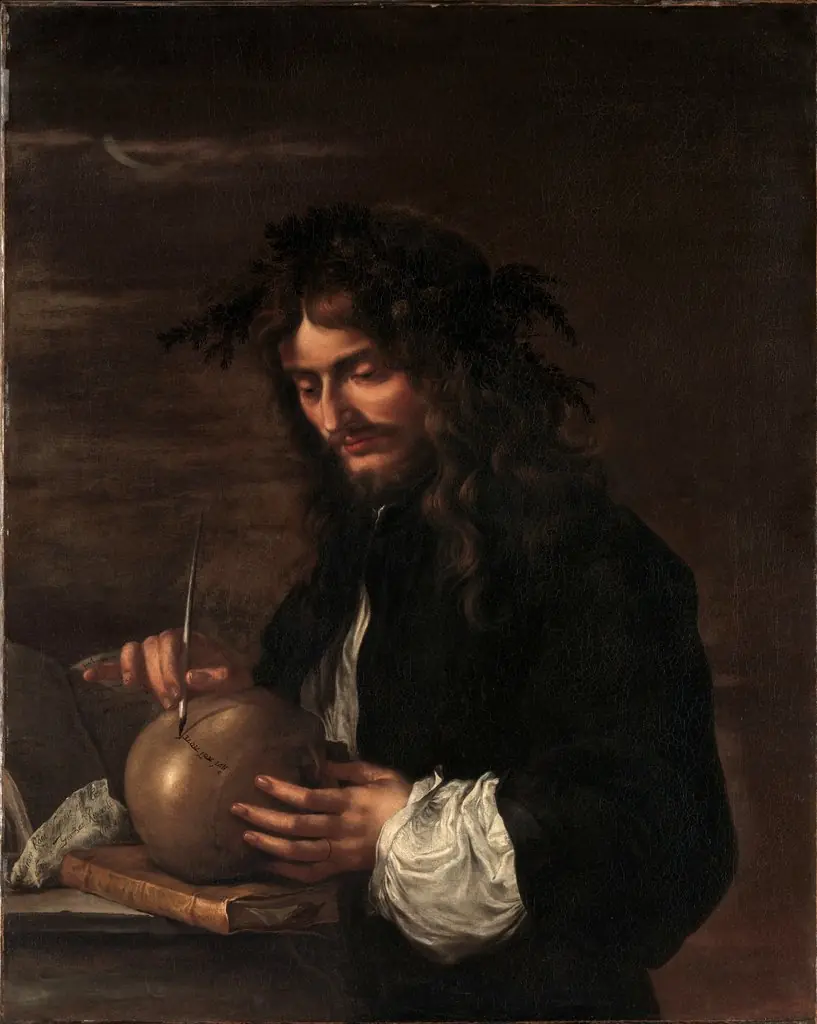 Self-Portrait
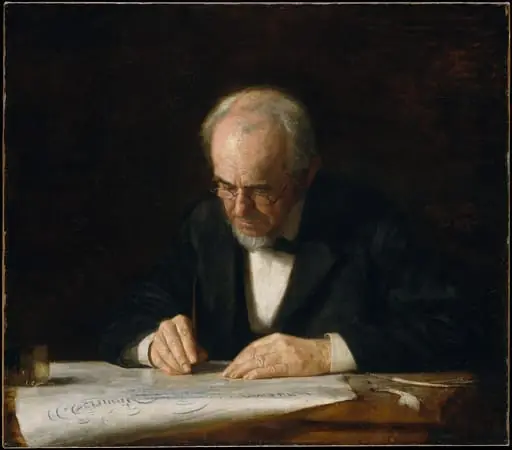 The Writing Master
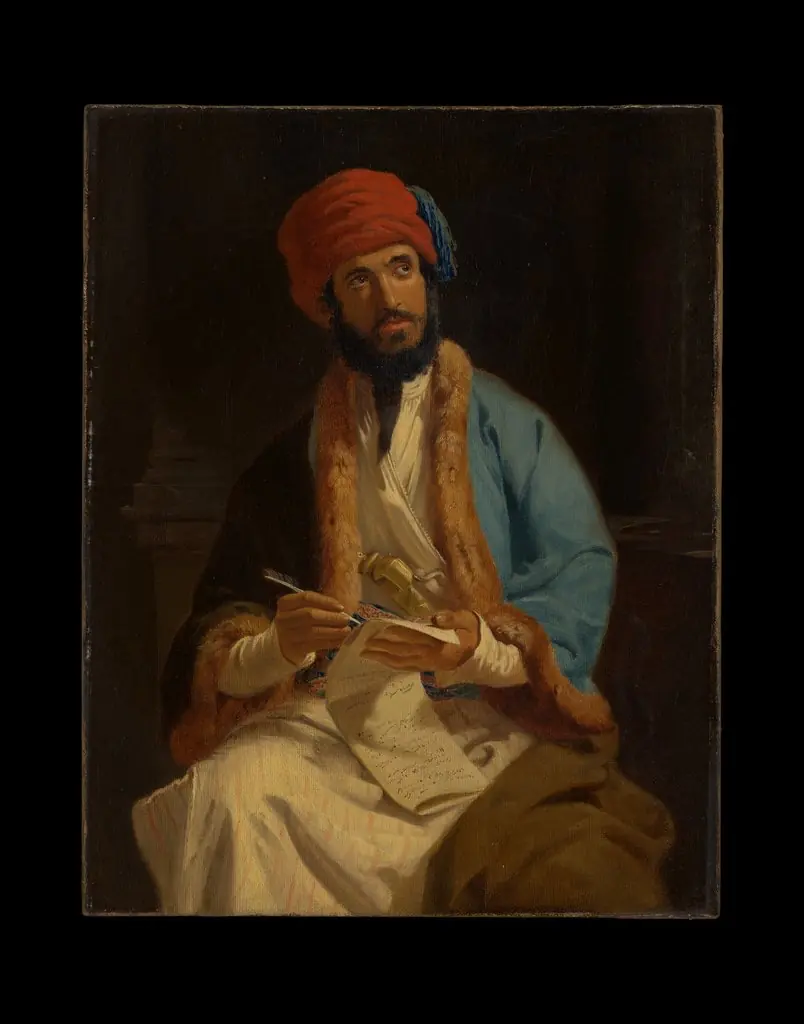 The Arab Sage
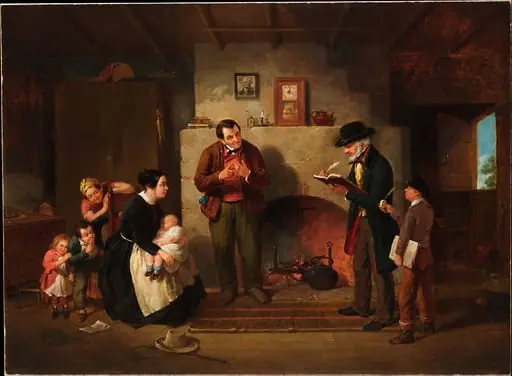 Taking the Census
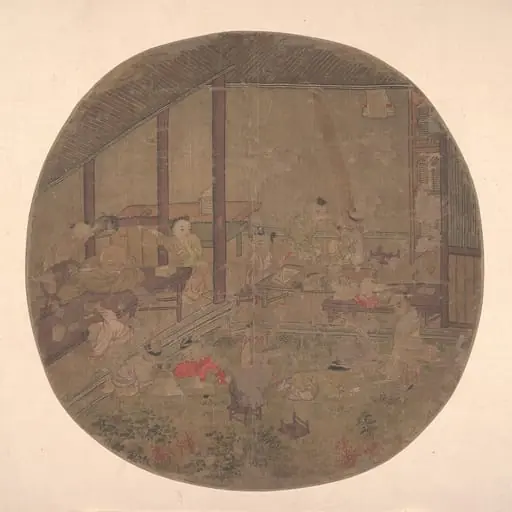 Untitled
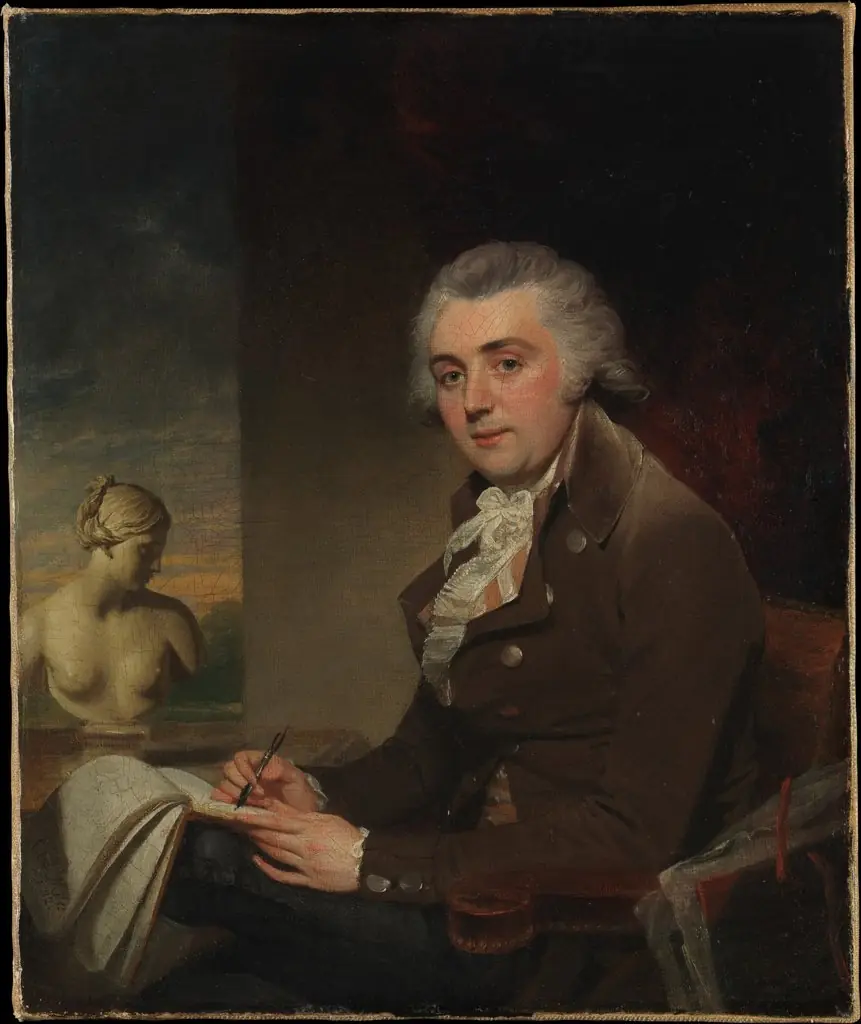 Edward Miles (1752–1828)
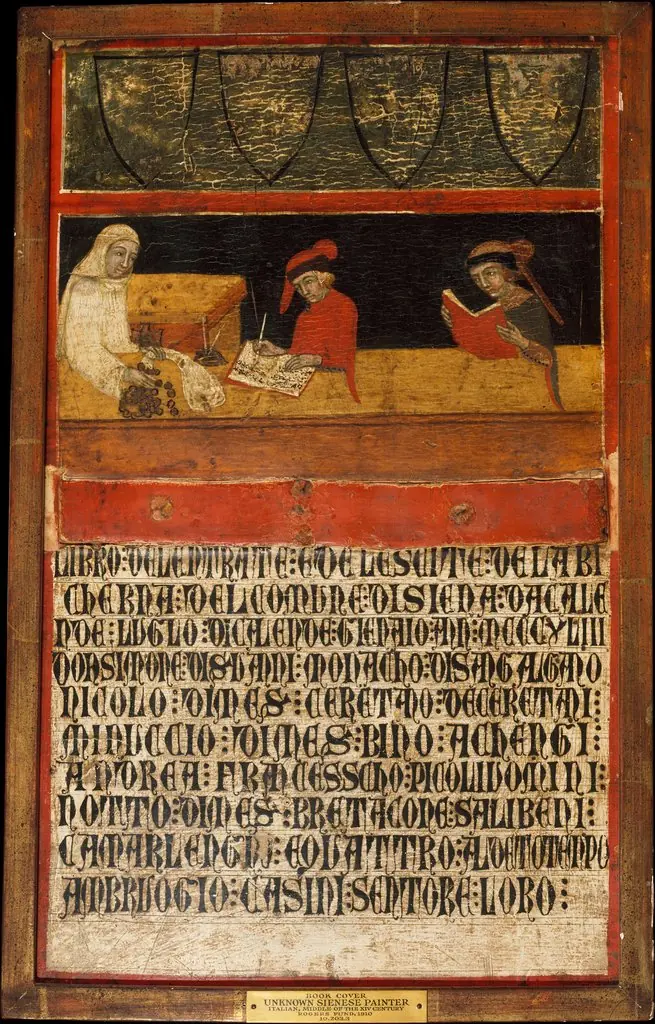 Book Cover
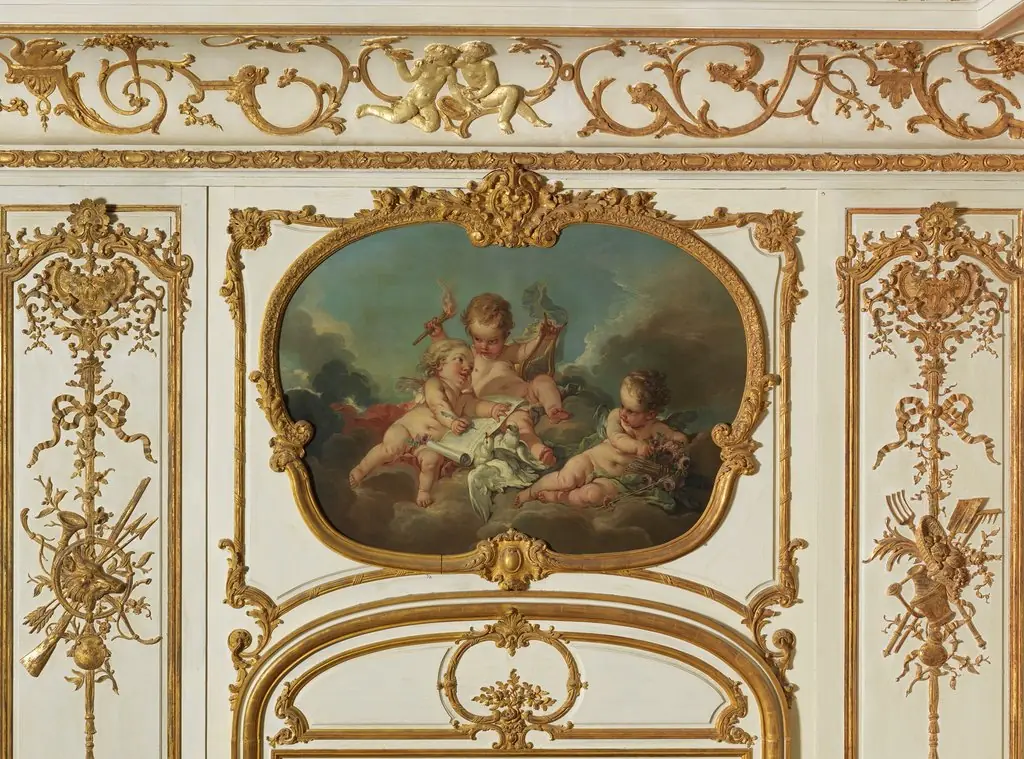 Allegory of Lyric Poetry
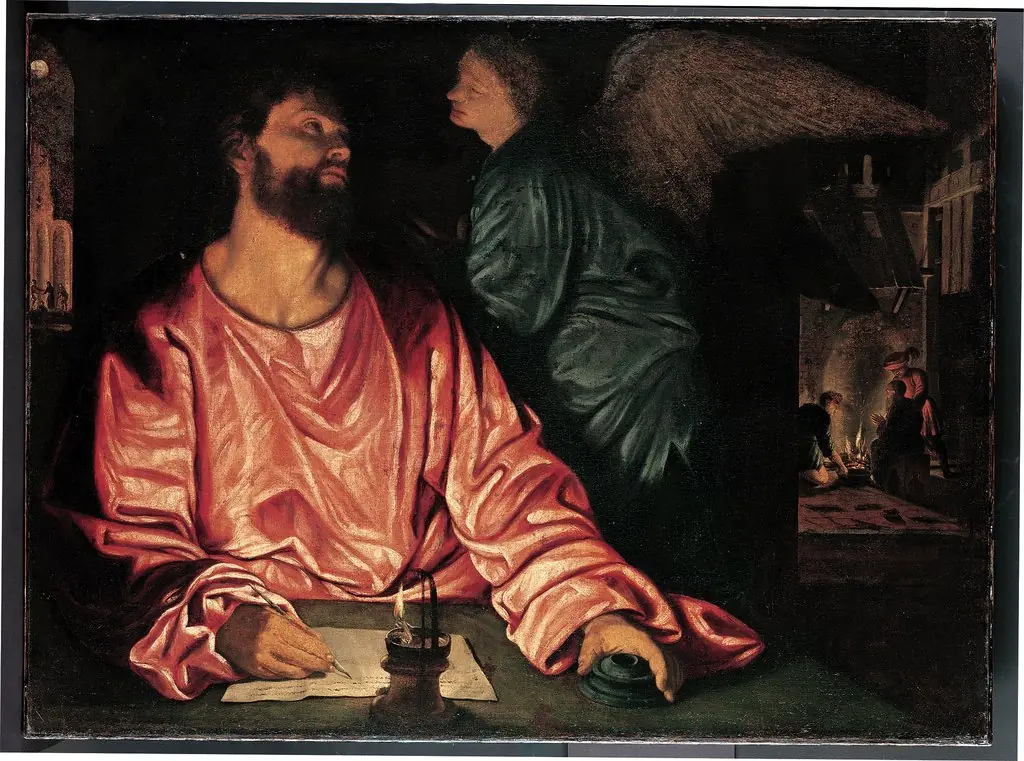 Saint Matthew and the Angel
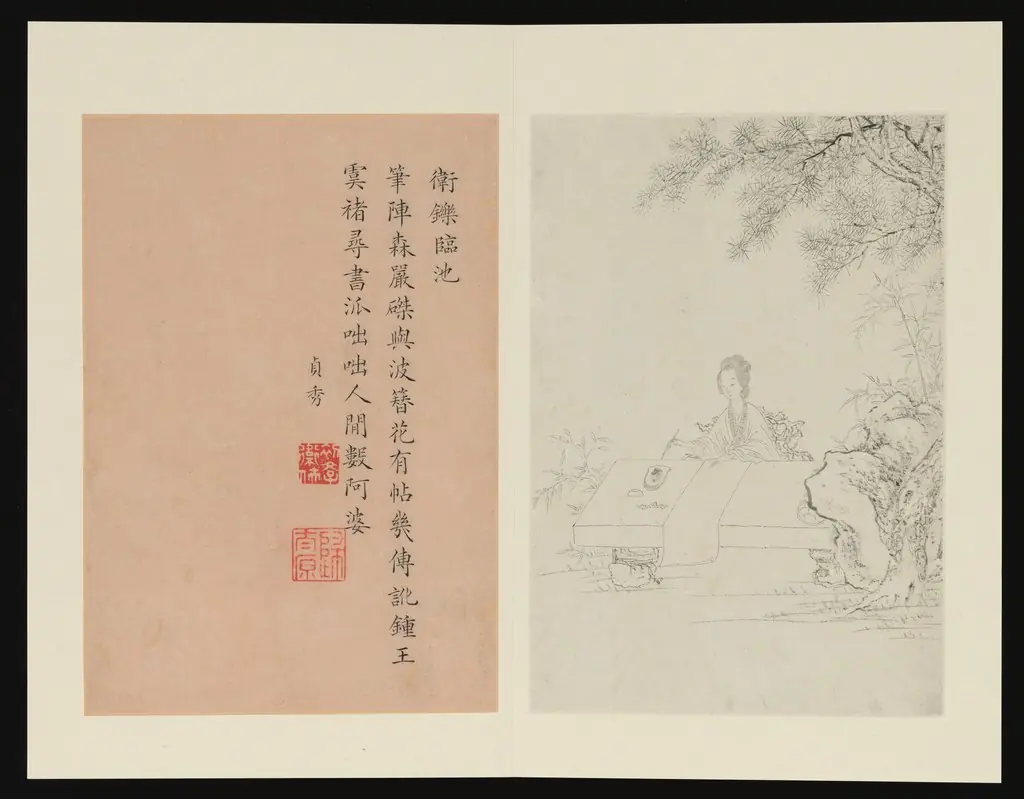 Famous Women
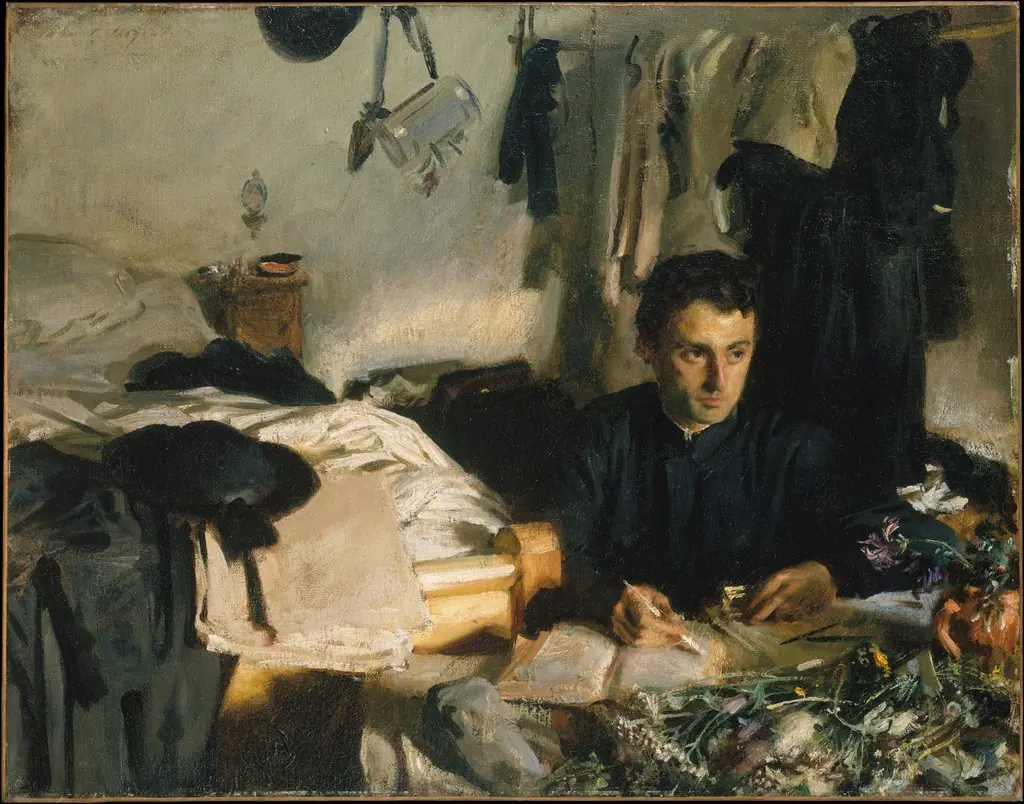 Padre Sebastiano
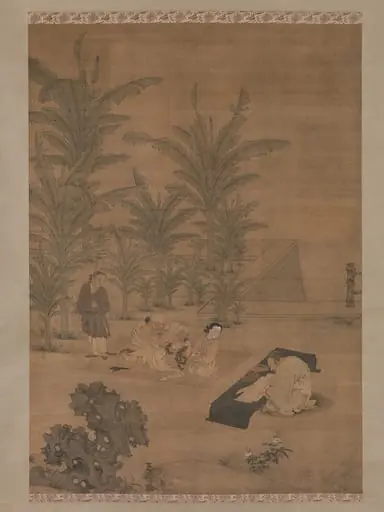 明 杜堇 伏生授經圖 軸|The Scholar Fu Sheng Transmitting the Book of Documents
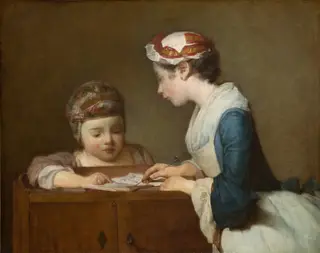 The Little Schoolmistress
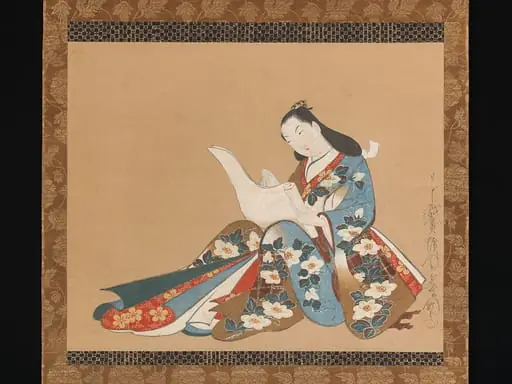 懐月堂度辰筆 文を書く遊女図|Courtesan Writing a Letter
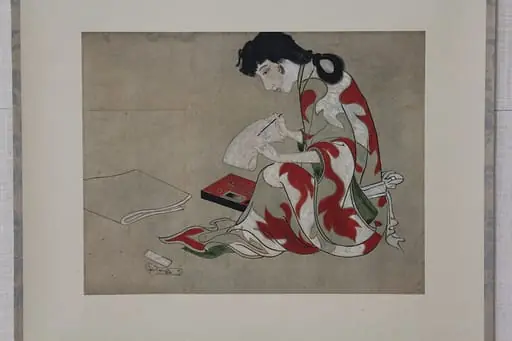 Untitled
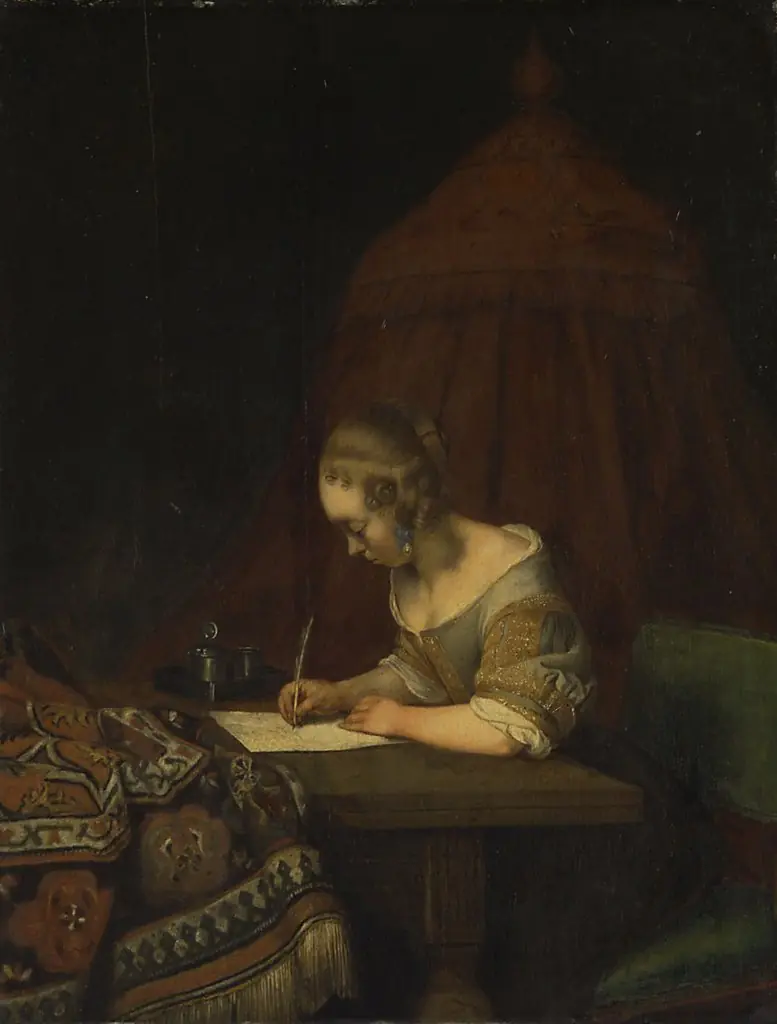 A woman writing a letter
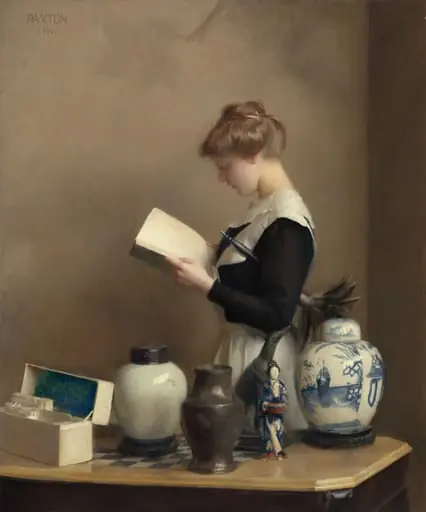 The House Maid
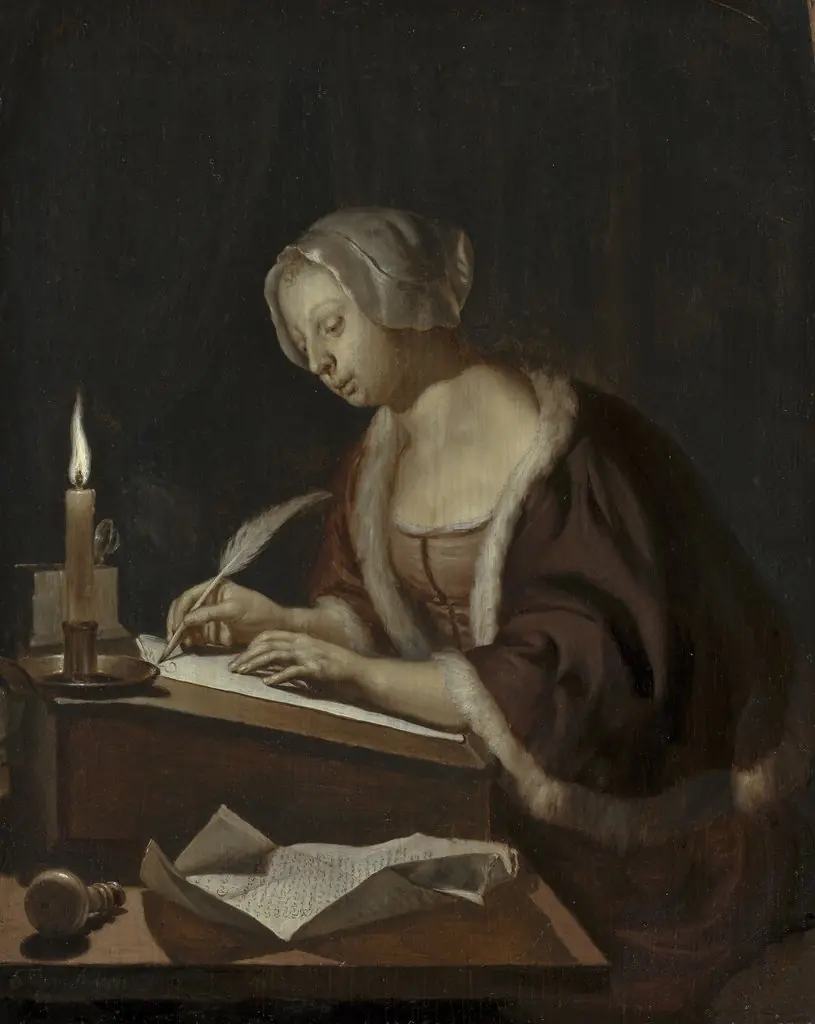 A Young Woman Writing a Letter
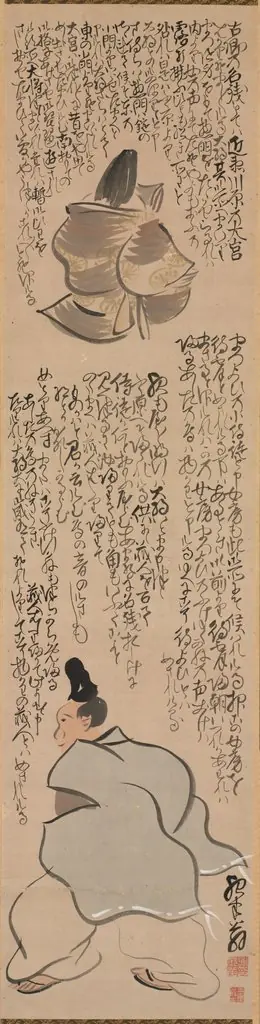 Figures with Calligraphy of a Passage from the "Heike Monogatari" ("The Tales of Heike")
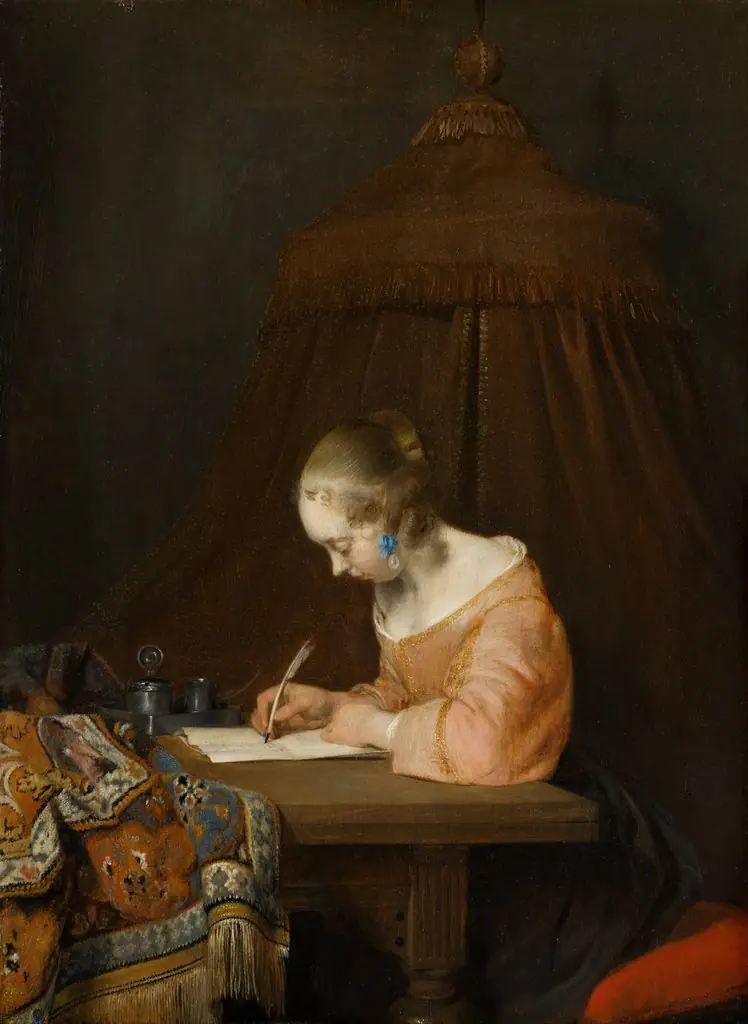 Woman writing a letter
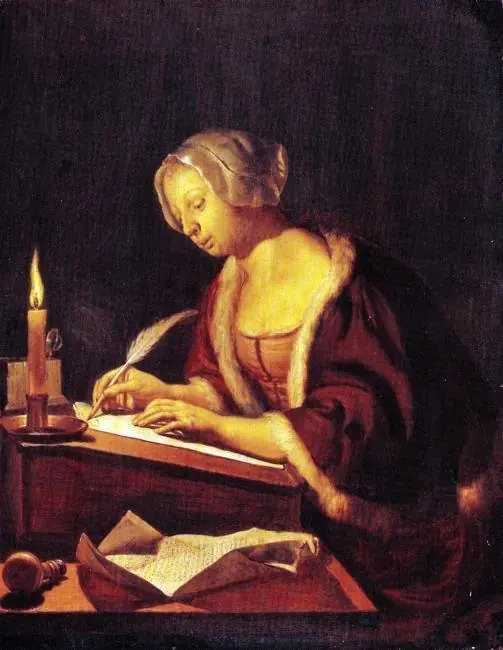 Young Woman Writing a Letter
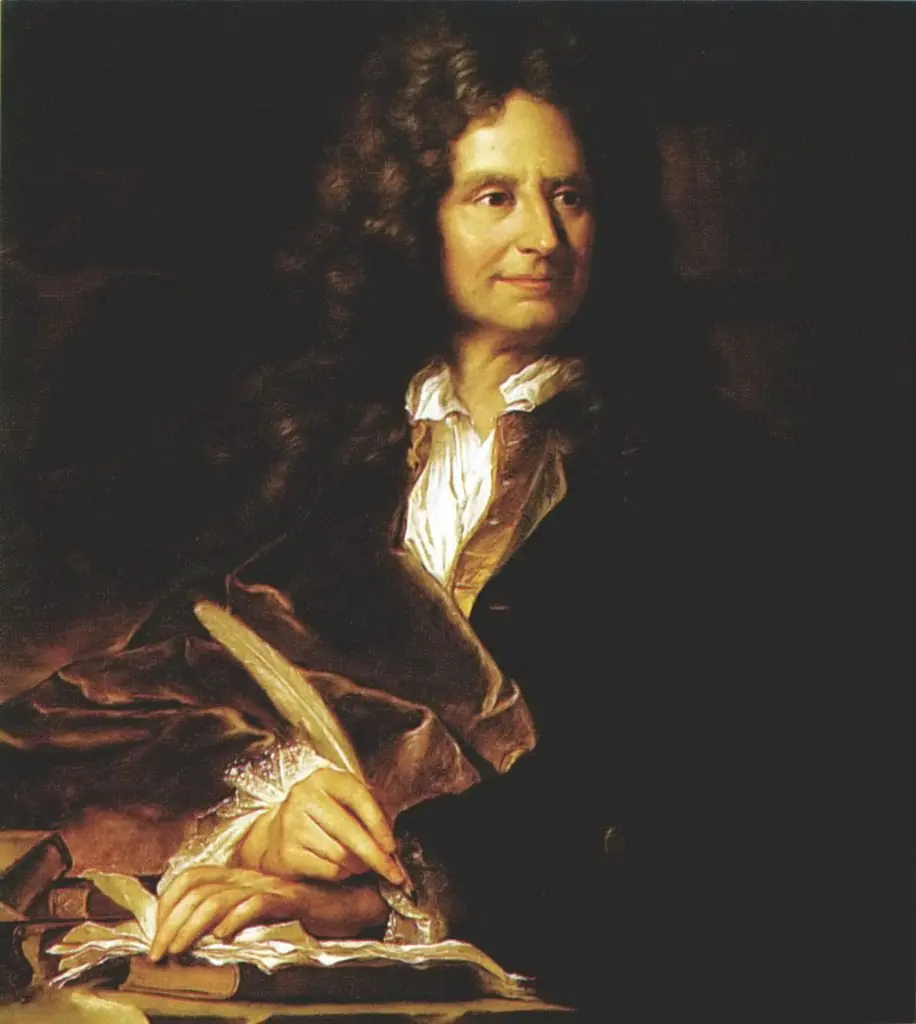 Nicolas Boileau-Despréaux
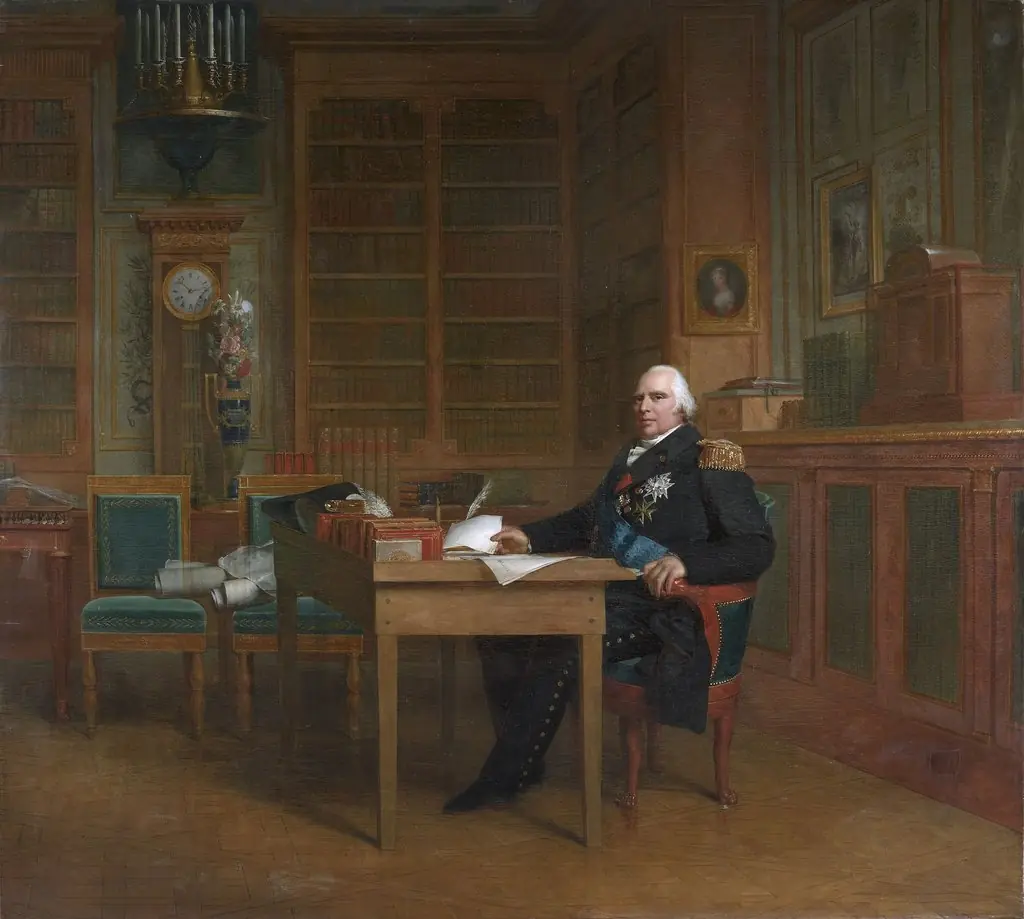 Louis XVIII in his study at the Tuileries
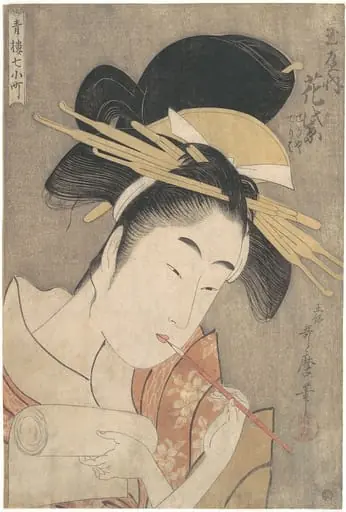 『青楼七小町』 「玉屋内花紫」|“Hanamurasaki of the Tamaya,” from the series Seven Komachi of the Pleasure Quarters (Seirō Nana Komachi)
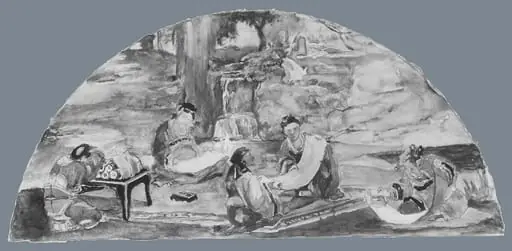 The Recording of Precedents: Confucius and His Pupils Collate and Transcribe Documents in Their Favorite Grove; Color Study for Mural, Supreme Court Room, Minnesota State Capitol, Saint Paul
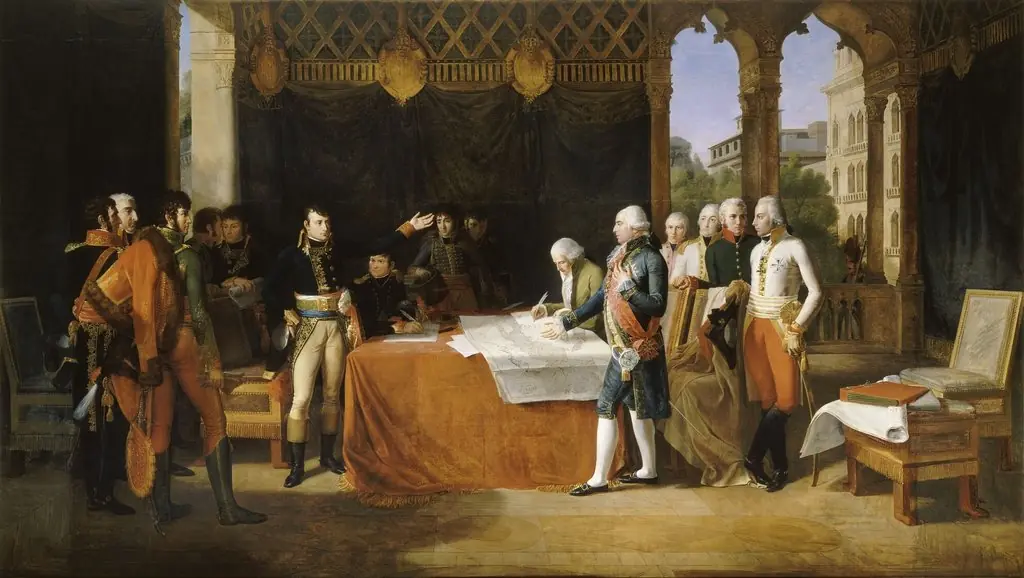 Treaty of Loeben, April 17, 1797
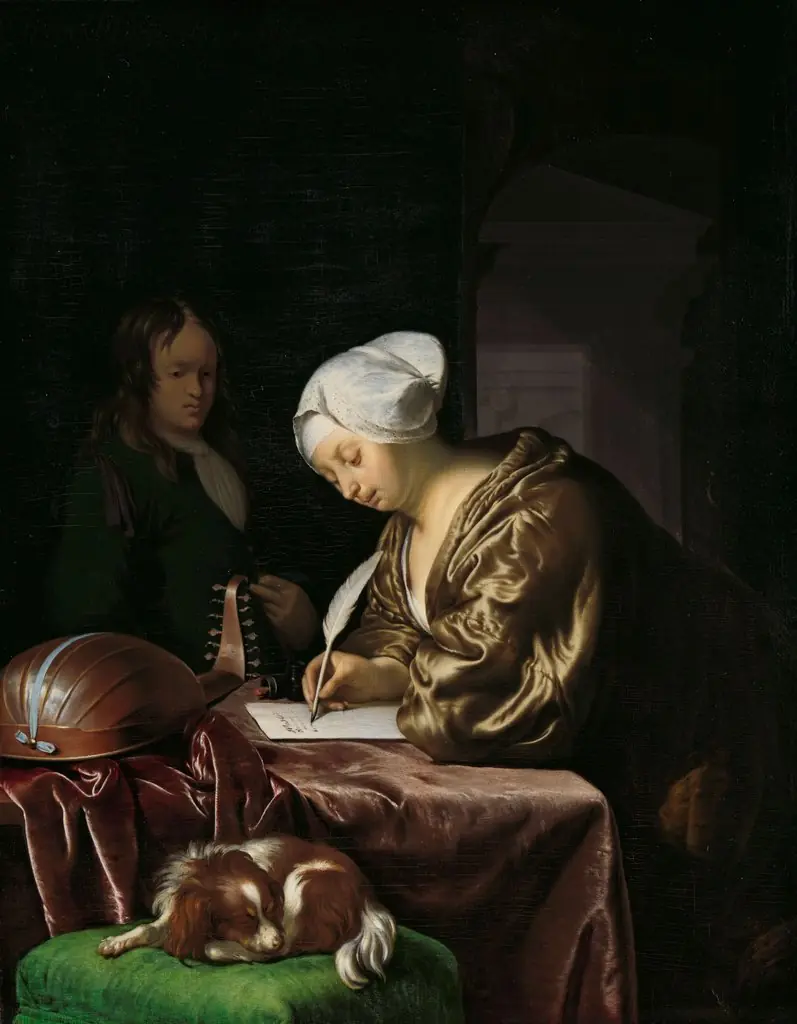 The Letter Writer
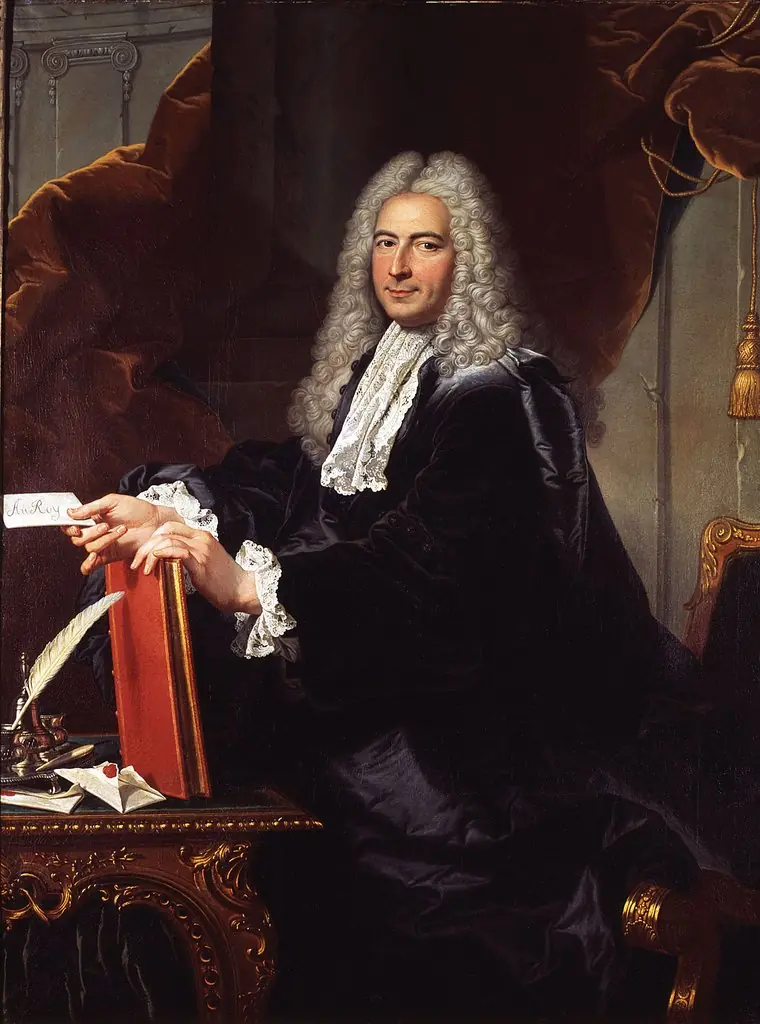 Philibert Orry (1689-1747)
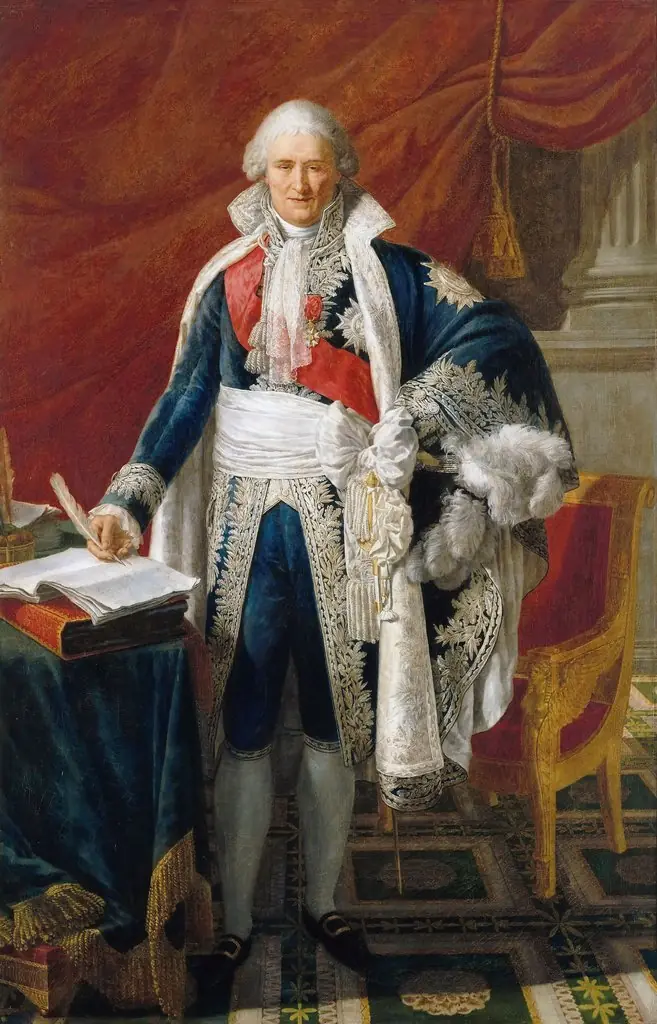 Jean-Etienne-Marie, Count Portalis, Minister of Worship (1749-1807)
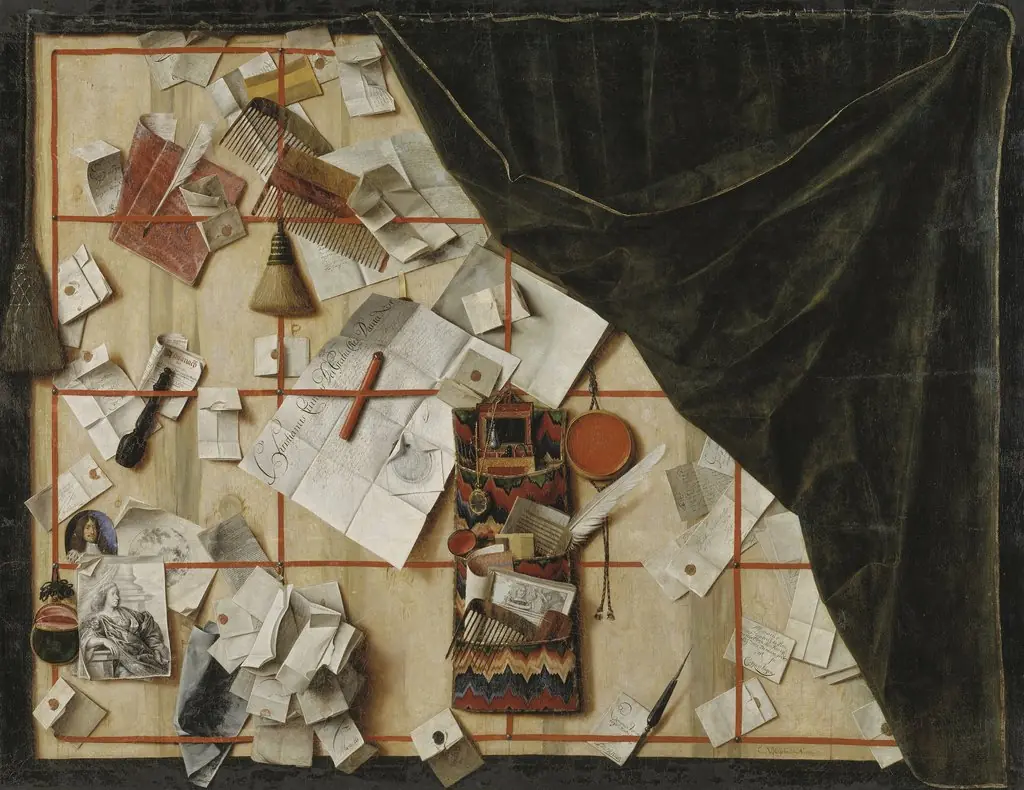 Trompe l'oeil of a Letter Rack with Christian V's Proclamation
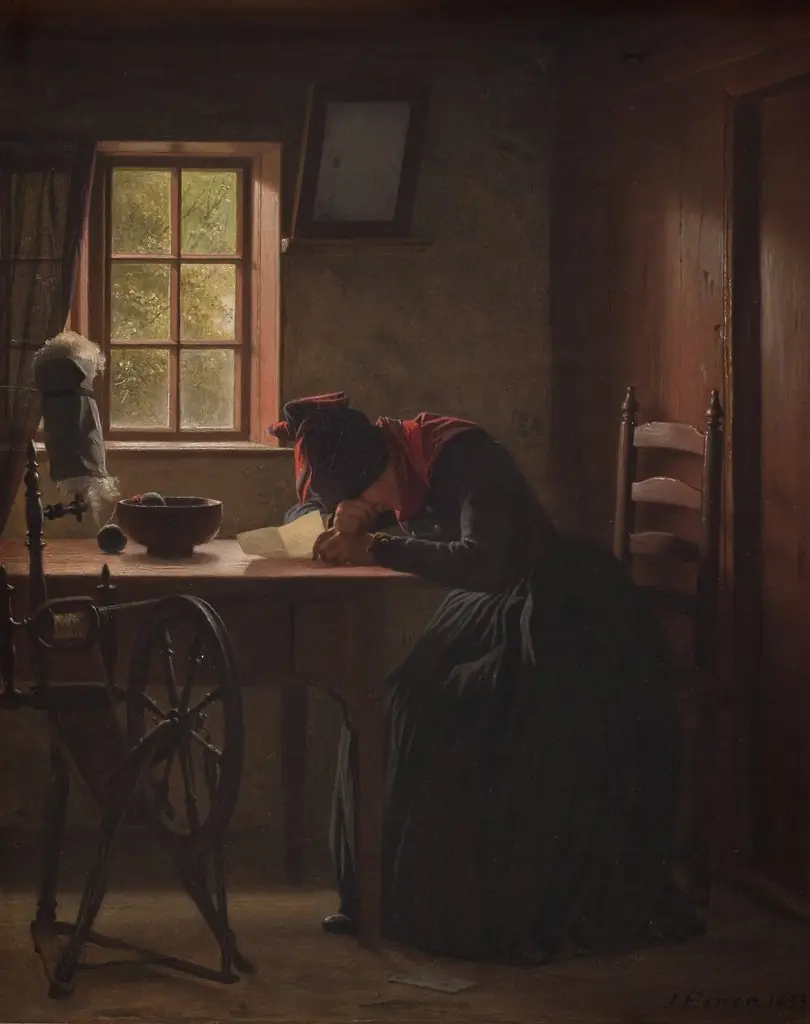 Et telegram
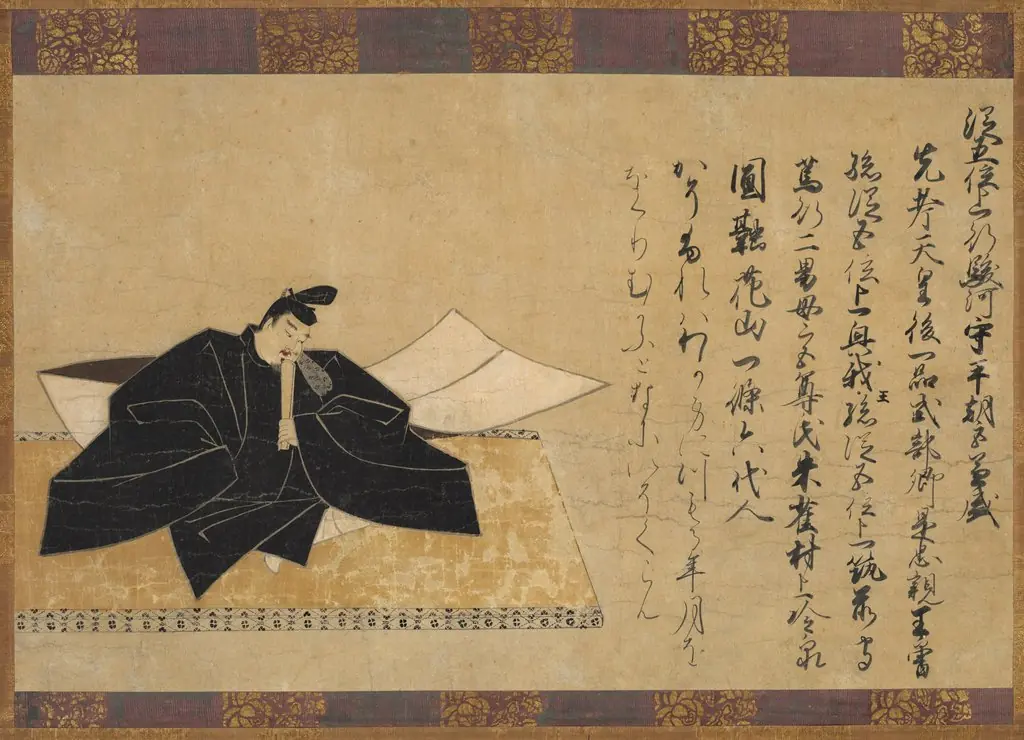 Taira no Kanemori of the Thirty-six Poetic Immortals
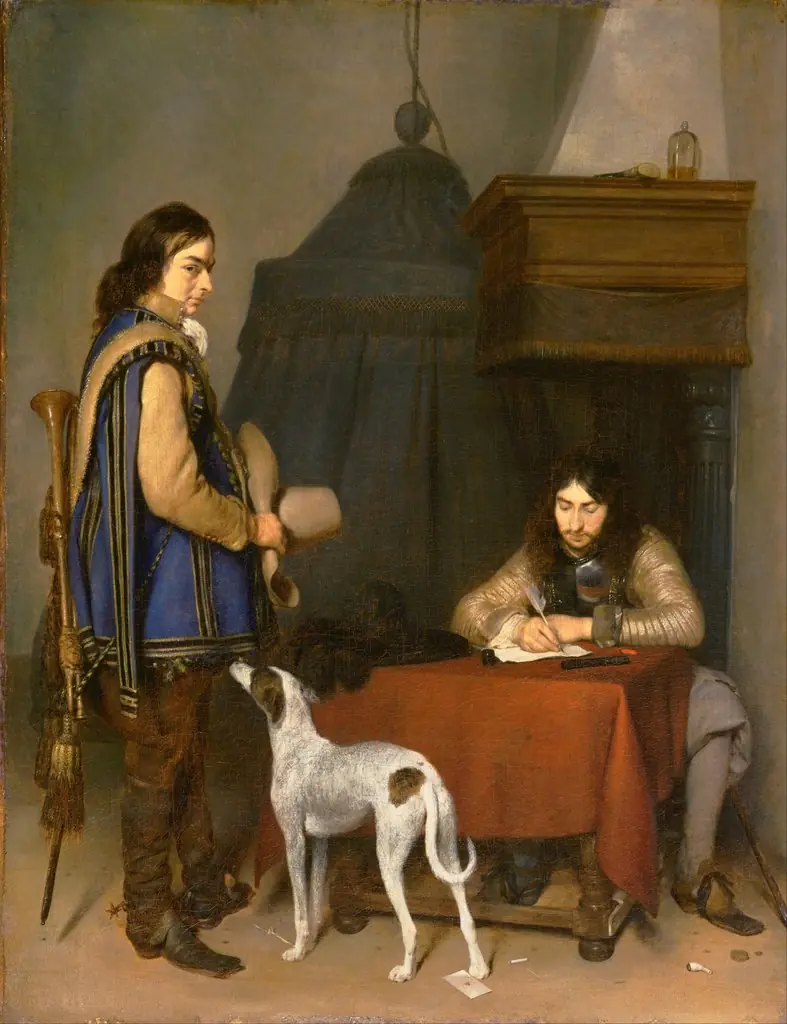 Officer Writing a Letter, with a Trumpeter and a Dog
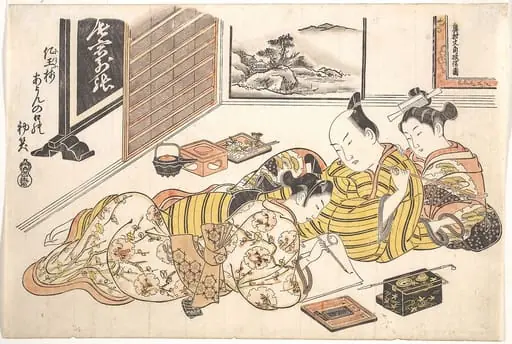 『閨の雛形』 正月|Plate from the Erotic Book Mounds of Dyed Colors: A Pattern Book for the Boudoir (Someiro no yama neya no hinagata), First Month
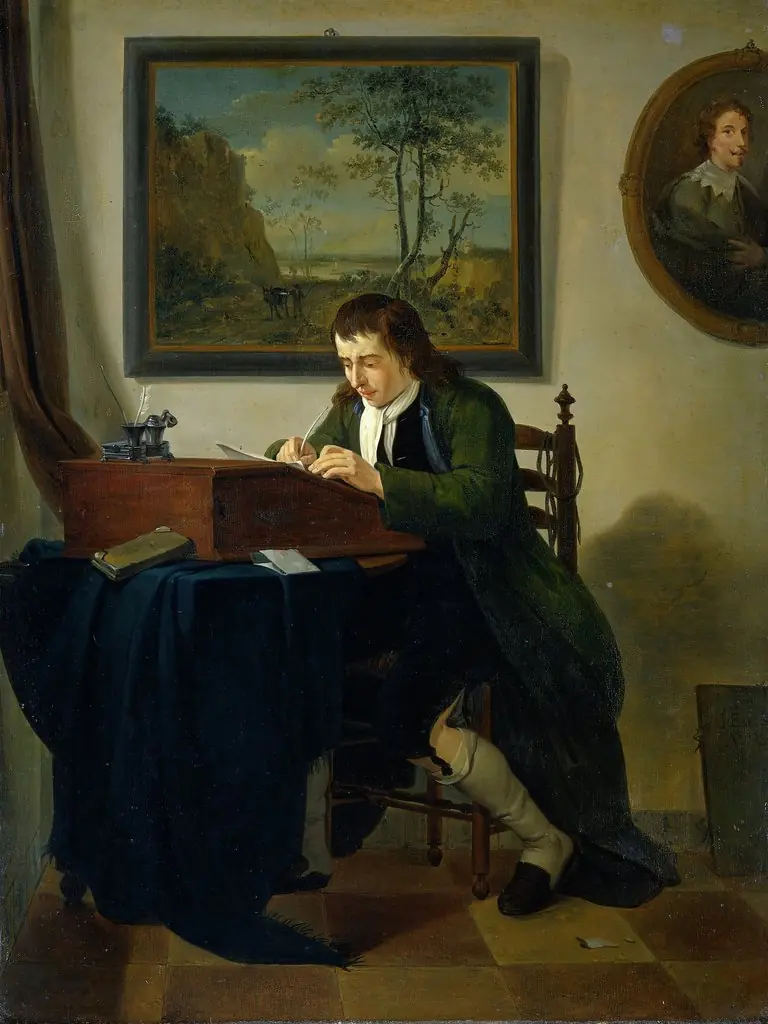 A Man Writing at his Desk
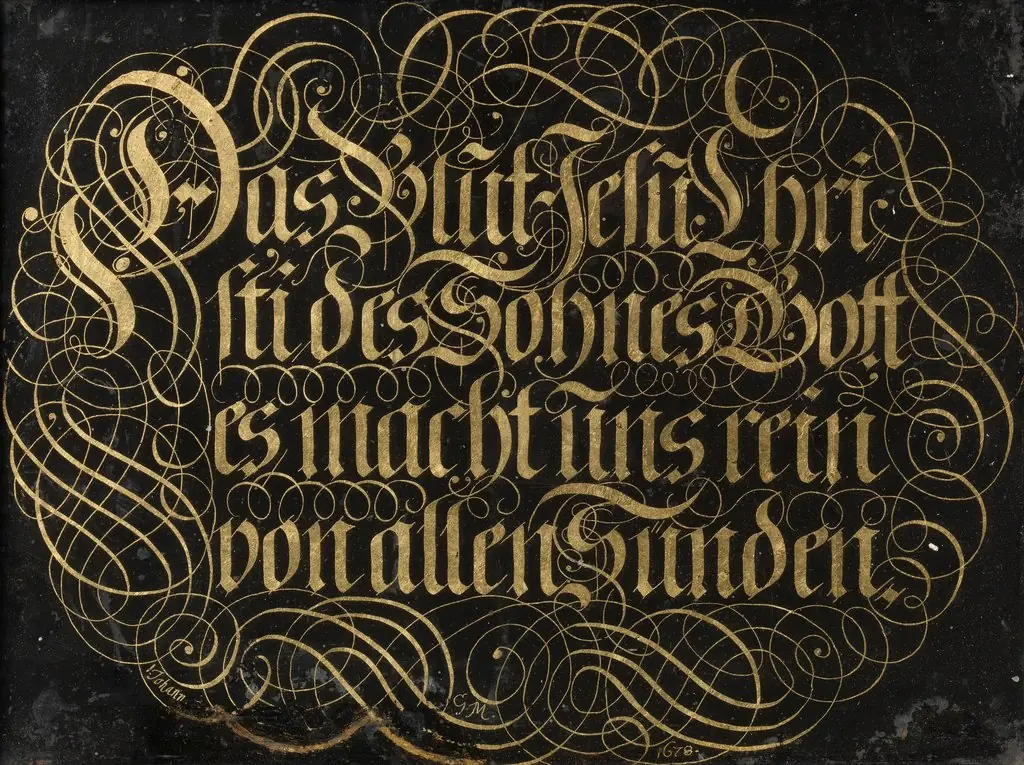 Behind-Glass Painting with Calligraphed Saying: The Blood of Jesus Christ the Son of God Purifies us from all Sin
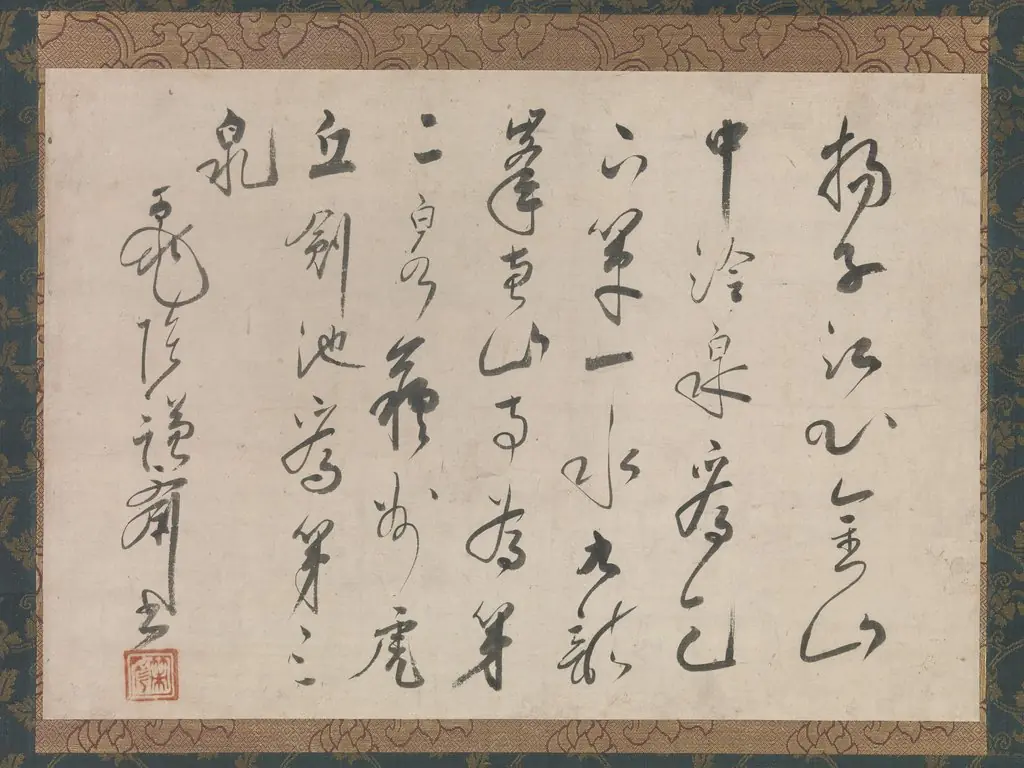 Account of the Three Springs of Jiangsu Province in China
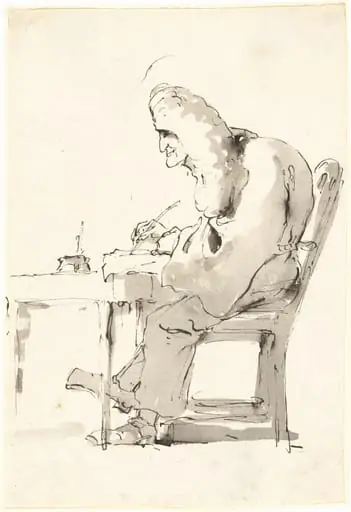 A Venetian Lawyer at His Desk
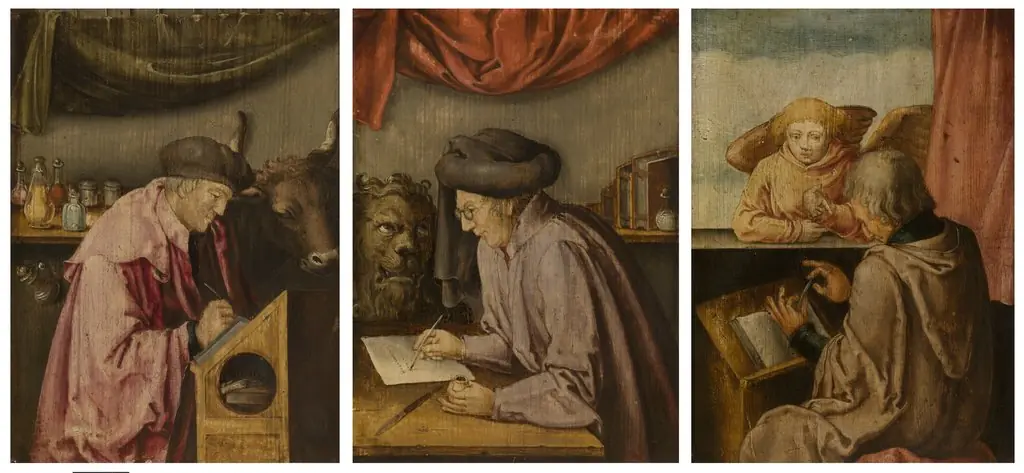 The Evangelists
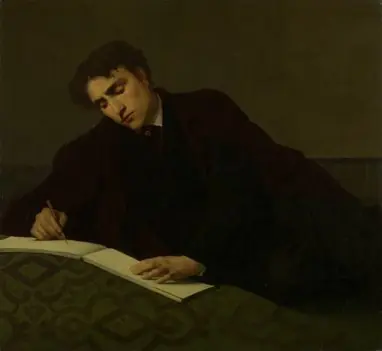 Portrait of the painter Isidore Verheyden
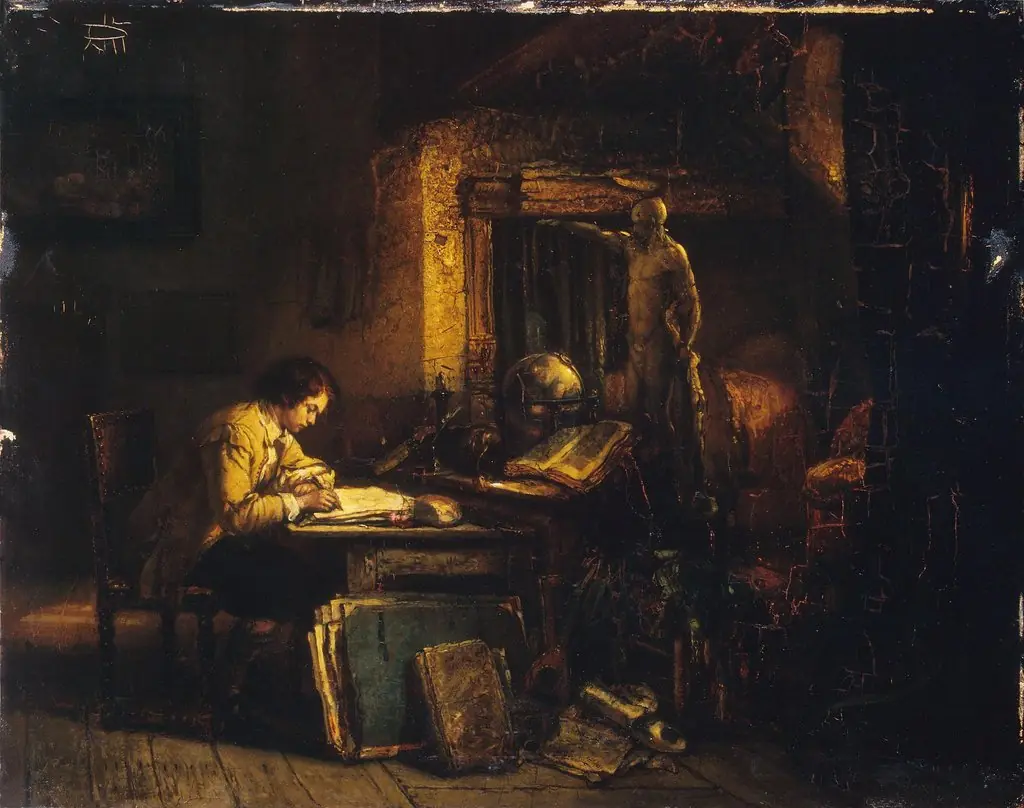 Artist in his Studio
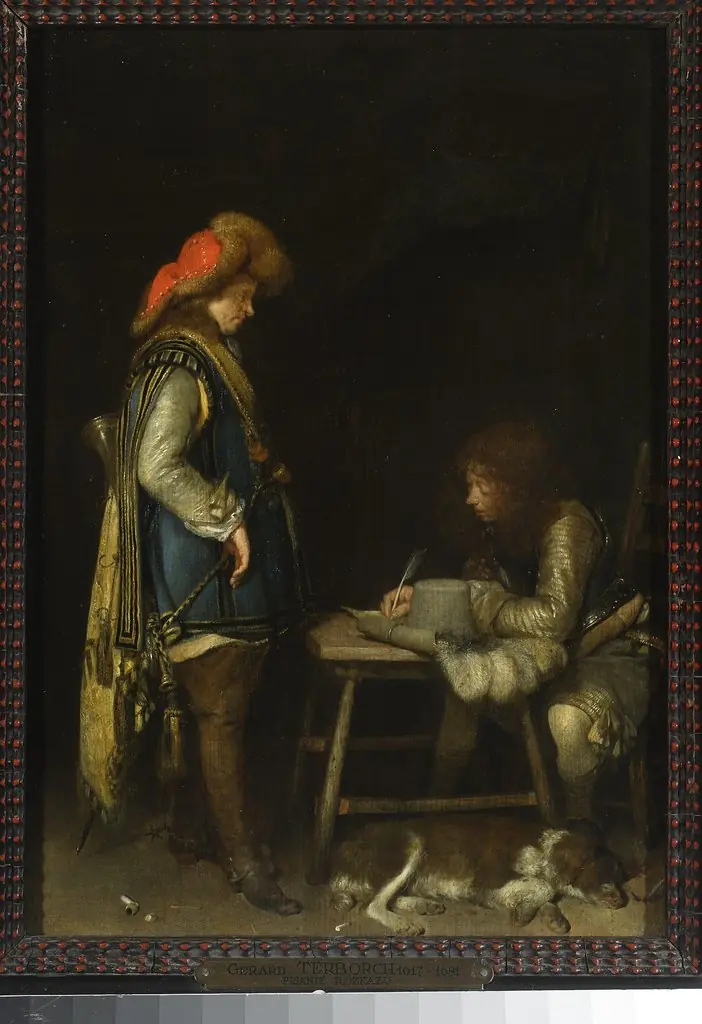 Officer writing a letter
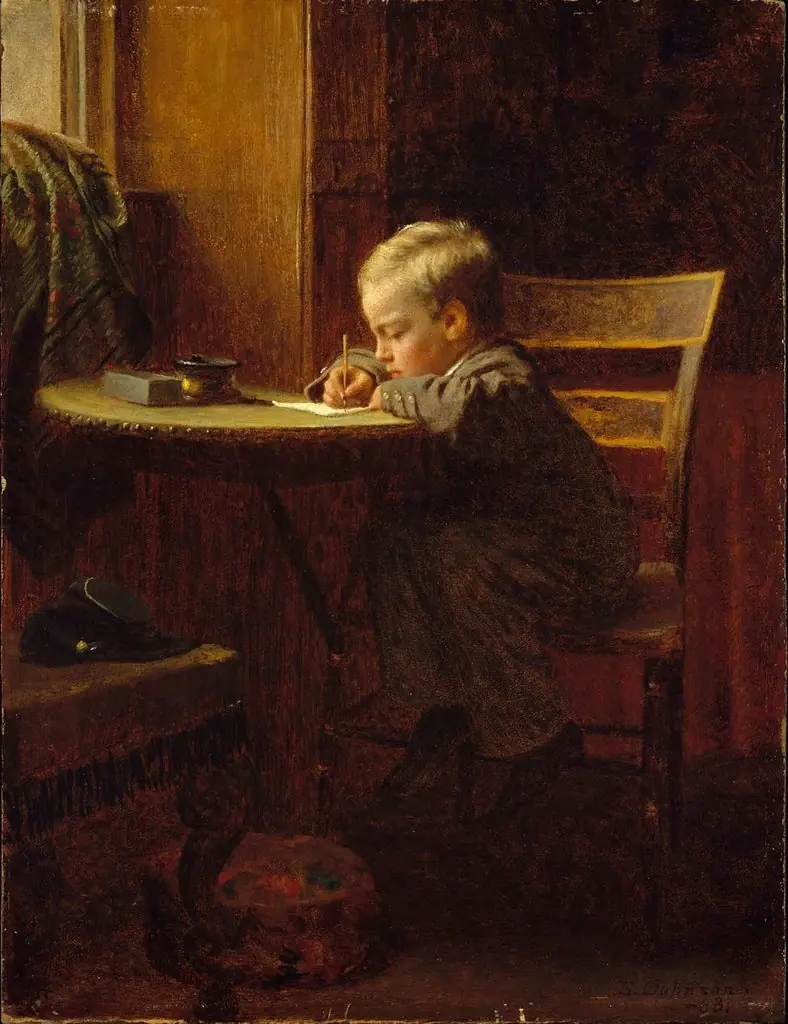 Writing to Father
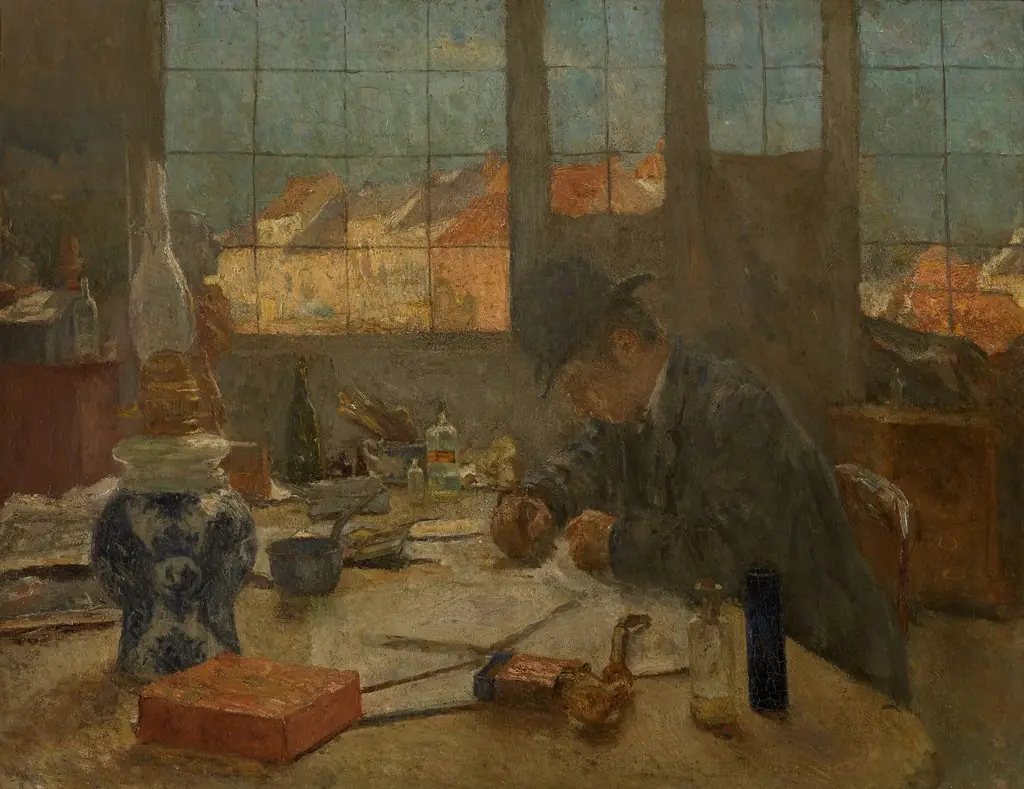 The Studio
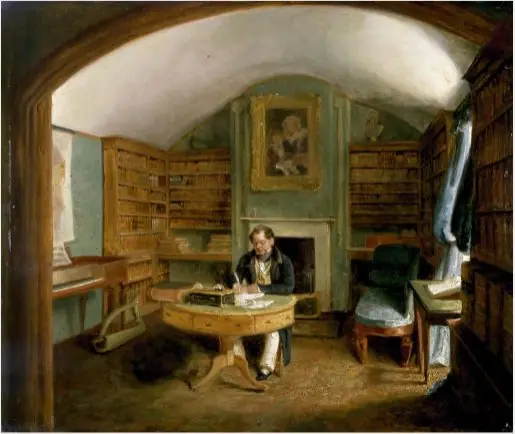 Portrait of Thomas Moore in his Study at Sloperton Cottage
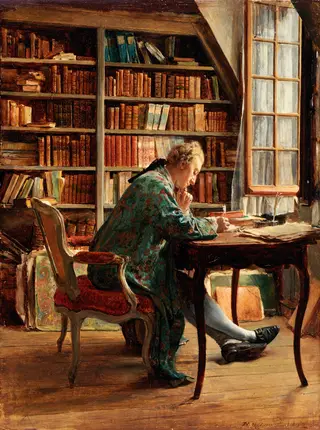 The Bibliophile
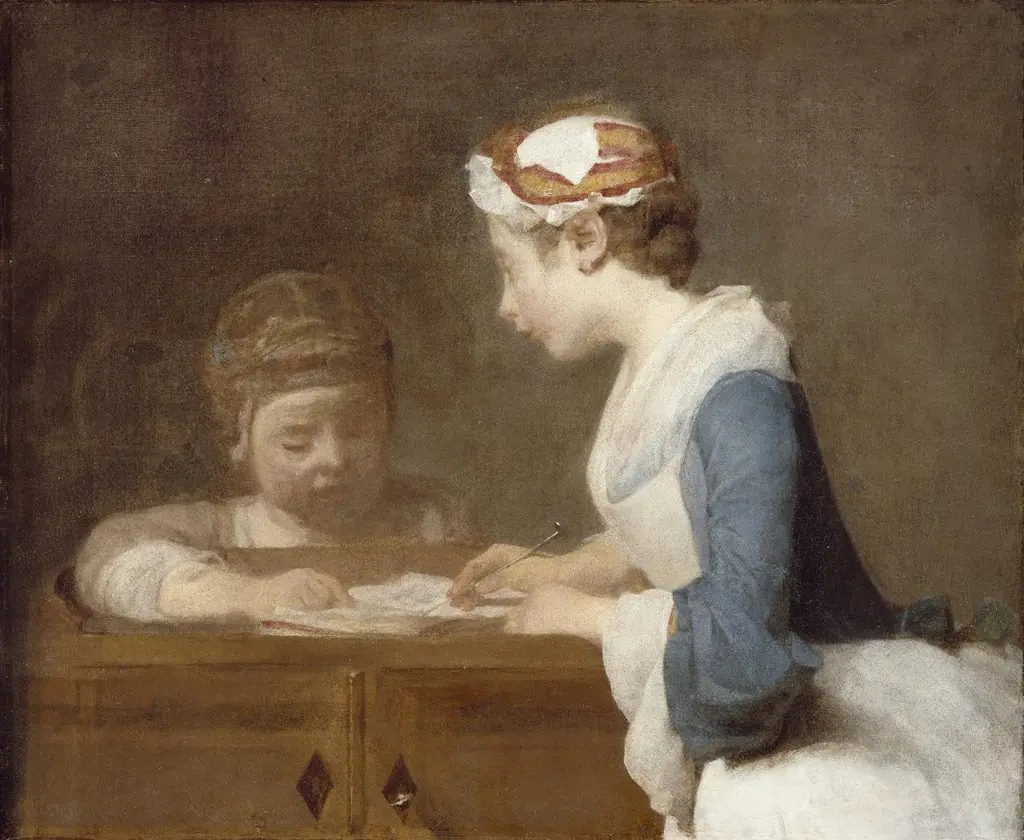 The Schoolmistress
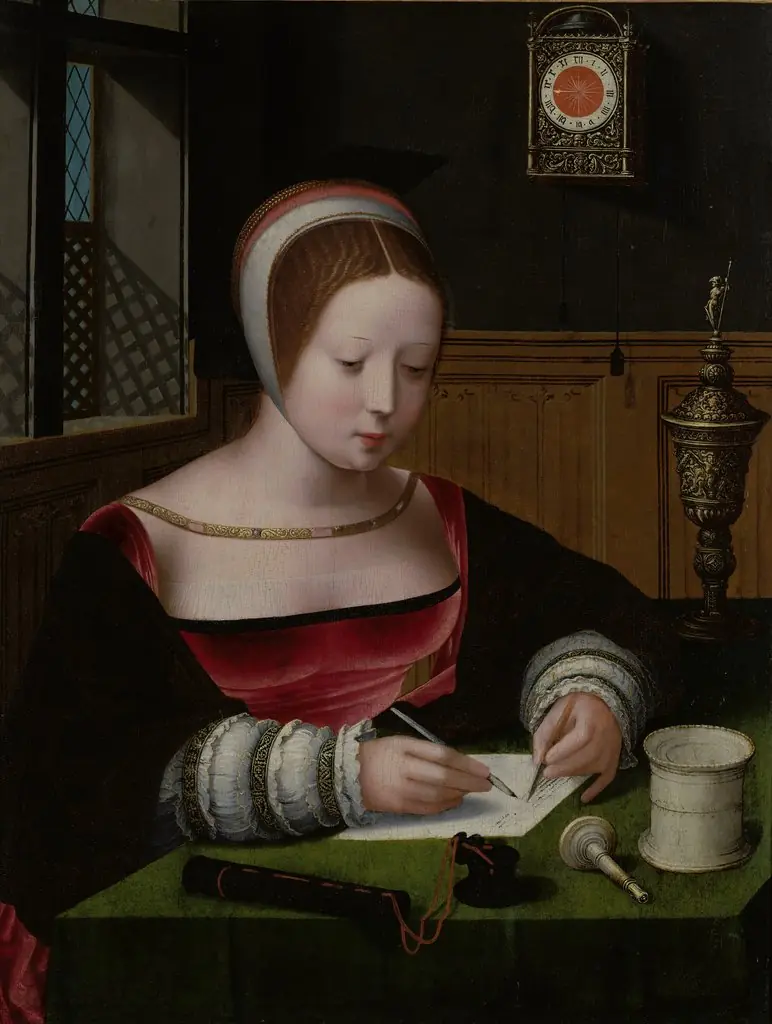 Mary Magdalene Writing
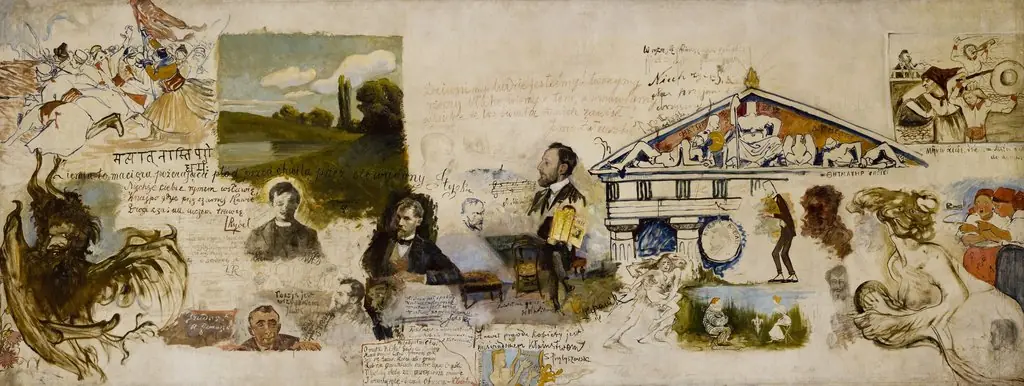 Paon (Sketches by the Artists of the Young Poland from the Café "Paon" of Ferdynand Turliński)
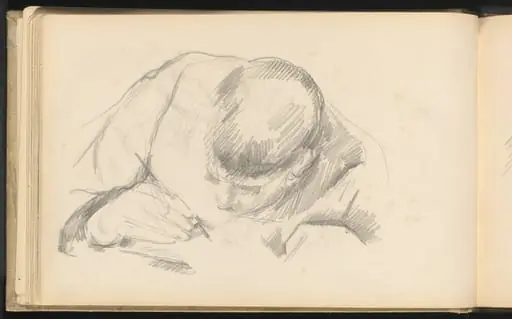 The Artist's Son Writing
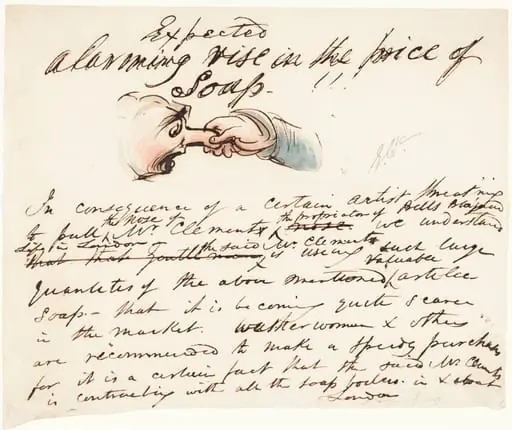 "Expected--alarming rise in the price of soap!"
![Manuscript Pages [verso]](https://artifactworldgallery.com/img/paul-gauguin--manuscript-pages-verso--7675693ce6bfdd93-w320.webp) Manuscript Pages [verso]
Manuscript Pages [verso]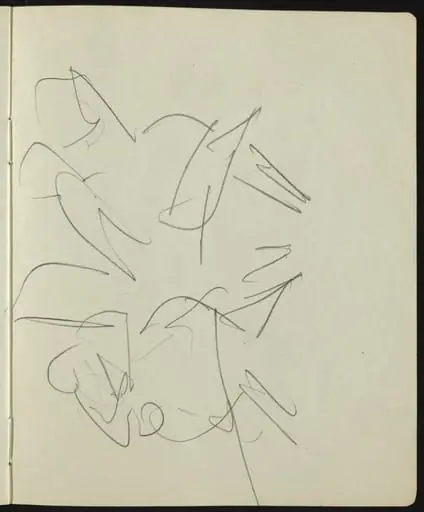 Dancers and Performers (Page from a Sketchbook)
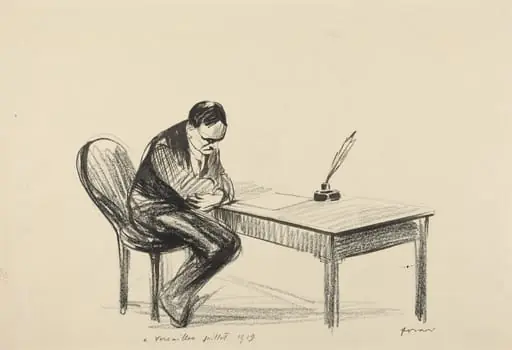 A Versailles juillet 1919
![Manuscript Pages [recto]](https://artifactworldgallery.com/img/paul-gauguin--manuscript-pages-recto--a54a0310be75e0fc-w320.webp) Manuscript Pages [recto]
Manuscript Pages [recto]![Shepard Alonzo Mount, Age Twenty-Three [recto]](https://artifactworldgallery.com/img/william-sidney-mount--shepard-alonzo-mount-age-twenty-three-recto--adf0b3e0763f0137-w320.webp) Shepard Alonzo Mount, Age Twenty-Three [recto]
Shepard Alonzo Mount, Age Twenty-Three [recto]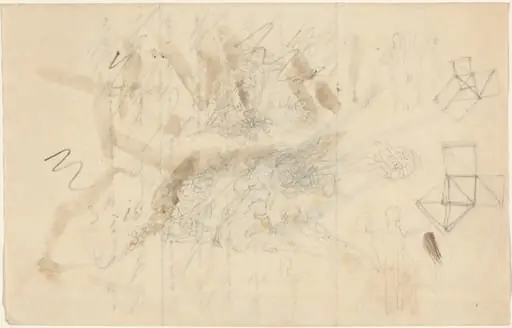 Angels Descending to the Daughters of Men
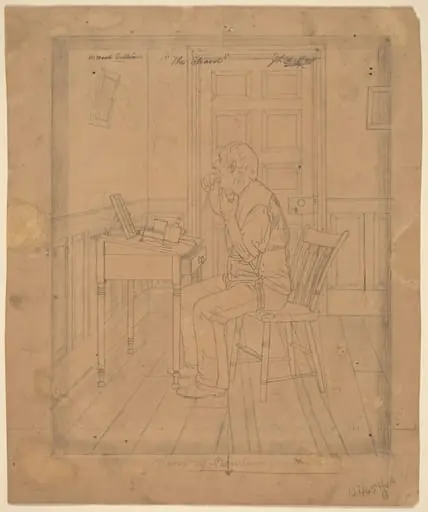 H. Wood Sullivan - "The Shaver"
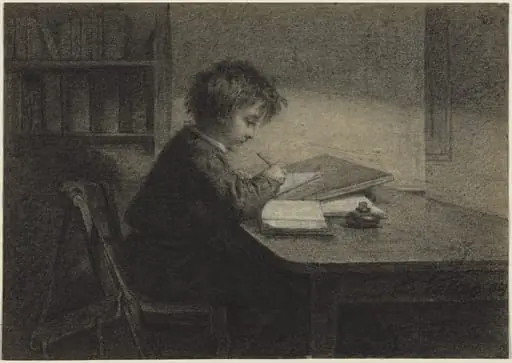 The Scholar
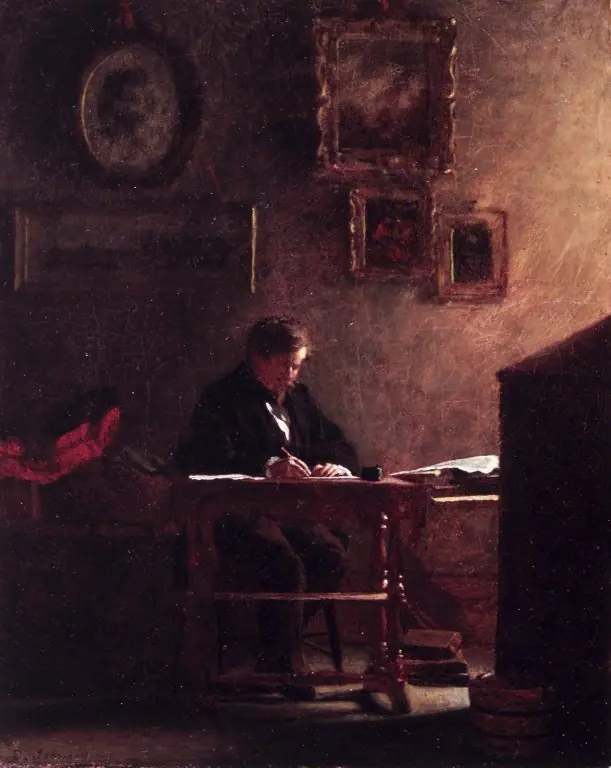 Self-portrait
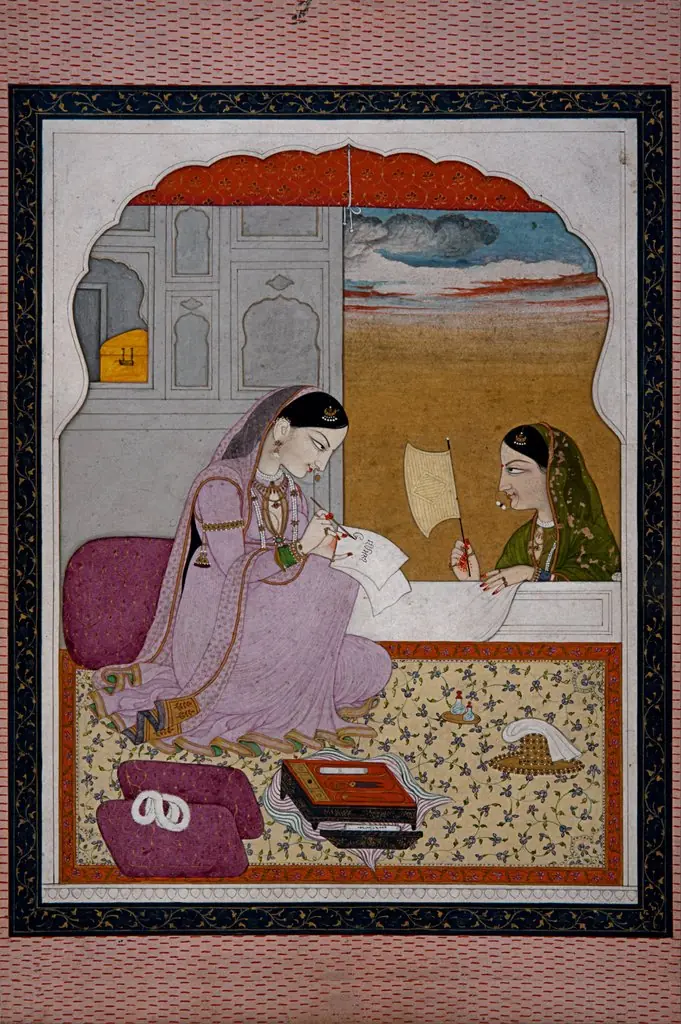 Lady writing a love letter
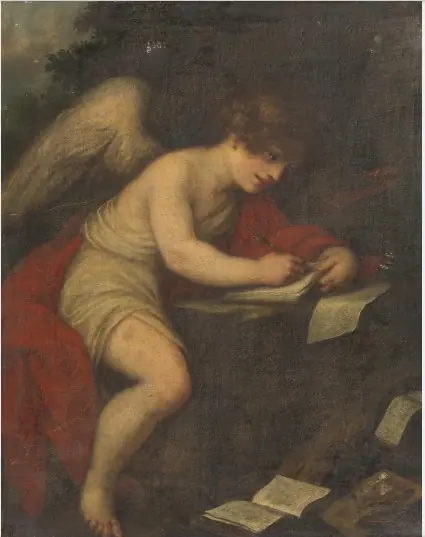 The Little Recording Angel
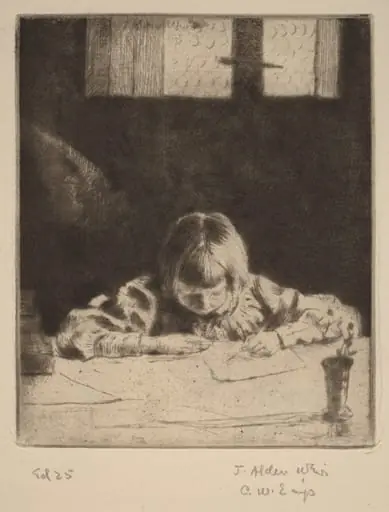 The Little Student
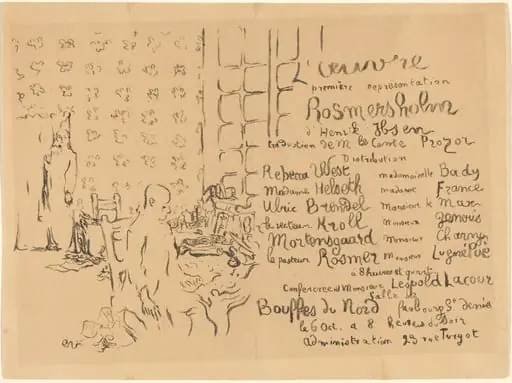 Rosmersholm
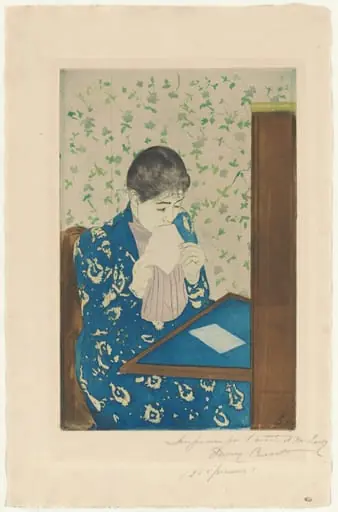 The Letter
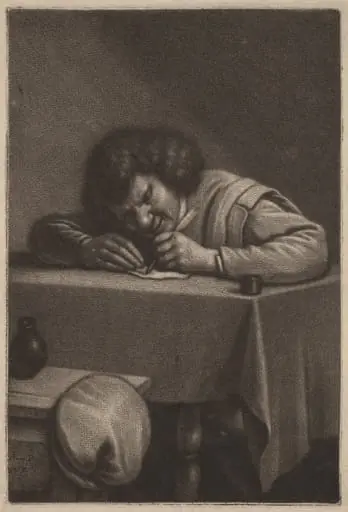 A Man Writing at a Table
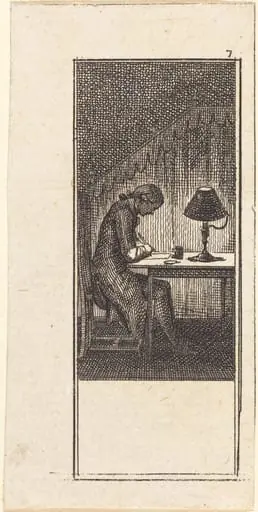 Young Man Writing by Lamplight
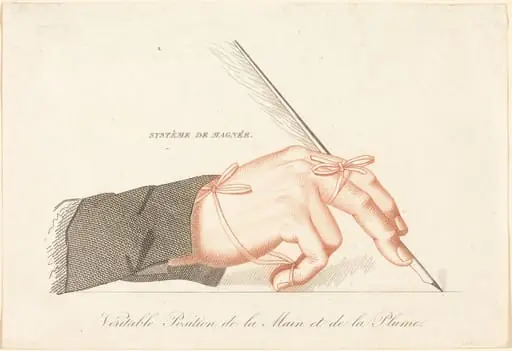 Copy of "Système de Magnée - Veritable Position de la Main et de la Plume" from François Magnée's
"Le Parfait calligraphe, ou Méthode pour apprendre soi-même a écrire en peu de leçons"
Copy of "Système de Magnée - Veritable Position de la Main et de la Plume" from François Magnée's
"Le Parfait calligraphe, ou Méthode pour apprendre soi-même a écrire en peu de leçons"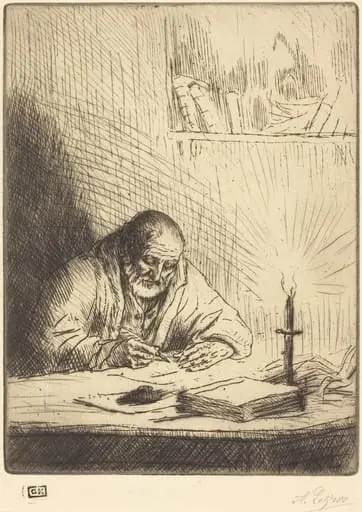 Archeologist (L'archeologue)
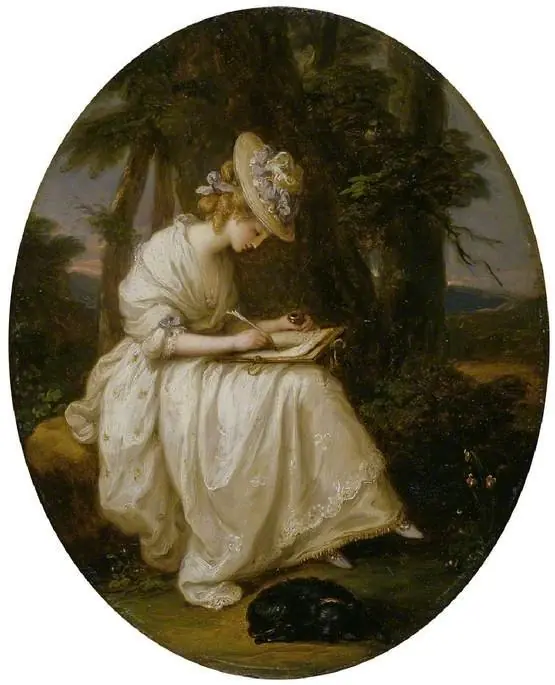 Louisa Hammond
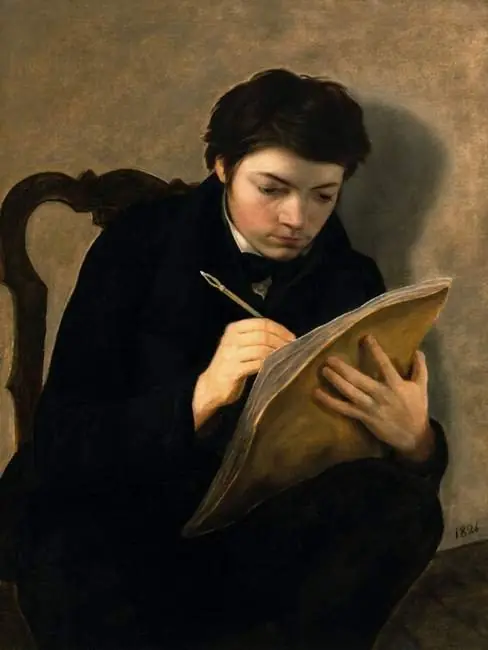 Autoportrait à l'âge de dix-huit ans
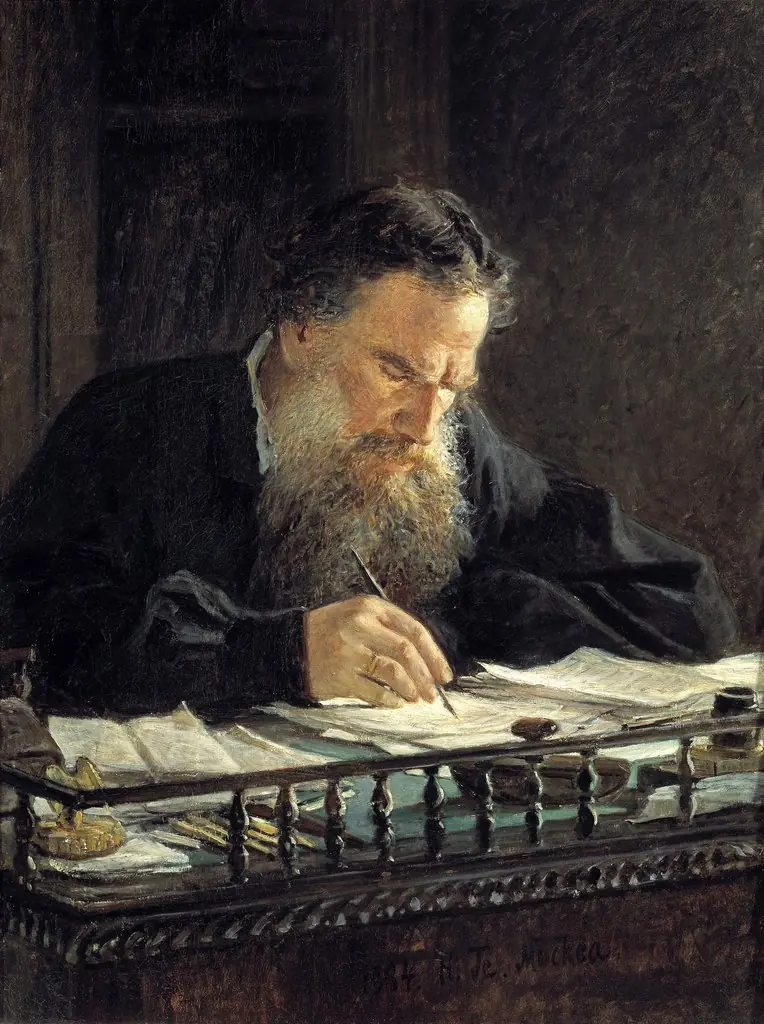 Porträt des Leo Tolstoy
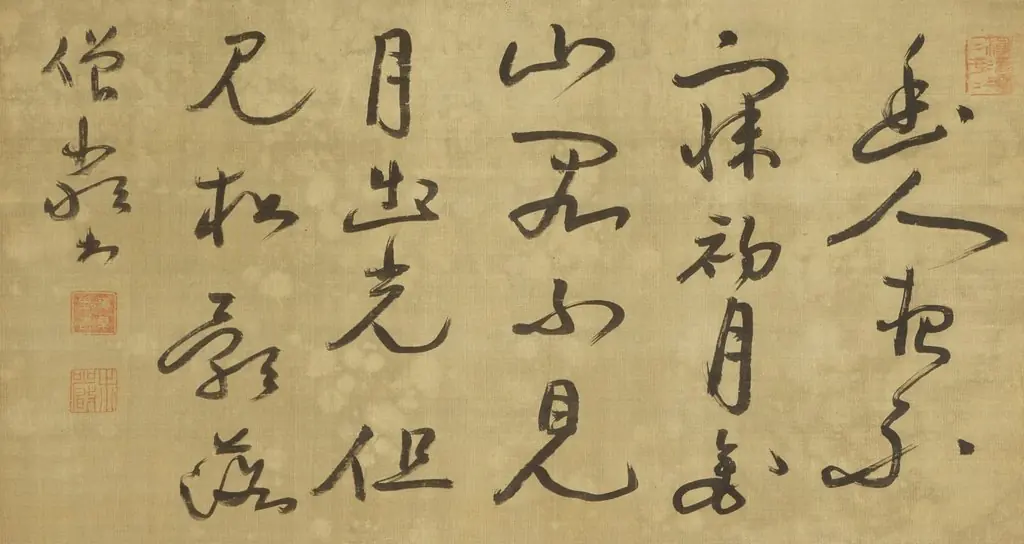 Poem (The Hermit Does Not Sleep at Night)
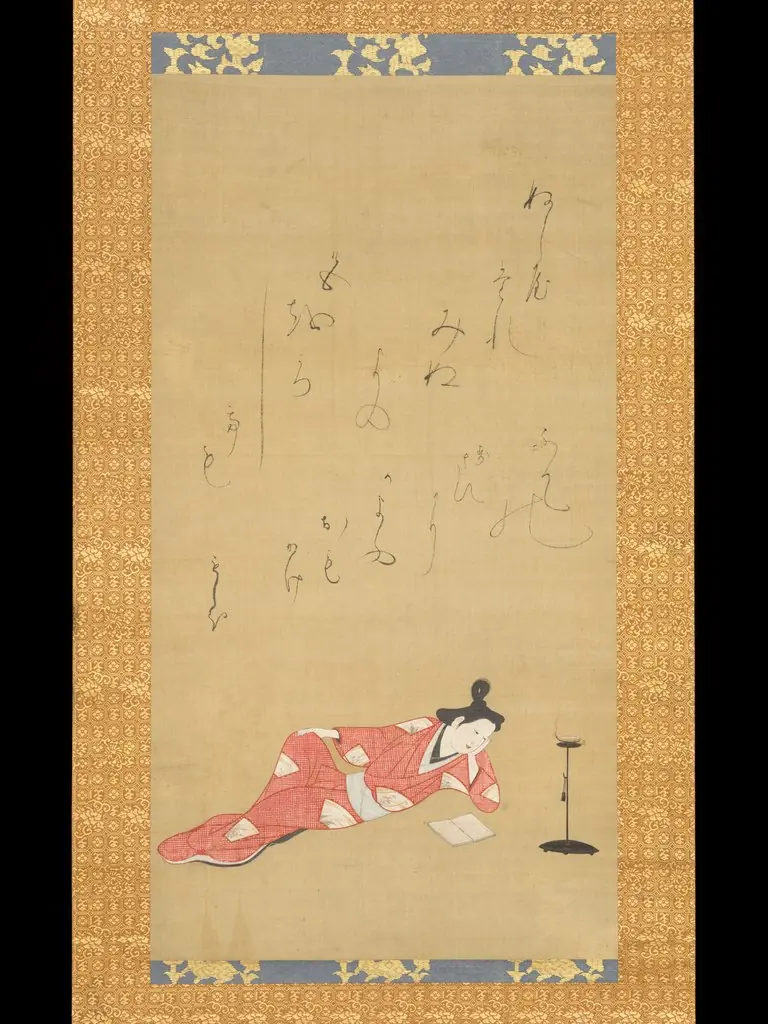 The Courtesan Moshio Reading a Book
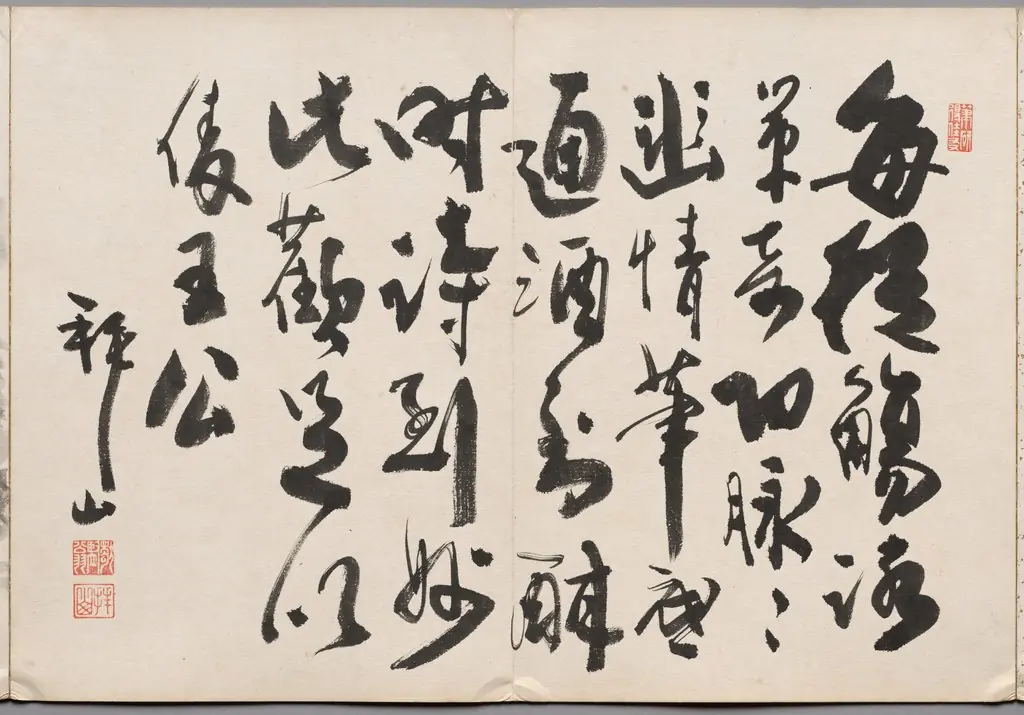 Preface from Album of Paintings by Haizan
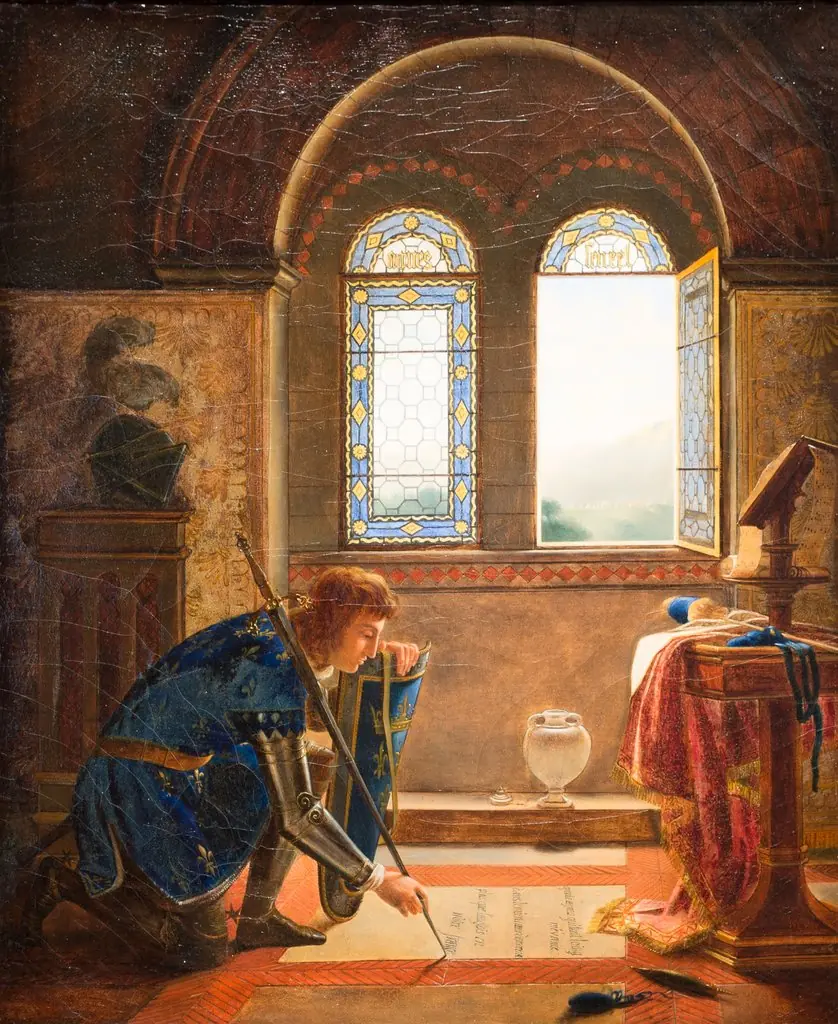 Charles VII prêt a partir pour aller combattre les anglais
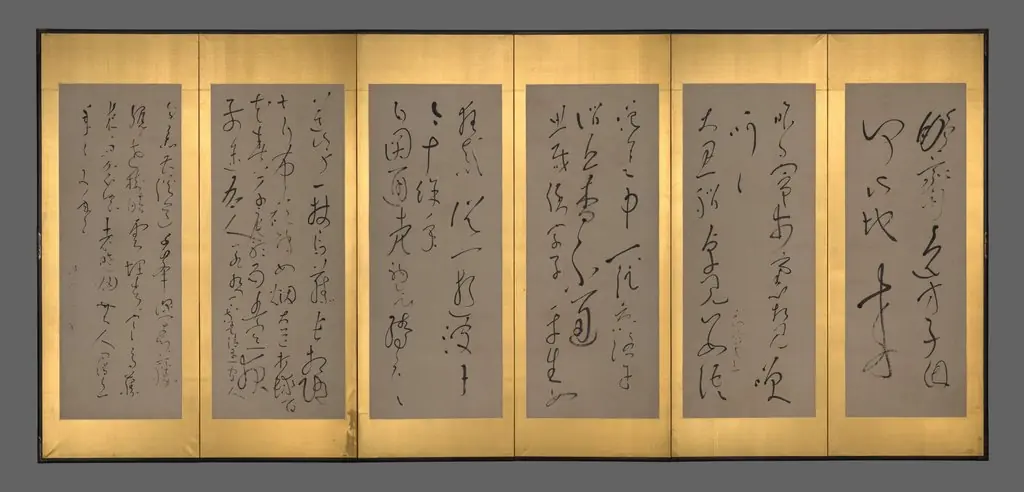 Calligraphy 「鵬齋逸才子」 書
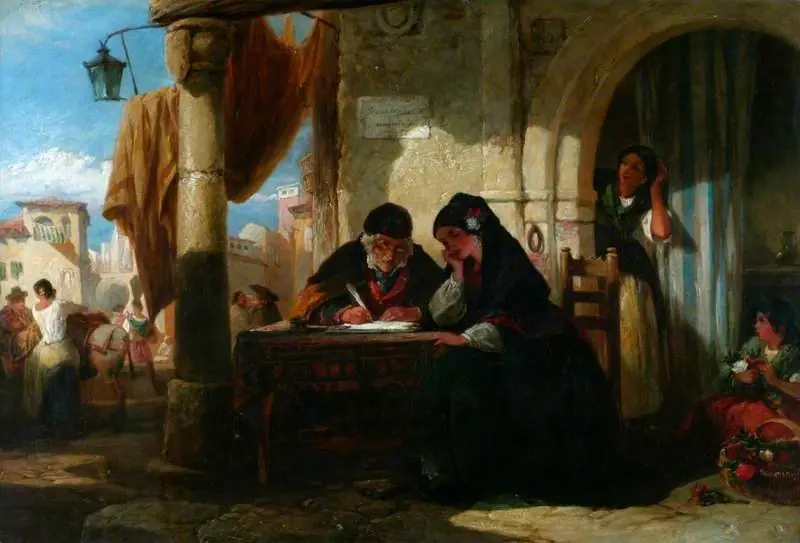 A Spanish Letter-Writer
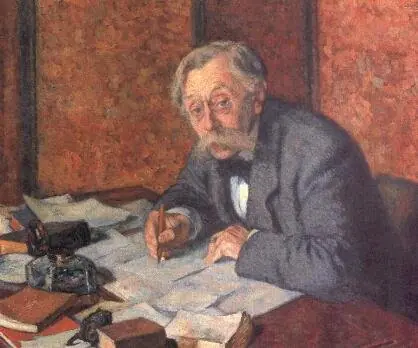 Portrait of Emile Verhaeren
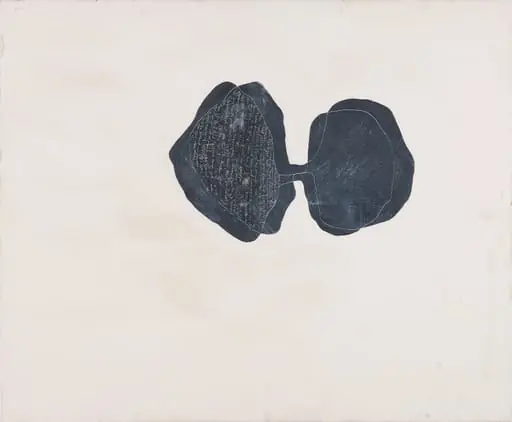 Χωρίς Τίτλο
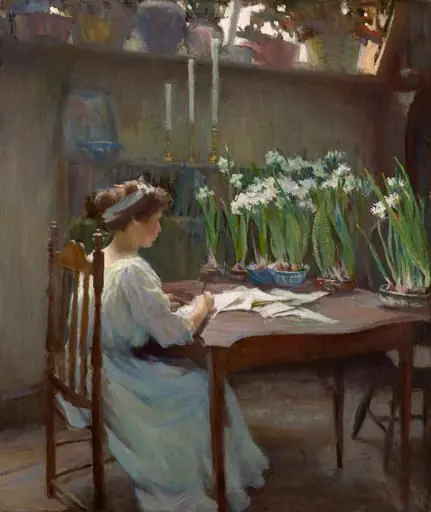 The Writer
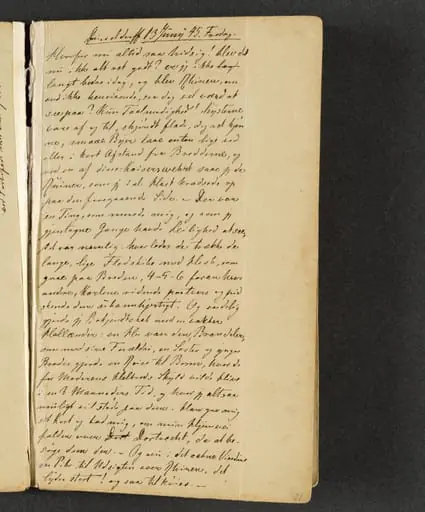 Rejsedagbog
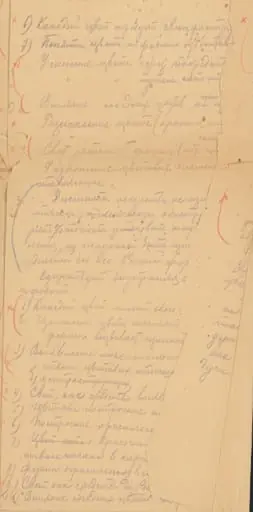 Χωρο-Δυναμική Κατασκευή
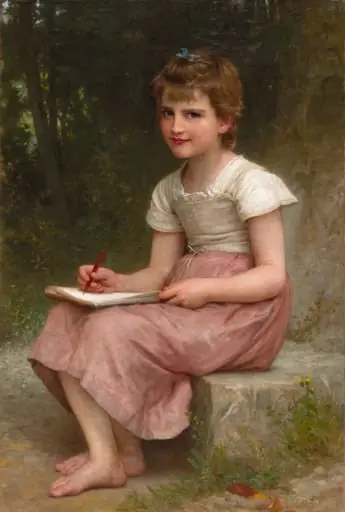 A Calling
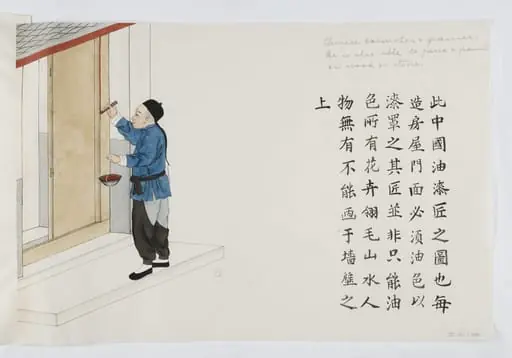 Untitled
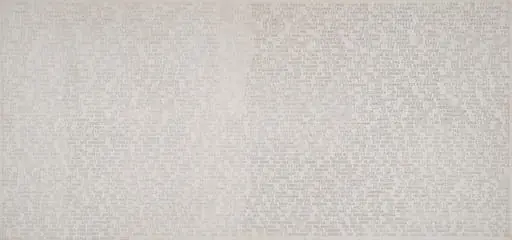 Untitled
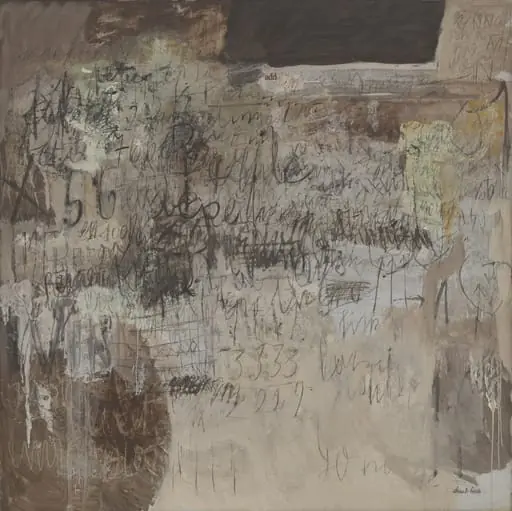 Untitled
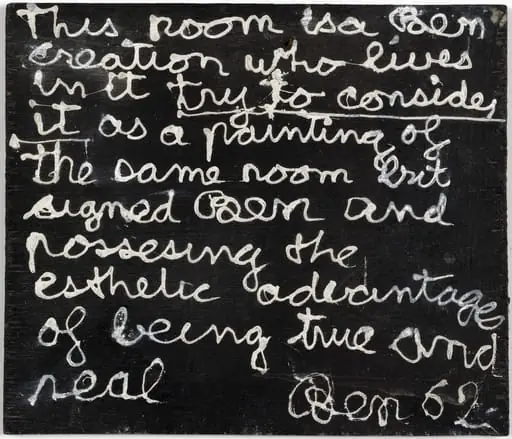 Untitled
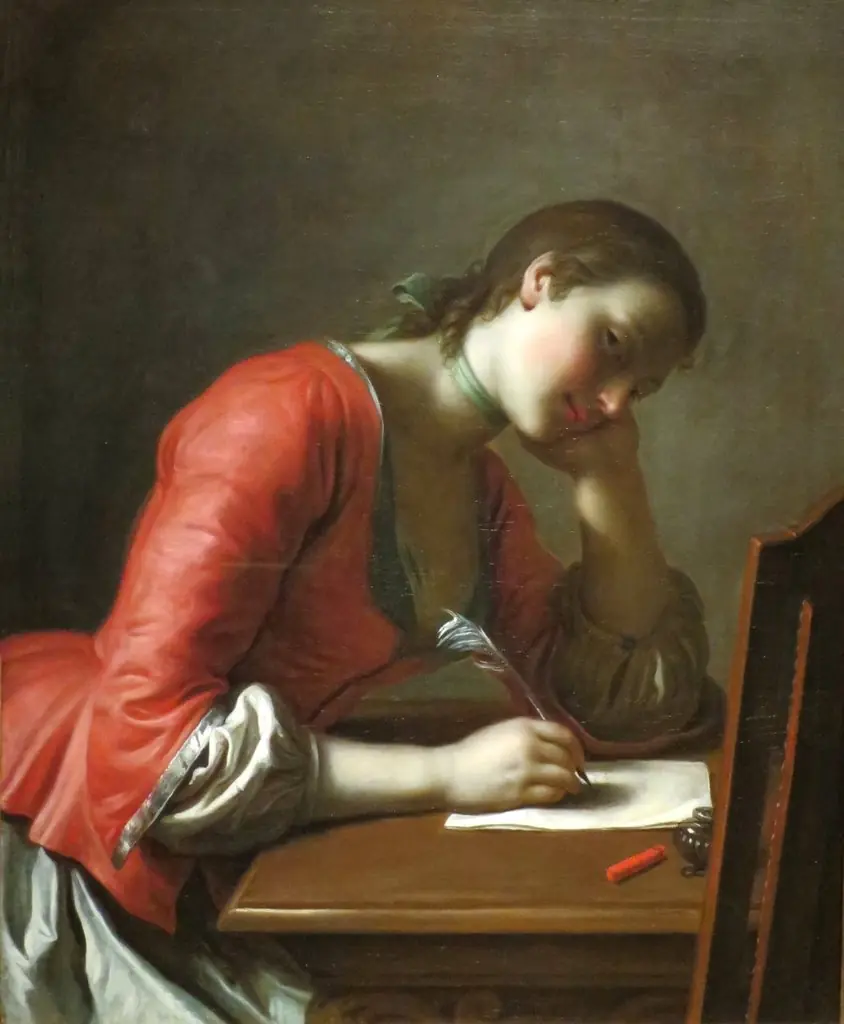 Young Girl Writing a Love Letter
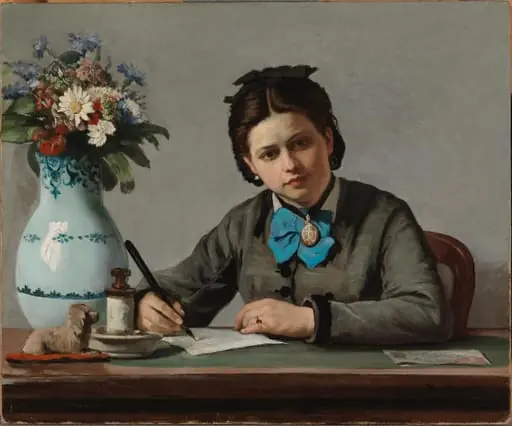 Kirjoittava tyttö
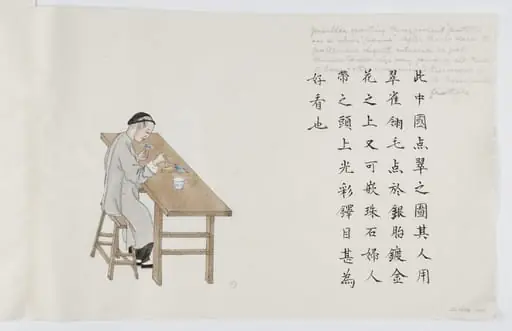 Jeweller pasting kingfisher feathers on a silver-gilt frame
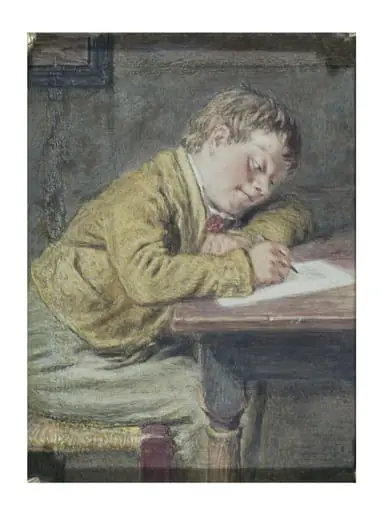 The Valentine
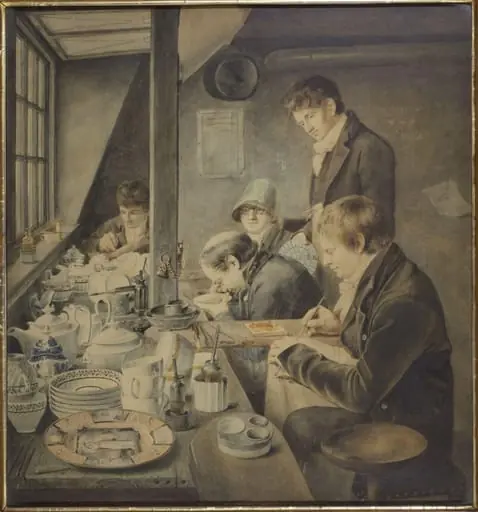 Painting Room of Mr Baxter, No 1 Goldsmith Street, Gough Square, London
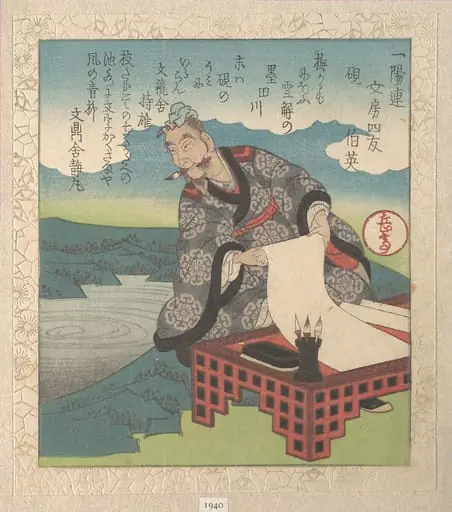 「一陽連文房四友 硯 伯英」『春雨集』 摺物帖|The Chinese Calligrapher Boying (Japanese: Hakuei; also known as the “Sage of Cursive Script”); “Inkstone” (Suzuri), from Four Friends of the Writing Table for the Ichiyō Poetry Circle (Ichiyō-ren Bunbō shiyū) From the Spring Rain Collection (Harusame shū), vol. 1
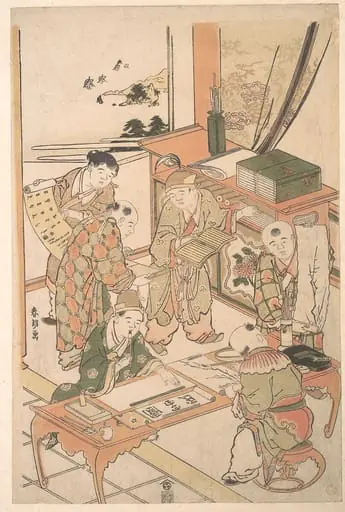 唐子書画図|Chinese Boys Learning to Write and Paint
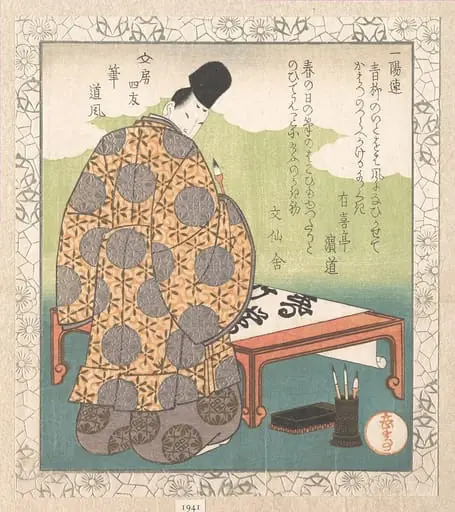 「一陽連文房四友 筆 道風」『春雨集』 摺物帖|The Heian Court Calligrapher Ono no Tōfū (894–966); “Calligraphy Brush” (Fude), from Four Friends of the Writing Table for the Ichiyō Poetry Circle (Ichiyō-ren Bunbō shiyū)From the Spring Rain Collection (Harusame shū), vol. 1
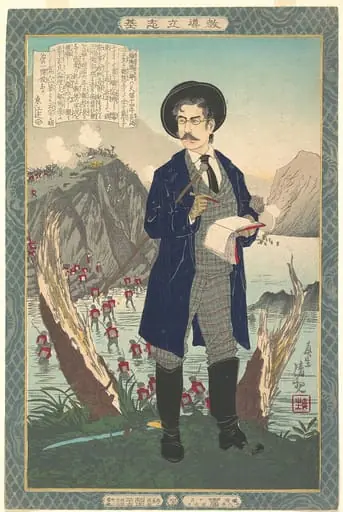 Untitled
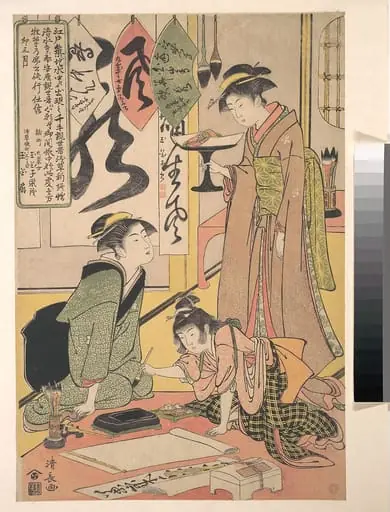 玉花子栄茂図|Gyoku-kashi Eimo Preparing Calligraphy Offerings
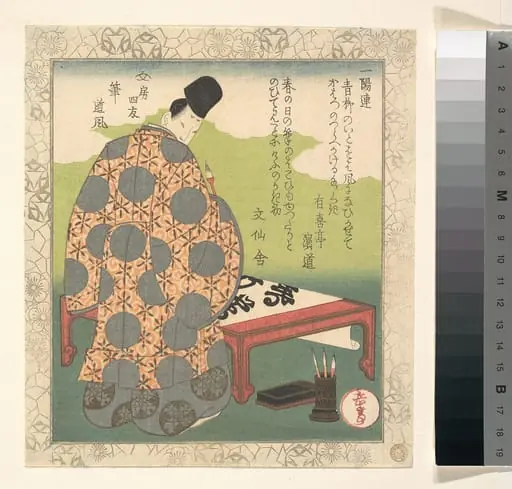 Untitled
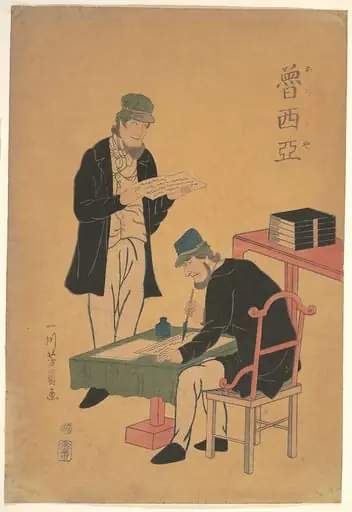 魯西亜|Russians Reading and Writing
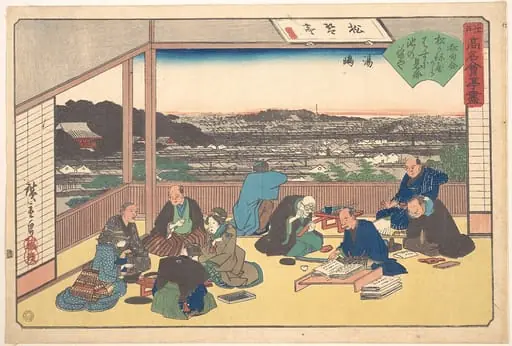 江戸高名会亭尽 湯島 松琴亭|Yushima (Matsu Kane-ya)
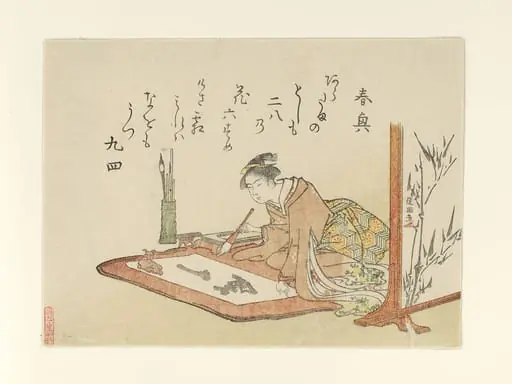 書初め図|Young Woman Writing Calligraphy
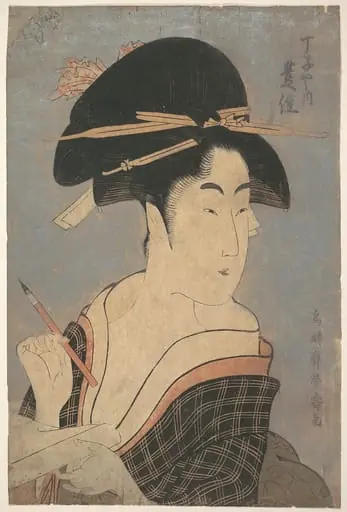 Untitled
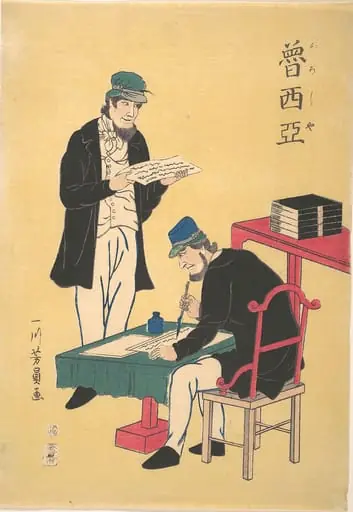 Orosia|Russian Printers
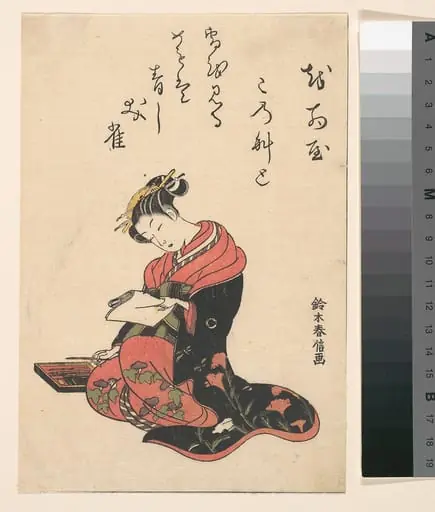 青楼美人合|The Courtesan Kasugano Writing a Letter
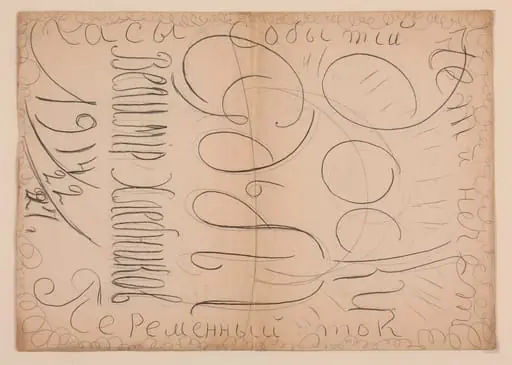 Σχέδιο εξωφύλλου για το βιβλιαράκι του V. Khlebnikov "Doski Sudby", που εκδόθηκε μετά το θάνατο του.
 Σελίδα χωρίς τίτλο από τον "Άτλαντα των Σκιών"
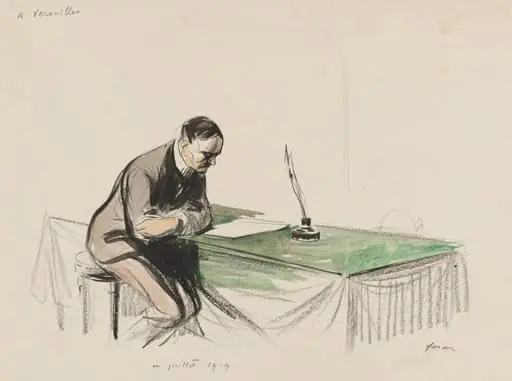 At Versailles, July 1919
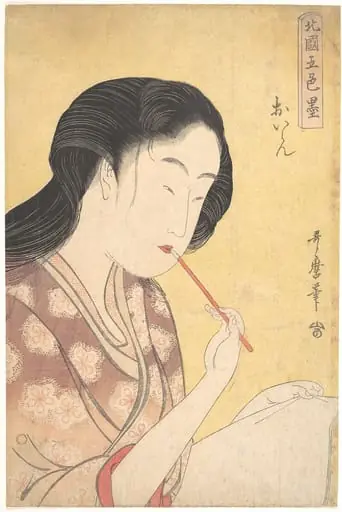 『北国五色墨』「おいらん」|“High-Ranking Courtesan” (Oiran), from the series Five Shades of Ink in the Northern Quarter (Hokkoku goshiki-zumi),
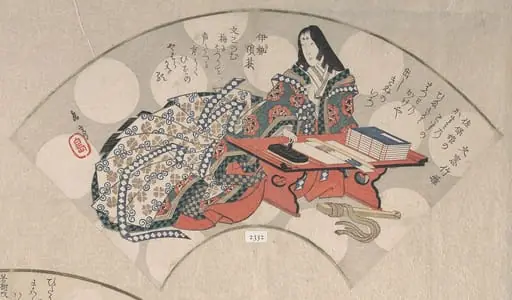 墨をする官女『春雨集』 摺物帖|Court Lady at Her Writing TableFrom the Spring Rain Collection (Harusame shū), vol. 3
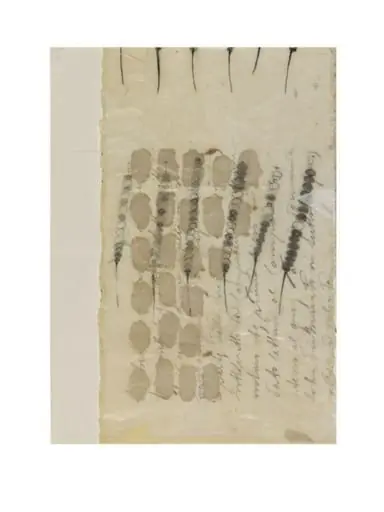 Fragment No. 1
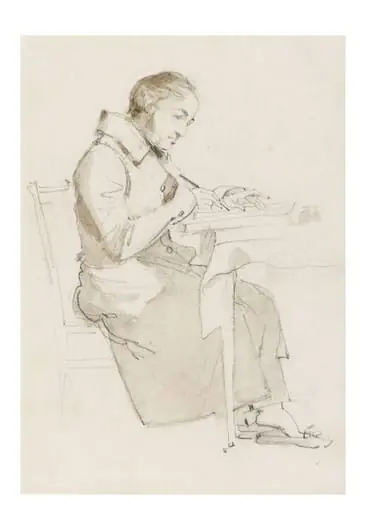 Crofton Croker
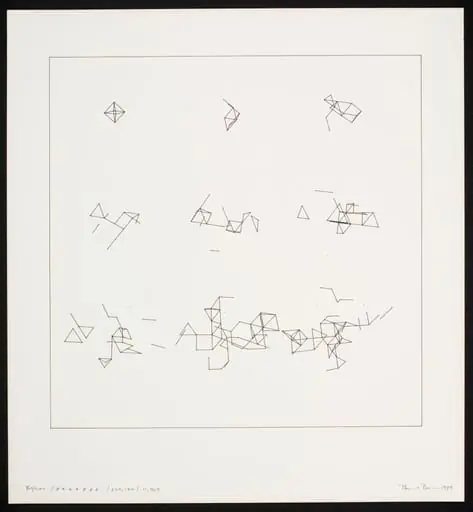 BIGDIM
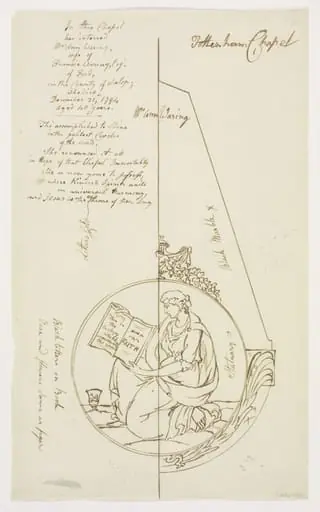 The monumenr of Ann, wife of Francis Waring
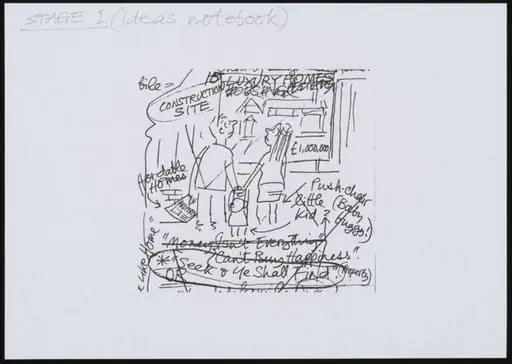 25 luxury homes
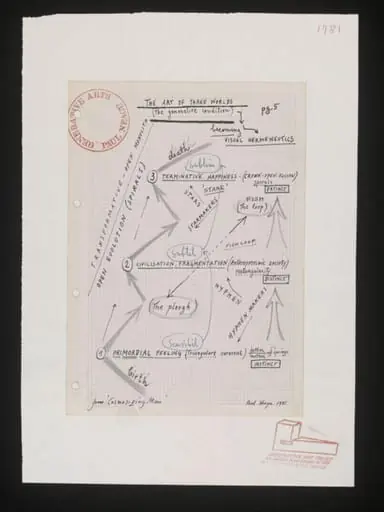 The Art of Three Worlds (the generative condition)
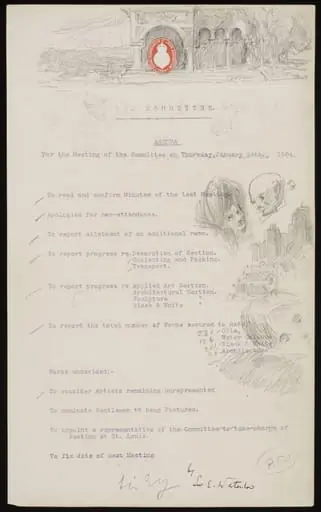 Untitled
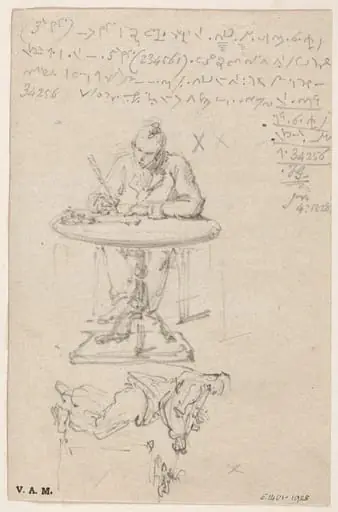 Sketches of a figure writing at a pedestal table, and a figure lighting a pipe
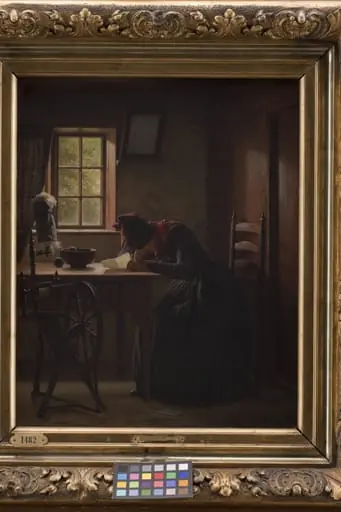 Et telegram
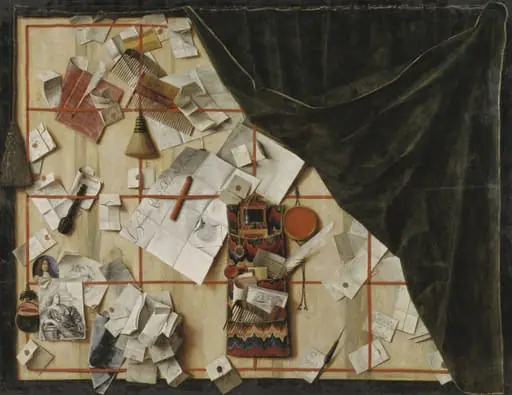 Trompe l'oeil of a Letter Rack with Christian V's Proclamation
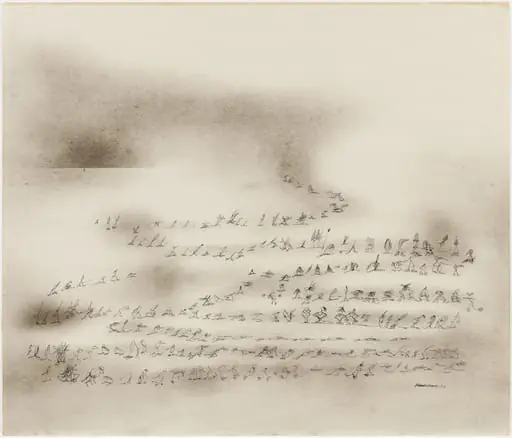 Untitled
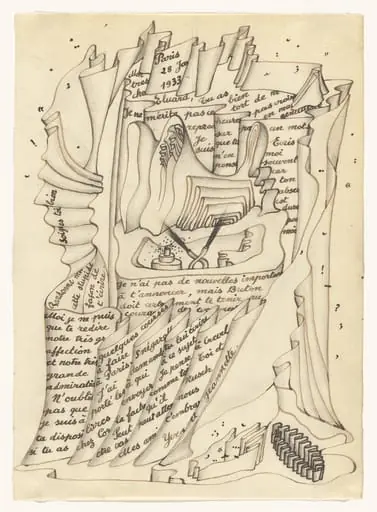 Untitled
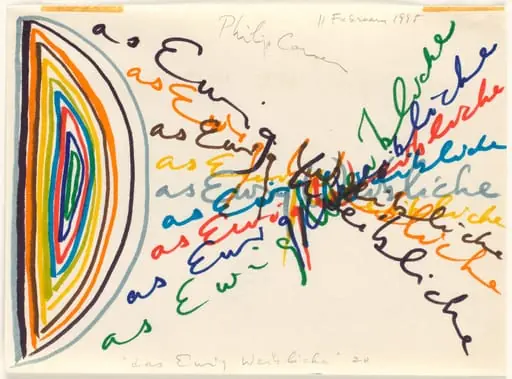 Untitled
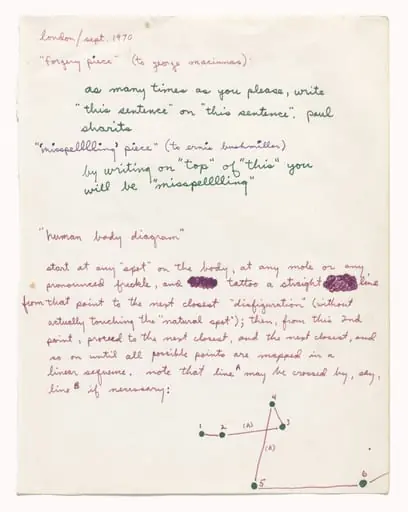 Untitled
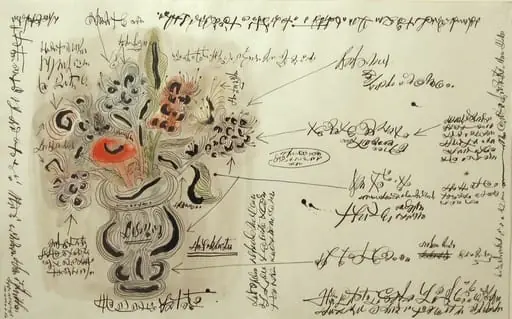 Untitled
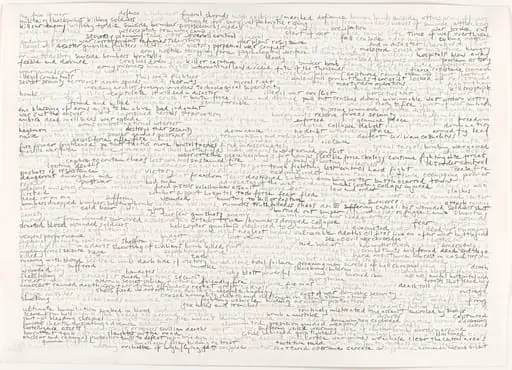 Untitled
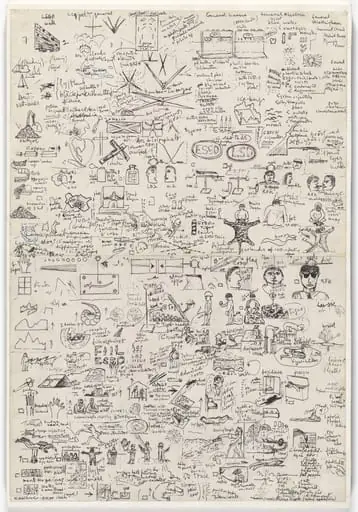 Untitled
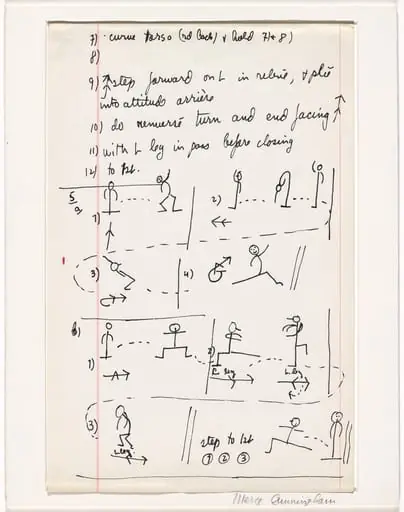 Untitled
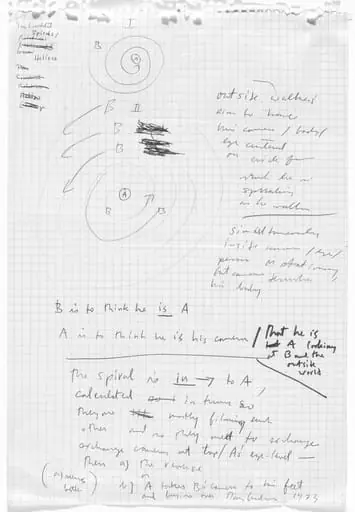 Untitled
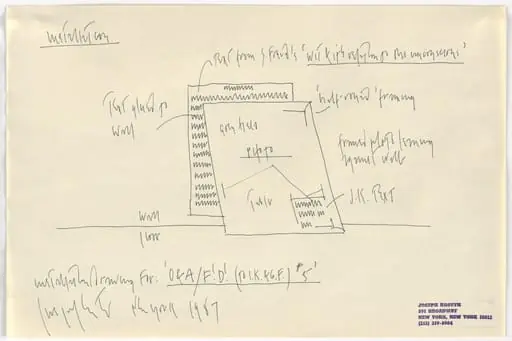 Untitled
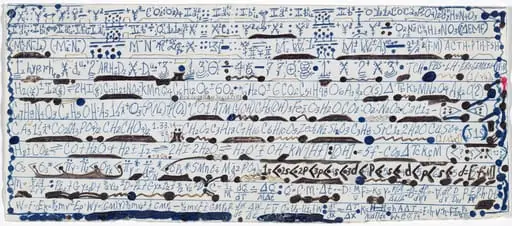 Untitled
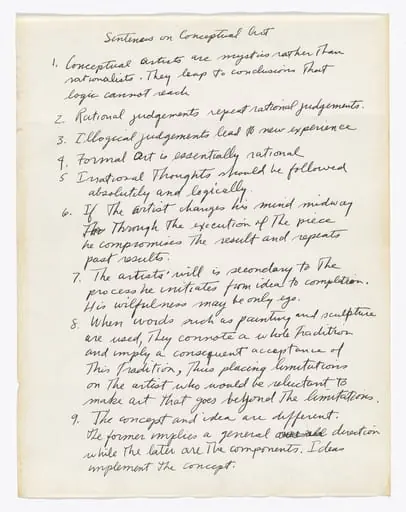 Untitled
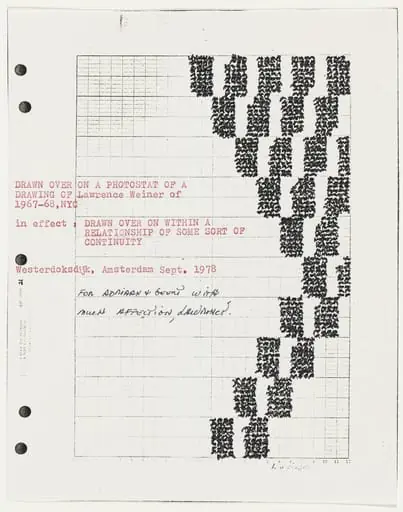 Untitled
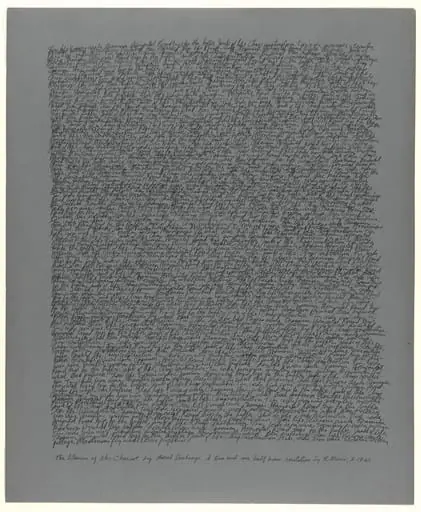 Untitled
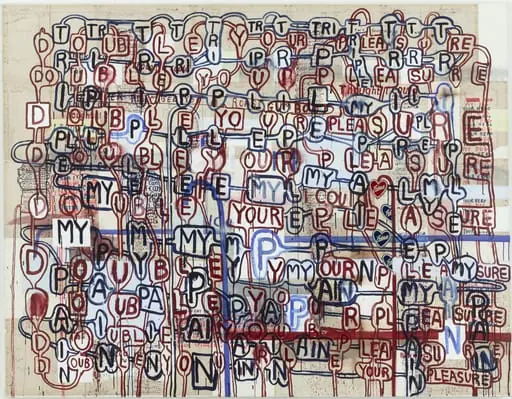 Untitled
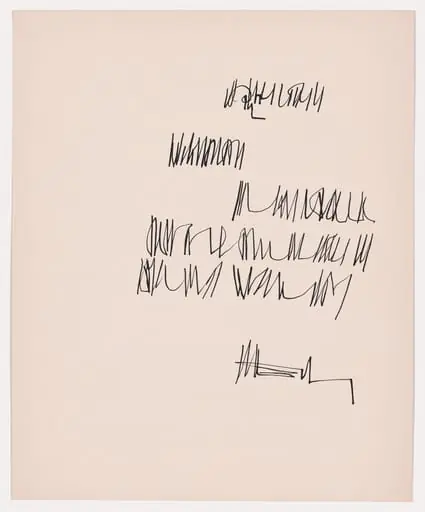 Untitled
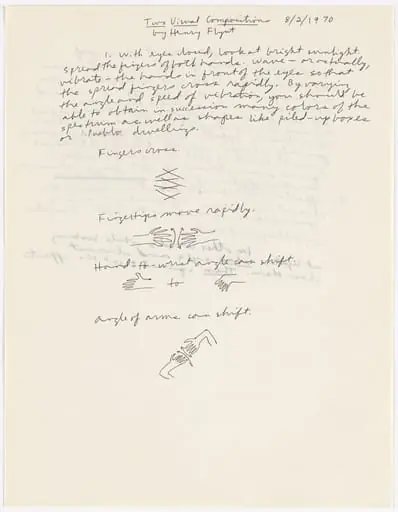 Untitled
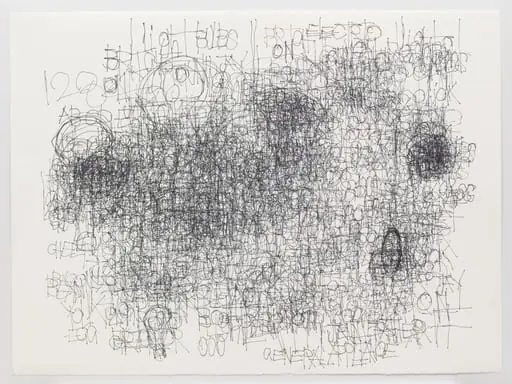 Untitled
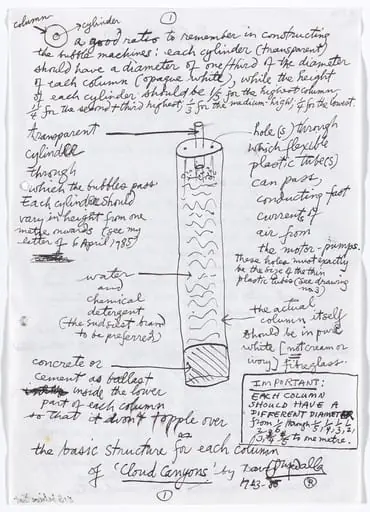 Untitled
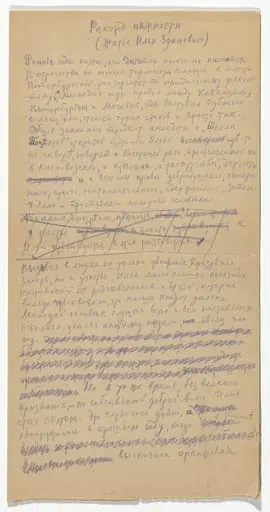 Untitled
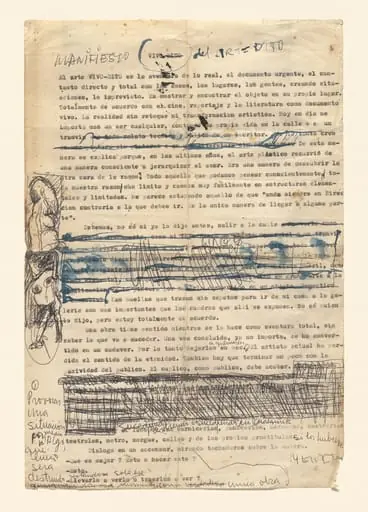 Untitled
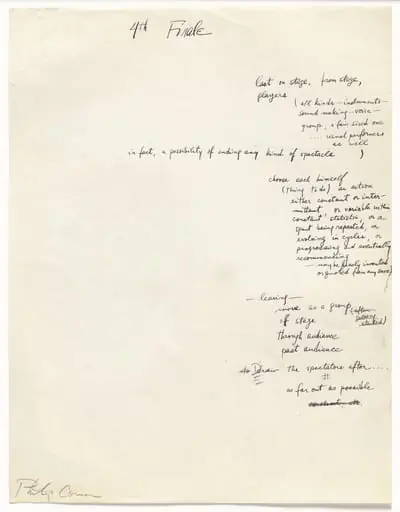 Untitled
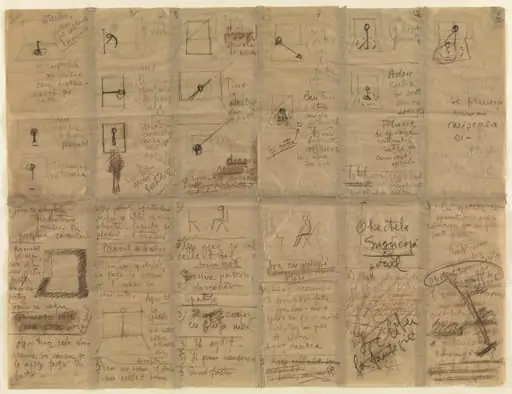 Untitled
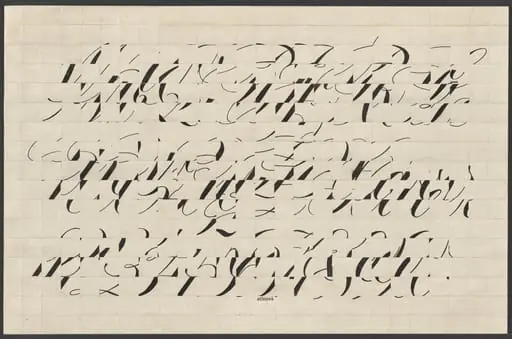 Untitled
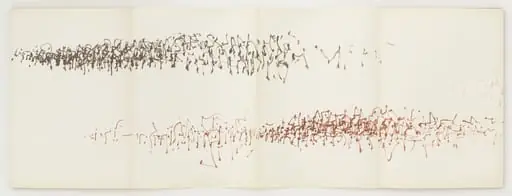 Untitled
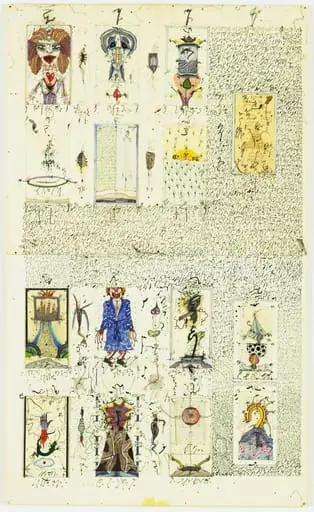 Untitled
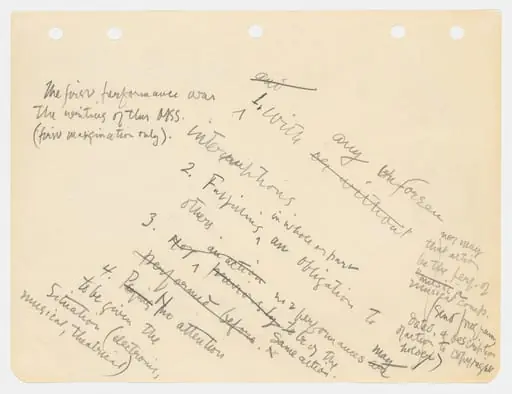 Untitled
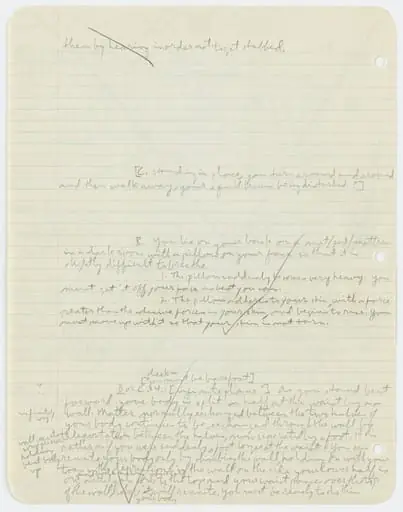 Untitled
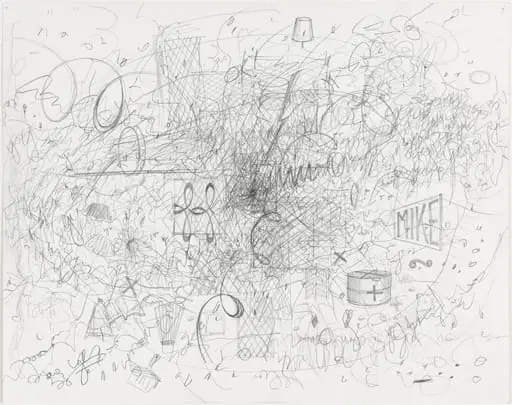 Untitled
 Untitled
 Untitled
 Untitled
 Untitled
 Untitled
 Untitled
 Untitled
 Untitled
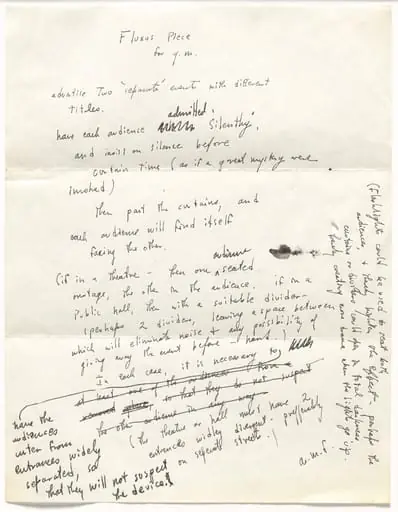 Untitled
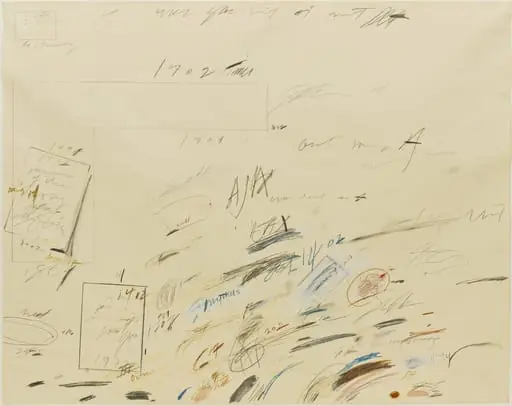 Untitled
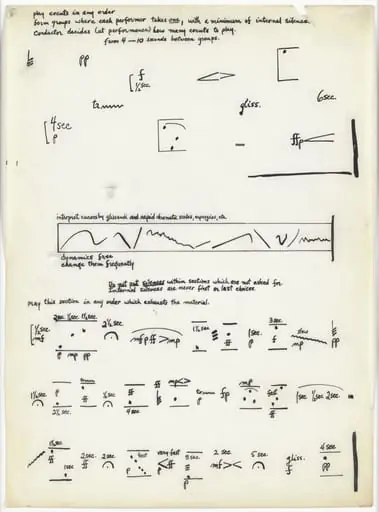 Untitled
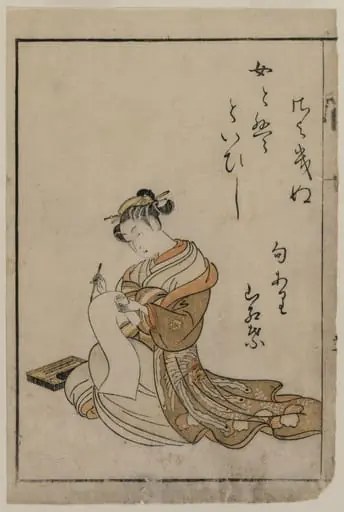 The Courtesan Writing from a Book from the series A Collection of Beautiful Women of the Yoshiwara
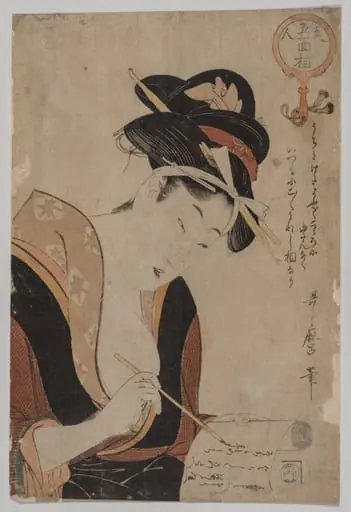 Woman Writing
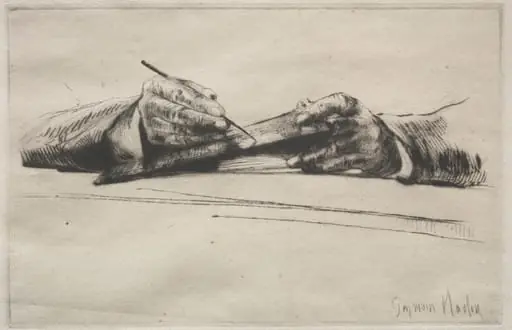 Hands Drypointing
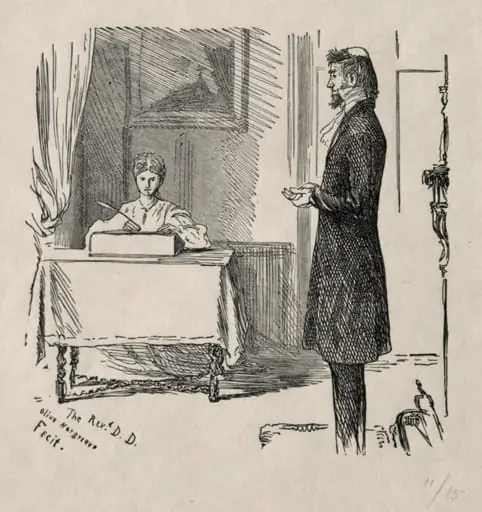 Wanted a Curate
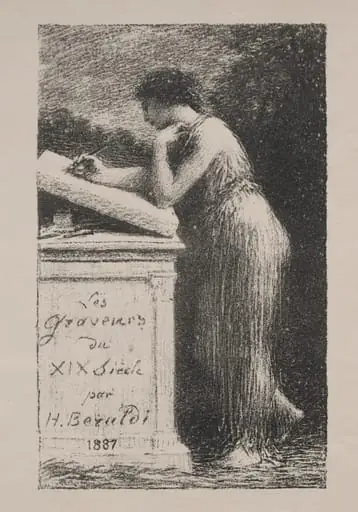 The Lithograph
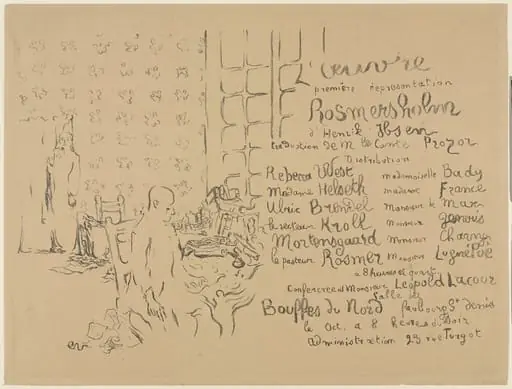 Untitled
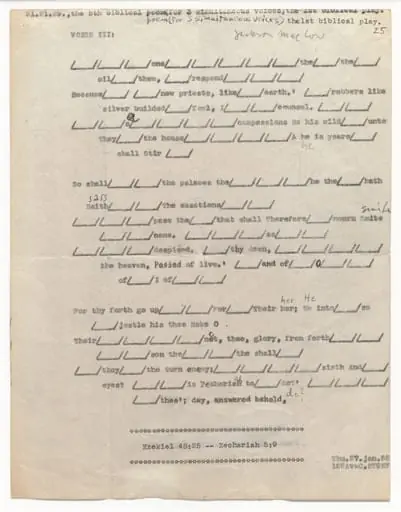 Untitled
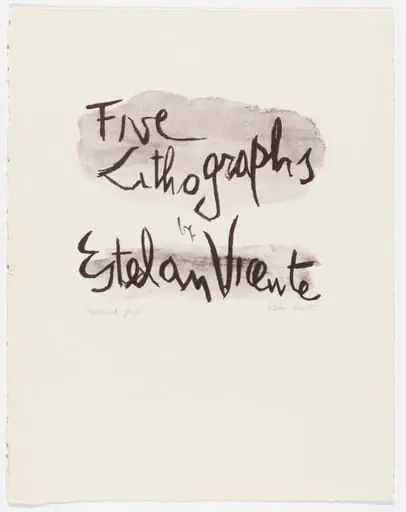 Untitled
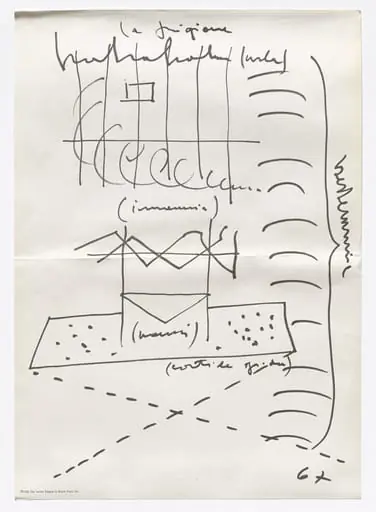 Untitled
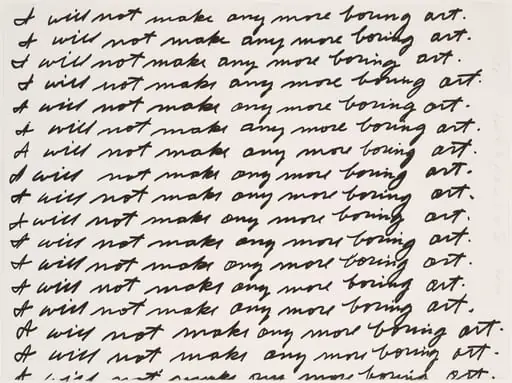 Untitled
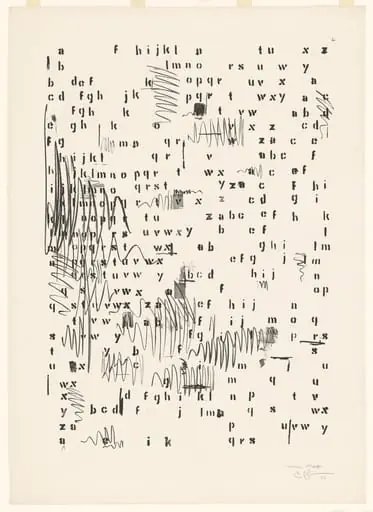 Untitled
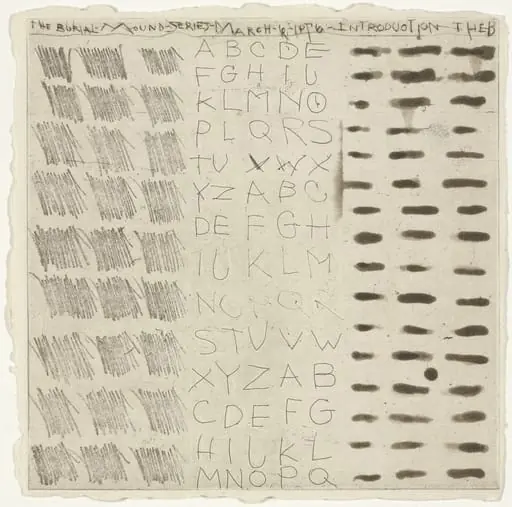 Untitled
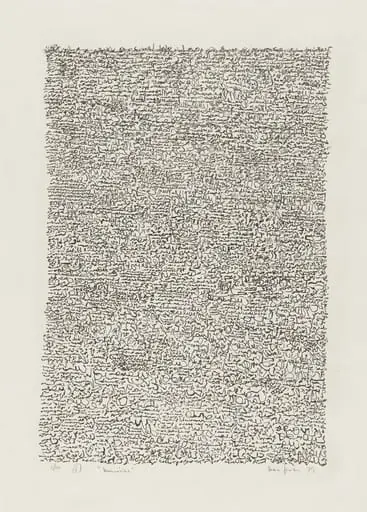 Untitled
 Untitled
 Untitled
 Untitled
 Untitled
Frequently asked questions
What is Writing?
Writing is the act of creating a persistent, usually visual representation of language on a surface.
How many Writing works does Artifact World Gallery have?
Artifact World Gallery holds 182 public-domain Writing works, all free to view and download.
Who are the key Writing artists?
Key Writing artists in the collection include Thomas Eakins, Francis William Edmonds and William Sidney Mount.
Where can I see Writing works?
Writing works in the collection are held by Museum of Modern Art, Metropolitan Museum of Art and National Gallery of Art.