Subject
Leaf
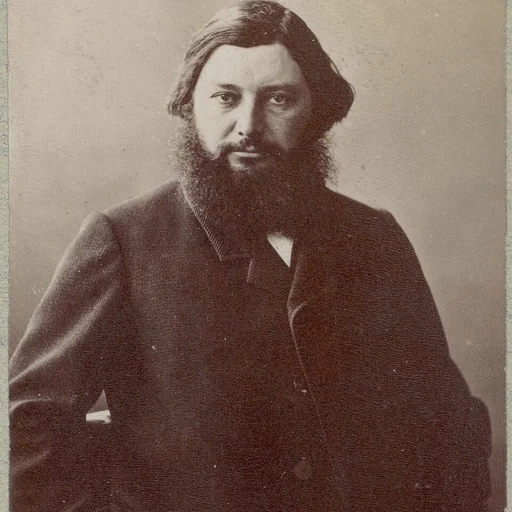
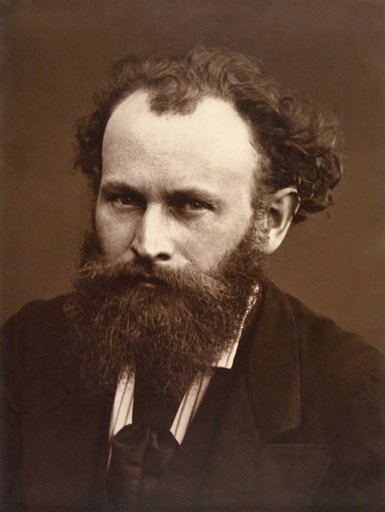
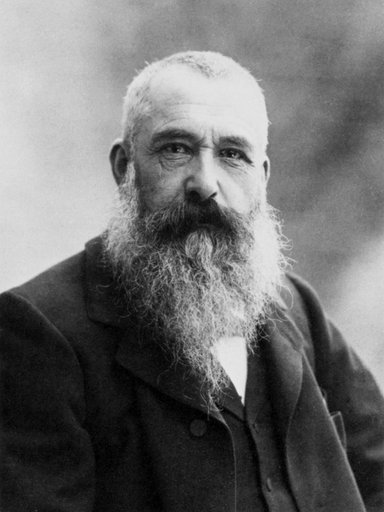
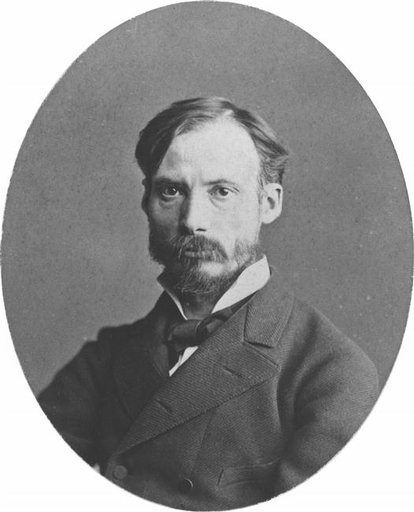
Leaf is a subject in art. The gallery holds 200 works in this subject in art, including works by Gustave Courbet, Édouard Manet and Claude Monet.
The leaf is among the oldest and most versatile motifs in art, valued both as a faithful study of the natural world and as a vehicle for stylised ornament. Its decorative career begins in earnest with the acanthus, whose spiny, serrated foliage the Greeks adopted in the fifth century B.C. for the Corinthian capital. Ancient writers credited the sculptor Callimachus with inventing the form after seeing acanthus leaves spring up around a basket left on a girl's grave—an origin that fixed the leaf's enduring association with funerary remembrance and eternal life. Roman carvers softened the sharp Greek lobes into the fuller, more pliant scrolls seen across imperial architecture, such as the Temple of Olympian Zeus in Athens.
As naturalistic illusion, painted foliage flourished in Roman wall decoration. The frescoes from the cubiculum of the Villa of P. Fannius Synistor at Boscoreale (c. 50–40 B.C.E., now in the Metropolitan Museum of Art) wind painted vines and hanging garlands through architectural fantasies, blurring the line between real and depicted growth. This double life—ornamental and observed—runs through the still-life tradition. In Dutch Golden Age painting, Jan Davidsz. de Heem set glistening vine leaves and curling tendrils against glass and oysters, where withering foliage often carried vanitas overtones of transience, while Rembrandt wreathed his Flora in fresh greenery as an emblem of fertility and spring.
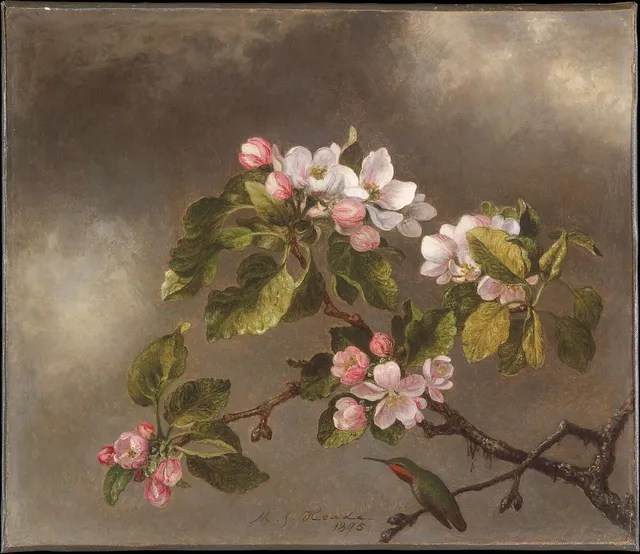
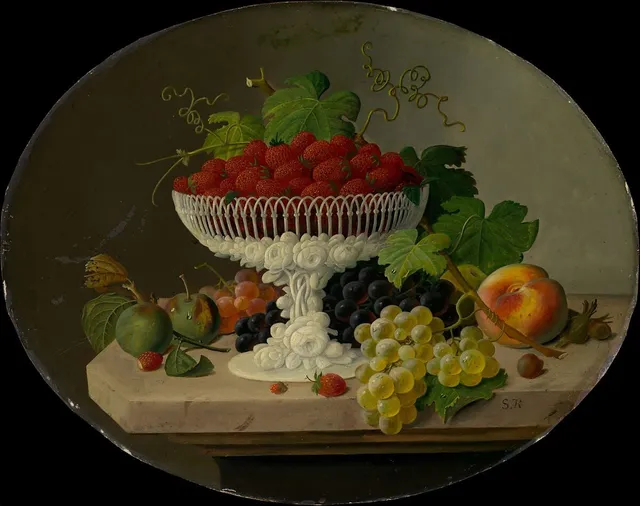
The leaf acquired new scientific precision in the nineteenth century. American painters made botanical accuracy a specialty: Martin Johnson Heade studied apple-blossom foliage directly from nature in works such as Hummingbird and Apple Blossoms (1875), heeding John Ruskin's call for truth to nature, while Severin Roesen, George Henry Hall, and George Cochran Lambdin built lush foliate still lifes. Courbet, by contrast, embedded the figure in dense riverbank leafage, treating foliage as atmosphere rather than specimen.
The motif's last great flowering was decorative. William Morris and the Arts and Crafts movement filled wallpapers and textiles with twisting vines and stylised leaves, and Art Nouveau distilled the plant into the sinuous "whiplash" line—named for Hermann Obrist's embroidery Cyclamen (1895)—carrying the leaf from antique capital to modern ornament.
Key artists
Works
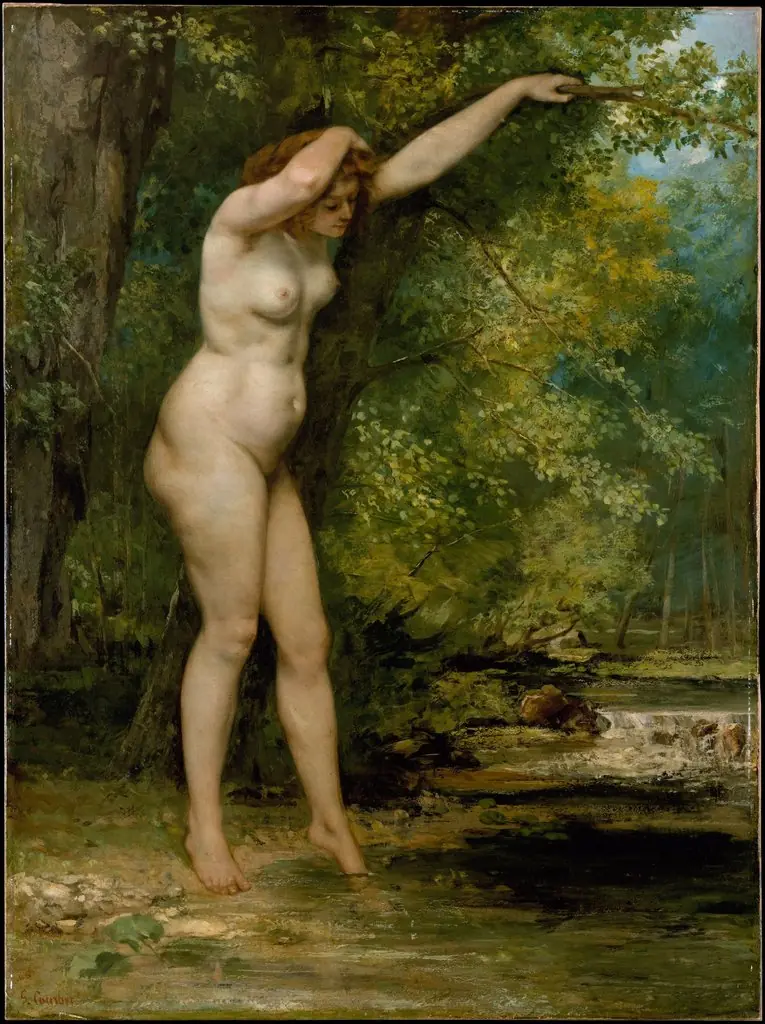 The Young Bather
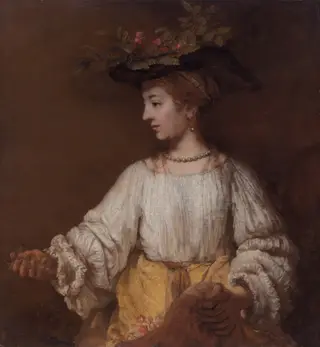 Flora
Flora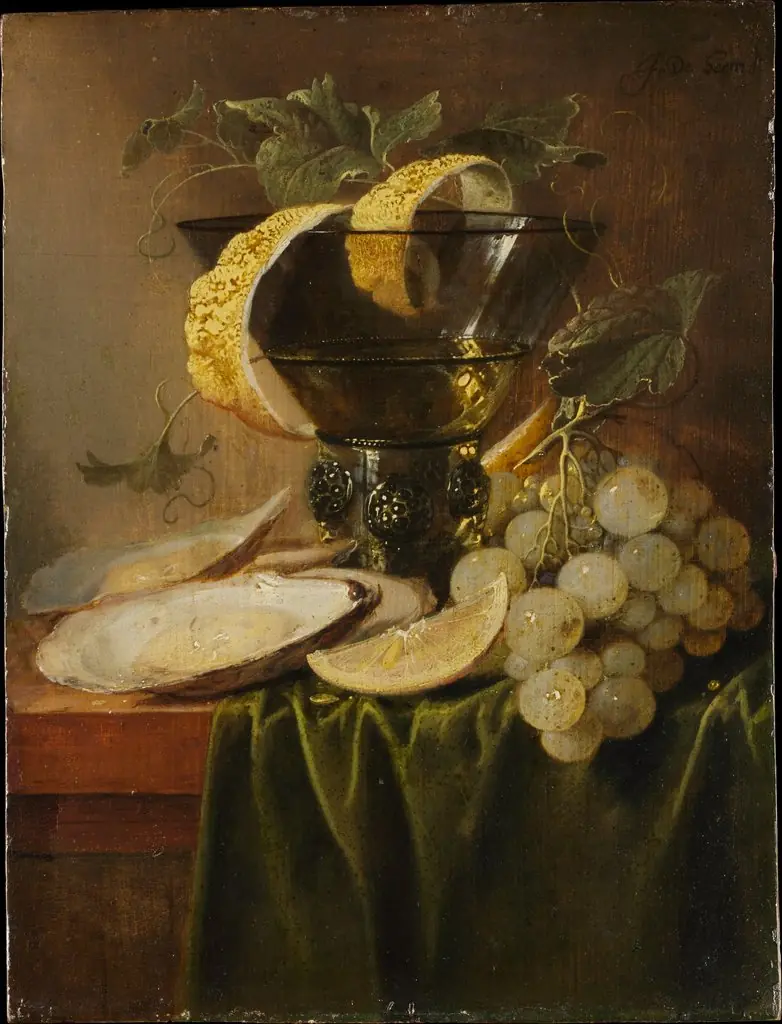 Still Life with a Glass and Oysters
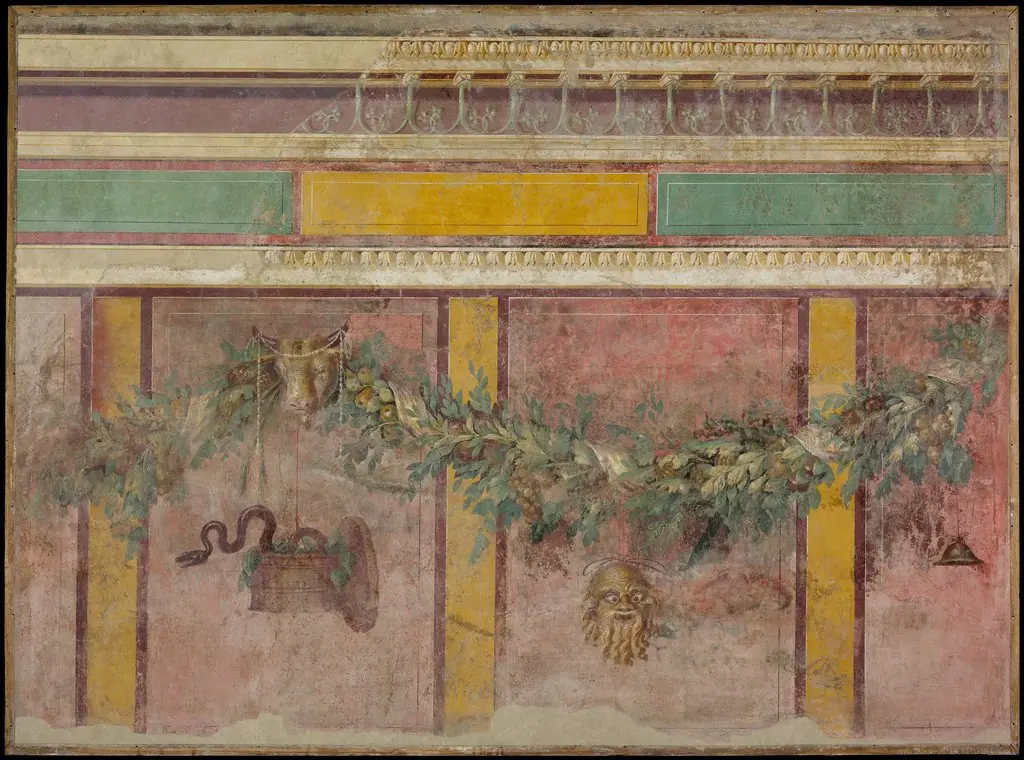 Wall painting from the west wall of Room L of the Villa of P. Fannius Synistor at Boscoreale
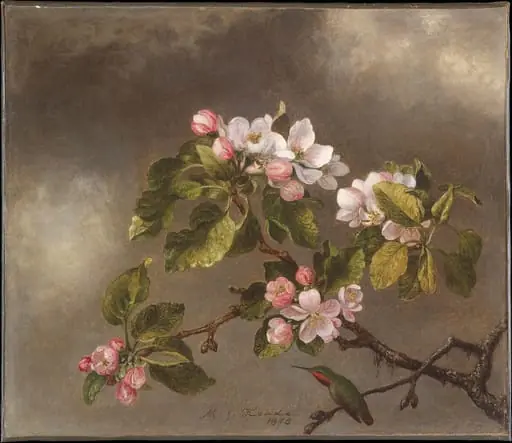 Hummingbird and Apple Blossoms
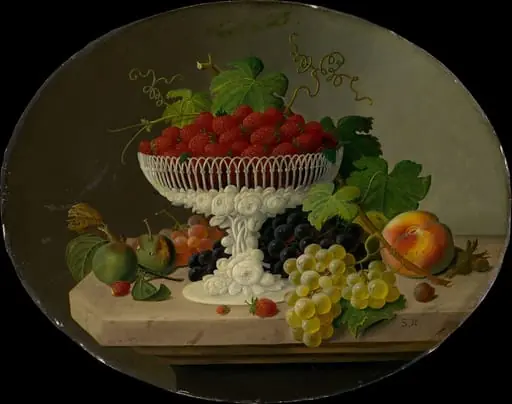 Still Life with Strawberries in a Compote
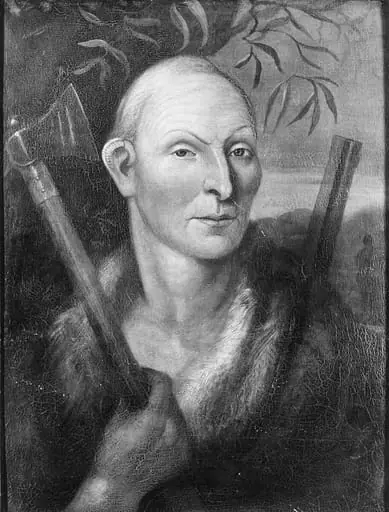 Black Hawk
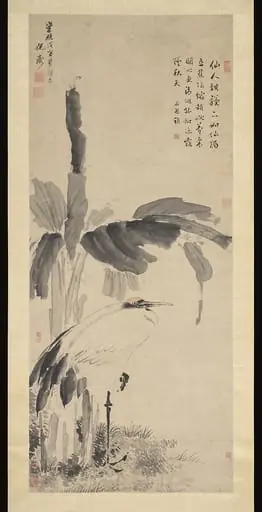 明 倪元璐 蕉鶴圖 軸|Crane Beneath a Banana Tree
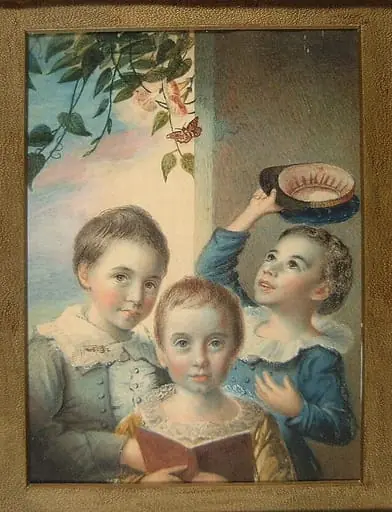 Portrait of Three Boys
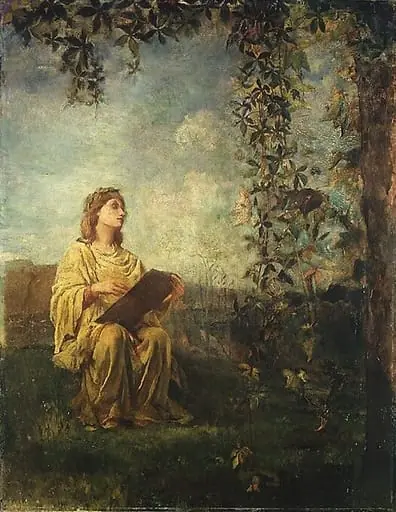 The Muse of Painting
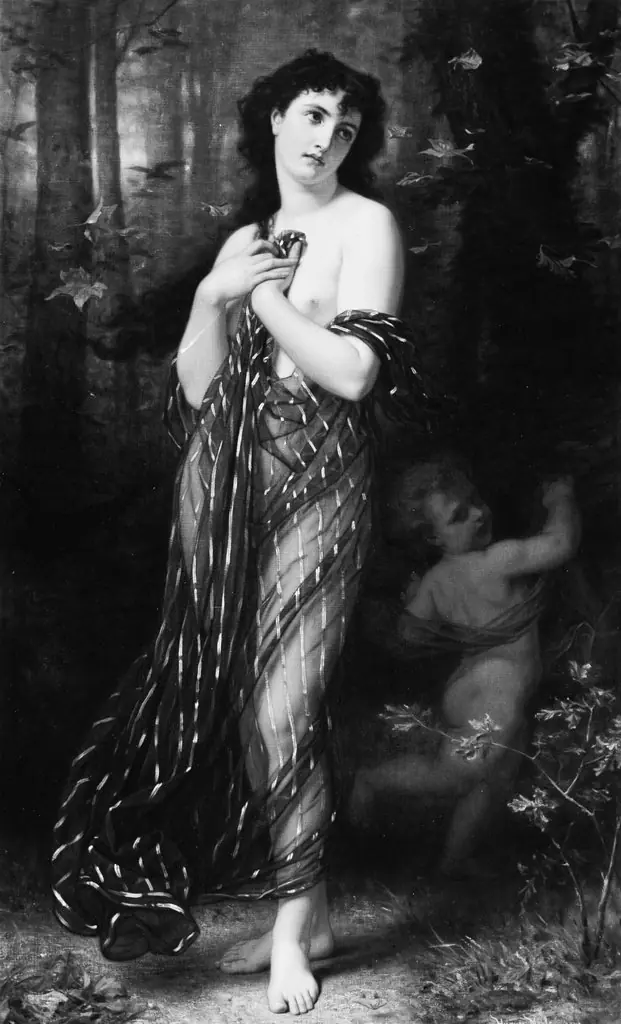 Falling Leaves, Allegory of Autumn
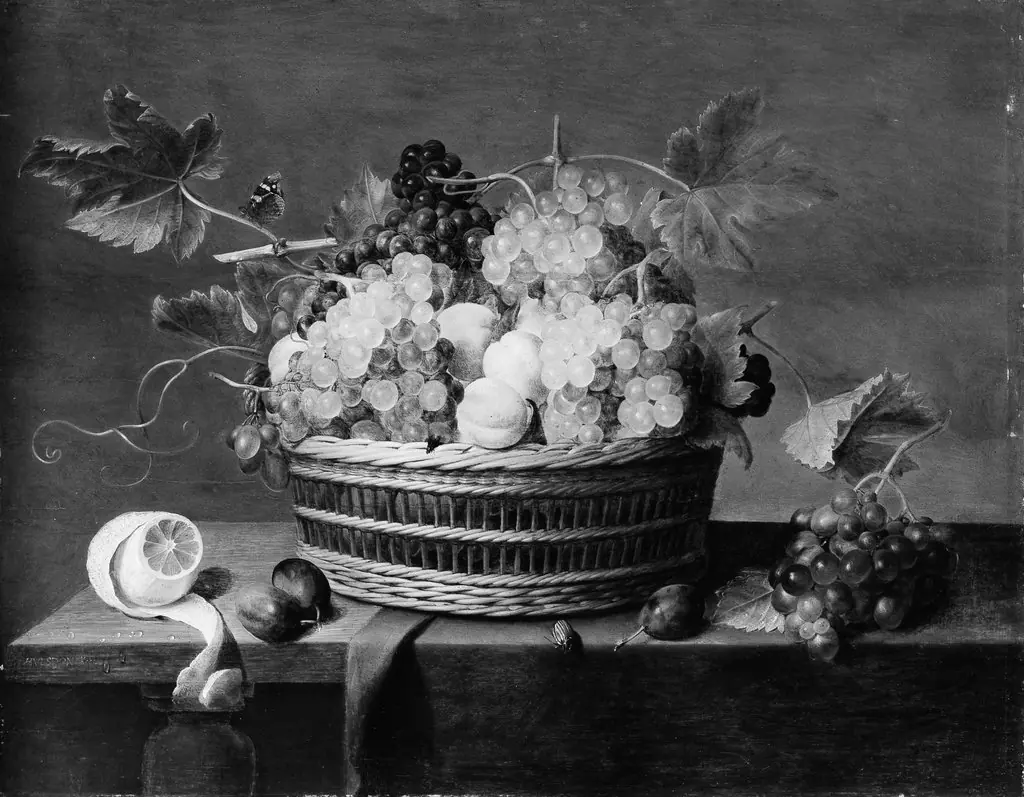 Still Life: A Basket of Grapes and Other Fruit
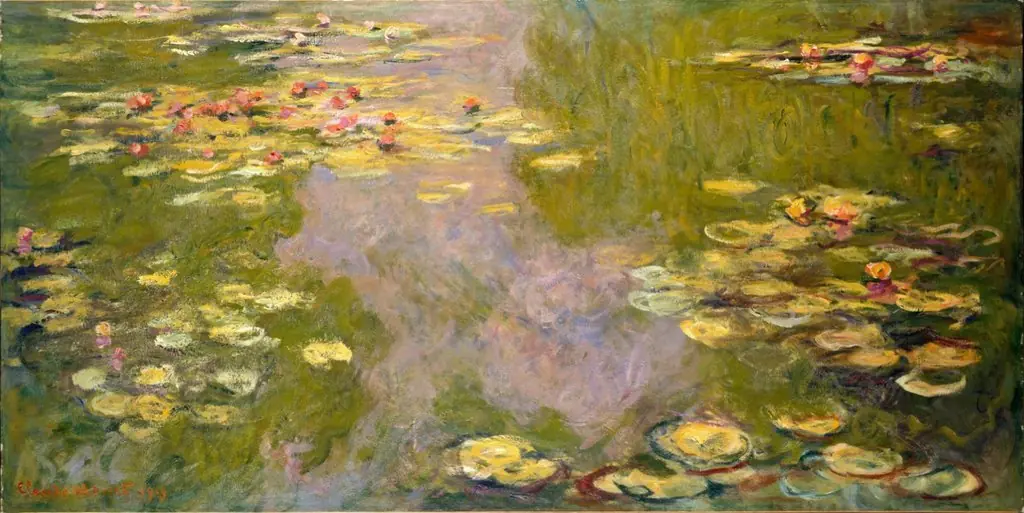 Water Lilies
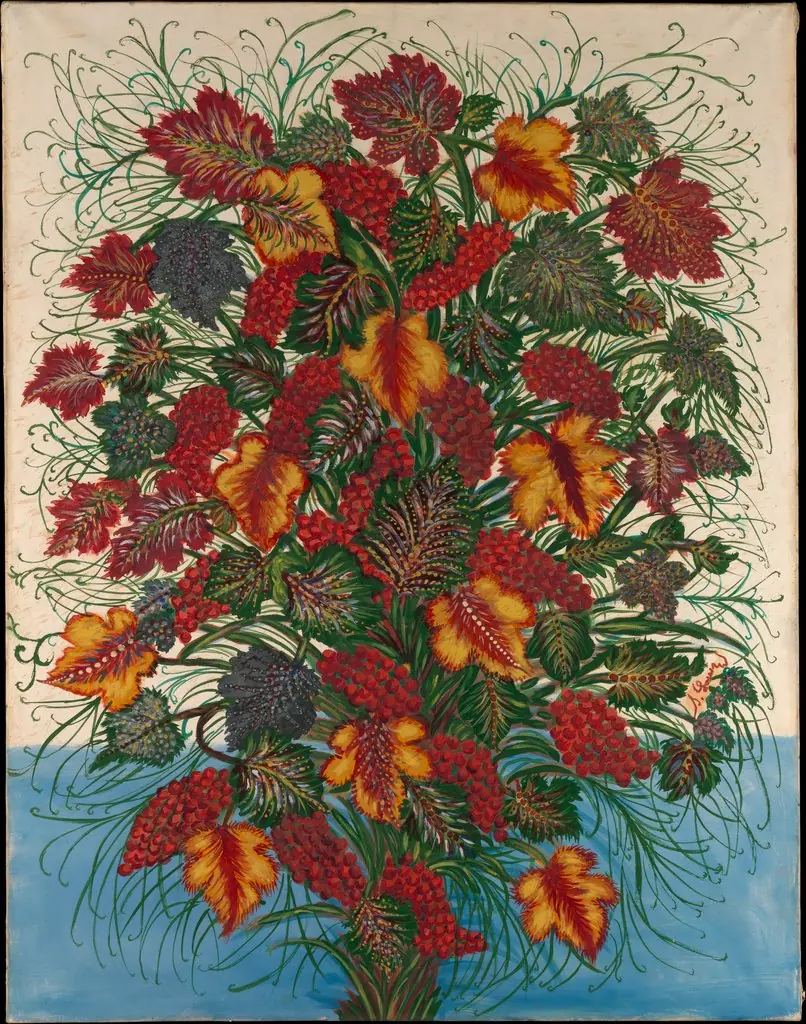 The Large Bouquet
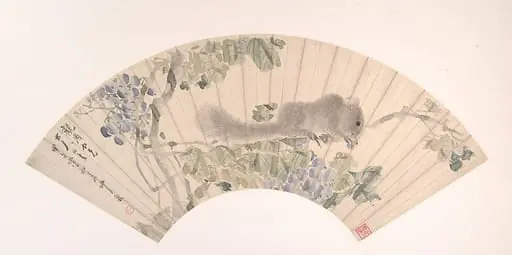 清 沙馥 松鼠葡萄 扇面|Squirrel and Grapes
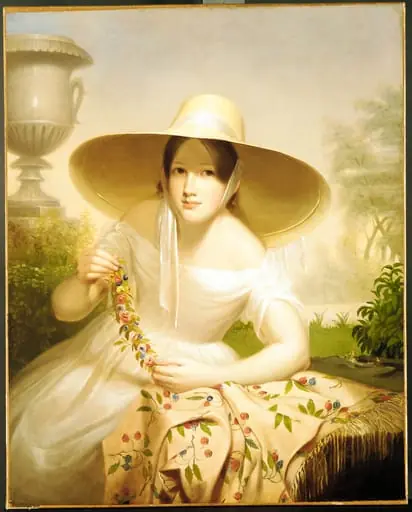 Spring
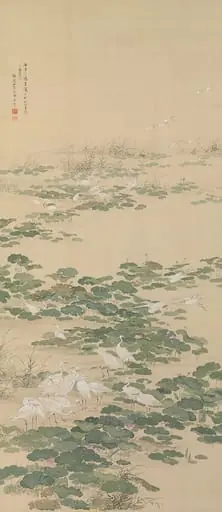 山本梅逸筆 蓮池白鷺図|Egrets in a Lotus Pond
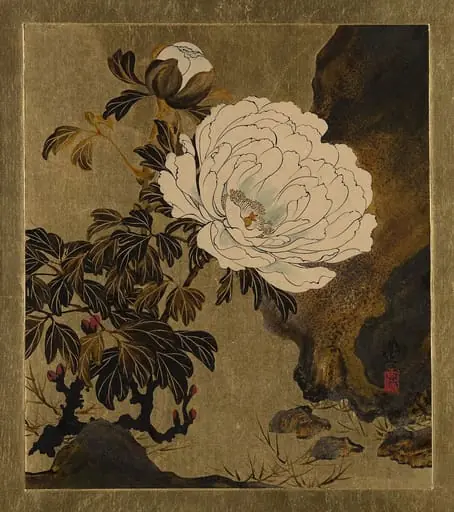 Untitled
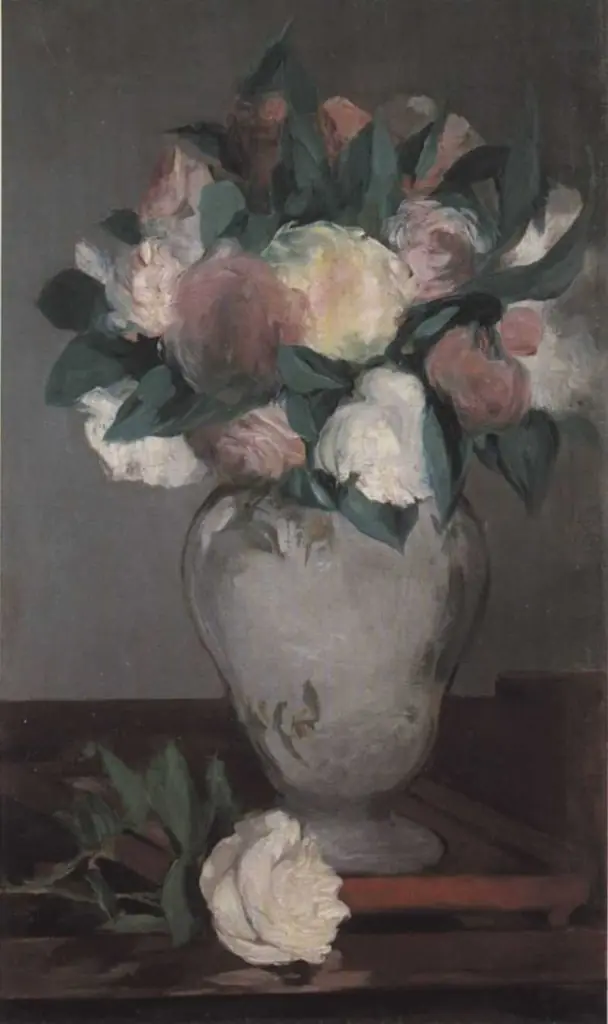 Peonies
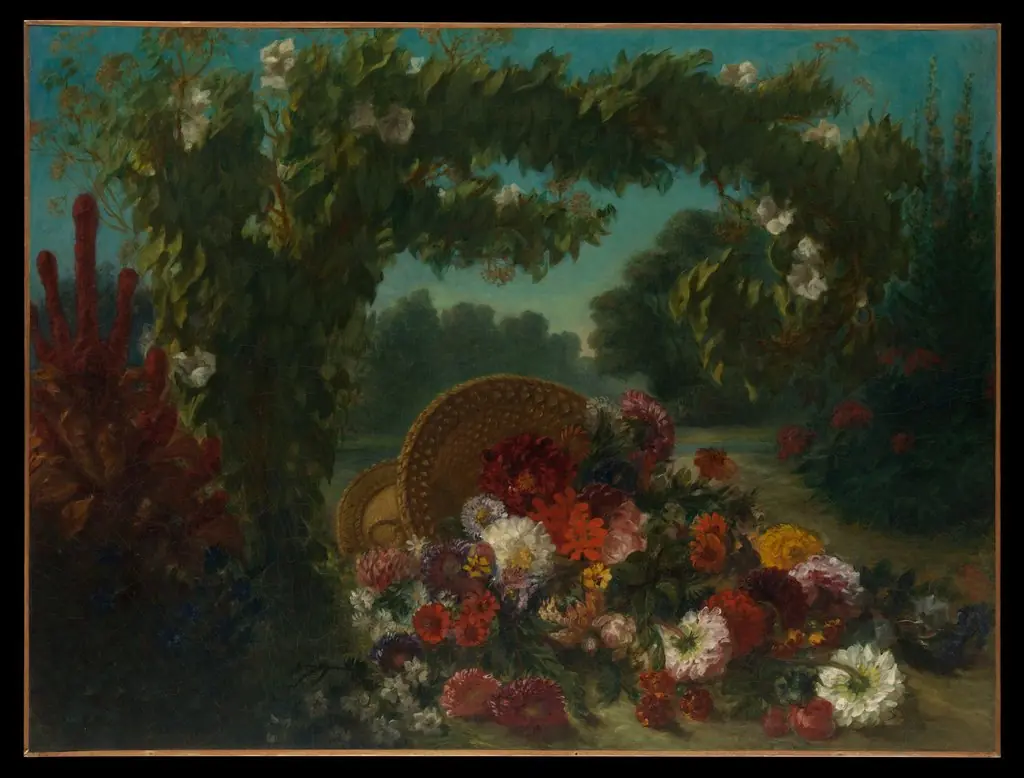 Basket of Flowers
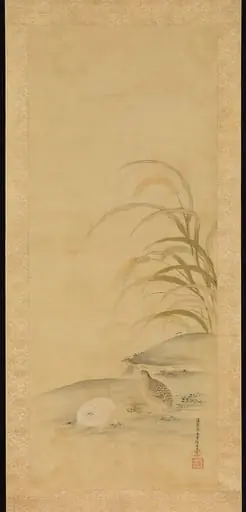 粟に鶉図|Quail and Millet
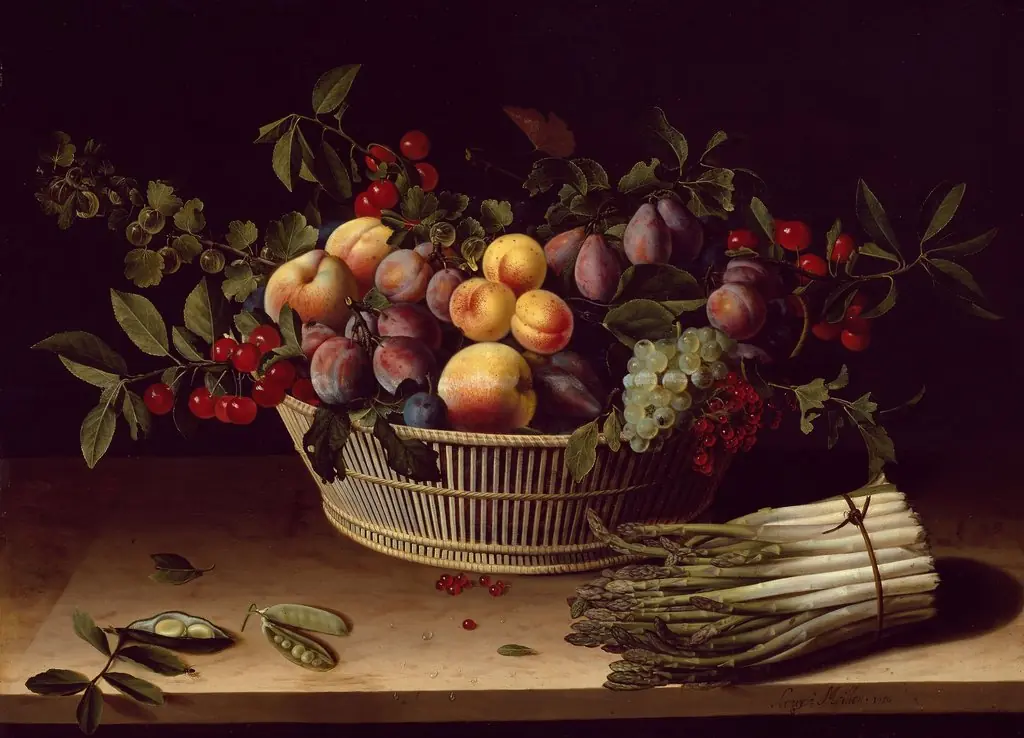 Still Life with a Basket of Fruit and a Bunch of Asparagus
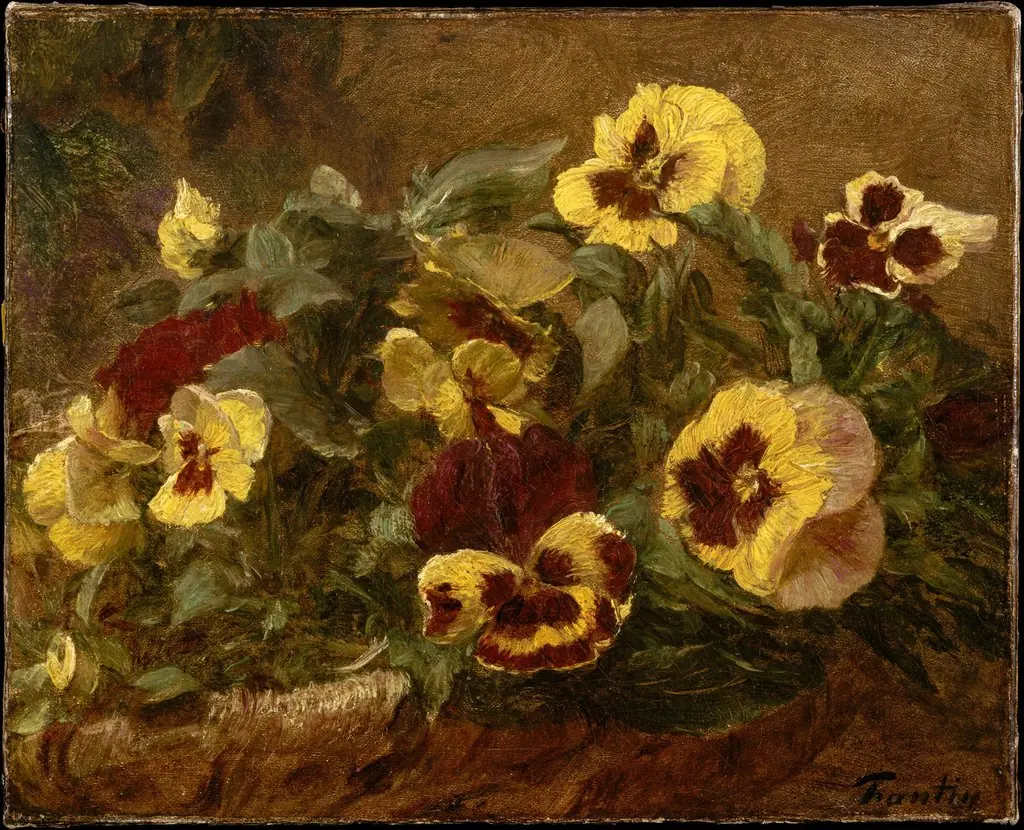 Pansies
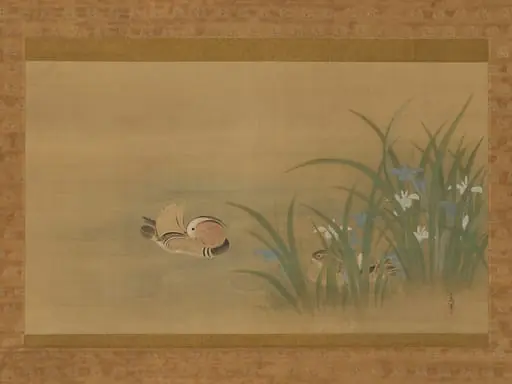 狩野常信筆 燕子花に鴛鴦図|Mandarin Ducks and Iris
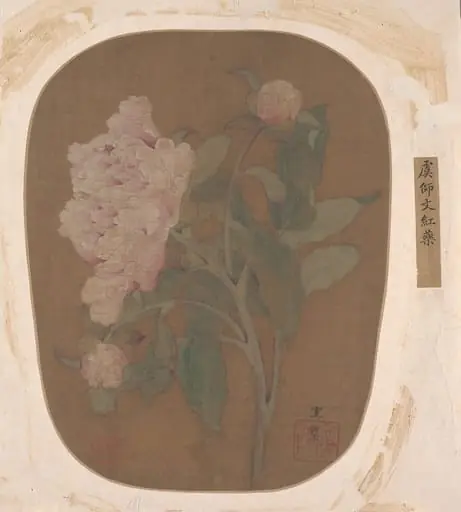 Untitled
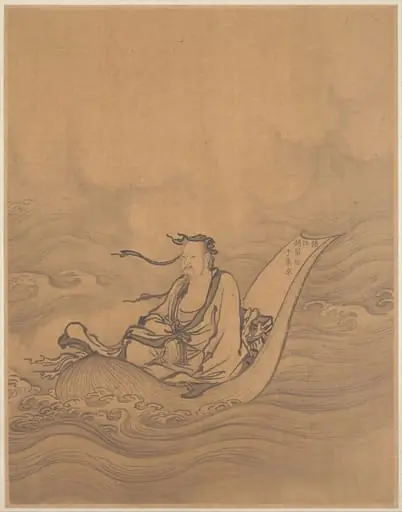 明/清 佚名 舊傳趙芾 乘蓮渡江 冊頁|Sage Floating on Lotus Leaf
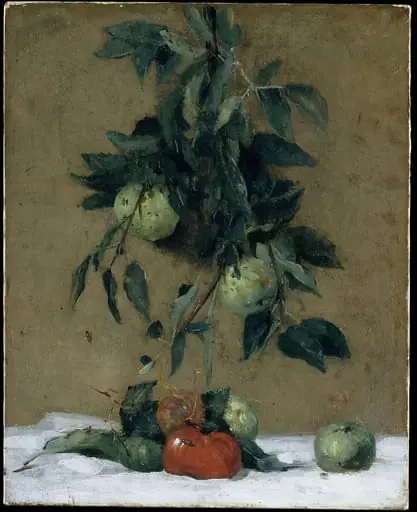 Fruit
Fruit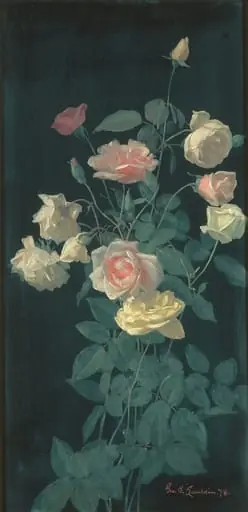 Roses
Roses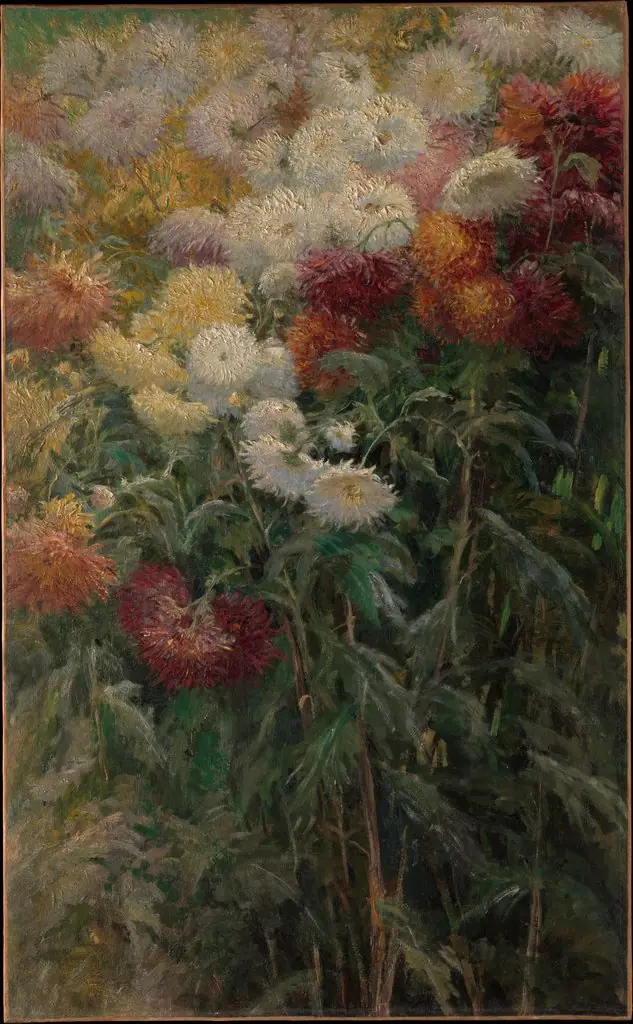 Chrysanthemums in the Garden at Petit Gennevilliers
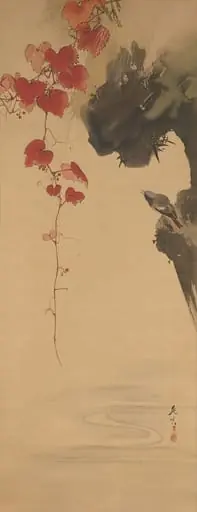 Untitled
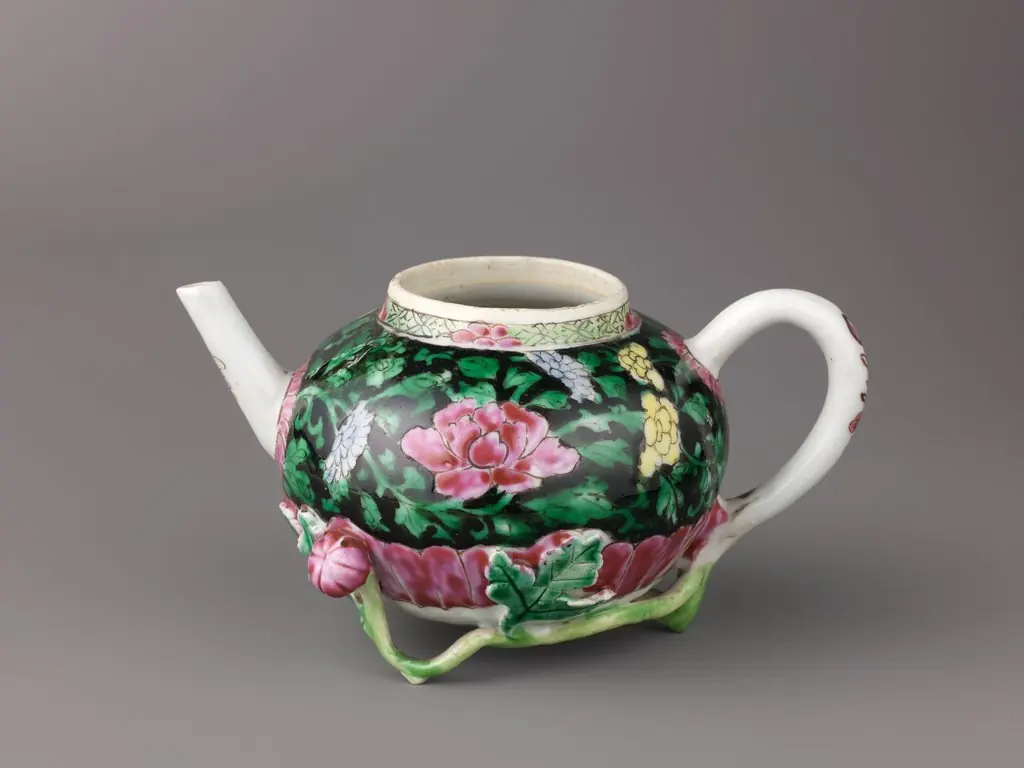 Teapot (a) and saucer (b)
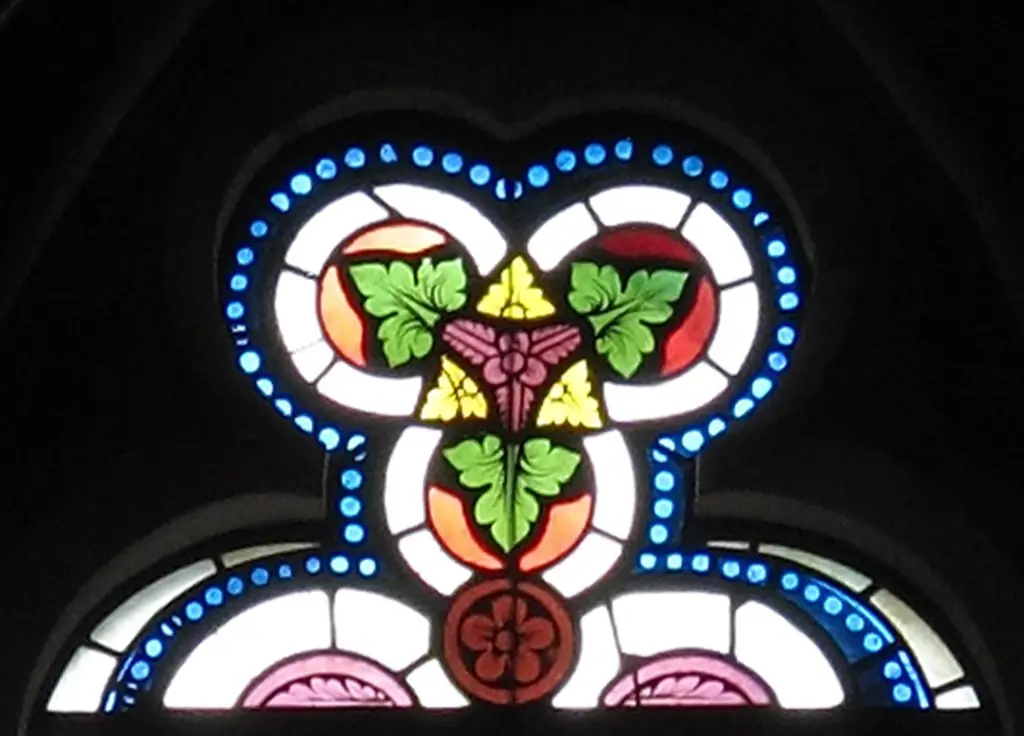 Ornamental Lancet Heads
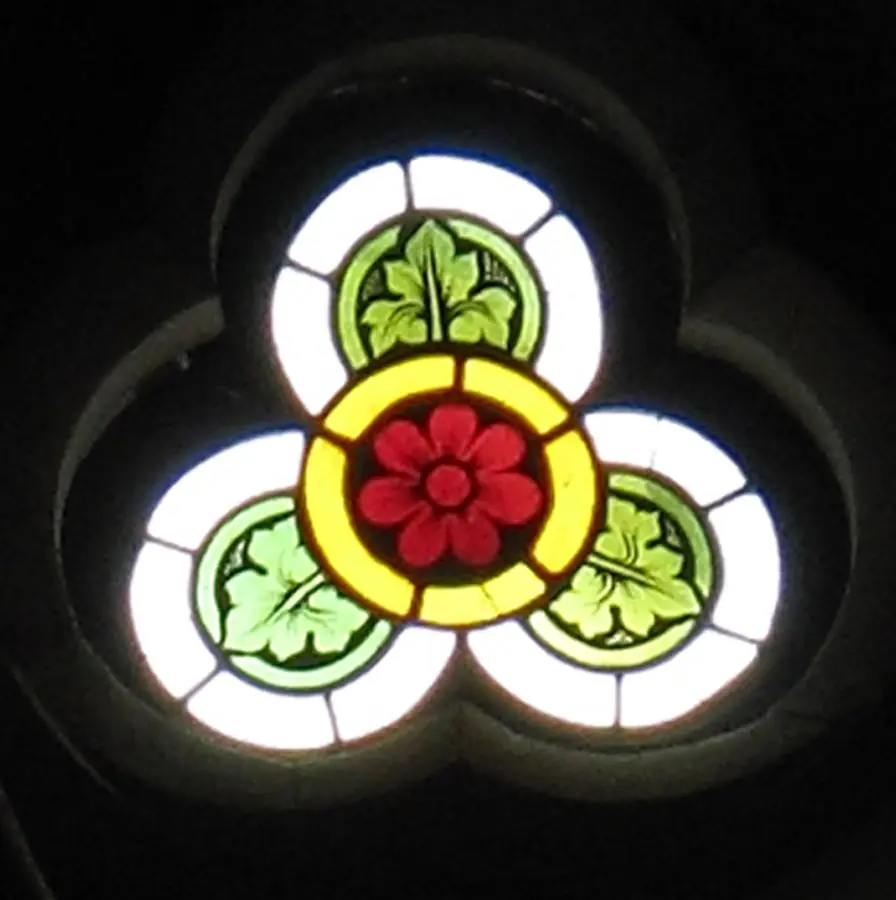 Trefoil-shaped Tracery Light
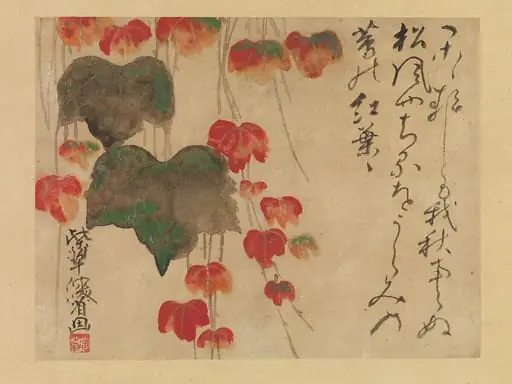 蔦紅葉図|Autumn Ivy
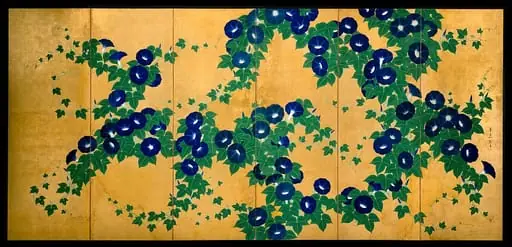 朝顔図屏風|Morning Glories
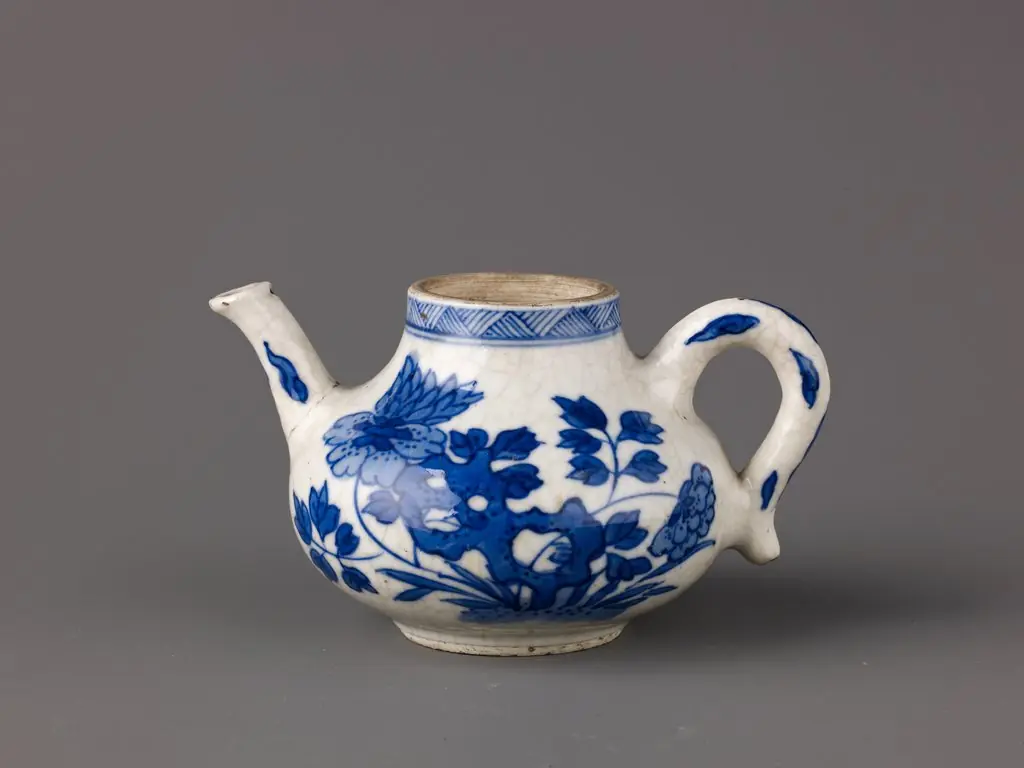 Small wine pot or teapot
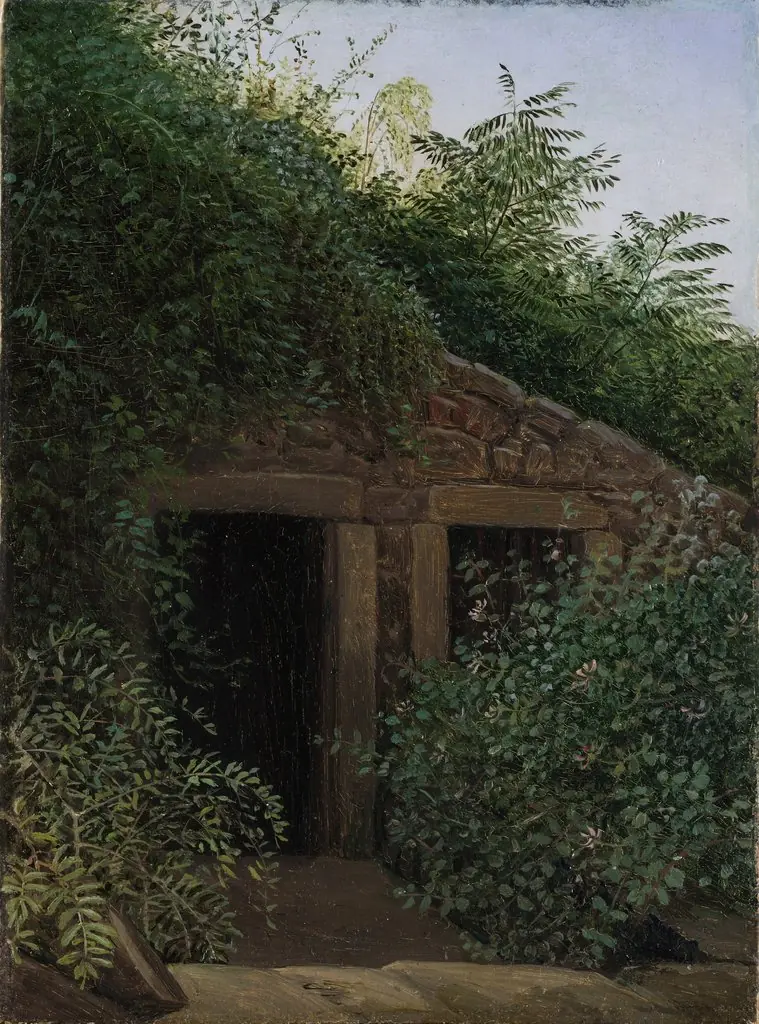 An Overgrown Mineshaft
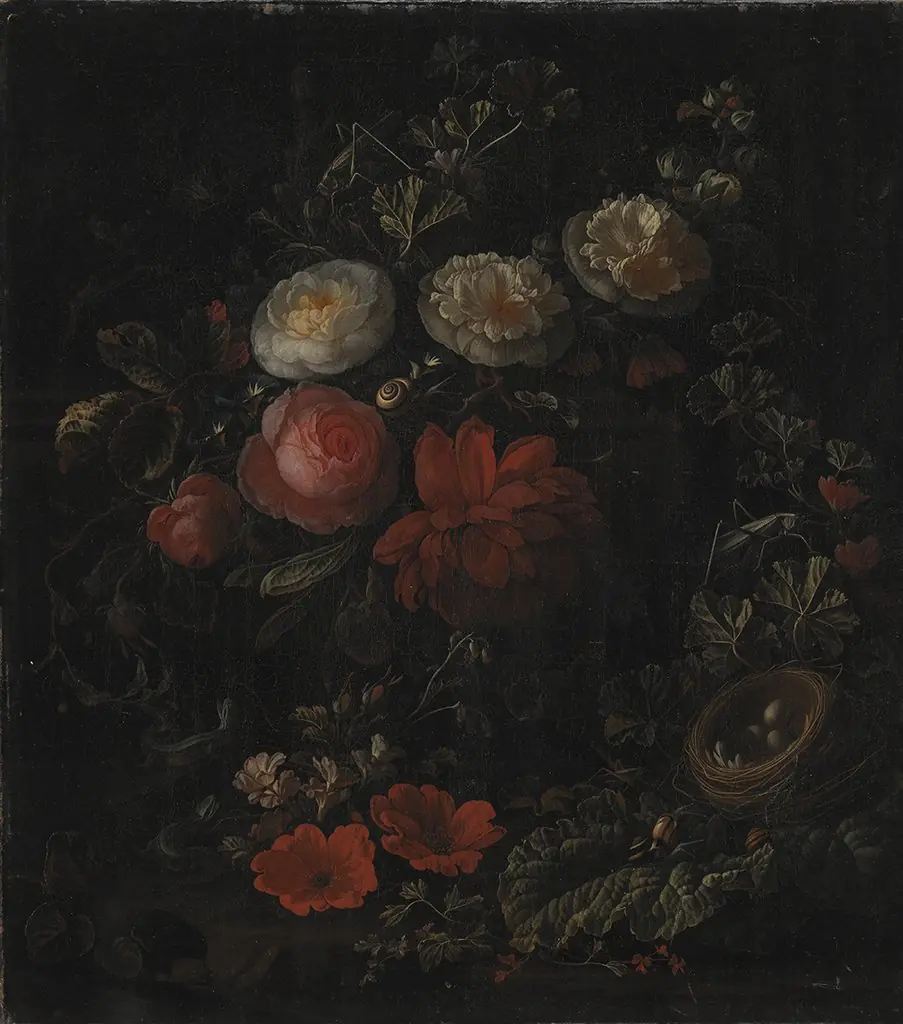 Flowers
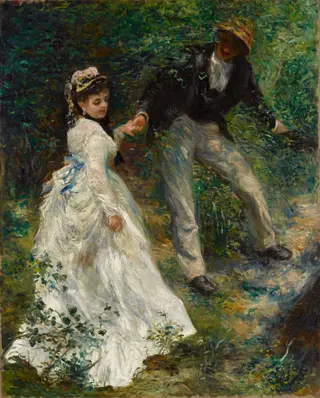 La Promenade
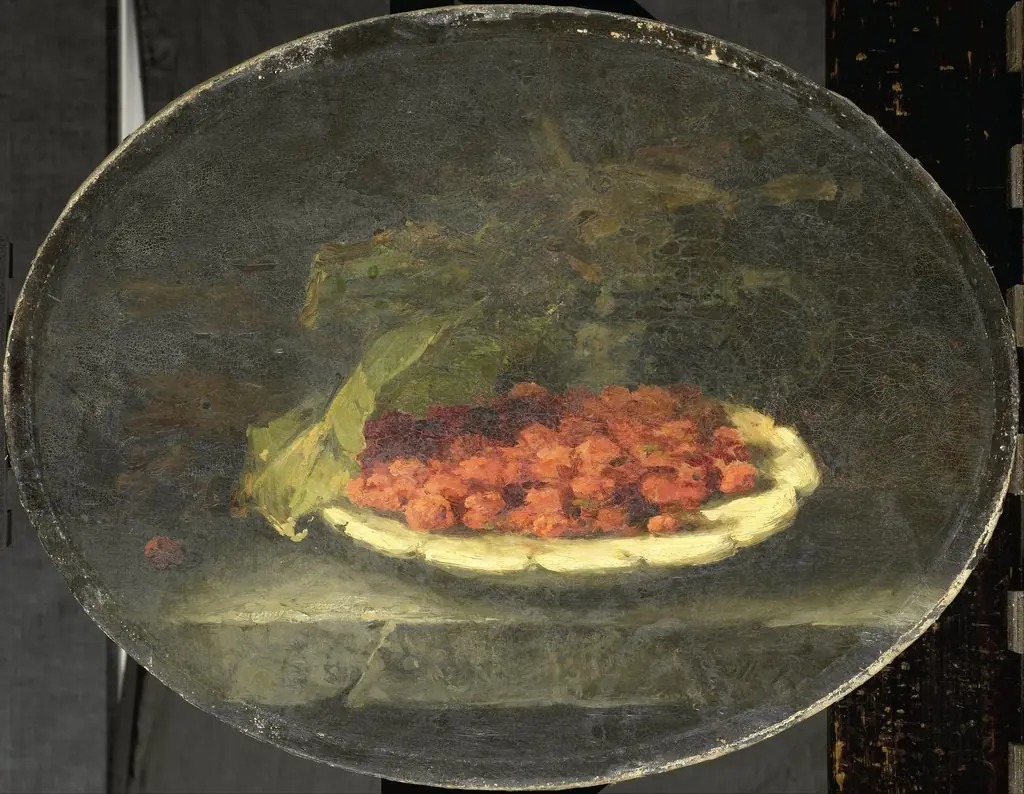 Stilleven met aardbeien in een witte schaal
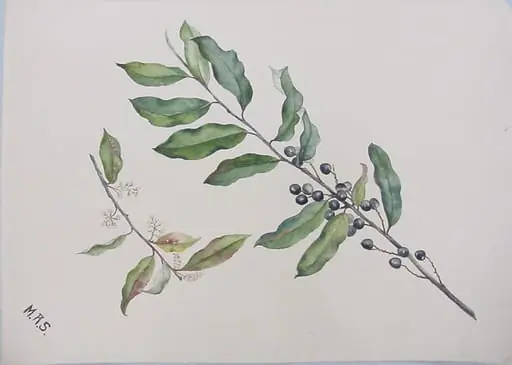 Cherry Laurel (Mock Orange) Bough
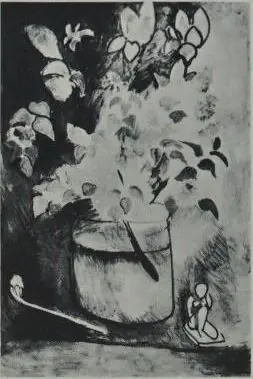 Lilacs
 ALUM
ALUM Untitled
 Untitled
 Untitled
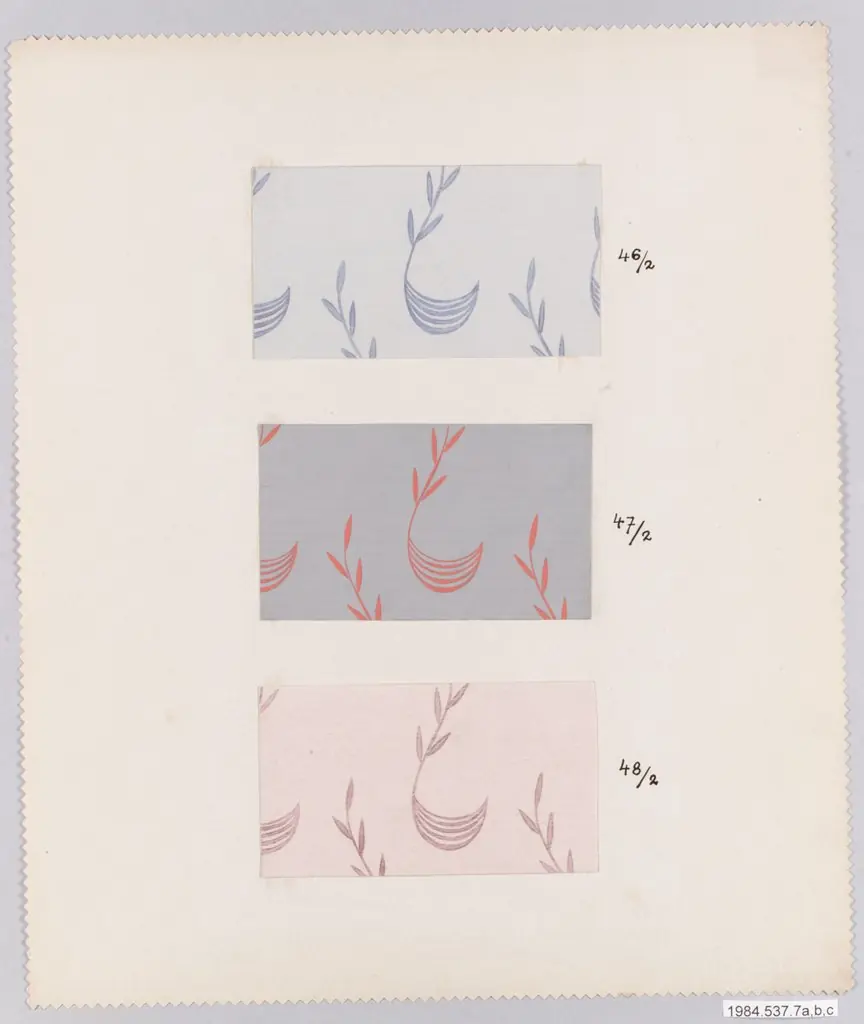 ALUM
ALUM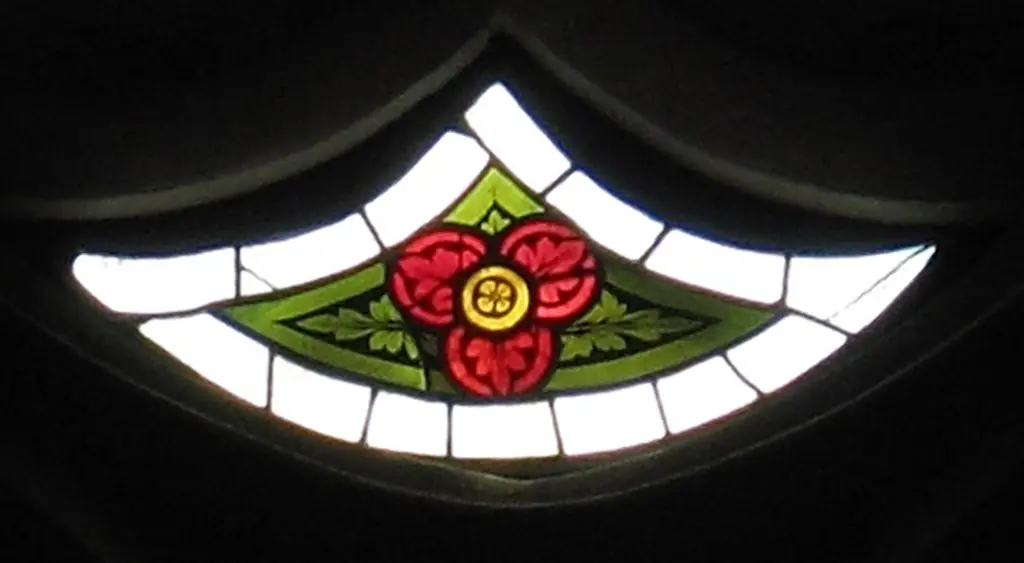 Triangular-shaped Tracery Light
 Orange Branch
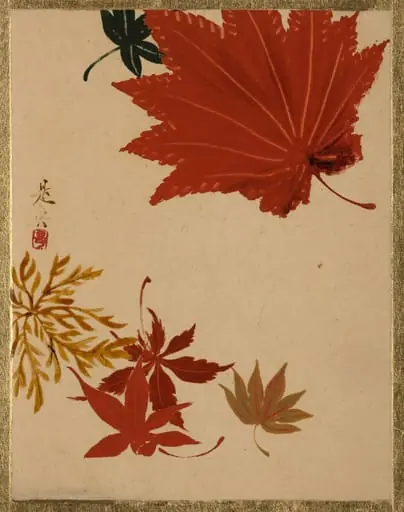 Untitled
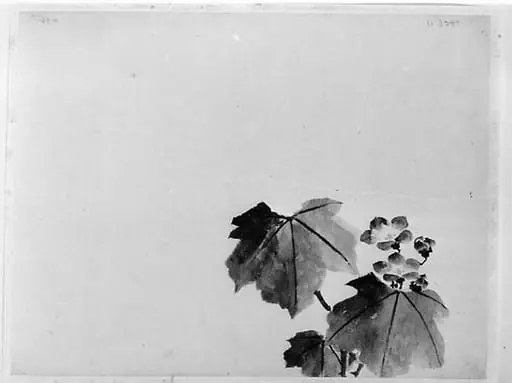 Untitled
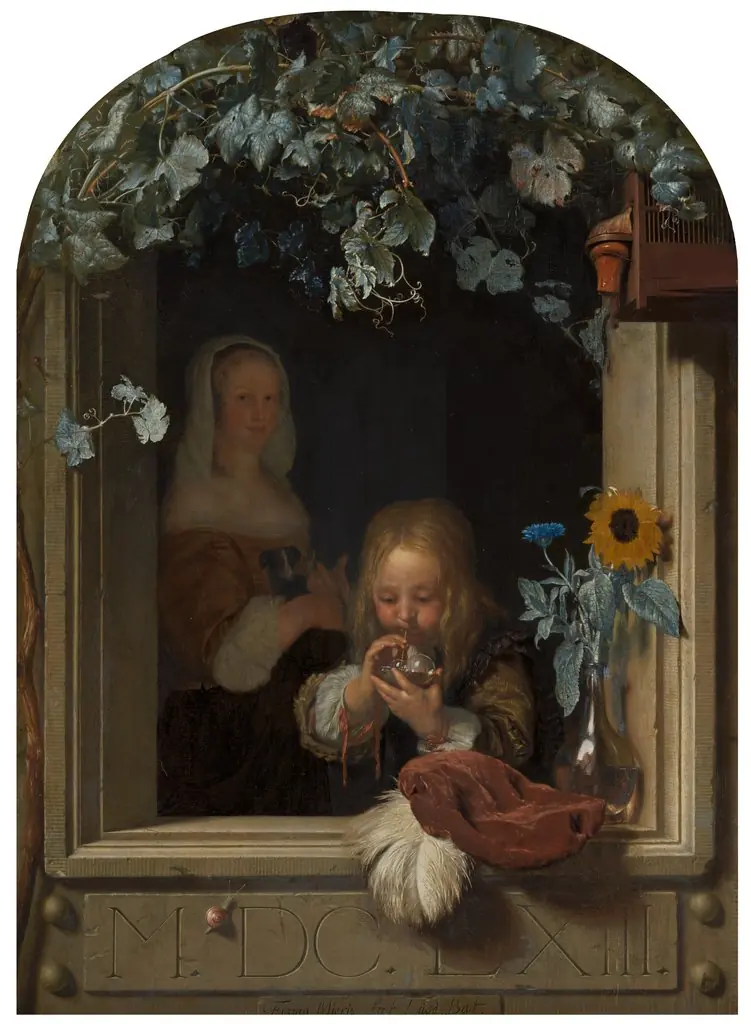 A Boy Blowing Bubbles
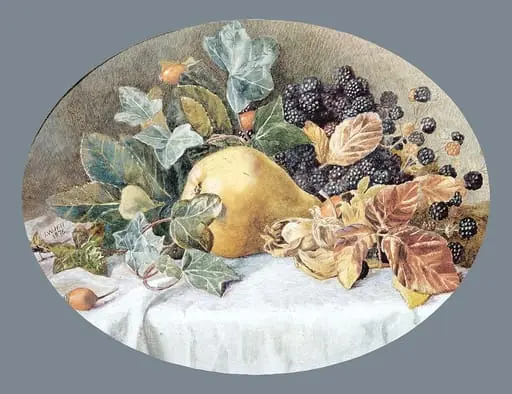 Still Life with Fruit
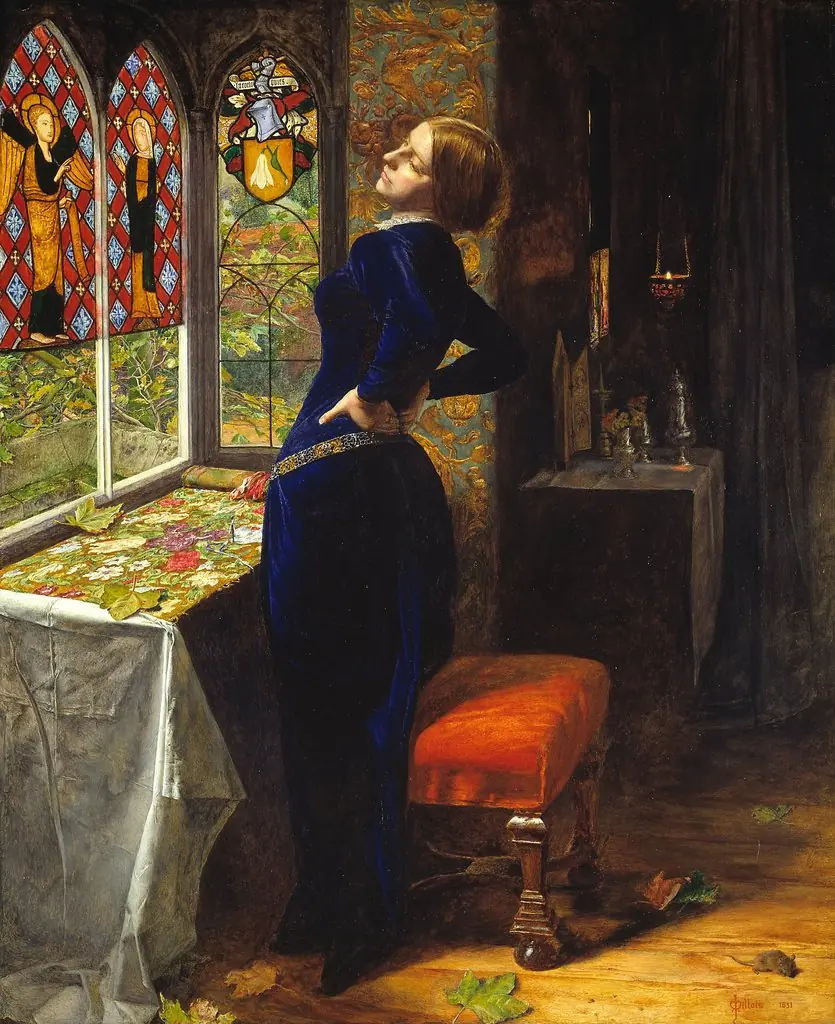 Mariana
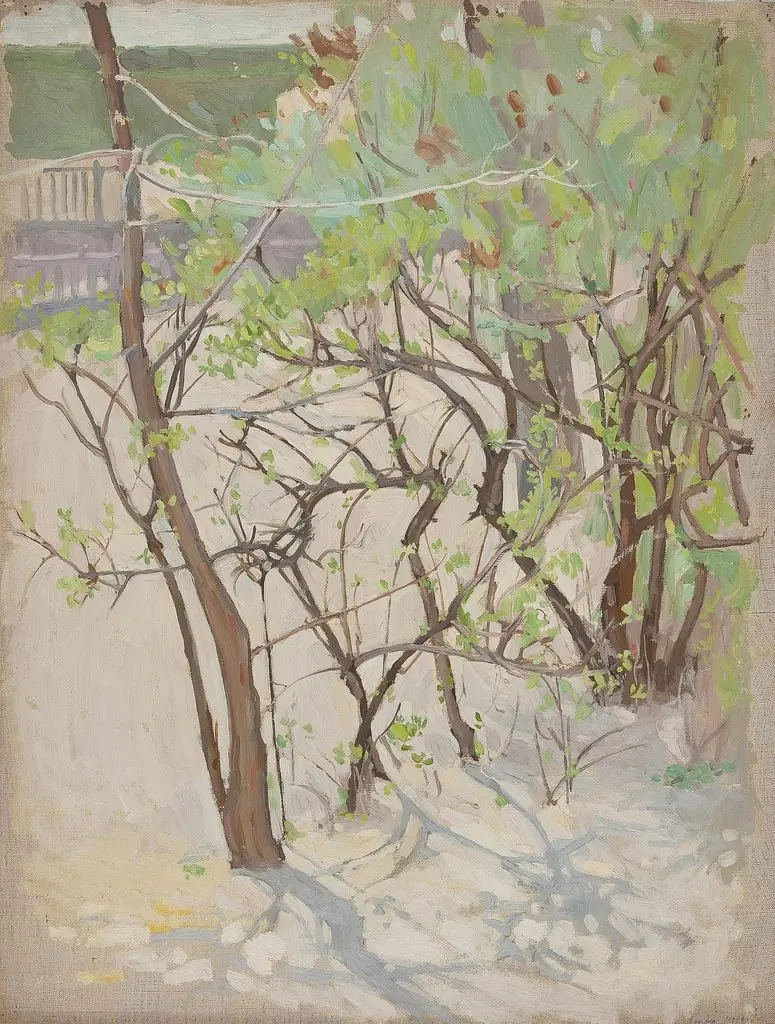 Spring Landscape
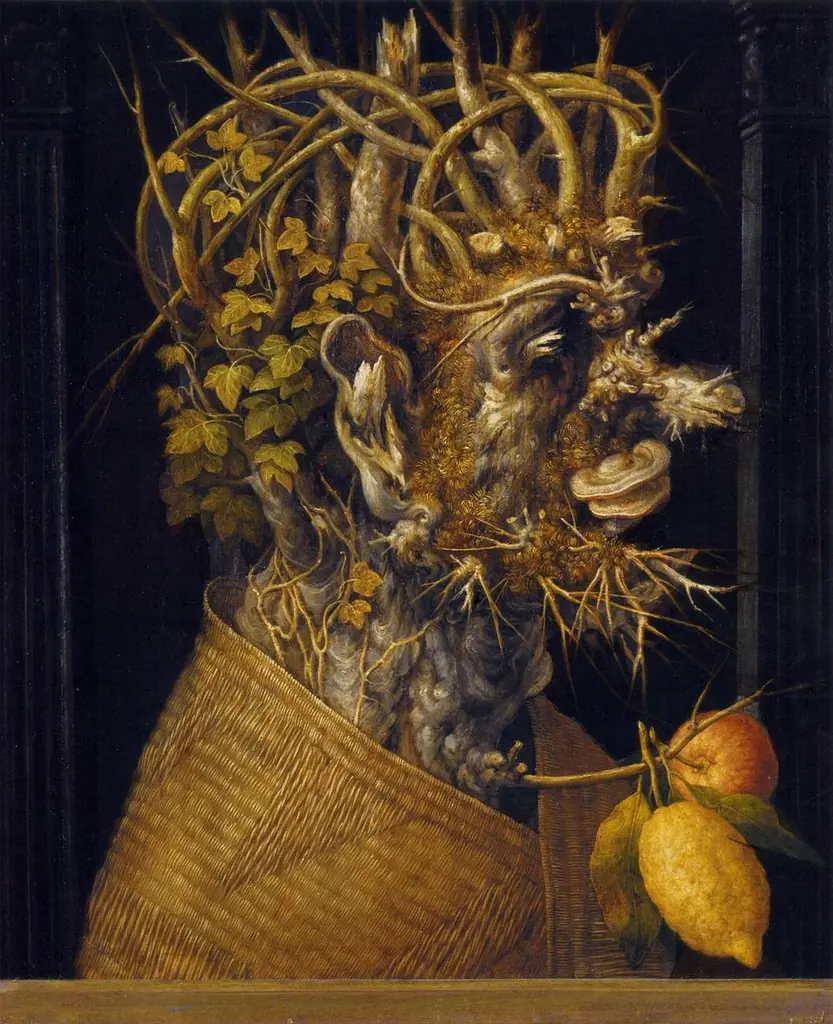 Allegory of Winter
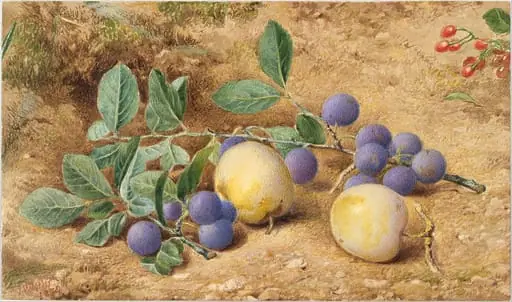 Plums
Plums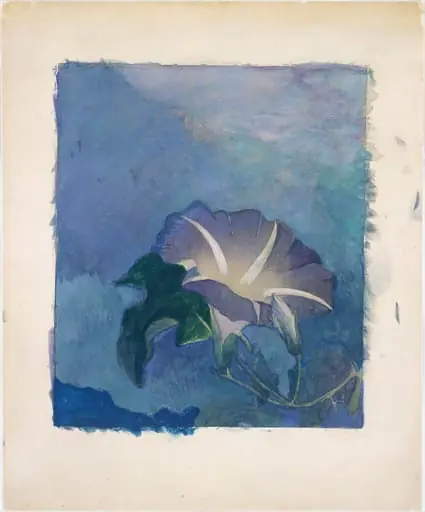 Nocturne
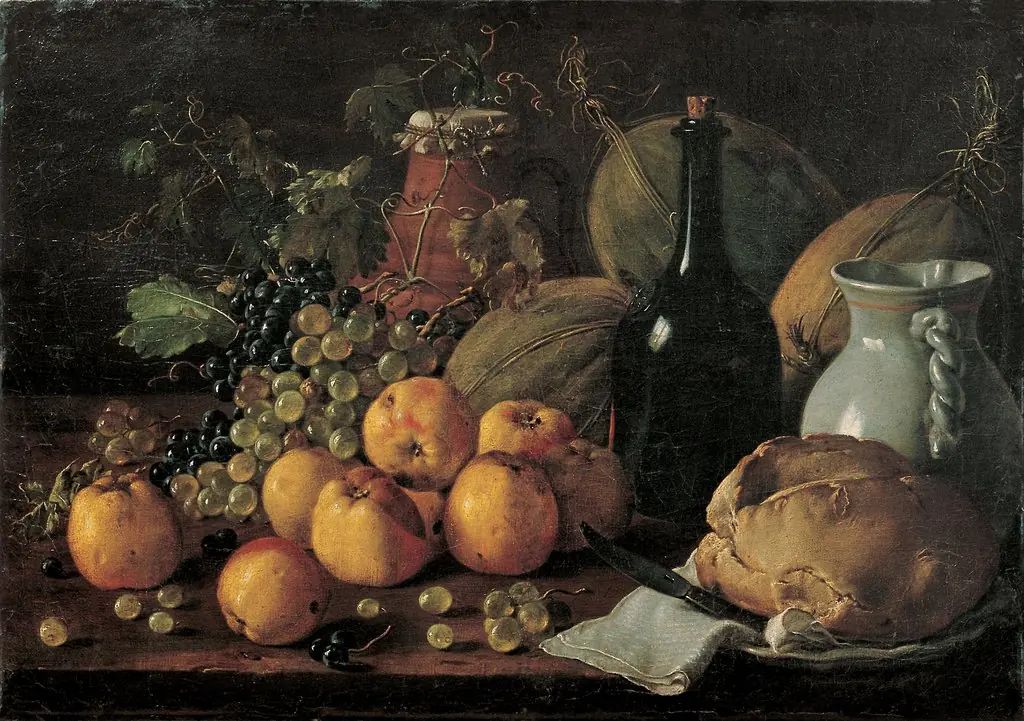 Still Life with Apples, Grapes, Melons, Bread, Jug and Bottle
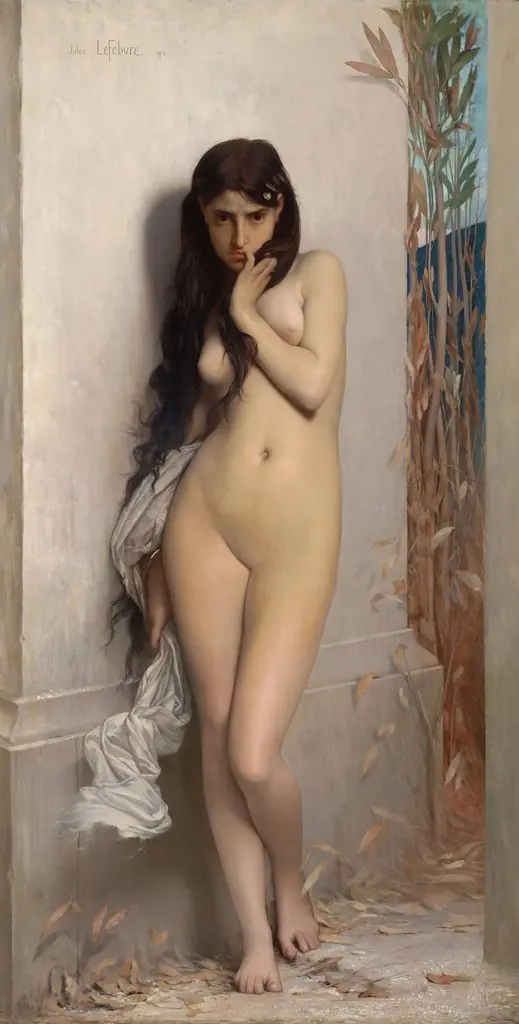 The Cicada
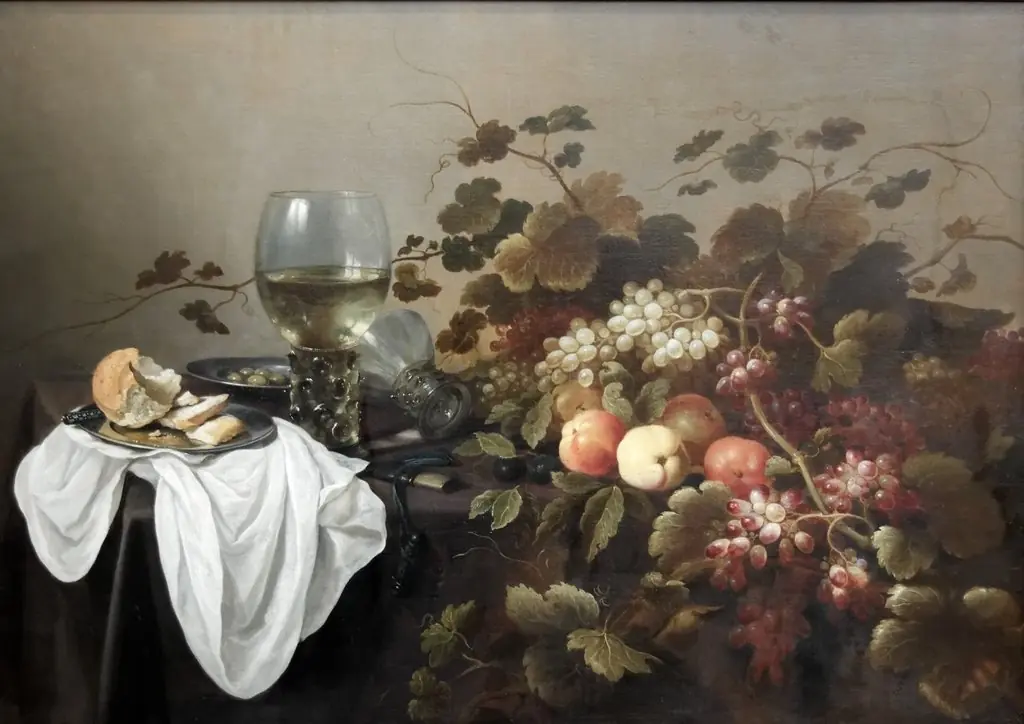 Still life with fruits and Roemer
 Triangular-shaped Tracery Light
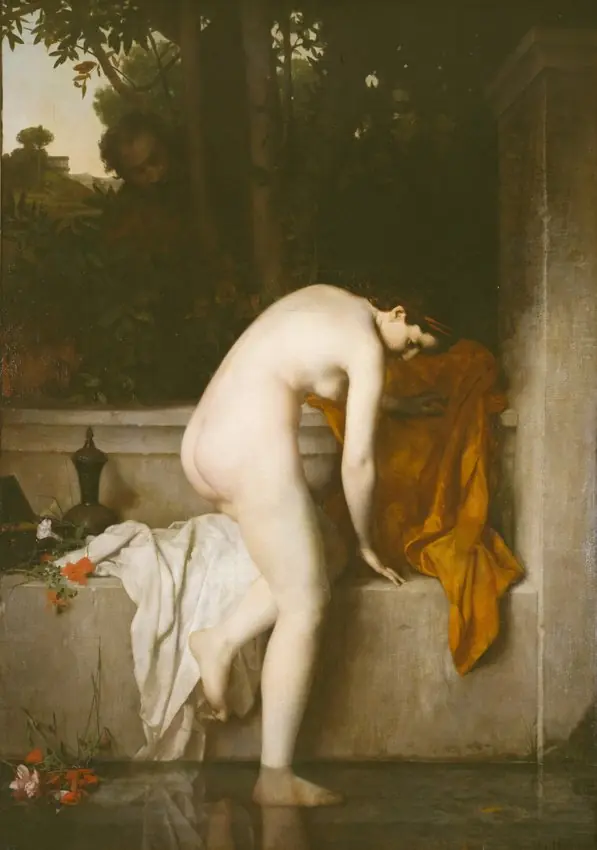 The Chaste Susannah
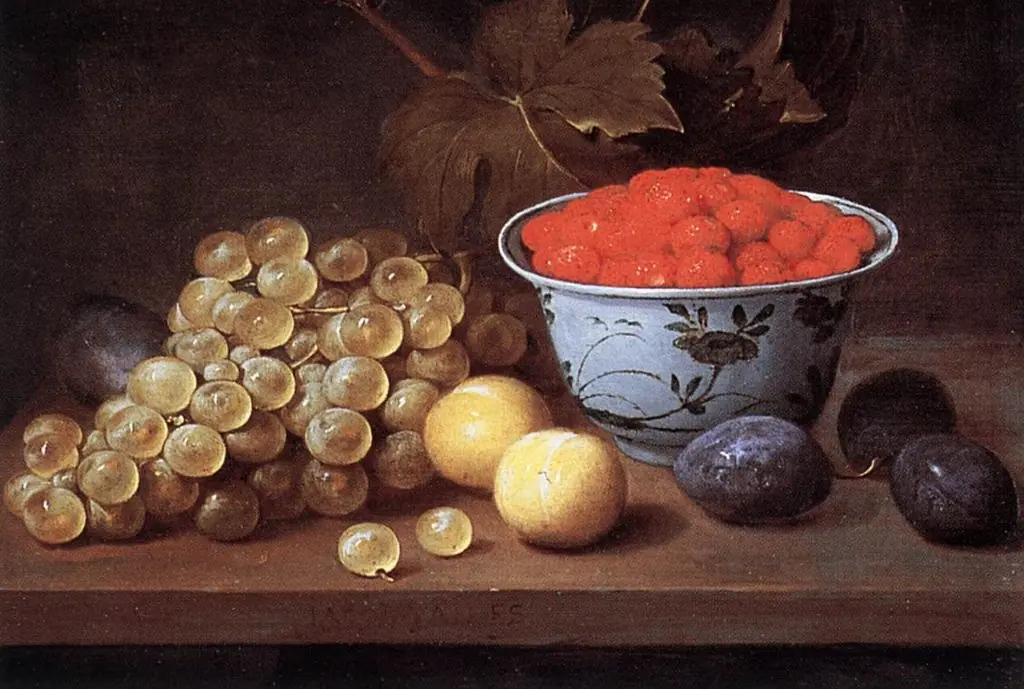 Still Life with Fruit
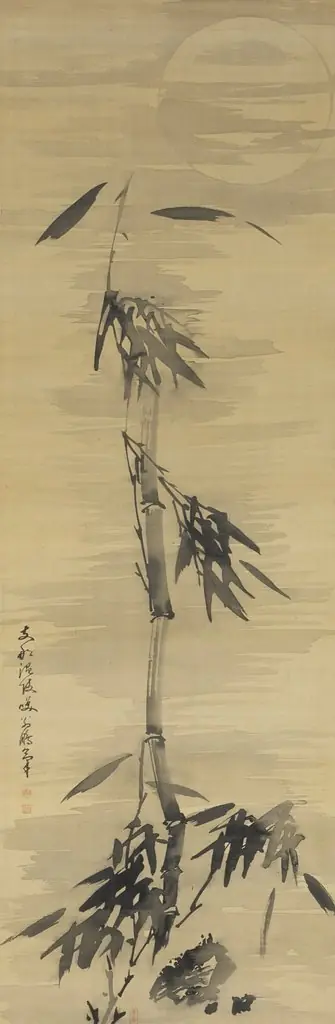 Bamboo in Moonlight
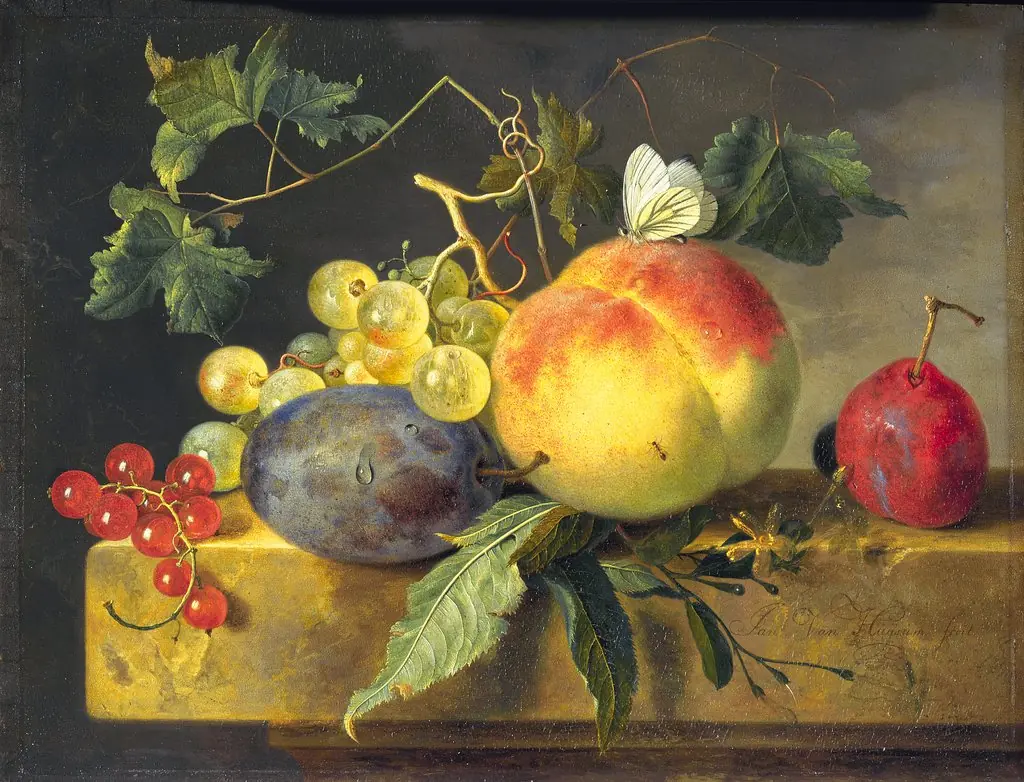 Fruit Still Life
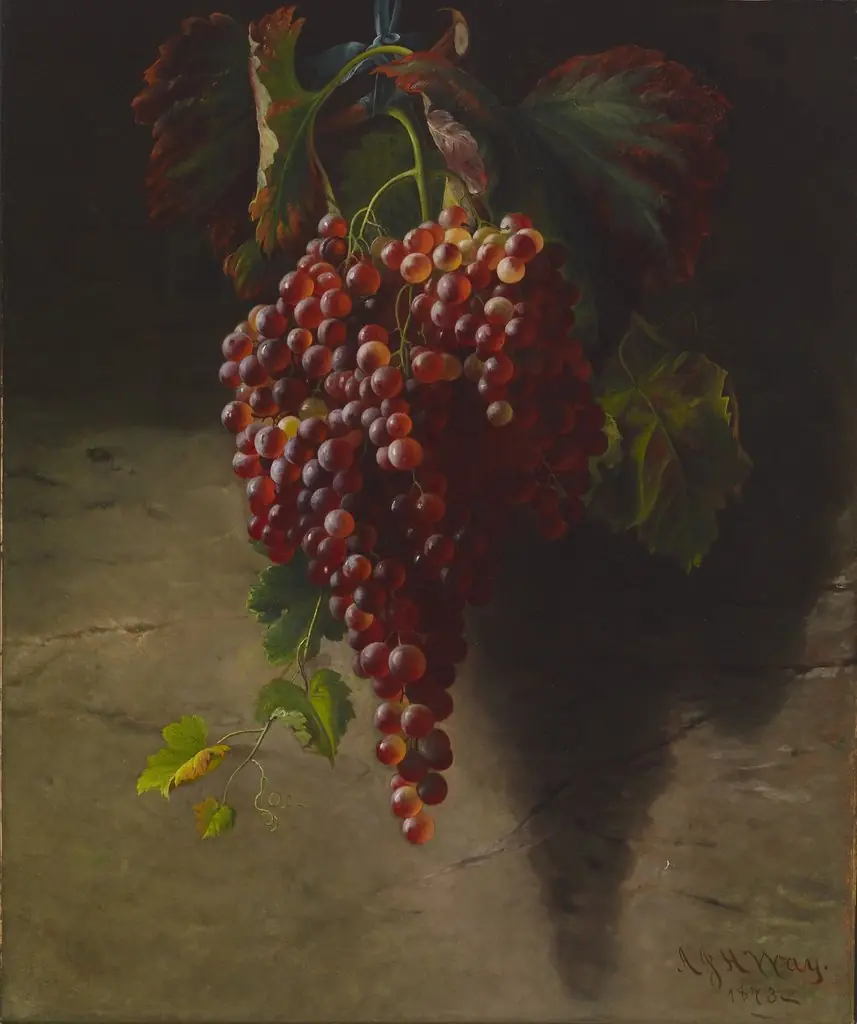 Bunch of Grapes
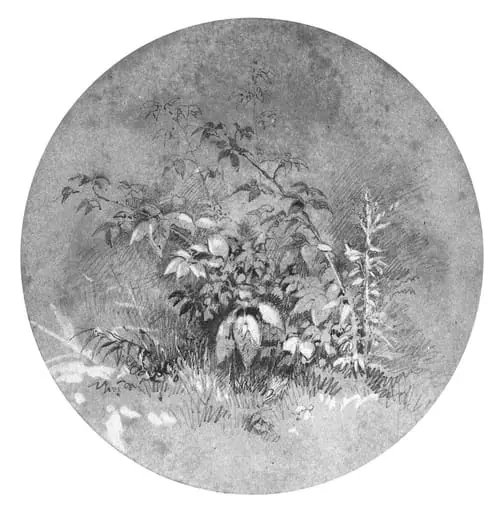 Study of Ground Foliage (from Cropsey Album)
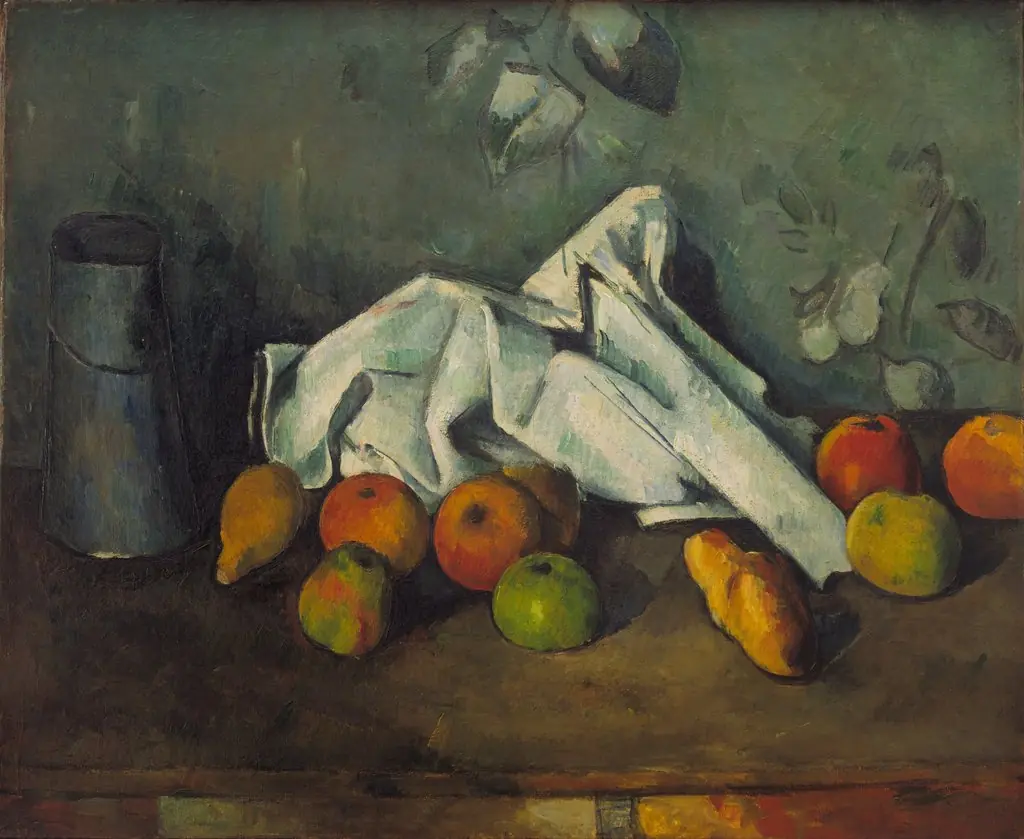 Milk Can and Apples
 Flori de toamnă
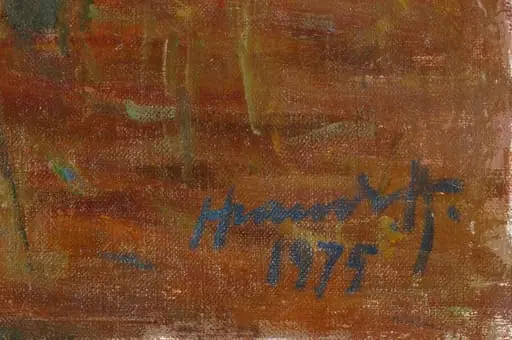 Peisaj de toamnă
 S 28 - Peisaj la Sulina (Intrare de casă cu flori)
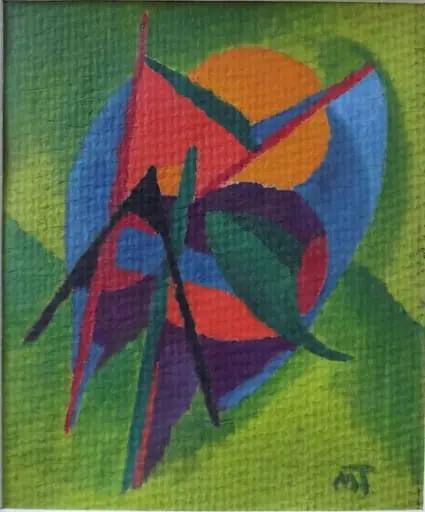 Compoziție
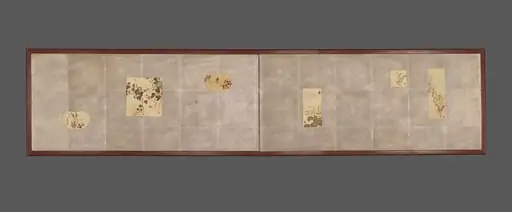 花鳥図風炉先屏風|Folding Screen for Tea Ceremony with Six Bird-and-Flower Paintings
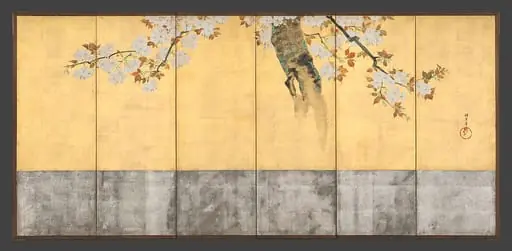 酒井抱一筆 桜図屏風|Blossoming Cherry Trees
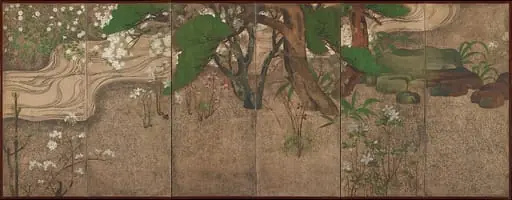 渓流春秋草木図屏風|Spring Trees and Grasses by a Stream
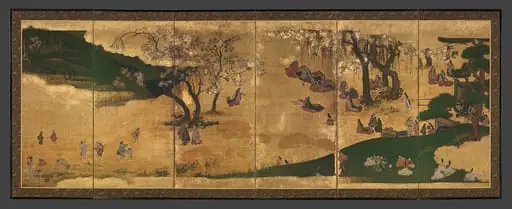 花見・紅葉狩図屏風|Cherry-Blossom and Maple-Leaf Viewing
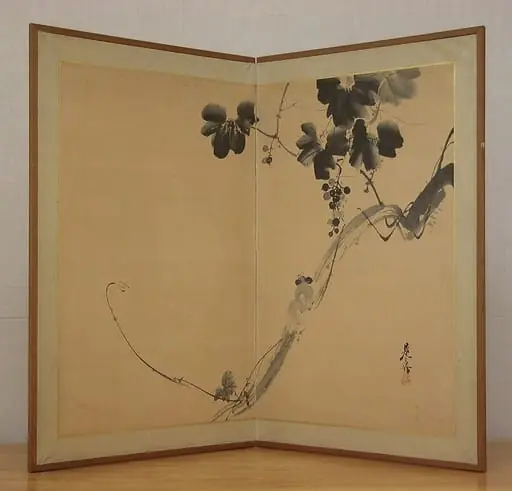 Untitled
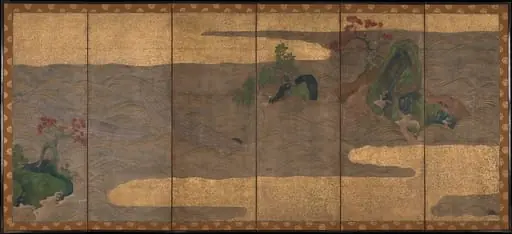 波に舟図屏風|Boats upon Waves
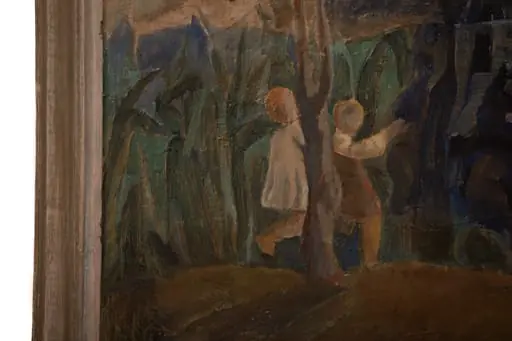 Primăvara
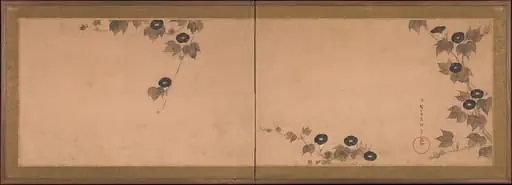 俵屋宗理筆 朝顔図屏風|Morning Glories
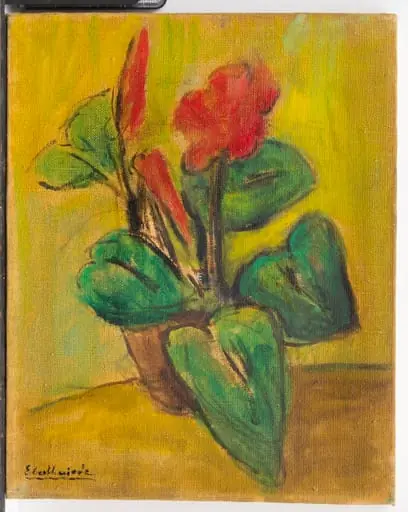 Ghiveci cu floare roșie
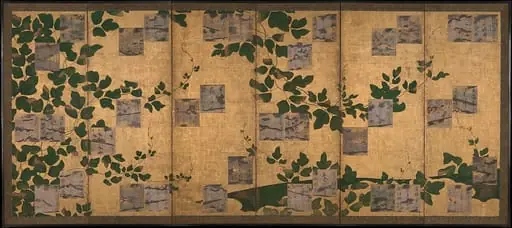 伝近衛信尋書・伝長谷川宗也絵 葛下絵色紙貼付 『和漢朗詠集』 屏風|Anthology of Japanese and Chinese Poems (Wakan rōeishū) with Underpainting of Arrowroot Vines
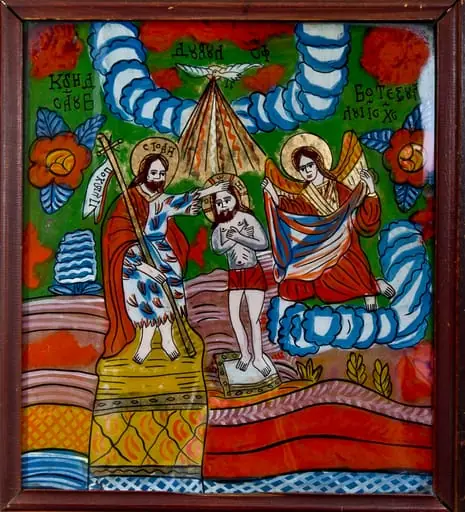 Botezul lui IS HS
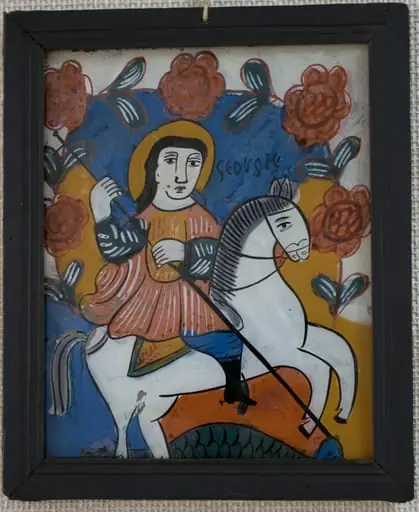 Icoana este pictată "în oglindă", pe un suport de sticlă de formă dreptunghiulară în ax vertical. Tema iconografică: Sfântul Gheorghe omorând balaurul. Sfântul, călare pe cal alb, este plasat în centrul icoanei. Veșminte ostășești, cizme înalte, tunică scurtă, roșie, cu mâneci verzi, pantaloni albaștri, bufanți.Capul descoperit, părul lung, negru, revărsat pe umeri. Aureola trasată cu mâna liberă. În mână ține o suliță lungă pe care o înfige în gura balaurului reptilian, verde, simbolizând zonele inferioare, ale păcatului. În jumătaea superioară o ghirlandă de trandafiri dispusă în arcadă deasupra sfântului. Icoana are caracteristici specifice picturii niculene: stângăcia, simplitatea și primitivismul desenului; compoziția sumară,este mai încărcată totuși decât la icoanele niculene din prima perioadă. Paleta cromatică sobră, culorile intense:alb, orange, roșu, verde, albastru, negru. Rama profilată, de culoare neagră, dosul din scândură subțire de brad.
 Icoai"(a
 Icoana este pictată pe dosul unei bucăți de sticlă dreptunghiulară, în ax vertical; Sf. Dumitru, izvorâtorul de mir, care se prăznuiește pe 26 octombrie, este unul din sfinții reprezentați ca războinici, deși din viața lui nu se deduc fapte de arme. Semnificația este cea a războiului nevăzut cu patimile.În concepția populară Sf. Dimitrie este cel care dezleagă iarna, corespondentul Sf. Gheorghe care leagă iarna și dezleagă primăvara. Reprezentările lor sunt deasemenea asemănătoare, fie călare, Sf. Gheorghe pe cal alb și Sf. Dimitrie pe cal roșu. Aici Sf. Dimitrie 3/4, este redat ușor din semiprofil, în picioare, în mâna dreaptă cu o suliță iar în stânga avînd o cruce. Mantie roșie, lungă, cămașă verde închis, zale.Chipul este realizat în manieră naivă, expresiv.Părul lung, negru este revărsat pe umeri. Câmp bleu, cu un chenar din flori mari, roșii cu frunze în aceeași nuanță de verde pe care zugravul a mai utilizat-o. Inscripția este pe fond alb, într-un chenar dreptunghiular plasat în spatele aureolei. Pictura are caracteristicile specifice picturii niculene:stângăcia, simplitatea și primitivismul desenului; compoziția sumară, culorile intense. Rama- 4 șipci de brad profilate, culoarea lemnului natur.
 Icoana îl reprezintă pe sfântul Gheorghe omorînd balaurul, într-o reprezentare caracteristică picturii târzii de la Nicula. Sfântul, călare pe calul alb,este plasat în centrul icoanei, tiparul fiind aproximativ același ca cel utilizat în perioada de înflorire a picturii pe sticlă la Nicula. Veșmintele sunt asemănătoare celor ale soldaților chezaro-crăiești, cizme înalte cu pinteni, tunică scurtă și largă, roșie, pantaloni bufanți, albaștri.Capul este descoperit,părul lung, negru, lăsat pe umeri.Chipul are trăsături butucănoase, nasul lung, gura mică, ochii negri, cu umbre gri. Nimb realizat cu bronz auriu. . În mână ține o suliță lungă terminată cu o cruce, cu care omoară balaurul, diform, verde, simbolizând zonele inferioare, ale păcatului, minimalizat ca dimensiuni pentru a accentua puterea binelui. Calul diform, are picioarele din față ridicate, coama și coada negre, șaua împodobită. Scena este încadrată de o ghirlandă de flori (ruje) Câmpul este policrom: alburiu între flori și ramă, roșu între chenarul de flori și umerii sfântului, și sub picioarele calului și ocru în rest. Icoana are caracteristicile specifice picturi târzii de la Nicula: câmpul policolor, culori discordante, abundența detaliului, decor floral abundent, sticla de proveniență industrială, folosirea bronzului în locul foiței de aur. Rama profilată, îmbinată oblic la colțuri, este vopsită cu cafeniu. Stinghia verticală din dreapta lipsește. Pe spate are un dos tot din lemn. Sfântul Gheorghe era considerat sfântul cel mai mare peste turme, câmpuri și hergheliile de cai. Se mai considera că descuie primăvara și leagă iarna.
 Icoai es
 Icoamare
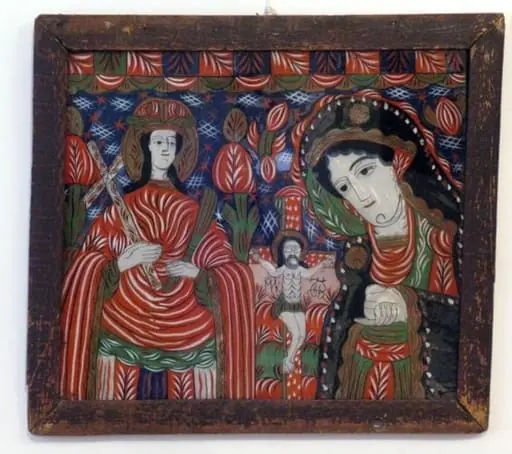 Sfânta Cuvioasă Paraschiva; Maica Domnului îndurerată
 Icoabui.
 Icoau, a
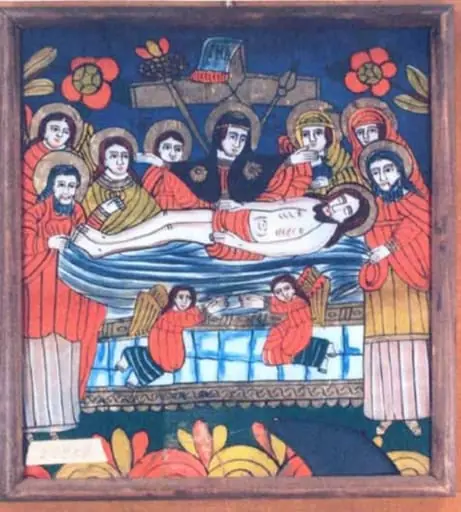 Punerea în mormânt
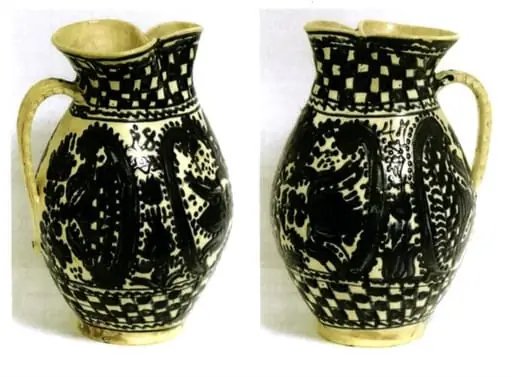 cană de vin
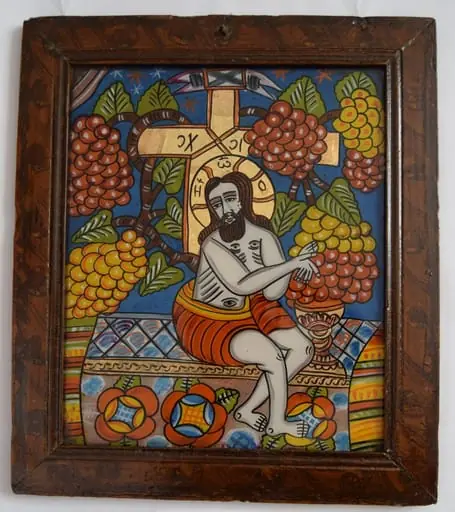 Iisus Hristos Euharistic
 "Isea d
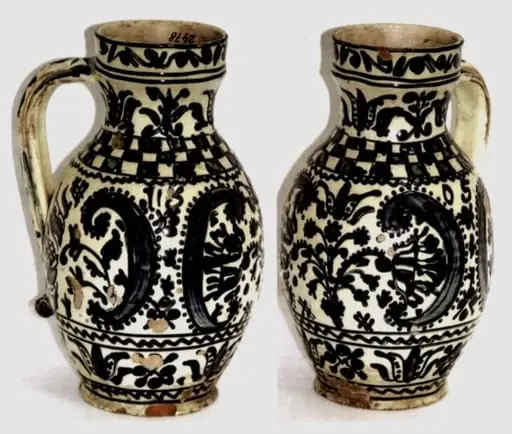 cană de vin
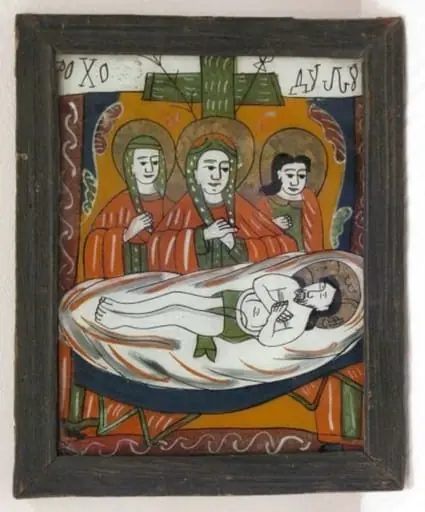 Plângerea lui Iisus
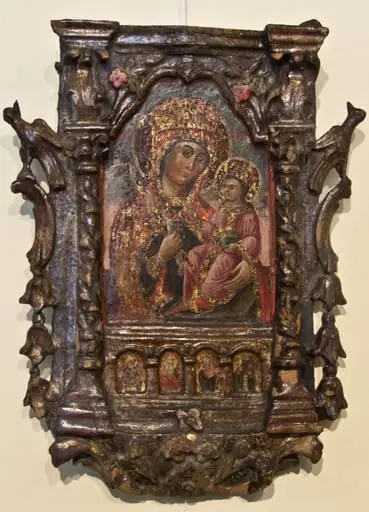 Maica Domnului cu pruncul Rodon to amaranton; Trandafirul neveștejit
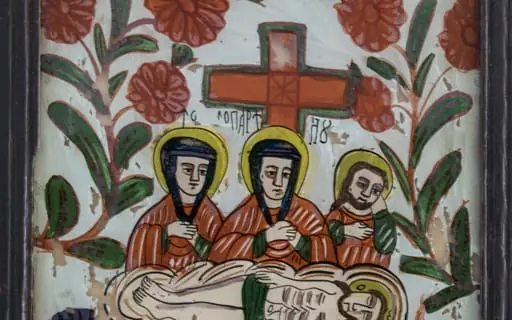 Icoana redă momentul următor coborârii de pe cruce, jelirea lui Hristos, într-o manieră specifică fazei de decădere a picturii pe sticlă. În centrul compoziției, Isus întins pe piatra din Efes(modul cum este pictată arată că iconarul nu cunoștea semnificația), pe un giulgiu alb. În variantele niculene ale Plângerii, scena se reduce la prezența a doar trei personaje, aici două femei(Fecioara Maria în mijloc, una dintre mironosițe) și, ușor retras în spate, gânditor, un apostol tânăr cu barbă(posibil Sf. Ioan Evanghelistul, deși acesta era imberb) .Isus este întins, cu ochii închiși, părul lăsat pe umeri, trăsături anatomice redate schematic, în jurul mijlocului o eșarfă verde.În jurul capului are nimbul cruciger cu însemnele consacrate, prescurtarea de la Iahve(Eu sunt Cel ce sunt) Cele două Marii au fețele triste, trăsături pătrățoase, ținînd mâinile la piept, semn de jale. Pe cap au câte o broboadă neagră. Veșmintele în culorile consacrate, predominant roșii, cu accente de verde. Aureole în jurul capului, deși în iconografie nimbul se atribuie mai târziu unor persoane. Crucea, pictată în roșu(chenar verde) străjuiește simbolic scena. Câmpul bleu este inundat de tulpini sinuase cu câte trei flori mari, roșii, conturul amintind de centrele din Boemia. Pământul este sugerat de o porțiune galben ocru, lângă catafalc două flori întunecate(lalele) Inscripția, destul de neclară și trunchiată, este scrisă cu litere negre inegale sub brațele crucii. Compoziția este echilibrată iar cromatica este dominată de roșu, în dezacord cu tema. Rama profilată este vopsită cu negru, îmbinare oblică ;dos- lemn subțire de brad; Pictura este exfoliată în multe locuri.
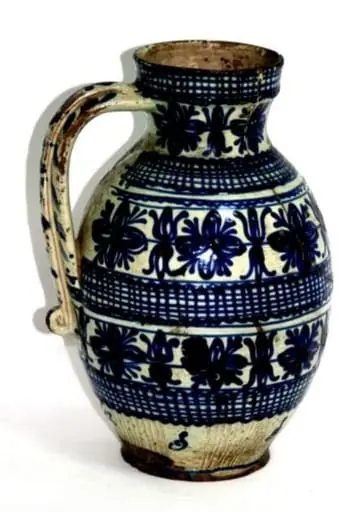 cană de vin
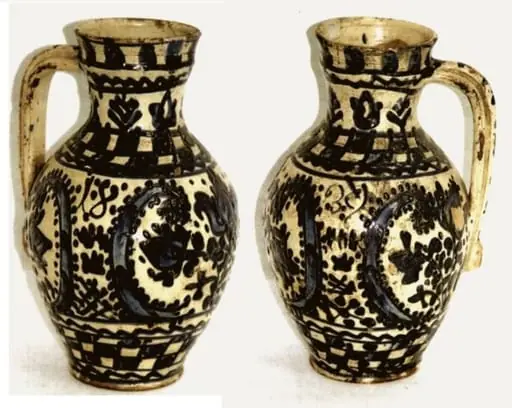 cană de bere
 "Isu
"Isu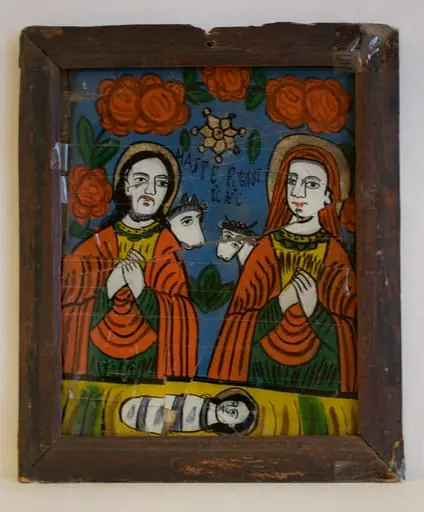 Naștiu s
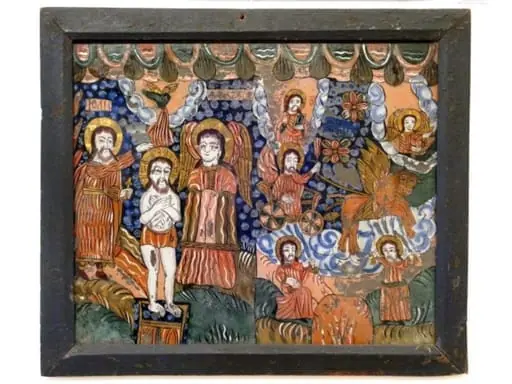 Botezul lui Iisus Hristos; Sfântul Proroc Ilie
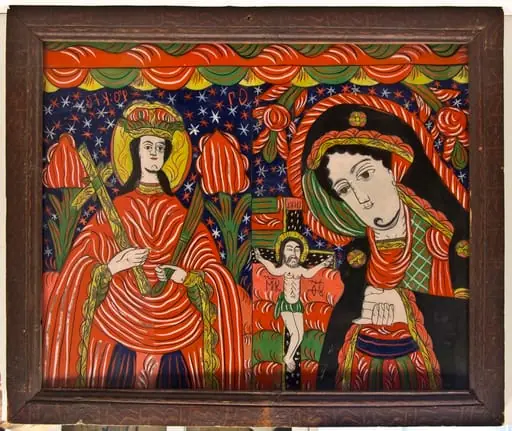 Sf. Parascheva și Maica Domnului îndurerată
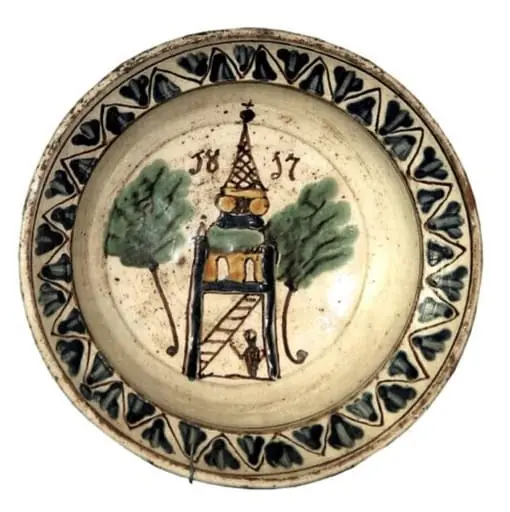 farfurie
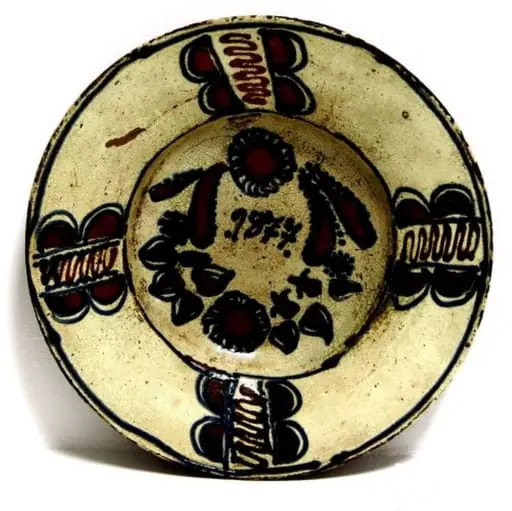 blid
blid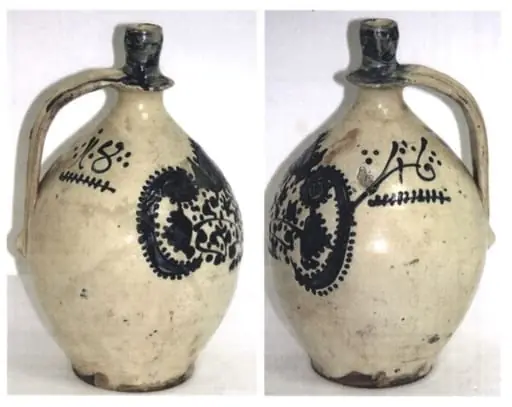 ulcior
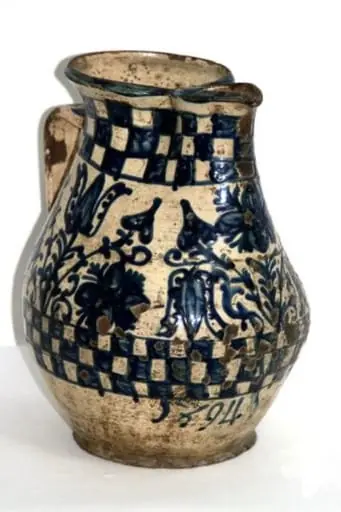 cană cu cioc
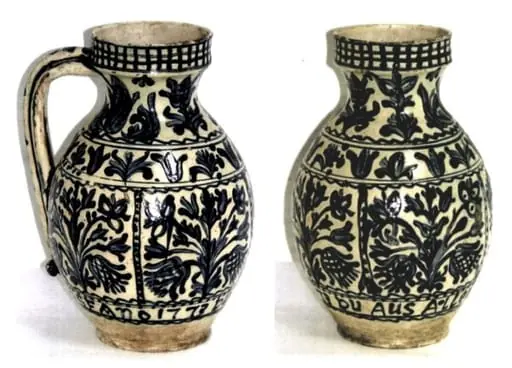 cană de vin
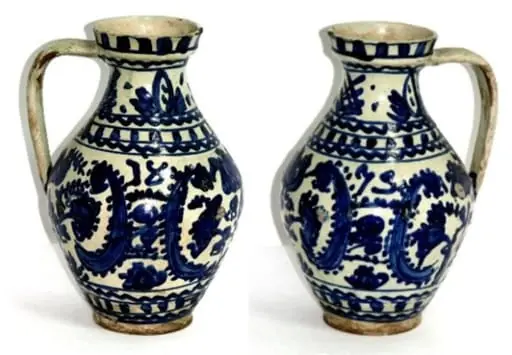 cană de vin
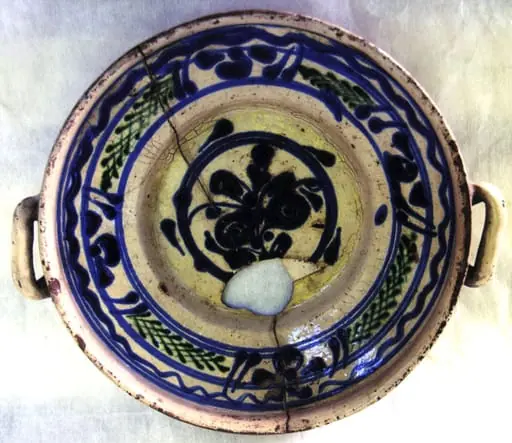 Blid cu toarte
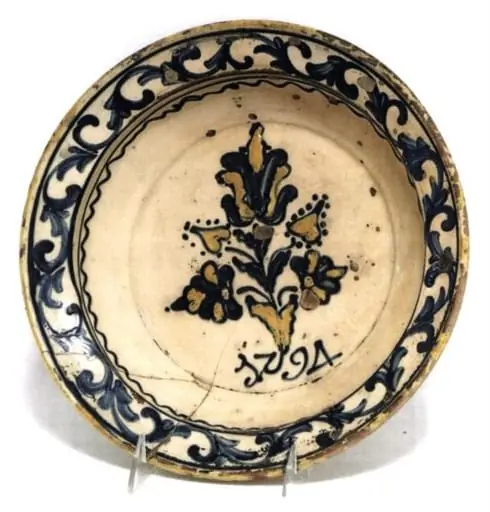 blid
blid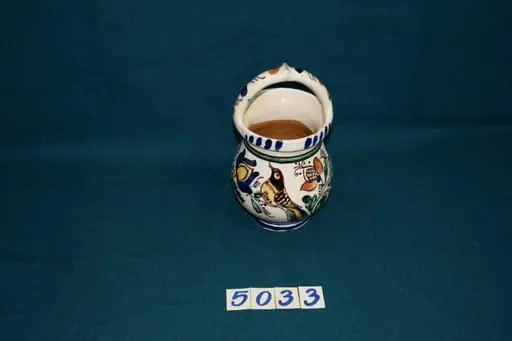 Oală cu mănușă
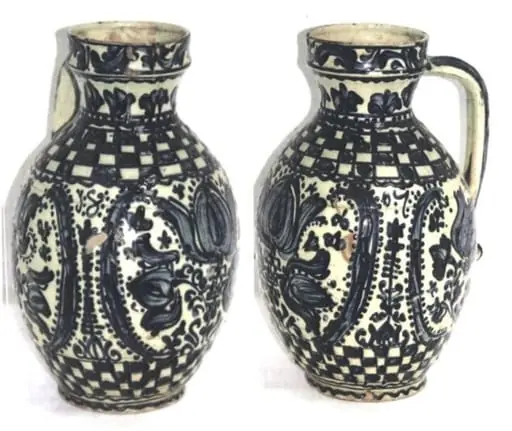 cană de vin
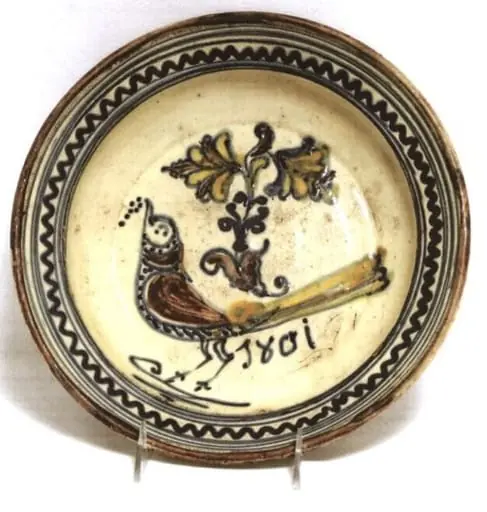 farfurie
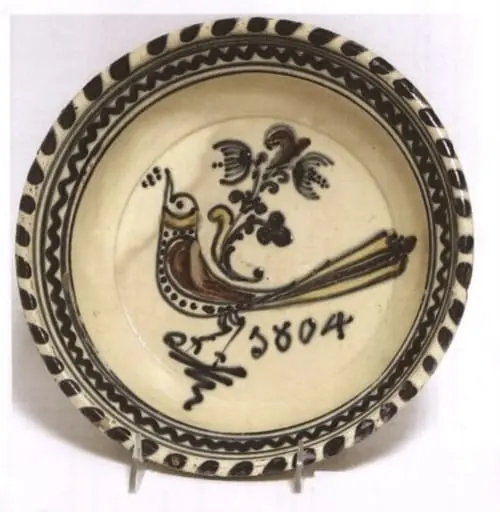 farfurie
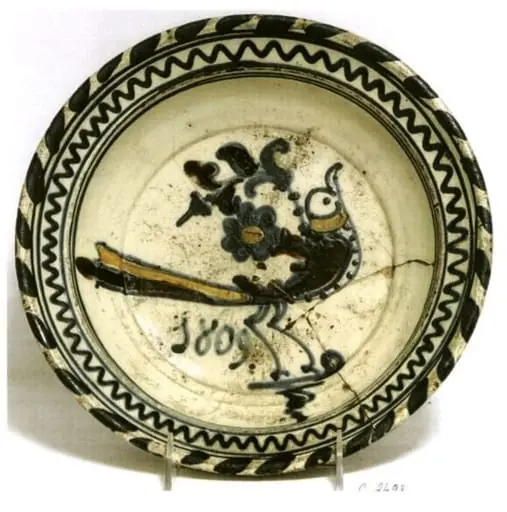 farfurie
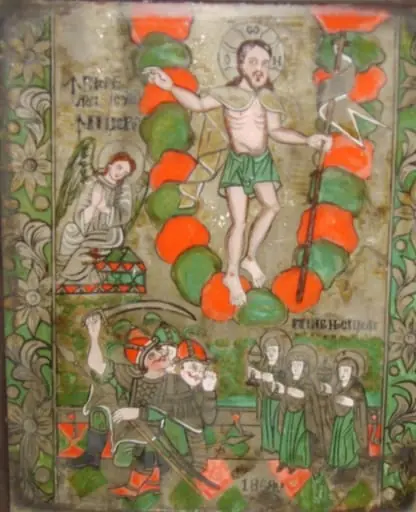 Învierea lui Iisus
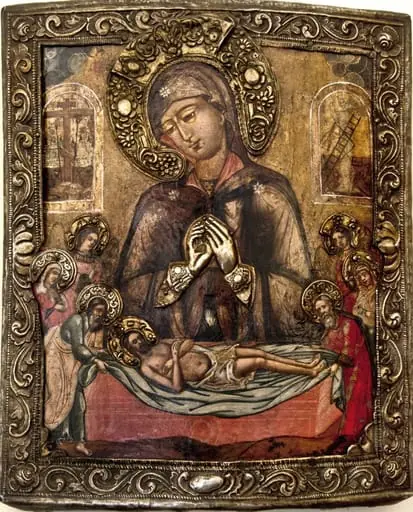 Plângerea lui Iisus Hristos; Icoană ferecată
 Icoasia,
 Icoana este pictată în stil naiv, asemănător troițelor oltenești recente. Este reprezentat Isus Hristos Pantocrator așezat pe un tron care nu apare, ținînd o Carte deschisă pe care se află scris un U întors și I. Tehnica este rudimentară, pictorul a desenat contururile cu negru, apoi a umplut spațiile cu o culoare uniformă.Faldurile sunt realizate prin linii subțiri, dublate cu alb pe alocuri. Chipul expresiv, fața prelungă, ușor diformă, părul lung revărsat pe umeri, nimb cruciger, cu inscripțiile consacrate.Culorile veșmintelor nearmonios alăturate: cămașă roșie, brâu galben, poale verde-gri. De o parte și de alta a capului lui Isus câte un heruvim cu aureolă și aripi roșii cu mulți ochi. Fond bleu, de o parte și de alta a lui Hristos cu câte o floare pe tulpină înaltă cu frunze asemănător unui brăduț, marginile împodobite cu șiruri de puncte colorate. Inscripțiile sunt realizate cu majuscule negre.Culorile de proastă calitate. Pictor fără școală, de factură populară.
 Sfântul Haralambie legând ciuma
 Toamna ca o frunză
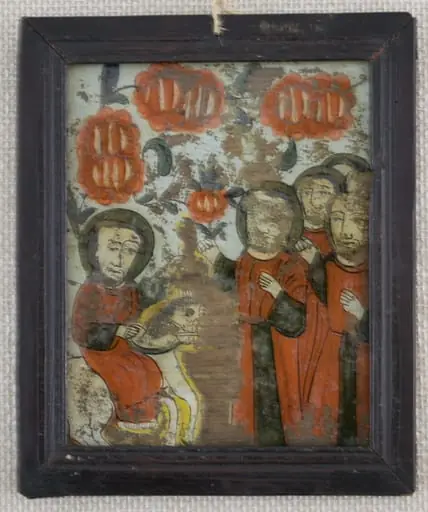 Icoana este pictată pe spatele unei bucăți de sticlă, în ax vertical. Tema este "Duminica Floriilor", tratată într-o manieră simplificată, izvodul specific centrului Nicula reprodus în condițiile picturii din fazei de declin a acestei arte: Isus Hristos, călare de o parte a unui asin alb în colțul din stânga jos, macrocefal, părul lipit de cap, , binecuvântînd cu mâna stângă(!). Din față îl întâmpină mulțimea(redată prin perspectiva capetelor), zugravul facând o confuzie, la intrarea îm Ierusalim a Mântuitorului apostolii(reprezentați cu aureole verzi, la fel ca cea a lui Isus, deși canonic, până la Pogorîrea Sf. Duh, apostolii nu aveau aureole) urmându-l pe acesta. Veșmintele sunt simple, în aceeleași culori utilizate de regulă la Nicula, roșu și verde. Câmp alb, umplut cu flori mari, roșii(ruje), ocru în partea de jos. Desenul este simplu, stângaci, compoziția echilibrată totuși, la fel și cromatica. Rama este vopsită cu un lac negru.
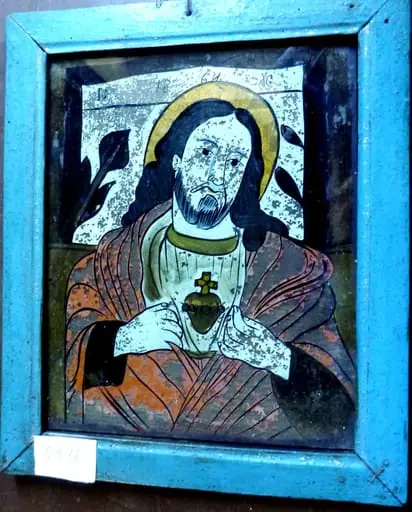 Inima lui Iisus
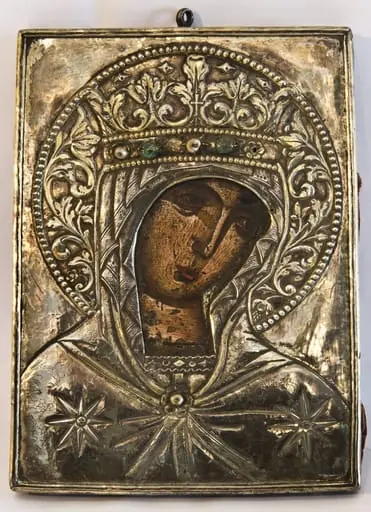 Maica Domnului; Icoană ferecată
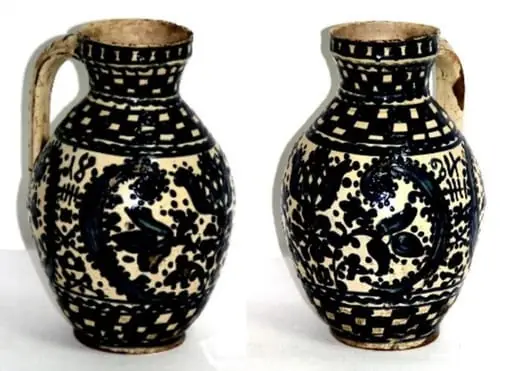 cană de vin
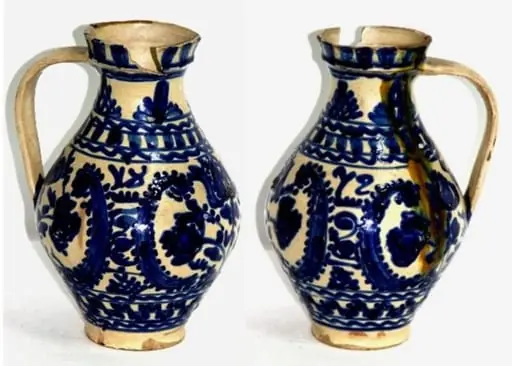 cană de vin
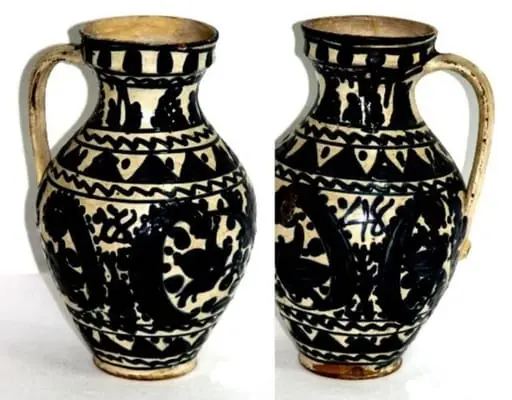 cană de vin
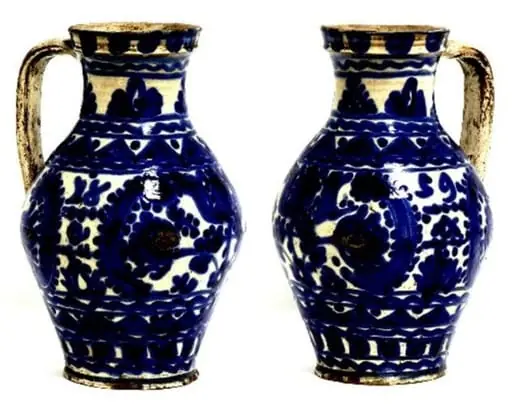 cană de vin
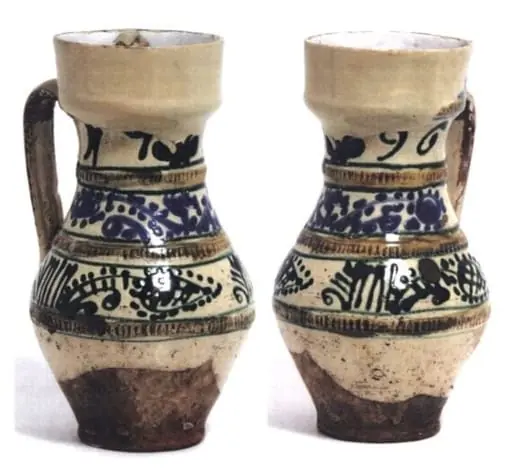 canceu
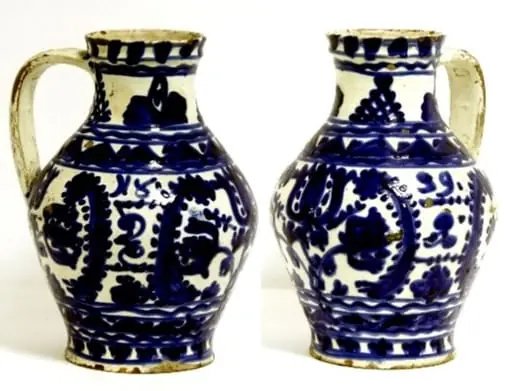 cană de vin
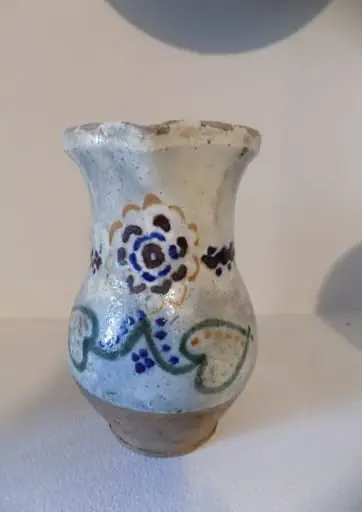 Cană
Cană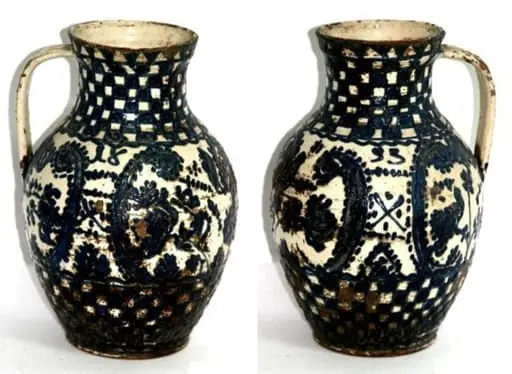 cană de vin
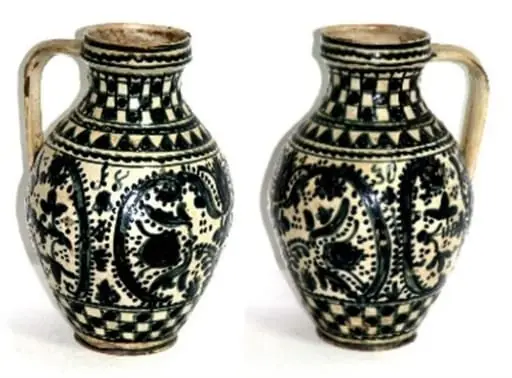 cană de vin
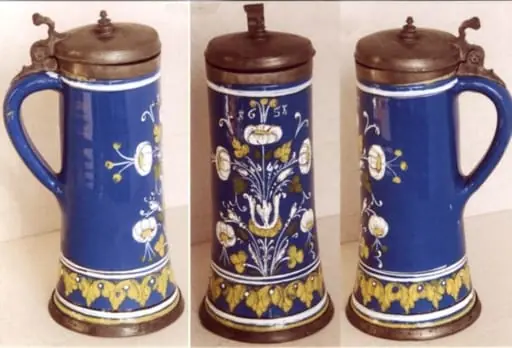 halbă
halbă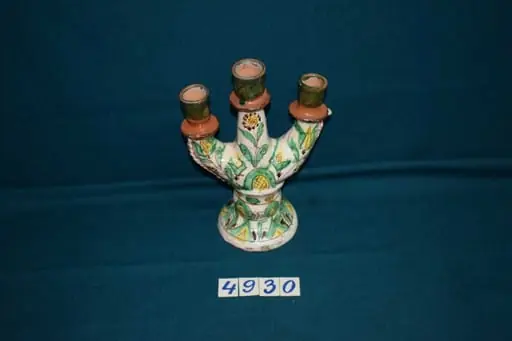 Sfeșnic cu trei brațe
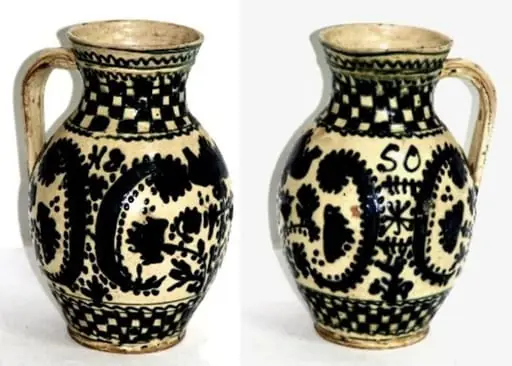 cană de vin
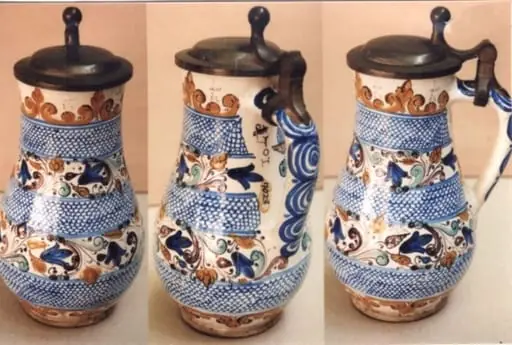 canceu
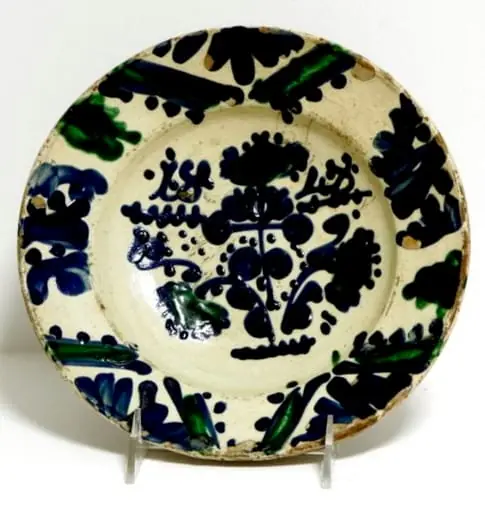 blid
blid Vâzdoage galbene
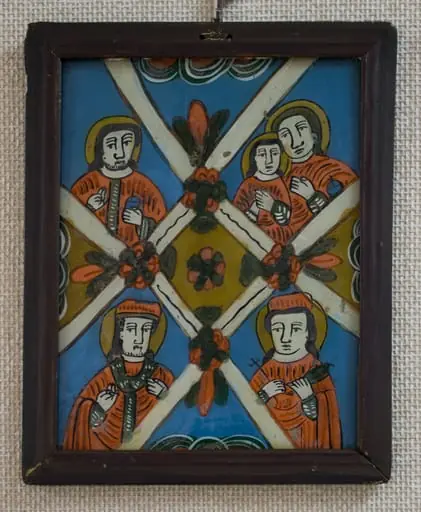
 Icoana este pictată în oglindă pe spatele unei bucăți de sticlă de proveniență industrială, în ax orizontal. Scena și realizarea sunt specifice spațiului catolic. Simetric față de un ax reprezentat de un grup de flori, sunt redați Sfânta Ana cu Fecioara Maria și Sfântul Iosif cu Isus copil. Sfânta Ana este reprezentată cu părul negru, acoperit cu o năframă albă. Este înveșmântată cu o rochie sobră, de culoare verde crom, peste umeri având prinsă o mantie roșie bogată.În mâna dreaptă ține o carte, cu stânga o ține de umeri pe Fecioara Maria, către care Sf. Ana este ușor aplecată. Maria este redată din profil, cu mâinile împreunate în rugăciune. În pandant, Sfântul Iosif, așezat, ușor aplecat îl ține în brațe pe Isus reprezentat ca un prunc dolofan, cu părul scurt și creț, picioarele și mâinile descoperite.În mâna dreaptă ține o ramură cu flori.Iosif are părul lung, este tânăr, cu fruntea înaltă, barba scurtă, veșminte în aceleași culori ca ale Sf. Ana. Chipurile sunt grave, triste, cu sprâncene foarte groase, contururile realizate cu o linie subțire, roșie. Toate personajele au aureole albe cu o bandă difuză, bleu pe lângă lina de contur neagră. Între cele două grupuri , pe linia mediană este plasat un aranjament floral compus dintr-un crin în partea superioară și încă trei flori(două înflorite și un boboc sau trandafir)roșii, unite într-un singur buchet printr-o fundă roșie. În colțurile de sus, câte o ramură cu flori roșii și frunze lanceolate așezate oblic. Fondul este în întregime alb. Pe o bandă lată în partea de jos, inscripția , caractere îngroșate. Desenul este extrem de îngrijit, liniile folosite sunt de diverse dimensiuni, compoziția, echilibrată, cromatica dominată de roșu și verde. Rama este fixată în cuie de fier.
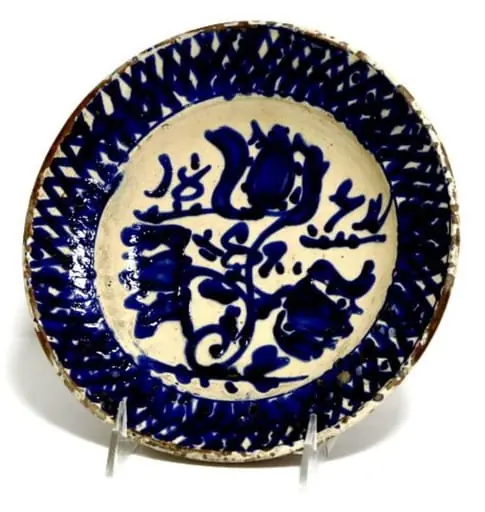 blid
blid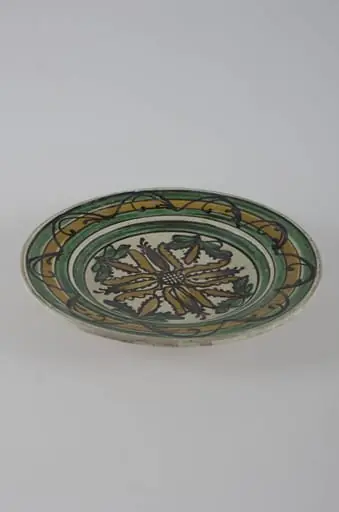 Vas de formă tronconică aplatizat cu decor amplasat pe toată suprafața; ordonat în registre; decor geometrizant; motive geometrice propriu-zise: cercul, semicercul; motive fitomorfe: frunza; motive florale: lalea stilizată. Cromatică: fond: alb; motive: verde; portocaliu.
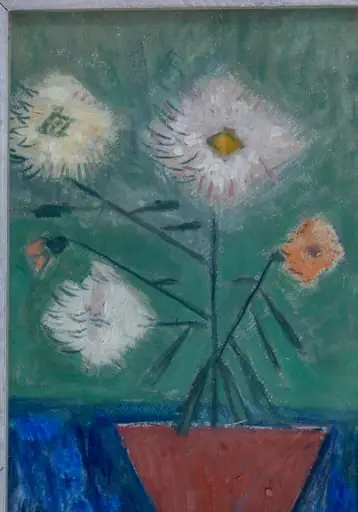 Flori albe
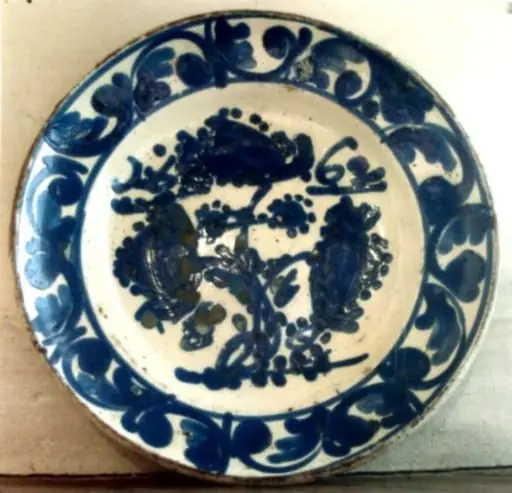 farfurie
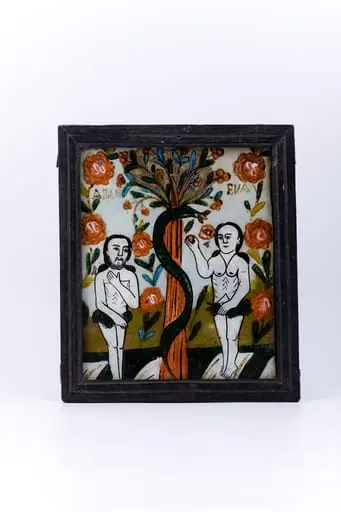 Icoana este o reprezentare narativă, scena centrală arătând căderea în păcat a lui Adam și a Evei și izgonirea lor din Rai. În centrul Grădinii Raiului este pomul cunoașterii, pe care se încolăcește viclenia și minciuna șarpelui gri-antracit, cu nervuri negre. În jurul pomului cunoașterii sunt Adam primind fructul păcatului din mâna Evei. Sunt dezbrăcați, acoperiți fiind doar de țesăturile fitomorfe, din vegetație verde-forest, din jurul mijlocului și a coapselor. Șarpele este încolăcit viclenește pe trunchiul pomului roșu vermillon-orange, zărindu-i-se geu capul printre fructele din coroană - mere sau smochine. Frunzele din pom sunt albastre regal-strălucitoare. Fondul icoanei este format din trei straturi concentrice: în interior este un câmp galben ocru-muștar de lumină - reprezentând frumusețea Grădinii Raiului, central este cerul albastru-alburiu, iar spre exterior este un chenar difuz de alb. În registrul inferior, este o alternanță oblică de verde de China, alb și bej-corai. Cromatica este armonioasă: albastru bleu-ciel-alburiu și regal, roșu vermillon-cărămiziu, ocru-muștar, galben-solar, verde kaki-forest, brun, gri, negru, alb. Inscripția din româno-chirilică se traduce Adam Eva. Icoana este din Nordul Transilvaniei, Nicula.
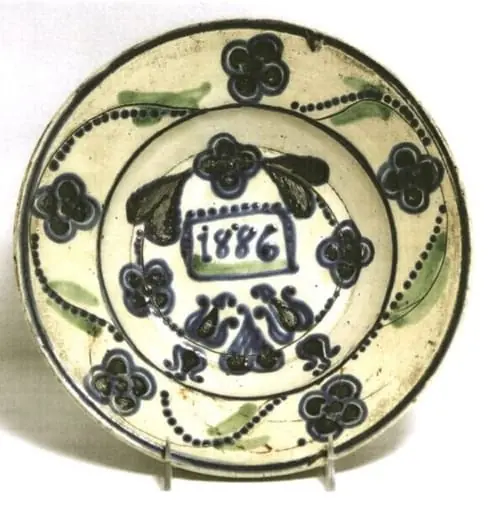 farfurie
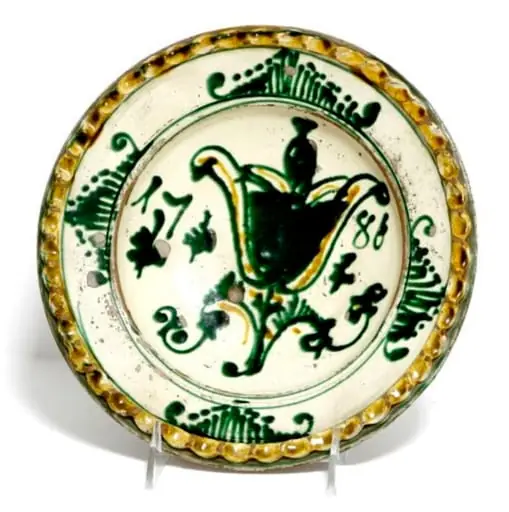 farfurie
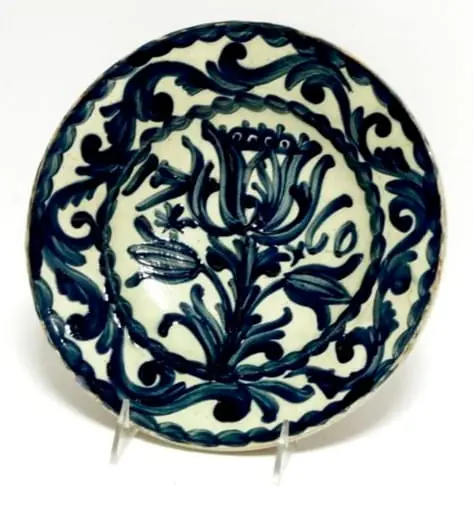 blid
blid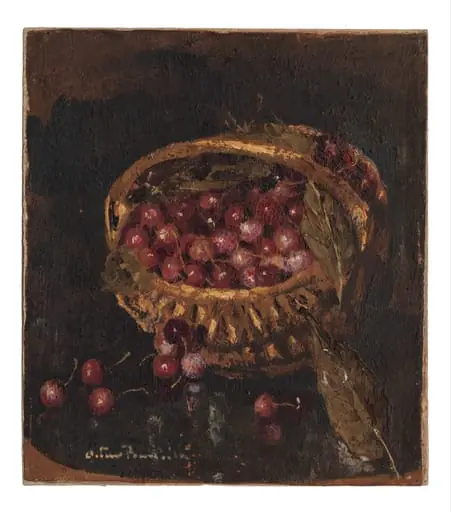 Coș cu cireșe
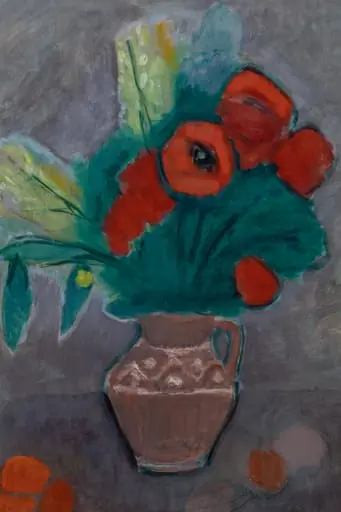 Maci
Maci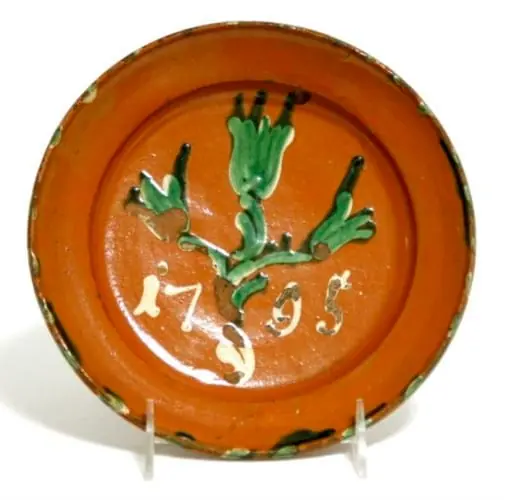 farfurie
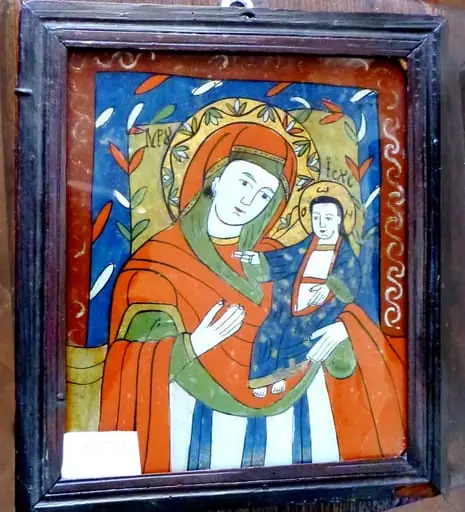 Maria cu Pruncul
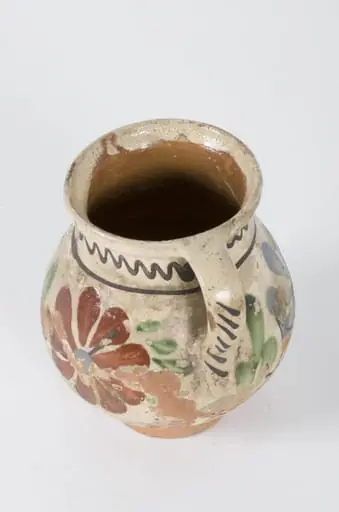 Vas de lut cu baza înaltă, bombat în partea mediană, cu gâtul scurt și buza evazată. Smălțuit pe întreaga suprafață, Prezintă o toartă care pleacă din buza vasului și se unește cu corpul deasupra diametrului maxim, decorată cu linii oblice. Sub buza vasului este decorat cu o linie vălurită dispusă circular și una dreaptă. Pe suprafața exterioară a vasului sunt pictate două flori, una cu petale albastre și cealaltă cu petale maro. Între cele două flori există frunze de culoare verde și o linie în diagonală încadrată de două șiruri de ondulații. Cromatică: fond: alb; cărămiziu; motive: negru; albastru; verde; maro.
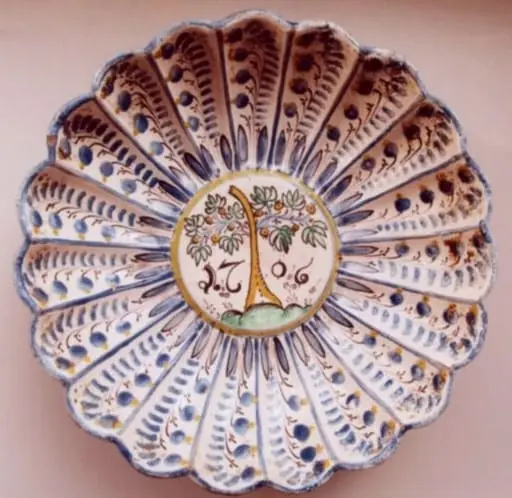 farfurie
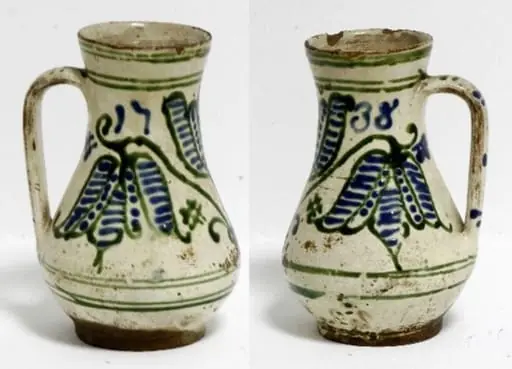 canceu
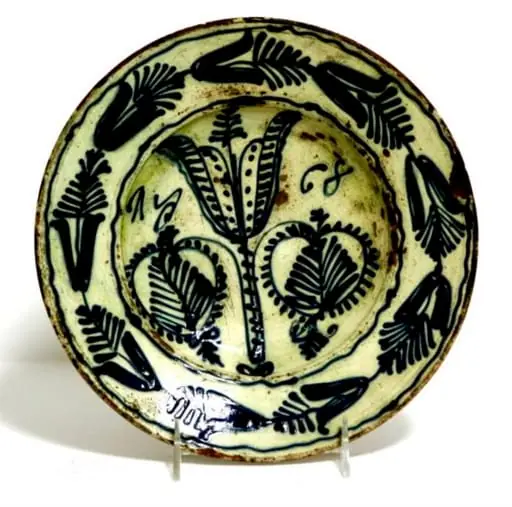 farfurie
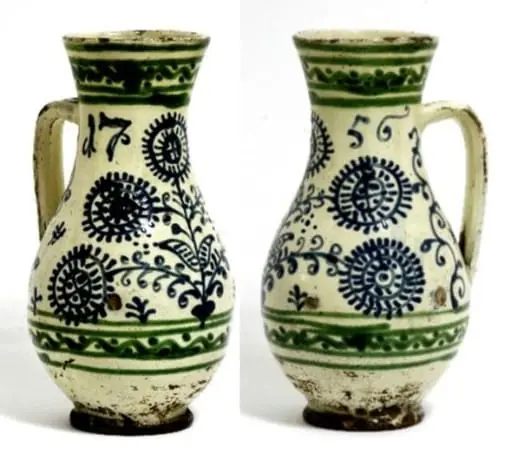 canceu
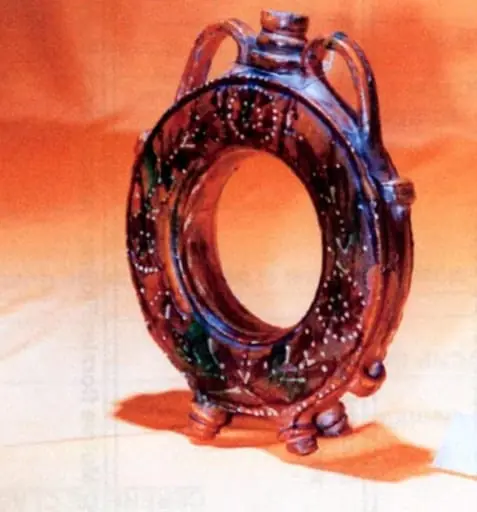 colaciu la palincă
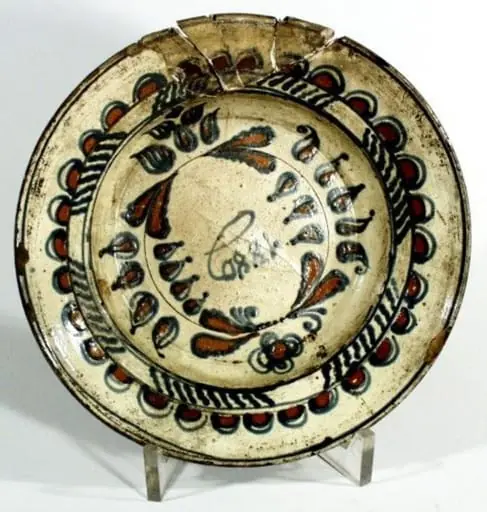 farfurie
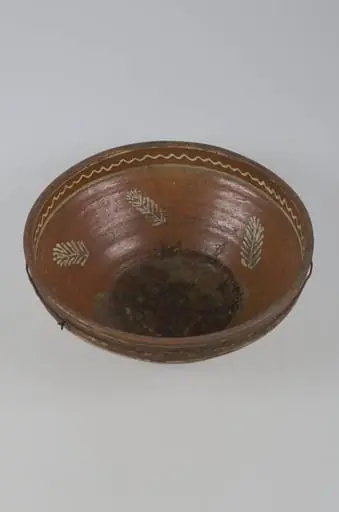 Vas adânc cu buza dreaptă, smălțuit în interior și pe exterior. Decorul este plasat pe buză (interior și exterior) format din motive geometrice: linia frântă. În interior, pereții sunt decorați cu frunze iar fundul cu frunze și flori. Cromatică: fond: brun; motive; alb; verde.
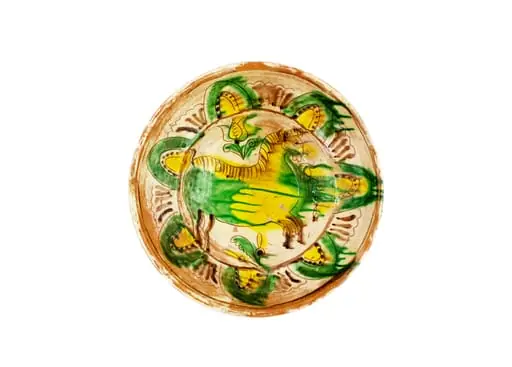 Strachină lucrată în manieră Kuty, de formă tronconică, modelată la roată; decor geometrizat și naturalist amplasat pe toată suprafața vasului organizat în două registre despărțite de linii circulare realizate cu cornul: central prezintă un motiv zoomorf: animal, înconjurat de motive fitomorfe: flori de lalea și frunze; spre marginea vasului un registru cu motive geometrice semiovoidale realizate cu linii curbe și puncte, despărțite de grupuri de liniuțe; cromatică: fond alb dat de angobă, decor realizat cu verde, galben și brun. Pe exterior este imprimată ștampila cu numele meșterului scris cu majusculă și caractere italice: Colibaba.
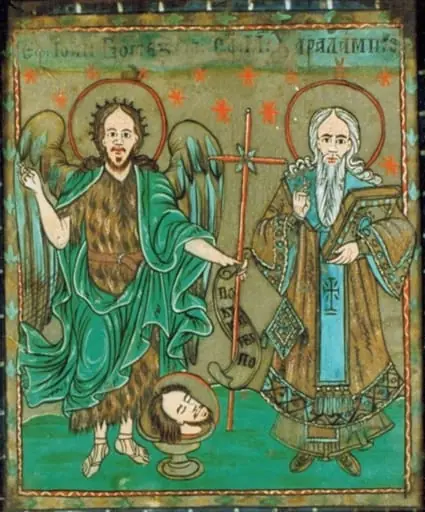 Sfântul Ioan Botezătorul și Sfântul Haralambie
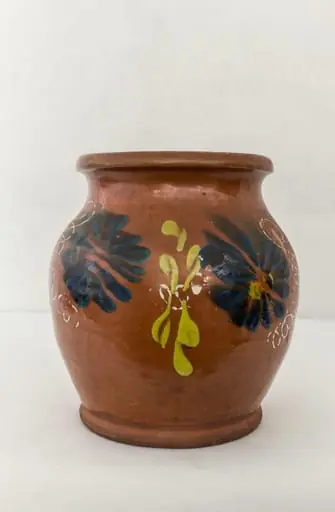 Vas cu corp bombat, cu buza răsfrântă, cu o toartă prinsă în două puncte, smălțuit în exterior și parțial în interior, decorat pe suprafața exterioară prin pictare cu motive fitomorfe (frunze) și florale (albăstrele), încadrate de linii spiralate. Cromatică: albastru, alb, galben, verde, maro, cărămiziu.
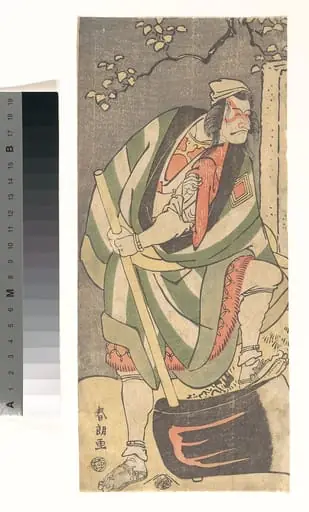 Untitled
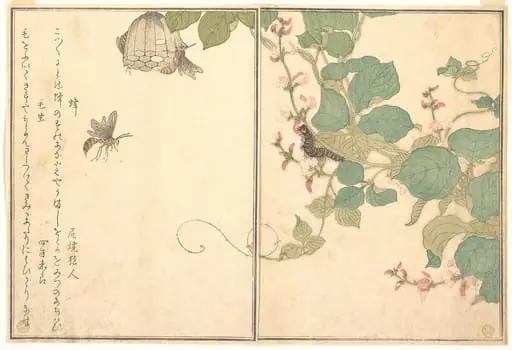 『画本虫撰』 「蜂」「毛虫」|Paper Wasp (Hachi); Hairy Caterpillar (Kemushi), from the Picture Book of Crawling Creatures (Ehon mushi erami)
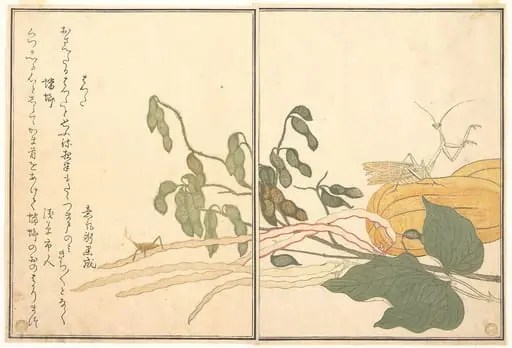 画本虫撰 バッタと蟷螂|Cone-headed Grasshopper or Locust, (batta); Praying Mantis (Tōrō or Kamakiri), from the Picture Book of Crawling Creatures (Ehon mushi erami)
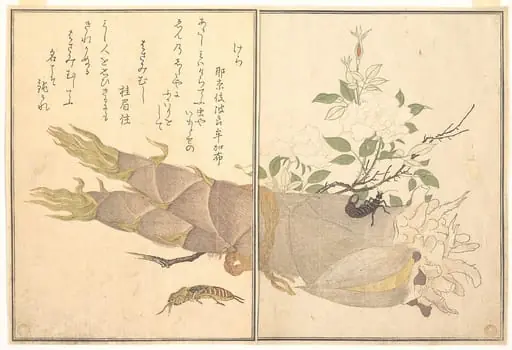 『画本虫撰』 「けら」「はさみむし」|Mole Cricket (Kera); Earwig, (Hasami-mushi), from the Picture Book of Crawling Creatures (Ehon mushi erami)
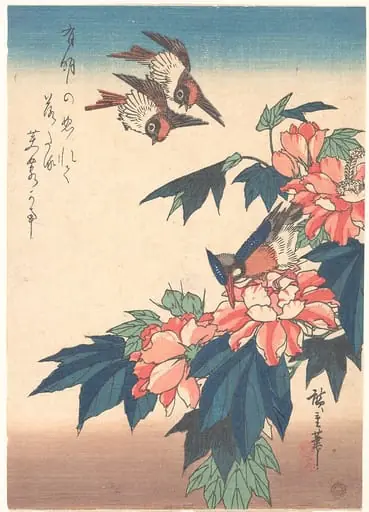 紅蜀葵に燕と川蝉図|Swallows and Kingfisher with Rose Mallows
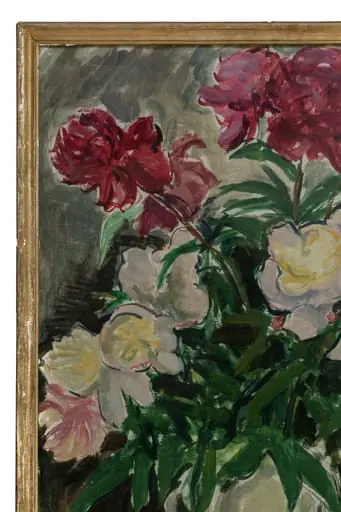 Flori - bujori
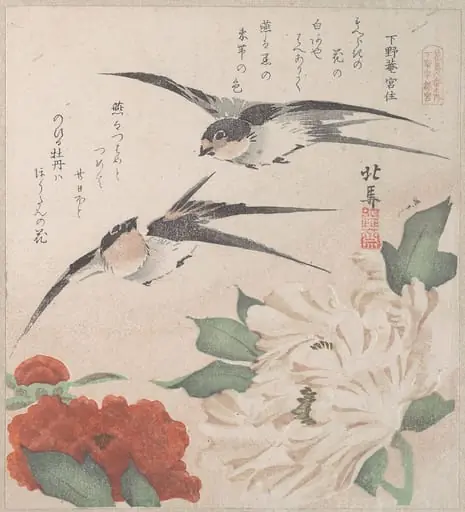 摺物帖 『春雨集』 『花鳥六番之内 下野宇都宮』 牡丹に燕|Spring Rain Collection (Harusame shū), vol. 3: Swallows and Peonies
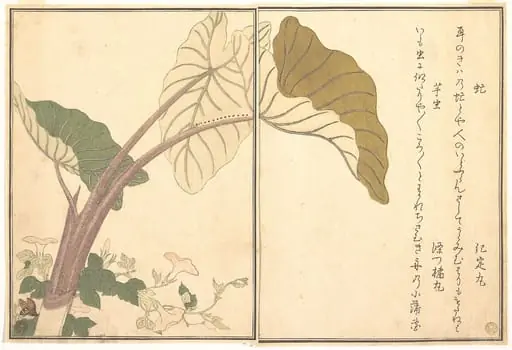 『画本虫撰』 「虻」「芋虫」|Horsefly (abu); Green Caterpillar, imomushi, from the Picture Book of Crawling Creatures (Ehon mushi erami)
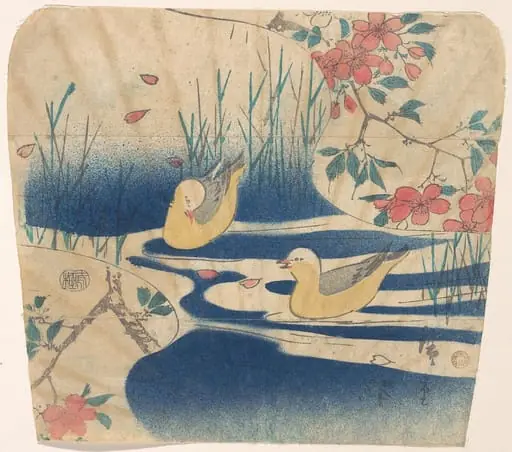 歌川広重画 桜花に都鳥|Hooded Gulls and Cherry Blossoms
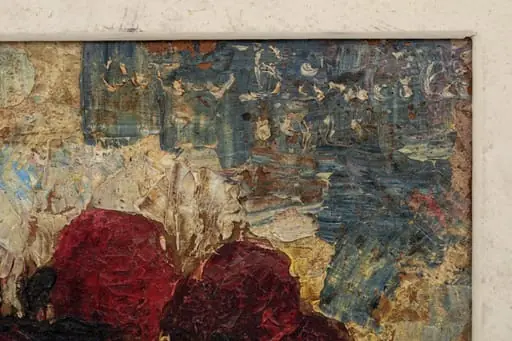 Vas cu bujori
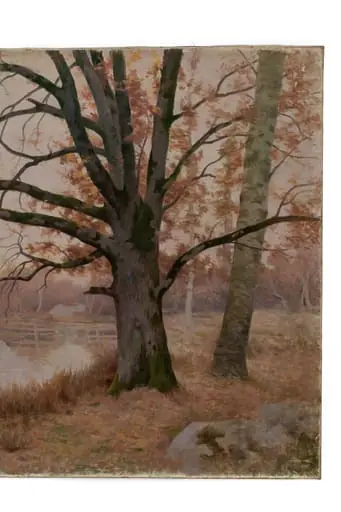 Peisaj - Efect de toamnă
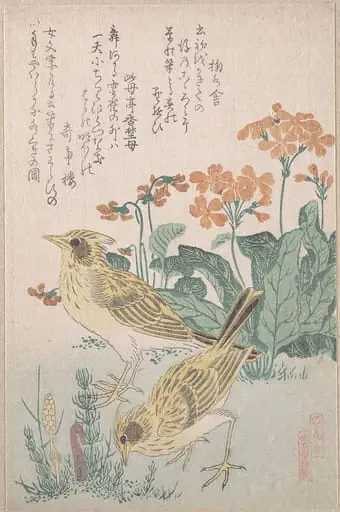 『鳥合』 桜草に雲雀|Skylarks and Primroses,” from the Series An Array of Birds (Tori awase), from Spring Rain Surimono Album (Harusame surimono-jō, vol. 3)
 Himera pământului
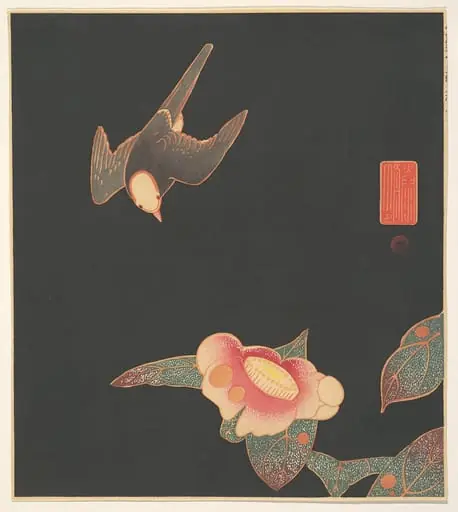 Untitled
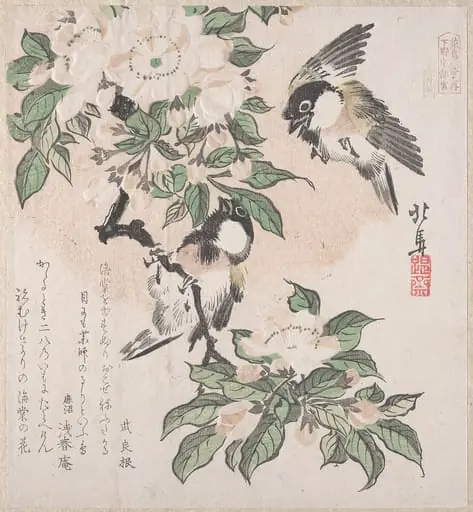 摺物帖 『春雨集』 『花鳥六番之内 下野宇都宮』 海棠に山雀|Spring Rain Collection (Harusame shū), vol. 3: Marsh-tits and Crab Apple Flowers
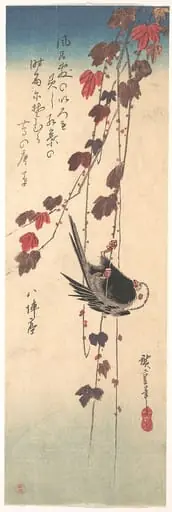 歌川広重画 蔦に柄長鳥|Long-tailed Tit on Autumn Ivy
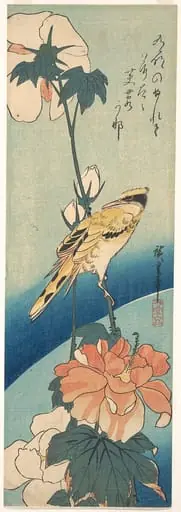 歌川広重画 扶養に高麗鶯|A Black-Naped Oriole on a Stem of Rose Mallow
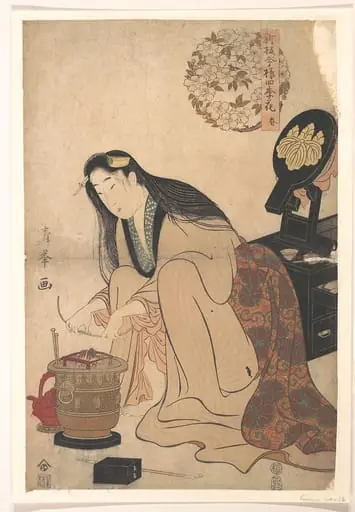 Untitled
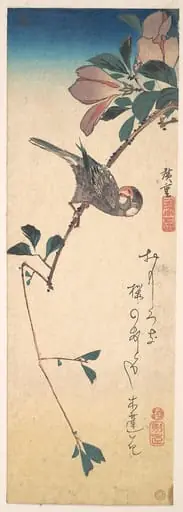 Untitled
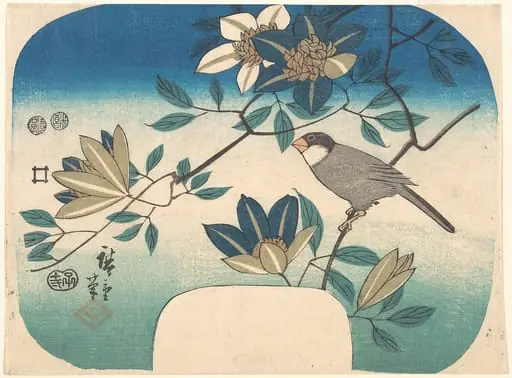 歌川広重画 鉄線花に鳥|Clematis and Bird
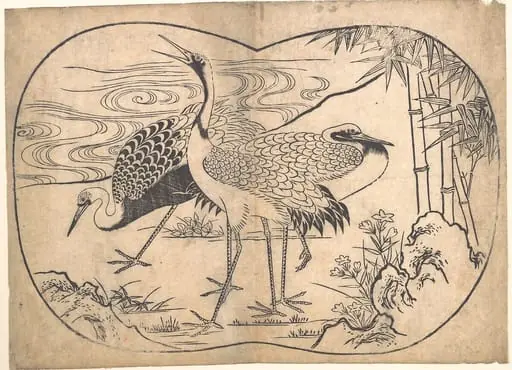 Untitled
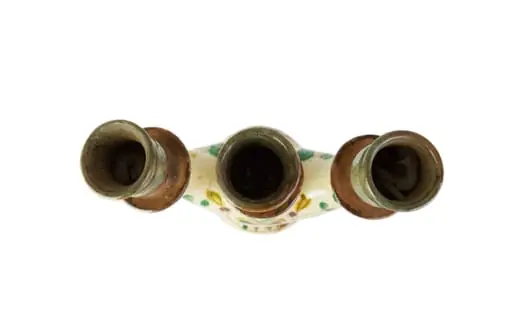 Sfeșnic lucrat în manieră Kuty, cu trei brațe pentru suportul lumânărilor, modelat la roată; prezintă decor naturalist pe cele trei brațe realizat cu motive fitomorfe: floarea soarelui, laleaua și frunze de diferite dimensiuni; pe piciorul sfeșnicului sunt desenate motive geometrice: alveole, linii drepte, triunghiuri și motive astrale: soare; suporturile pentru lumânări sunt trei discuri așezate peste cilindrele din care sunt lucrate brațele sfeșnicului; cromatică: fond alb, decor realizat cu galben, verde, cărămiziu. Pe interiorul piciorului de susținere apare semnătua autorului incizată, cu majusculă și litere de mână: Colibaba C-tin.
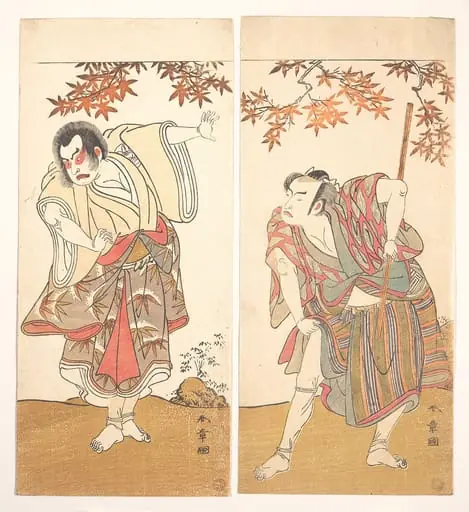 Untitled
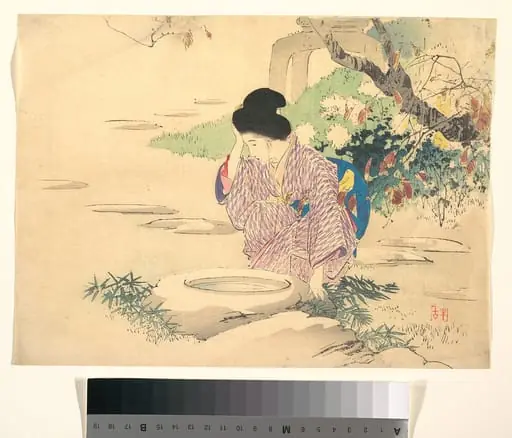 Untitled
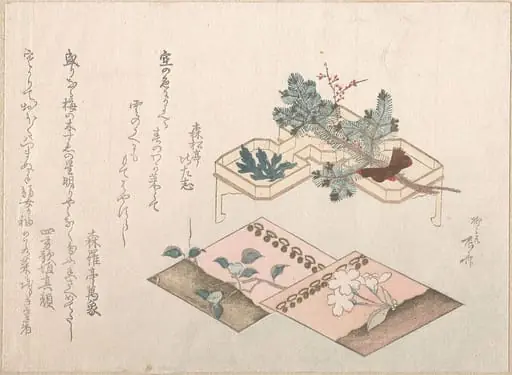 『春雨集』 摺物帖柳々居辰斎画 若松|Spring Rain Collection (Harusame shū), vol. 2: Pine Shoots and Accoutrements for New Year’s Celebrations
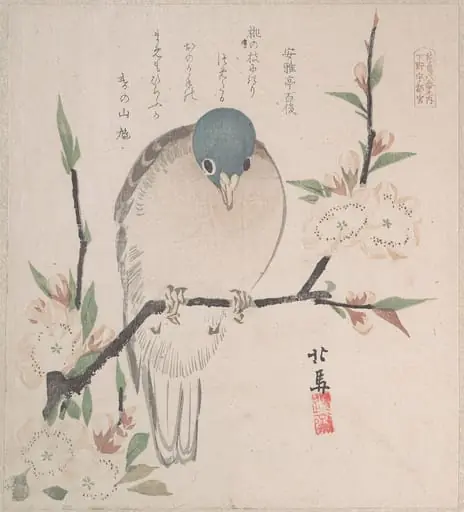 摺物帖 『春雨集』 『花鳥六番之内 下野宇都宮』 桃に山鳩|Spring Rain Collection (Harusame shū), vol. 3: Mountain Dove and Peach Flowers
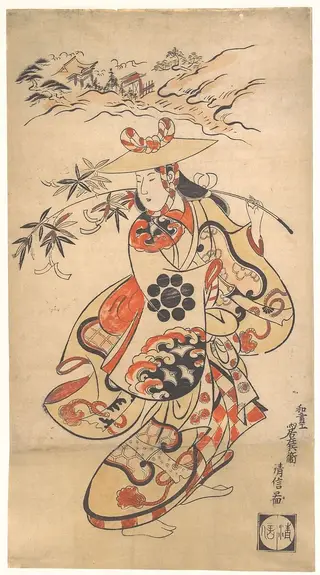 Untitled
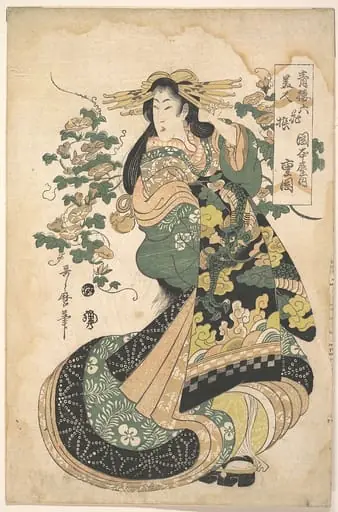 青楼美人 六花撰 岡本屋内 重岡|A Courtesan with Morning-glories on the Background
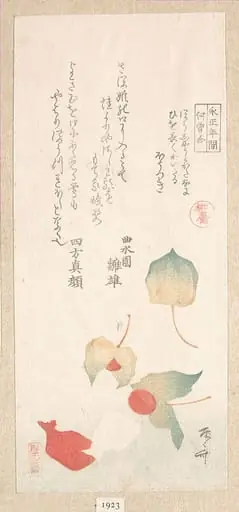 Untitled
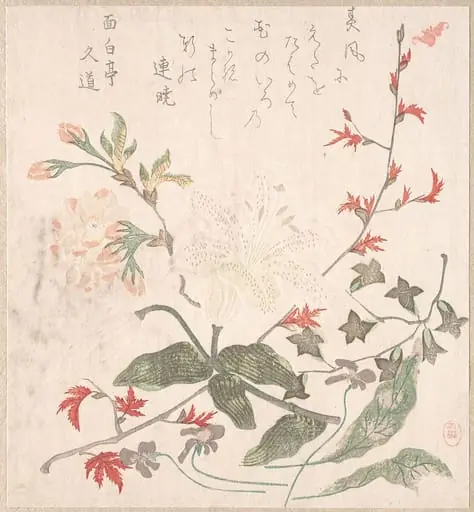 Untitled
 Untitled
 Untitled
Frequently asked questions
What is Leaf?
Leaf or Leafe is a surname.
How many Leaf works does Artifact World Gallery have?
Artifact World Gallery holds 200 public-domain Leaf works, all free to view and download.
Who are the key Leaf artists?
Key Leaf artists in the collection include Gustave Courbet, Édouard Manet and Claude Monet.
Where can I see Leaf works?
Leaf works in the collection are held by Metropolitan Museum of Art, Romanian Peasant Museum and "Dimitrie Gusti" National Village Museum.