Subject
Augsburg
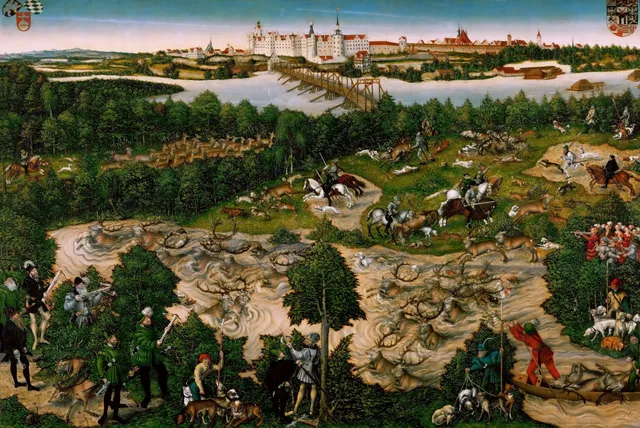
Augsburg is a subject in art. The gallery holds 42 works in this subject in art, including works by Eduard Gaertner, Lucas Cranach the Younger and Bernardo Bellotto.
Augsburg, a city in Bavarian Swabia roughly 50 kilometres west of Munich, was for two centuries one of the great artistic capitals of the Holy Roman Empire. Founded as the Roman colony of Augusta Vindelicorum, it grew into a free imperial city whose wealth—built on cloth, mining, metalworking and banking—made it a magnet for ambitious painters and craftsmen. The colossal fortunes of merchant-banking dynasties such as the Fugger, Welser and Höchstetter, together with the city's close ties to the imperial court, gave its artists an exceptionally sophisticated and demanding clientele. Italian works and a growing antiquarian taste flowed north into Augsburg collections, while local artists travelled south, making the city a crucial conduit for Renaissance ideas into Germany.
Around 1480–1540 Augsburg painting flourished under Hans Holbein the Elder (c. 1464–1524) and Hans Burgkmair the Elder (1473–1531), who are ranked alongside Albrecht Dürer as pioneers of the German Renaissance. Holbein's altarpieces and silverpoint portrait drawings bridge late Gothic naturalism and Italianate form; his son Hans Holbein the Younger, the supreme portraitist of Henry VIII's England, was born in Augsburg around 1497/98 and trained in his father's workshop. Burgkmair was a prolific printmaker—some 700 woodcuts are ascribed to him—who served Emperor Maximilian I, contributing roughly half of the 135 sheets of the *Triumphs of Maximilian* and pioneering the chiaroscuro woodcut, printed from multiple tone blocks, in collaboration with the blockcutter Jost de Negker.
Augsburg's defining medium, however, was the precious metal. From the fifteenth to the early nineteenth century, the city rivalled Nuremberg as Germany's leading goldsmithing centre; at one point some 260–275 of its 30,000 inhabitants worked full time as master gold- and silversmiths. Augsburg specialised in embossed pictorial panels, ebony caskets with silver-gilt mounts, elaborate nautilus and ostrich-egg cups, and silver furniture, produced by dynasties such as the Thelot, Biller and Drentwett families. Engraved ornament designs and finished plate were exported across Europe, from the Baltic to Russia.
The city's golden age culminated in architecture under Elias Holl (1573–1646), whose Renaissance Rathaus (1615–24), crowned by its gilded Goldener Saal, and the Zeughaus arsenal remain landmarks of German secular building. Augsburg's printing presses, portraiture and topographic traditions fed the wider European appetite for the recorded city—the lineage of precise urban views later perfected by vedutisti such as Bernardo Bellotto, several of whose city views the collection holds.
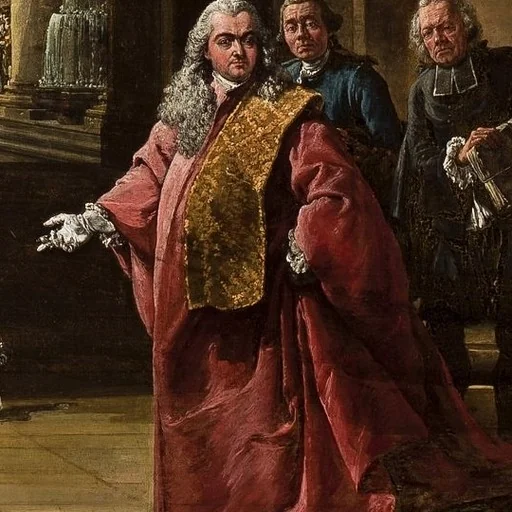
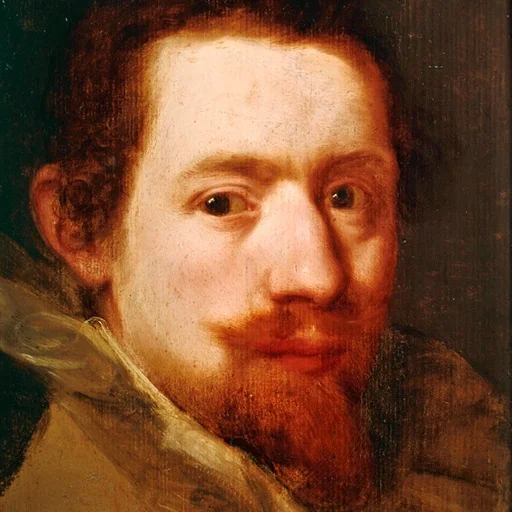
Key artists
Overview
Augsburg is a city in the Bavarian region of Swabia, Germany, situated approximately 50 kilometres west of Munich at the convergence of the Alpine rivers Lech and Wertach. Founded in 15 BC as the Roman colony Augusta Vindelicorum, it is one of Germany's oldest cities. Its well-preserved historical centre and centuries of political and economic significance have made it a recurring subject in art. The city's visual representation is tied to its status as a Free Imperial City from 1276 to 1803, its role as a dominant centre of early capitalism in the sixteenth century, and its position as a major manufacturing and trading hub. These factors attracted artists and patrons, embedding Augsburg deeply into the visual culture of the Holy Roman Empire.
Iconography & meaning
In art, Augsburg symbolizes civic autonomy, mercantile wealth, and the Reformation. As a Free Imperial City, it operated independently of its former overlord, the Prince-Bishop, a friction that often surfaced in local iconography. The city's identity is closely linked to the 1530 Augsburg Confession and the 1555 Peace of Augsburg, marking it as a central stage for religious transformation. Visually, the city's extensive water management system, featuring medieval canals and water towers, signifies hydraulic innovation and civic engineering. The Fuggerei, the oldest social housing complex in the world founded by Jakob Fugger, represents the intersection of immense banking wealth and civic philanthropy, a duality that defined Augsburg's visual and cultural identity.
Across movements & periods
The artistic treatment of Augsburg shifted alongside its economic and political fortunes. During the fifteenth and sixteenth centuries, the city's wealth from banking and metal businesses dominated by families like the Fuggers, Welsers, and Hochstetters attracted artists seeking patrons, transforming Augsburg into a creative centre for sculptors and musicians. The prolific printers of the city made it the largest producer of German-language books in the Holy Roman Empire. During this period, the city was a major manufacturing centre for textiles, armor, scientific instruments, and gold and silver work. Later, the Rococo style became so prevalent in the city that it dominated local aesthetics. By the nineteenth century, industrialization spurred a different visual record of the city, while the devastation of the Thirty Years' War had previously shifted artistic focus toward religious and civic resilience.
Notable depictions
Notable depictions of Augsburg are tied to the artists who worked there and the architectural landmarks that defined its skyline. The city served as the base for the Holbein family, beginning with Hans Holbein the Elder. Other notable artists born in Augsburg include Hans Holbein the Younger and Jorg Breu the Elder. Architectural depictions often feature the Renaissance-style City Hall built in 1620 with its famed Goldener Saal, the Perlachturm bell tower built in 1182, and the Augsburg Cathedral founded in the ninth century. The Fugger House, a Renaissance merchant house, and the Gothic monastery church of St. Ulrich and Afra with its Baroque interior were also prominent subjects, representing the city's mercantile might and religious significance.
Legacy
The legacy of Augsburg in art and culture extends from its early modern golden age into modern heritage recognition. The city's unique medieval canals and water towers, which testified to the development of hydraulic engineering from the Middle Ages onward, were recognized as a UNESCO World Heritage Site in 2019. The Fuggerei, founded in 1516 or 1521 by Jakob Fugger, remains in use today as the oldest existing social housing complex in the world. Culturally, Augsburg is remembered as the birthplace of the composer Leopold Mozart and the playwright Bertolt Brecht. The city also holds a unique place in German cultural traditions as the only German city with its own legal holiday, the Augsburger Hohes Friedensfest on August 8, commemorating the post-Reformation peace.
Works
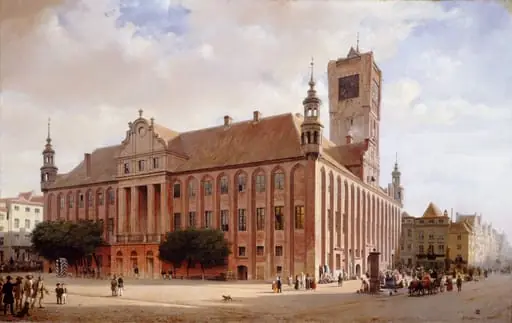 City Hall at Thorn
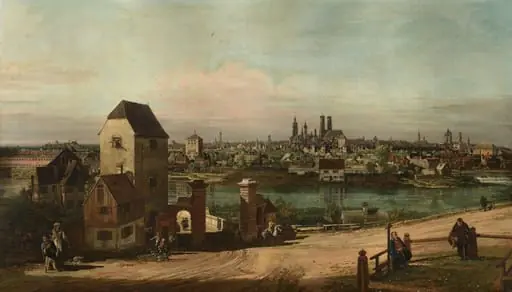 View of Munich
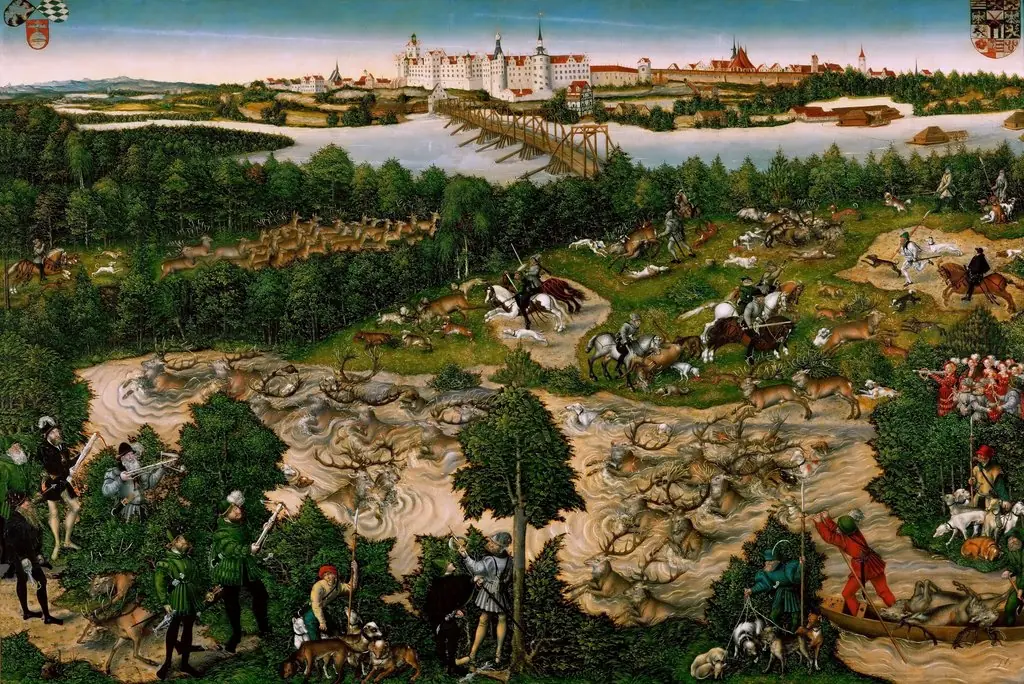 The Stag Hunt of the Elector Johann Friedrich of Saxony, or Frederic the Wise
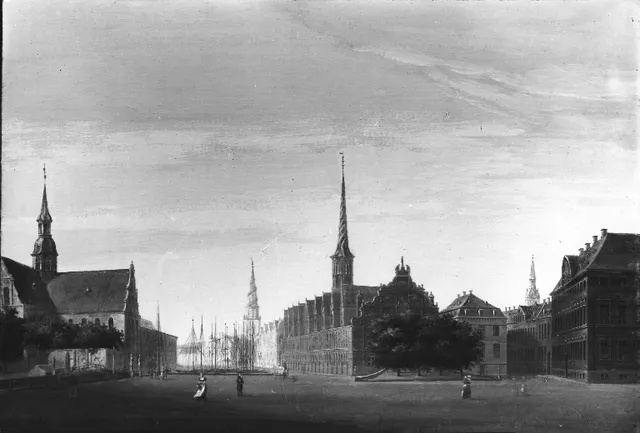
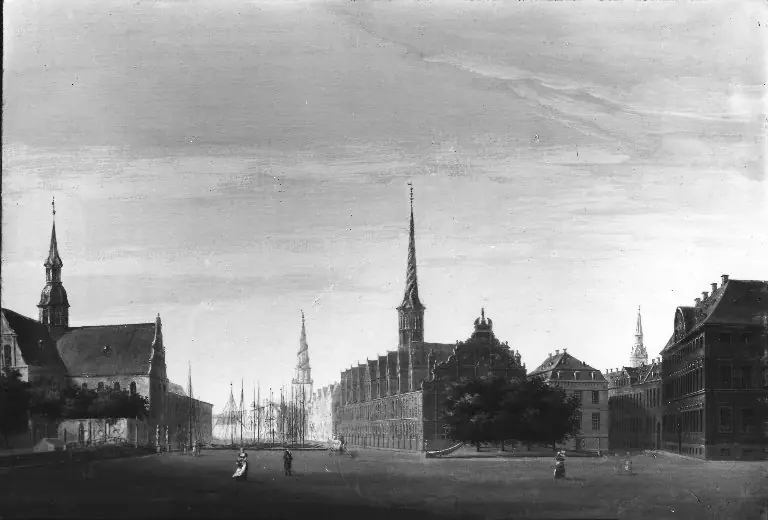 Parti af Børsen
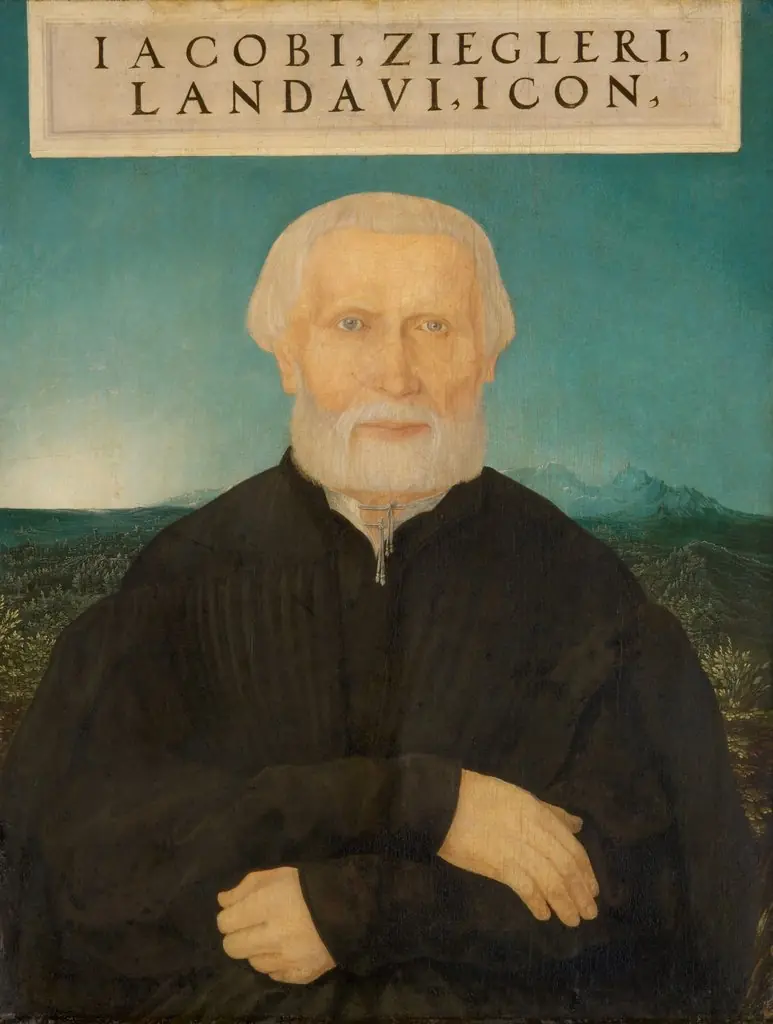 The Humanist Jacob Ziegler (1470/1471-1549)
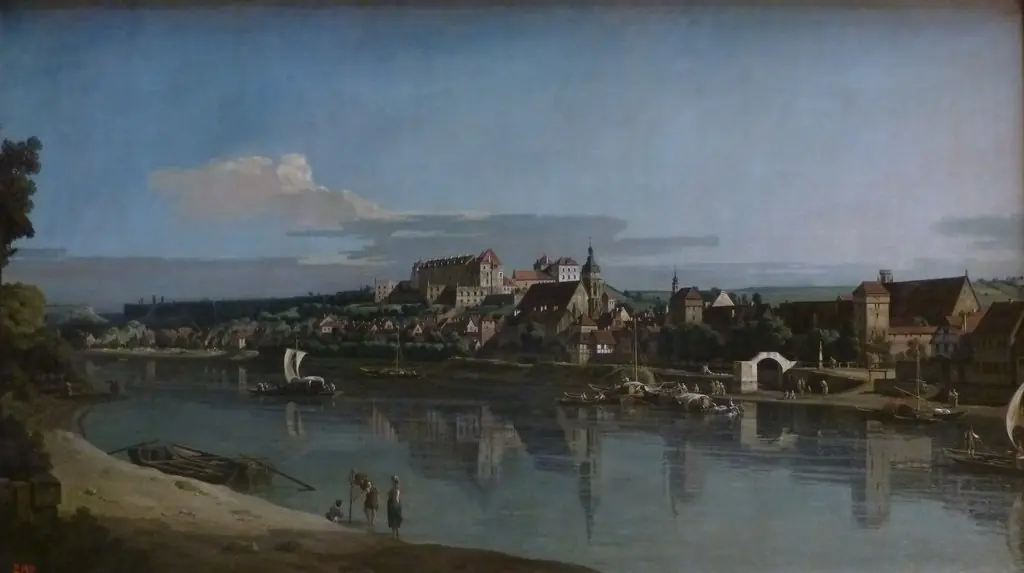 View of Pirna from the Right Bank of the Elba
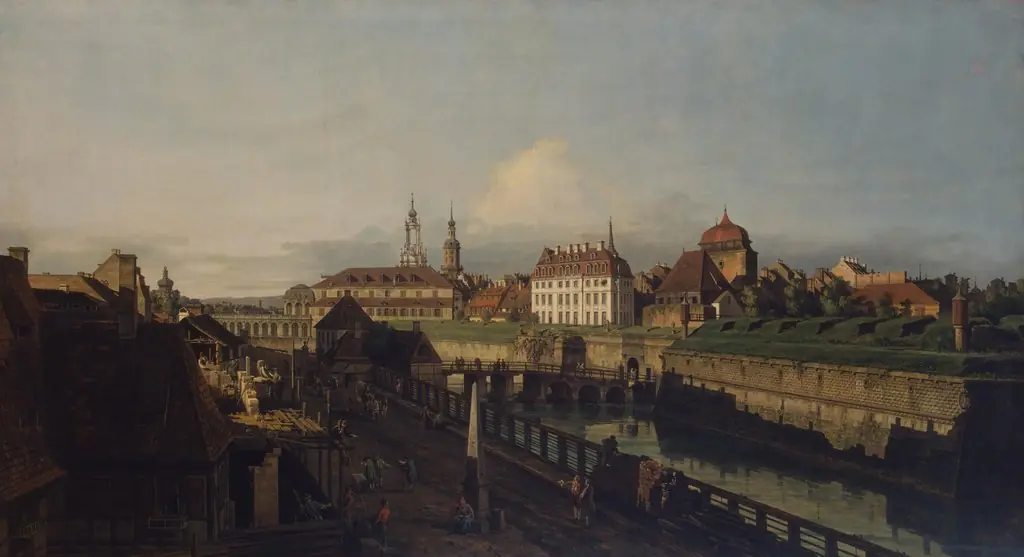 Old Fortifications of Dresden
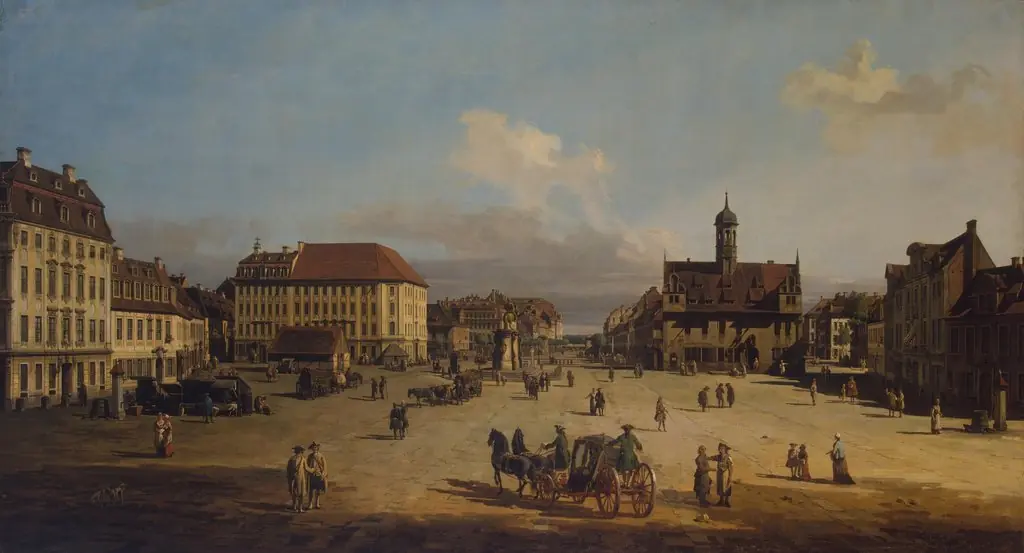 Market-Place of the Neustadt in Dresden
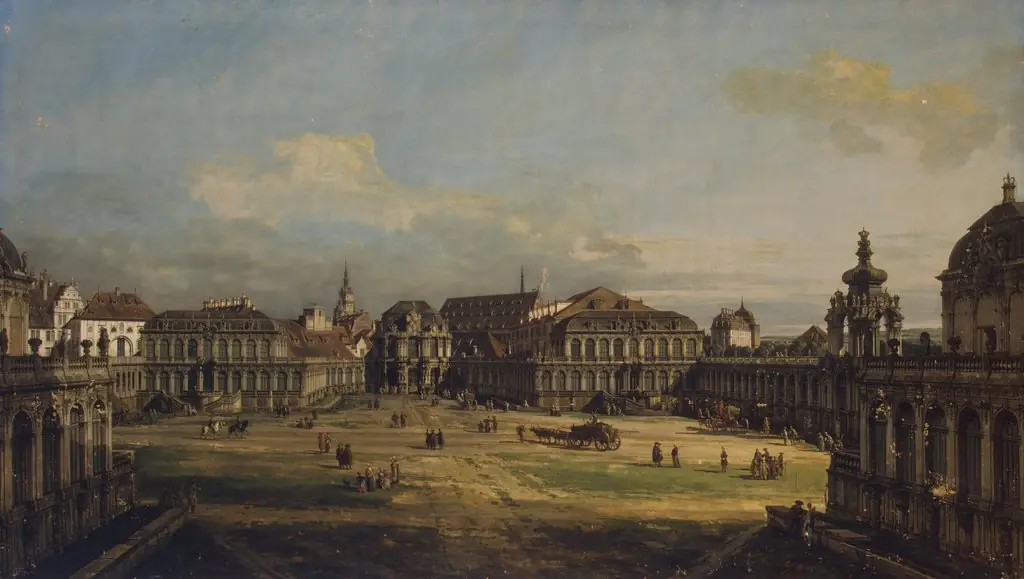 Zwinger in Dresden
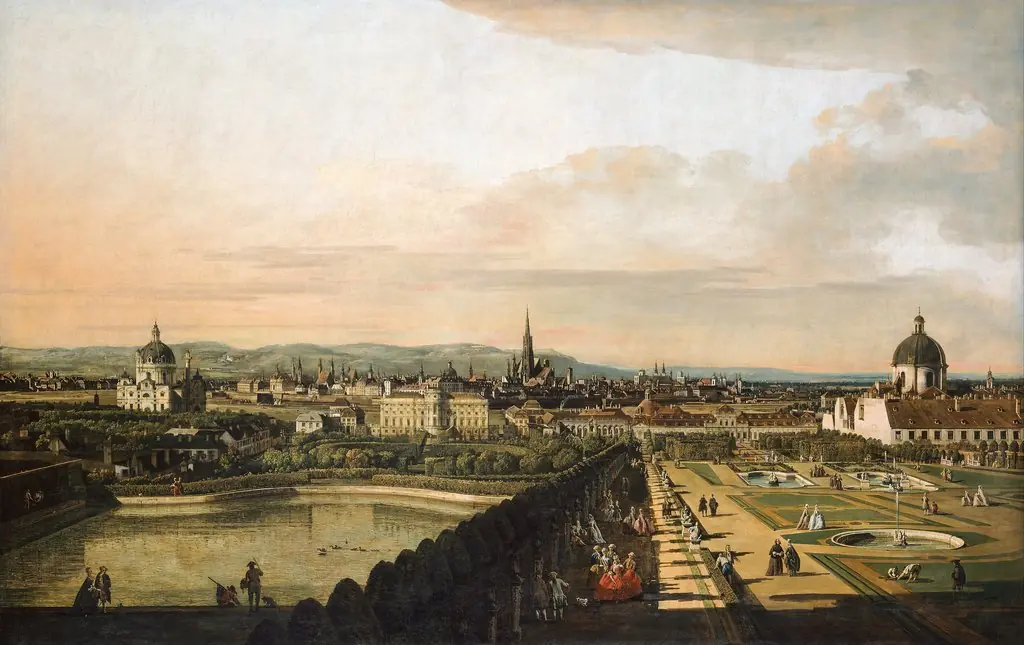 View of Vienna from the Belvedere
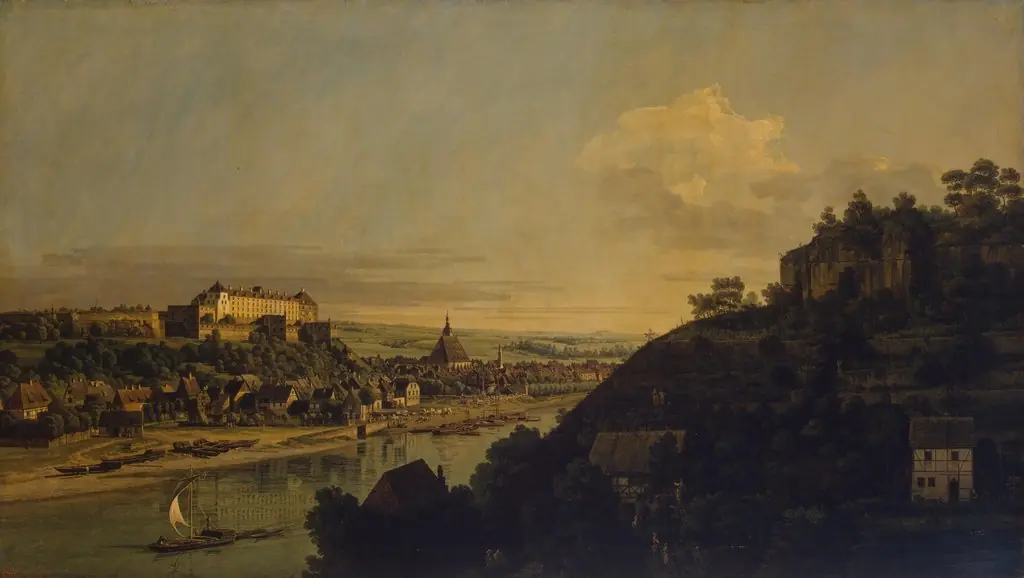 View of Pirna from the Right Bank of the Elba above the Town
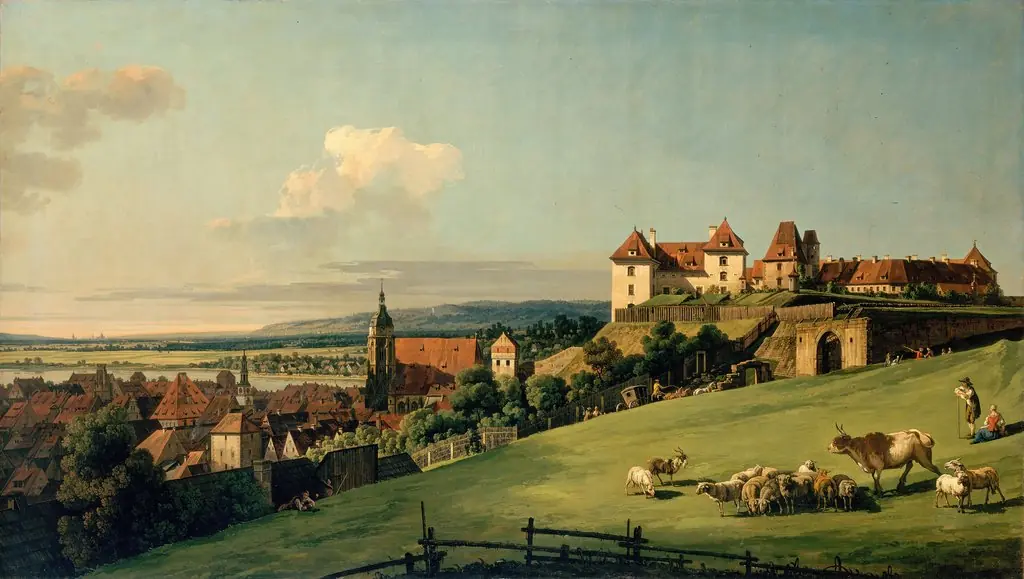 View of Pirna from the Sonnenstein Castle
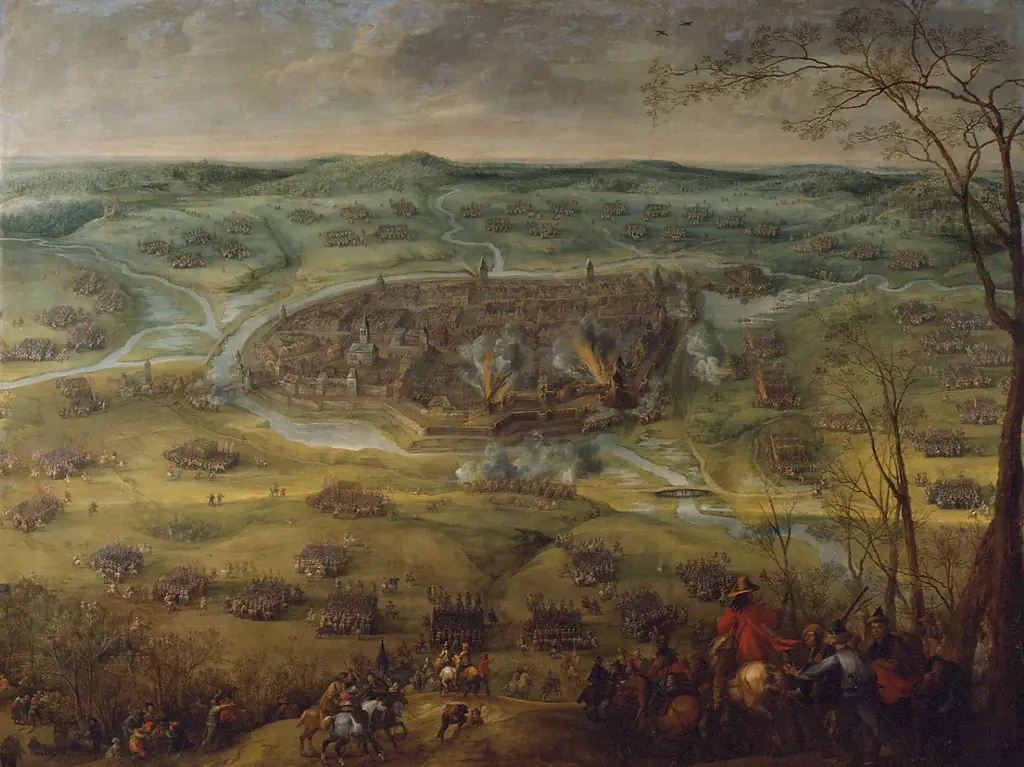 The siege of Neuburg, 1641
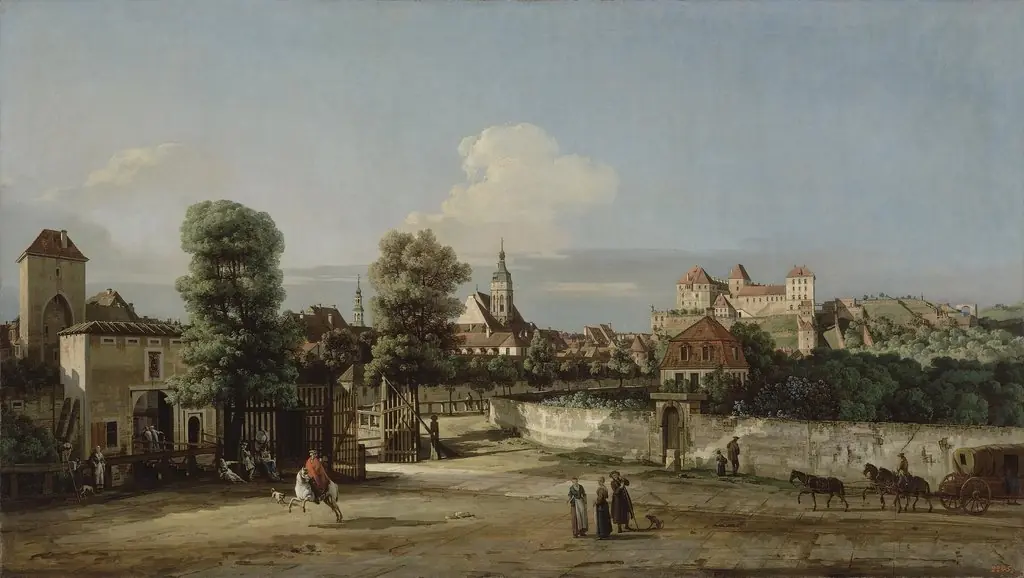 View of Pirna from the West, from the Corner of Wide Street
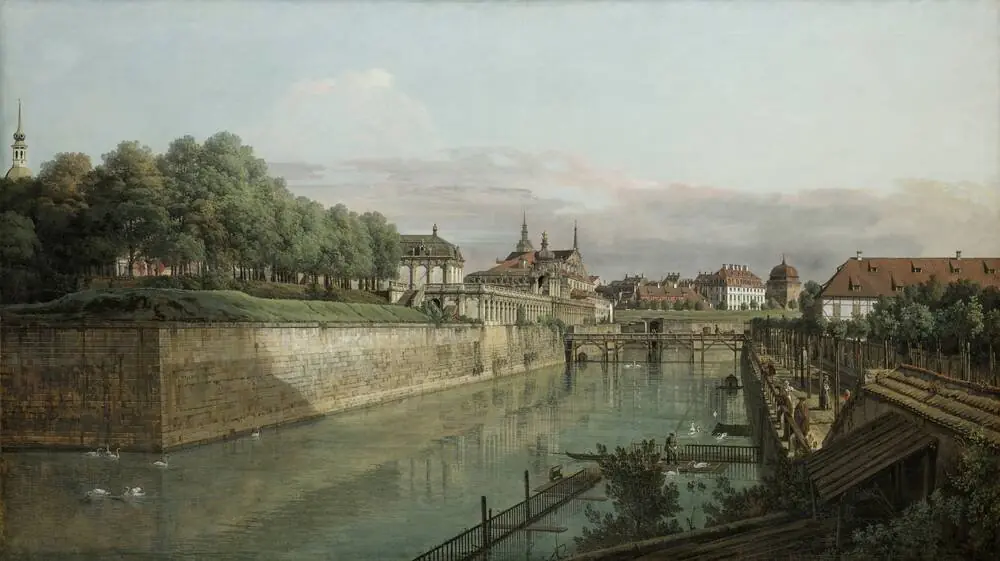 The Moat of the Zwinger in Dresden
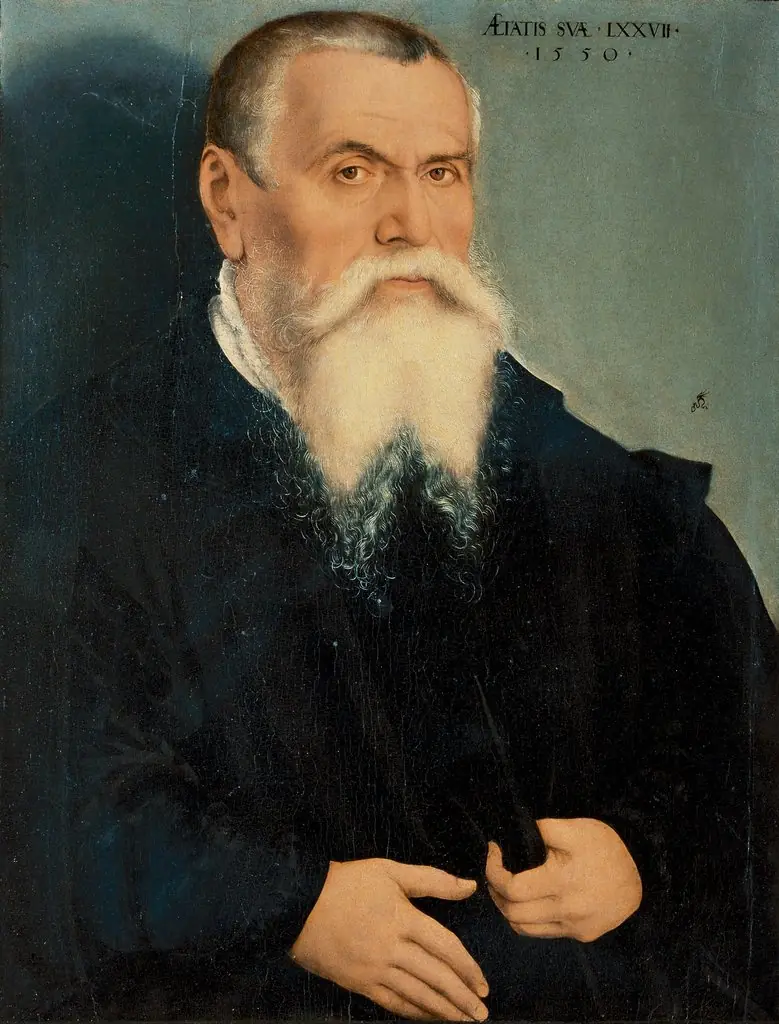 Portrait of Lucas Cranach the Elder
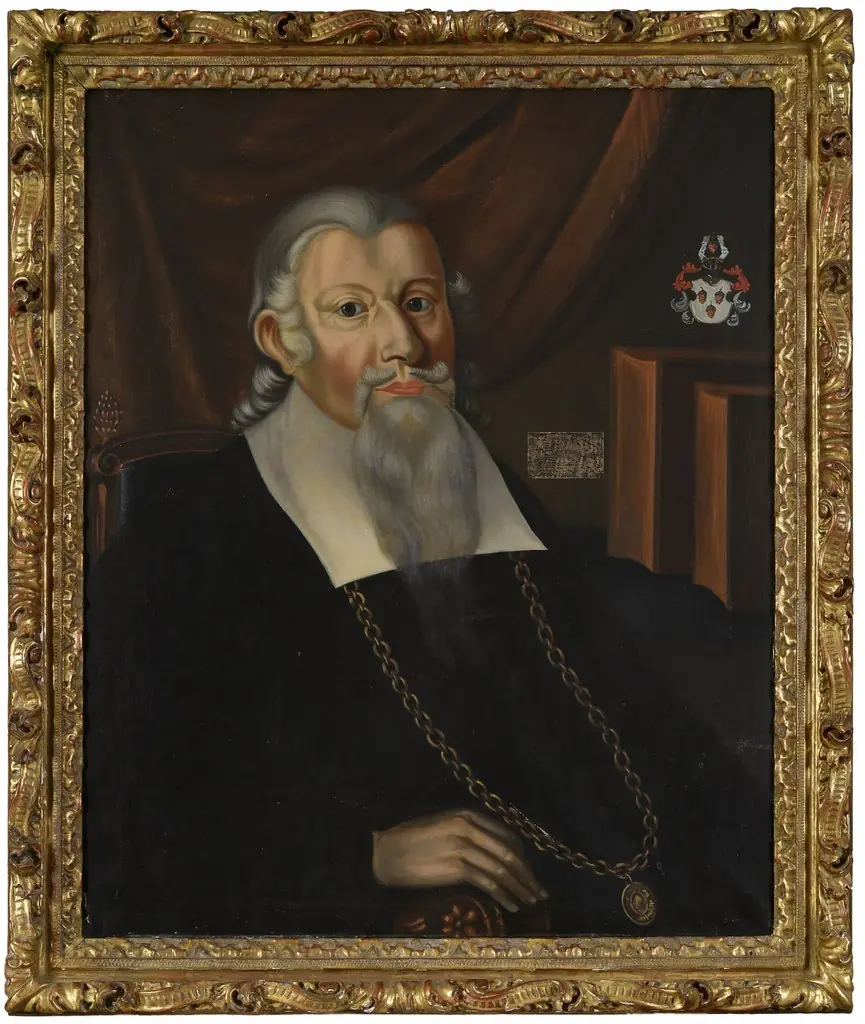 Peder Winstrup, 1605-1679
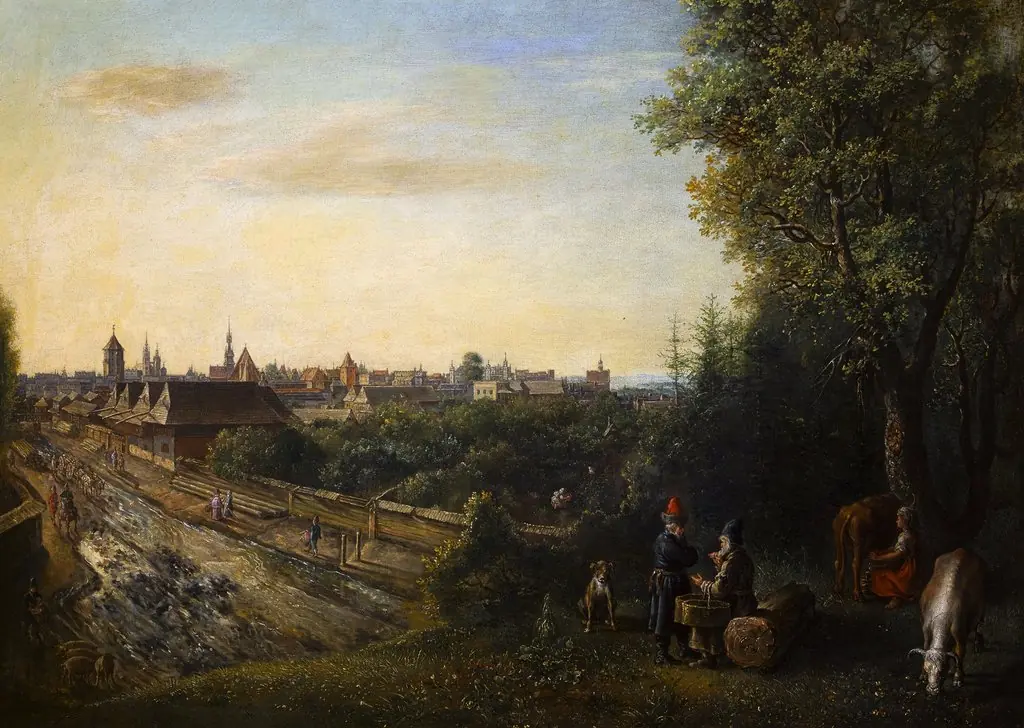 View of Krakow
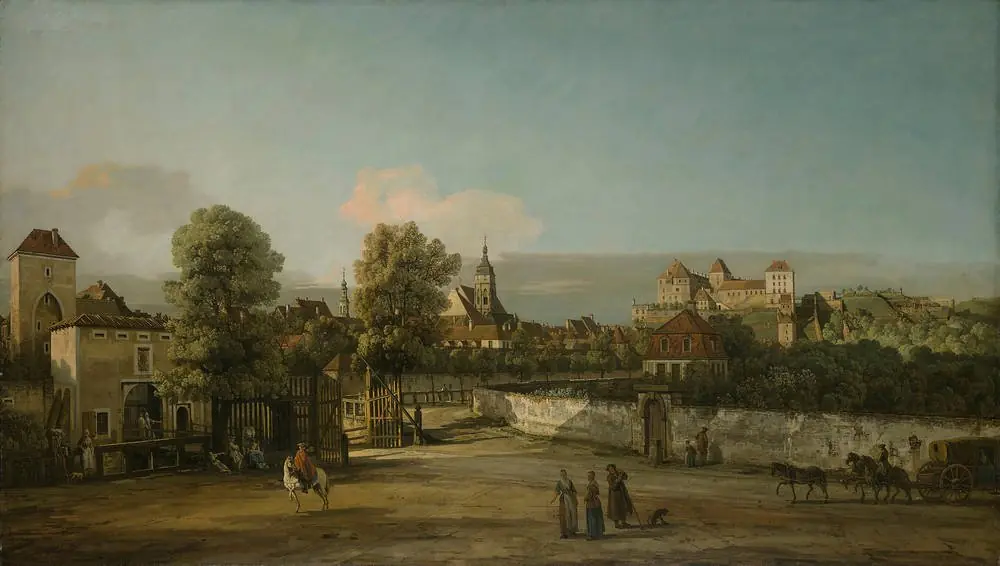 Pirna mit dem Dohnaischen Tor
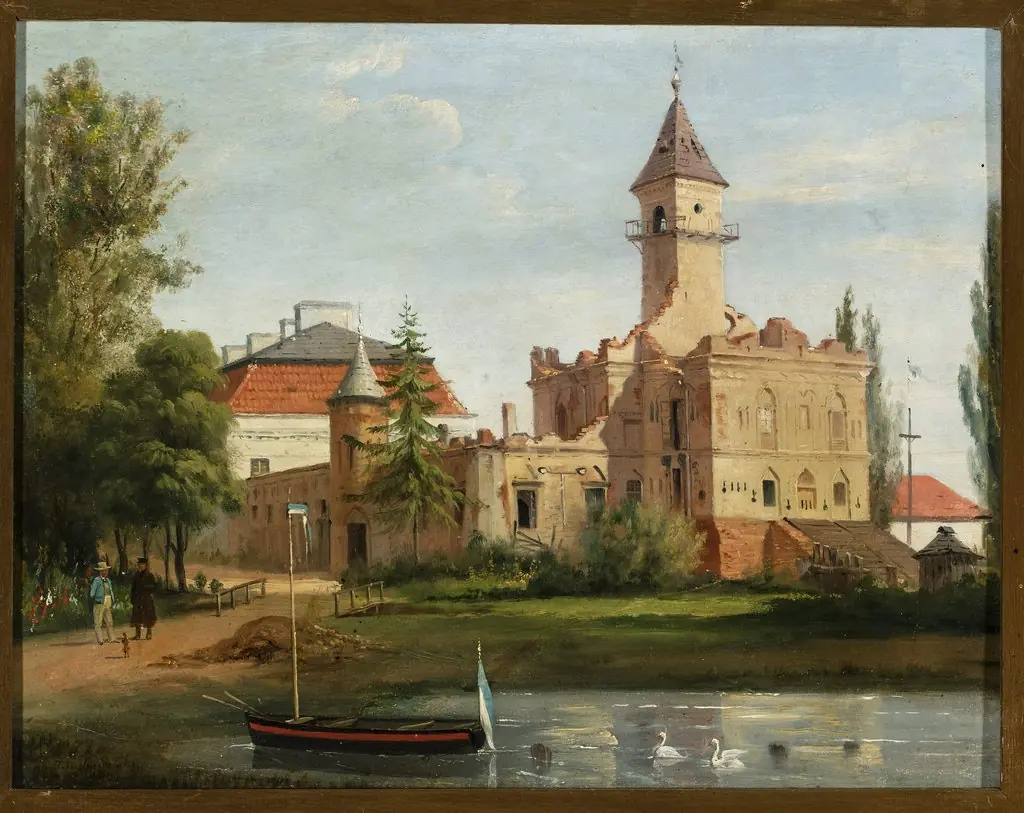 View of the castle in Radziejowice
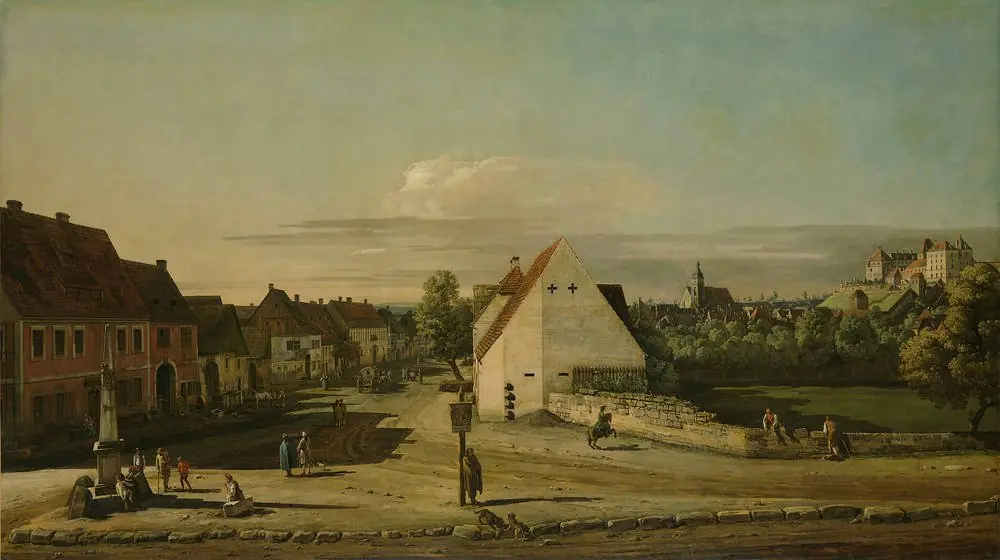 Die Breite Gasse in Pirna
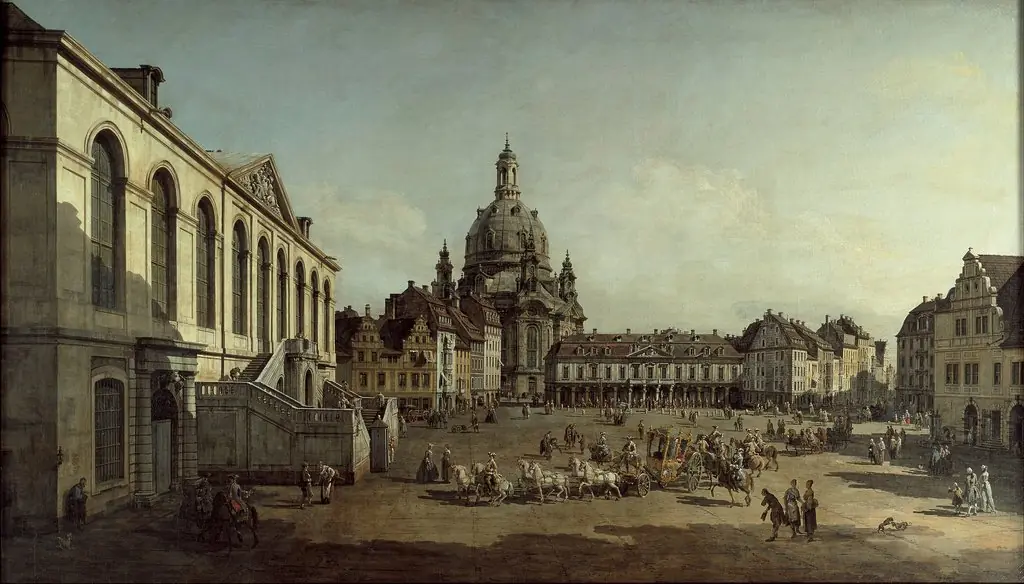 View of the Neumarkt in Dresden from the Jüdenhofe
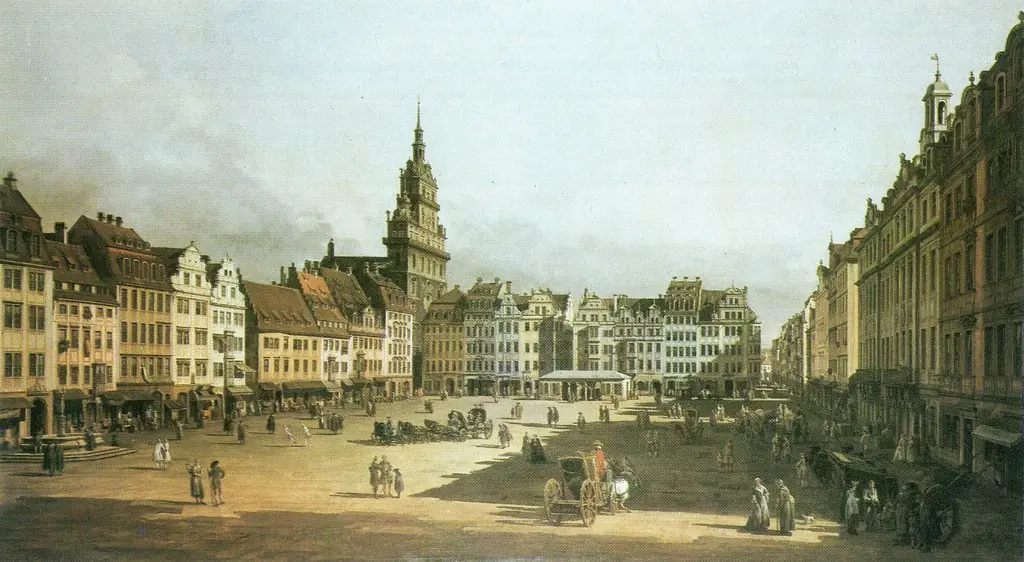 The Old Market in Dresden from Schlossgasse
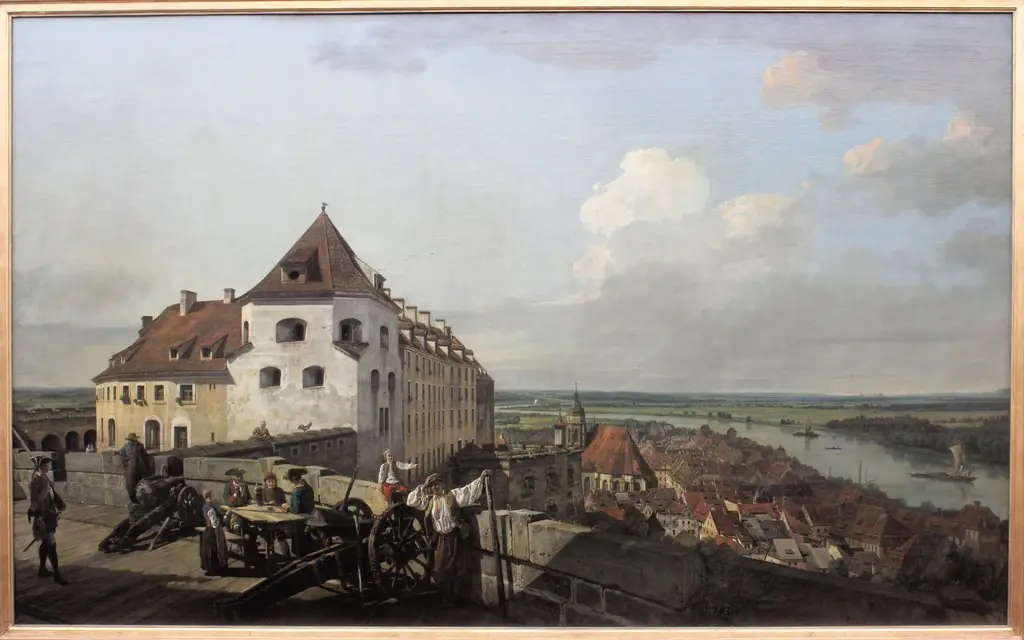 Sonnenstein fortress and Pirna from Hohes Werk, 1755
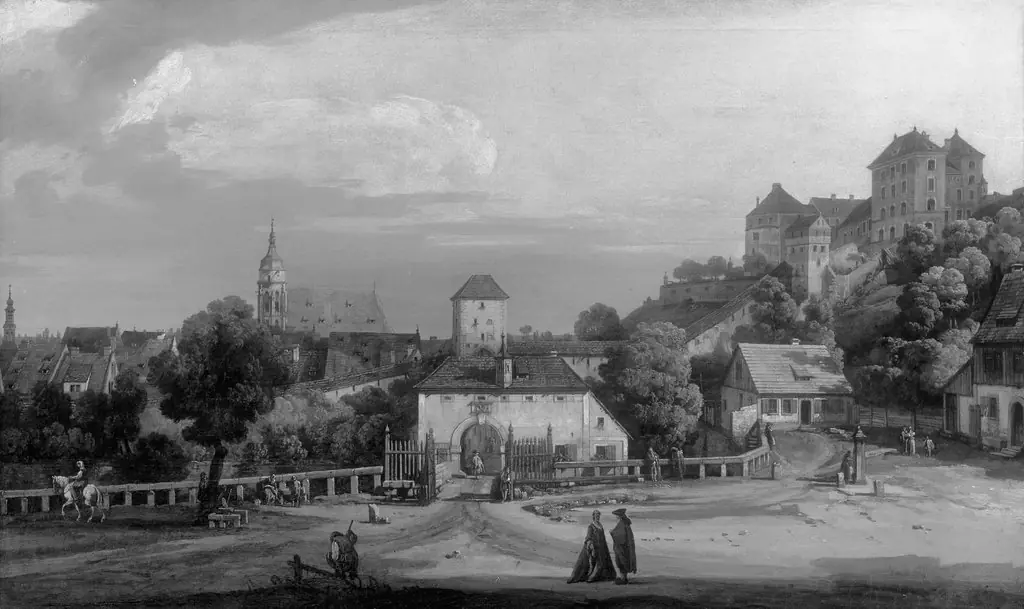 The high gate of Pirna
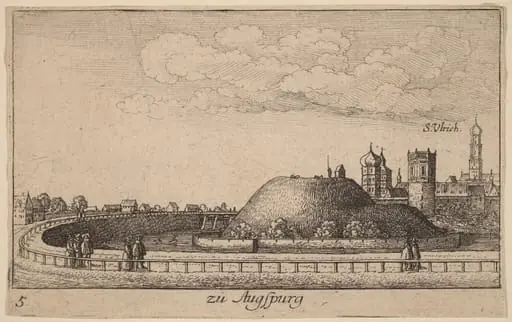 Augsburg
![View of Nuremberg from the West [center section]](https://artifactworldgallery.com/img/hanns-lautensack--view-of-nuremberg-from-the-west-center-section--12422dca269411c0-w320.webp) View of Nuremberg from the West [center section]
View of Nuremberg from the West [center section]![View of Nuremberg from the East [left section]](https://artifactworldgallery.com/img/hanns-lautensack--view-of-nuremberg-from-the-east-left-section--53a897f84943df87-w320.webp) View of Nuremberg from the East [left section]
View of Nuremberg from the East [left section]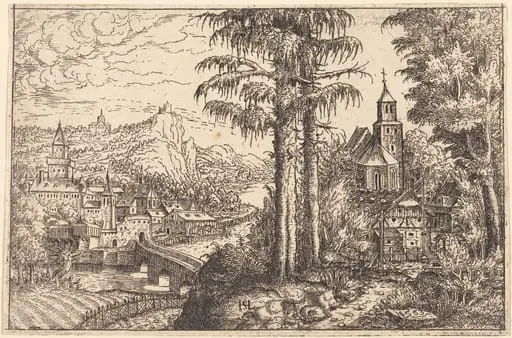 View of a Town near a River with a Church on the Right
![View of Nuremberg from the East [center section]](https://artifactworldgallery.com/img/hanns-lautensack--view-of-nuremberg-from-the-east-center-section--7aaed3dd23c167ee-w320.webp) View of Nuremberg from the East [center section]
View of Nuremberg from the East [center section]![View of Nuremberg from the East [right section]](https://artifactworldgallery.com/img/hanns-lautensack--view-of-nuremberg-from-the-east-right-section--cd9d20af411c0891-w320.webp) View of Nuremberg from the East [right section]
View of Nuremberg from the East [right section]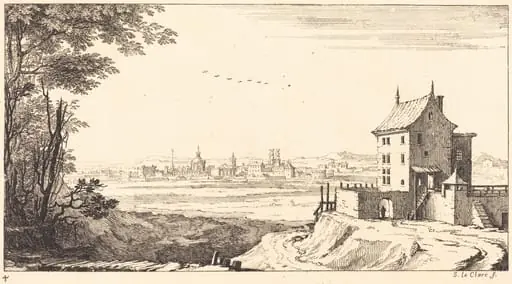 Landscape with City in Distance
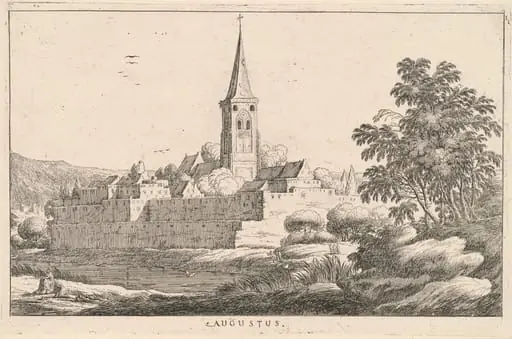 Augustus (August)
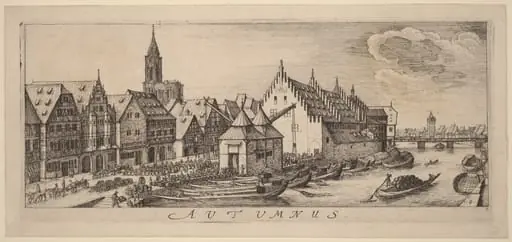 Autumn: The Wine Market
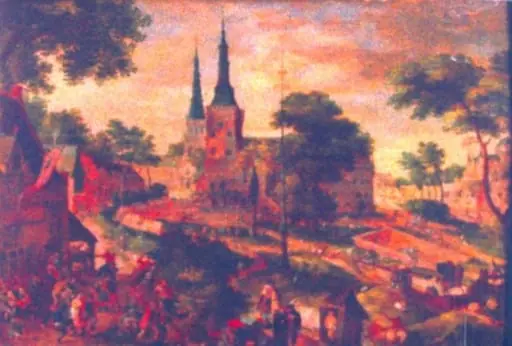 Chermeză (De ziua patronului bisericii)
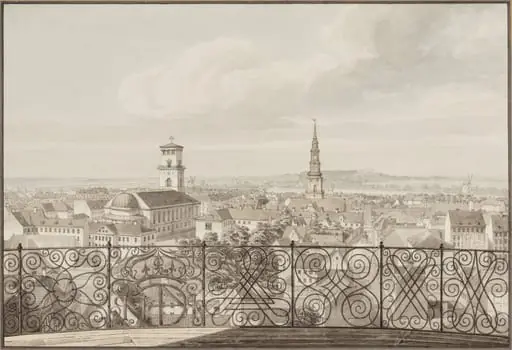 Udsigt fra Rundetårn over København til Frederiksberg Slot
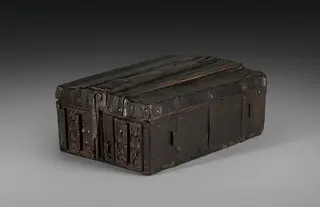 Coffret with Woodcut of Saint Veronica's Vernicle
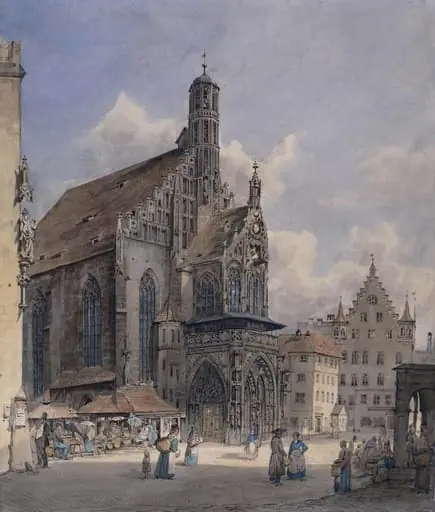 Market place, Nuremberg
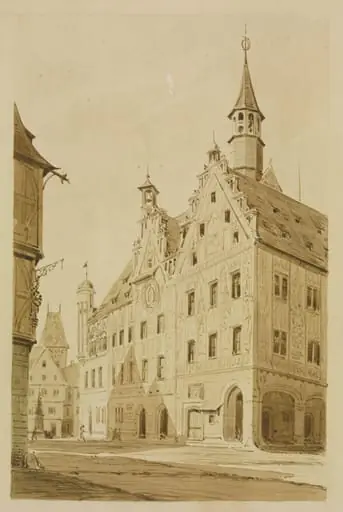 Topographical drawing
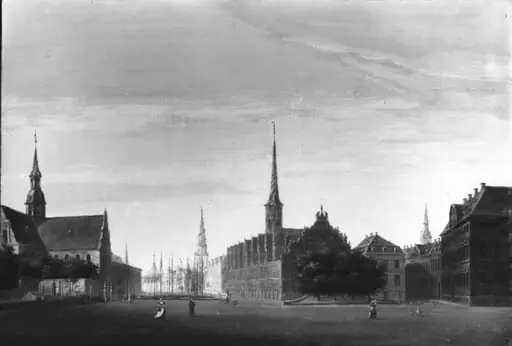 Parti af Børsen
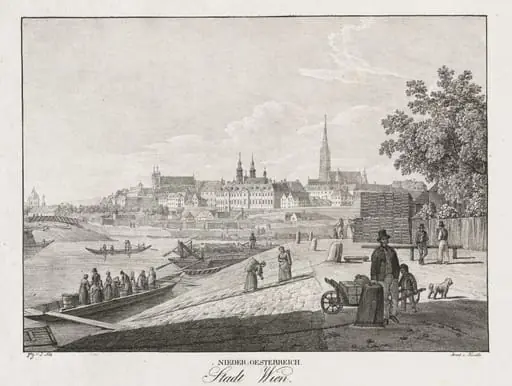 Nieder-oesterreich, Stadt Wien
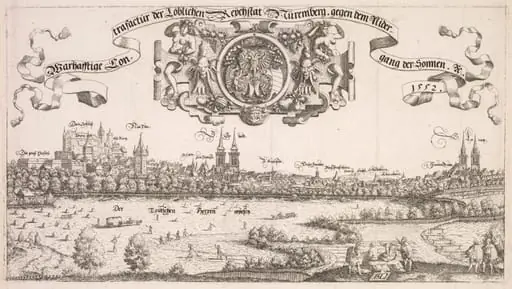 Panoramic View of Nuremberg: Center Portion
Frequently asked questions
What is Augsburg?
Augsburg (UK: OWGZ-burg, also US: AWGZ-; German: ; Swabian German: Ougschburg) is a city in the Bavarian part of Swabia, Germany, around 50 kilometres (31 mi) west of the Bavarian capital Munich.
How many Augsburg works does Artifact World Gallery have?
Artifact World Gallery holds 42 public-domain Augsburg works, all free to view and download.
Who are the key Augsburg artists?
Key Augsburg artists in the collection include Eduard Gaertner, Lucas Cranach the Younger and Bernardo Bellotto.
Where can I see Augsburg works?
Augsburg works in the collection are held by National Gallery of Art, Hermitage Museum and Staatliche Kunstsammlungen Dresden.