Subject
Bohemia
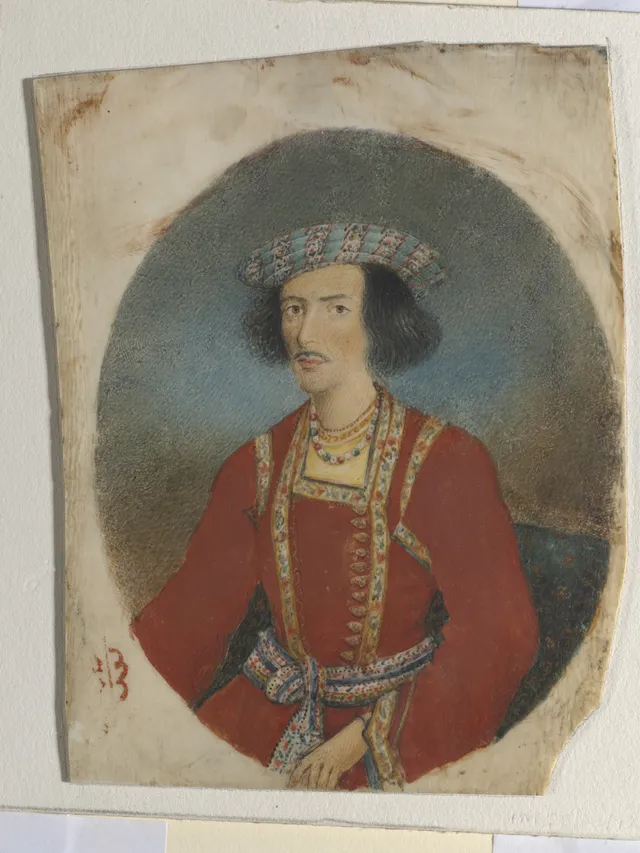
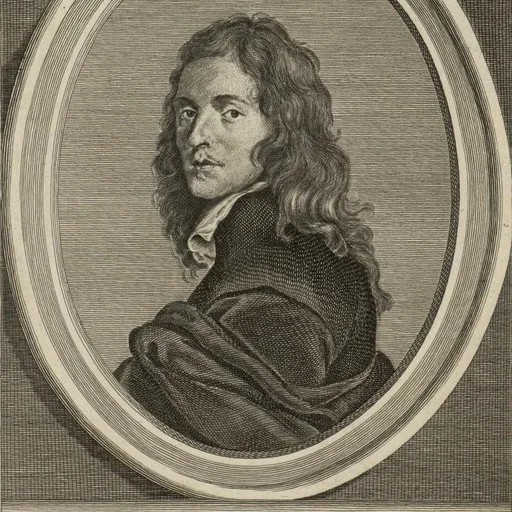
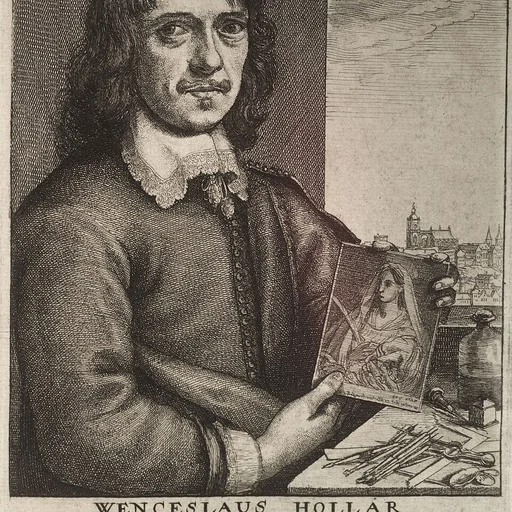
Bohemia is a subject in art. The gallery holds 63 works in this subject in art, including works by William Faithorne, Wenceslaus Hollar and Simon van de Passe.
Bohemia ( boh-HEE-mee-ə; Czech: Čechy; German: Böhmen ) is the westernmost and largest historical region of the Czech Republic, the historic core of the Lands of the Bohemian Crown that also embraced Moravia and Czech Silesia. As a subject in art history, "Bohemia" names one of medieval and early-modern Europe's most consequential centres of artistic production, anchored on Prague. The region rose to first rank in the fourteenth century, when Charles IV — King of Bohemia and Holy Roman Emperor — made Prague his imperial capital, founded its university in 1348, and drew painters, sculptors, goldsmiths, and the architect Peter Parler into a sustained programme of patronage that gave Bohemian art a distinct identity.
Under the Luxembourg dynasty, Bohemian panel painting evolved a celebrated idiom now known as the "Beautiful Style" (Schöne Stil) or Soft Style, a Bohemian variant of International Gothic marked by elegant, flowing forms, tender facial types, deep spatial settings, and chiaroscuro modelling. Its sequence of anonymous masters is canonical: the Master of Vyšší Brod, active in a Prague workshop around 1345–1350, whose nine panels narrate the Life of Christ; Master Theodoric, Charles IV's court painter, who about 1359–1365 filled the Chapel of the Holy Cross at Karlštejn Castle with some 129 half-length saints on gold grounds; and the Master of the Třeboň Altarpiece (active c. 1380–1390). In sculpture the same refinement produced the graceful "Beautiful Madonnas," exemplified by the Master of the Krumlov Madonna.
Bohemia's reputation later passed from painting into the decorative arts. Bohemian glass, made from the thirteenth century, achieved European pre-eminence through cut and engraved crystal in the high Baroque manner produced roughly between 1685 and 1750, after the gem-engraver Caspar Lehmann adapted wheel engraving to glass at the court of Rudolf II in Prague.
In the modern era Czech artists again shaped wider movements. Alphonse Mucha distilled Art Nouveau into Slavic allegory, František Kupka (1871–1957) helped pioneer Orphism and pure abstraction, and the architects Pavel Janák, Josef Gočár, and Josef Chochol created Czech Cubism — Gočár's House of the Black Madonna (1912) being among its first buildings — leaving Prague the one city where Cubism is a walkable reality.
Key artists

Overview
Bohemia is the westernmost and largest historical region of the Czech Republic, occupying roughly two-thirds of the present-day Czech state and encompassing approximately 52,065 square kilometers. Its name derives from the Celtic Boii tribe, whose presence was recorded by Roman authors such as Tacitus in the first century AD as Boiohaemum, meaning "home of the Boii." As a political and cultural entity, Bohemia formally became a kingdom within the Holy Roman Empire, later passed under Habsburg rule, and endured as an administrative and symbolic territory through Czechoslovakia to the modern Czech Republic. In art, Bohemia appears not merely as a geographic setting but as a bearer of layered political, religious, and cultural significance, depicted in portraits of its rulers, nobility, and associated figures, as well as in works that invoke its heraldic and territorial identity.
Iconography & meaning
The primary heraldic symbol of Bohemia is the Bohemian Lion, a silver, double-tailed lion crowned with golden leaves on a red field, armed and tongued in gold. This emblem served as a potent sign of sovereignty and territorial claim, especially after the Přemyslid dynasty received royal status in 1086 and the Bohemian crown became one of the seven electorates of the Holy Roman Empire under the Golden Bull of 1356. The lion's double tail distinguished Bohemia from other heraldic realms and reinforced its unique constitutional position. Beyond heraldry, Bohemia carried associations of religious reform through the Hussite movement, of Habsburg Catholic reconquest, and of contested German-Czech identity. The region's patron saints, Wenceslaus and John of Nepomuk, further anchored its visual culture in martyrdom and national sanctity. In broader European usage, the term "Bohemian" acquired secondary meanings: from the sixteenth century, Roma travelers claiming Bohemian origin were termed Bohemiens in France, and by the nineteenth century the word signified an unconventional, itinerant lifestyle detached from bourgeois norms.
Across movements & periods
The treatment of Bohemia in art shifted substantially across periods. In the medieval and early Renaissance eras, Bohemia figured as a sovereign kingdom within the Holy Roman Empire, and its rulers commissioned works that asserted this status. The Hussite Wars of the early fifteenth century introduced imagery of religious reform and conflict. Under Habsburg rule from 1526, and particularly after the Battle of White Mountain in 1620, Bohemian visual culture was reintegrated into Catholic, imperial frameworks, with Baroque art serving the Counter-Reformation. The nineteenth century saw a nationalist revival in which composers such as Bedřich Smetana, with Má Vlast, and Antonín Dvořák transformed Bohemian landscape and history into symbols of Czech cultural identity. In the twentieth century, the German-speaking population, the Sudeten Germans, were expelled in 1945, and the administrative abolition of Bohemia as a unit in 1948 further diminished its role as a discrete artistic subject, though Prague remained a center of artistic production.
Legacy
The legacy of Bohemia as an artistic subject persists in several registers. The Bohemian Lion remains a national symbol of the Czech Republic, referenced in the preamble to the 1992 Constitution that acknowledges the historical lands of Bohemia, Moravia, and Silesia. The nationalist musical tradition inaugurated by Smetana and continued by Dvořák and Gustav Mahler established a model of cultural patriotism that influenced Central European art well into the twentieth century. The secondary meaning of "bohemian" as a lifestyle of artistic nonconformity, which emerged in nineteenth-century France and spread through European and American culture, owes its etymology to the Roma claim of Bohemian origin but became detached from any geographic reference. This semantic drift illustrates how a territorial name can accrue and shed meanings across centuries. In contemporary usage, Bohemia survives primarily as a historical designation and touristic brand, centered on Prague and natural landmarks such as Český ráj and the Krkonoše mountains, rather than as a living administrative or artistic category.
Works
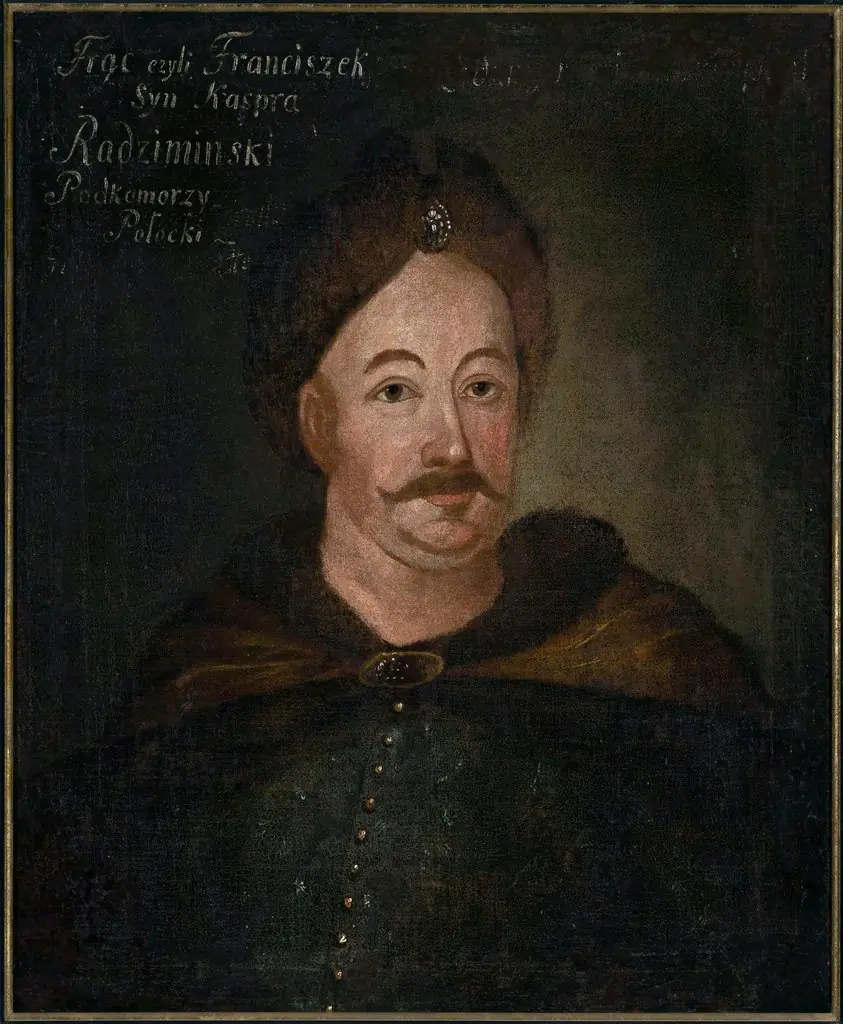 Portrait of Franciszek Radzimiński, chamberlain of Polotsk
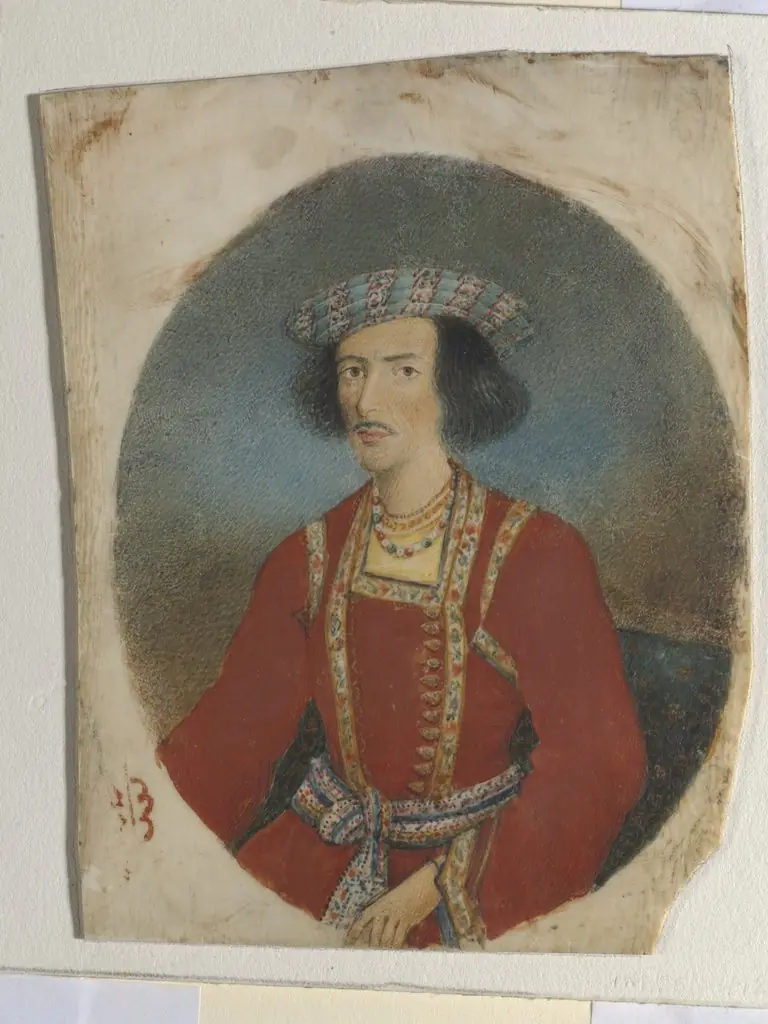 Portrait of Raja Ram Mohan Roy
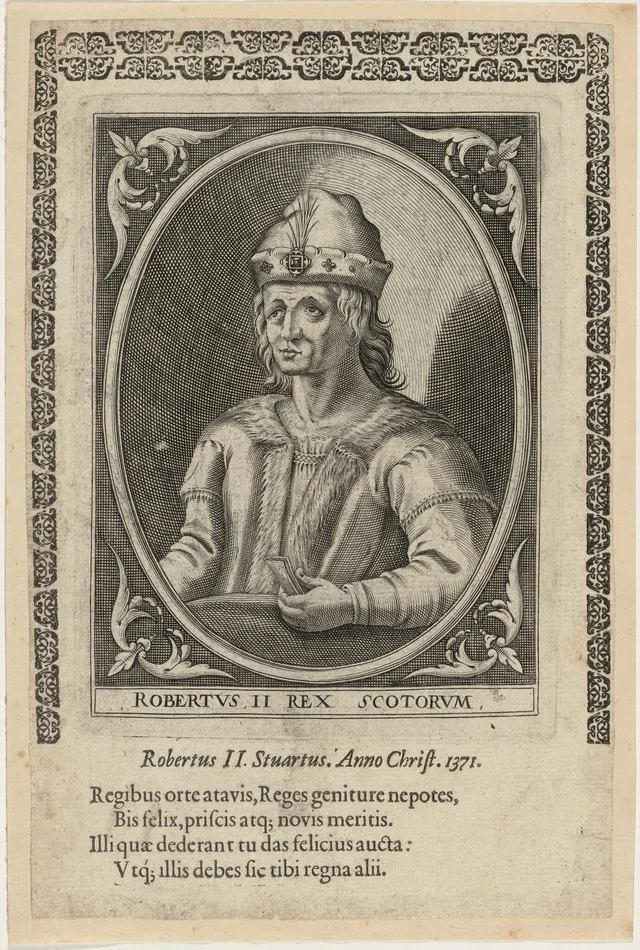
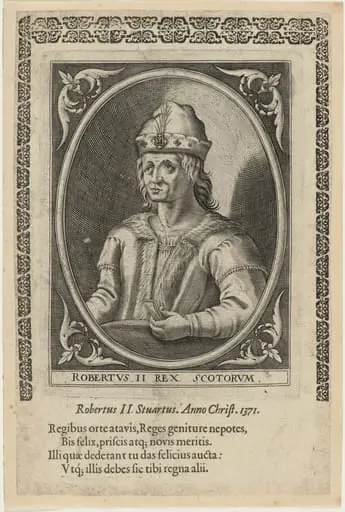 Robert II, King of Scotland
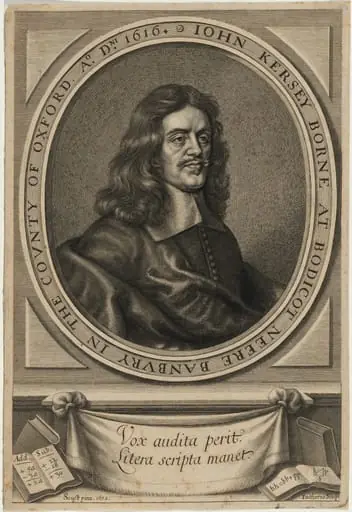 John Kersey
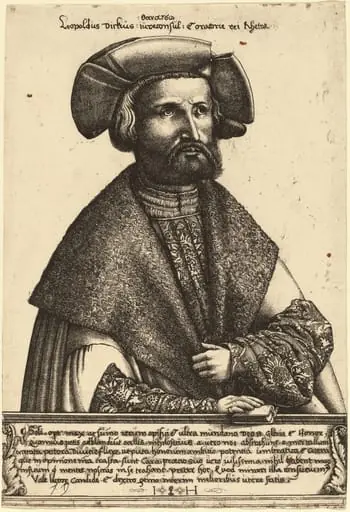 Leopold Dick
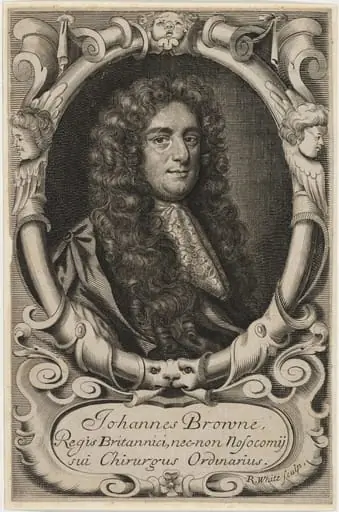 Dr. John Browne, Surgeon
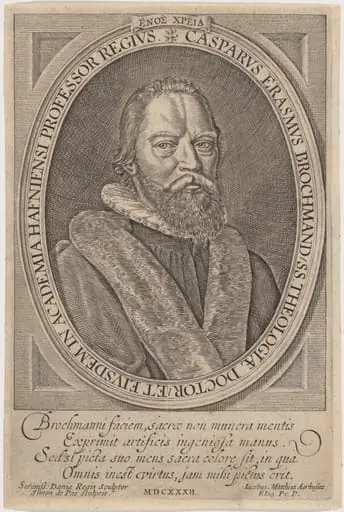 Jesper Rasmussen Brochmand
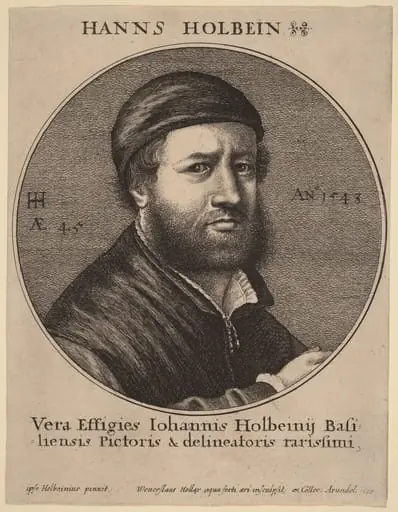 Hans Holbein the Younger
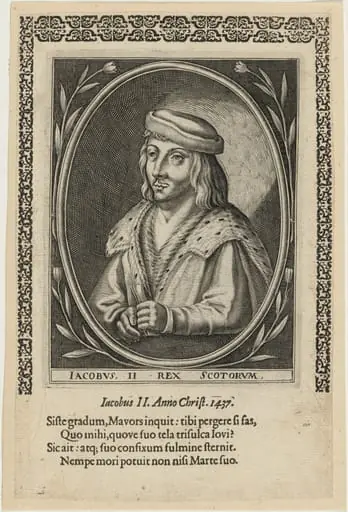 James II, King of Scotland
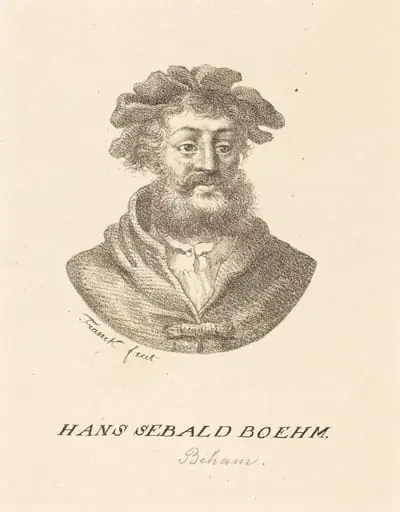 Hans Sebald Beham
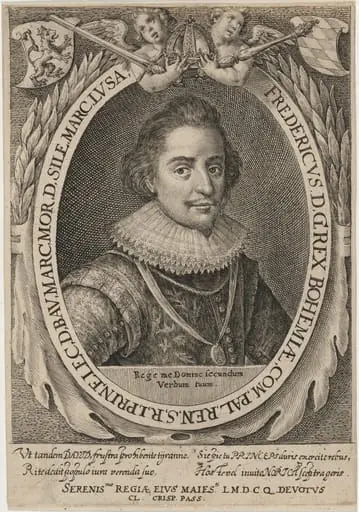 Frederick V, Elector Palatine, King of Bohemia
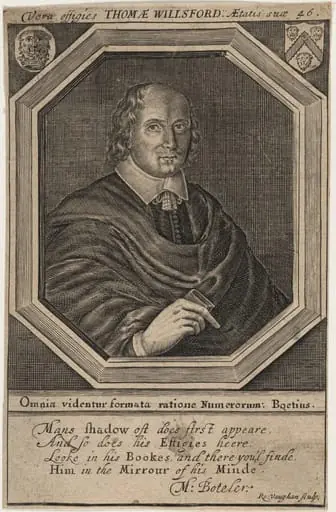 Thomas Willsford, Mathematician
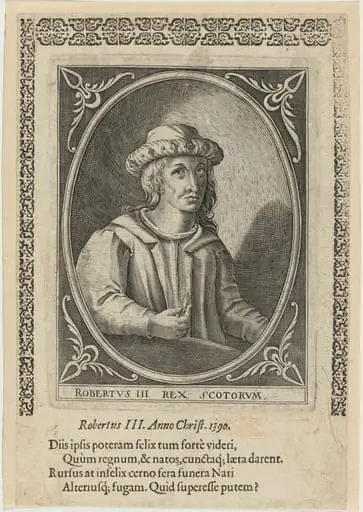 Robert III, King of Scotland
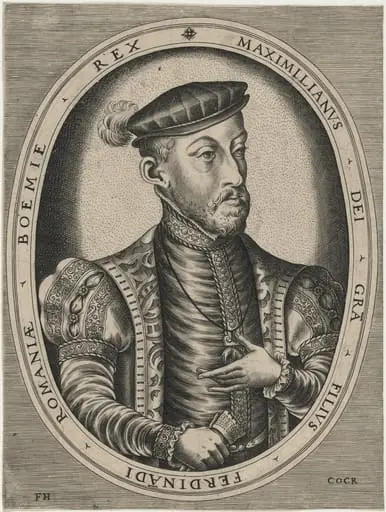 Maximilian II, Roman Emperor
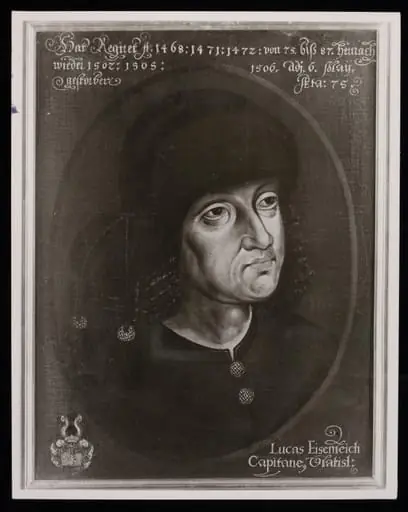 Eisenreich, Lucas
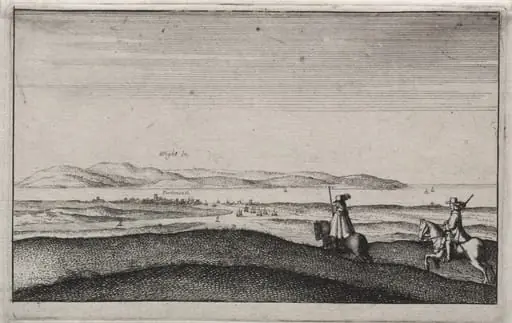 English Views: Isle of Wight from Portsmouth
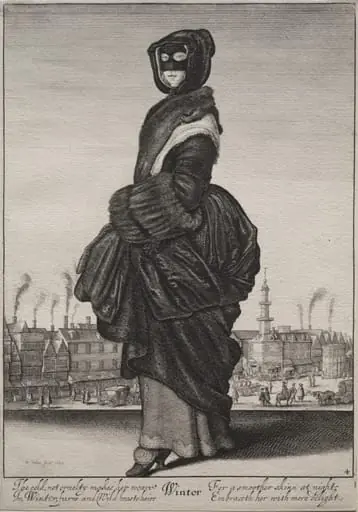 Winter
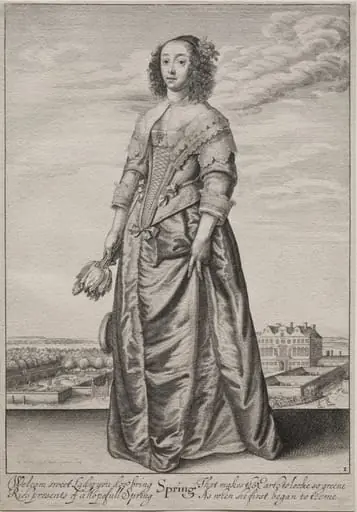 The Seasons: Spring
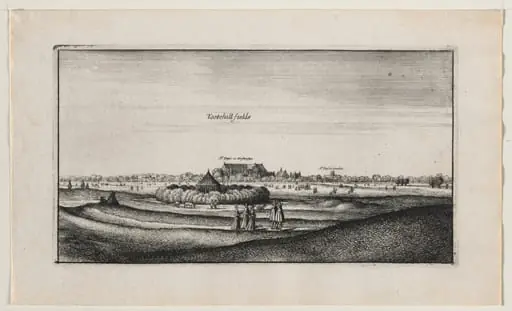 Tothill Fields
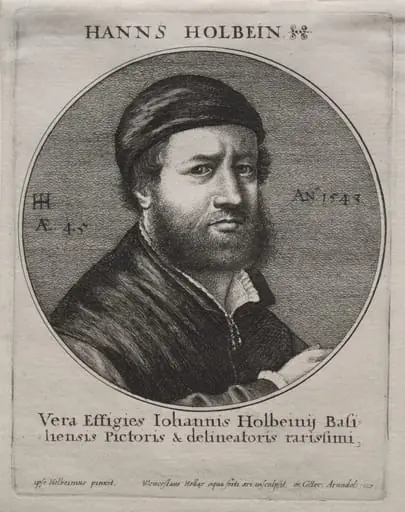 Portrait of Hans Holbein
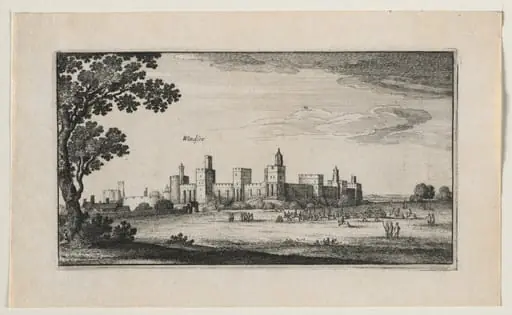 Windsor Castle from the Southeast
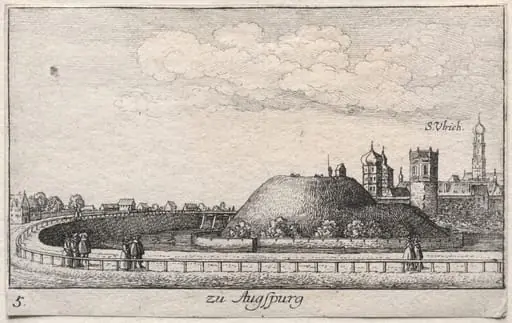 Amoenissimae aliquot locorvm...: Plate 5, Augsburg
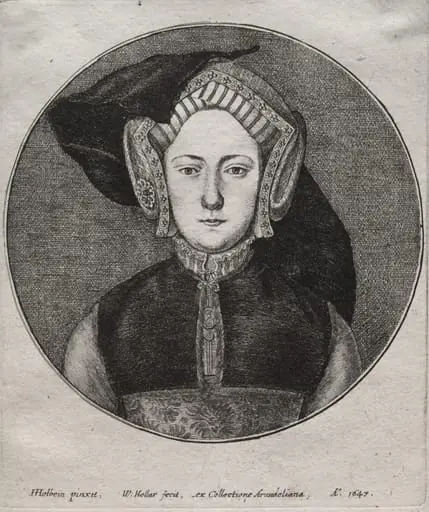 Catherine of Aragon
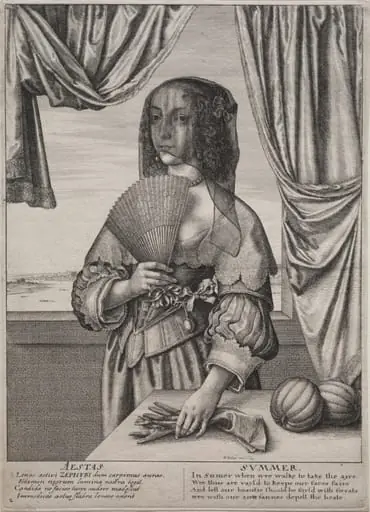 The Four Seasons
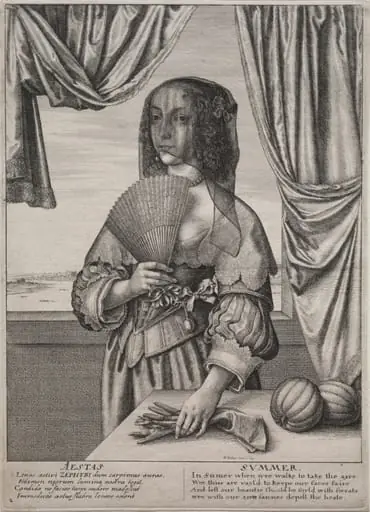 The Four Seasons: Summer
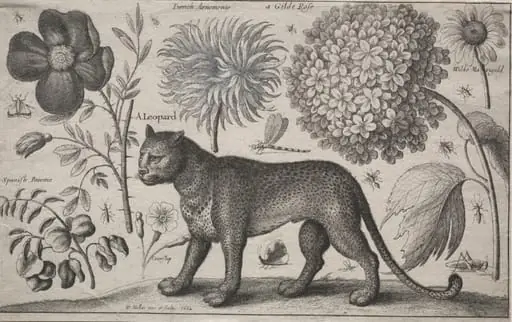 Animals and Plants: Leopard with Plants and Insects
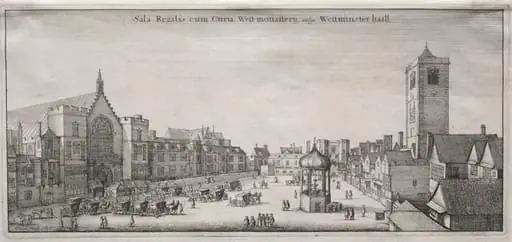 View of London: New Palace Yard with Westminster Hall, and the Clock House
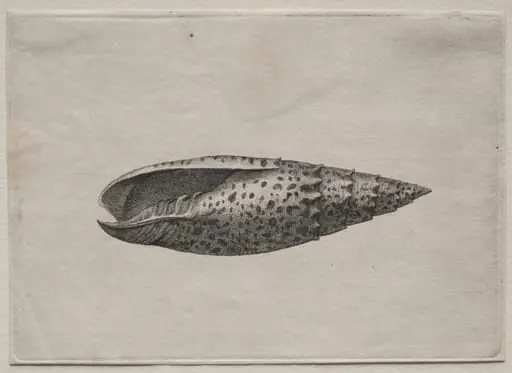 Shells: Mitra papalis L
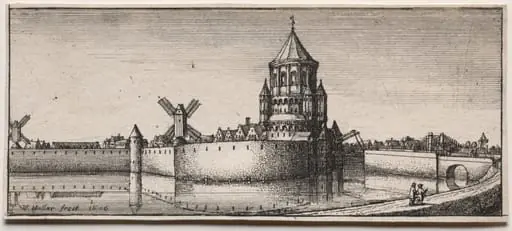 Moated Town Gate
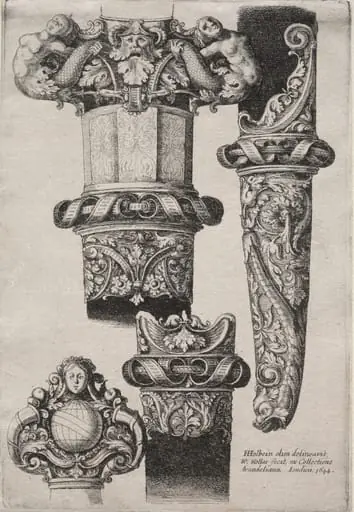 Design for Daggers
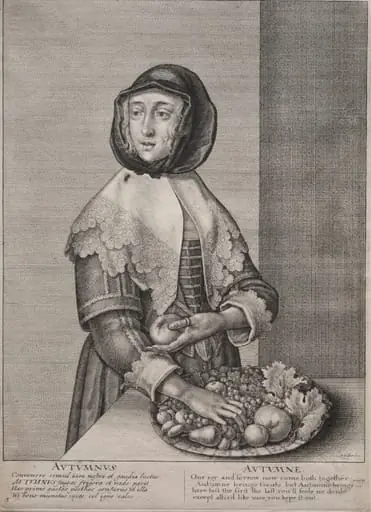 The Four Seasons: Autumn
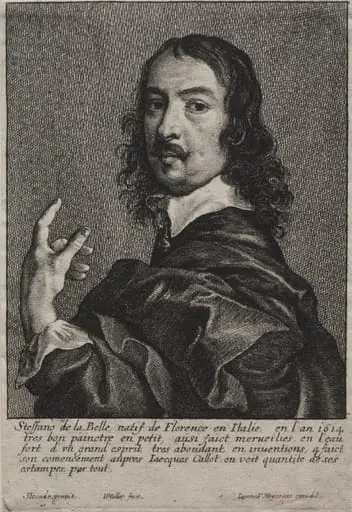 Portrait of Stefano della Bella
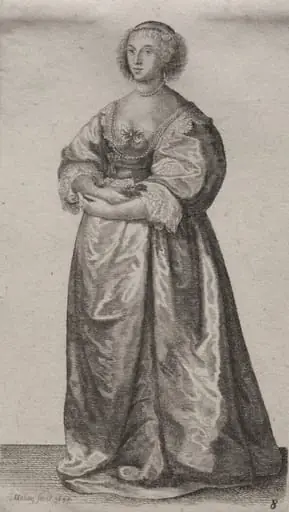 The Several Habits of English Women, from the Nobility to the Country Women as they are in these times: The Woman with Flowers
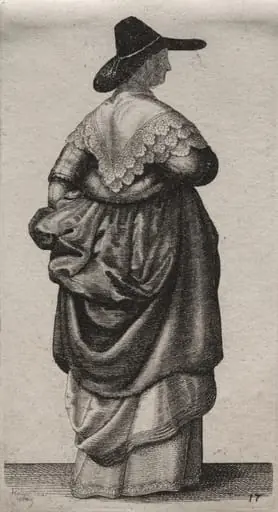 The Several Habits of English Women, from the Nobility to the Country Women as they are in these times: The Woman with a Mannish Hat
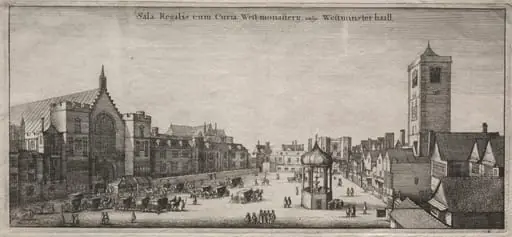 Views of London: New Palace Yard with Westminster Hall, and the Clock House
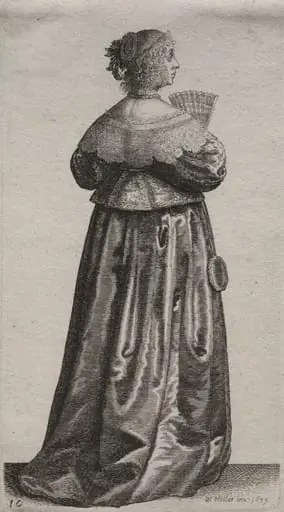 The Several Habits of English Women, from the Nobility to the Country Women as they are in these times: The Woman with a Fan and Mirror
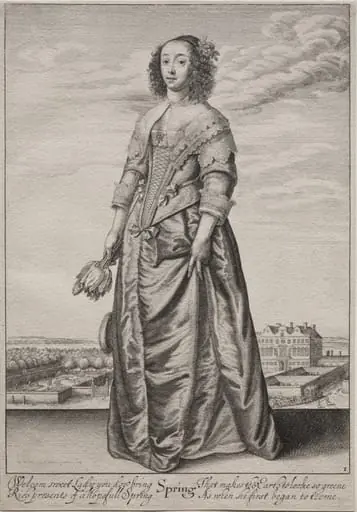 The Seasons
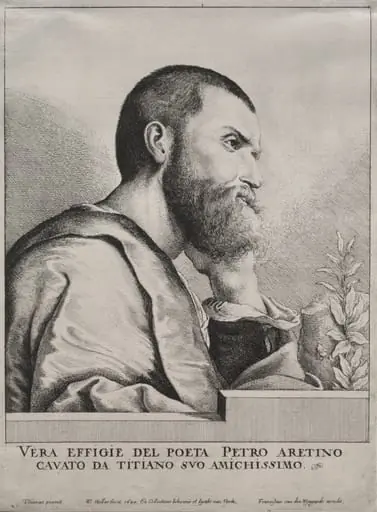 Portrait of Pietro Aretino
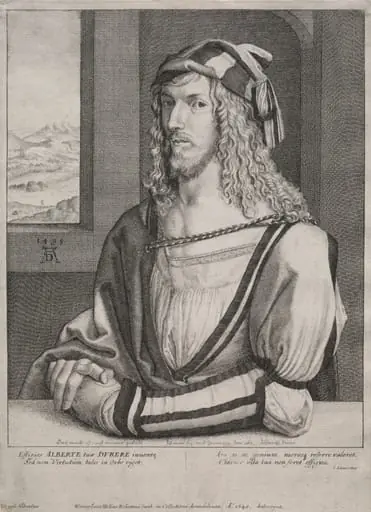 Portrait of Albrecht Dürer, at the age of 26
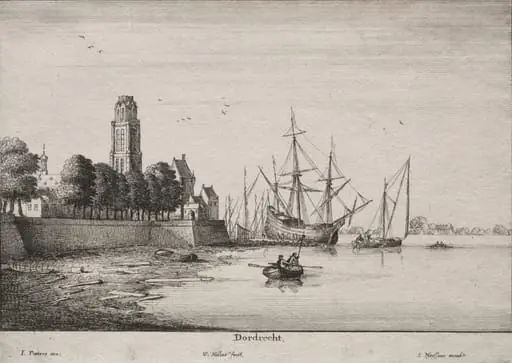 Dordrecht
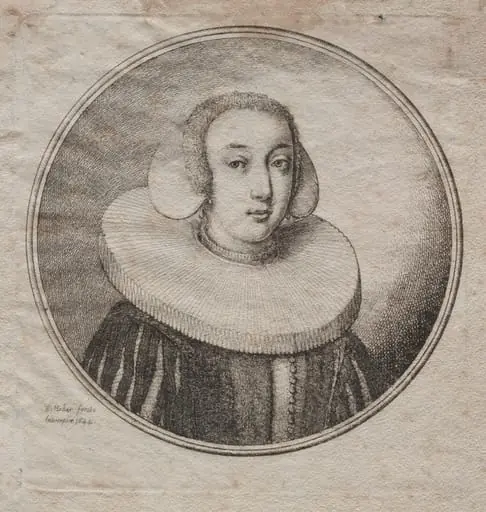 Woman with a Millstone Ruff
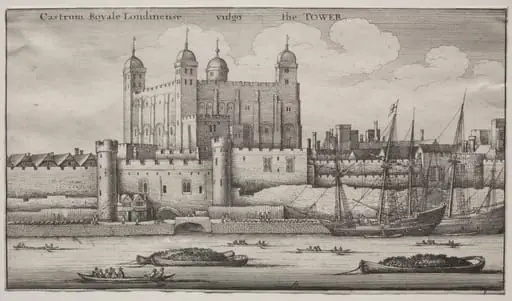 The Tower, London
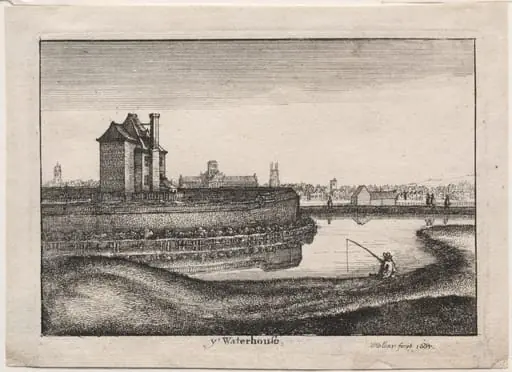 The Waterhouse
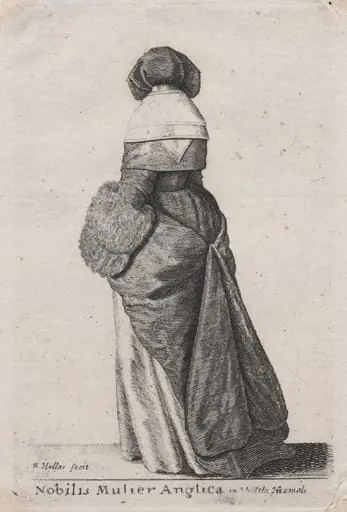 Nobilis Mulier Anglica in Vestitu Hiemali
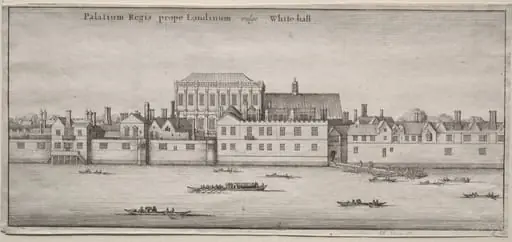 Views of London: Whitehall from the River
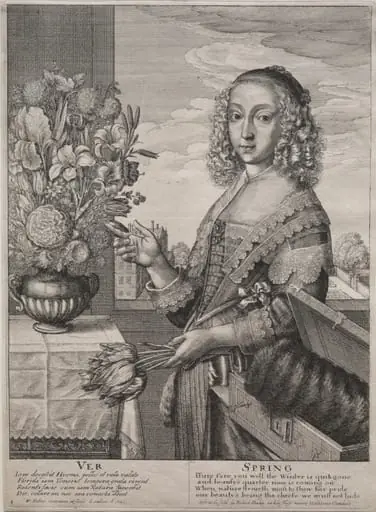 The Four Seasons: Spring
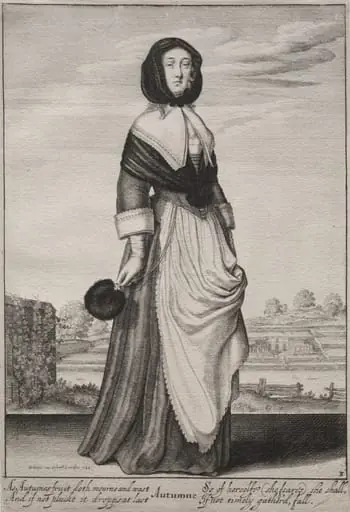 The Seasons: Autumn
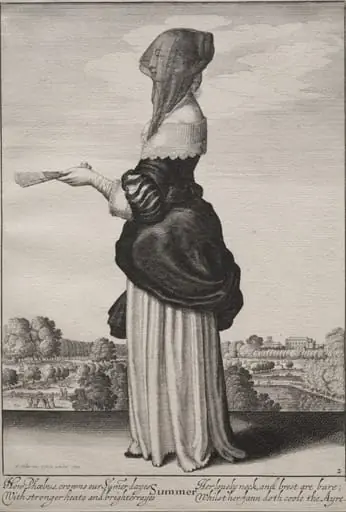 The Seasons: Summer
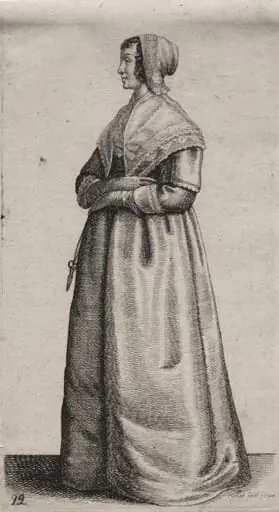 The Several Habits of English Women, from the Nobility to the Country Women as they are in these times: The Woman with Scissors
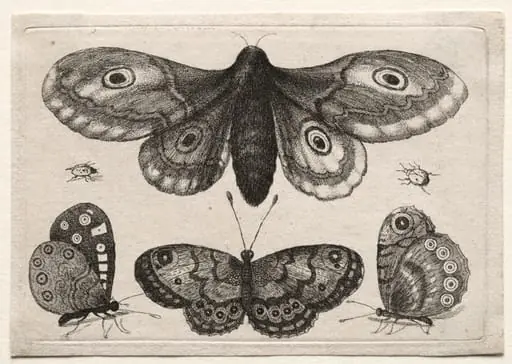 Muscarum Scarabeorum, vermiumque Variae Figure & Formae: A Moth, Three Butterflies and Two Beetles
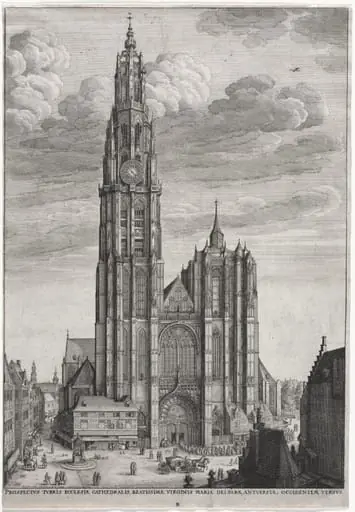 Antwerp Cathedral
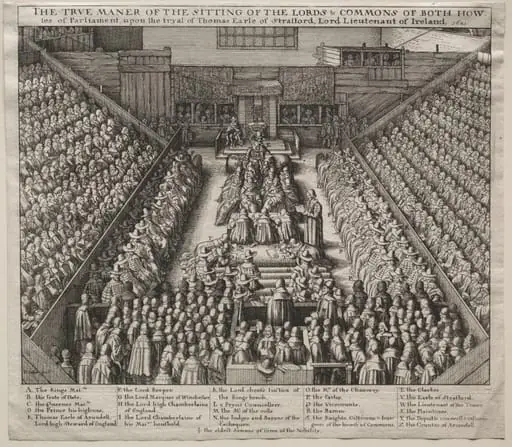 Westminster Hall, Interior, with The Trial of the Earl of Strafford
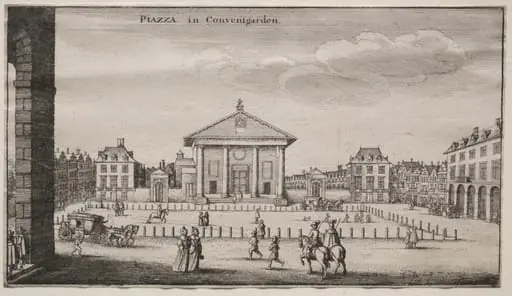 Views of London: The Piazza in Covent Garden
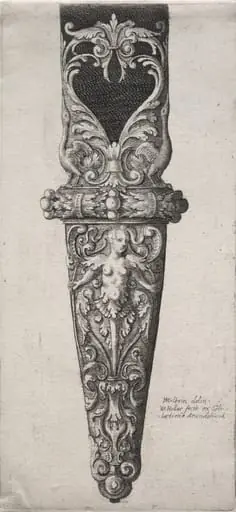 Design for Dagger Sheath
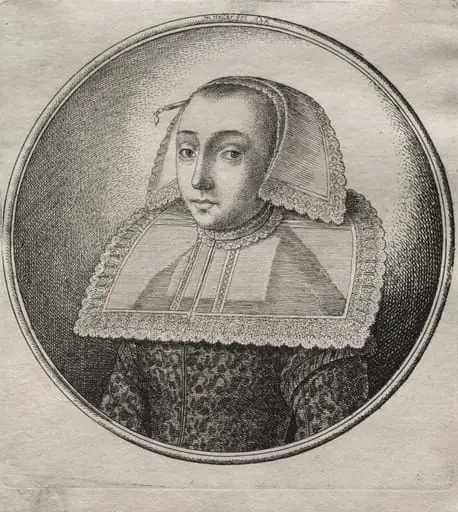 Kaufmann's Frau aus Hanan
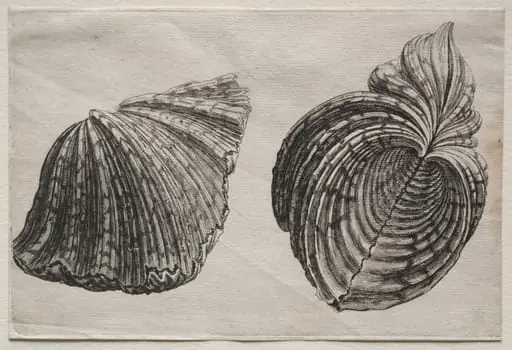 Shells: Hippopus maculatus Lam
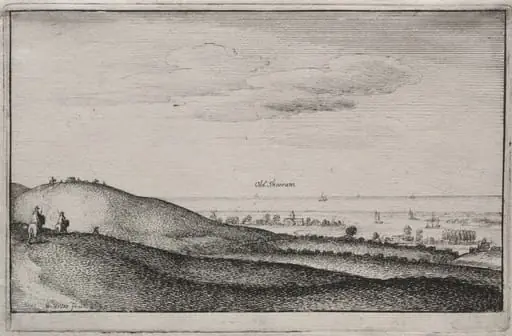 English Views: Old Shoreham
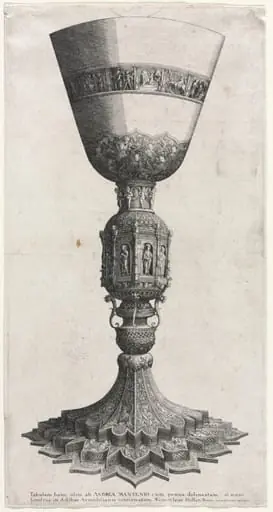 The Great Chalice Adorned with Figures
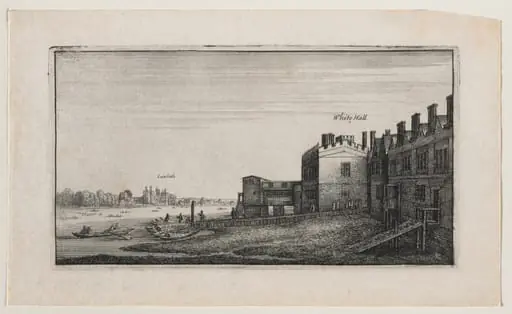 Whitehall from the River, with Lambeth in the Distance
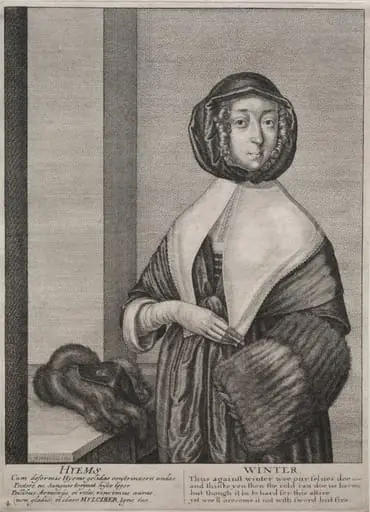 The Four Seasons: Winter
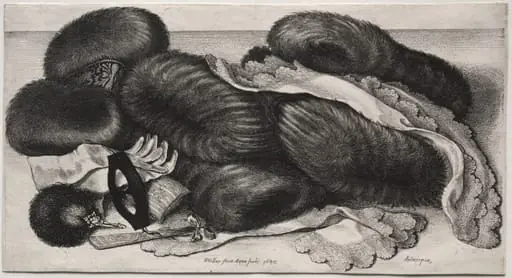 Muffs, Gloves, Collars and Other Articles of Toilet
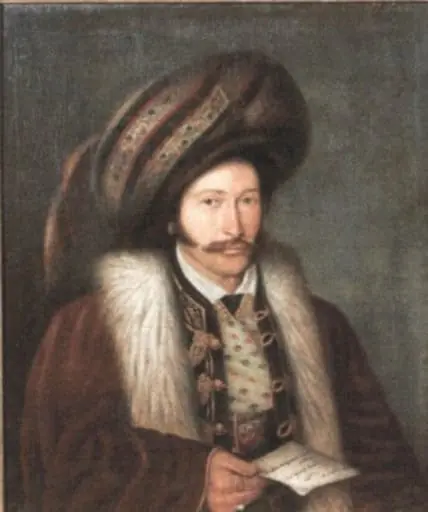 Autoportret Carol Wallenstein
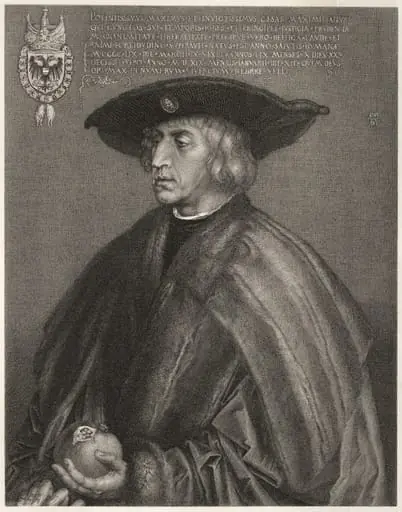 Maximilian I
Frequently asked questions
What is Bohemia?
Bohemia ( boh-HEE-mee-ə; Czech: Čechy ; German: Böhmen ) is the westernmost and largest historical region of the Czech Republic.
How many Bohemia works does Artifact World Gallery have?
Artifact World Gallery holds 63 public-domain Bohemia works, all free to view and download.
Who are the key Bohemia artists?
Key Bohemia artists in the collection include William Faithorne, Wenceslaus Hollar and Simon van de Passe.
Where can I see Bohemia works?
Bohemia works in the collection are held by Cleveland Museum of Art, National Gallery of Art and Victoria and Albert Museum.