Subject
Ethnology
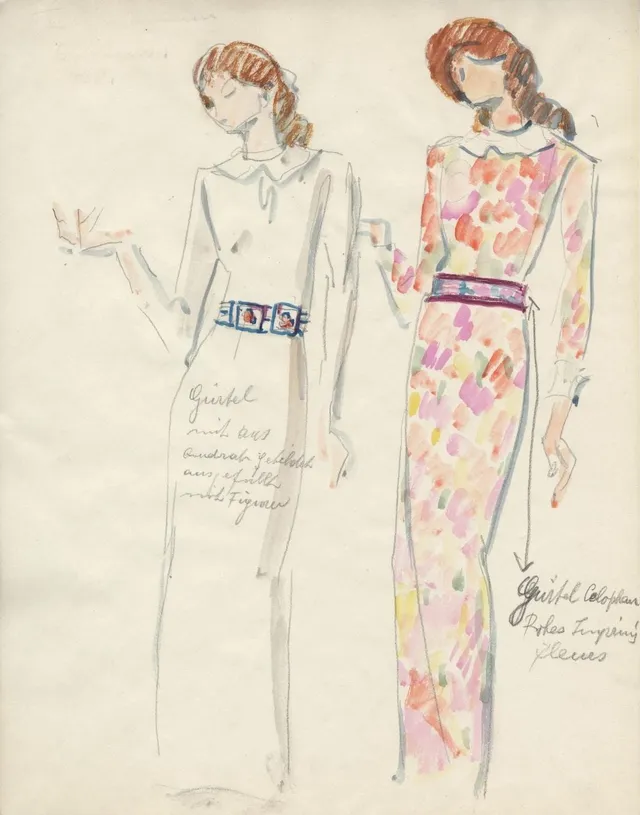
Ethnology is a subject in art. The gallery holds 65 works in this subject in art, including works by Arthur William Devis, Emil Himmelsbach and Max Rickenbacher-Hufschmid.
Ethnology (from the Ancient Greek: ἔθνος, ethnos meaning 'nation') is an academic field and discipline that compares and analyzes the characteristics of different peoples and the relationships between them (compare cultural, social, or sociocultural anthropology).
Key artists
Overview
Ethnology is the academic discipline that compares and analyzes the characteristics of different peoples and the relationships between them, derived from the Ancient Greek ethnos meaning 'nation.' As an empirical and comparative social and cultural science, it investigates the diversity of human ways of life from both contemporary and historically anchored perspectives. The term ethnologia was coined by Adam Franz Kollár in 1783, who defined it as 'the science of nations and peoples,' though conceptual roots can be traced to earlier encounters with cultural difference. In art, ethnology appears as a recurring subject through depictions of cultural practices, traditional costumes, village life, and ceremonial customs, often reflecting the documentary impulse to record and classify human diversity. The collection holds 81 works that depict ethnology, ranging from sketches of regional dress and festival figures to scenes of craft production and rural dwellings, indicating sustained artistic interest in cataloguing cultural particularity across different European and non-European contexts.
Across movements & periods
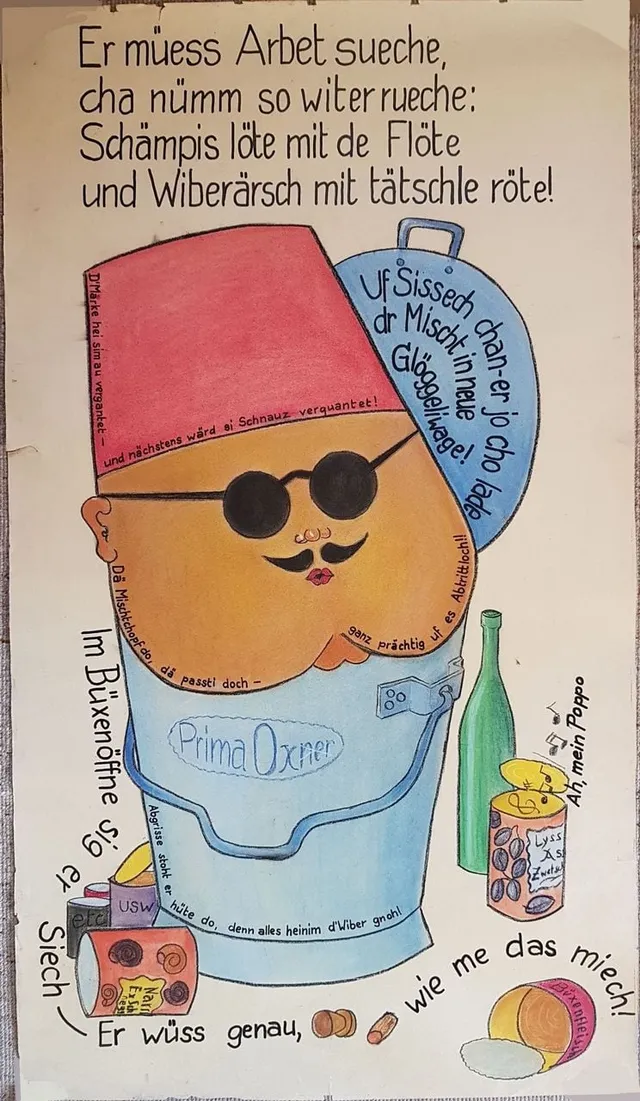
The treatment of ethnological subjects in art shifted substantially across periods, reflecting changing relations between observation, power, and representation. Early modern encounters with the Americas generated what would become ethnological visuality, as European artists documented peoples encountered through exploration and conquest, often within frameworks of civilization versus savagery. The eighteenth-century coinage of 'ethnology' as a term coincided with Enlightenment efforts to classify human diversity, producing images that served emerging scientific disciplines. Nineteenth-century ethnographic art frequently operated within colonial contexts, with European artists documenting colonized peoples or, conversely, European regional cultures as survivals of primitive authenticity. The carnival studies in the collection echo this period's fascination with ritual and custom as windows into collective mentality. By the twentieth century, ethnological art became increasingly contested, as anthropologists like Claude Lévi-Strauss critiqued ethnocentric frameworks and the pseudo-opposition between societies 'with history' and those deemed without. The sketch-based, documentary mode of the collection's works aligns with a longer tradition of ethnographic illustration, yet their focus on European regional practice rather than colonial subject matter complicates simple narratives of exoticizing gaze, pointing instead to internal ethnography of the kind later developed by European ethnology as a discipline.
Legacy
The legacy of ethnology as an artistic subject remains entangled with the discipline's own critical history. As ethnology professionalized from the late nineteenth century, taught variously as Völkerkunde in Germany, social anthropology in Britain, and cultural anthropology in the United States, its visual practices were simultaneously institutionalized and questioned. The collection's works anticipate later developments in European ethnology, which since the 1980s has increasingly turned from non-Western subjects to the study of everyday life within Europe itself, reframing the 'folk' as contemporary practice rather than residual survival. The Amsterdam Center for European Ethnology, established in 2014, and the University of Amsterdam chair in European ethnology represent this disciplinary reorientation. Critically, the ethnological art tradition has been scrutinized for its role in constructing cultural otherness, whether external or internal. Lévi-Strauss's structural anthropology, while seeking universal invariants, also opened space for critiquing the observer's position; subsequent scholars have emphasized the self-reflexive examination of ethnographic authority. The collection's carnival studies and costume sketches thus survive as historical documents of both cultural practice and the visual regimes through which difference was apprehended, preserved, and made meaningful.
Works
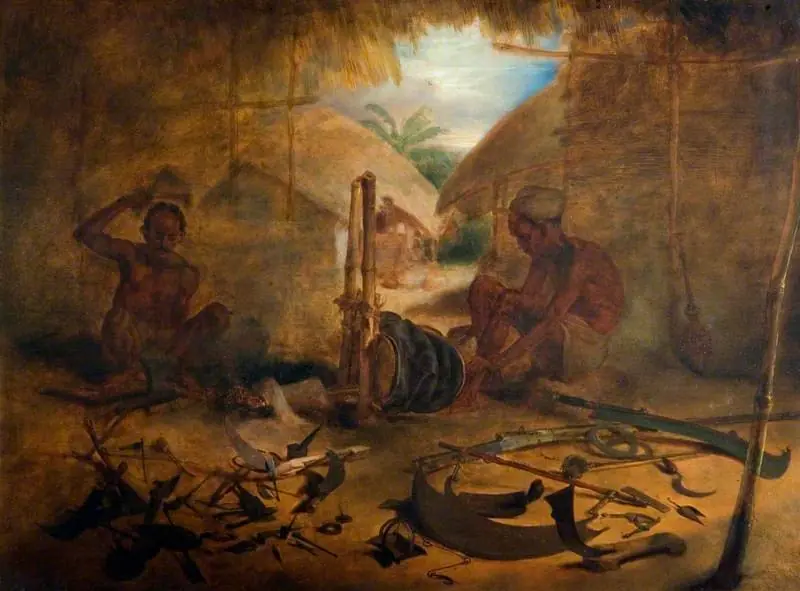 A Blacksmith's Shop beside Village Dwellings in Bengal
 Modeskizze
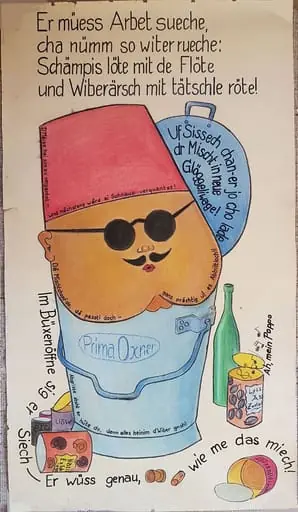 Fasnachtshelge "Prima Oxner"
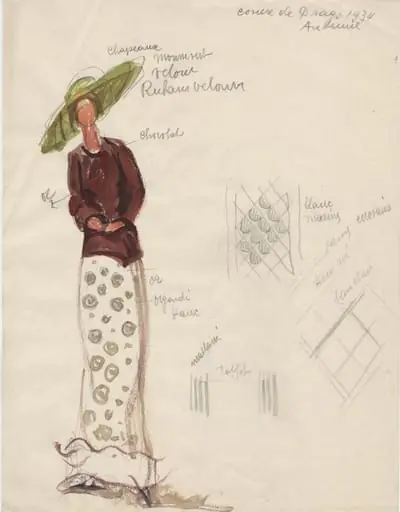 Modeskizze mit Dessinentwürfen
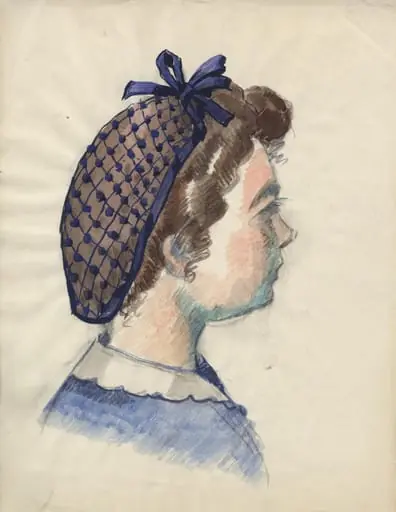 Zeichnung
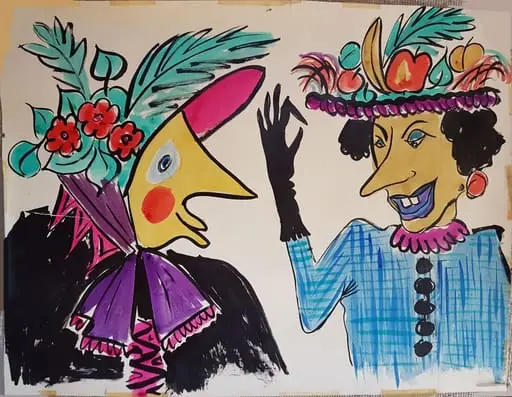 Fasnachtshelge "Alti Dante"
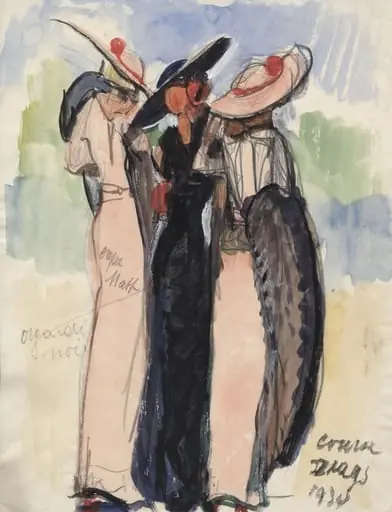 Skizze
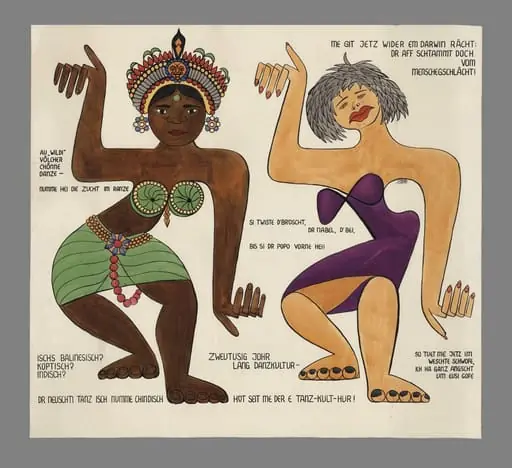 Fasnachtshelge "Twiste"
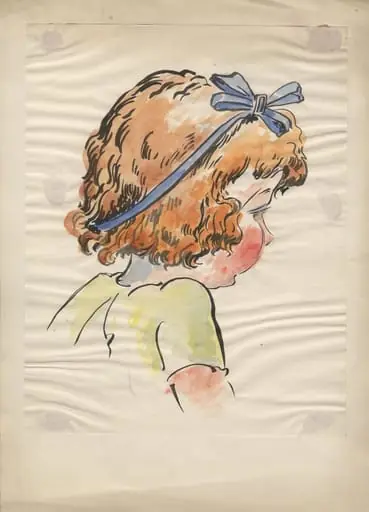 Zeichnung
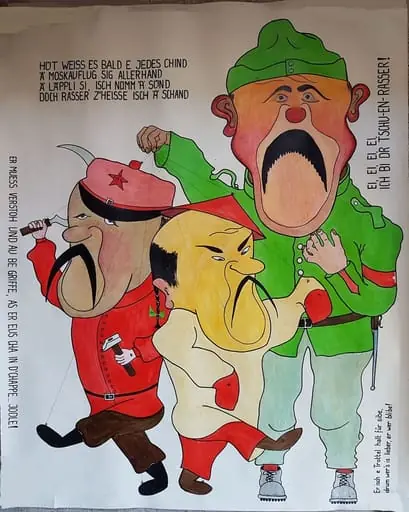 Fasnachtshelge "HD Läppli"
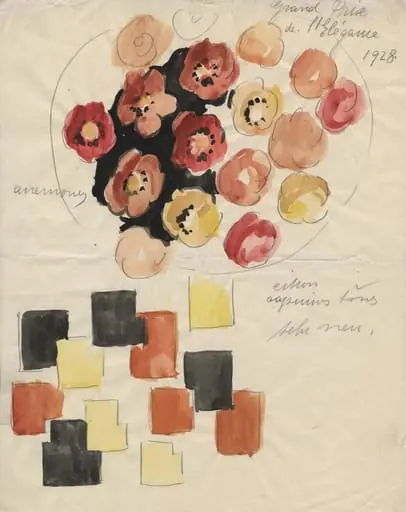 Dessinentwurf
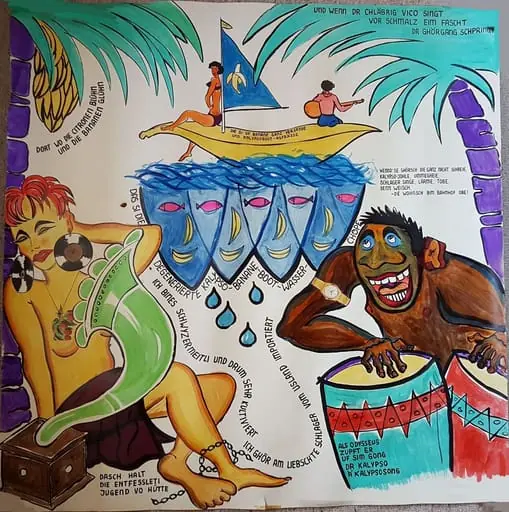 Fasnachtshelge "Kalypso"
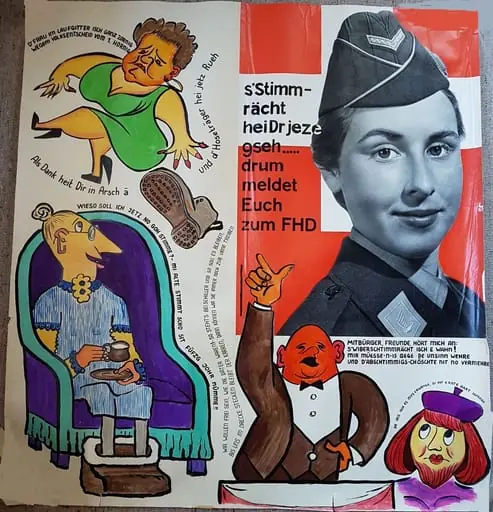 Fasnachtshelge "Fraueschtimmrächt"
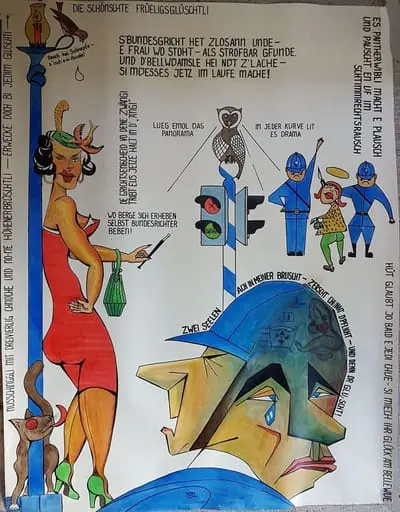 Fasnachtshelge "Früeligsglüschtli"
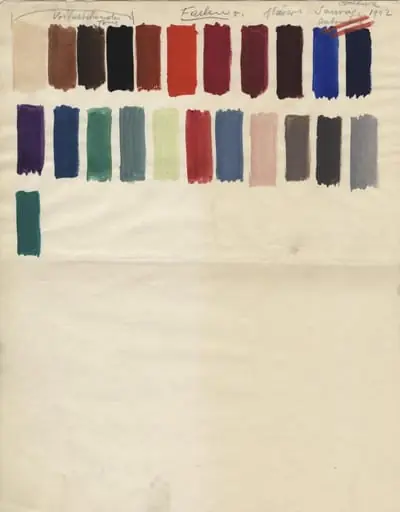 Skizze Farben
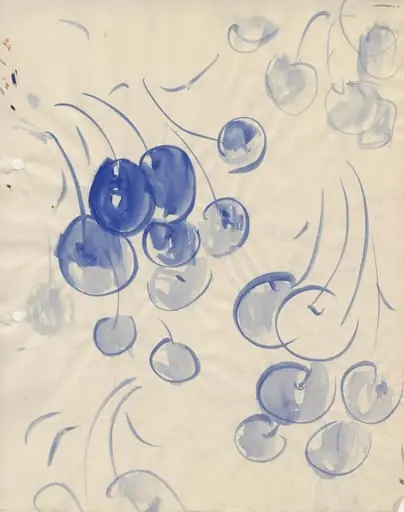 Dessinentwurf
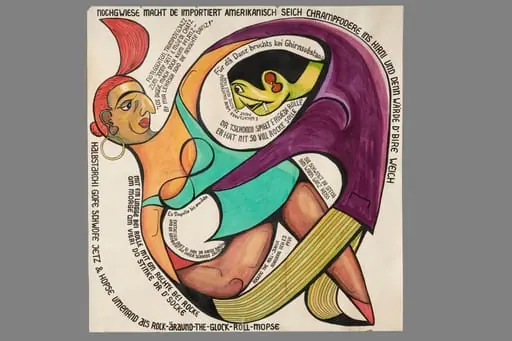 Fasnachtshelge "Rock n' Roll"
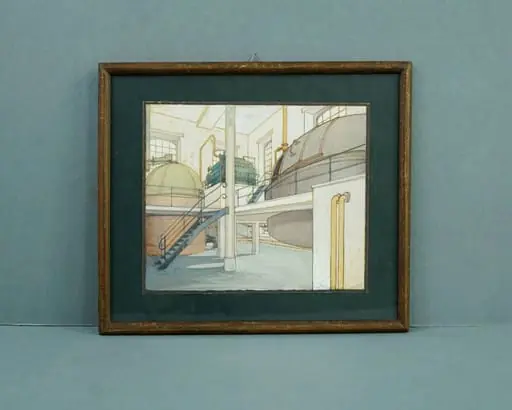 Aquarell Sudhaus Brauerei Ziegelhof
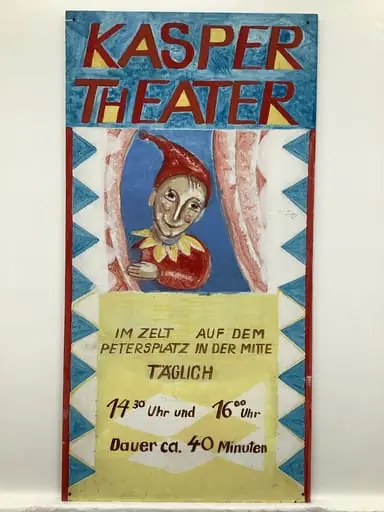 Puppenspiel-Figur
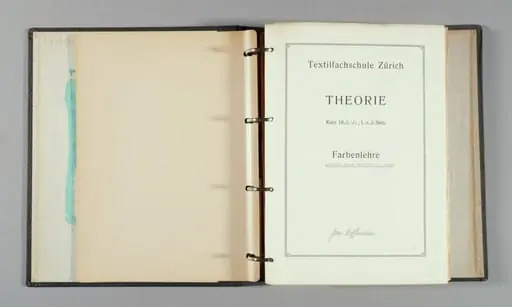 Lehrunterlagen Theorie Farbenlehre
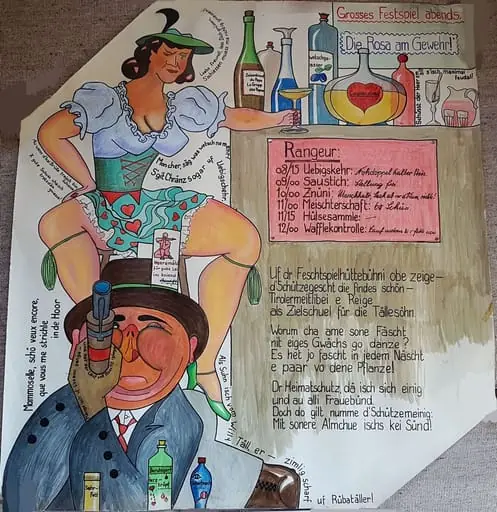 Fasnachtshelge "Die Rosa am Gewehr"
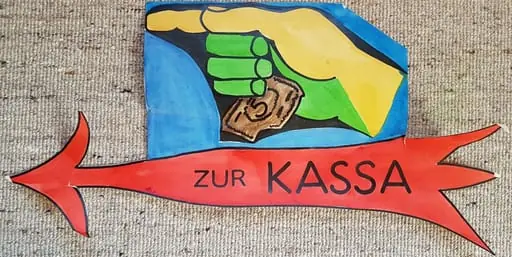 Fasnachtshelge "Zur Kassa"
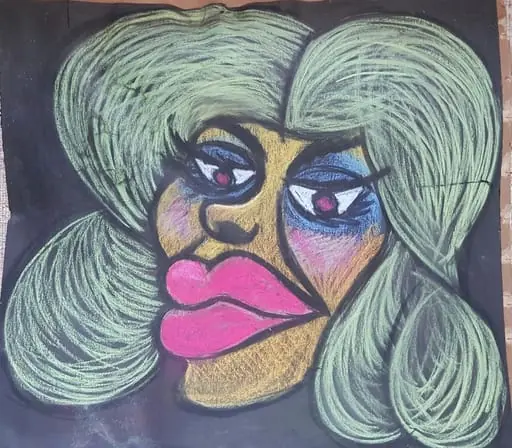 Fasnachtshelge "Gritte"
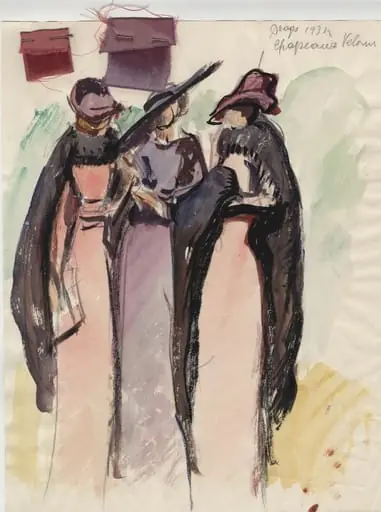 Modeskizze
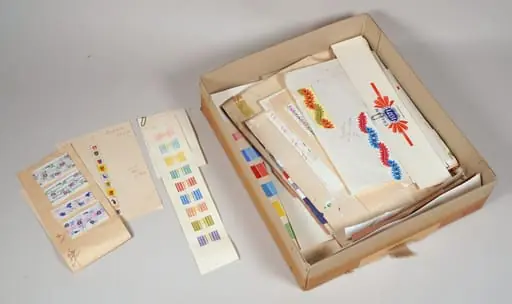 Duplikate
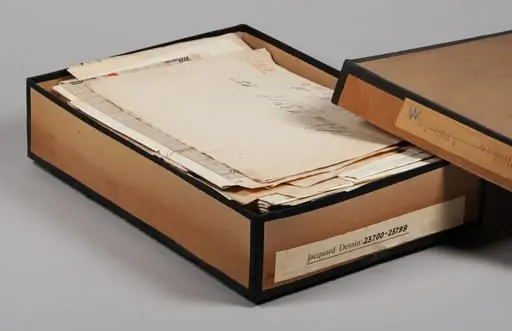 Patronen
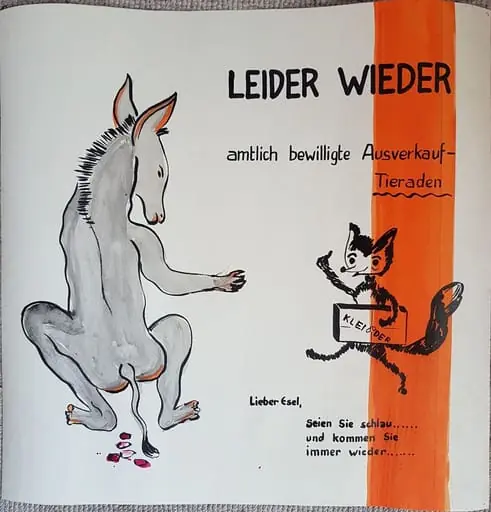 Fasnachtshelge "Leider wieder"
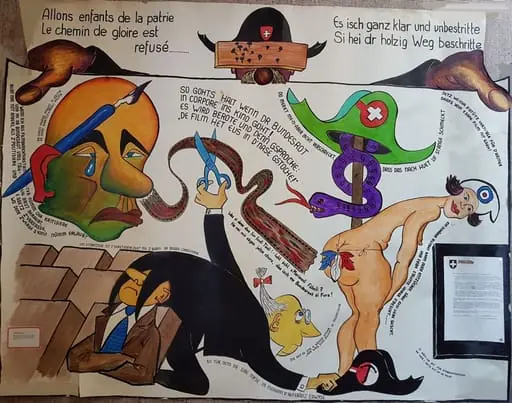 Fasnachtshelge "Allons enfants de la patrie"
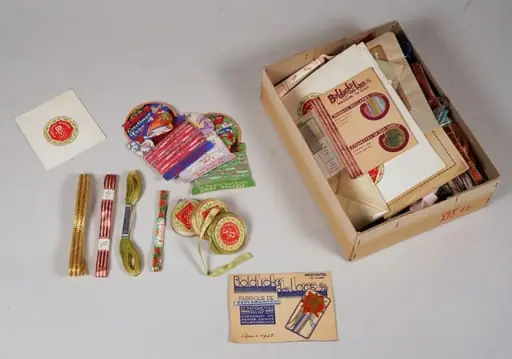 Weihnachtsbänder
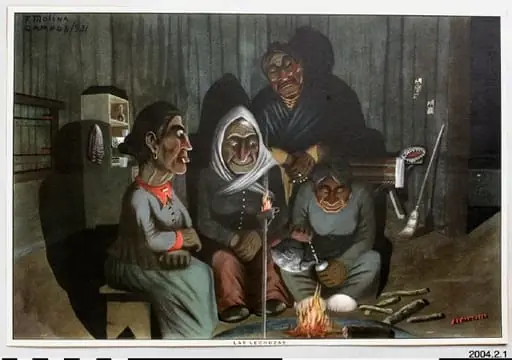 blade, print, painting,
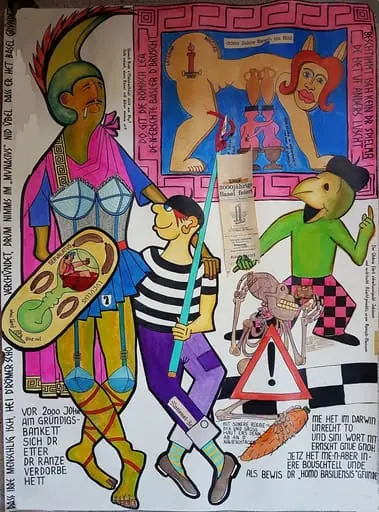 Fasnachtshelge "2000 Johr Basel"
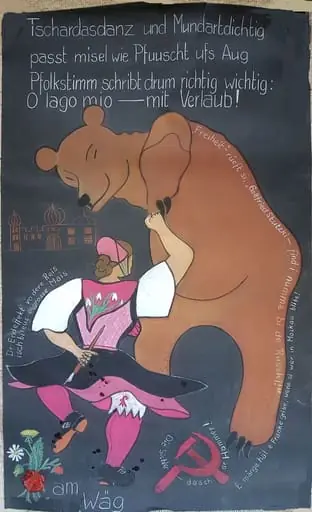 Fasnachtshelge "Tschardastanz"
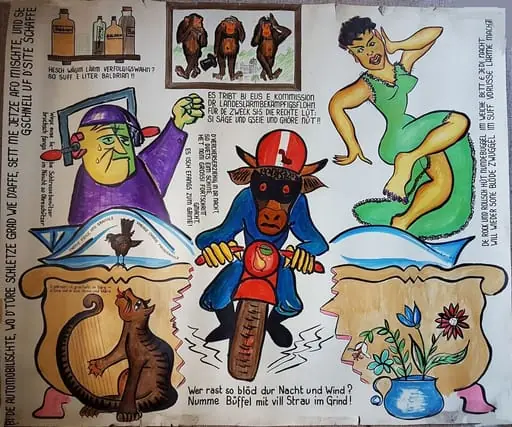 Fasnachtshelge "Töffraser"
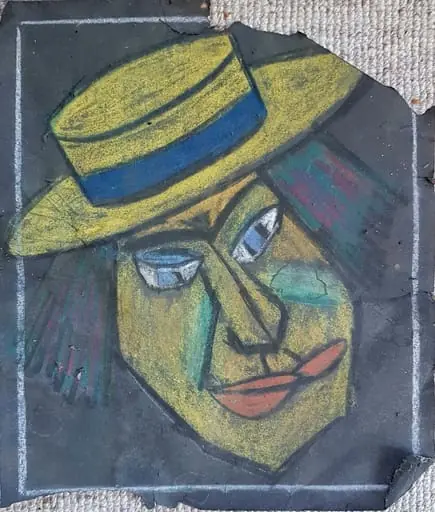 Fasnachtshelge "Strohhut"
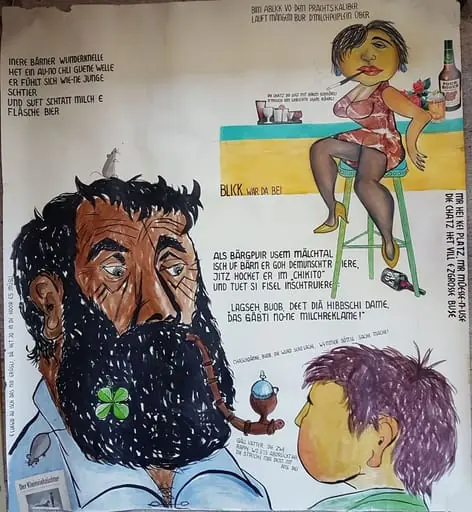 Fasnachtshelge "Buredemo 1962"
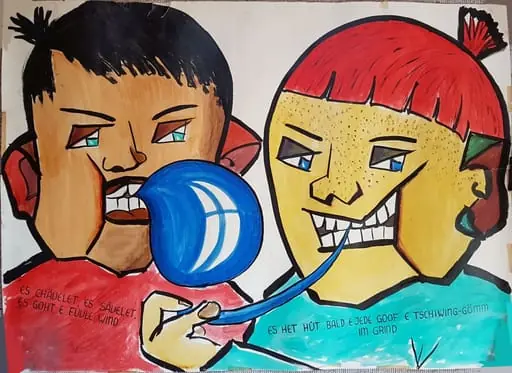 Fasnachtshelge "Tschiwing Gömm"
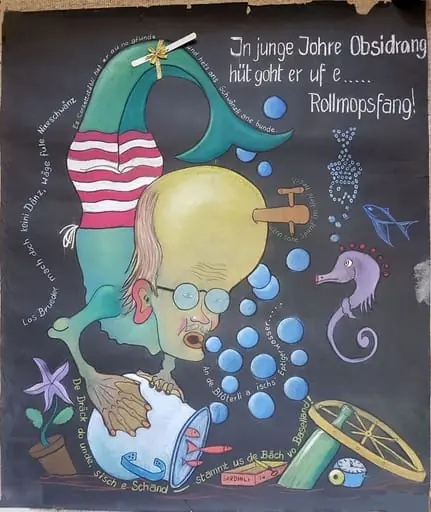 Fasnachtshelge "Professor Piccard"
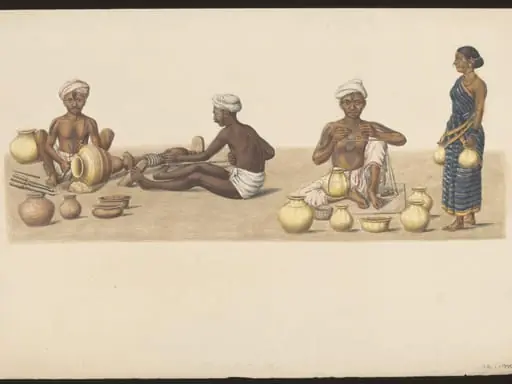 Brass pot makers
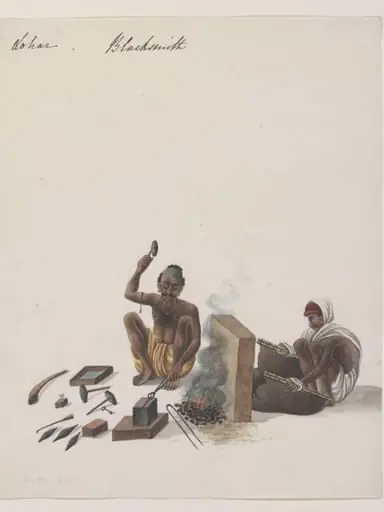 Blacksmith
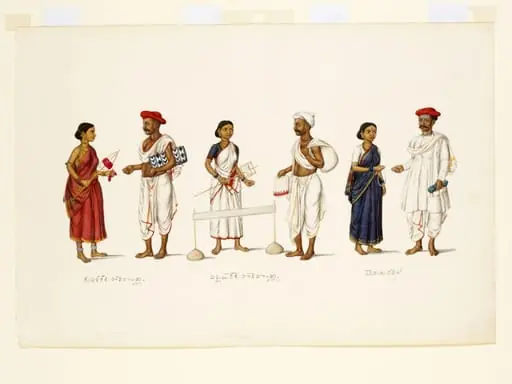 Three textile craftsmen and their wives
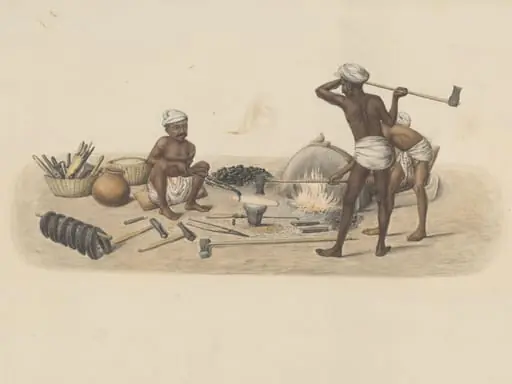 Blacksmith
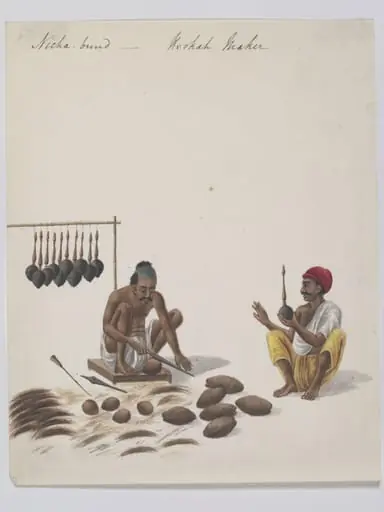 Hookah Maker
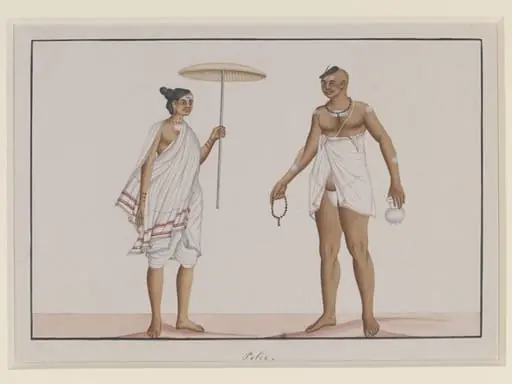 A Brahmin and his wife
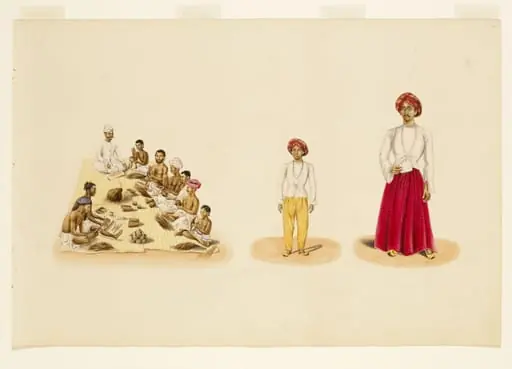 7 seated men making bidis (cigarettes)
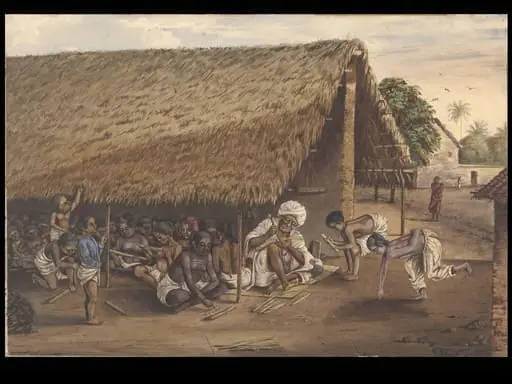 A class of children
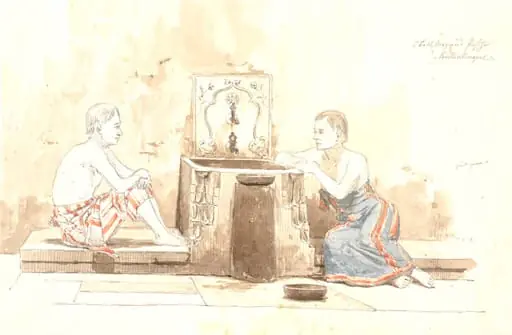 To mænd ved en brønd
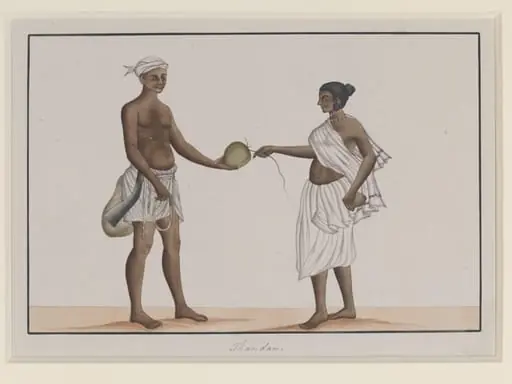 Coconut-gatherers
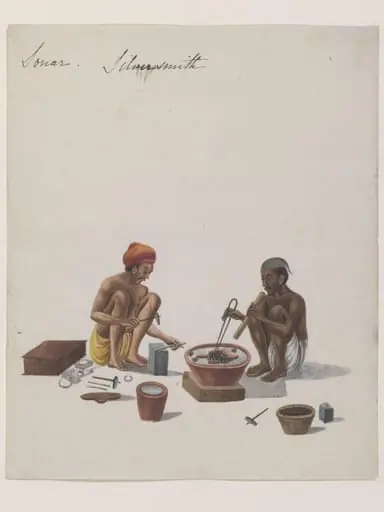 A silversmith with an assistant
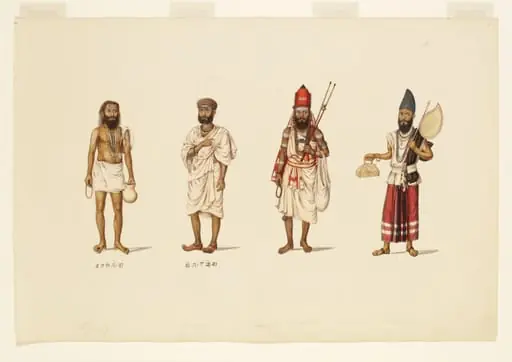 Four male ascetics
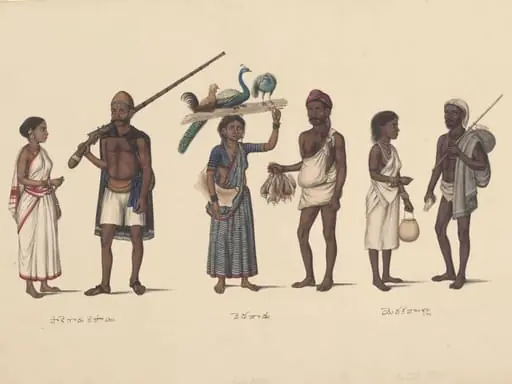 Three couples
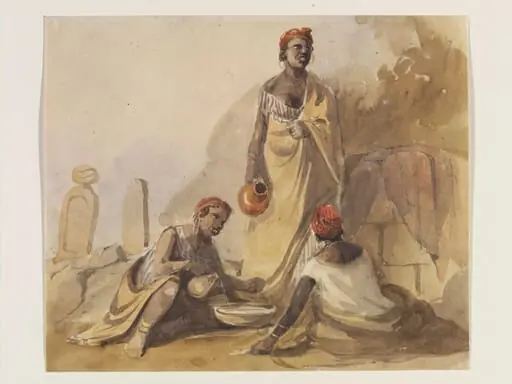 African Women at a Fountain in a Muslim Cemetery
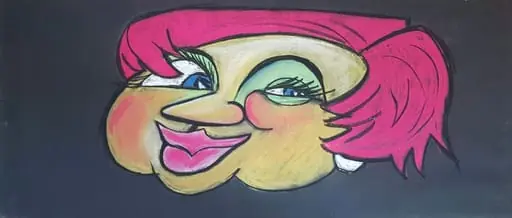 Fasnachtshelge "Fröhlichi Gritte"
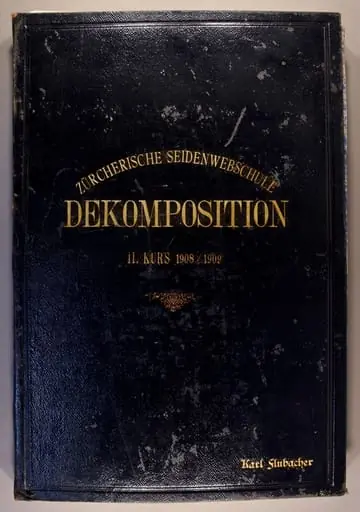 Lehrbuch Zürcherische Seidenwebschule Dekomposition
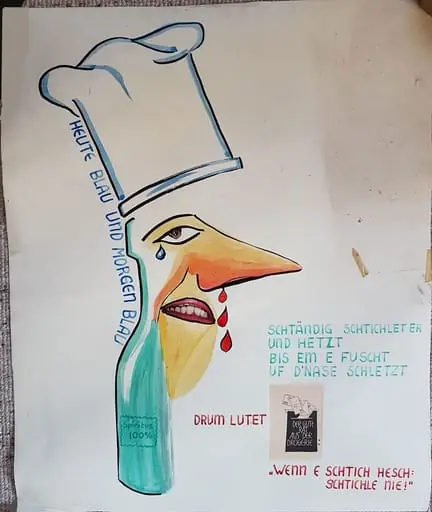 Fasnachtshelge "Heute blau und morgen blau"
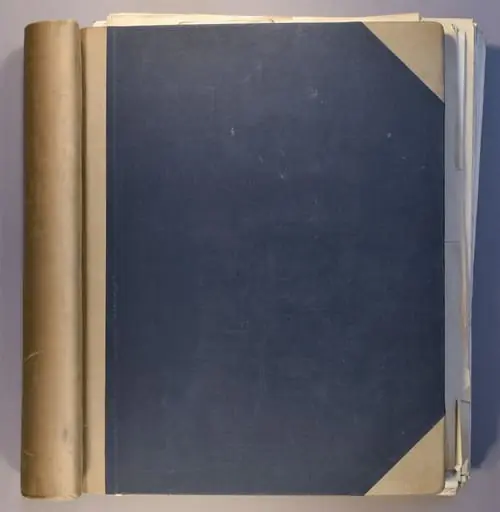 Buch mit Dessinentwürfen
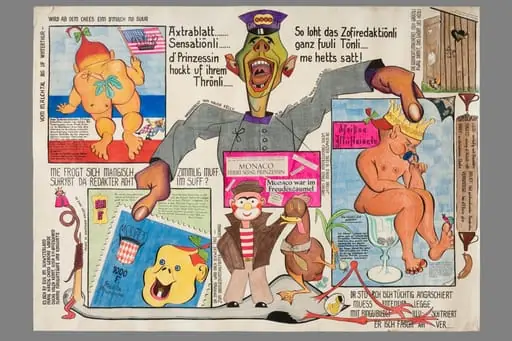 Fasnachtshelge "Caroline von Monaco"
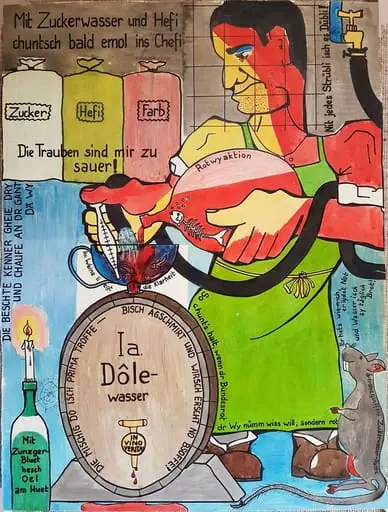 Fasnachtshelge "Wiipansche"
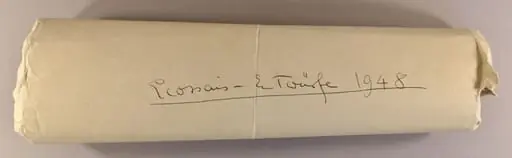 Dessinentwurf "Ecossais"
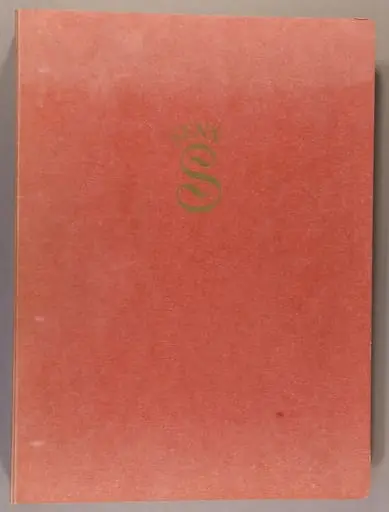 Dessinentwürfe
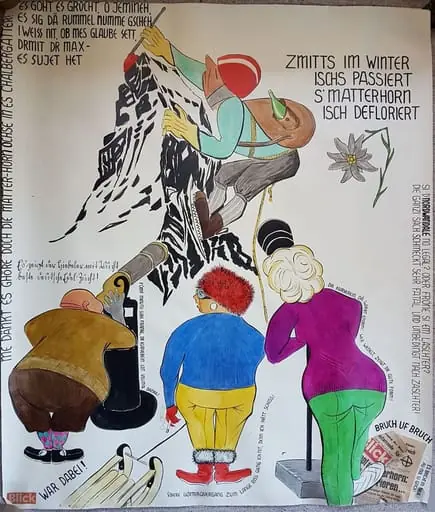 Fasnachtshelge "Matterhorn Wintererstbegehung"
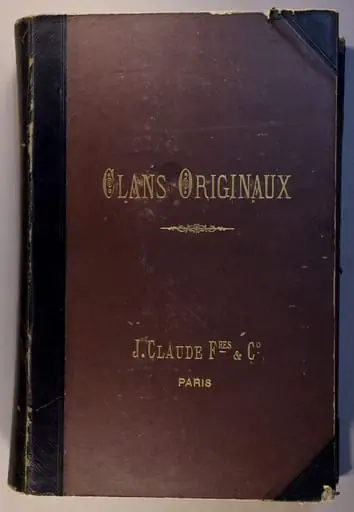 Musterbuch Abonnement J. Claude Frères
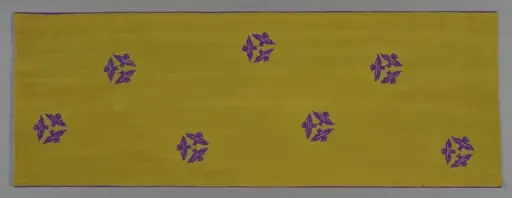 Pausen Echarpen
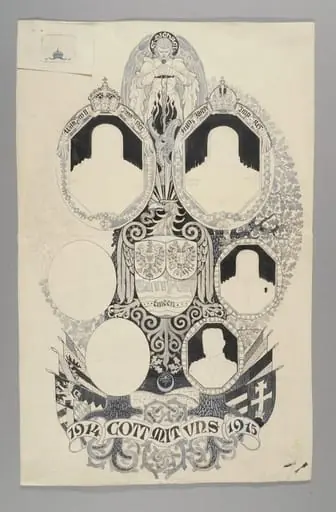 Vorentwurf Seidenbild
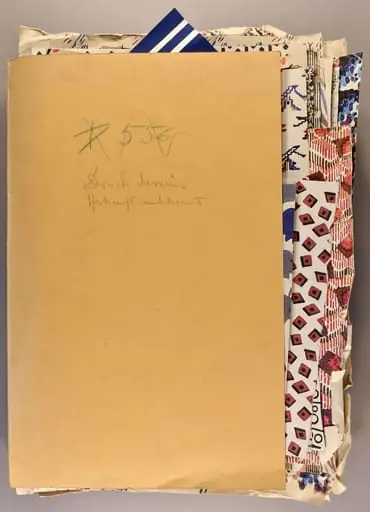 Druckentwürfe
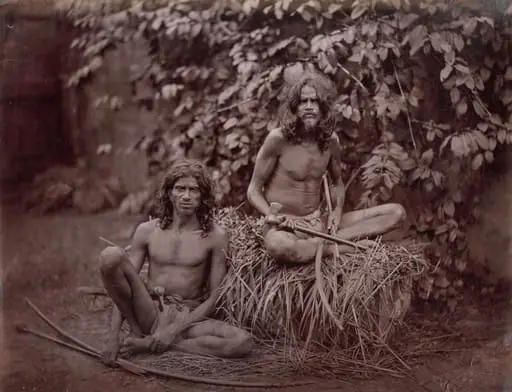 Veddahs of Ceylon
Frequently asked questions
What is Ethnology?
Ethnology (from the Ancient Greek: ἔθνος, ethnos meaning 'nation') is an academic field and discipline that compares and analyzes the characteristics of different peoples and the relationships between them (compare cultural, social, or sociocultural anthropology).
How many Ethnology works does Artifact World Gallery have?
Artifact World Gallery holds 65 public-domain Ethnology works, all free to view and download.
Who are the key Ethnology artists?
Key Ethnology artists in the collection include Arthur William Devis, Emil Himmelsbach and Max Rickenbacher-Hufschmid.
Where can I see Ethnology works?
Ethnology works in the collection are held by Archaeology and Museum Baselland, Victoria and Albert Museum and Statens Museum for Kunst.