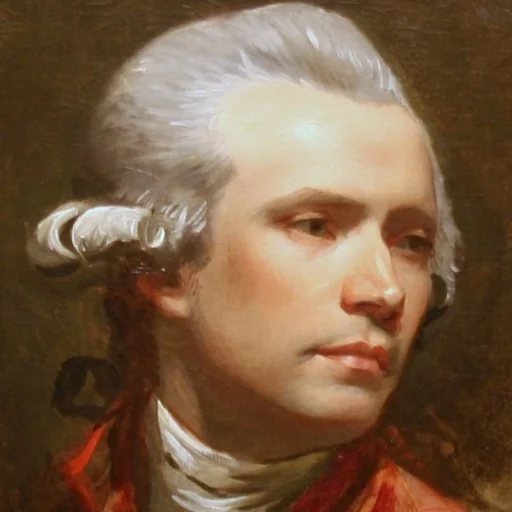
Subject
Massachusett
Massachusett is a subject in art. The gallery holds 26 works in this subject in art, including works by John Singleton Copley, John Smibert and Joseph Blackburn.
Massachusett denotes both an Indigenous people and the Eastern Algonquian language they spoke along the coast and lowlands of present-day eastern and southeastern Massachusetts. The name, glossed from Algonquian as "at the great hill," refers to the Great Blue Hill southwest of Boston and ultimately gave the commonwealth its name. At European contact in the early 17th century the Massachusett may have numbered some 3,000 people in more than twenty villages, living by maize horticulture, gathering, fishing, and seasonal movement among fixed sites, each band led by a sachem. As a theme in art, Massachusett is less a style than a place and a people whose presence frames the colonial artistic culture that grew on their land.
The most consequential art-historical object tied to the language is a printed book rather than a painting. In 1663 the Puritan missionary John Eliot, working with Native translators including Cockenoe, Job Nesutan, and John Sassamon, completed the Eliot Indian Bible—the Massachusett rendering of scripture printed in Cambridge by Samuel Green and Marmaduke Johnson. It was the first complete Bible published in British North America and the first translation of the Christian scriptures into any Indigenous American language, a landmark of early colonial typography and of the literacy tradition adopted in the "praying towns." Colonization eroded the spoken language, which fell silent by the late 19th century.
Massachusett is now among the most celebrated cases of language revival. Beginning in 1993, the Wôpanâak Language Reclamation Project, co-founded and directed by linguist Jessie Little Doe Baird of Mashpee, reconstructed the language from Eliot's Bible and other archival documents, aided by graduate training at MIT and comparison with related Algonquian tongues. The effort produced a roughly 10,000-word dictionary and, for the first time in over a century, a child raised as a native speaker; Baird received a MacArthur Fellowship in 2010, and the revived language is spoken across four Wampanoag communities.
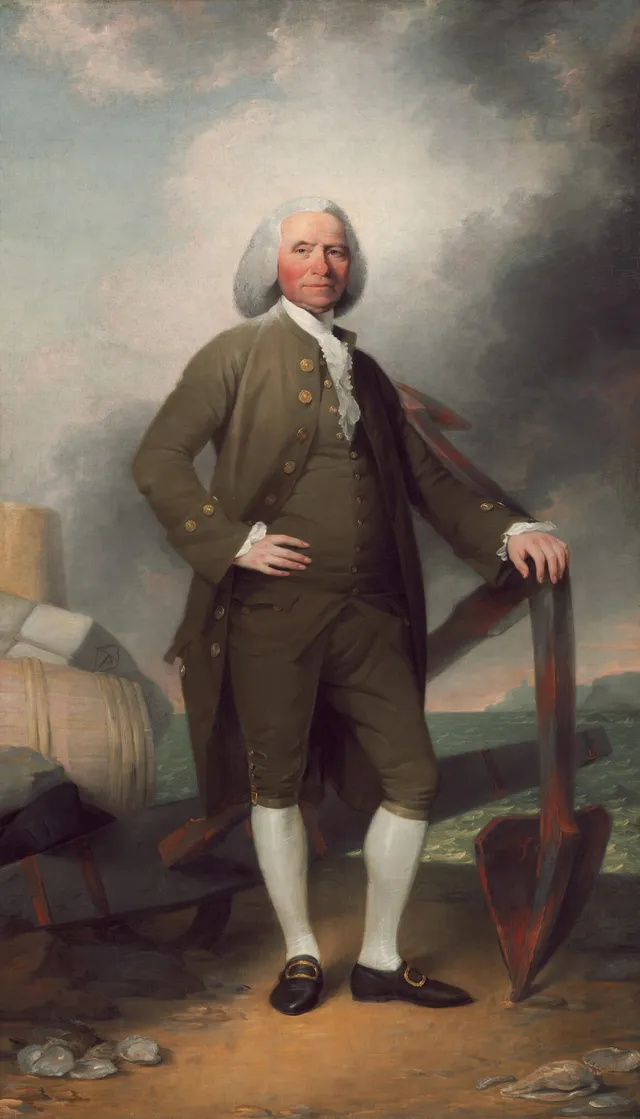
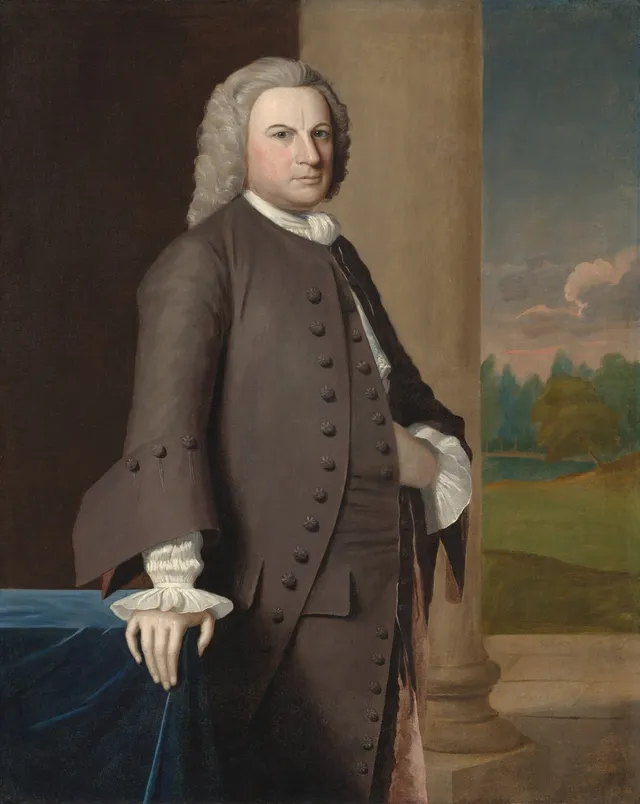
The portraits catalogued under this heading belong to the settler society that displaced the Massachusett and to the school of painting that flourished in colonial Boston. John Smibert established that tradition after 1730, and his studio and imported Old Master copies shaped Robert Feke, John Singleton Copley, and the young John Trumbull. The collection holds Copley's incisive Thomas Amory II, Feke's Charles Apthorp and Simon Pease, and Trumbull's Patrick Tracy—merchant likenesses whose silks, ledgers, and steady gazes record the Atlantic commerce that remade Massachusett country. Read together, the Indigenous name and the colonial canvases hold a single history in tension: a place that kept its first peoples' word even as their world was overwritten.
Key artists
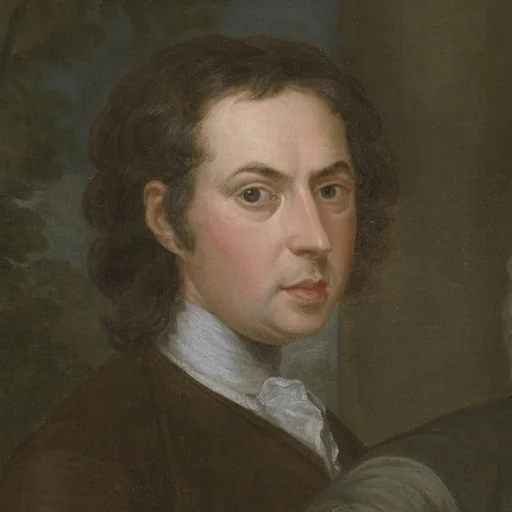

Overview
The Massachusett language, also known as Natick, Wôpanâak, or historically as Pokanoket, is an Algonquian language of the Algic family. It was formerly spoken by several indigenous peoples of eastern coastal and southeastern Massachusetts, including the Massachusett, Wampanoag, Naumkeag, Nauset, and Cowesit. The language's historical territory stretched between present-day Boston, Cape Cod, and Mount Hope in eastern Rhode Island, with its influence extending into southeastern New Hampshire, the southern tip of Maine, and eastern Long Island. The very name Massachusett derives from mass-adchu-s-et, meaning the people at the great hills, which later provided the name for the Massachusetts Bay Colony and the modern state. Following a period of extinction as a community language, it has been reintroduced in its revived Wampanoag form in four communities: Mashpee, Aquinnah, Assonet, and Herring Pond.
Iconography & meaning
The linguistic and cultural significance of Massachusett is deeply tied to its early and extensive documentation, primarily driven by missionary efforts. The language became a vessel for Christianization, symbolized by the translation of religious texts and the establishment of praying towns, where Christianized indigenous people settled under colonial legal and cultural systems. The Massachusett term wampan, meaning dawn or east, combined with an animate plural suffix, gave rise to the ethnonym Wampanoag, meaning people of the dawn or people of the east. This linguistic root contrasts with the western SNEA root for the same concept, highlighting how the language encoded directional and cultural identity. The language also contributed loanwords to English, such as powwow and squash, reflecting its role as an intermediary between indigenous and colonial cultures.
Across movements & periods
The treatment and status of Massachusett shifted dramatically across different historical periods. Prior to European contact, it functioned as a primary regional language and a common second or third language across much of New England. During the early colonial period, English missionaries like John Eliot learned the language to preach the gospel, leading to the creation of praying towns and the first alphabetic writing system for the language. Literate Native American ministers and teachers then spread literacy within their communities. However, after King Philip's War from 1675 to 1676, the British banned the use of the language, initiating a severe decline. By the late nineteenth century, as the Massachusett people faced near displacement, the language lost all its native speakers. A modern revitalization movement emerged in 1993, shifting the language from a historical artifact to a reclaimed living tongue taught in Wampanoag communities.
Notable depictions
The most notable depiction of the Massachusett language is John Eliot's 1663 translation of the Christian Bible, titled Mamusse Wunneetupanatamwe Up-Biblum God. Printed at Harvard College in Cambridge with a run of 1000 copies, it holds multiple historical distinctions: it was the first Bible printed in the Americas, the first Bible translated by a non-native speaker, and one of the earliest translations into a previously unwritten language. Eliot developed the orthography with the assistance of native speakers and translators, including his teacher Job Nesutan, the printer James Wowaus, the Montaukett interpreter Cockenoe, and the Wampanoag John Sassamon. Eliot also published a grammar of the language in 1668. The extensive corpus of written Massachusett, including court petitions, church records, administrative documents, personal letters, and marginalia, makes it the best documented extinct indigenous language of New England. Later scholarly depictions include James Hammond Trumbull's 1903 Natick Dictionary and the 2002 Wood's Vocabulary of Massachusett, which contains roughly 7000 words.
Legacy
The legacy of the Massachusett language is defined by its remarkable documentary record and its contemporary revitalization. Because of the extensive translations and native literacy initiated in the seventeenth century, the language survived in written form even after it lost its native speakers. This archive enabled the Wôpanâak Language Reclamation Project, launched in 1993 by Jessie Little Doe Baird of the Mashpee Wampanoag. Collaborating with linguist Ken Hale and students at the Massachusetts Institute of Technology, Baird earned a master's degree in linguistics in 2000 and began teaching the revived dialect. The project has produced educational materials, including a dictionary that grew to over 11,000 words by 2011. As a result of these efforts, a handful of children are now growing up as the first native speakers of the Wampanoag dialect in more than a century, marking a profound cultural afterlife for a language once declared extinct.
Works
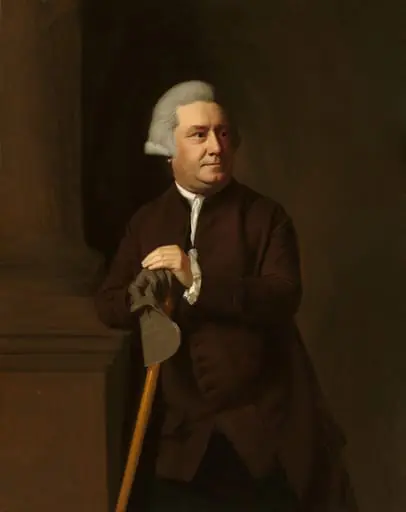 Thomas Amory II
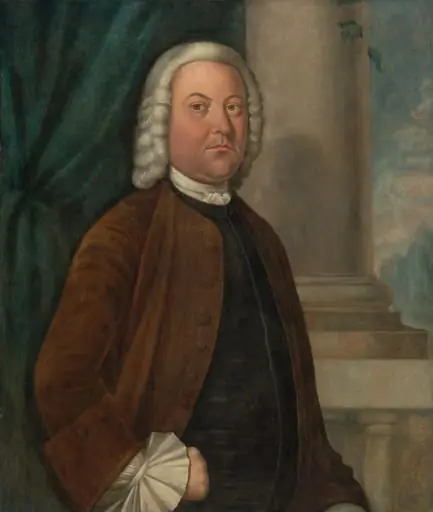 Dr. Samuel Boude
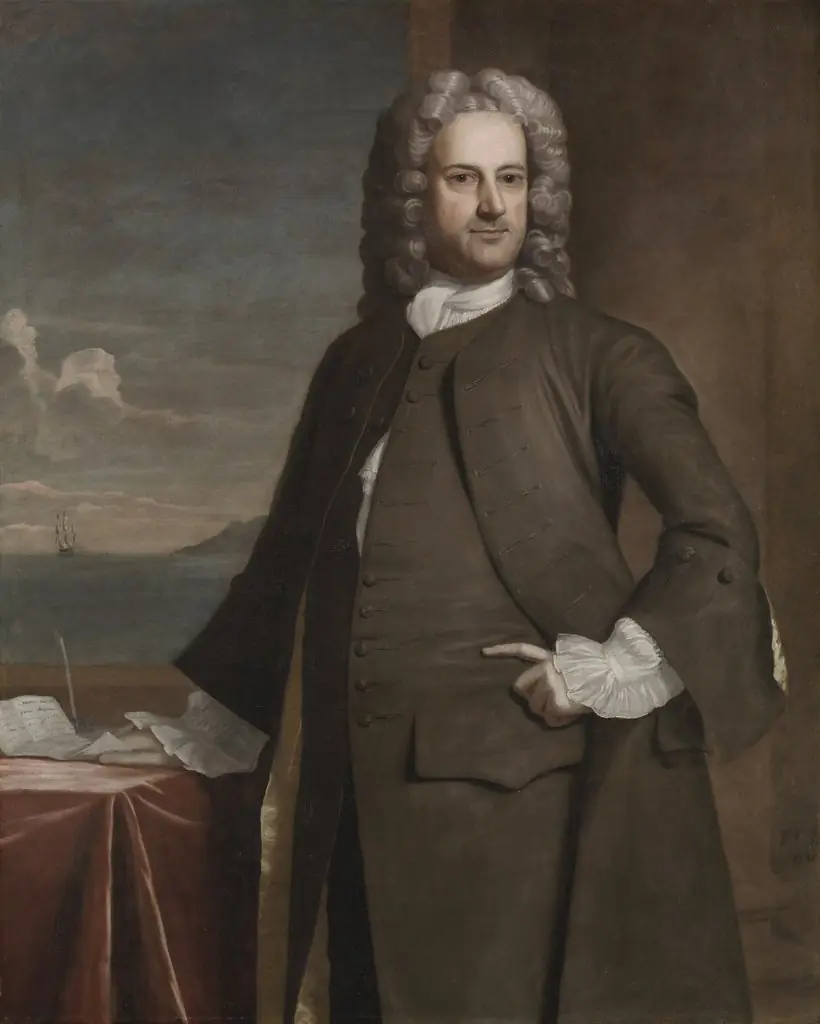 Charles Apthorp
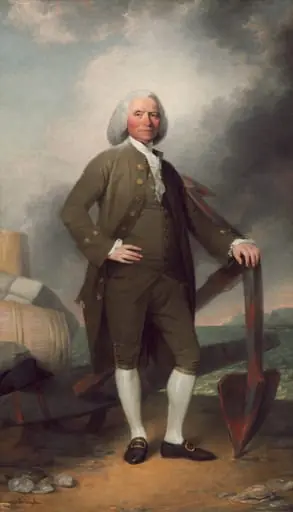 Patrick Tracy
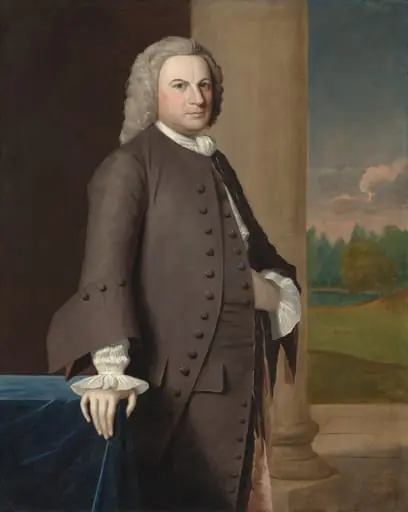 Simon Pease
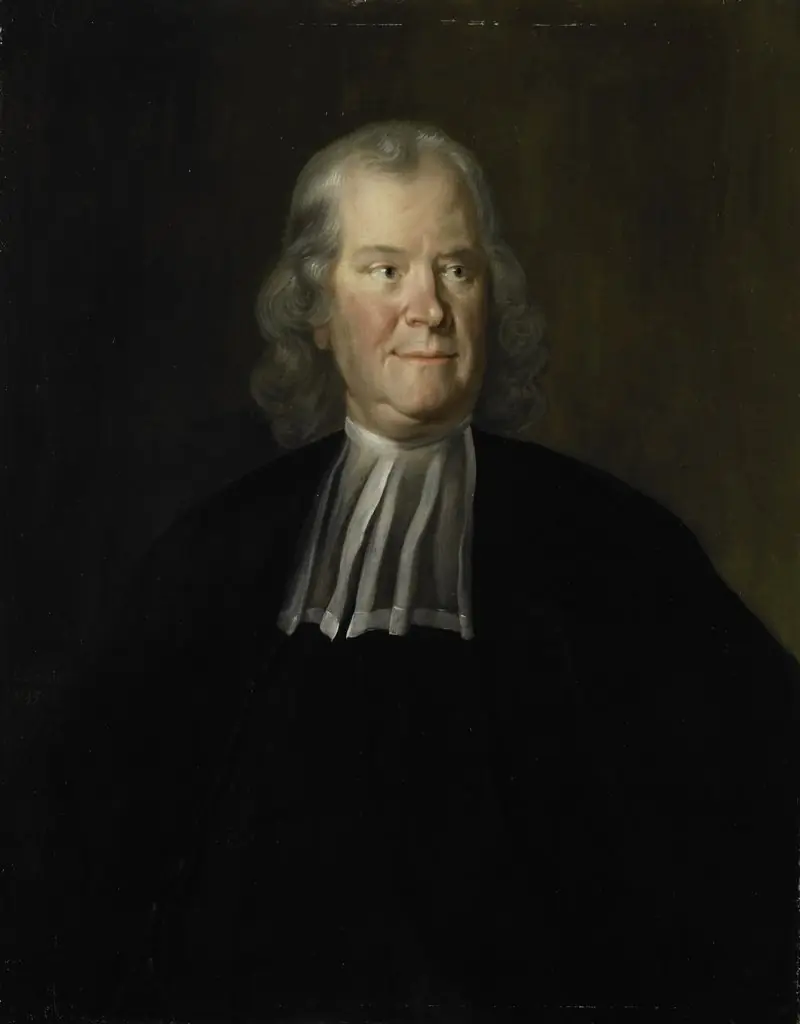 Portrait of the Physician Herman Boerhaave, Professor at the University of Leiden
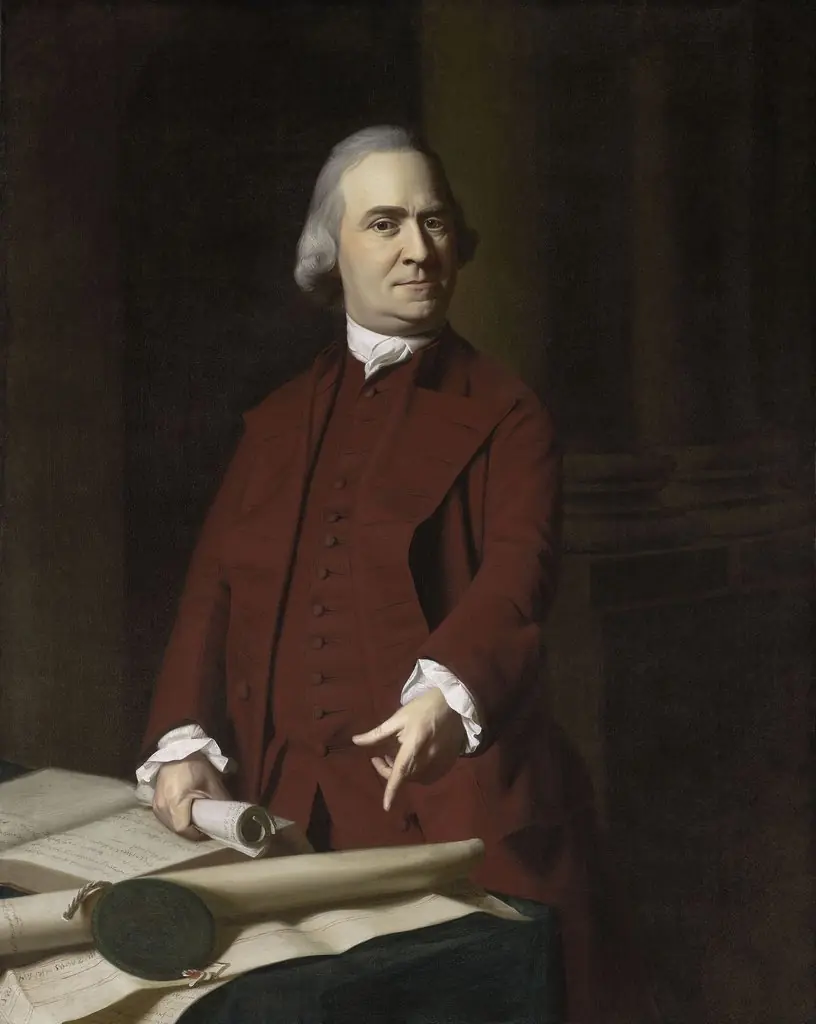 Samuel Adams
 Portrait of Jonathan Swift (1667-1745), Satirist
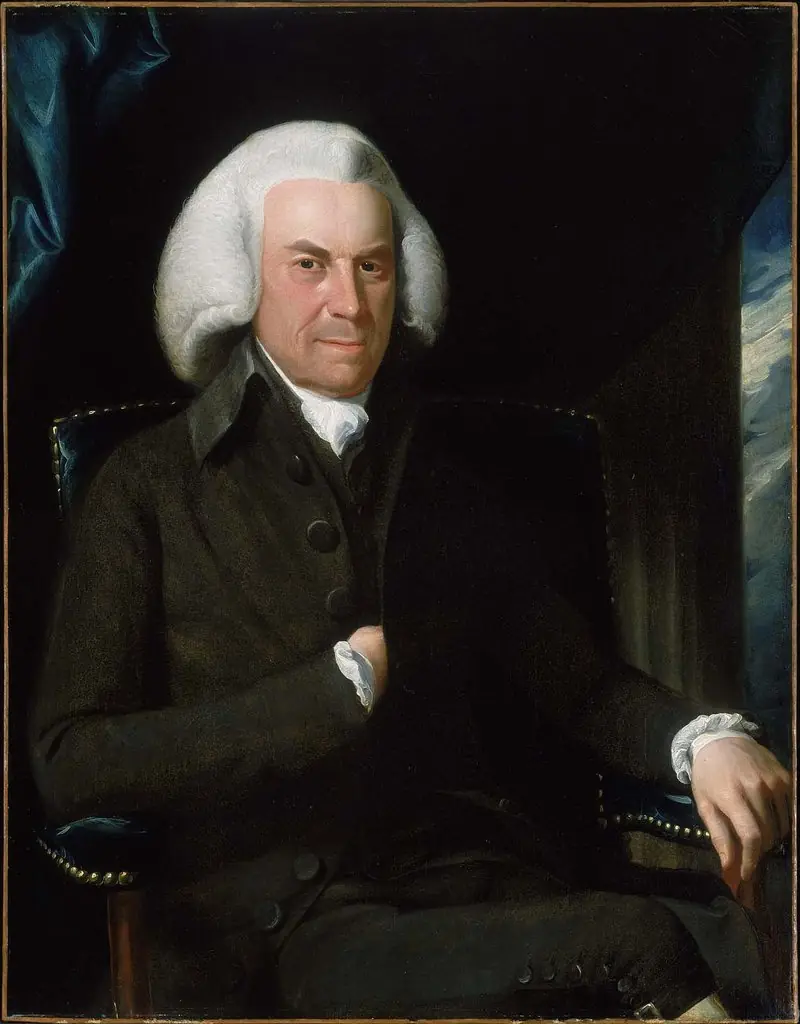 John Codman
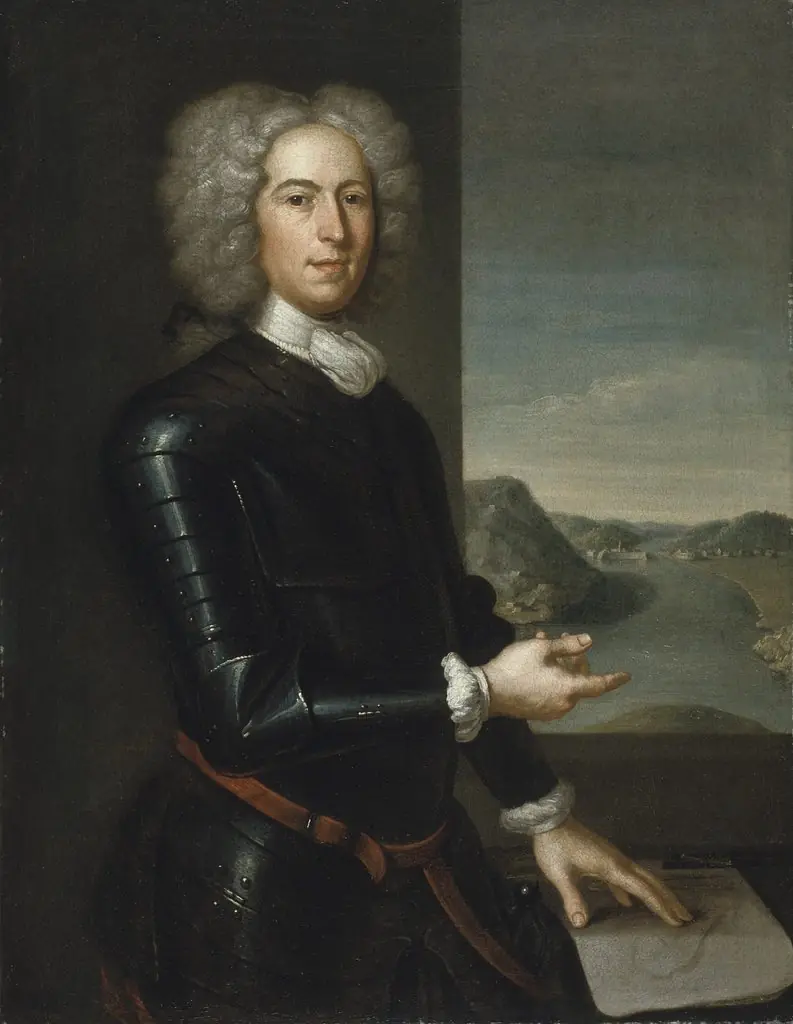 Portrait of Major General Paul Mascarene
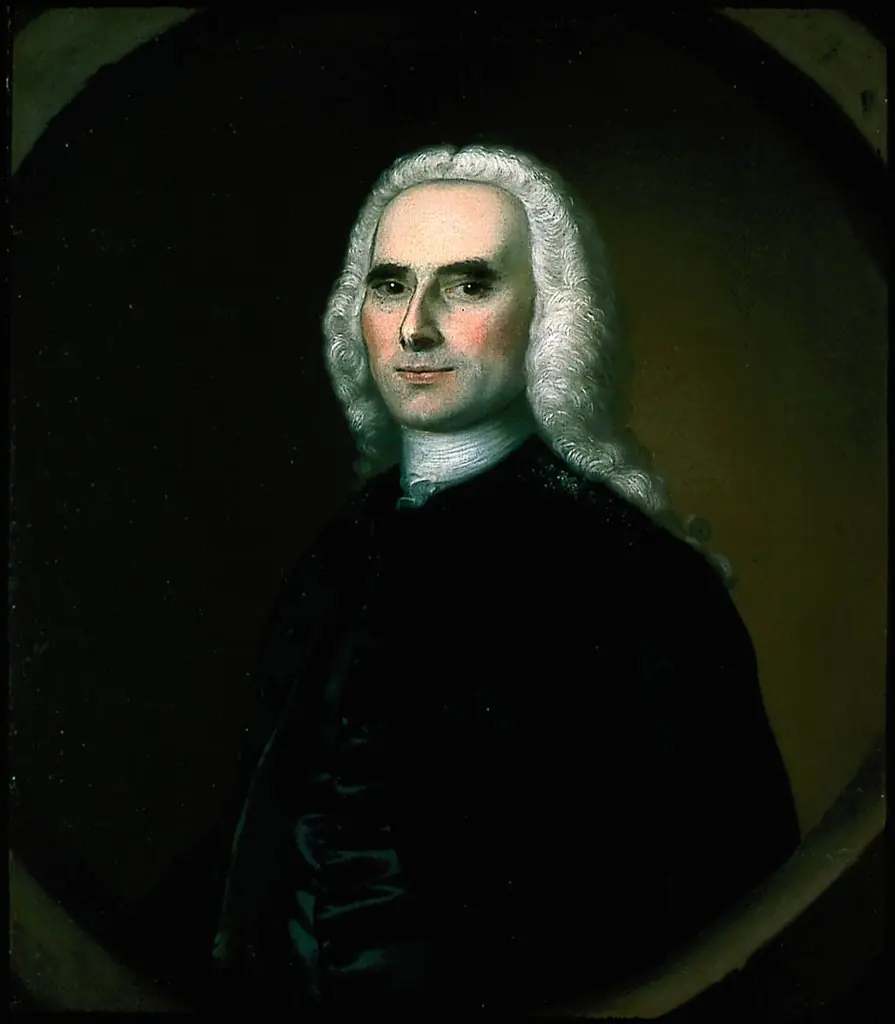 Thomas Bulfinch
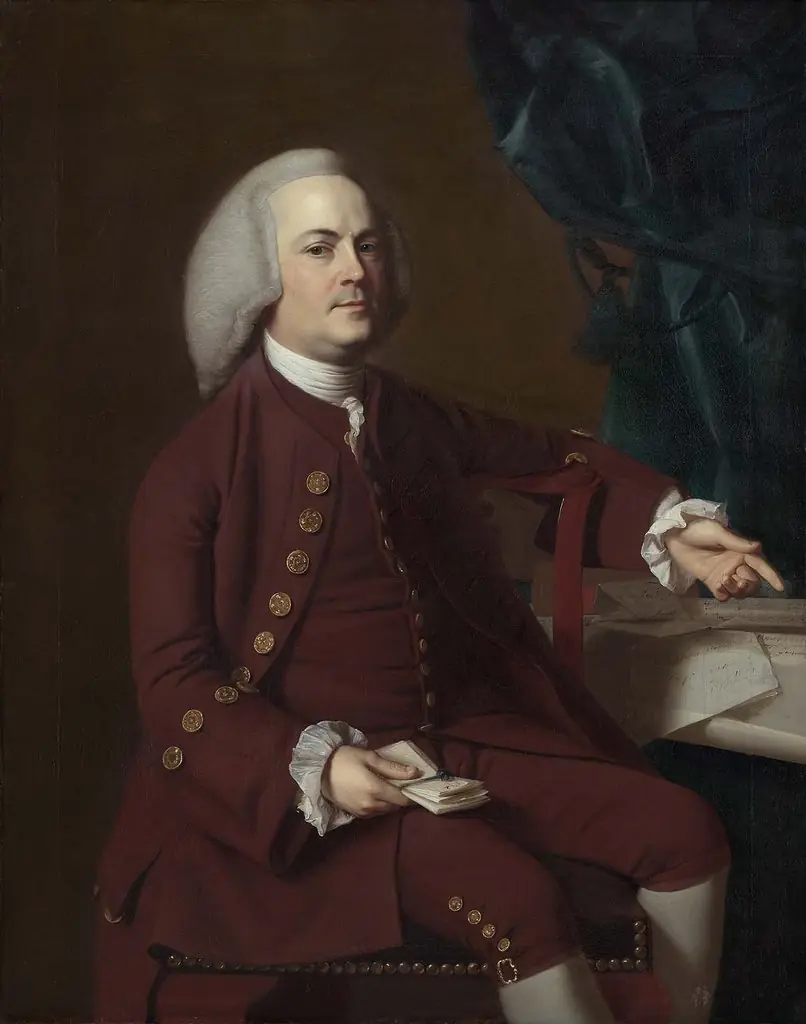 Isaac Royall
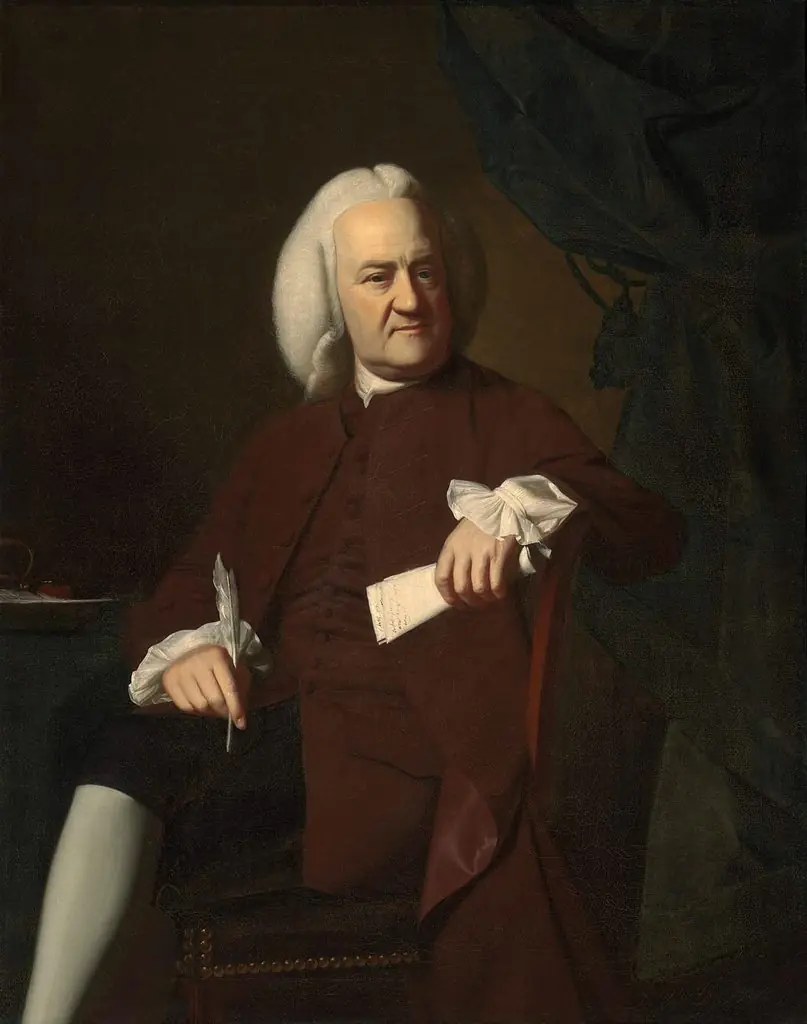 Ezekiel Goldthwait
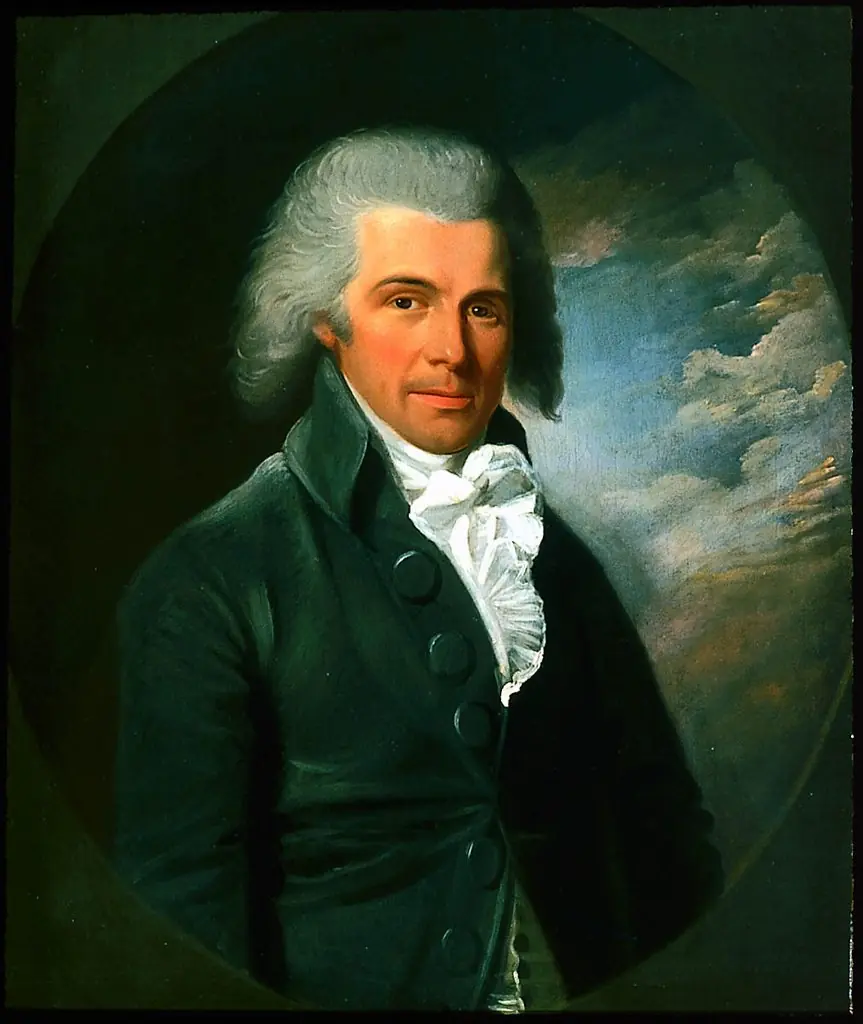 Man in a Gray Coat
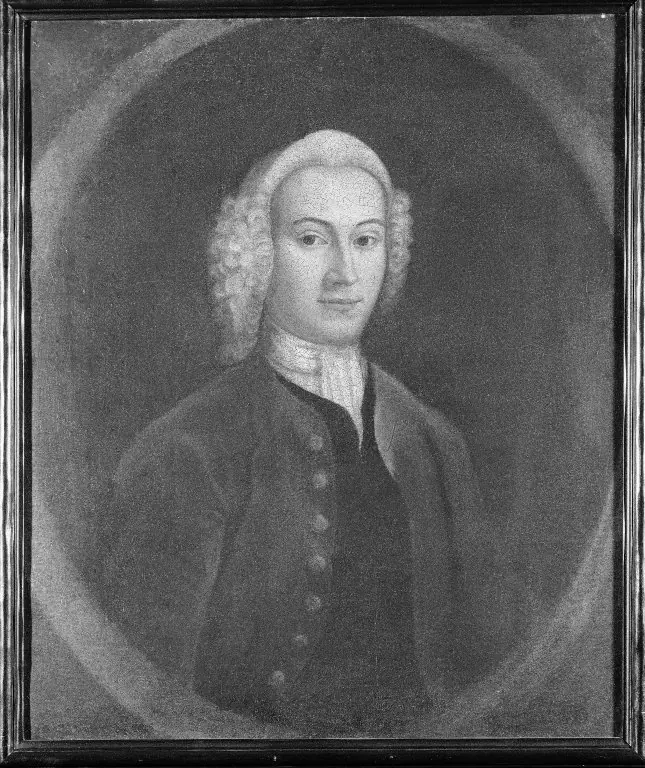 Gentleman of the Breckenridge Family of Virginia
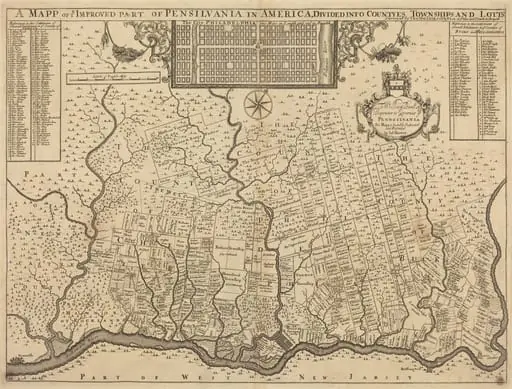 A mapp of ye improved part of Pensilvania in America, divided into countyes, townships and lotts
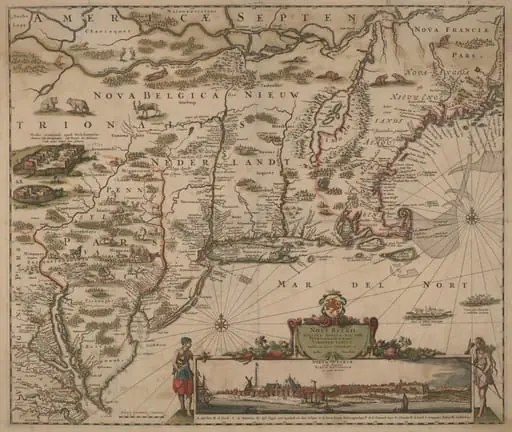 Novi Belgii Novaeque Angliae nec non Pennsylvaniae et partis Virginiae tabula multis in locis emendata
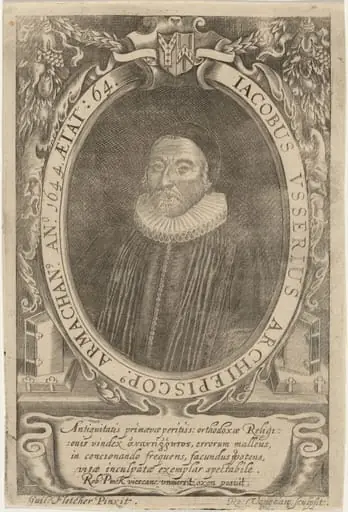 James Ussher, Archbishop of Armagh
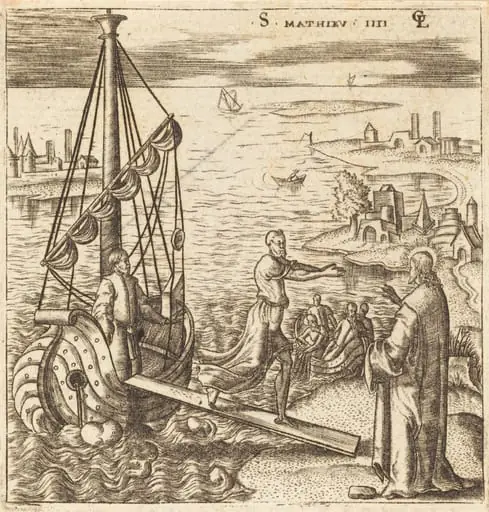 Follow Me and I will Make You Fishers of Men
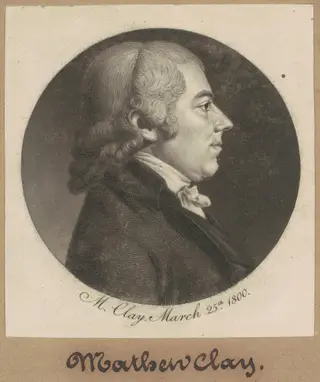 Matthew Clay
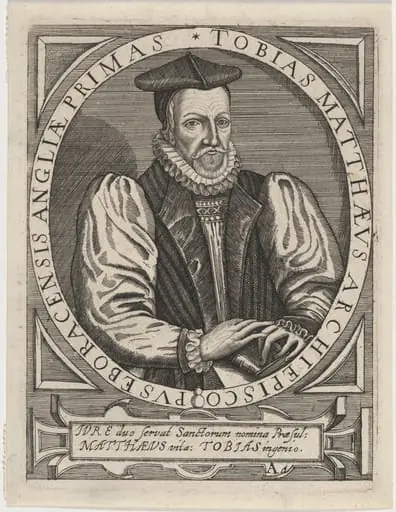 Tobias Matthew, Archbishop of York
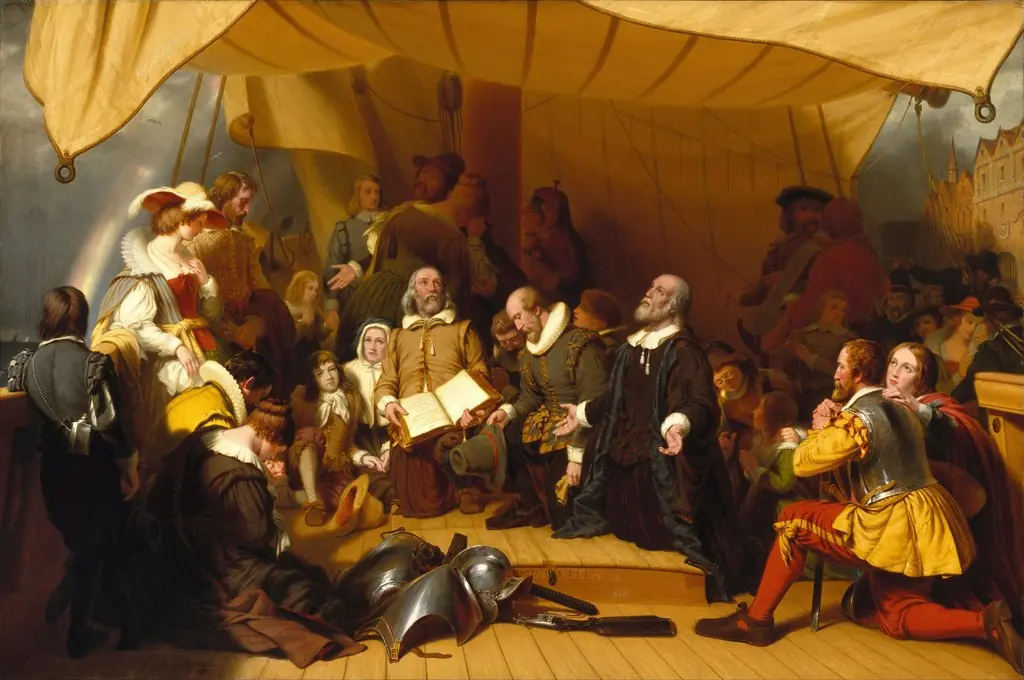 Embarkation of the Pilgrims
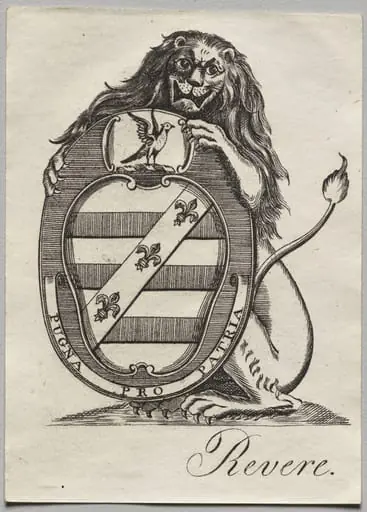 Bookplate: Coat of Arms
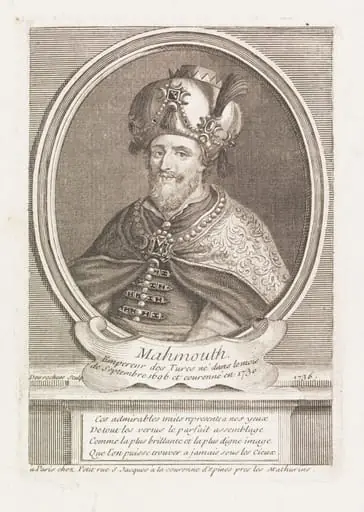 Turkish sultans, sultanas and other historical figures
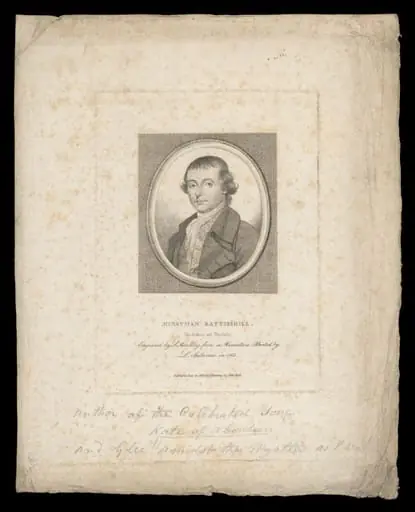 H Beard Print Collection
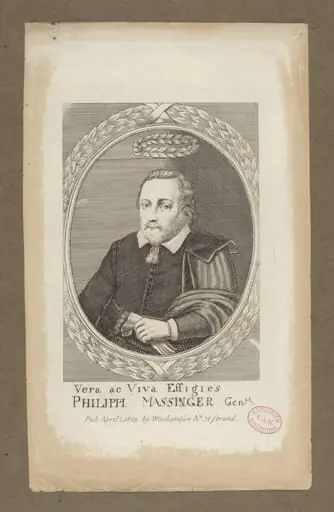 Print Collection
Frequently asked questions
What is Massachusett?
Massachusett is a subject in art. The Massachusett language is an Algonquian language of the Algic language family that was formerly spoken by several peoples of eastern coastal and southeastern Massachusetts.
How many Massachusett works does Artifact World Gallery have?
Artifact World Gallery holds 26 public-domain Massachusett works, all free to view and download.
Who are the key Massachusett artists?
Key Massachusett artists in the collection include John Singleton Copley, John Smibert and Joseph Blackburn.
Where can I see Massachusett works?
Massachusett works in the collection are held by National Gallery of Art, Museum of Fine Arts Boston and Victoria and Albert Museum.