Two adjacent centuries in European painting could not look more different. The seventeenth century produced the Baroque: dark, theatrical, weighted with consequence. The eighteenth century produced the Rococo: pale, ornamental, weightless. The first asked the viewer to kneel. The second asked the viewer to flirt. The distance between them is one of the clearest shifts in the history of taste, and it happened inside a single unbroken tradition of oil on canvas.
The Baroque: painting as command
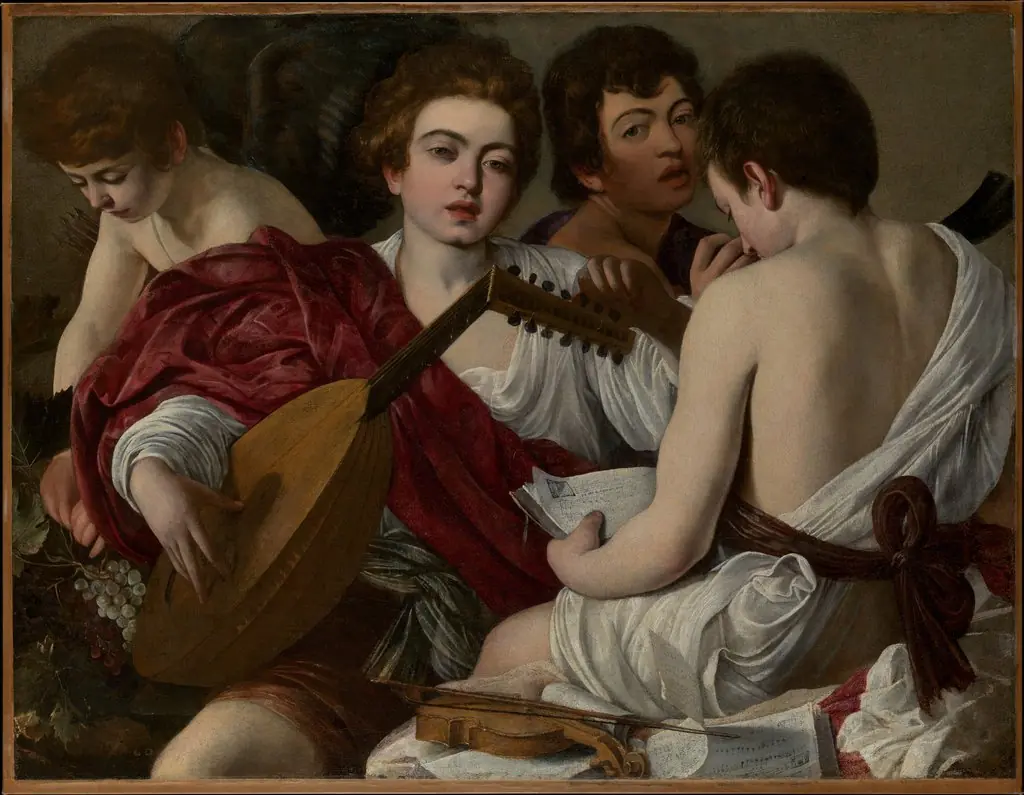
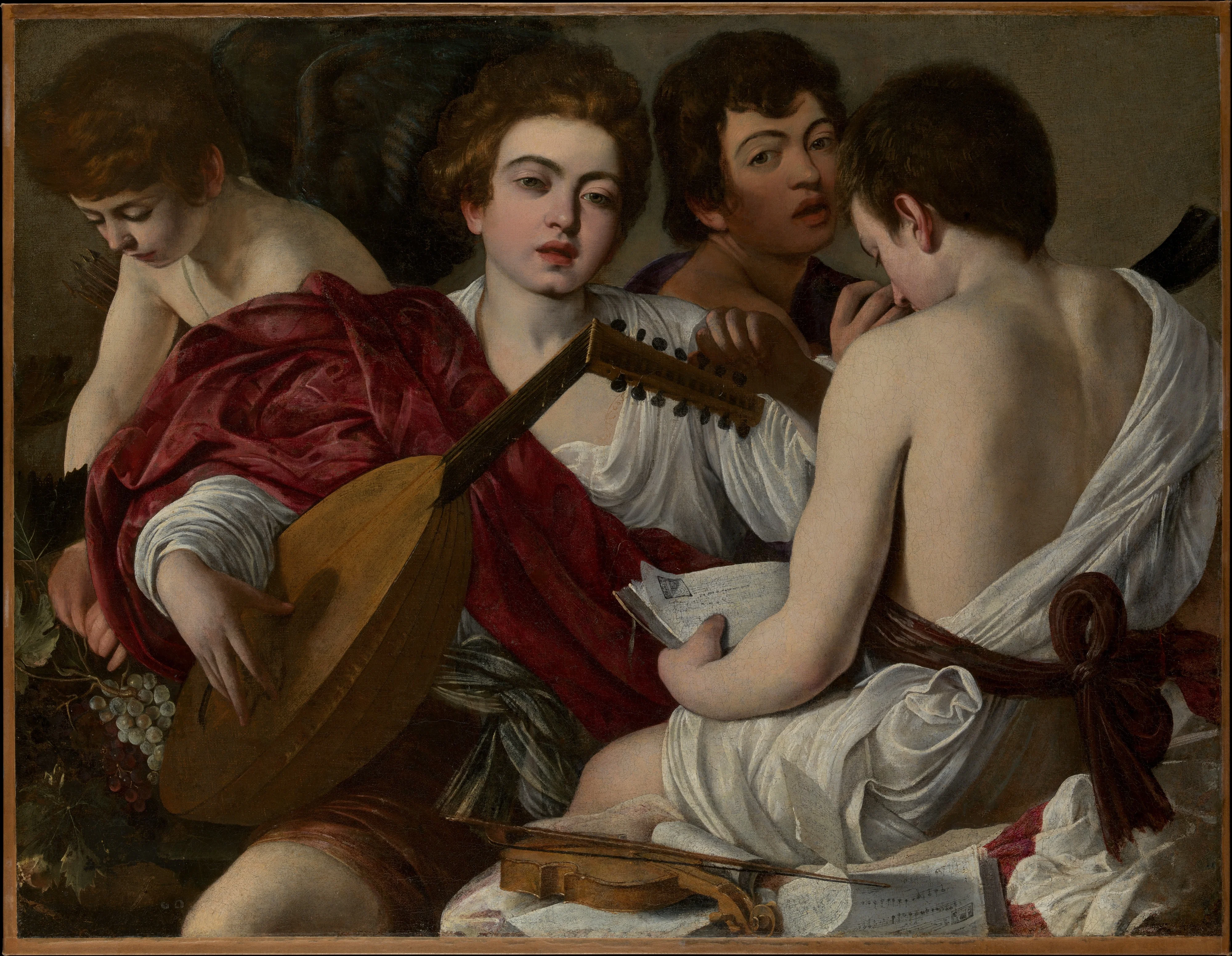
The Baroque grew out of the Counter-Reformation and the absolutist courts of the seventeenth century. Both the Church and the crown wanted an art that overwhelmed. Caravaggio supplied the method: a single hard light falling across figures pulled out of deep shadow, so that a moment of decision or revelation arrives with the force of a stage spotlight. His The Musicians holds its young figures in a warm, close darkness; the eye is given nowhere to wander except the faces and the hands.
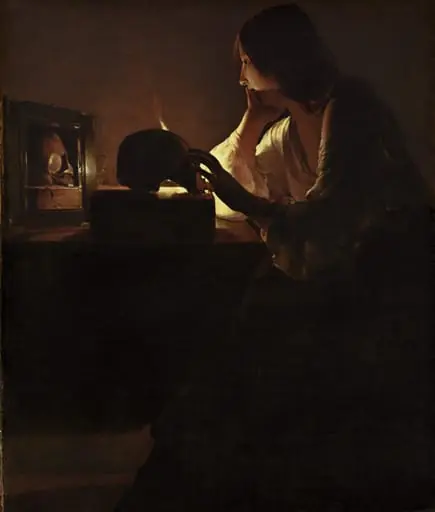
Georges de La Tour took the same logic further into stillness. In The Repentant Magdalen a single candle does all the work, modelling the figure out of near-total black and turning a quiet interior into an argument about mortality. The Baroque painter rarely lets the viewer relax. Diagonal compositions, foreshortened limbs, and abrupt contrasts of dark and bright keep the surface charged.
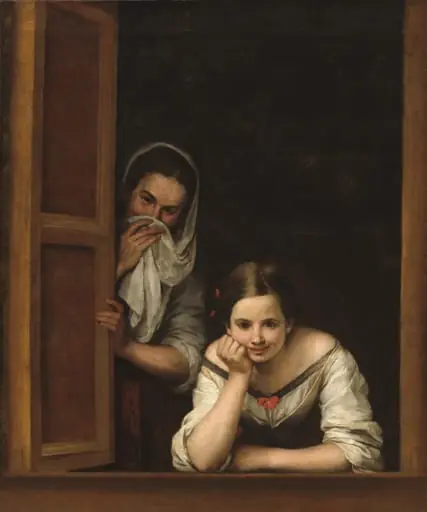
Even the Baroque’s gentler register carries weight. Bartolomé Esteban Murillo’s Two Women at a Window looks at first like an idle moment, two figures leaning out to watch the street. But the modelling is firm, the shadows deep, the presence of the figures emphatic. Tenderness, in the Baroque, is still rendered as substance.
The Rococo: painting as pleasure
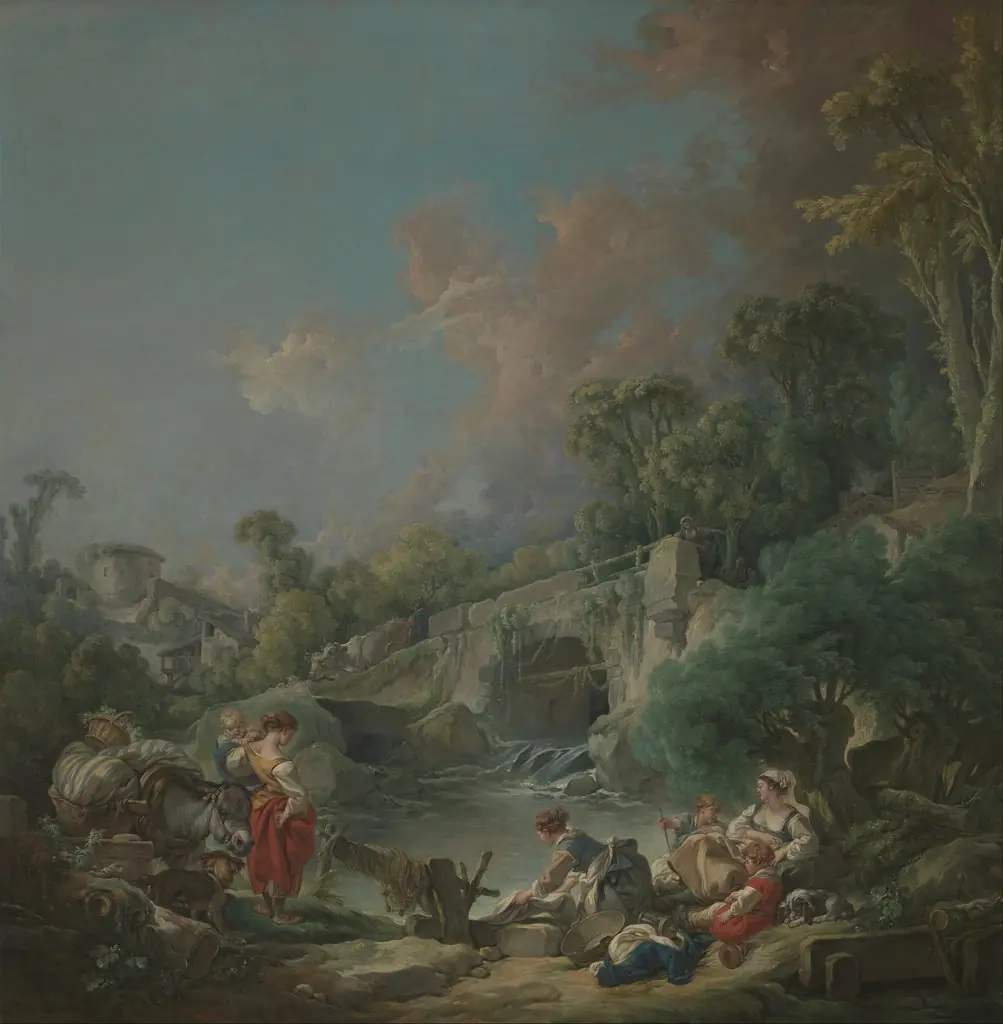
By the early eighteenth century the absolutist certainties had loosened. The centre of gravity moved from the cathedral and the throne room to the salon and the private apartment. Painting followed. The Rococo kept the technical fluency of the Baroque and discarded its gravity. Where the Baroque used a hard raking light, the Rococo bathed its scenes in an even, flattering glow. Where the Baroque pulled figures out of black, the Rococo set them against pale blues, rose, and cream.
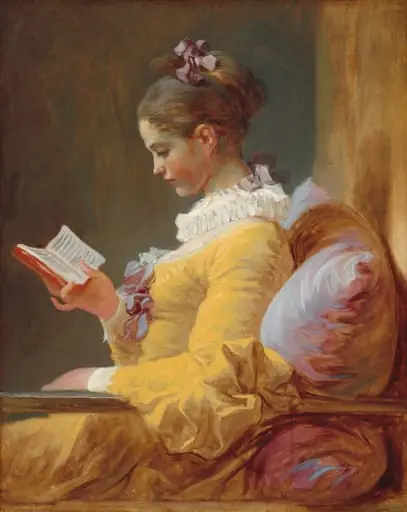
Jean-Honoré Fragonard’s Young Girl Reading is the type specimen. A single figure in profile, absorbed in a small book, rendered in apricot and gold with a brushstroke so confident it looks effortless. Nothing is at stake. The painting asks only that the viewer enjoy the colour, the fabric, the turn of the wrist. François Boucher’s Washerwomen takes even labour and dissolves it into a pastoral idyll: the work of the scene is a pretext for a pleasing arrangement of figures in a soft landscape.
The Rococo’s subjects are courtship, leisure, gardens, and mythology treated as light entertainment. Its mood is conversational rather than commanding. It is an art made for people who wanted their walls to charm them, not to instruct them.
What changed, and what did not
The technical continuity between the two is easy to miss because the emotional register is so different. Both are virtuoso oil painting; both prize a fluent, loaded brush; both descend from the same workshops and academies. A Rococo painter could have produced a Baroque tenebrist study, and many trained on exactly that tradition. What changed was the demand placed on the picture.
The Baroque was made to move a public — to convert, to awe, to legitimise power. The Rococo was made to please a private viewer in a well-lit room. When the political and religious pressure that produced the Baroque eased, the lightness that had always been latent in the medium was free to come forward. The shift from drama to delight was not a loss of skill. It was a change in what the century wanted painting to do.
For the movements themselves, see the Baroque and Rococo pages, where the full range of each is laid out work by work.