Artist
John Riley

Kingdom of England
John Riley is a Kingdom of England Barbizon school artist. 8 works are cataloged here, principally at Ashmolean Museum.
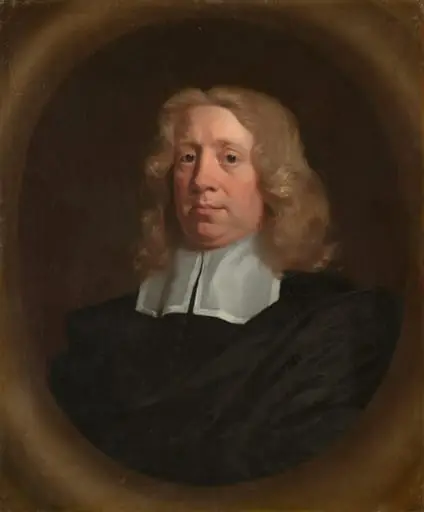 John Eldred
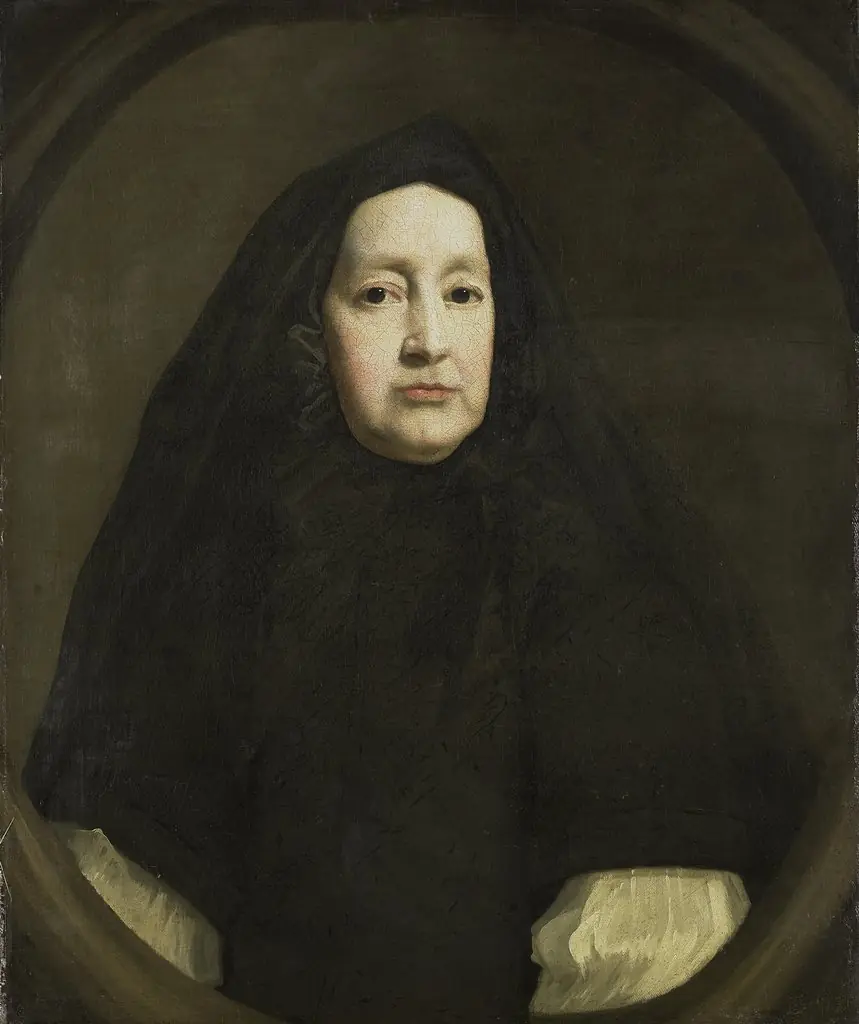 Portrait of Katharine Elliot (died 1688), Dresser of Duchess Anne of York and First Woman of the Bedchamber of Queen Mary of Modena, the first and second Wives of James II of England, respectively
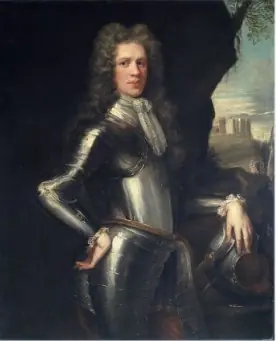 Portrait of a Gentleman, possibly Patrick Sarsfield (d.1693)
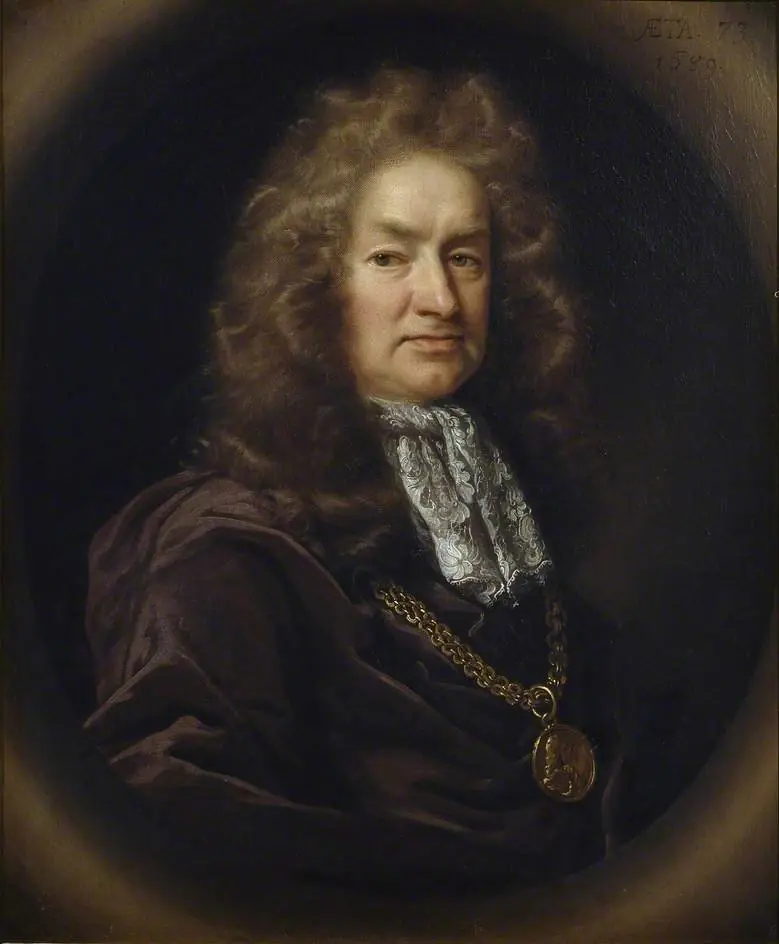 Elias Ashmole
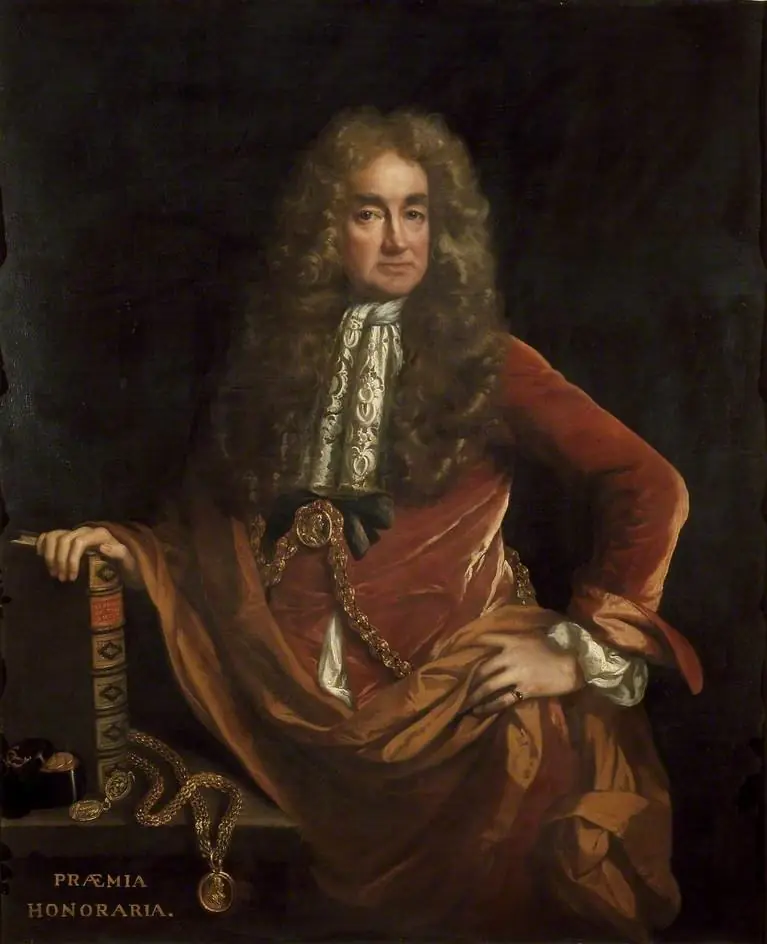 Elias Ashmole
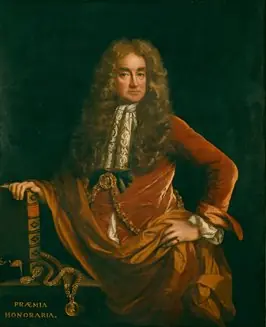 Porträt des Elias Ashmole (1617-1692)
John Riley, or Ryley, (1646 – March 1691) was an English portrait painter. He painted portraits of Charles II and James II, and was court painter to William III and Mary II. One of his pupils was Jonathan Richardson.
Overview
John Riley, also recorded as Ryley (1646, March 1691), was an English portrait painter who rose to prominence in the late Stuart court. Born in London, he became one of the leading portraitists of his generation, painting Charles II and James II and serving as Principal Painter in Ordinary to William III and Mary II. Riley is remembered for his truthful, lifelike portraiture and for a remarkable series of portraits of servants that stand among his most celebrated works. His artistic lineage extended through his pupil Jonathan Richardson to Thomas Hudson and ultimately to Sir Joshua Reynolds, making Riley a significant link in the development of British portrait painting.
Biography & dates
Riley was born in London in 1646, one of the sons of William Ryley, who served as Lancaster Herald and keeper of the records in the Tower of London. Under the Commonwealth, William Ryley was created Norroy king-at-arms, but returned to his herald's office at the Stuart Restoration. Riley's brother Thomas became an actor. Riley studied painting under Isaac Fuller and the German portraitist Gerard Soest, from whom he acquired a forcible, straightforward approach to portraiture. He did not achieve significant eminence until after the death of Sir Peter Lely in 1680. His breakthrough came when Thomas Chiffinch, a courtier and royal official, sat for him and was sufficiently pleased with the result to show it to Charles II. The king subsequently commissioned Riley and eventually sat for his own portrait, reportedly remarking of the likeness: "Is this like me? Oddsfish, then I'm an ugly fellow!" Riley also painted James II and Mary of Modena. Following the accession of William III and Mary II in 1689, Riley was appointed Principal Painter in Ordinary, jointly with Sir Godfrey Kneller. Riley suffered considerably from gout and died in March 1691. He was buried in the church of St. Botolph, Bishopsgate, where the registers also record the burial of his wife Jochebed on 11 January 1692-3.
Style & movement
Riley's style was characterized by its truthfulness and lifelike quality, distinguishing it from the more idealized and flattering conventions of court portraiture. From Gerard Soest, he inherited a direct, unembellished manner that rendered his portraits notably honest. Contemporaries described him as quiet, modest, and diffident about his own abilities; this lack of self-confidence may have prevented him from attaining the dominant position held by Lely or Kneller. His most successful works are often identified as three unusual portraits of servants, which demonstrate his capacity to invest subjects of low status with dignity and psychological presence. John Closterman assisted Riley in painting draperies and accessories, and finished several of his pictures after Riley's death.
Major works
Riley's major works include portraits of Charles II, James II, and Mary of Modena, as well as court commissions under William III and Mary II. Among his earliest significant portraits is that of William Chiffinch, now at Dulwich Picture Gallery. The portrait of Elias Ashmole (circa 1681), an oil on canvas measuring 124 × 101 cm, is held at the Ashmolean Museum. His three celebrated servant portraits include the grand full-length of Bridget Holmes (1686) in the Royal Collection; Holmes was a "necessary woman" at court whose duties included emptying and scouring chamber pots and cleaning the royal apartments, and she served through the reigns of Charles I, Charles II, James II, and William III and Mary II. The smaller portrait of Katherine Elliot is also in the Royal Collection, while A Scullion is housed in the Christ Church Picture Gallery, Oxford. A portrait of King Charles II has appeared at Christie's.
Influences & students
Riley's artistic training came from Isaac Fuller and particularly from Gerard Soest, whose straightforward, forceful style of portraiture shaped his own approach. His principal pupil was Jonathan Richardson (1667-1745), who married Riley's niece. Richardson became a significant portrait painter in his own right and the master of Thomas Hudson, who in turn taught Sir Joshua Reynolds. Through this lineage, Riley transmitted what has been described as a truly national strain in the art of British portraiture, connecting the late Stuart period to the great age of Reynolds.
Legacy
Riley's posthumous reputation rests on his honest, unidealized portraiture and his unusual servant portraits, which offer rare visual documentation of working-class individuals in seventeenth-century England. His appointment as joint Principal Painter in Ordinary with Kneller, though brief, confirmed his standing among the leading portraitists of his day. The continuation of his artistic lineage through Jonathan Richardson to Joshua Reynolds ensured his influence on subsequent generations of British painters. Today, his works are held in major collections including the Royal Collection, the Ashmolean Museum, and the Christ Church Picture Gallery, Oxford, with 128 artworks by or after him listed on the Art UK site. The National Portrait Gallery, London, also holds portraits by Riley.
Works by John Riley
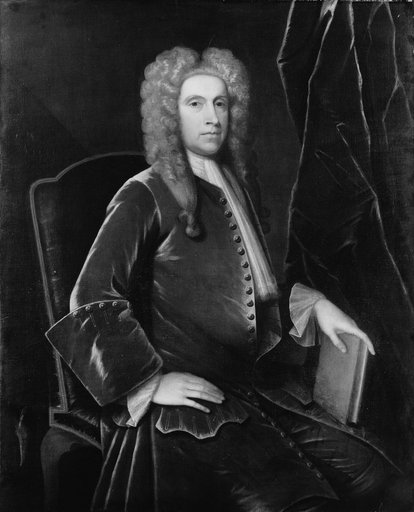
- John Eldred
- Portrait of Katharine Elliot (died 1688), Dresser of Duchess Anne of York and First Woman of the Bedchamber of Queen Mary of Modena, the first and second Wives of James II of England, respectively
- Portrait of a Gentleman, possibly Patrick Sarsfield (d.1693)
- Elias Ashmole
- Elias Ashmole
- Porträt des Elias Ashmole (1617-1692)
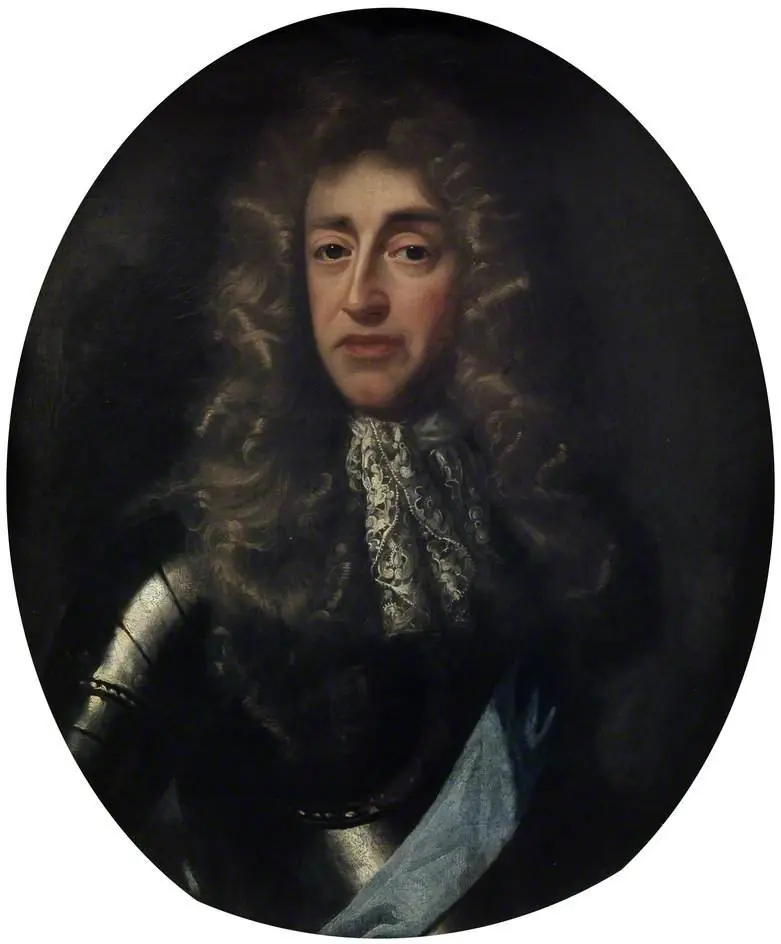 James, Duke of York, Later King James II
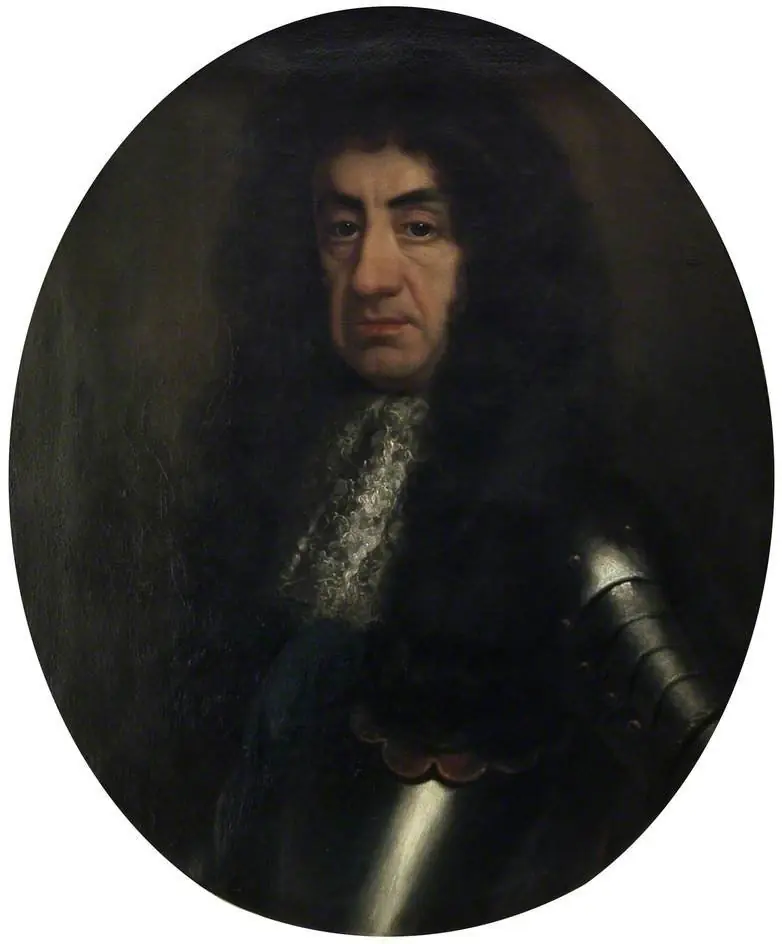 Charles II
Collections represented


Artists in a similar vein