Artwork
John Eldred
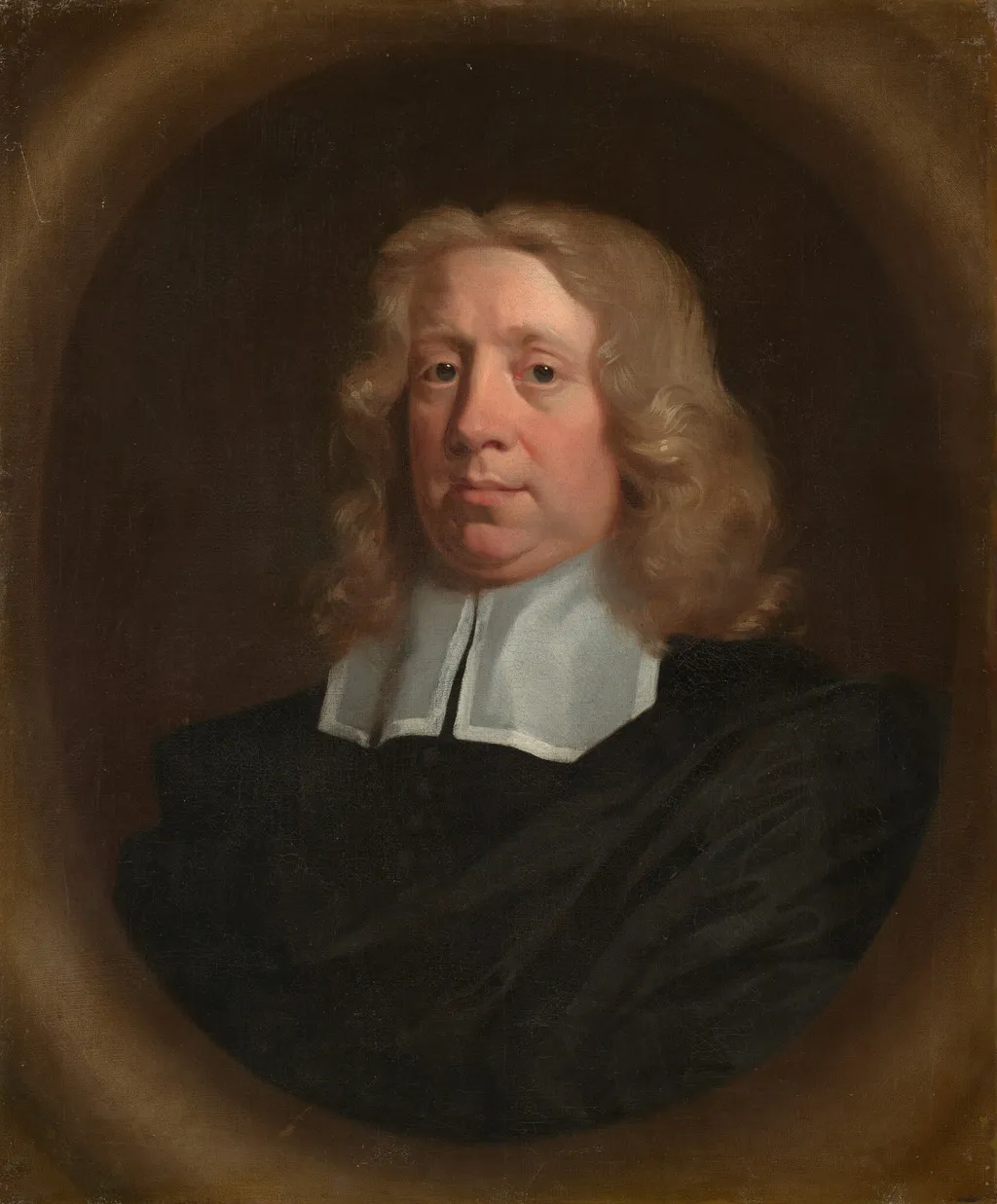
John Eldred is an oil painting by the Baroque artist John Riley. It dates from 1675 and is held in the collection of the National Gallery of Art.
About this work
Technique & Style
John Riley painted John Eldred in oil on canvas in 1675. The work measures 76.2 × 63.5 cm.
As a product of Riley's mature practice, the portrait exemplifies the restrained elegance characteristic of his approach to English portraiture in the late seventeenth century. The handling of oil paint on canvas support reflects the standard technical conventions of the period's British studio practice, prioritizing directness of presentation and tonal clarity over overt display.
History & Provenance
Its ownership history begins with descent to Sir John Ruggles-Brise at Spains Hall, Finchingfield, Essex.
The portrait was completed in 1675 by John Riley.
Its ownership history begins with descent to Sir John Ruggles-Brise at Spains Hall, Finchingfield, Essex. The work appeared at Sotheby’s London on 21 January 1976 as a Kneller, lot 87, and was bought in. It was later acquired privately after the sale by John N. Estabrook of Chicago. Upon Estabrook’s death, the painting passed by bequest to the National Gallery of Art, Washington, through his estate executors, and was presented in 1988 by his sister, Laura Estabrook Romine.
The painting is held by the National Gallery of Art, Washington, D.C., accessioned as 1988.1.1.
It entered the collection in 1988 as a bequest from the Estate of John Nichols Estabrook, presented by his sister Laura Estabrook Romine through the estate executors.
Overview
John Eldred is an oil on canvas portrait executed circa 1675 by the English artist John Riley, a leading portraitist of the late seventeenth century. The work belongs to the period’s Dutch-influenced Baroque tradition and presents a solitary figure against a dark, unadorned backdrop, framed within an oval shape typical of the era.
Subject & Meaning
The sitter is an unidentified gentleman, distinguished by his long, curled hair, neutral expression, and attire consisting of a black robe trimmed with a white collar. Such dress suggests a person of considerable social rank, possibly a clergyman or a member of the English gentry, reflecting the period’s conventions of status representation.
Context
Created at a time when English portraiture was heavily influenced by Dutch and Flemish models, the work reflects the cross‑channel exchange of artistic ideas. The oval format and subdued coloration align with contemporary practices among court and aristocratic patrons seeking dignified yet understated representations of their status.
Own this work as a print
Artist & collection

Artist
John Riley, or Ryley, (1646 – March 1691) was an English portrait painter. He painted portraits of Charles II and James II, and was court painter to William III and Mary II. One of his pupils was Jonathan Richardson.

 John Selden
 Maximus Gerardi
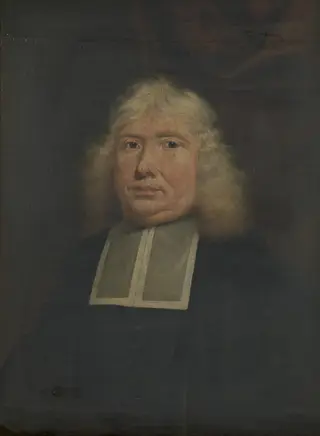 Jan Baptist van Caukercken, Chaplain of the Guild of Saint Luke
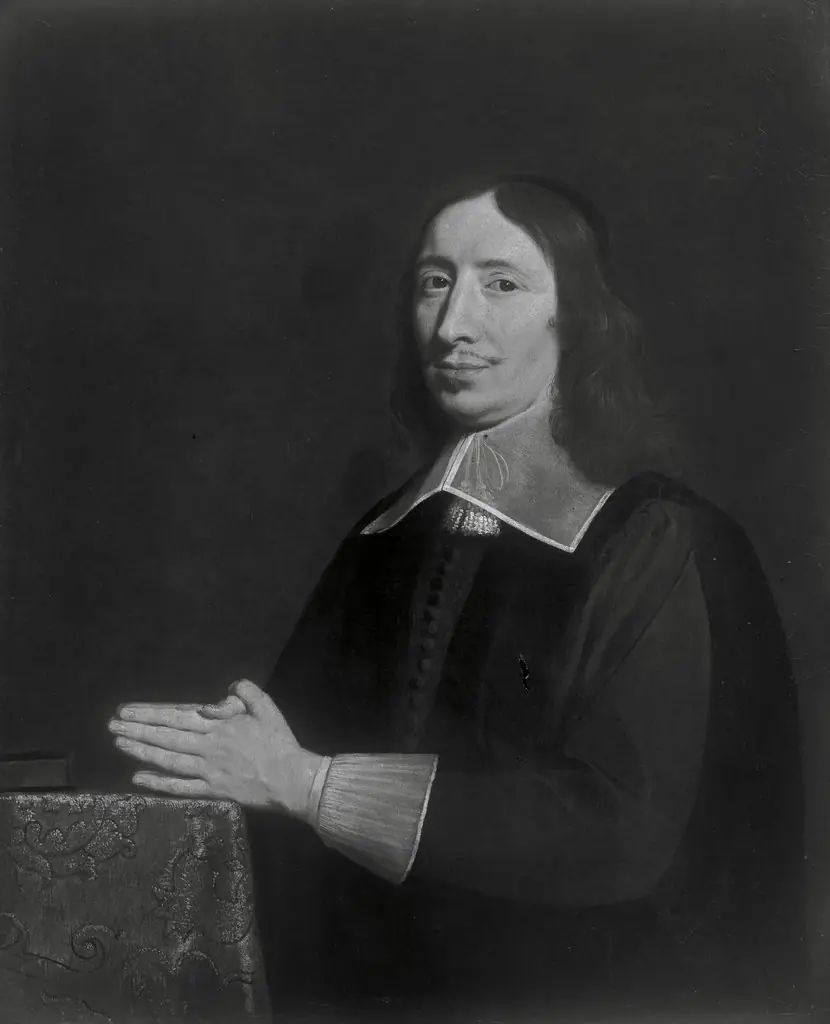 Portrait of a man
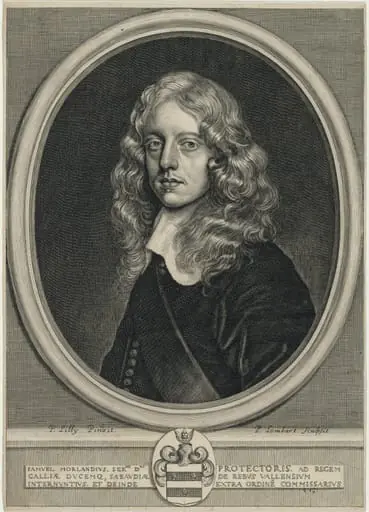 Sir Samuel Morland, Diplomatist and Inventor
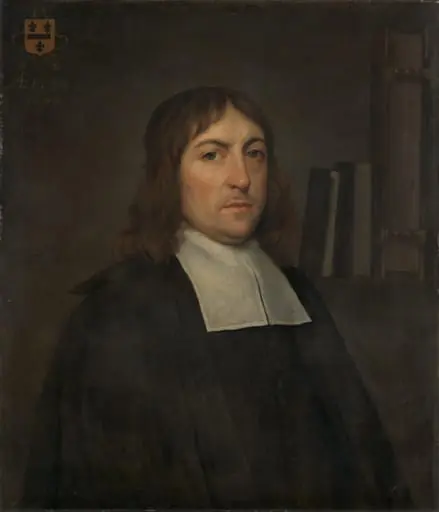 Portrait of Barend Hakvoort (1652-1735)
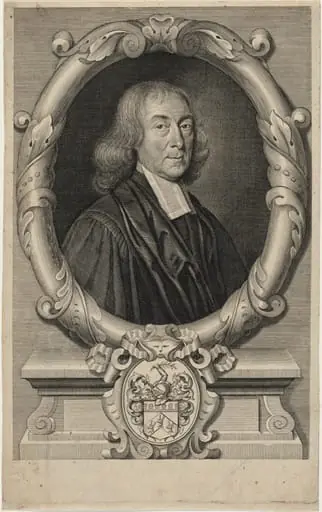 Benjamin Woodroffe, R.R.S., Canon of Christ Church, Oxford
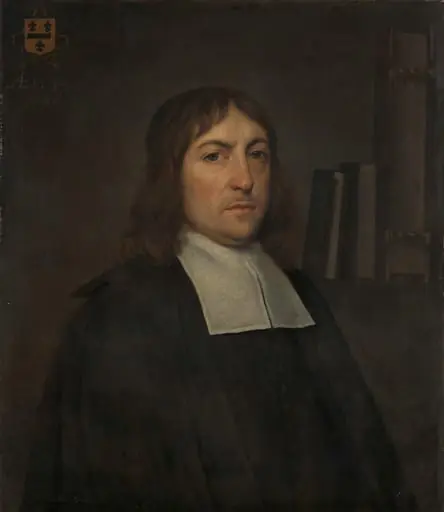 Portrait of Barend Hakvoort (1652-1735)
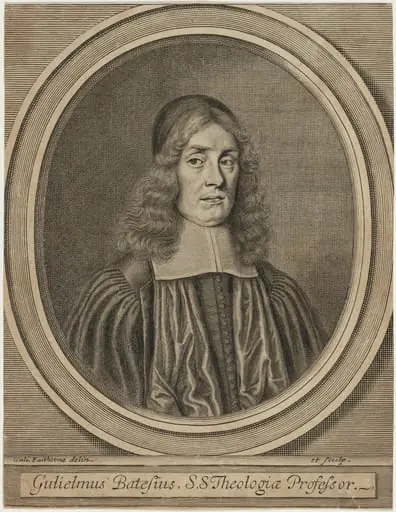 William Bates, D.D.
 Rev. Robert Wynne
 Thomas Tenison, Archbishop of Canterbury
- John Ogilvy