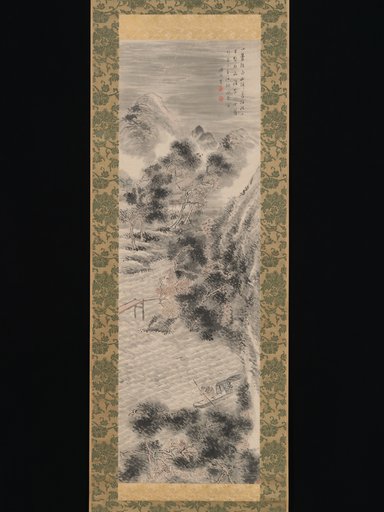
Artist
Kono Bairei

Japan
Kono Bairei is a Japan Impressionism artist. 8 works are cataloged here, principally at Cleveland Museum of Art.
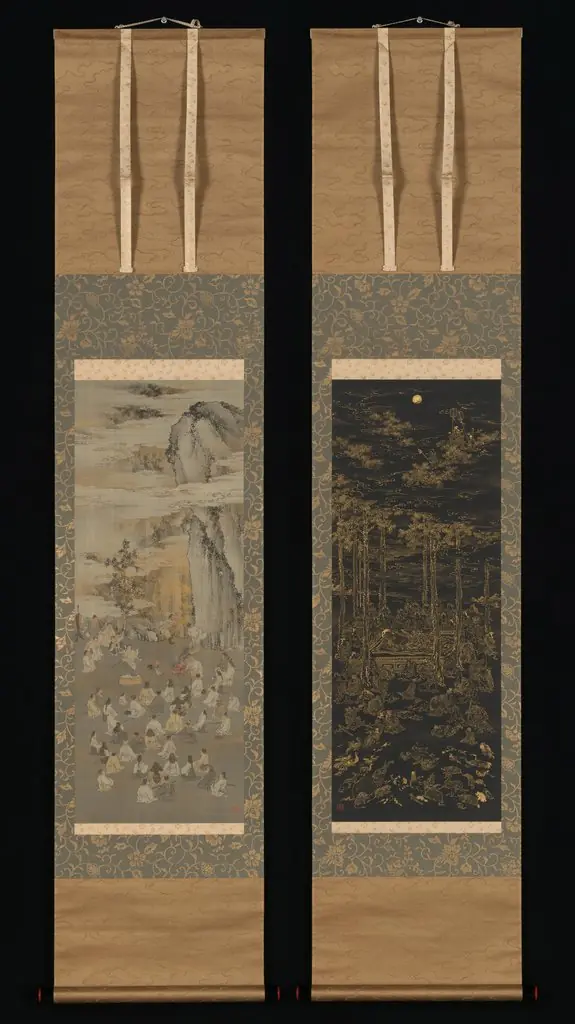
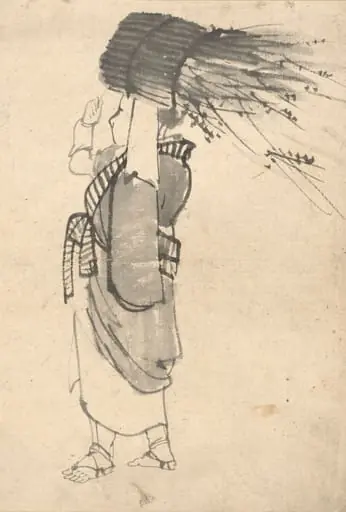
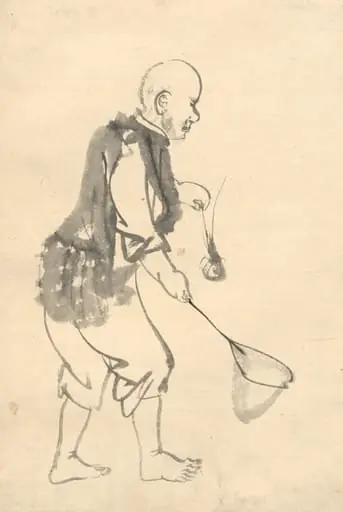
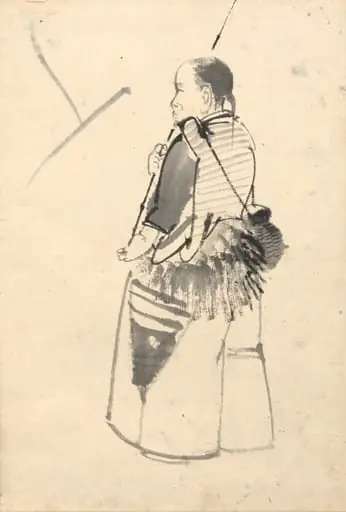
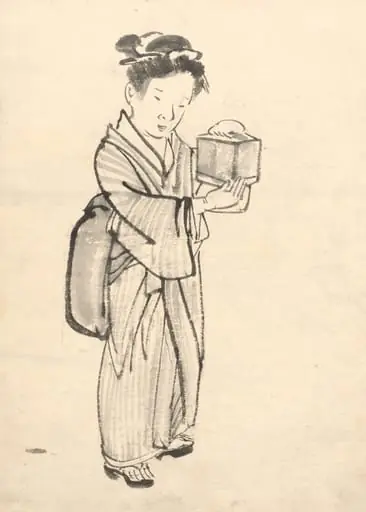
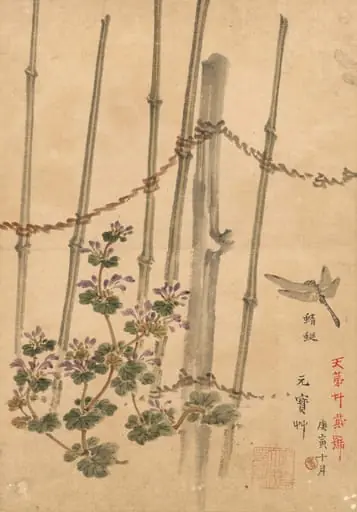
Kōno Bairei (幸野 楳嶺; March 3, 1844 – February 20, 1895) was a Japanese painter, book illustrator, and art teacher. He was born (as Yasuda Bairei) and lived in Kyoto. He was a member of the broad Maruyama-Shijo school and was a master of kacho-e painting (depictions of birds and flowers) in the Meiji period of Japan.
Overview
Kōno Bairei (1844-1895) was a Japanese painter, book illustrator, and art teacher who became one of the leading masters of kachō-e, the depiction of birds and flowers, during the Meiji period. Born Yasuda Bairei in Kyoto, he worked within the broad Maruyama-Shijō school tradition while incorporating touches of Western realism into his work. Beyond his own considerable output in painting and woodblock print design, Bairei exerted enormous influence on the next generation of Japanese artists through his teaching and institutional leadership. His 1881 Album of One Hundred Birds remains a landmark of Meiji-period printmaking, and his students included some of the most celebrated painters of modern Japan.
Biography & dates
Bairei was born on March 3, 1844, in Kyoto, where he lived his entire life. His childhood name was Kakusaburō, and his family name was Yasuda; Kōno was his artistic surname. At the age of eight, in 1852, he began his training under Nakajima Raishō (1796-1871), a painter of the Maruyama school. After Raishō's death, Bairei continued his studies with Shiokawa Bunrin (1808-1877), a master of the Shijō school. He further developed his skills in the Nanga style under Nakanishi Kōseki and Maeda Chōdō. Together with Gennyō, the abbot of Higashi Hongan-ji, he traveled through Kyūshū and central Japan, producing numerous drawings along the way. In 1878, Bairei began preparations for an art school, which opened in 1880 as the Kyoto Prefectural School of Painting. However, he left this institution as early as 1881 and taught students in his own studio until 1891. In 1893, he was appointed to the Art Committee of the Imperial Household, and in 1894 he received the commission to paint rooms at the Higashi Hongan-ji in Tokyo. He died in Kyoto on February 20, 1895. In the 1890s, together with Kubota Beisen, he founded the Kyoto Art Association, one of the city's first art magazines, and an art exhibition.
Style & movement
Bairei's style is deeply rooted in classical Japanese painting traditions, particularly the Maruyama-Shijō school, of which he is considered the last major representative during a period of transition and renewal. His primary subjects were drawn from nature, especially birds and flowers (kachō-ga), though he also painted landscapes and religious themes. His work is characterized by bold brushwork combined with traditional charm and sensitivity, alongside a noticeable touch of Western realism in the three-dimensional rendering of his subjects. This synthesis of Japanese classical technique with Western-influenced naturalism was a hallmark of Meiji-period painting. Bairei worked in both watercolor and woodblock print, the latter becoming increasingly central to his practice through commissions from publishers such as Okura Magobei. His prints, while often employing a limited palette of black, gray, and buff tones in keeping with Meiji taste, achieved remarkable vitality through careful attention to pose, setting, and volumetric form.
Major works
Bairei's most celebrated work is the Bairei Hyakuchō Gafu (Album of One Hundred Birds), published in three volumes in 1881. This collection depicts both native Japanese and exotic birds, rendered with effective three-dimensionality and varied poses amid plants and flowers. Each print required the carving of six or seven woodblocks. In 1883, he published the Bairei Kachō Gafu (Album of Birds and Flowers), depicting seasonal flowers and birds, which was reissued posthumously in 1899. The 1889 volume Inaka no Tsuki presented a wider range of animals on double-page spreads, including felines, fish, mice, insects, and foxes alongside his characteristic birds. The comprehensive Bairei Gakan (Mirror of Bairei), intended to gather his complete print output, was published posthumously beginning in 1903. Specific current locations of individual paintings are not recorded in the available sources, though his prints published works are known to have been marketed internationally. The Brooklyn Museum holds a print titled Owls On Tree Limb in its collection.
Influences & students
Bairei's artistic lineage came through two major Kyoto painting traditions. His first teacher, Nakajima Raishō of the Maruyama school, provided his foundational training from 1852 until Raishō's death in 1871. He then studied with Shiokawa Bunrin of the Shijō school until 1877. Later, he absorbed Nanga painting influences through Nakanishi Kōseki and Maeda Chōdō. Bairei's impact on subsequent generations was arguably even greater through his teaching than his own work. His students included Takeuchi Seihō, who became one of modern Japan's most celebrated painters; Kawai Gyokudō, known for his lyrical kachō and landscape works; Uemura Shōen, the renowned female painter of bijinga and historical subjects; Kikuchi Hōbun; and Tsuji Kakō. Many of these students later came into contact with artists of the Lingnan school from southern China. Through this circle of pupils, Bairei's artistic DNA permeated the development of modern Japanese painting (Nihonga) well into the twentieth century.
Legacy
Bairei was a leading figure in Kyoto art circles, where he organized and promoted artistic activities throughout his mature career. His educational work was particularly significant: the Kyoto Prefectural School of Painting that he helped establish in 1880 laid groundwork for what would become the Kyoto University of the Arts. His international reputation was spread through woodblock prints marketed abroad, making him one of the Japanese artists whose work became known in the West during his lifetime. The posthumous publications of his print albums, beginning with the Bairei Gakan in 1903, ensured continued access to his oeuvre. His numerous art names (gō) beyond Bairei include Shijun, Chōandō, Hoppo, Kakurokuen, Kinsen Charyō, Kōun, Kōun Shinsho, Kumo no ie, Musei Shioku, Nyoi Sanshō, Ōmu, Rokuryū, Sanshu kashitsu, Seika Zembō, Seiryūkan, Shumpurō, and Zaigoan, reflecting the traditional practice of adopting multiple studio names. He is remembered as a crucial bridge between the Edo-period painting traditions and the modern era, and as the teacher who shaped a remarkable generation of Meiji artists.
Works by Kono Bairei
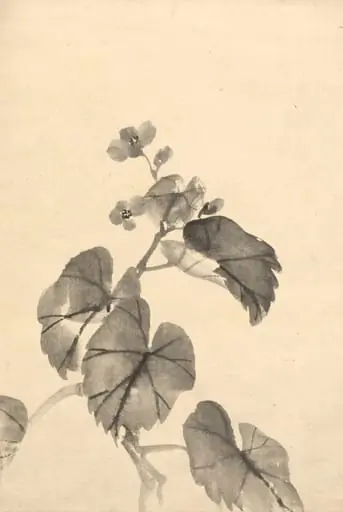
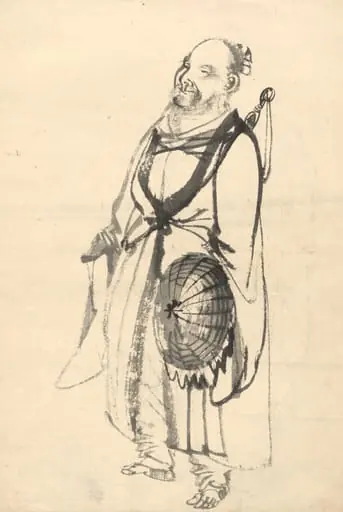
Collections represented


Artists in a similar vein