Artist
Gabriel de Saint-Aubin
France
Gabriel de Saint-Aubin is a France Baroque artist. 51 works are cataloged here, principally at National Gallery of Art.
Gabriel de Saint-Aubin (1750–1750) was an artist.
Overview
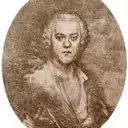
Gabriel-Jacques de Saint-Aubin (14 April 1724-14 February 1780) was a French draftsman, printmaker, etcher, and painter whose work offers one of the most vivid and intimate records of eighteenth-century Parisian life. Born into a prominent family of artists, he abandoned the academic path after repeated setbacks and instead forged an independent career documenting the streets, salons, and social rituals of the French capital. Working across drawing, watercolor, and etching with extraordinary speed and observational precision, Saint-Aubin produced thousands of sketches and prints that capture the energy, wit, and material culture of Enlightenment Paris. His annotated catalogues of art exhibitions and auction sales, together with his views of the Paris Salons, remain indispensable historical documents for scholars of eighteenth-century art.
Style & movement
Saint-Aubin's art resists easy categorization within a single movement, though it bears the marks of Rococo sensibility in its lightness, wit, and attention to social pleasure. His true distinction lies in a documentary impulse executed with dazzling technical virtuosity. Working rapidly in pencil, black and red chalk, bistre, ink, and watercolor, often combining these media within a single sheet, he achieved effects of spontaneous energy that belie their precision. His line was swift yet controlled, capturing the telling gesture or architectural detail with a journalist's instinct. Saint-Aubin worked on an intimate, small scale, filling sketchbooks and even the margins of printed books with observations of theatrical performances, public promenades, auction rooms, and street life. His etchings, such as his views of the Salon Carré at the Louvre, display the same restless observation translated into print. He also worked in oil and in a mixed technique combining oil and watercolor. The overall effect is one of immediacy and engagement, a sense of being present at the moment of observation, whether recording the crowning of Voltaire at the Théâtre-Français in 1778 or the fire at the Foire Saint-Germain in 1762.
Major works
Saint-Aubin's most celebrated achievement is his series of documentary views of the Paris Salons held in the Louvre's Salon Carré. His etching Vue du Salon du Louvre en l'année 1753 captures the densely hung walls and anticipatory crowds of this pivotal exhibition space. He returned to this subject repeatedly, producing watercolors and etchings of the Salons of 1767 and 1769, now in the Louvre. Among his paintings, A Street Show in Paris (c. 1760) is held by the National Gallery in London, while La Parade du boulevard is in the same collection. Une Fête au Colisée (1772, black chalk and watercolor, 17 × 23 cm) belongs to the Wallace Collection in London. The Louvre holds several significant works including Laban cherchant ses idoles, Le Rêve ou Voltaire composant La Pucelle, Nabuchodonosor et Sédécias, and a remarkable oil-on-paper view of the Salon of 1779 (19 × 44 cm). The Musée des Beaux-Arts in Rouen preserves a substantial group of his paintings including Allégorie au médaillon, Artiste bossu, Cabinet de l'amateur, Le Christ et la Samaritaine, Le Triomphe de l'amour sur tous les dieux, Leçon de danse, Les Singes francs-maçons, Mattathias renversant les idoles, and several portraits. The Louvre also holds an exceptional sketchbook acquired in 1941, comprising 108 pages with 103 illustrated and annotated between 1759 and 1778, published in facsimile in 2017 as Livre de croquis de Gabriel de Saint-Aubin.
Influences & students
Saint-Aubin's formal training came from several of the most significant artists of mid-century France. Étienne Jeaurat, his primary teacher at the Académie Royale, was known for genre scenes and portraits that may have encouraged Saint-Aubin's own turn toward contemporary life. Hyacinthe Collin de Vermont provided further academic grounding, while François Boucher, the preeminent Rococo decorator, offered exposure to a more fluid and decorative handling. The failure of this academic preparation to secure Saint-Aubin institutional success pushed him toward an independent path. His artistic circle centered on the Académie de Saint-Luc, where he exhibited and taught, though specific pupils are not recorded in the sources. His brothers Charles Germain de Saint-Aubin, an embroiderer and draftsman, and Augustin de Saint-Aubin, an engraver, formed part of a dense family network of artistic production. His niece Marie-Françoise, daughter of Charles, also became an artist. The annotated sale catalogues long attributed to Gabriel were in fact executed by his brother Charles-Germain, indicating how closely their hands and Drawings practice intertwined.
Legacy
At his death, Saint-Aubin left behind approximately one hundred annotated catalogues and livrets, of which about a third survive, now held by the Bibliothèque Nationale in Paris and the Museum of Fine Arts in Boston. These include the livrets for the Salons of 1761, 1769, and 1777, and catalogues for the sales of Louis-Michel van Loo (1772), Charles Natoire (1778), and Pierre-Jean Mariette (1775). Together with his etchings and Salon watercolors, they constitute an irreplaceable archive of eighteenth-century exhibition practice and art market activity. Major institutional holdings of his work include the Metropolitan Museum of Art, the J. Paul Getty Museum, the National Gallery of Art in Washington, and the Bibliothèque nationale de France. The Metropolitan Museum of Art mounted a major exhibition, Paris through the Eyes of Saint-Aubin, from September 26, 2024 to February 4, 2025, attesting to his continued scholarly relevance. Despite his older brother's harsh assessment, Saint-Aubin is now recognized as one of the sharpest and most affectionate witnesses to the pleasures and passions of Enlightenment Paris, an artist whose apparent modesty of scale and subject conceals an ambition to record his world in its entirety.
Works by Gabriel de Saint-Aubin
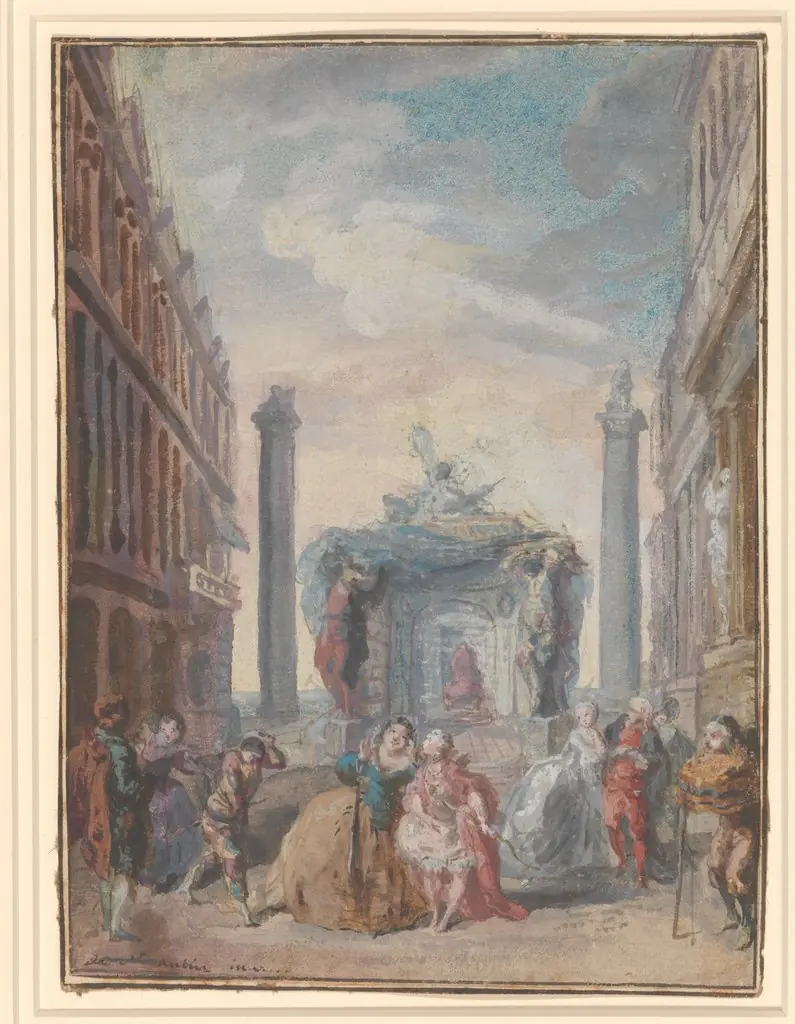 Les fêtes vénitiennes
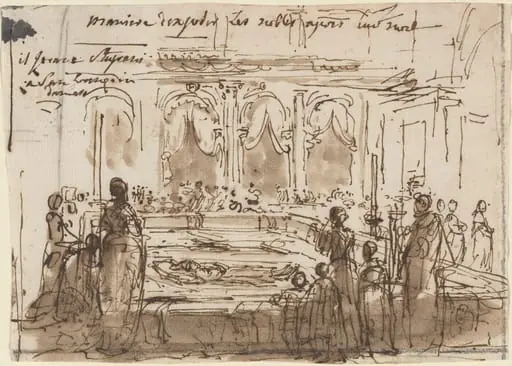 Maniere d'exposer les nobles apres leur mort
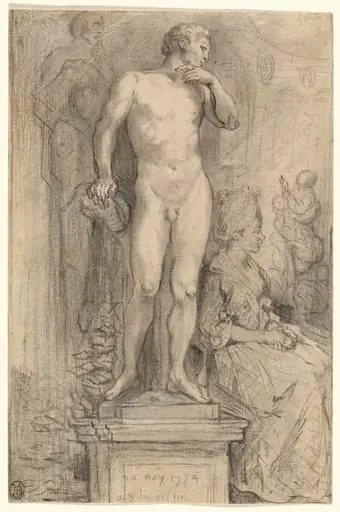 Rendezvous in the Palais Royal
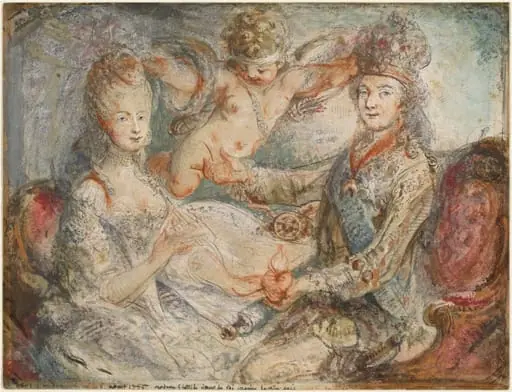 Louis XVI and Marie-Antoinette Crowned by Love
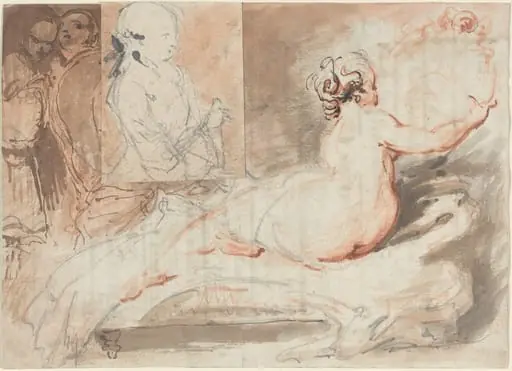 Figure Sketches
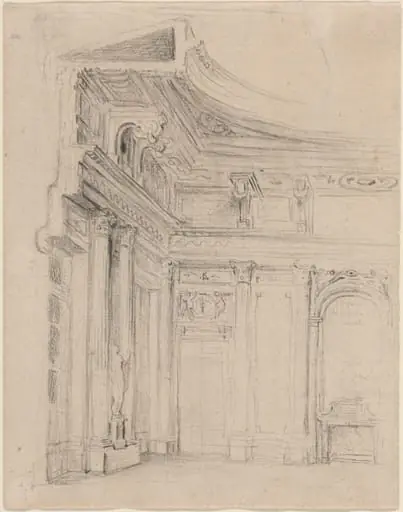 Corner of a Drawing Room
 Allegorical Frame with a Bat
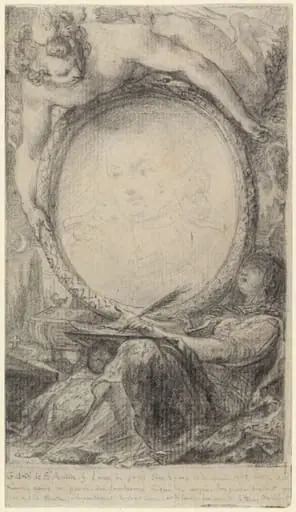 Allegorical Frame with a Genius and a Veiled Woman Writing
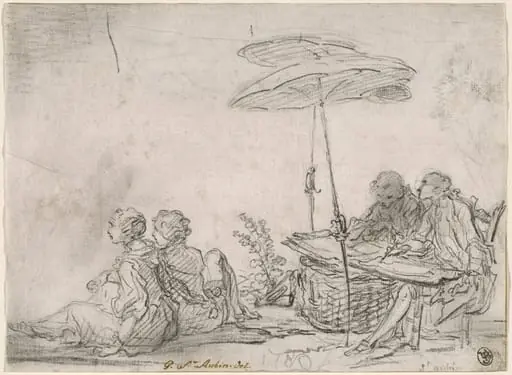 Draftsmen Outdoors
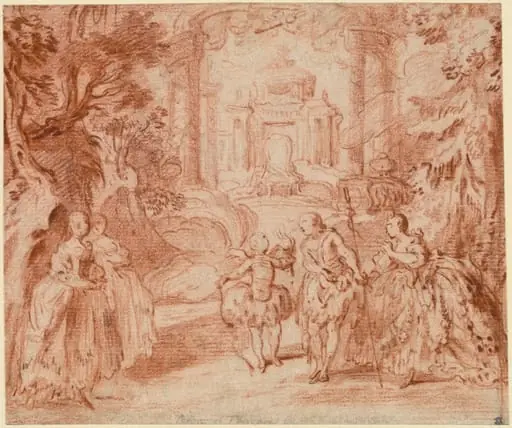 The Divertissement from Voltaire's "La princesse de Navarre"
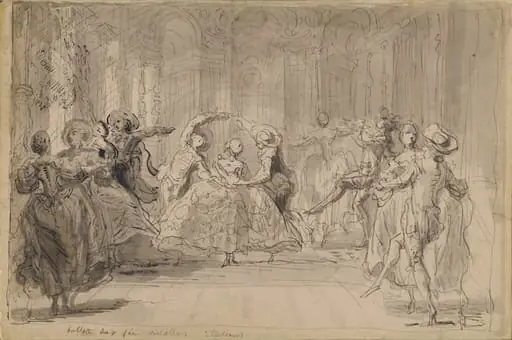 Ballet from "The Rival Fairies"
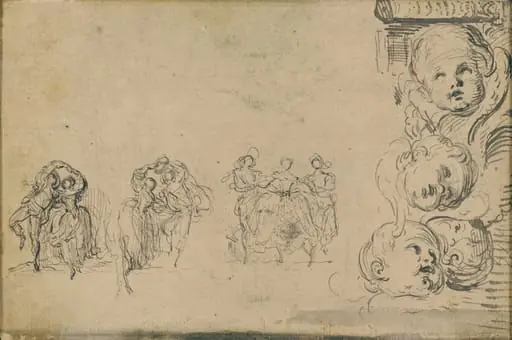 Sketches of Dancers and Heads of Putti
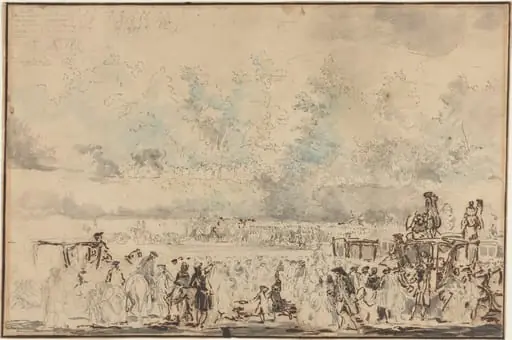 Royal Review of the Troops
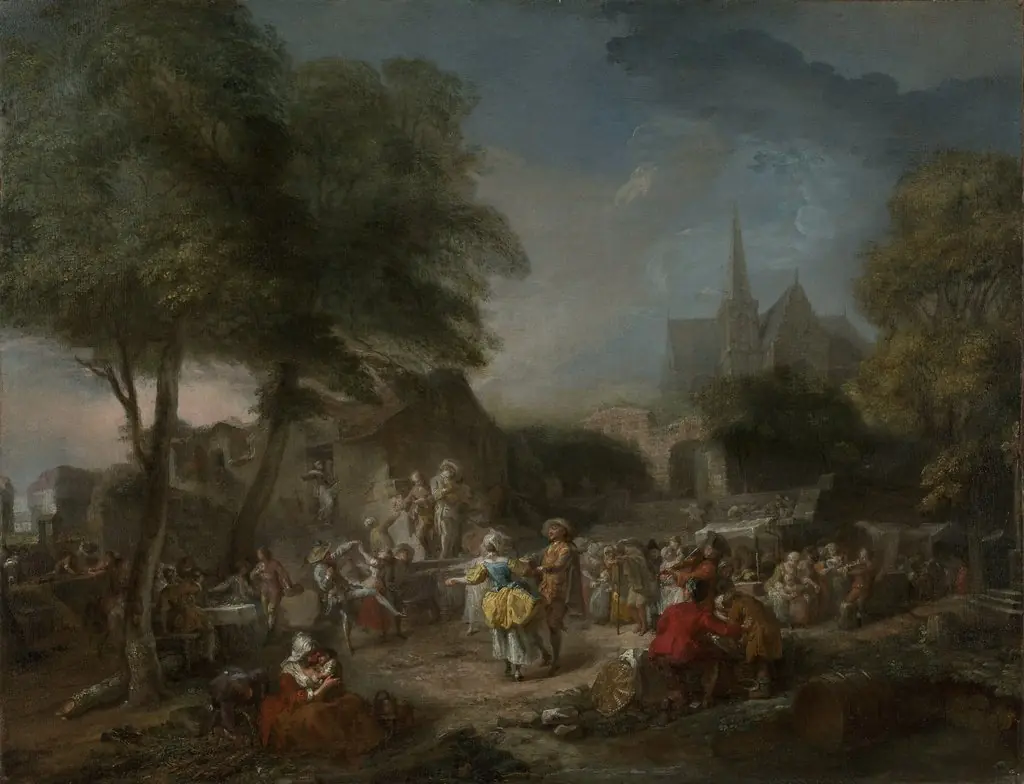 The Country Dance
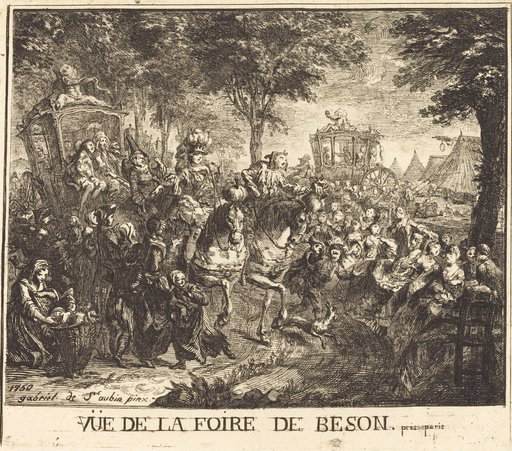
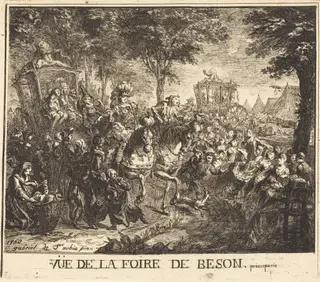 Vue de la foire de Beson (The Fair at Bezons)
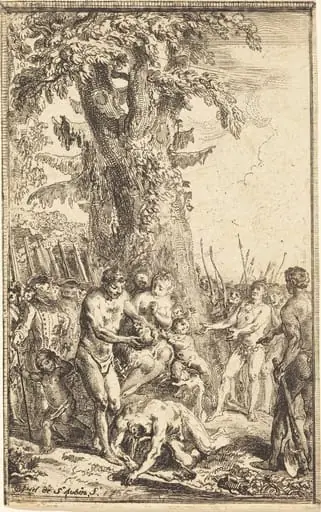 Heroic Act of a Father Who Sacrifices for His Son (Trait heroique d'un pere qui se sacrifie pour son fils)
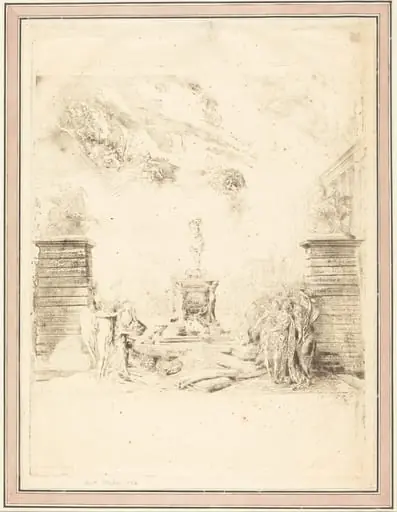 Allégorie sur l'Erection de la Statue de Louis XV (Allegory on the Establishment of a Statue of Louis XV)
![Les chaises [lower half]](https://artifactworldgallery.com/img/gabriel-de-saint-aubin--les-chaises-lower-half--64ee3834eccfb109-w320.webp) Les chaises [lower half]
Les chaises [lower half]![Le tonneau d'arrosage [upper half]](https://artifactworldgallery.com/img/gabriel-de-saint-aubin--le-tonneau-d-arrosage-upper-half--a57323e669478730-w320.webp) Le tonneau d'arrosage [upper half]
Le tonneau d'arrosage [upper half]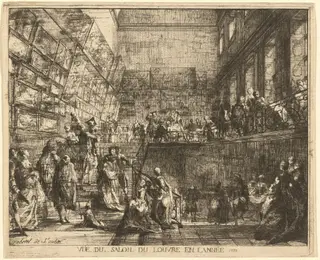 Vue du Salon du Louvre en l'année 1753 (View of the Salon in the Year 1753)
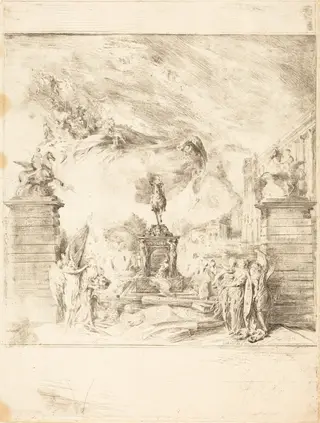 Allégorie sur l'Erection de la Statue de Louis XV (Allegory on the Establishment of a Statue of Louis XV)
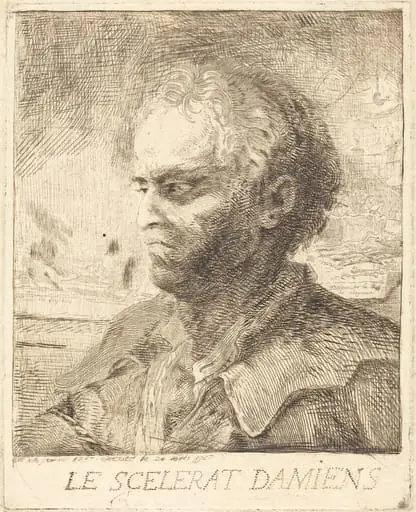 Le Scélérat Damiens
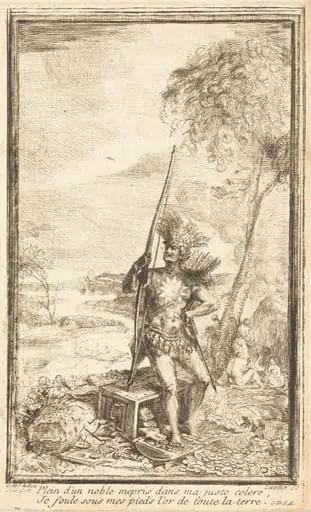 Frontispiece: Allegorical Composition (Composition allegorique)
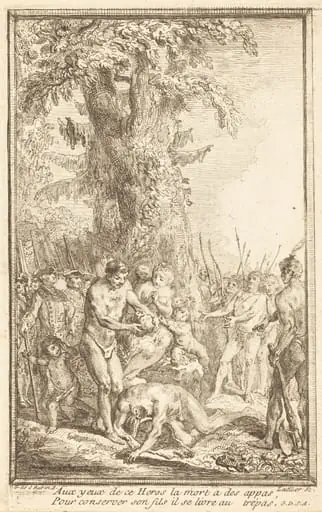 Heroic Act of a Father Who Sacrifices for His Son (Trait heroique d'un pere qui se sacrifie pour son fils)
51 works in the catalog · 24 shown
Collections represented


Artists in a similar vein