Artist
Jean Honoré Fragonard

French, 1732–1806
Jean Honoré Fragonard was a French Romanticism painter. 132 works are cataloged here, principally at National Gallery of Art, most of them oil paintings. Jean Honoré Fragonard was born in Grasse.
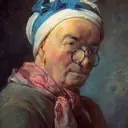
Jean-Honoré Fragonard was born on 5 April 1732 in Grasse, the son of a glover, and moved with his family to Paris in 1738. After brief notarial training, he entered the studio of Jean-Baptiste-Siméon Chardin and then, around 1748, became a pupil of François Boucher, whose Rococo manner deeply influenced him. In 1752 he won the Prix de Rome with Jeroboam Sacrificing to the Golden Calf, which led to three years at the École Royale des Élèves Protégés and then a pensioner's stay at the French Academy in Rome from 1756 to 1761.
There he copied Baroque masters, toured Italy with Hubert Robert and the Abbé de Saint-Non, and absorbed the coloristic freedom of Venetian painting. Returning to Paris, he achieved a sensational success in 1765 when the Royal Academy accepted his history painting Coresus and Callirhoë, now in the Louvre; King Louis XV purchased it, and expectations ran high that Fragonard would rescue official history painting. Instead, he turned to smaller cabinet pictures and private commissions, cultivating a loose, rapid brushwork and shimmering palette perfectly suited to gallant subjects.
In 1767 he painted The Swing, now in the Wallace Collection in London, depicting a young woman on a swing whose pink shoe flies toward a hidden lover while an older man pushes from the shadows. Around 1770 he produced A Young Girl Reading, a saffron-robed figure absorbed in a book, now at the National Gallery of Art in Washington, part of his so-called figures de fantaisie painted with bravura strokes. In 1777 he completed The Lock, or The Bolt, a charged interior scene of lovers securing a door, which entered the Louvre.
He married the miniaturist Marie-Anne Gérard in 1769, traveled to Italy again in 1773–74 as companion to the fermier général Bergeret de Grancourt, and later attempted to adapt his style to Neoclassicism. After the French Revolution his work fell from fashion; he held administrative posts at the Louvre but died in relative obscurity in Paris on 22 August 1806, leaving more than five hundred paintings and thousands of drawings.
Works by Jean Honoré Fragonard
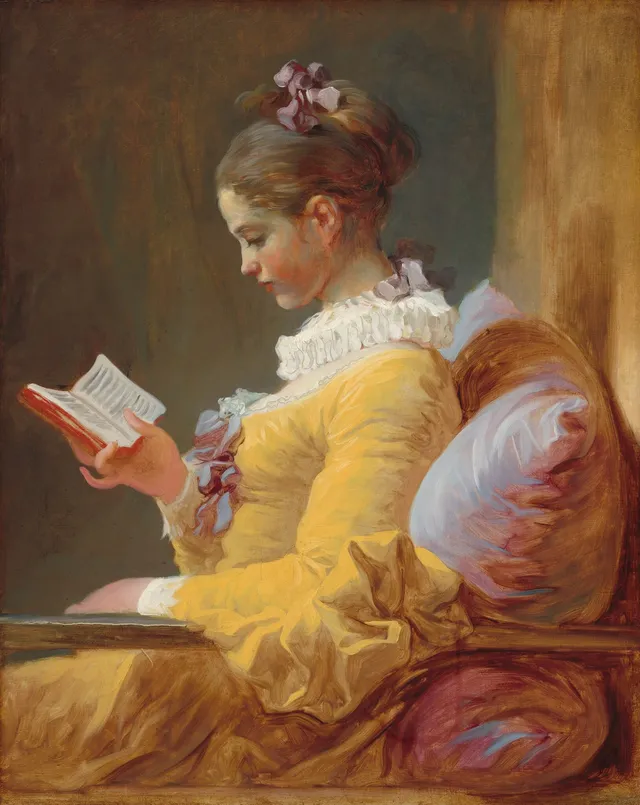 Young Girl Reading
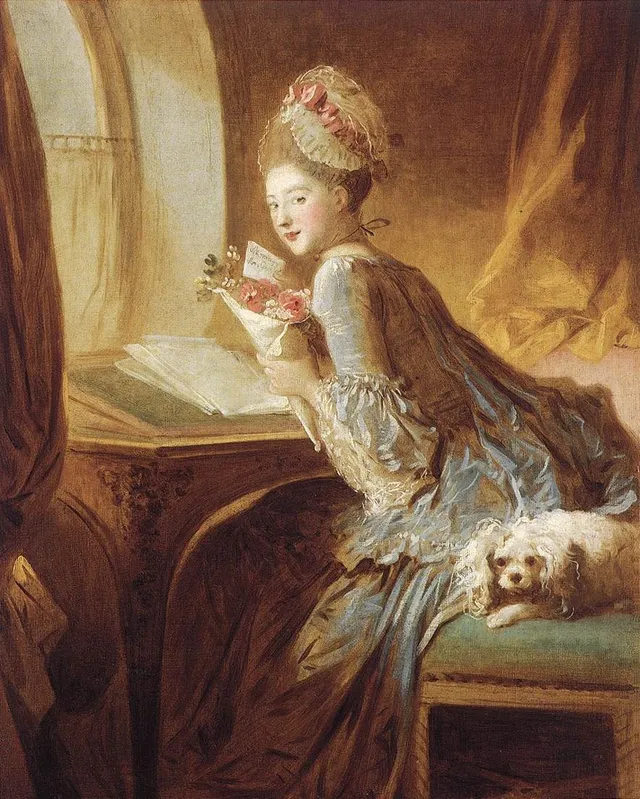 The Love Letter
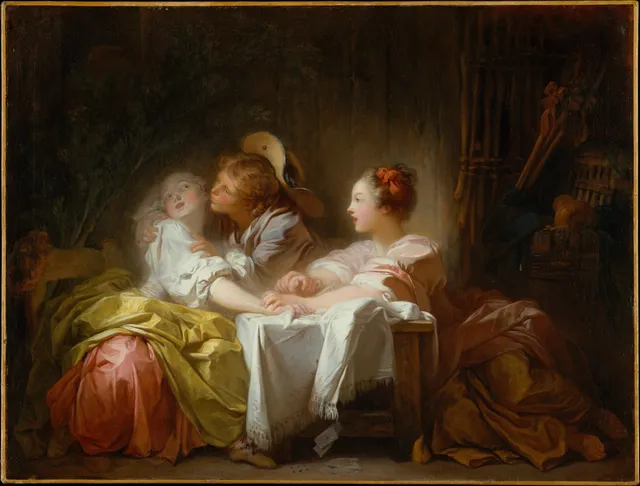 The Stolen Kiss
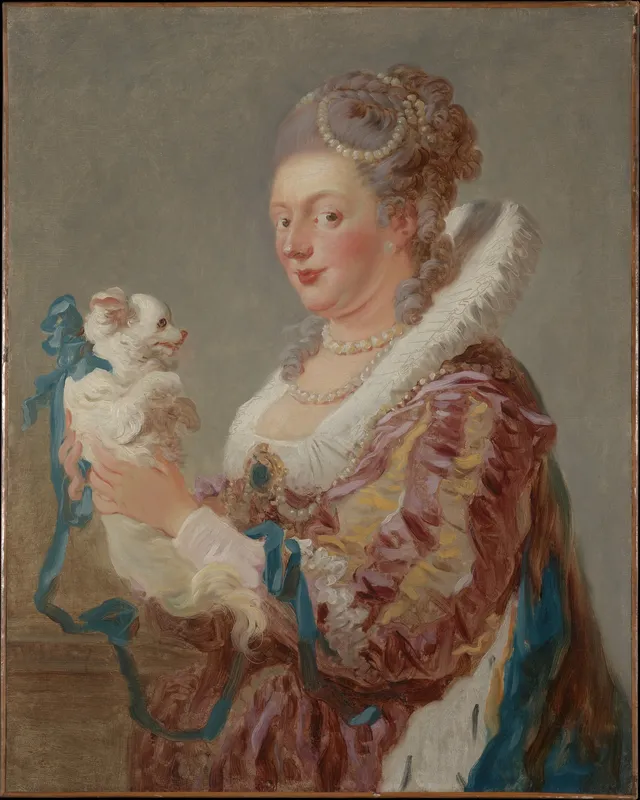 A Woman with a Dog
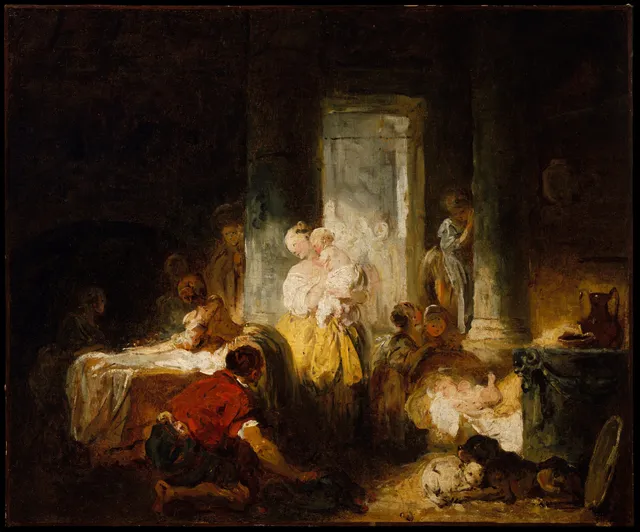 The Happy Mother
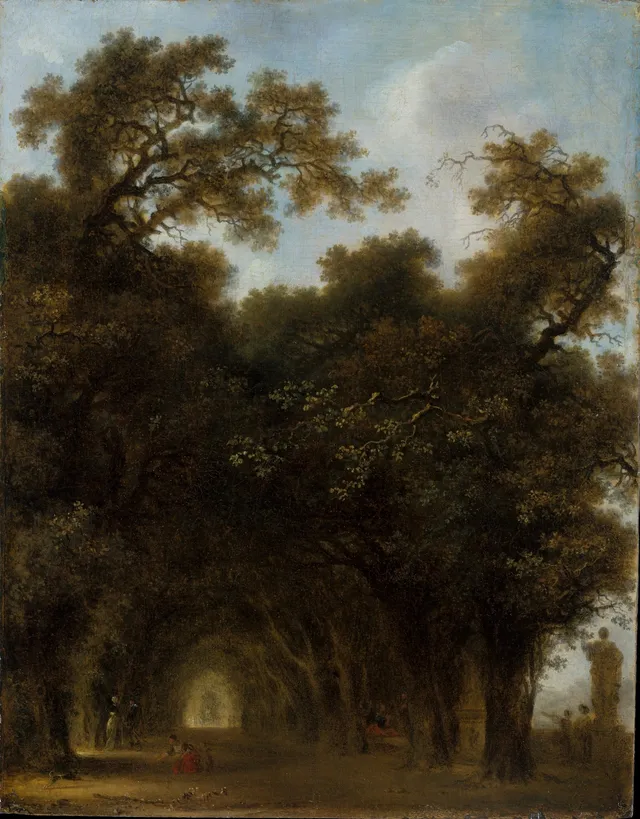 A Shaded Avenue
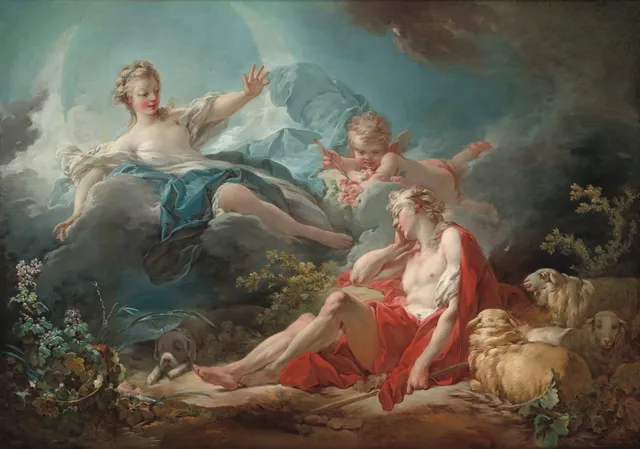 Diana and Endymion
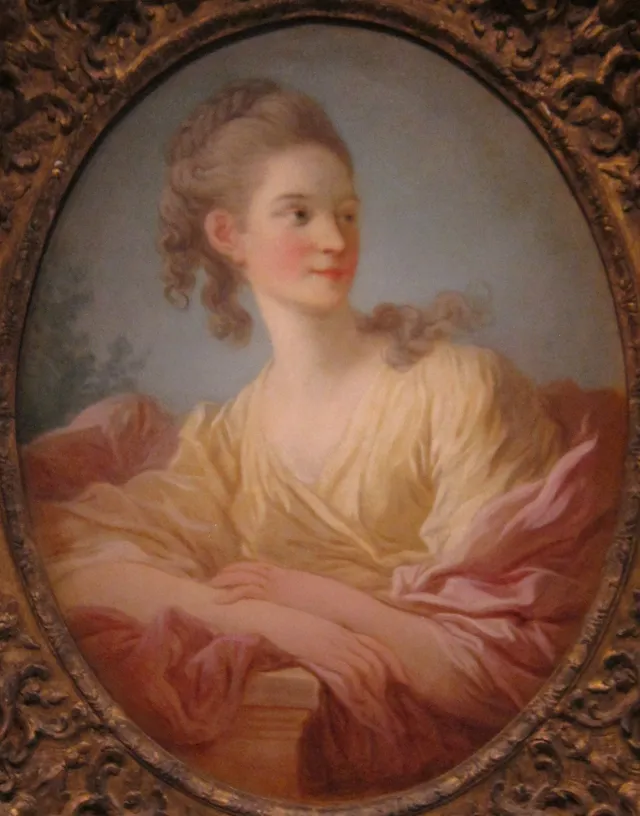 Portrait of a Young Woman, said to be Gabrielle de Caraman, Marquise de la Fare
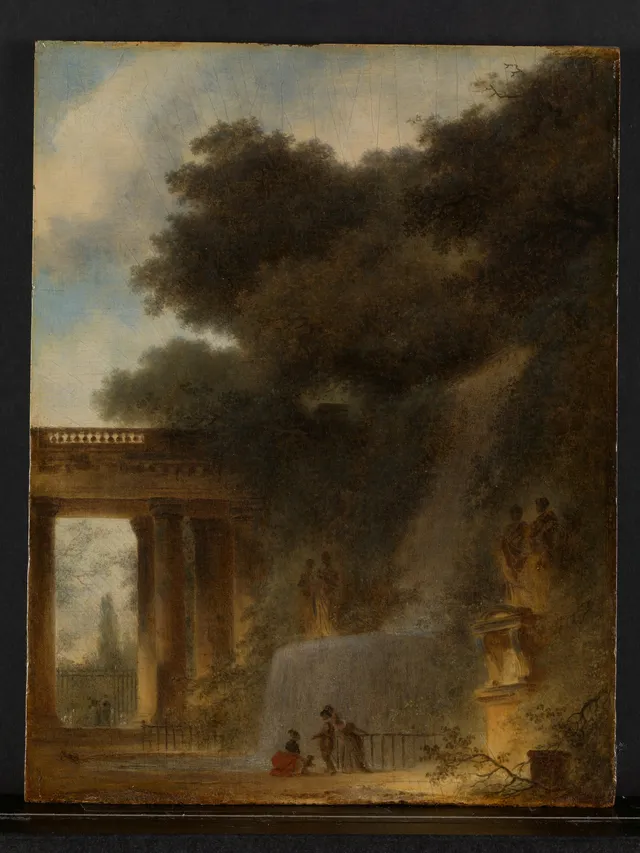 The Cascade
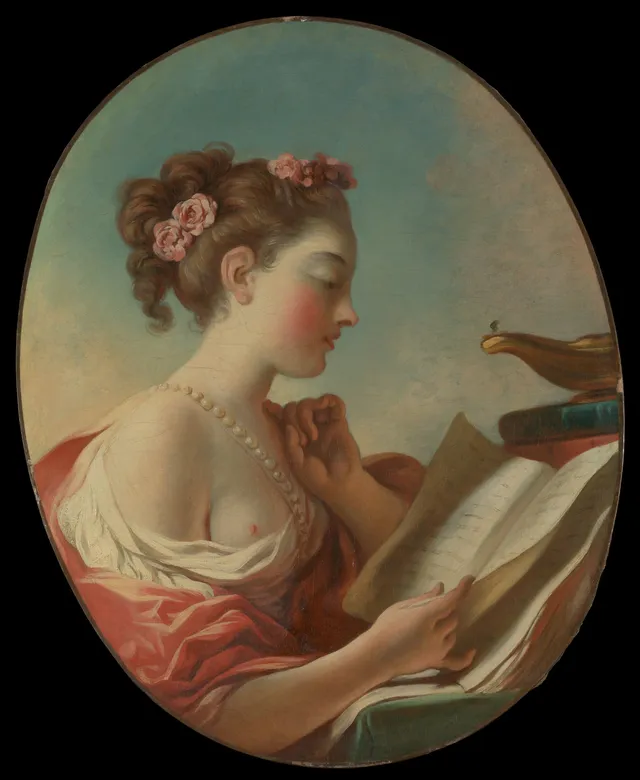 Young Woman Reading
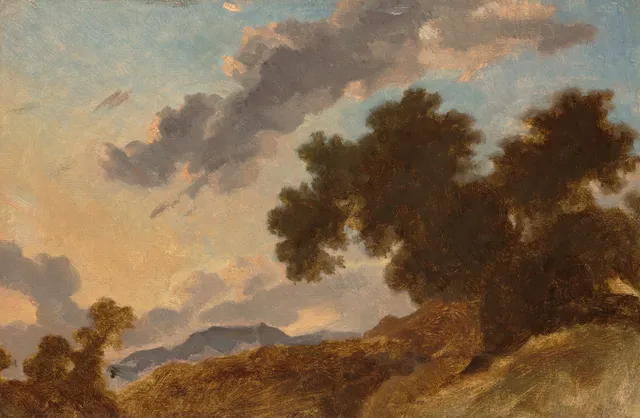 Mountain Landscape at Sunset
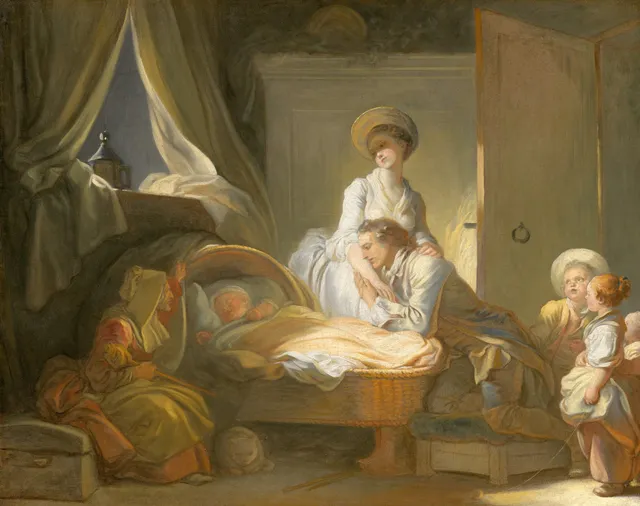 The Visit to the Nursery
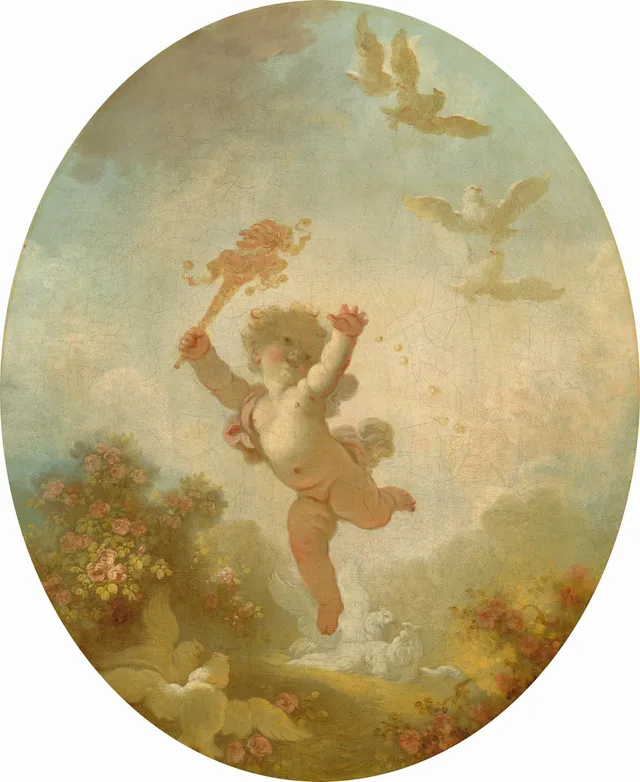 Love as Folly
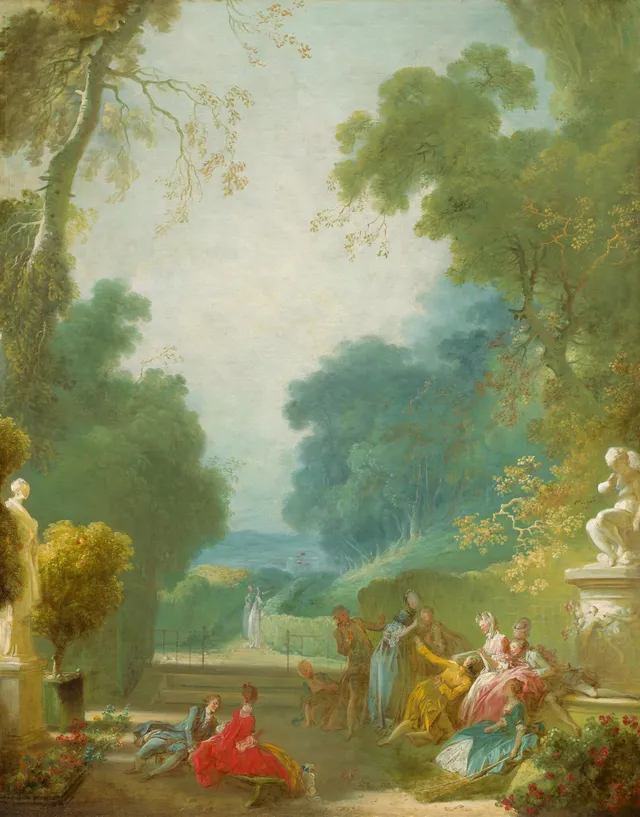 A Game of Hot Cockles
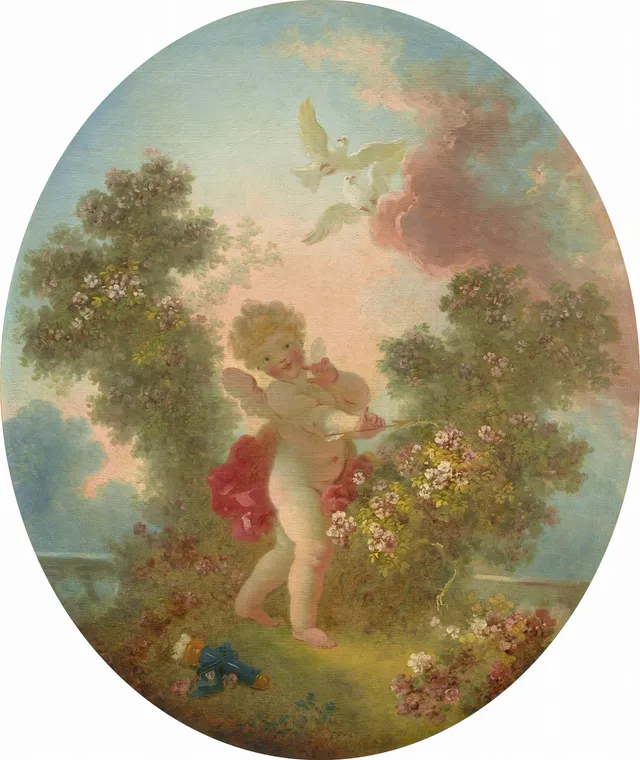 Love the Sentinel
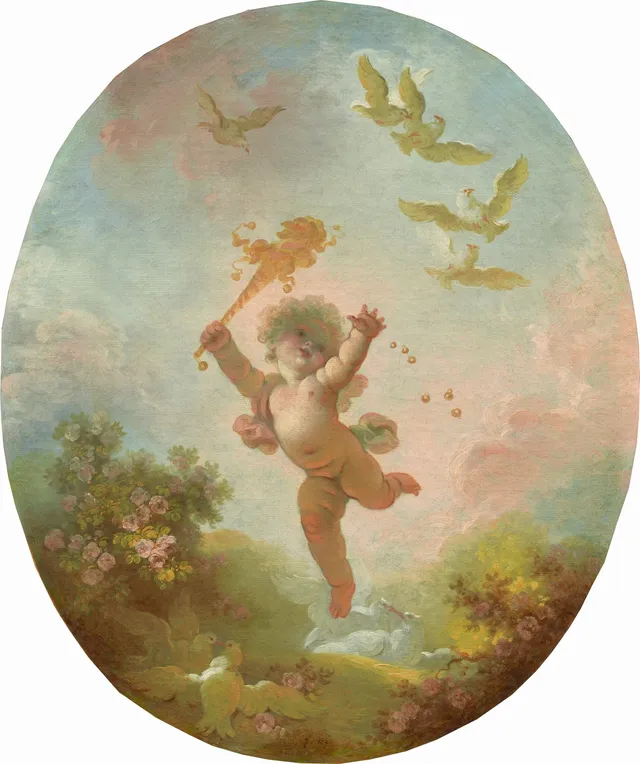 Love as Folly
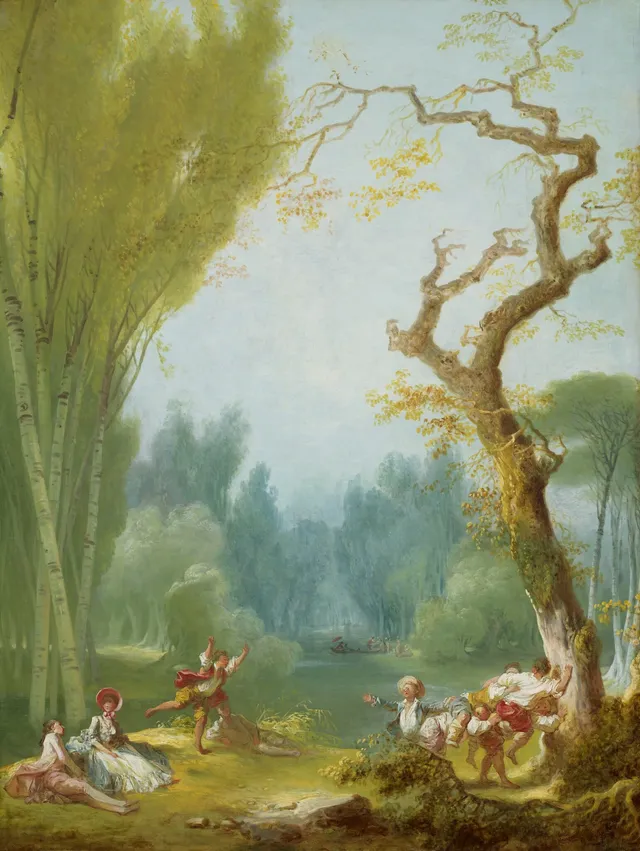 A Game of Horse and Rider
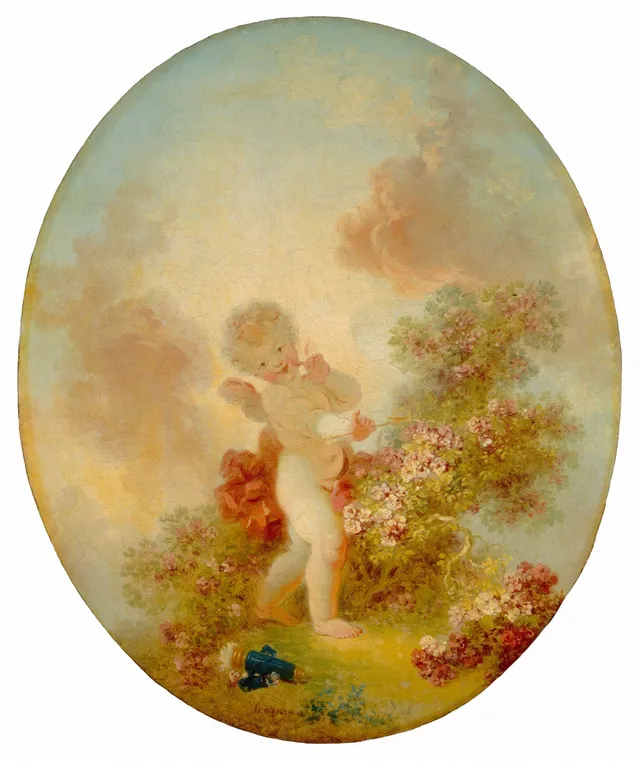 Love the Sentinel
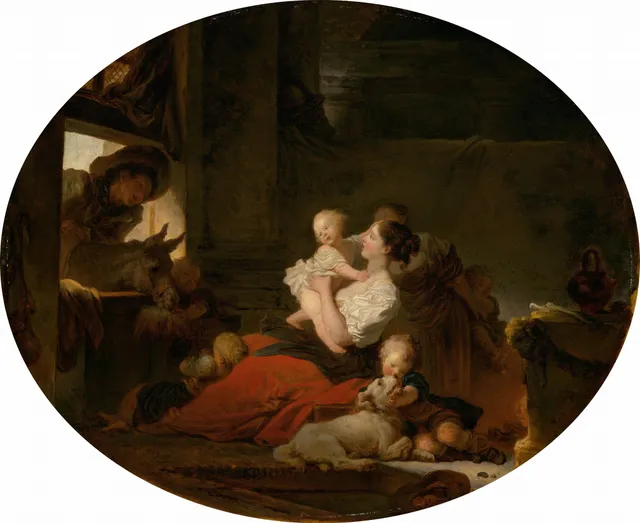 The Happy Family
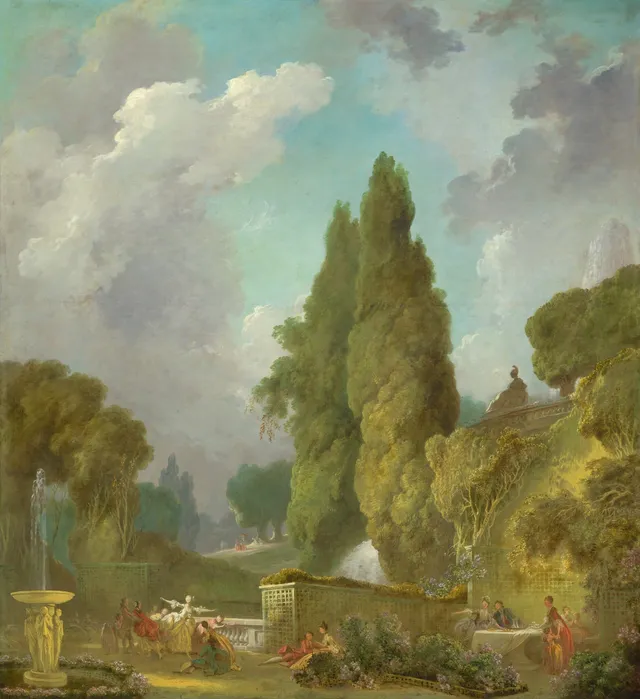 Blindman's Buff
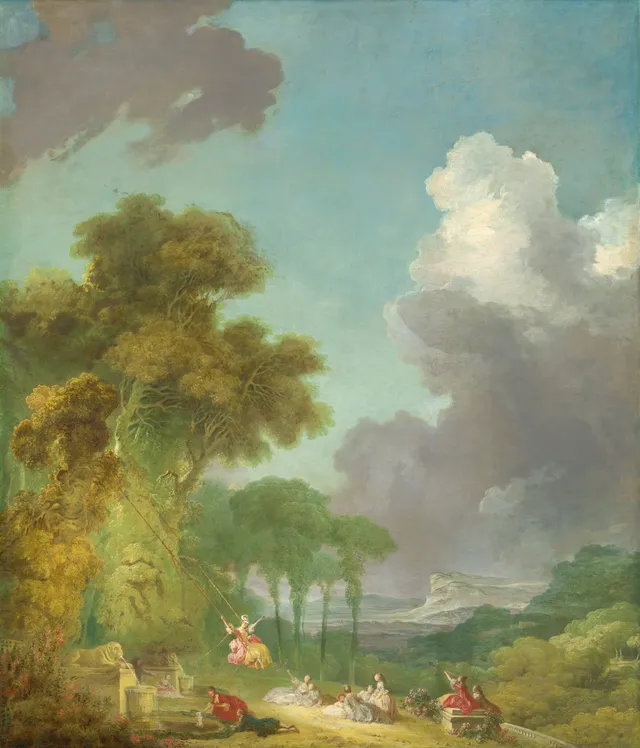 The Swing
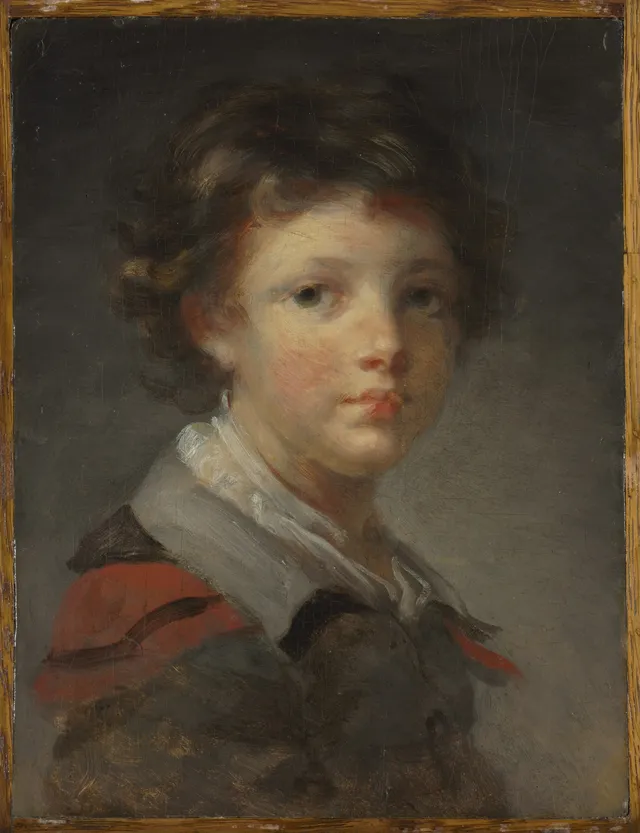 A Boy in a Red-lined Cloak
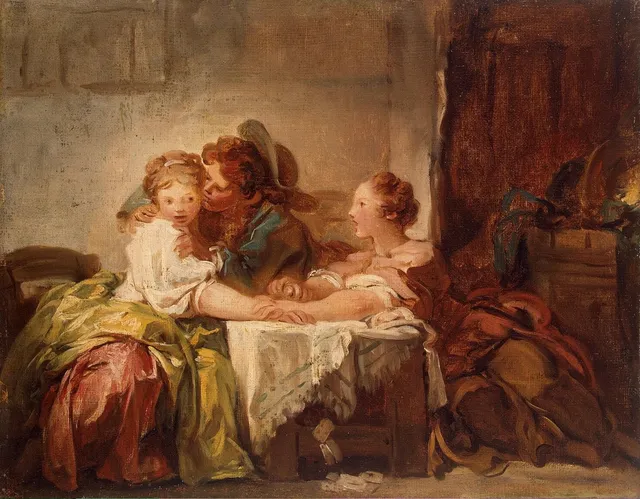 The Captured Kiss
Collections represented


Moments involving Jean Honoré Fragonard
Featured in a course
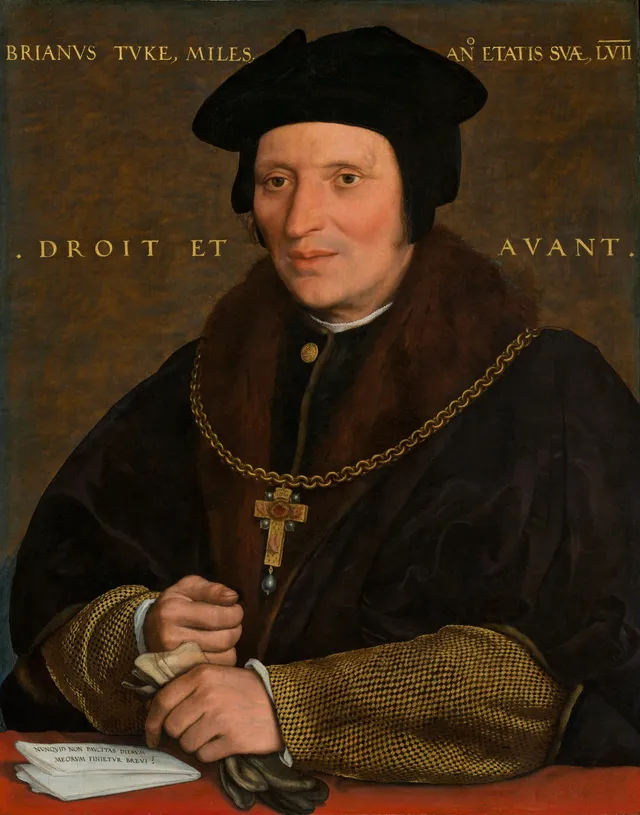
Artists in a similar vein