Artwork
Matthaeus Yrsselius (1541-1629), Abbot of Sint-Michiel's Abbey in Antwerp
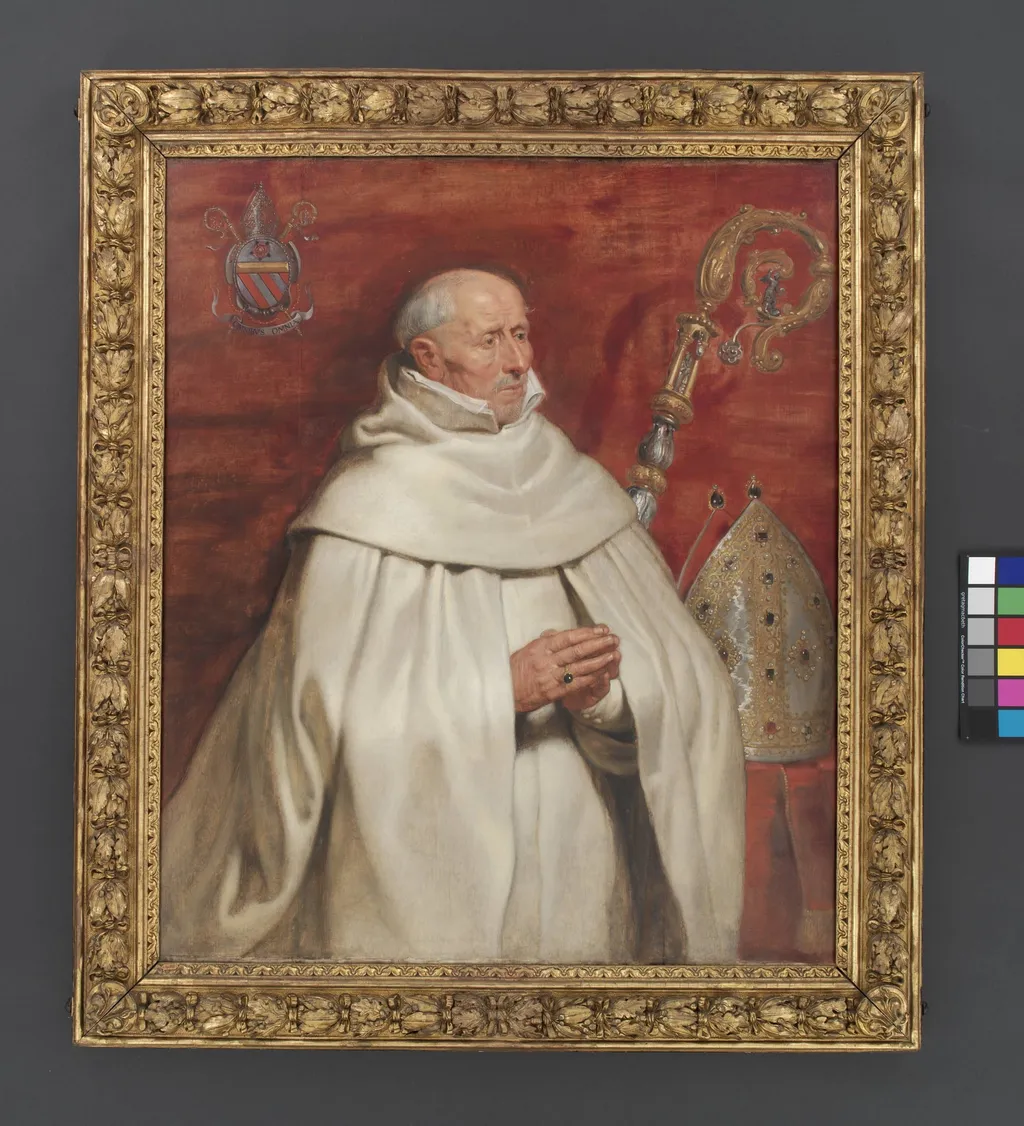
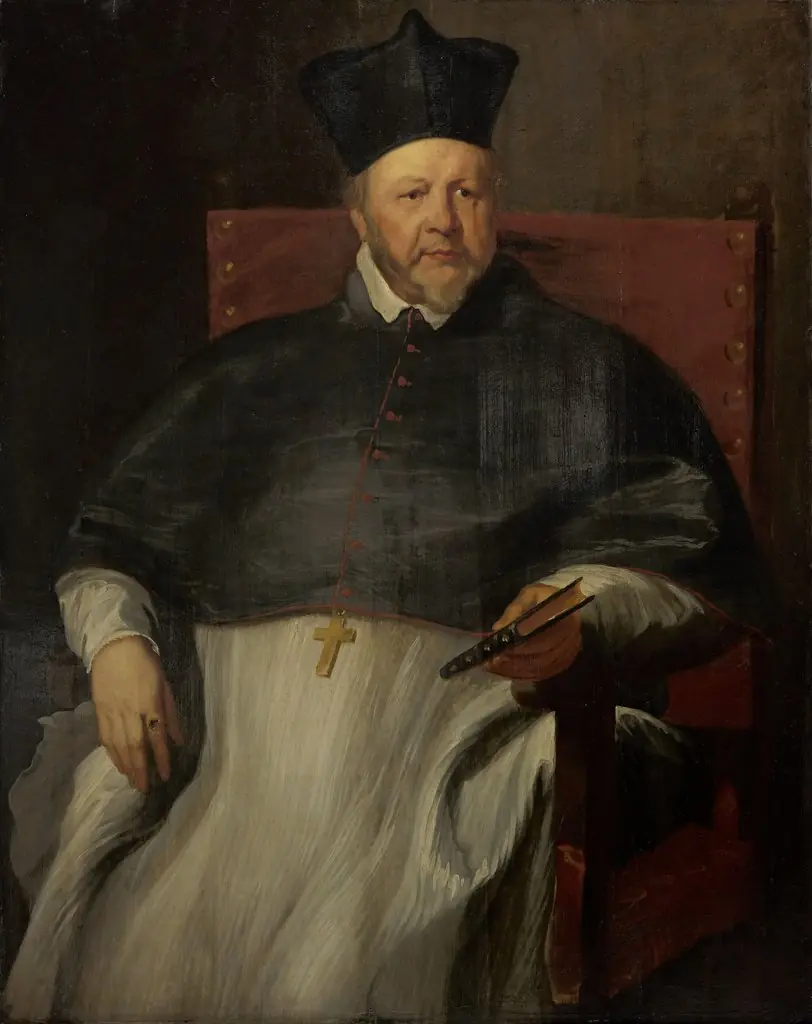
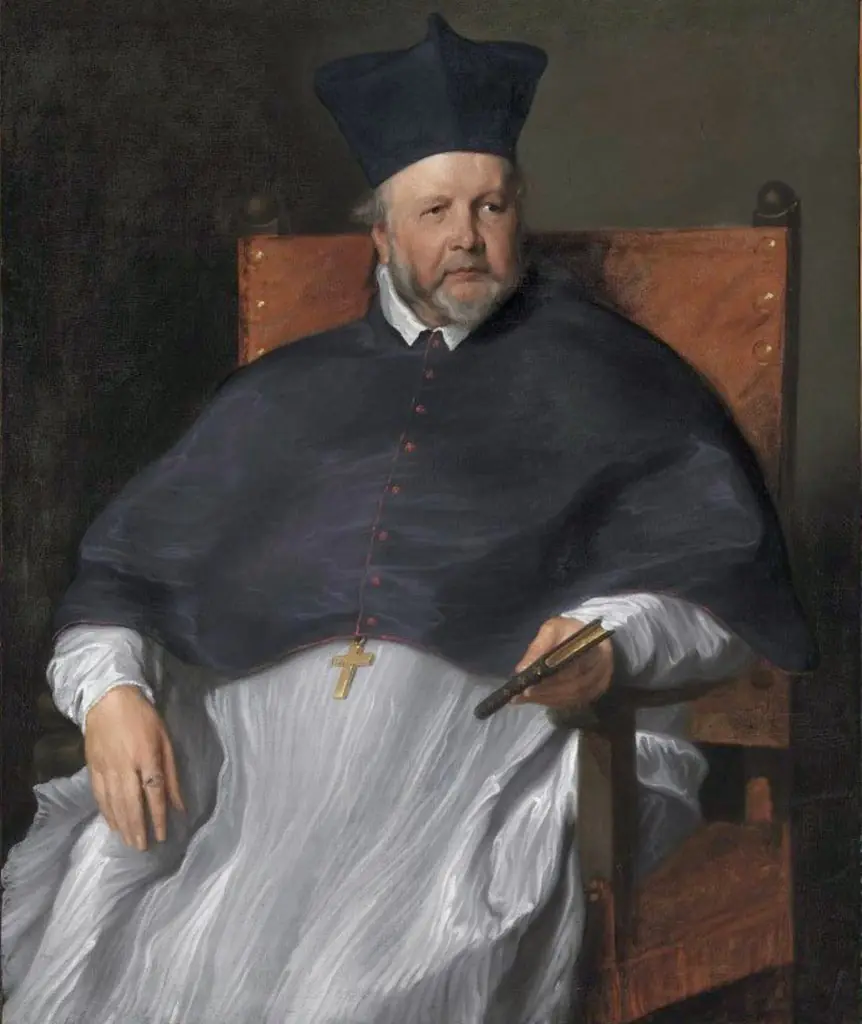
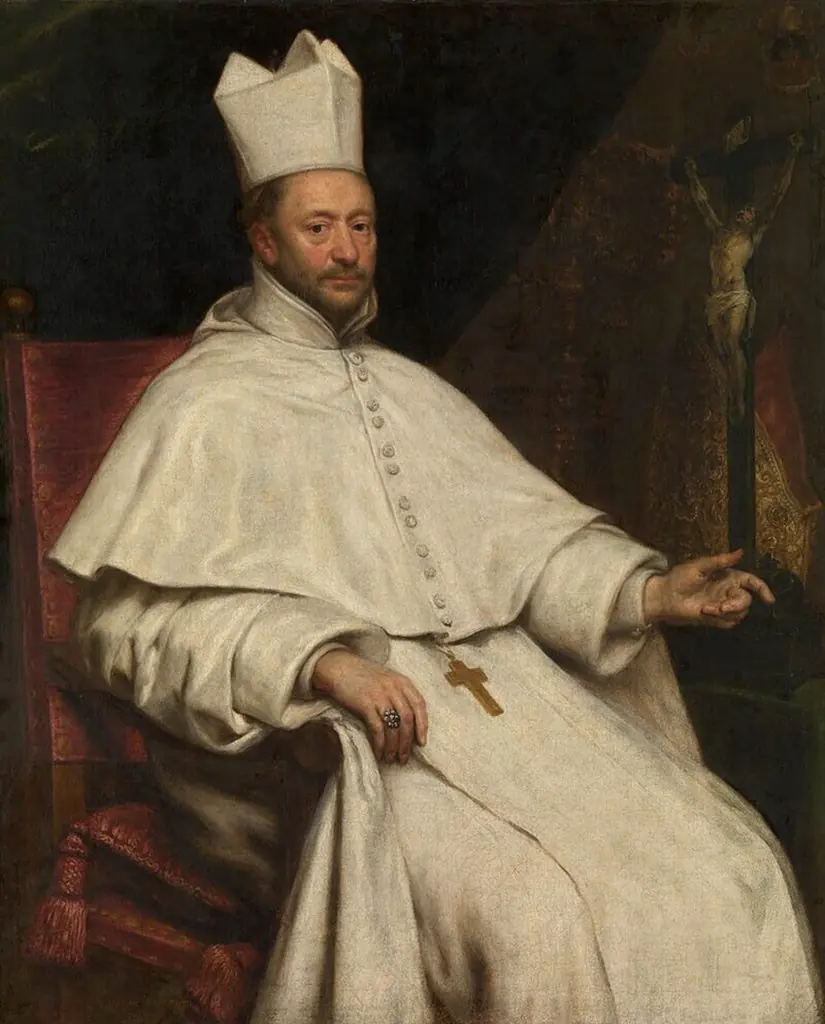
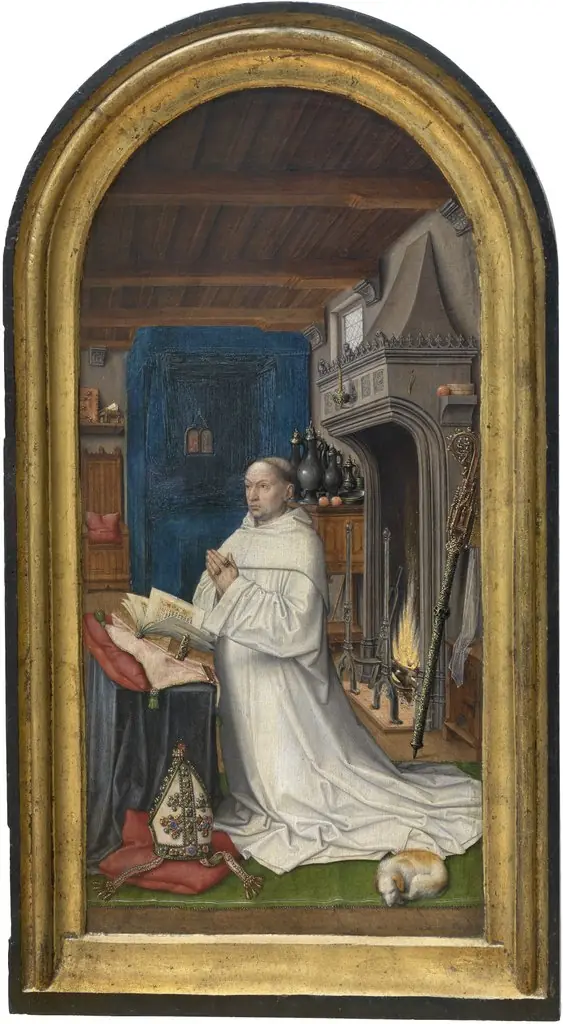
Matthaeus Yrsselius (1541-1629), Abbot of Sint-Michiel's Abbey in Antwerp is a photography by Unknown. It dates from 1650 and is held in the collection of the Statens Museum for Kunst. This portrait depicts Matthaeus Yrsselius, abbot of Sint-Michiel's Abbey in Antwerp, painted around 1650.
About this work
Overview
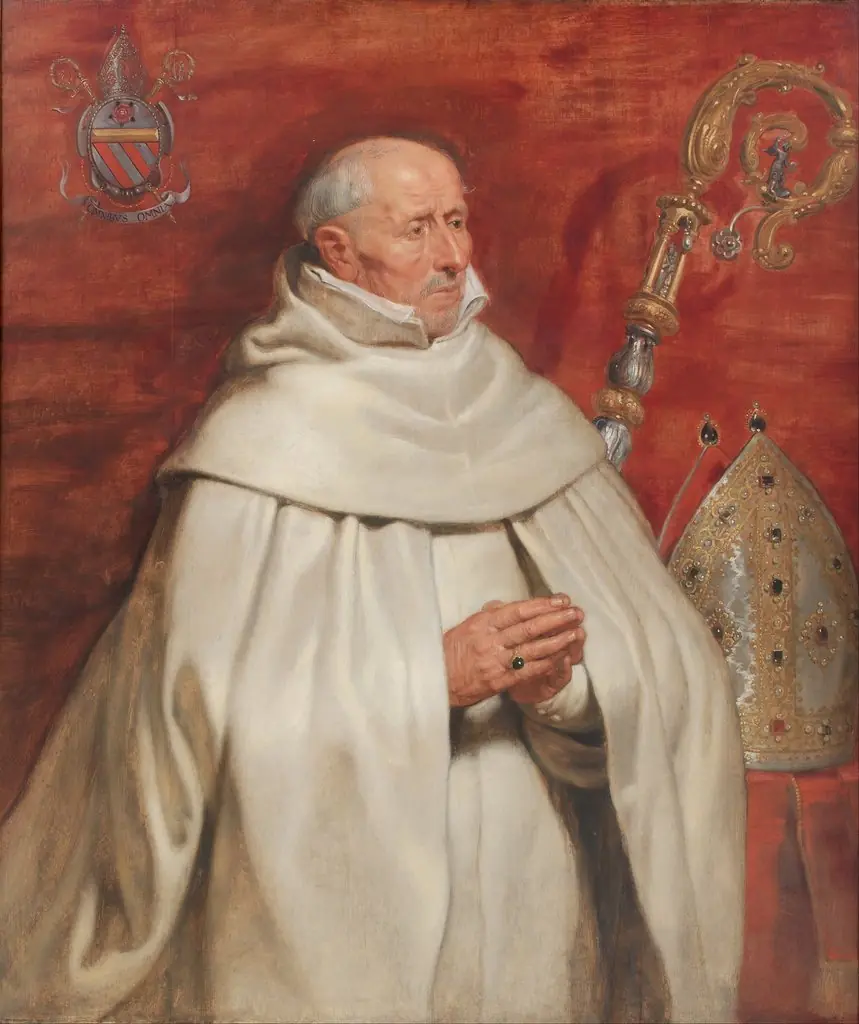
This portrait depicts Matthaeus Yrsselius, abbot of Sint-Michiel's Abbey in Antwerp, painted around 1650. Though attributed to an unknown artist, the work belongs to the collection of the Museum of Ethnography. The composition centers on a clerical figure in white vestments, framed by symbolic elements that denote ecclesiastical authority and institutional identity.
Subject & Meaning
The presence of a mitre and coat of arms reinforces his institutional affiliation and status within the monastic hierarchy.
The subject is Matthaeus Yrsselius, a historical abbot who led Sint-Michiel's Abbey during the early 17th century. The image conveys his ecclesiastical role through regalia: the staff signifies pastoral leadership, and the ring represents his spiritual marriage to the Church. The presence of a mitre and coat of arms reinforces his institutional affiliation and status within the monastic hierarchy.
Technique & Style
The painting employs a restrained palette dominated by white, red, and gold, emphasizing solemnity over ornamentation. Facial features are rendered with soft focus, directing attention to symbolic attire rather than individual likeness. Background elements are simplified, with the coat of arms and mitre positioned symmetrically to frame the figure, reflecting a formal, devotional aesthetic common in ecclesiastical portraiture of the period.
History & Provenance
Created circa 1650, the portrait likely originated within the abbey’s circle, possibly commissioned to commemorate Yrsselius’s tenure. It entered the Museum of Ethnography’s collection in the late 19th or early 20th century, though its path from the abbey to the museum remains undocumented. The attribution to an unnamed artist reflects the common practice of anonymous production in religious contexts of the time.
Context
In mid-17th century Flanders, monastic leaders were often portrayed in ceremonial dress to affirm their authority amid religious and political upheaval. The depiction of Yrsselius aligns with regional traditions of clerical portraiture, where symbols like the mitre and coat of arms served to communicate institutional continuity. Such images reinforced the abbey’s legitimacy and spiritual presence in post-Reformation Antwerp.
Legacy
The portrait endures as a visual record of a specific abbot and the monastic culture of Sint-Michiel's Abbey. While not widely exhibited, it contributes to scholarly understanding of how religious authority was visually constructed in the Southern Netherlands. Its preservation in an ethnographic museum underscores its value as a cultural artifact beyond purely artistic merit.
Artist & collection