Artwork
En hanløves forkrop og en hunløves hoved
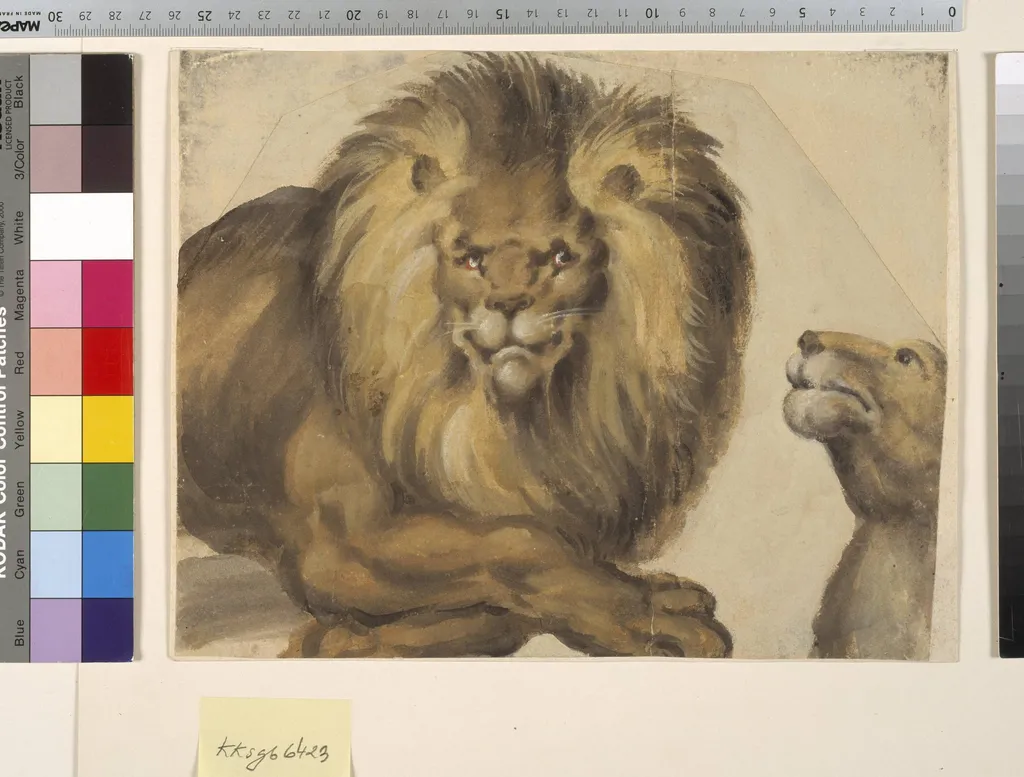
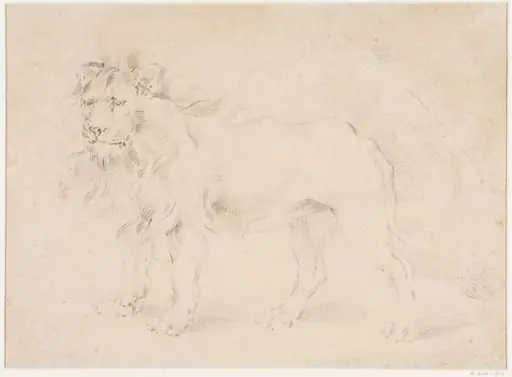
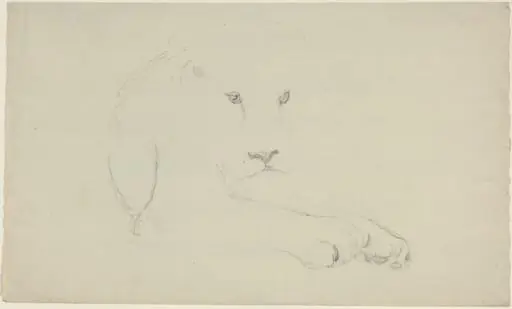
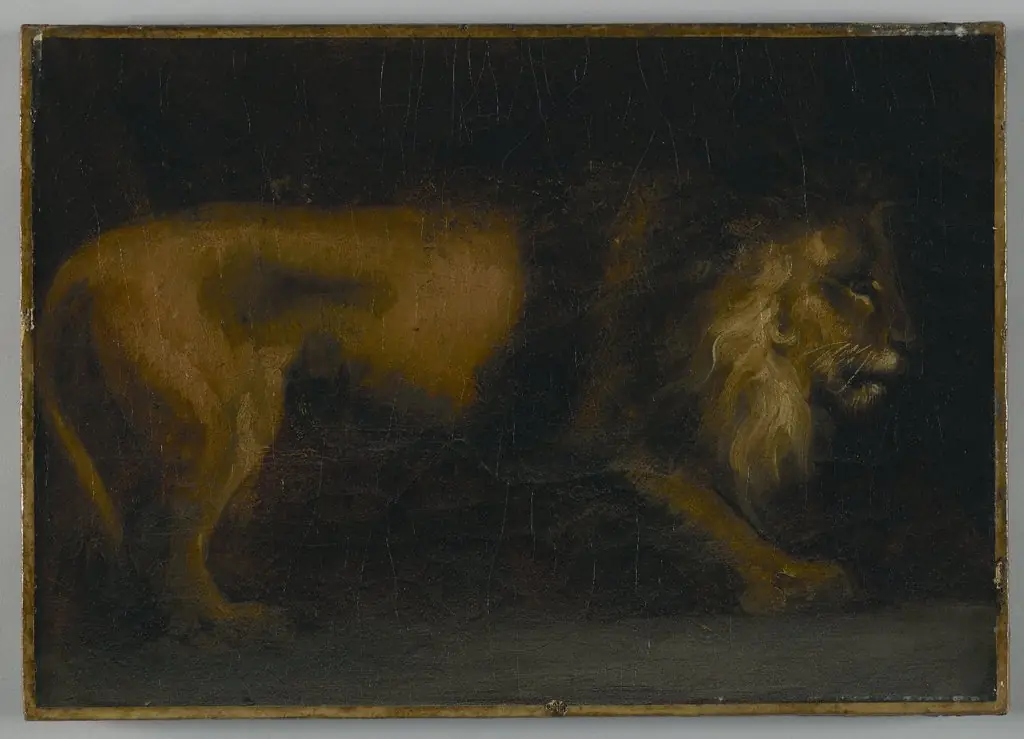
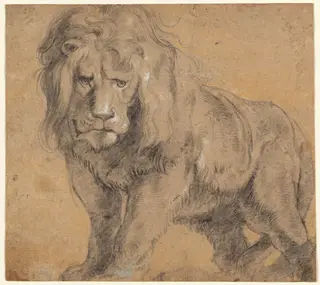
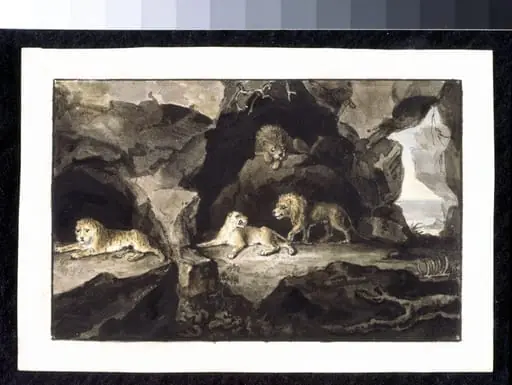
En hanløves forkrop og en hunløves hoved is an unspecified work on paper by Unknown. It dates from 1541 and is held in the collection of the Statens Museum for Kunst. Created around 1541, this watercolor depicts a male lion’s frontal head and the side profile of a female lioness.
About this work
Overview
Created around 1541, this watercolor depicts a male lion’s frontal head and the side profile of a female lioness. Executed with minimal color and loose brushwork, the piece emphasizes anatomical detail over narrative. It resides in the Museum of Ethnography, where it is preserved as a study of animal form rather than a symbolic or decorative work.
Subject & Meaning
The composition juxtaposes the dominant, frontal view of a mature male lion with the smaller, partially visible lioness, whose open mouth suggests vocalization. The contrast in scale and posture implies a natural dynamic between the sexes, possibly reflecting observational interest in lion behavior rather than mythological or heraldic symbolism.
Technique & Style
The artist employed watercolor with restrained pigments, earthy browns and off-whites, to model fur texture through rapid, uneven strokes. Depth is suggested by tonal variation rather than shading, and the lack of background isolates the subjects, drawing attention to the roughness of the mane and the contours of the faces.
History & Provenance
The work is attributed to an anonymous artist active in the mid-16th century, likely connected to a European court or naturalist circle. It entered the Museum of Ethnography’s collection in the late 19th century, cataloged as part of a broader group of zoological studies from the Renaissance period.
Context
During the 1540s, detailed animal studies were increasingly produced by artists accompanying expeditions or serving noble patrons interested in natural history. This piece aligns with a trend of empirical observation, predating formal zoology, where visual accuracy served scientific curiosity rather than artistic display.
Legacy
Though unsigned and unattributed to a major artist, the work remains a rare surviving example of early Renaissance animal portraiture in watercolor. Its directness and lack of embellishment offer insight into how natural forms were recorded before the advent of modern zoological illustration.
Artist & collection