Artwork
Plundering
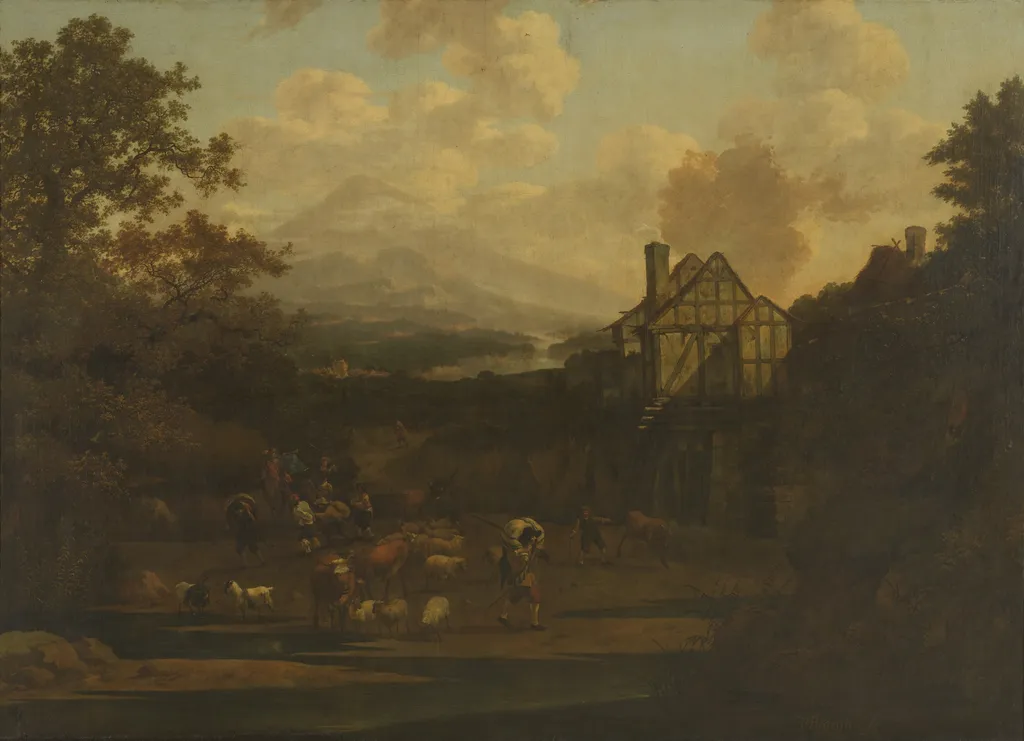
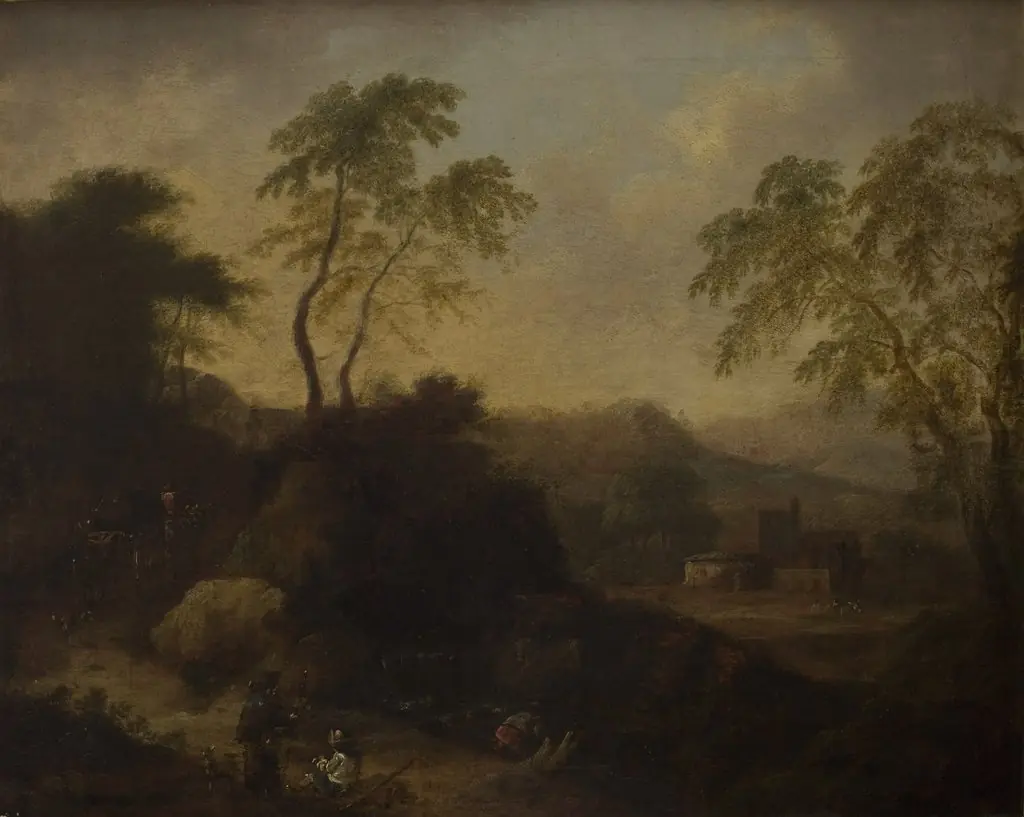
Plundering is an oil painting by the Dutch Golden Age artist Abraham Begeyn. It dates from 1673 and is held in the collection of the Rijksmuseum.
About this work
Technique & Style
Executed in 1673, Plundering is an oil painting applied to a canvas support. The work measures 148 cm in height and 200 cm in width. As a landscape composition by Abraham Begeyn, the piece utilizes oil paint as its primary medium to render the scene.
History & Provenance
The painting Plundering is dated 1673 and attributed to Abraham Begeyn based on internal documentation and the Rijksmuseum’s cataloguing.
The painting Plundering is dated 1673 and attributed to Abraham Begeyn based on internal documentation and the Rijksmuseum’s cataloguing.
The work entered the collection of the Rijksmuseum in Amsterdam, where it remains held. Its dimensions are recorded as 148 cm in height and 200 cm in width, executed in oil on canvas.
Plundering is an oil painting on canvas by Abraham Begeyn, created in 1673 (height 148 cm, width 200 cm). It is part of the Rijksmuseum collection in Amsterdam and is classified as a landscape painting. The work has been exhibited at the Rijksmuseum and is listed in its collection records.
The painting was accessioned into the Rijksmuseum under its standard cataloguing system, though the specific accession number is not provided in the source documentation.
Context
The work titled Plundering was created by Abraham Begeyn in 1673 as an oil painting on canvas, classified within the landscape genre. It is housed in the Rijksmuseum, where it remains part of their collection today. The painting exemplifies Dutch Golden Age landscape art, reflecting the era's fascination with naturalistic scenery and subtle narrative elements embedded in seemingly idyllic settings.
Its composition and technique align with contemporary practices of the period, contributing to the broader understanding of 17th-century Dutch artistic conventions.
Overview
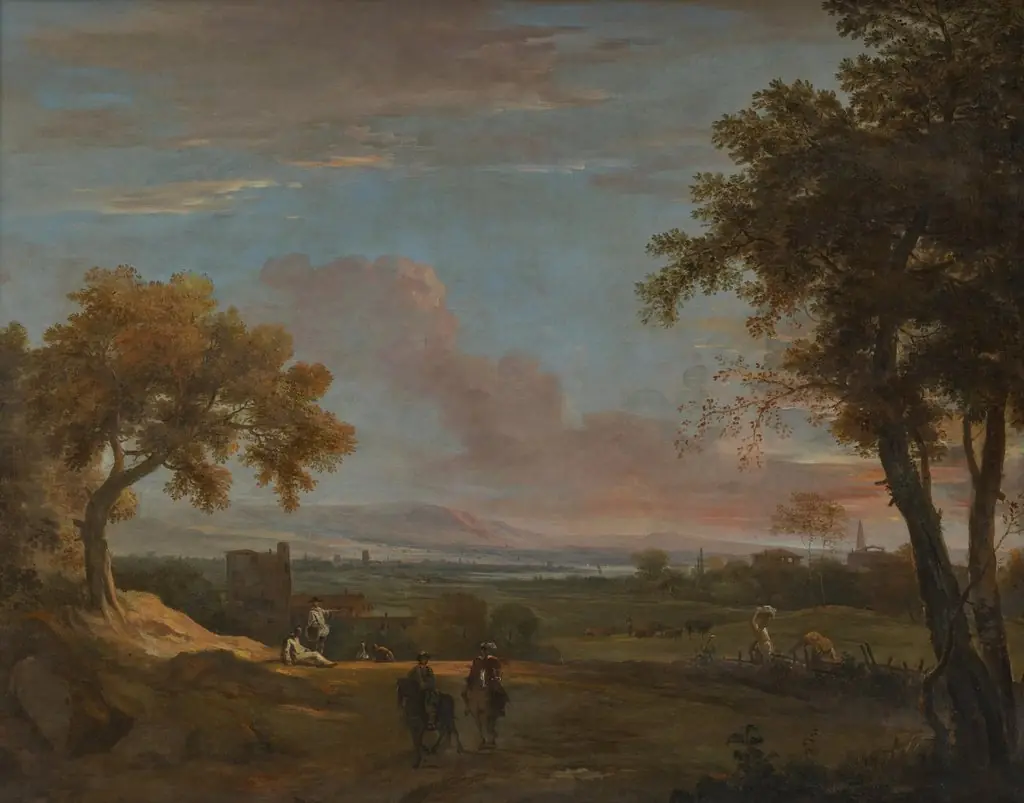
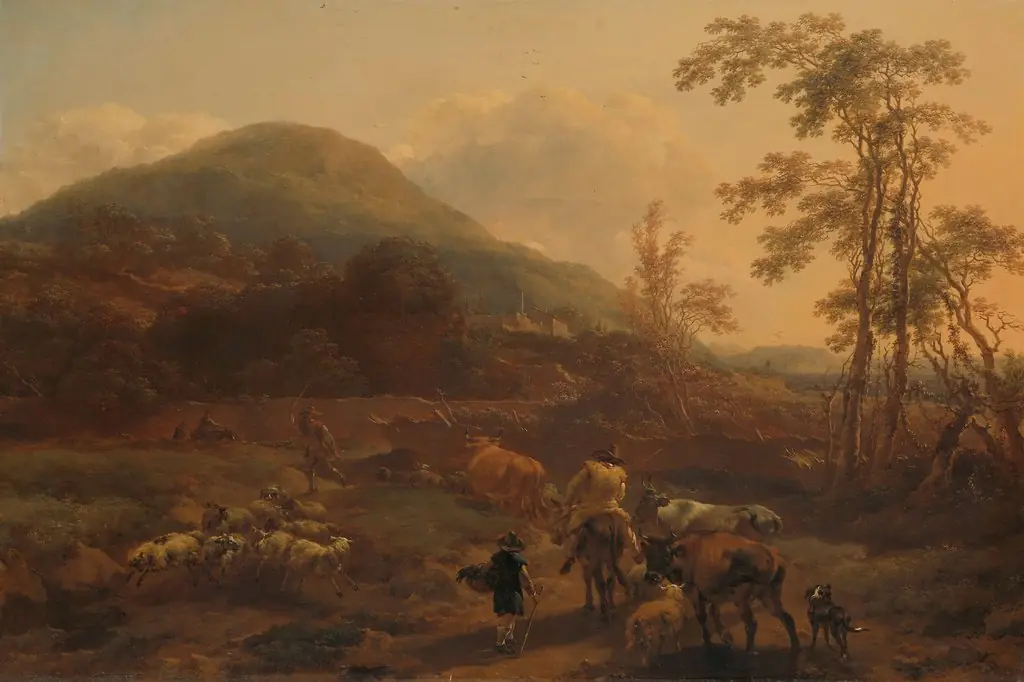
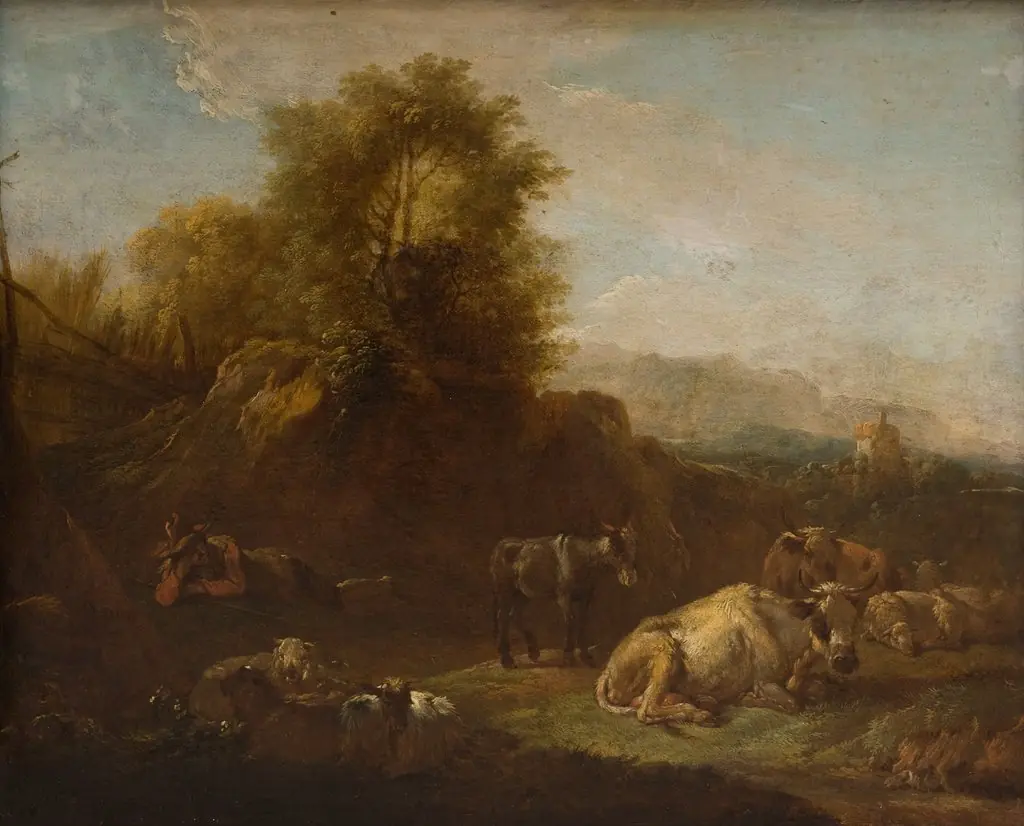
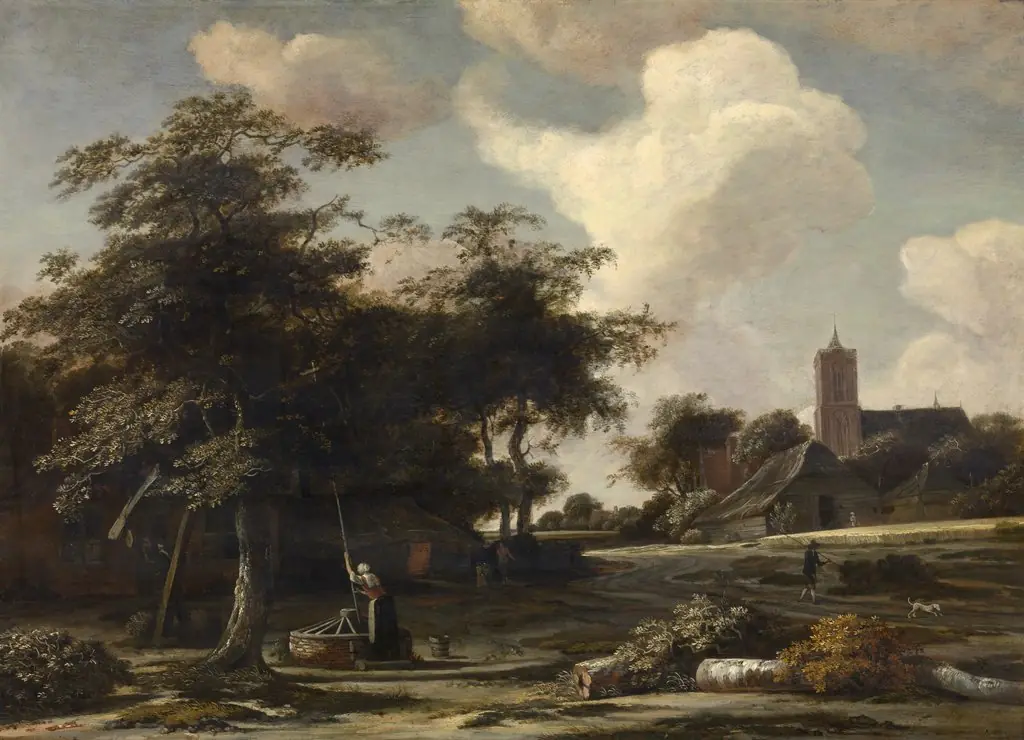
Abraham Begeyn’s 1673 oil painting Plundering presents a turbulent landscape scene rendered in a dark palette. The composition captures a moment of violent upheaval, with figures scrambling, fighting, and looting amid a burning structure that dominates the background. The work is part of the Rijksmuseum’s collection in Amsterdam, where it is displayed as an example of late‑seventeenth‑century Dutch narrative landscape.
Subject & Meaning
The canvas depicts a chaotic episode of pillage, likely set during a siege or civil disturbance. In the foreground, panicked civilians flee while others engage in violent looting, suggesting a breakdown of social order. The central, ablaze edifice, interpreted as a church or fortified building, serves as a visual focal point, symbolising the destruction of communal or religious sanctuaries during conflict.
Own this work as a print
Artist & collection