Artwork
Whaling Grounds in the Arctic Ocean
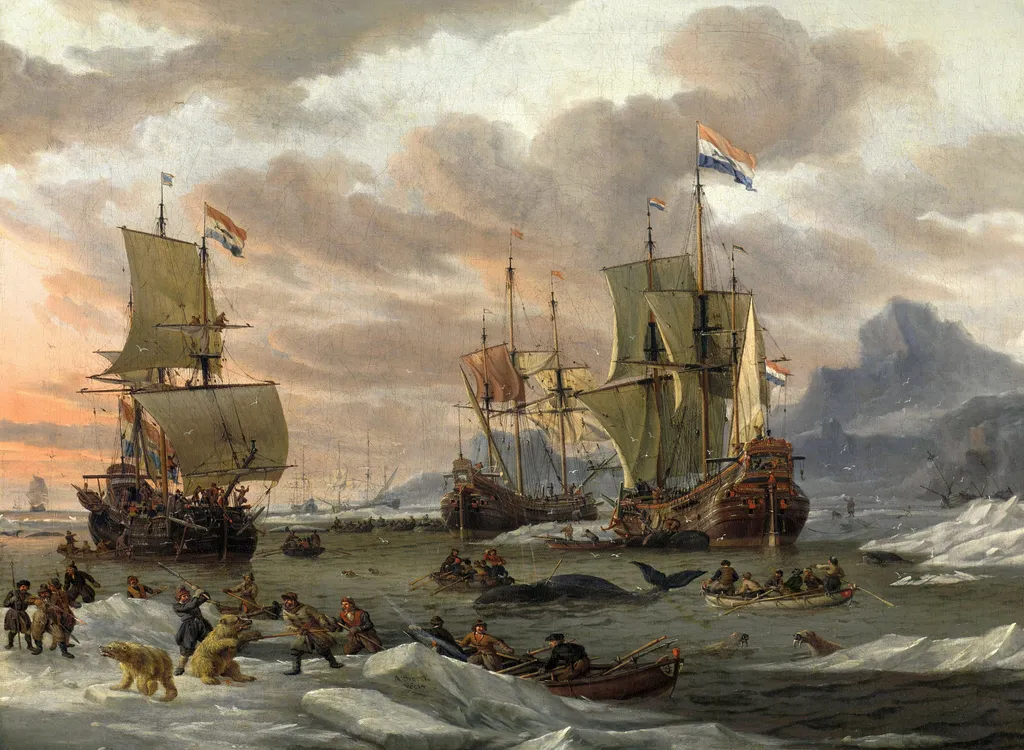
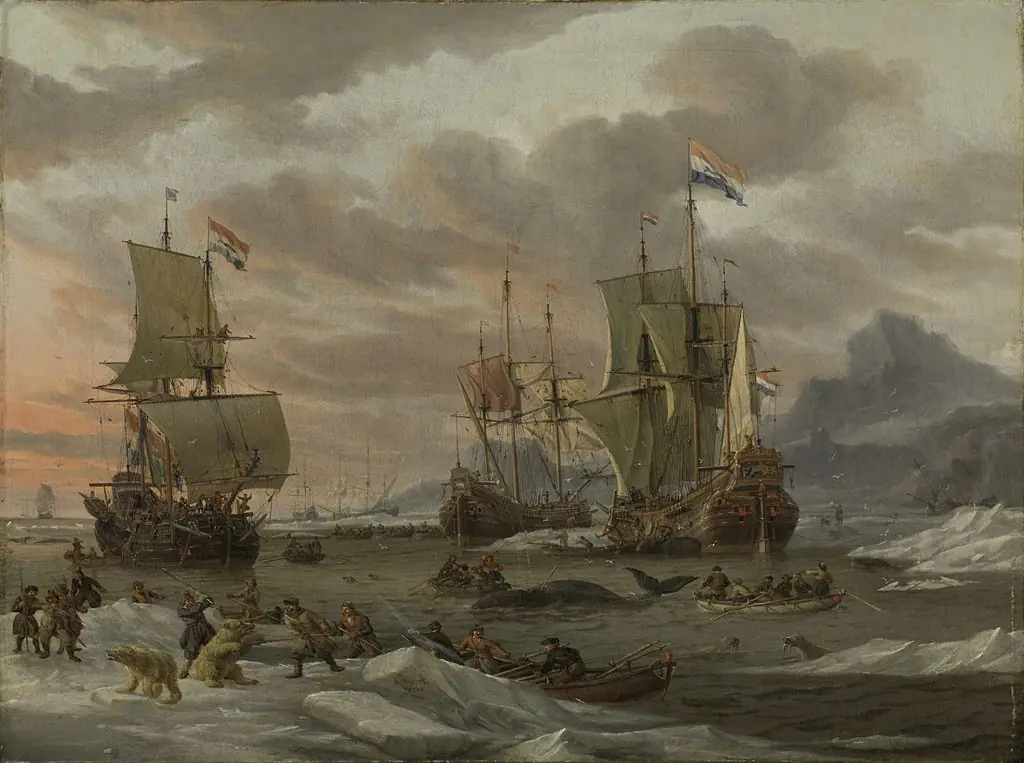
Whaling Grounds in the Arctic Ocean is an oil painting by the Dutch Golden Age artist Abraham Storck. It dates from 1691 and is held in the collection of the Rijksmuseum.
About this work
Technique & Style
Abraham Storck rendered Whaling Grounds in the Arctic Ocean using oil paint applied to canvas.
Abraham Storck rendered Whaling Grounds in the Arctic Ocean using oil paint applied to canvas. The work measures 50.5 cm in height and 66.5 cm in width, reflecting a marine genre scene characteristic of 17th‑century Dutch painting. Its formal composition emphasizes expansive sea horizons and detailed rigging, while the handling of light and atmospheric effects conveys a realistic yet atmospheric portrayal of Arctic waters.
History & Provenance
The painting is held by the Rijksmuseum, Amsterdam, where it carries the inventory/accession number SK-C-1337.
Its exhibition history includes display in the 2018 reinstallation of the museum’s Gallery of Honour, where it was presented as part of the permanent collection of seventeenth-century Dutch marine art.
Overview
Created in 1691 by Amsterdam‑based painter Abraham Storck, Whaling Grounds in the Arctic Ocean is an oil on canvas that captures a frigid seascape populated by three large vessels navigating among towering ice floes. The work is part of the Rijksmuseum’s collection and exemplifies the Dutch Golden Age’s fascination with maritime commerce and exploration.
Subject & Meaning
The composition depicts a bustling whaling operation in polar waters. Small open boats, some bearing dogs that appear ready to pull sleds or guard equipment, surround the main ships, suggesting the harsh, cooperative labor required in Arctic hunting. A storm‑laden sky and a faint horizon glow convey both the danger and the allure of the northern frontier.
Context
During the Dutch Golden Age, artists frequently portrayed the nation’s maritime activities, from naval battles to commercial voyages. Storck, known for harbor scenes and sea battles, extended his repertoire to include Arctic whaling, a subject that combined economic interest with the exotic appeal of distant, icy landscapes.
Own this work as a print
Artist & collection
Artist
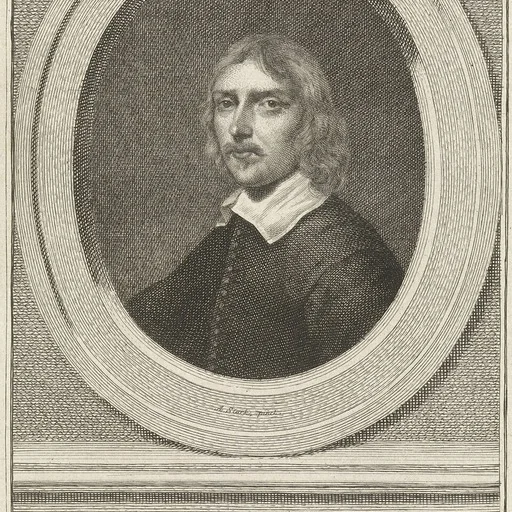
Abraham Storck (or Sturckenburch; bapt. 17 April 1644 in Amsterdam – buried 8 April 1708) was a Dutch painter and draughtsman, who was known for his marine paintings, topographical views, Italianate harbour scenes and…

 Rough Sea with Sailing Vessels
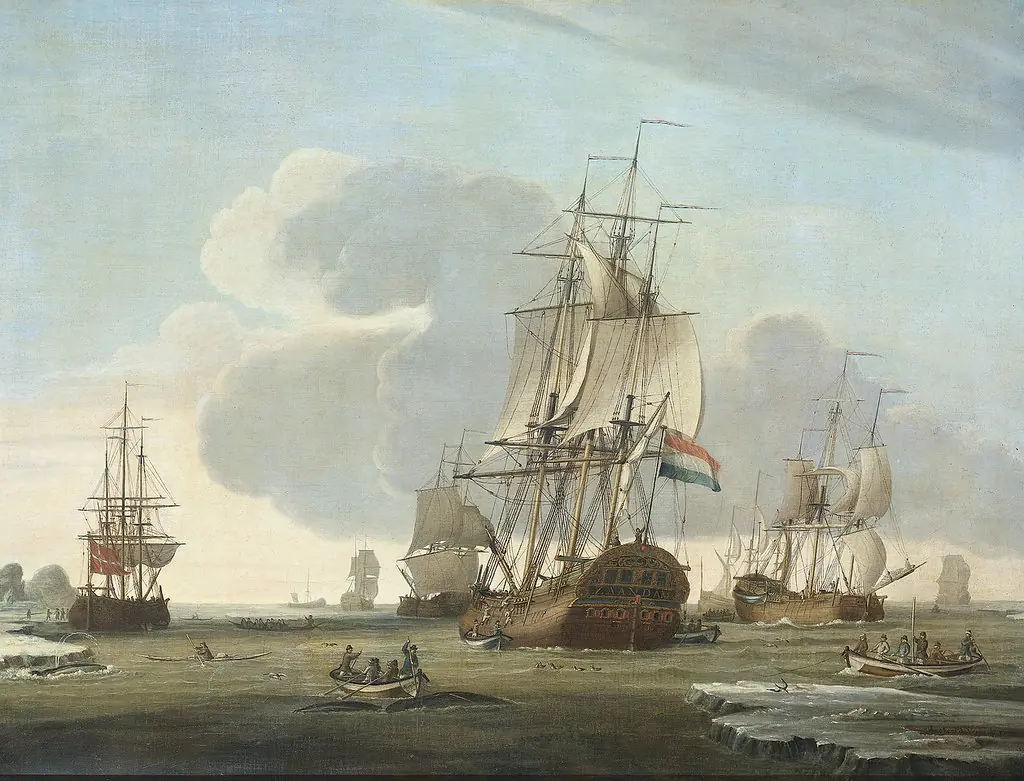 The Groenlandvaarder "Zaandam" of the Shipping Company Claes Taan and Son, Zaandam, on a Whale Hunt
 Captured English Ships after the Four Days’ Battle
 Ships off the Coast
 Ship off the Coast
 The Dutch Man-of-War "De Gouden Leeuw" on the River Y near Amsterdam
 A French squadron near a rocky coast
 The Dutch herring fleet under sail