Artwork
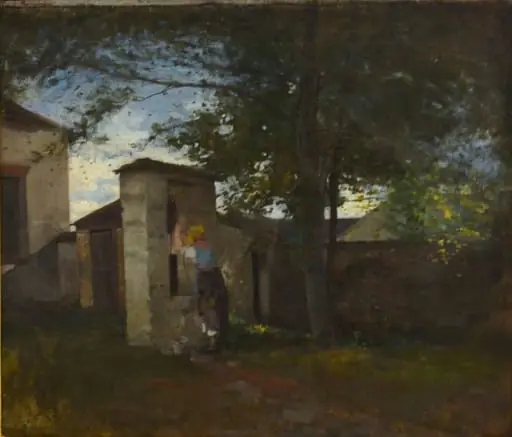
Well at the Side of a Road
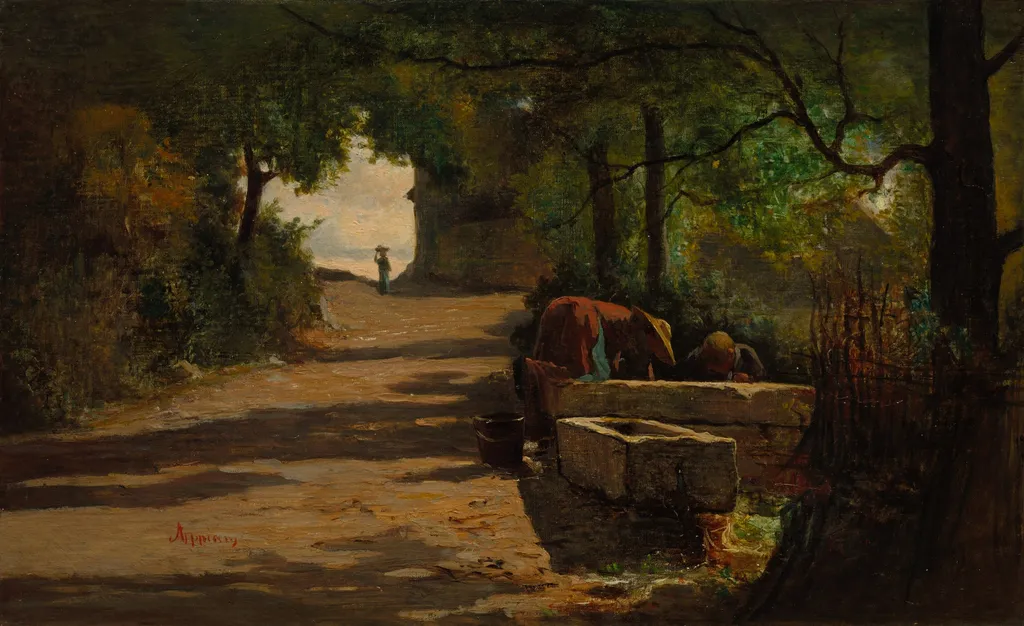
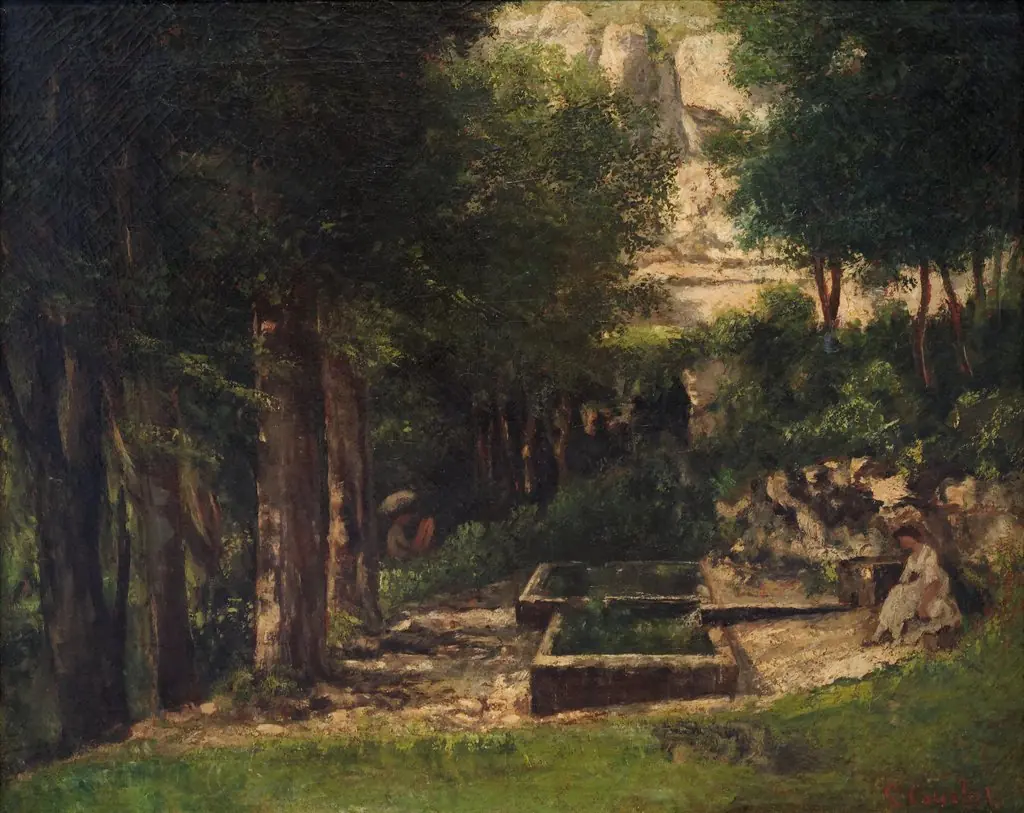
Well at the Side of a Road is an unspecified painting by the Barbizon school artist Adolphe Appian. It dates from 1864 and is held in the collection of the Cleveland Museum of Art.
About this work
Subject & Meaning
The painting is housed in the Cleveland Museum of Art, where it remains part of the institution’s collection of European works from the 19th century.
The work depicts a solitary well beside a rural road, a motif often associated with themes of isolation and the passage of time in 19th-century French landscape painting. The well functions as a symbolic focal point, suggesting both material sustenance and contemplative stillness amid the surrounding countryside. Appian’s rendering emphasizes the quiet dignity of ordinary rural life, inviting viewers to reflect on the quiet labor embedded in such spaces.
The painting is housed in the Cleveland Museum of Art, where it remains part of the institution’s collection of European works from the 19th century.
History & Provenance
Well at the Side of a Road is a painting by the French artist Adolphe Appian, completed in 1864 while he was working in France. The work entered the collection of the Cleveland Museum of Art, where it is currently held under accession number 1980.227. No further details about earlier ownership, commissions, or exhibition history are provided in the available sources.
Overview
Created in 1864, Well at the Side of a Road presents a quiet countryside tableau where a stone well stands beside a narrow path. The composition is anchored by a figure bent over the well, suggesting a moment of everyday labor within a wooded setting. The painting resides in the Cleveland Museum of Art’s collection.
Technique & Style
Appian employs a restrained palette and careful modulation of light and shadow to model the trees, foliage, and stone structure. The chiaroscuro effect deepens spatial recession, while fine brushwork renders the texture of bark and stone, reflecting the Barbizon school’s commitment to realistic observation and atmospheric nuance.
Context
Well at the Side of a Road exemplifies the Barbizon school’s shift away from idealized historicism toward direct study of the French countryside. Appian, both a painter and etcher, frequently depicted similar rural motifs, aligning his work with contemporaries who sought to record natural light and everyday scenes with fidelity.
Own this work as a print
Artist & collection
Artist
Adolphe Appian (born as Jacques Barthelemy Adolphe Appian; 28 August 1819 – 29 April 1898) was a French landscape painter and etcher.