Artwork
Mary, Lady Van Dyck
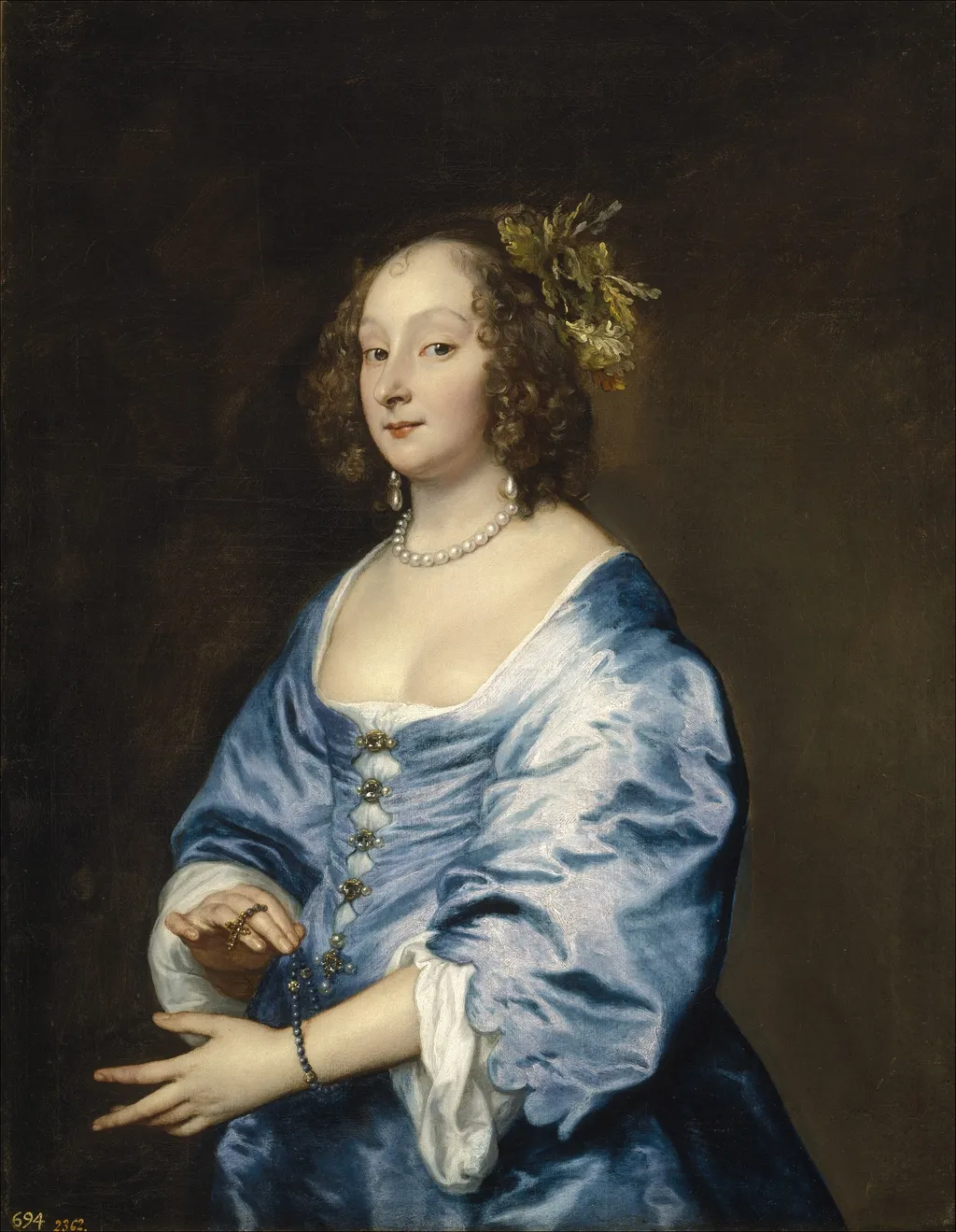
Mary, Lady Van Dyck is an oil painting by the Flemish Baroque painting artist Anthony van Dyck. It dates from 1640 and is held in the collection of the Museo del Prado.
About this work
Subject & Meaning
The painting is a portrait whose main subject is Mary Ruthven, also known as Mary, Lady Van Dyck. She is depicted with specific iconographic attributes, namely a gemstone and a rosary, which serve as prominent visual symbols within the composition.
Technique & Style
The combination of oil paint on canvas supports subtle tonal modeling and the careful depiction of jewelry and devotional objects.
Mary, Lady Van Dyck is an oil painting executed on canvas, with the support measuring 104 cm in height and 81 cm in width. The work was produced in 1640 at Van Dyck's Blackfriars studio and takes the form of a portrait of Mary Ruthven. Among the depicted elements are a gemstone and a rosary, rendered in oil paint. The painting is held by the Museo del Prado in Madrid.
Stylistically, the portrait belongs to Van Dyck's late English-period output, characterized by refined handling and the dignified, intimate presentation typical of his aristocratic sitters. The combination of oil paint on canvas supports subtle tonal modeling and the careful depiction of jewelry and devotional objects.
History & Provenance
The painting was created by Anthony van Dyck in 1640 at his Blackfriars studio in London, executed in oil on canvas. It depicts Mary Ruthven, Lady Van Dyck, shown with a gemstone and rosary.
The earliest documented owners in the provenance are Elisabeth Farnese and Charles III of Spain, indicating the work entered the Spanish royal collection in the eighteenth century. It subsequently passed to Ferdinand VII of Spain. The painting remains in the Spanish state collection today, housed at the Museo del Prado within the Royal Palace of Madrid.
The sources do not specify the circumstances of the original commission, the precise route by which the portrait traveled from Van Dyck's London studio to the Spanish royal holdings, or the chain of custody between the seventeenth-century Van Dyck circle and its eighteenth-century Spanish owners.
The portrait of Mary, Lady Van Dyck is held at the Museo del Prado in Madrid, housed within the Royal Palace of Madrid. The work is catalogued as part of the museum's collection of paintings by Anthony van Dyck.
Its provenance traces through several Spanish royal owners, having been held by Elisabeth Farnese, Charles III of Spain, and Ferdinand VII of Spain before entering the Prado's holdings. The painting was produced in 1640 at Van Dyck's Blackfriars studio.
Legacy
Mary, Lady Van Dyck exerted limited documented influence on later artistic practice, with its reputation largely confined to scholarly study of Van Dyck's portraiture; the work is not cited in major exhibition histories or critical reception studies as shaping subsequent portrait conventions. Its legacy persists primarily through institutional ownership records, notably by Spanish royal collections, rather than through direct stylistic impact on later artists. The painting remains part of the Museo del Prado's holdings, reflecting its enduring presence in museum collections rather than transformative artistic influence.
The work's provenance through Spanish royalty underscores its historical significance within elite patronage networks, though no evidence links it to broader movements in European portraiture beyond Van Dyck's immediate circle. Its technical execution in oil paint on canvas, documented at 104 cm in height and 81 cm in width, aligns with 17th-century portrait conventions without notable innovations that would have prompted later reinterpretations.
Critical assessments of Van Dyck's oeuvre treat this portrait as representative of his mature style rather than as a catalyst for subsequent developments, with no major retrospectives or scholarly works identifying it as a turning point in art historical narratives.
Overview
Anthony van Dyck’s oil portrait, dated 1640, presents Mary Ruthven, the artist’s second wife. Rendered in a restrained palette, the composition places the sitter against a dark backdrop, emphasizing the luminous quality of her attire and accessories. The work is part of the Museo del Prado’s collection in Madrid.
Context
The portrait reflects Van Dyck’s mature period, following his apprenticeship in Antwerp and collaboration with Peter Paul Rubens. By the 1640s he had established a reputation for elegant court portraiture, integrating Flemish Baroque vigor with a refined, aristocratic sensibility.
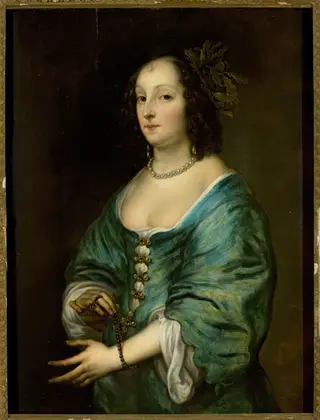
Own this work as a print
Artist & collection
Artist
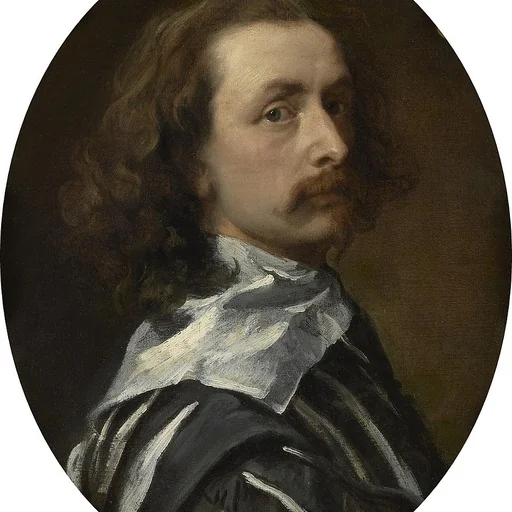
Sir Anthony van Dyck (; Dutch: Antoon van Dijck; 22 March 1599 – 9 December 1641) was a Flemish Baroque artist, who became the leading court painter in England after success in the Spanish Netherlands and Italy.

 Portrait of a Lady
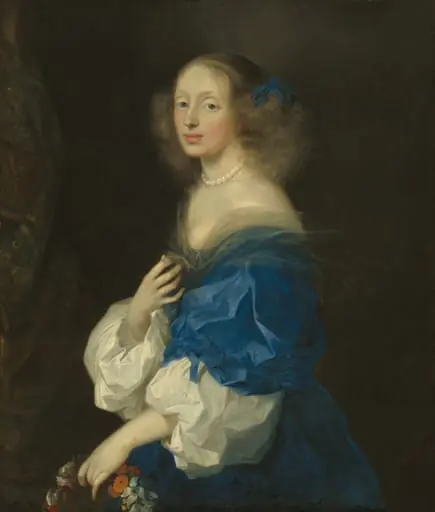 Countess Ebba Sparre
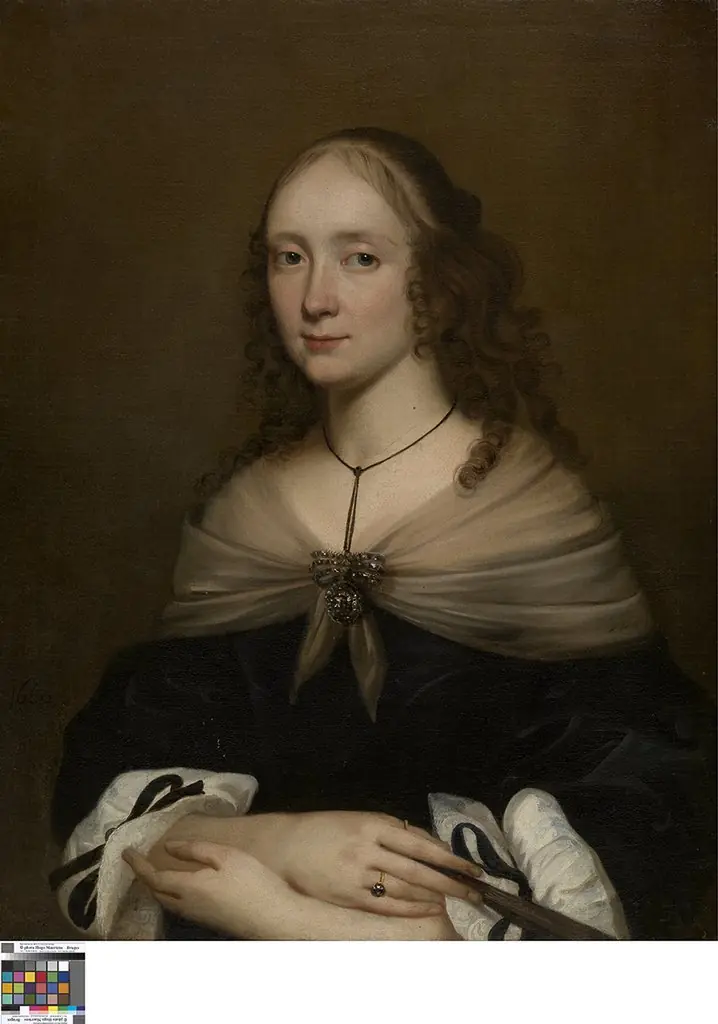 Portret van een vrouw
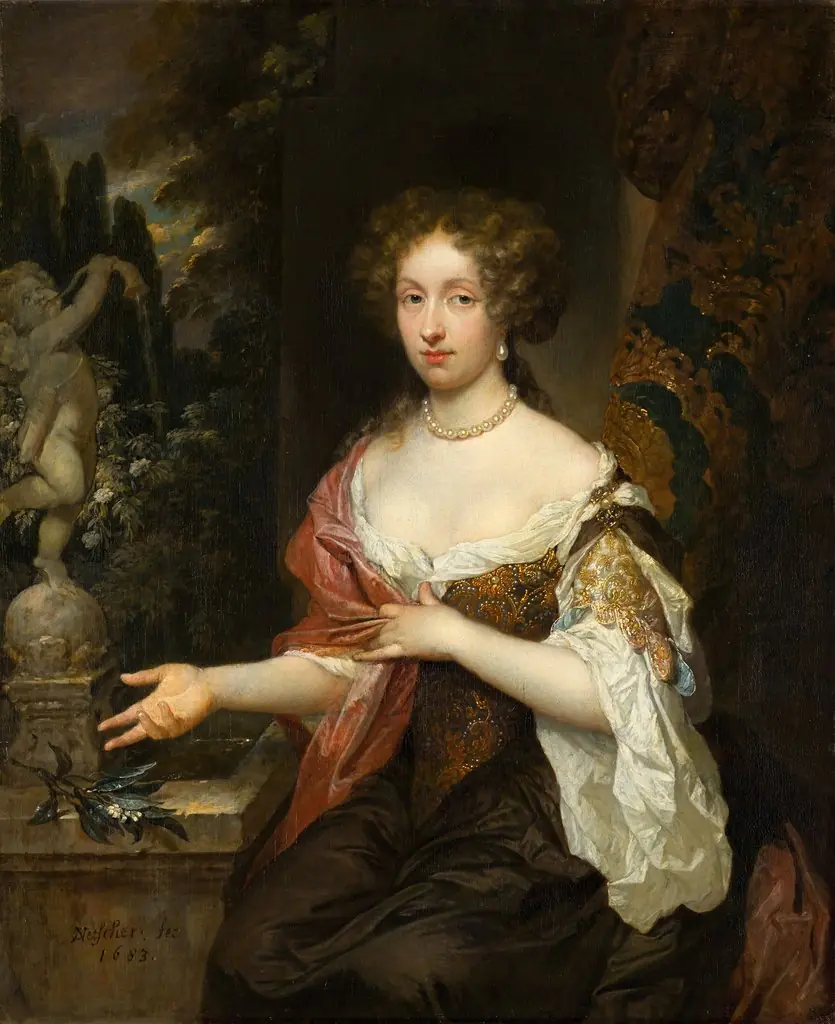 Portrait of Maria Timmers (1658-1753)
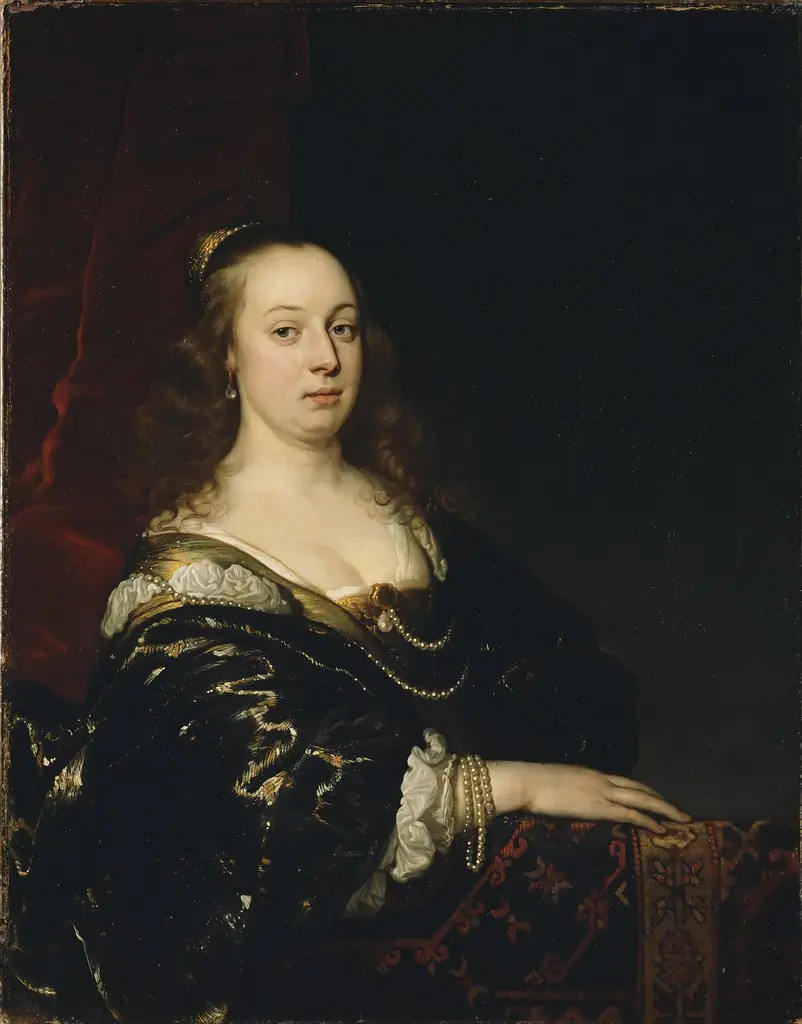 Portrait of a Woman
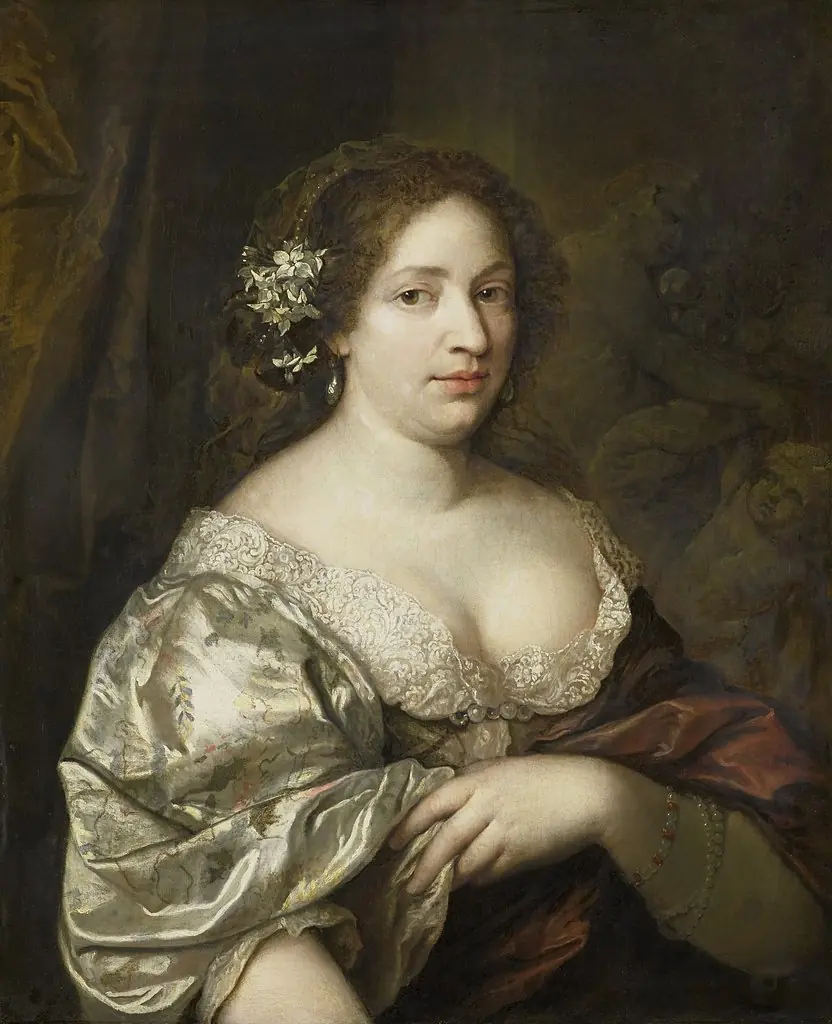 Portrait of Margaretha Godin (d. 1694), wife of the artist
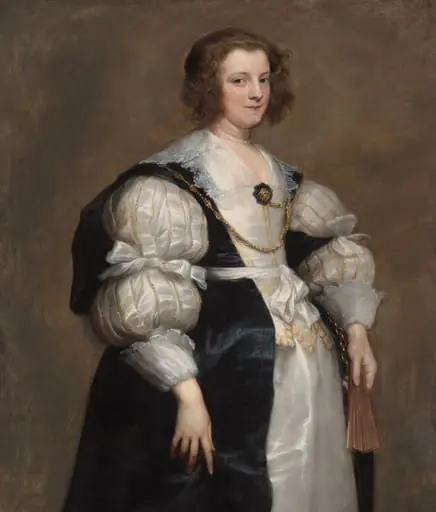 Lady with a Fan
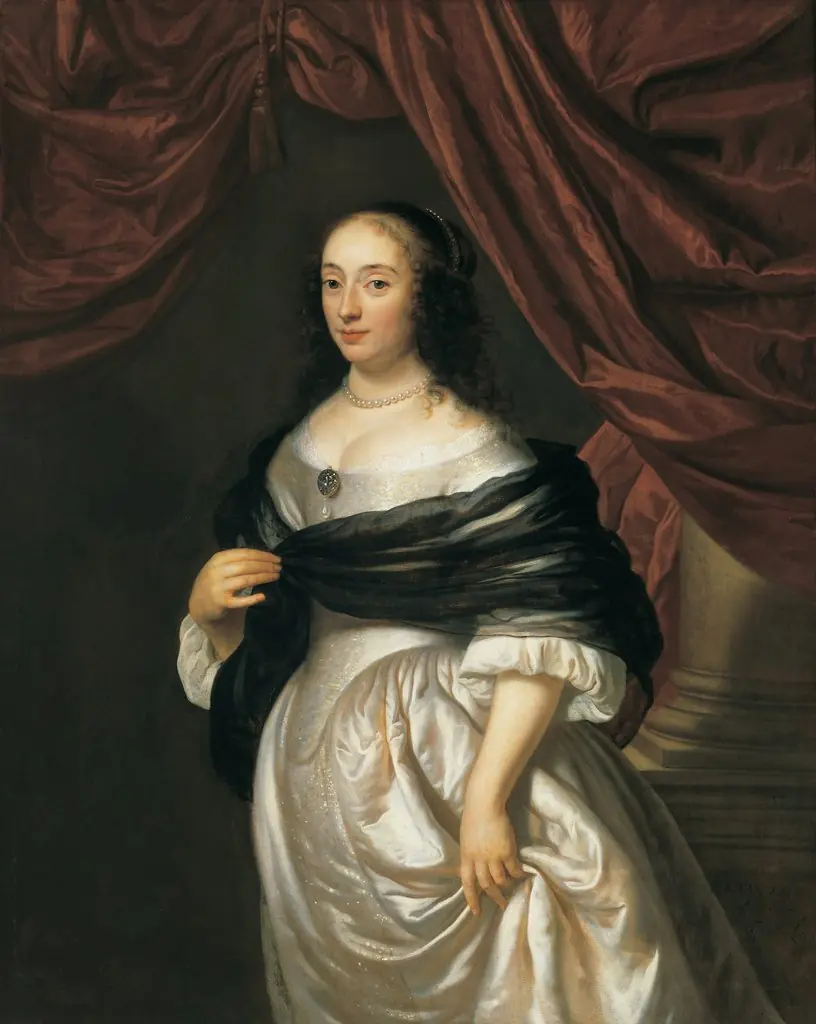 Retrato de la Condesa de Goldstein
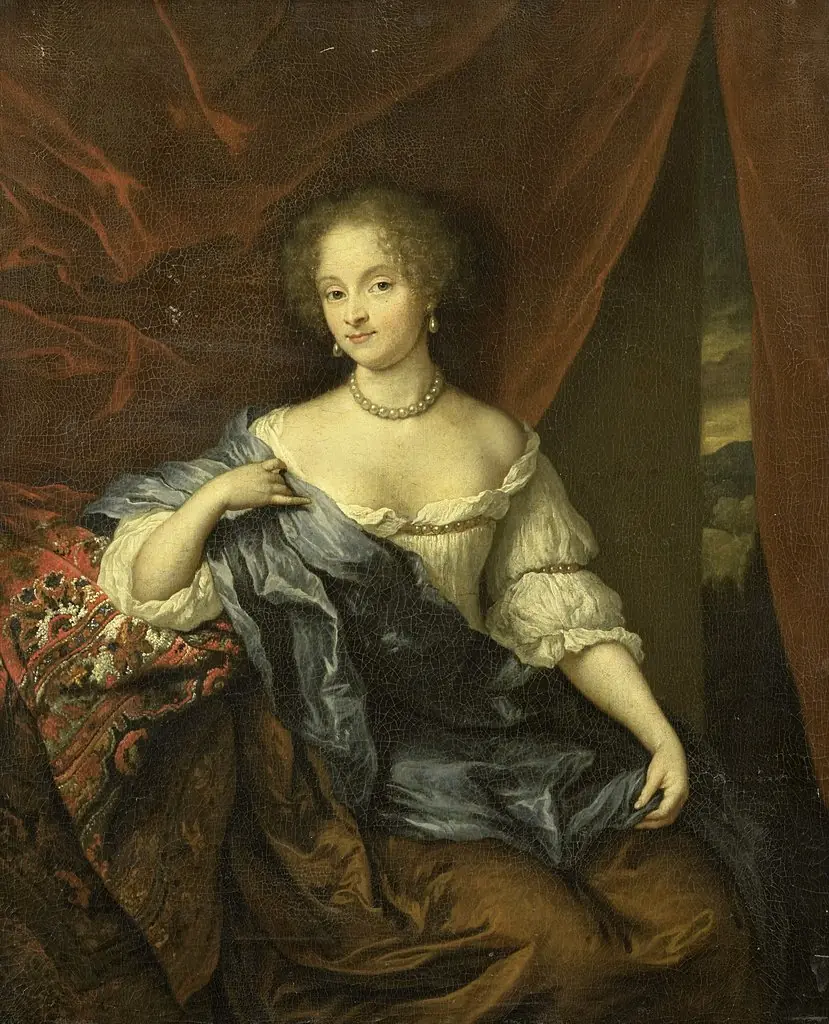 Portrait of a woman, possibly a member of the van Citters family
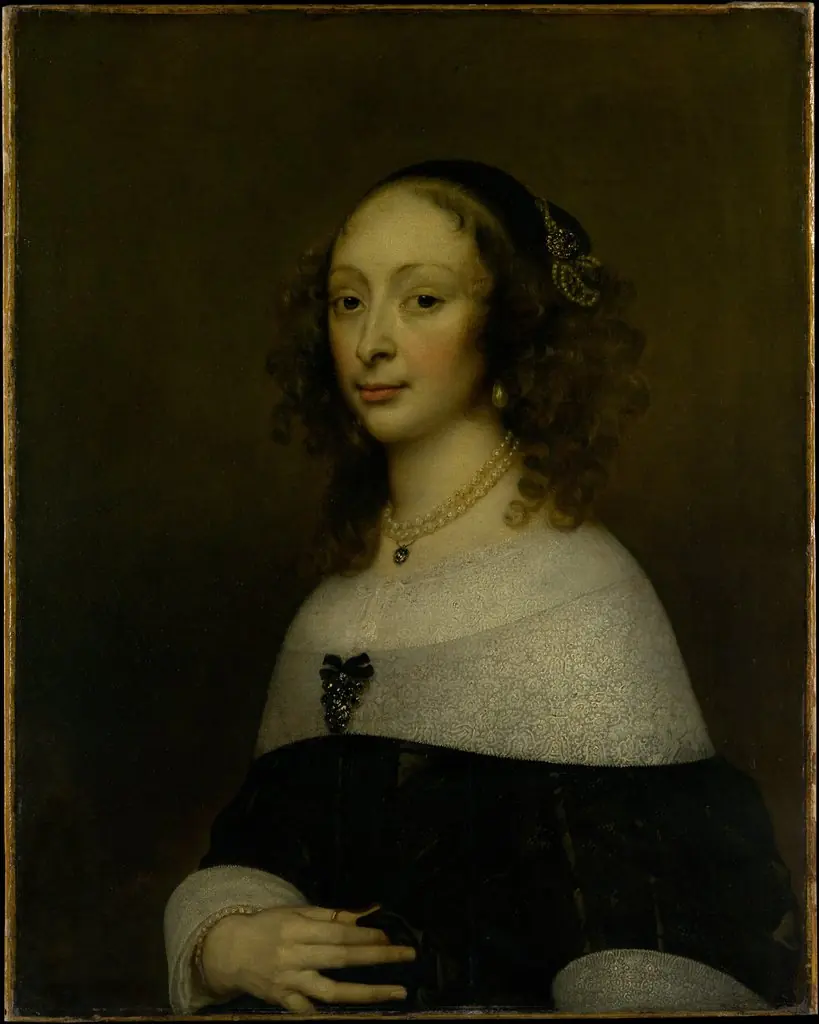 Portrait of a Woman
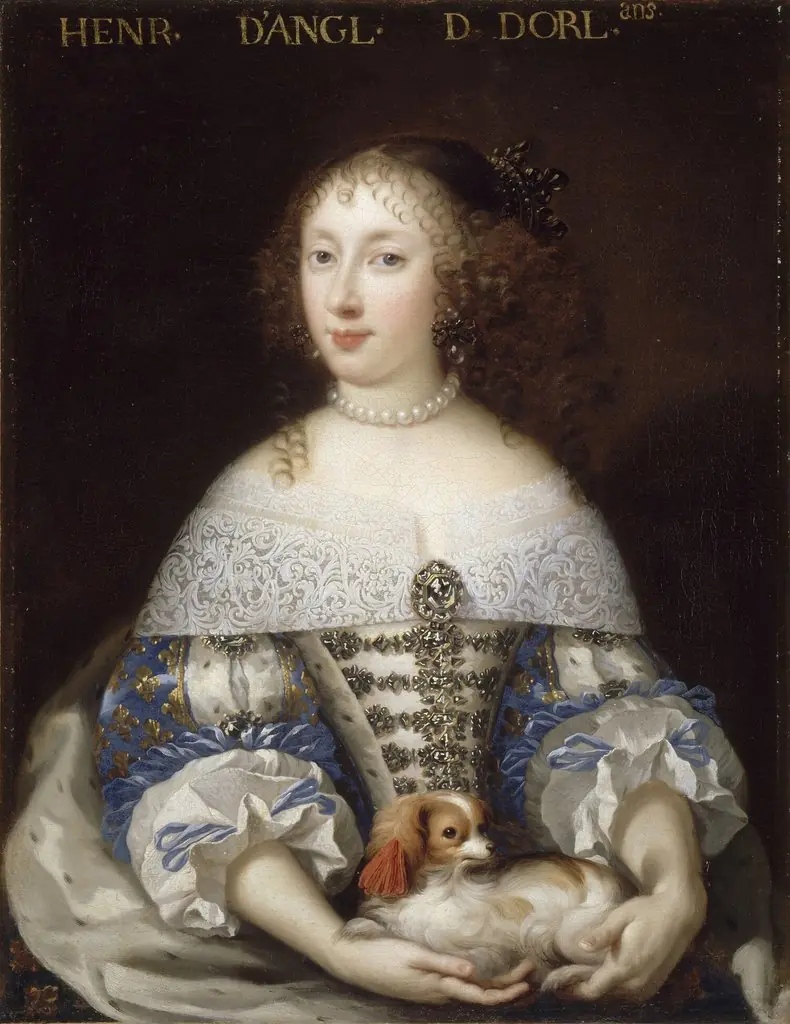 Henriette-Anne of England, Duchess of Orleans, known as Madame (1644-1670)
- Portrait of Anthony van Dyck's wife Mary Ruthven