Artwork
Virgin and Child
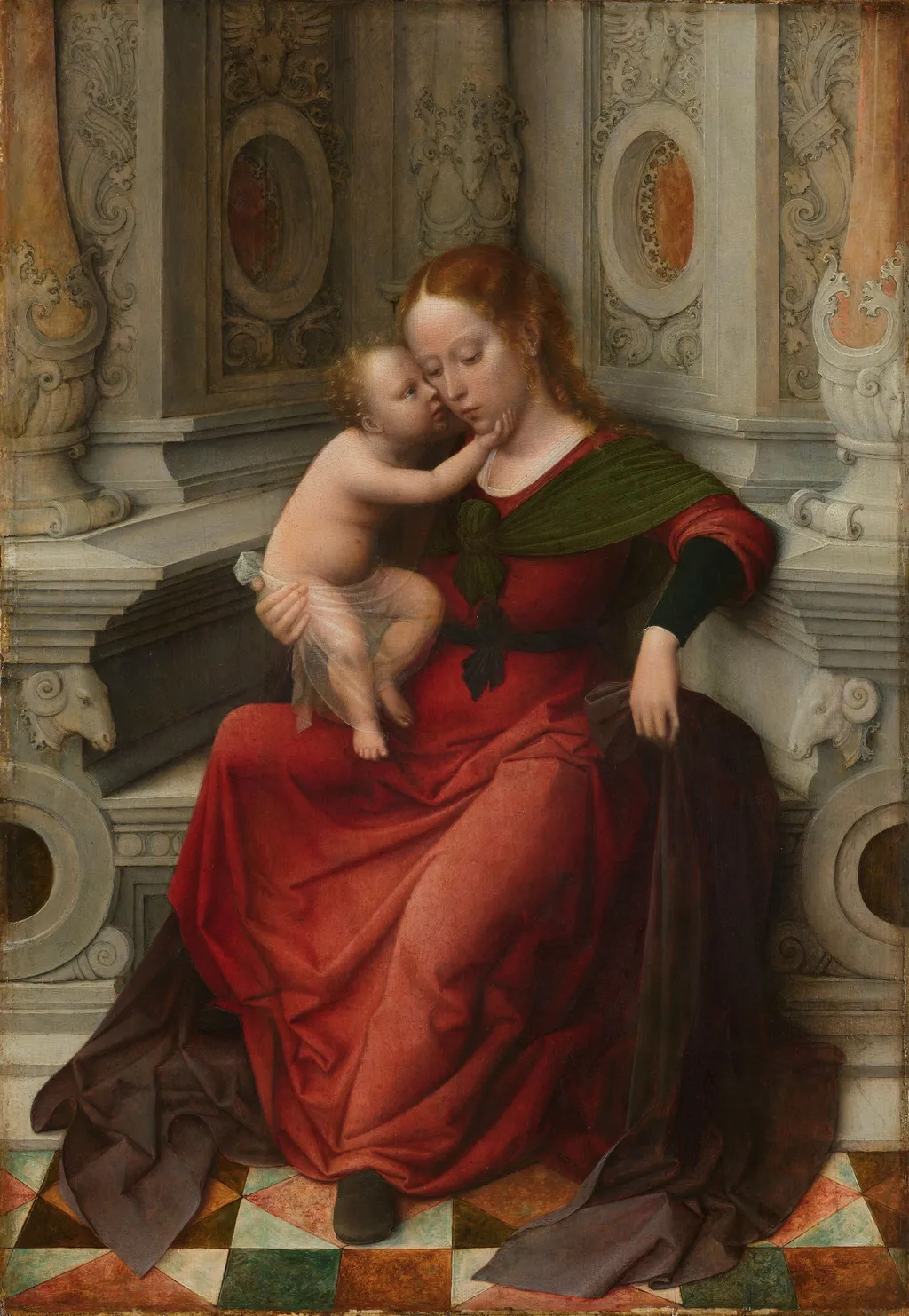
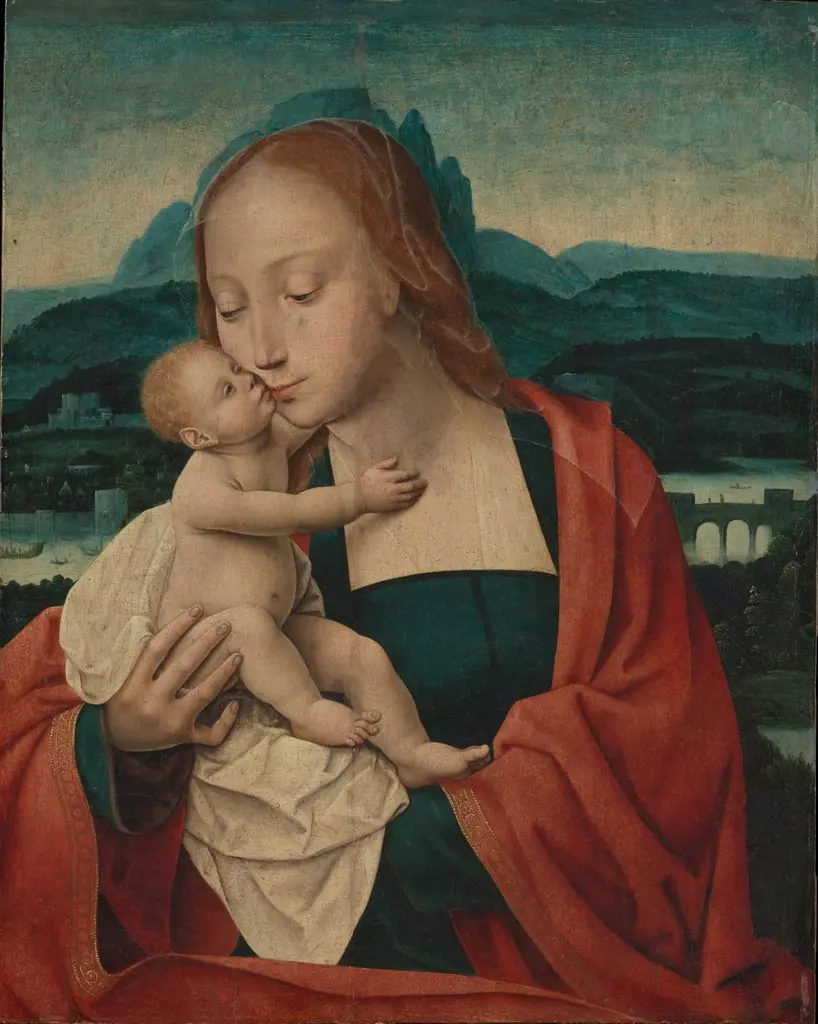
Virgin and Child is an oil painting by the Northern Renaissance artist Adriaen Isenbrandt. It dates from 1530 and is held in the collection of the Rijksmuseum.
About this work
Subject & Meaning
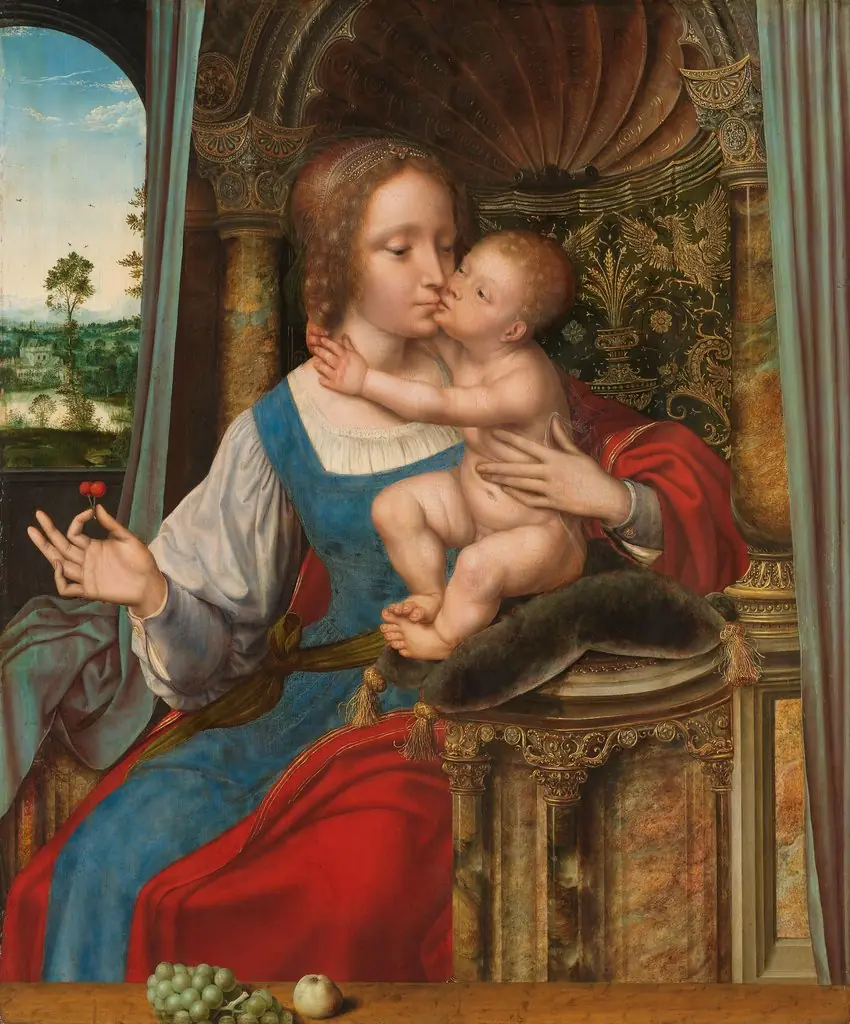
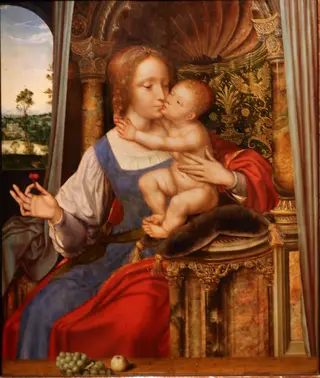
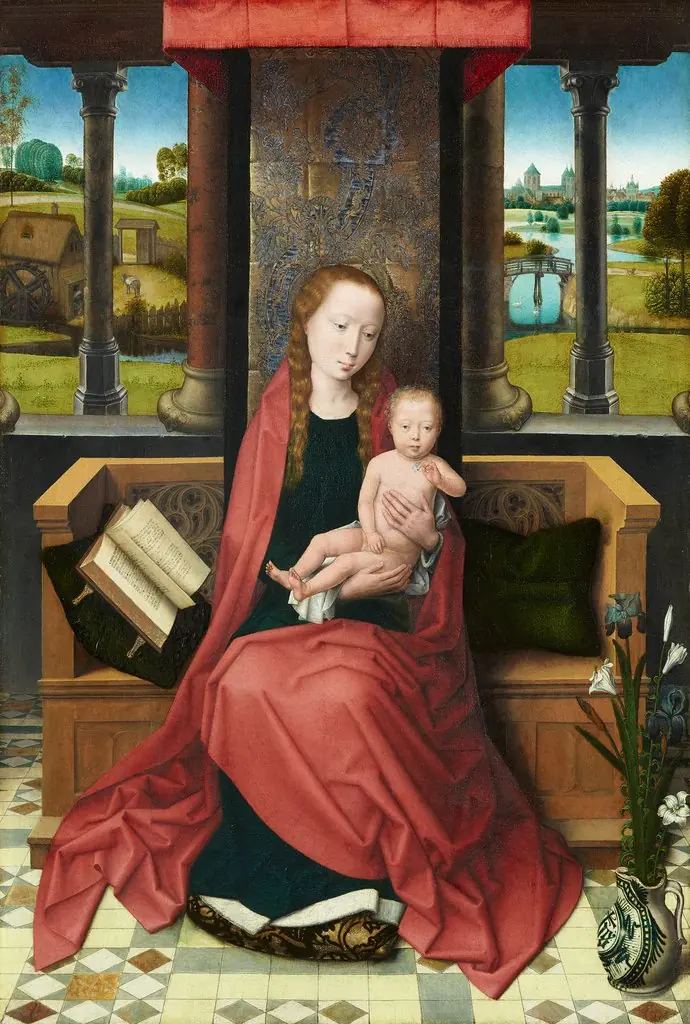
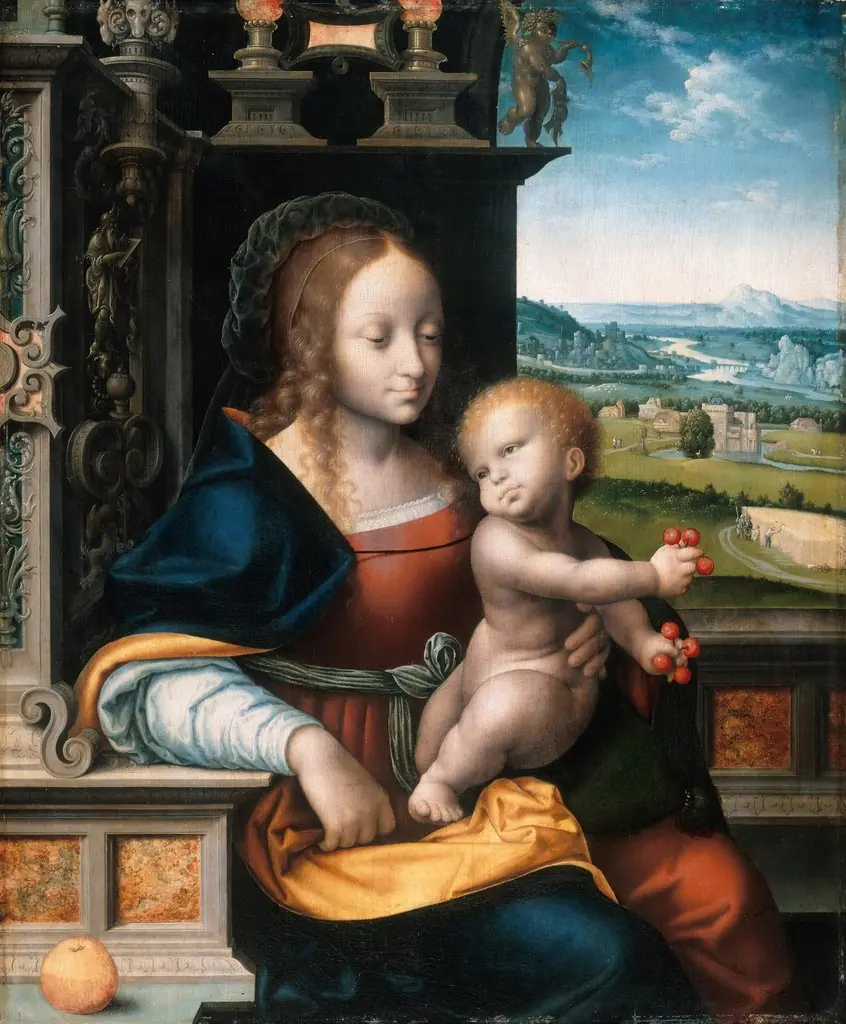
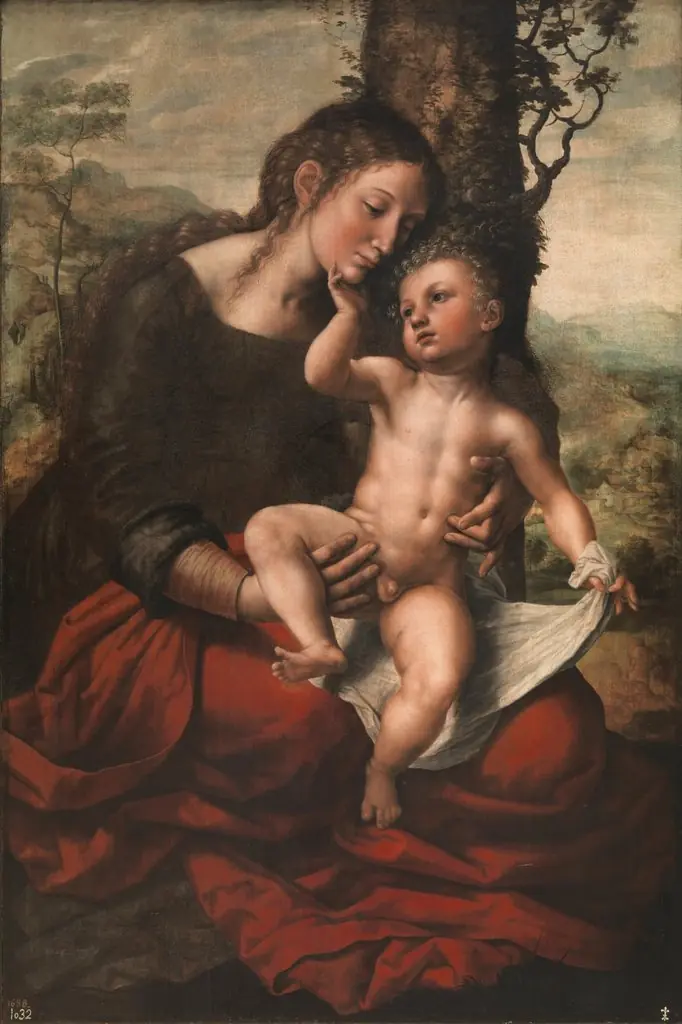
The Virgin and Child portrays Mary seated on a throne, holding the infant Jesus. As a religious oil painting created around 1530 in Bruges, the image functions as a devotional image that stresses the Incarnation and Mary's role as the divine mother. The throne setting adds a regal, heavenly dimension, reinforcing the sacred status of both figures.
Technique & Style
The painting's formal qualities emphasize the intimate relationship between the figures, rendered through detailed brushwork associated with Flemish Primitives.
Adriaen Isenbrandt's Virgin and Child, created in 1530, is executed in oil paint on a panel support. The work measures 61 cm in height and 42.5 cm in width, reflecting the compact scale typical of Northern Renaissance devotional paintings. Stylistically, the piece belongs to the religious art genre and depicts the Madonna and Child seated on a throne, characteristic of the Bruges school where the artist was active.
The painting's formal qualities emphasize the intimate relationship between the figures, rendered through detailed brushwork associated with Flemish Primitives.
History & Provenance
The Virgin and Child was painted circa 1530 in Bruges by Adriaen Isenbrandt. Executed in oil on panel, the composition depicts the Madonna and Child on a throne. Originally part of the collection of Thomas Baring, 1st Earl of Northbrook, the painting later entered the Rijksmuseum's holdings and has also been associated with the Mauritshuis.
Its early public display occurred at the Exposition des primitifs flamands à Bruges. The work measures 61 cm by 42.5 cm and remains classified as a religious painting.
Overview
Adriaen Isenbrandt's Virgin and Child, painted around 1530, exemplifies the devotional art prevalent in Bruges during the early 16th century. Executed in oil on panel, this painting depicts Mary tenderly holding the Christ Child. Isenbrandt's work reflects a traditional approach to religious imagery, catering to a wide audience seeking sacred representations for private contemplation. It is presently part of the Rijksmuseum's collection.
Context
Active in Bruges, Adriaen Isenbrandt operated during a period of artistic transition, bridging the late Gothic aesthetic with nascent Renaissance influences. While other artists explored new forms, Isenbrandt maintained a style rooted in earlier devotional painting, which found a consistent market. His likely large workshop produced numerous religious works, indicating a significant demand for traditional sacred images among patrons in the bustling mercantile city.
Own this work as a print
Artist & collection
Artist
Adriaen Isenbrandt or Adriaen Ysenbrandt (between 1480 and 1490 – July 1551) was a painter in Bruges, in the final years of Early Netherlandish painting, and the first of the Dutch and Flemish Renaissance painting of the Northern…