Artwork
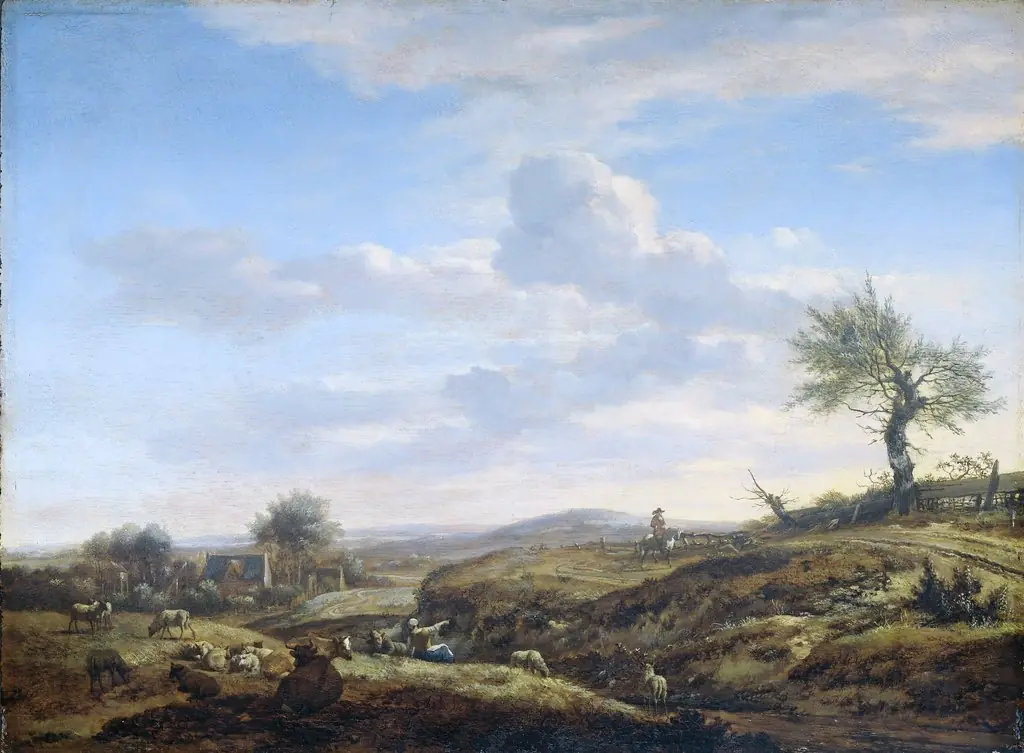
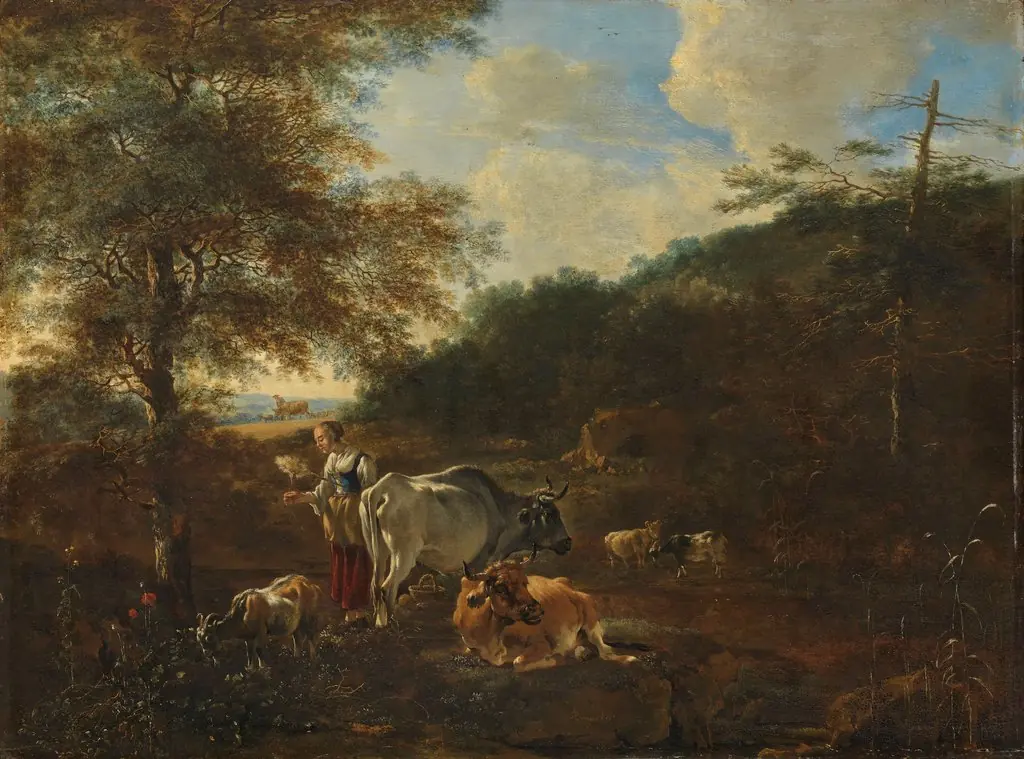
Mountainous landscape with cattle
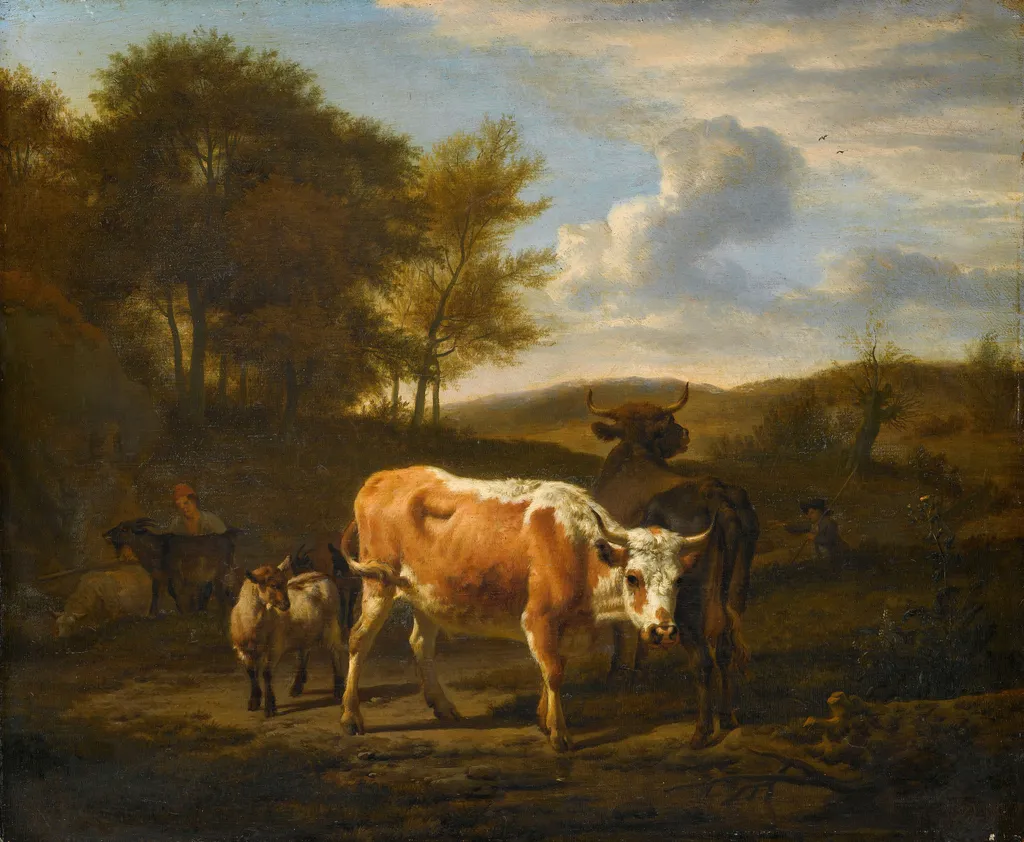
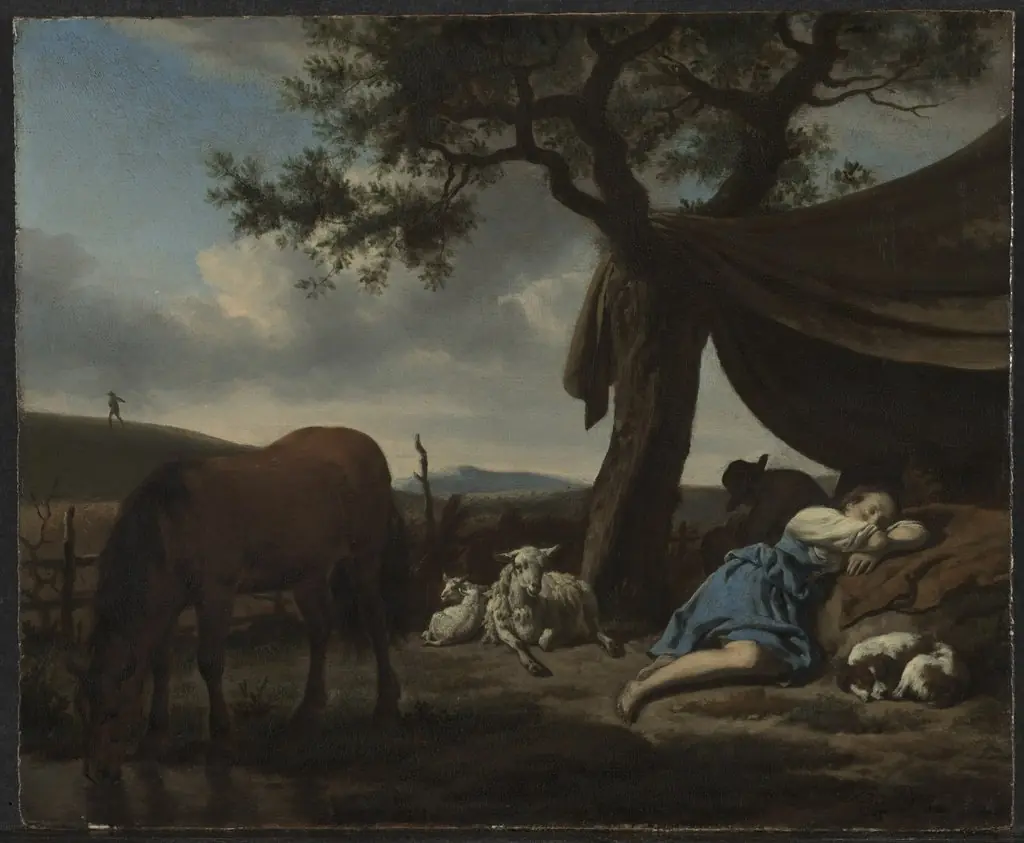
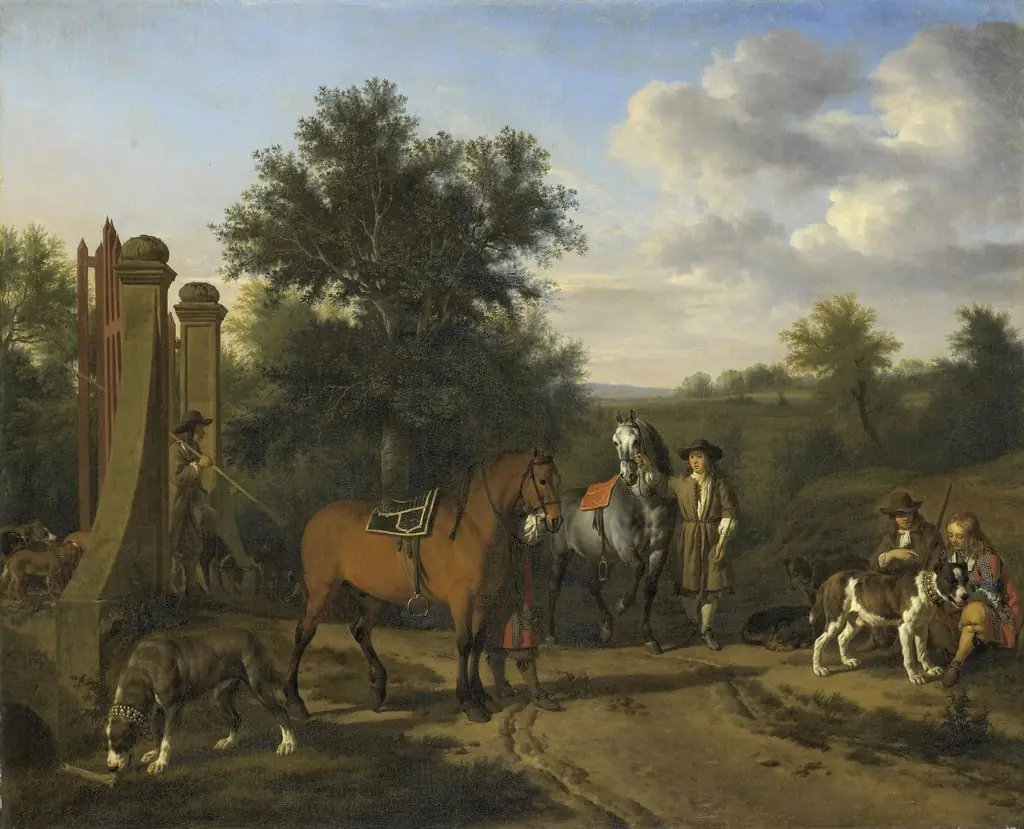
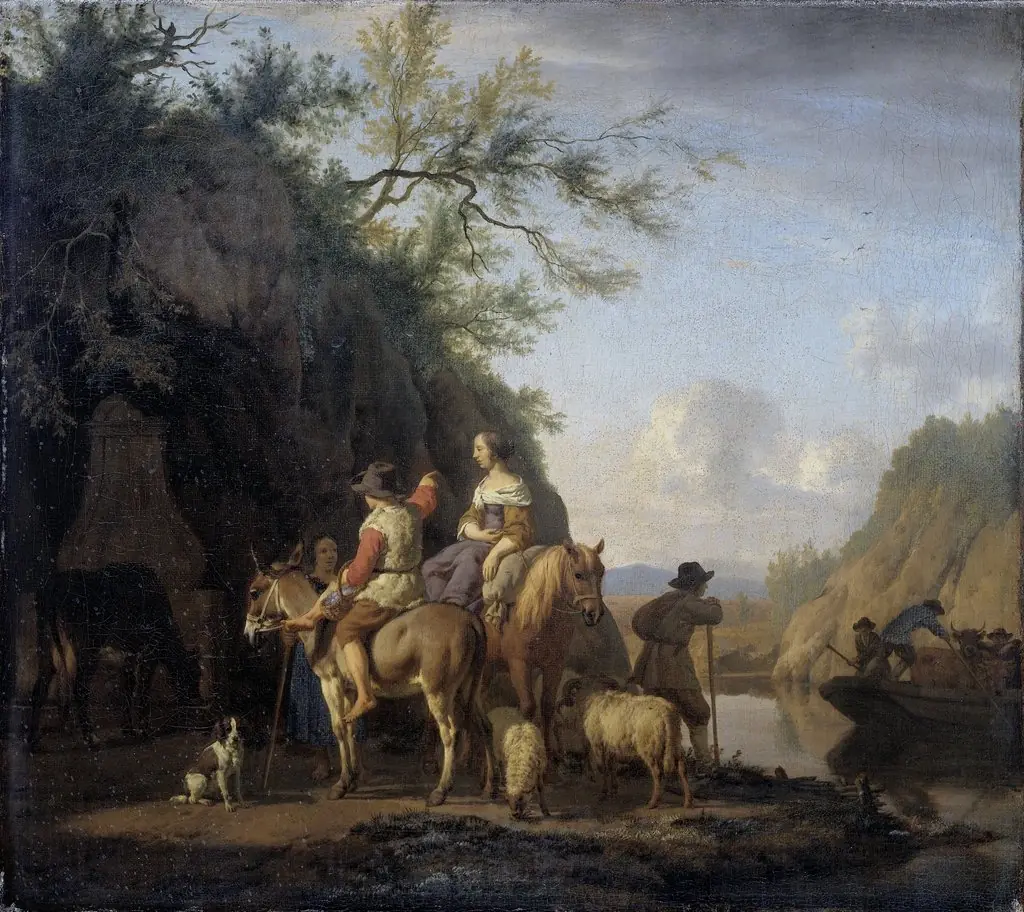
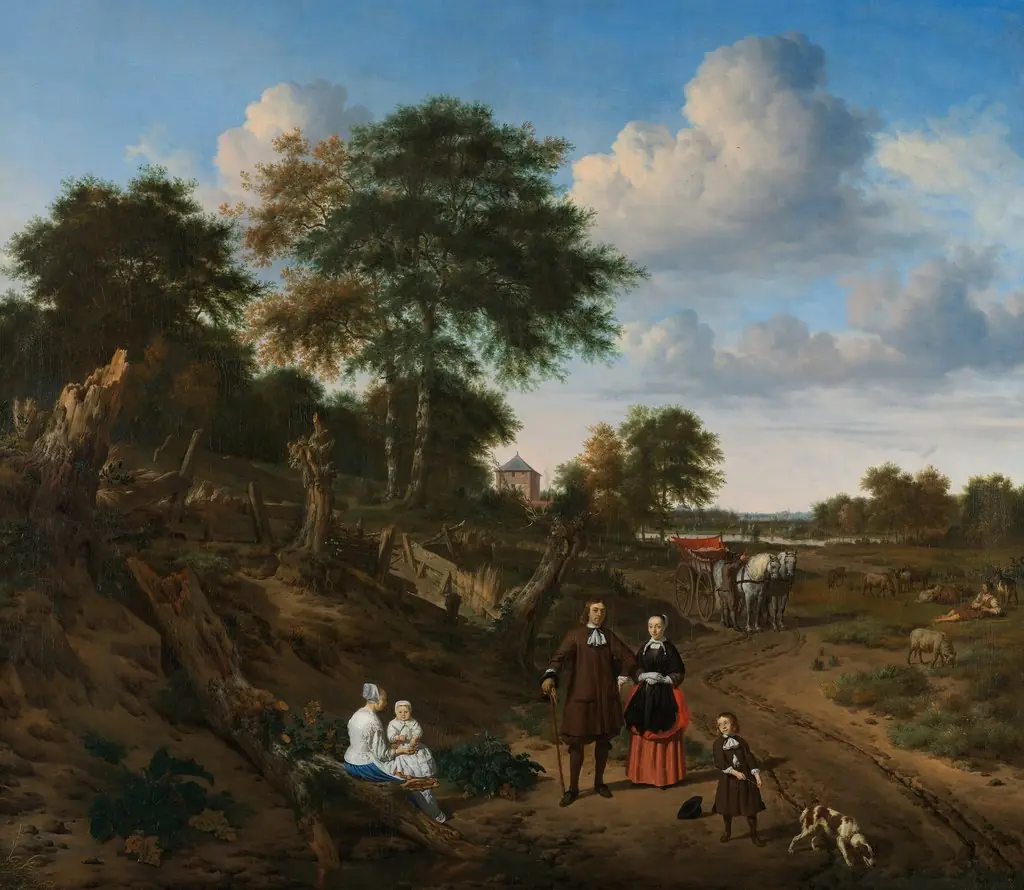
Mountainous landscape with cattle is an oil painting by the Dutch Golden Age artist Adriaen van de Velde. It dates from 1663 and is held in the collection of the Rijksmuseum.
About this work
Technique & Style
The brushwork demonstrates careful modeling of light and terrain, contributing to the painting’s balanced formal composition.
The work is an oil painting executed on a wooden panel, reflecting 17th-century Dutch landscape practice. Measuring 30 cm in height and 36.5 cm in width, the composition showcases a tranquil, atmospheric rendering of a hilly scene populated with cattle, a hallmark of van de Velde’s naturalistic style. The brushwork demonstrates careful modeling of light and terrain, contributing to the painting’s balanced formal composition.
History & Provenance
Mountainous landscape with cattle is an oil painting on panel created in 1663 by Adriaen van de Velde. The work measures 36.5 cm in width and 30 cm in height. Originally owned by Adriaan van der Hoop, it entered the collection of the Rijksmuseum in Amsterdam.
The painting is classified as a landscape and is currently held by both the Rijksmuseum and the Amsterdam Museum.
The painting is held in the collection of the Rijksmuseum in Amsterdam. According to the Wikidata record, it is also associated with the Amsterdam Museum and the former collection of Adriaan van der Hoop, indicating that the work passed through Van der Hoop's holdings before entering the Rijksmuseum's collection. No specific inventory or accession number is provided in the available sources, and no exhibition history is documented.
Legacy
The work Mountainous landscape with cattle has been recognized as a significant example of 17th-century Dutch landscape painting, particularly within the oeuvre of Adriaen van de Velde. Its inclusion in the collections of the Rijksmuseum and Amsterdam Museum, alongside the Adriaan van der Hoop collection, underscores its historical and artistic importance. The painting's composition and treatment of natural scenery contributed to the development of Dutch landscape art in the late 1600s, influencing later artists who engaged with similar themes of rural topography and atmospheric rendering.
Its provenance from a private collection to public institutions reflects broader patterns in the preservation and institutional appreciation of Dutch Golden Age works. The painting's dimensions of 30 cm by 36.5 cm, executed in oil on panel in 1663, remain consistent with contemporary practices in Dutch easel painting.
Overview
This 1663 oil painting by Adriaen van de Velde depicts a pastoral scene set against a mountainous backdrop. Part of the Rijksmuseum’s collection, the work presents a tranquil rural landscape, combining natural elements with human and animal figures. The composition balances foreground activity with distant terrain, executed in a detailed, naturalistic manner.
Subject & Meaning
The scene centers on cattle grazing near a lone herder, who stands with a staff, overseeing the animals. The mountainous horizon and dense foliage frame the pastoral activity, suggesting themes of rural harmony and the relationship between humans and nature. The subdued palette and quiet atmosphere evoke a sense of timelessness, emphasizing the simplicity of agrarian life.
Context
During the 17th century, Dutch artists frequently depicted landscapes as reflections of national identity and economic prosperity. Van de Velde, known for his pastoral scenes, contributed to this tradition by blending idealized rural imagery with observational accuracy. His work aligns with contemporaries who celebrated the Dutch countryside as a symbol of stability and natural beauty.
Own this work as a print
Artist & collection

Artist
Adriaen van de Velde, was a Dutch painter, draughtsman, and print artist. His favorite subjects were landscapes with animals and genre scenes. He also painted beaches, dunes, forests, winter scenes, portraits in…