Artwork
Woman Reading
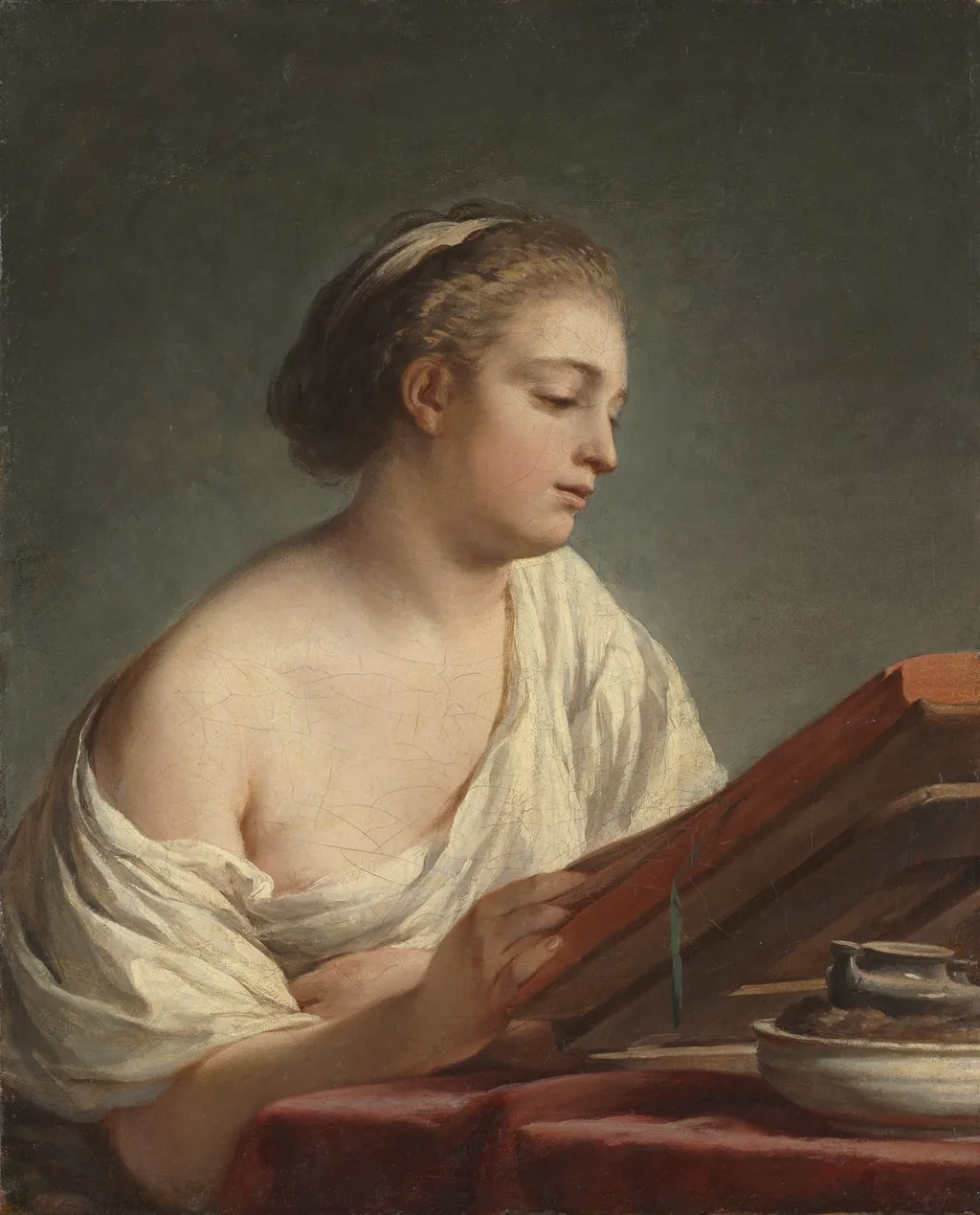
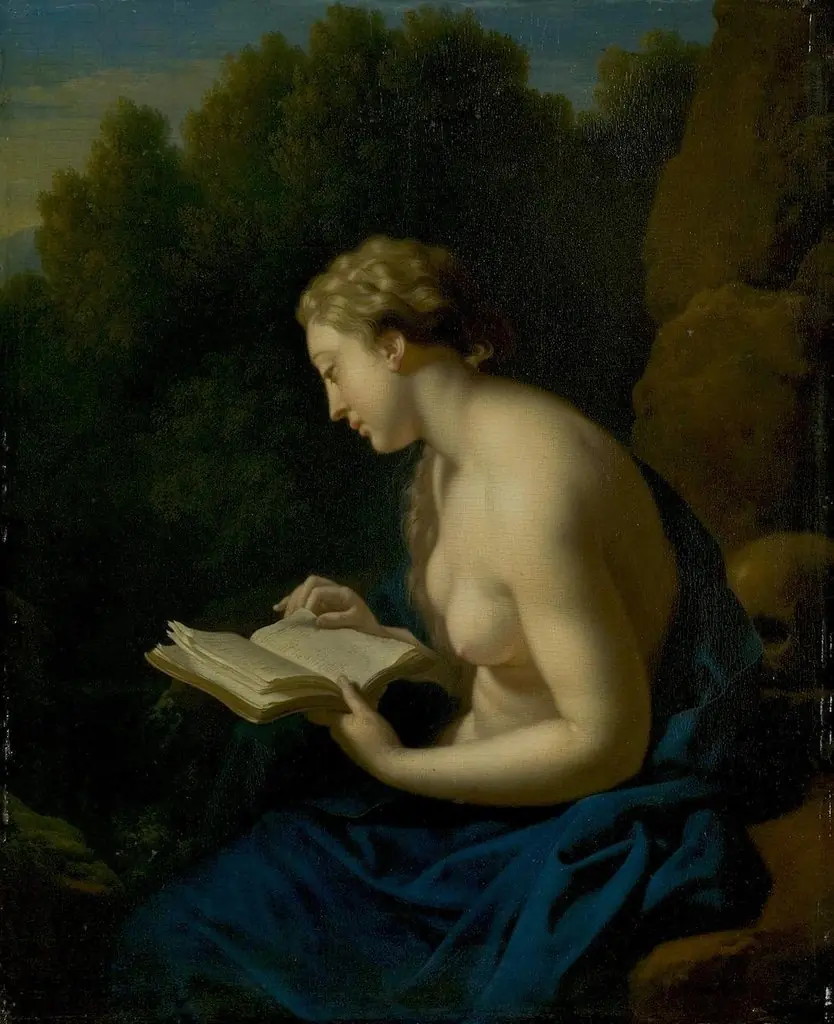
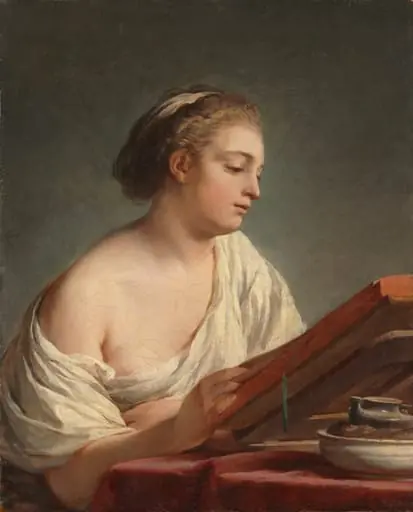
Woman Reading is an oil painting by the Rococo painting artist Nicolas Bernard Lépicié. It dates from 1769 and is held in the collection of the Cleveland Museum of Art.
About this work
Technique & Style
The painting Woman Reading by Nicolas Bernard Lépicié is executed in oil paint on canvas, a standard technique for 18th-century French easel works.
The painting Woman Reading by Nicolas Bernard Lépicié is executed in oil paint on canvas, a standard technique for 18th-century French easel works. Measuring 46.3 cm in height and 37.8 cm in width, the composition centers on a solitary female figure absorbed in reading, rendered with delicate brushwork and subtle tonal transitions that emphasize quiet introspection. The formal arrangement highlights a restrained palette and careful handling of light, contributing to the work's soft, intimate atmosphere.
History & Provenance
Woman Reading is an oil painting by Nicolas Bernard Lépicié dated 1769. According to the Wikidata record, the work was made in France on a canvas measuring 46.3 cm in height by 37.8 cm in width.
The documented ownership chain traces through several holders. The painting was at one point held by Galerie Cailleux and by Wildenstein & Company. During the Second World War it came into the possession of the Reichsleiter Rosenberg Taskforce, a Nazi looting organization.
It subsequently passed to Georges Wildenstein before entering the Cleveland Museum of Art, where it is recorded under accession number 1964.288.
Overview
Created in 1769, Woman Reading is an oil painting by French artist Nicolas Bernard Lépicié. Executed in the Rococo idiom, the work depicts a solitary female figure absorbed in a book. It is part of the permanent collection of the Cleveland Museum of Art, where it is displayed among the museum’s 18th‑century European holdings.
Subject & Meaning
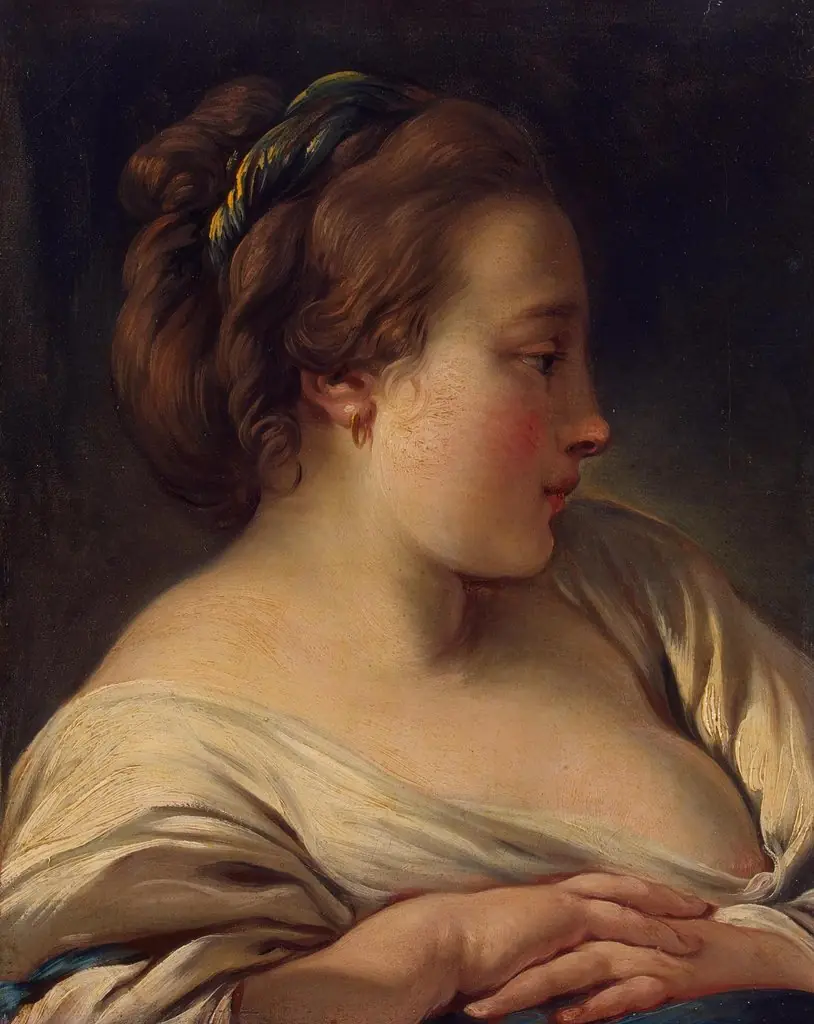
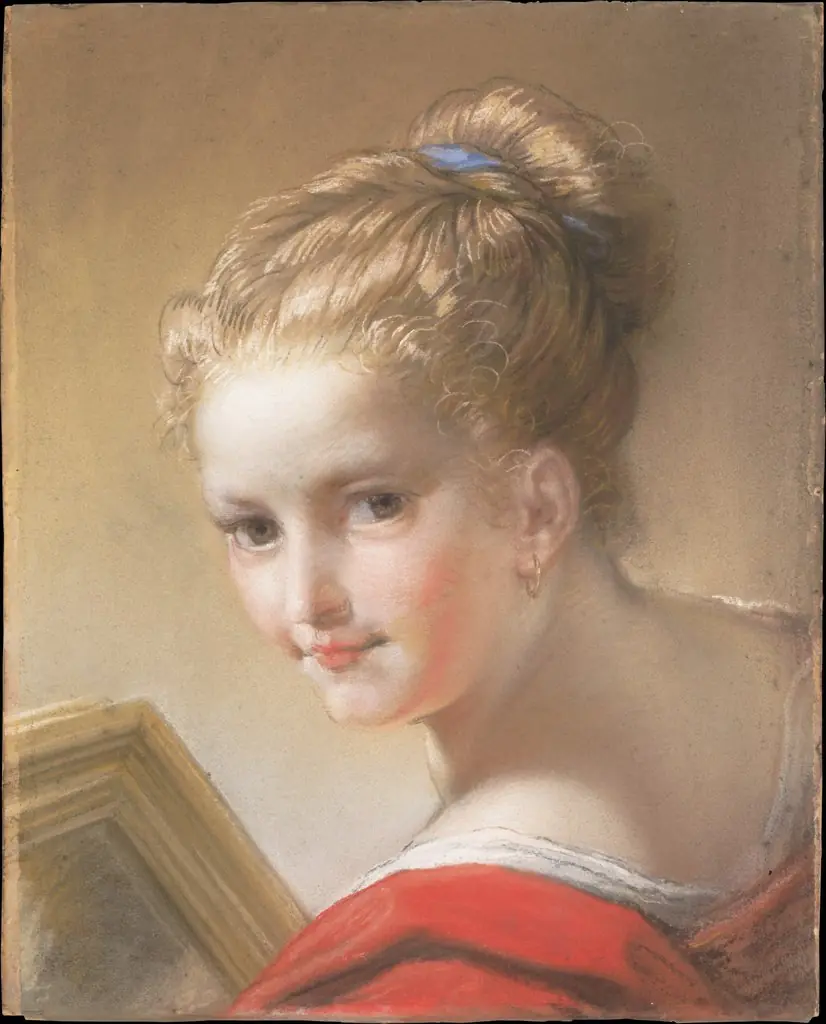
The composition presents a young woman seated at a modest table, her body turned slightly toward the viewer. She wears a pale, loosely draped dress that reveals one shoulder, while her hair is gathered back. The open book on her lap and the scattered papers suggest quiet study or contemplation, emphasizing a private moment of literacy.
Context
During the late 1760s, French art was transitioning from the frivolity of early Rococo toward a more restrained, moralizing tone. Lépicié’s focus on a solitary, educated woman aligns with contemporary interests in domestic virtue and the emerging value placed on women’s literacy within bourgeois households.
Own this work as a print
Artist & collection
Artist
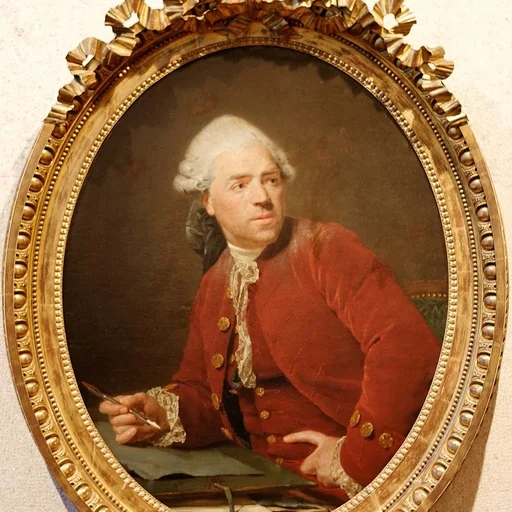
Nicolas Bernard Lépicié (16 June 1735 – 15 September 1784) was a French painter and teacher of painting, the son of two well-known engravers at the time, François-Bernard Lépicié and Renée-Élisabeth Marlié.