Artwork
Last Judgment
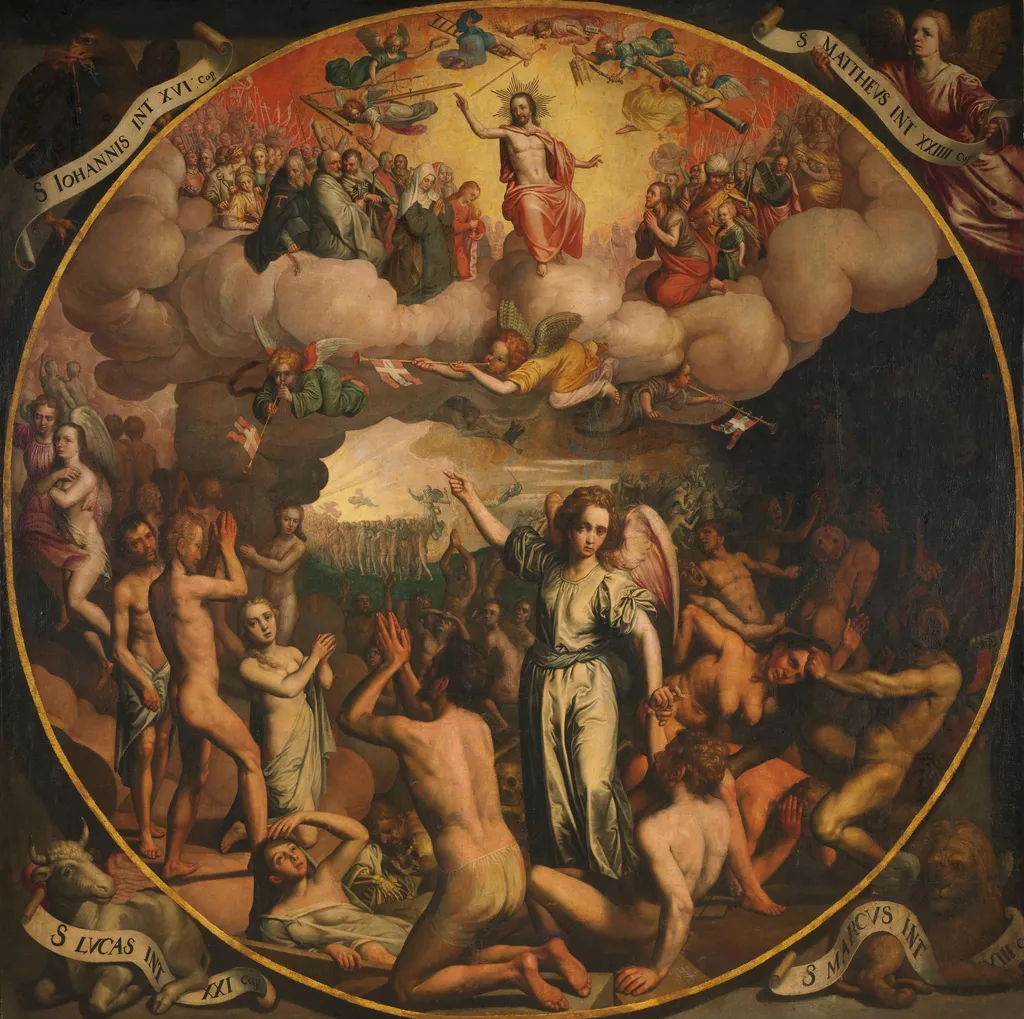
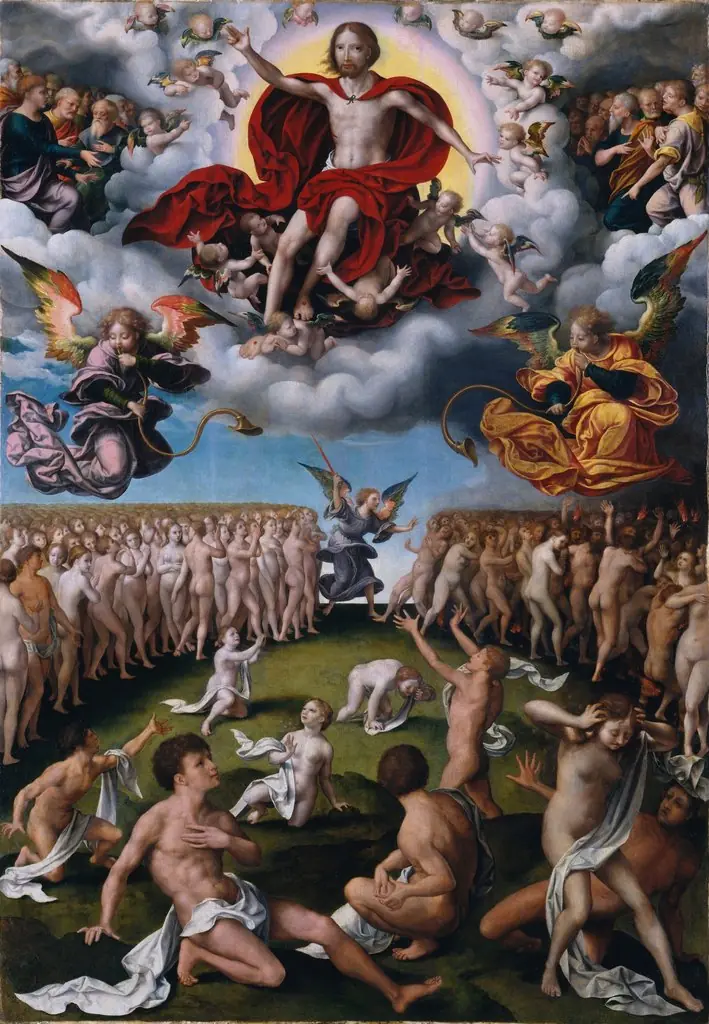
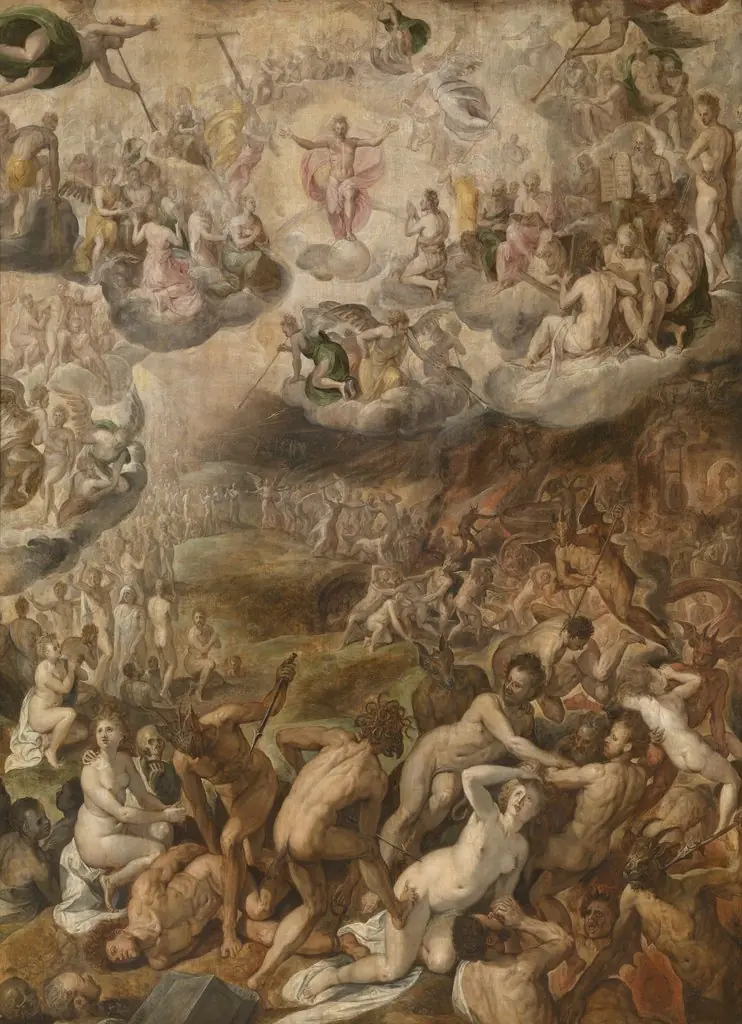
Last Judgment is an oil painting by the Early Baroque Italian artist Aert Pietersz. It dates from 1611 and is held in the collection of the Rijksmuseum.
About this work
Technique & Style
Executed in 1611 by Aert Pietersz, this religious painting depicts the Day of Judgment using oil paint applied to a canvas support.
Executed in 1611 by Aert Pietersz, this religious painting depicts the Day of Judgment using oil paint applied to a canvas support. The work measures 200 cm in both height and width, creating a substantial square format for the composition. As a piece classified within the genre of religious art, the medium and materials align with standard Northern European practices of the early seventeenth century.
History & Provenance
The Last Judgment was painted by Aert Pietersz in 1611, as indicated by the artist’s signature and date on the work. The painting entered the collection of the Rijksmuseum, Amsterdam, where it remains located. Its dimensions are recorded as 200 by 200 centimeters, painted in oil on canvas.
The provenance is documented through its inclusion in the museum’s holdings, with no further ownership chain or commission details available in the cited sources.
The Last Judgment is held in the collection of the Rijksmuseum, Amsterdam, where it is recorded under inventory number SK-C-1813.
The painting was shown in the Rijksmuseum’s 2011 exhibition Zicht op het Zicht as part of the museum’s holdings of seventeenth-century religious works.
Overview
Aert Pietersz’s 1611 oil painting titled “Last Judgment” presents a complex biblical tableau. The work is housed in the Rijksmuseum and occupies a large vertical format, dividing the canvas between a celestial summit and a tumultuous earthly realm. The composition centers on a radiant Christ figure, flanked by angels and saints, while the lower register depicts the fate of souls amid divine adjudication.
Subject & Meaning
The scene illustrates the Christian eschatological moment when Christ judges humanity. Above, Christ presides with a serene yet authoritative presence, surrounded by heavenly hosts. Below, the composition splits: demons drag condemned figures toward a dark abyss, whereas angels elevate the righteous toward light. This dichotomy visualizes the moral consequences of earthly conduct as understood in early‑17th‑century theology.
Own this work as a print
Artist & collection
Artist
This Dutch painter turned everyday scenes and dignified portraits into vivid stories on wood panels in the late 1500s and early 1600s.