Artwork
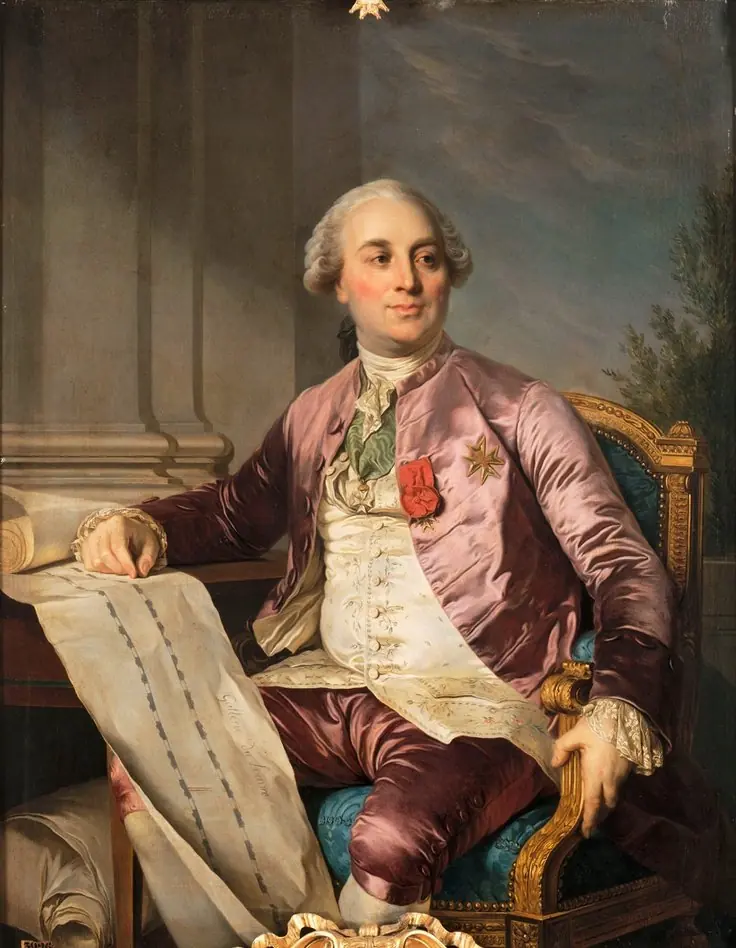
Portrait de Marc-Antoine Thierry, baron de Ville d'Avray, premier valet de chambre de Louis XVI, intendant du garde meuble
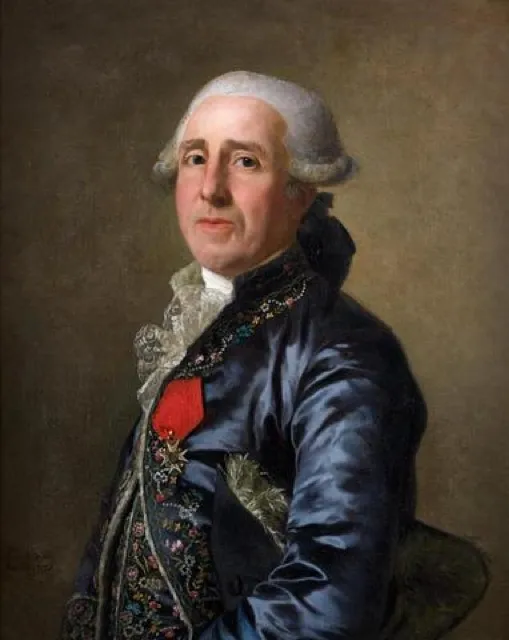
Portrait de Marc-Antoine Thierry, baron de Ville d'Avray, premier valet de chambre de Louis XVI, intendant du garde meuble is an oil painting by the Rococo painting artist Alexander Roslin. It is held in the collection of the Palace of Versailles.
About this work
Overview
In 1796 Alexander Roslin, a Swedish portraitist known for his work among European aristocracy, completed an oil painting of Marc‑Antoine Thierry, baron de Ville‑d’Avray. The sitter held the positions of premier valet de chambre to Louis XVI and superintendent of the royal furnishings. The canvas now belongs to the collection of the Palace of Versailles.
Subject & Meaning
The portrait presents Thierry in a dignified pose, his gaze directed outward, suggesting confidence and service to the crown. His calm expression and slight smile convey a restrained self‑assurance appropriate to a high‑ranking court official. The inclusion of a red medal on his left hints at an honor or official appointment, reinforcing his status within the royal household.
Technique & Style
Roslin combines a Classical compositional balance with the bright, decorative palette typical of the late Rococo. The subject’s blue coat, embroidered with fine detail, and the white wig are rendered with meticulous attention to texture. Subtle chiaroscuro and layered glazing create a sense of depth, while the muted brown backdrop allows the attire to dominate the visual field.
History & Provenance
Executed shortly after the French Revolution’s early years, the painting remained in royal possession and was eventually incorporated into the Versailles museum collection. Its survival through the turbulent post‑revolutionary period reflects the continued appreciation for Roslin’s portraiture and the historical interest in court officials of the ancien régime.
Context
Roslin’s career spanned courts from Stockholm to Paris, and his ability to capture psychological nuance made him a favored portraitist among the elite.
Roslin’s career spanned courts from Stockholm to Paris, and his ability to capture psychological nuance made him a favored portraitist among the elite. This work exemplifies his late‑career synthesis of Northern precision and French decorative sensibility, situating the portrait within the broader transition from Rococo exuberance to the more restrained Neoclassical aesthetic of the late eighteenth century.
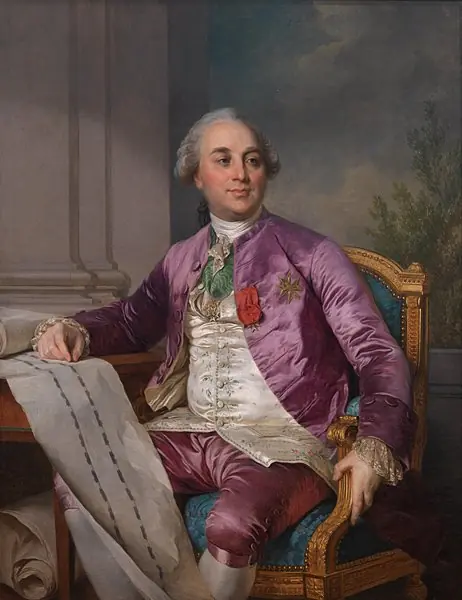
Artist & collection
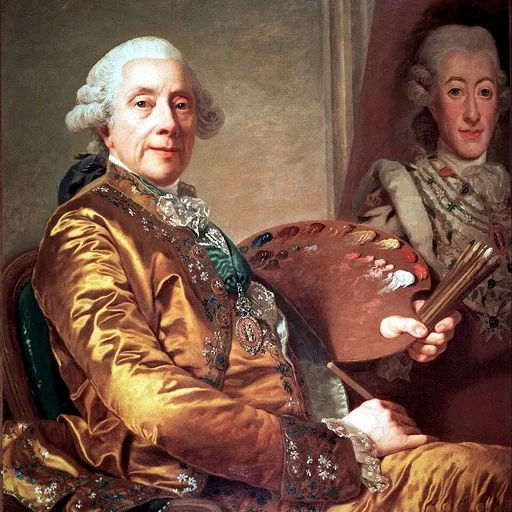
Artist
Alexander Roslin (pronounced; spelled Alexandre in French, pronounced; 15 July 1718 – 5 July 1793) was a Swedish painter who worked in Scania, Bayreuth, Paris, Italy, Warsaw and St.

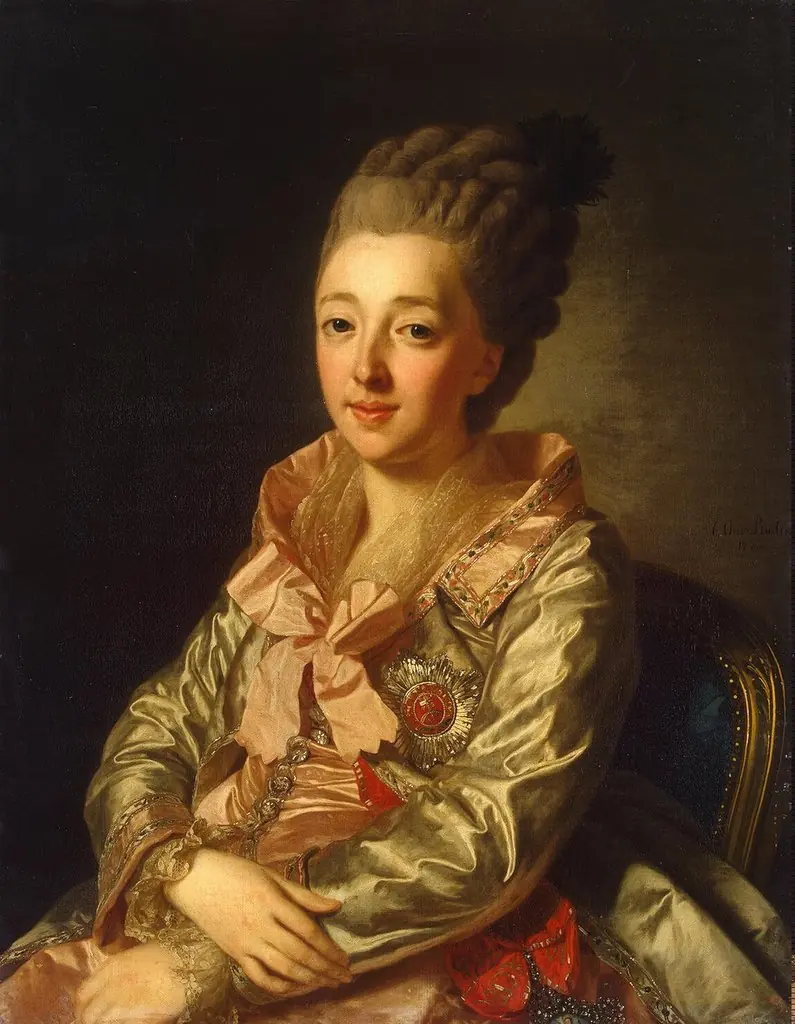 Portrait of Grand Duchess Natalia Alexeyevna
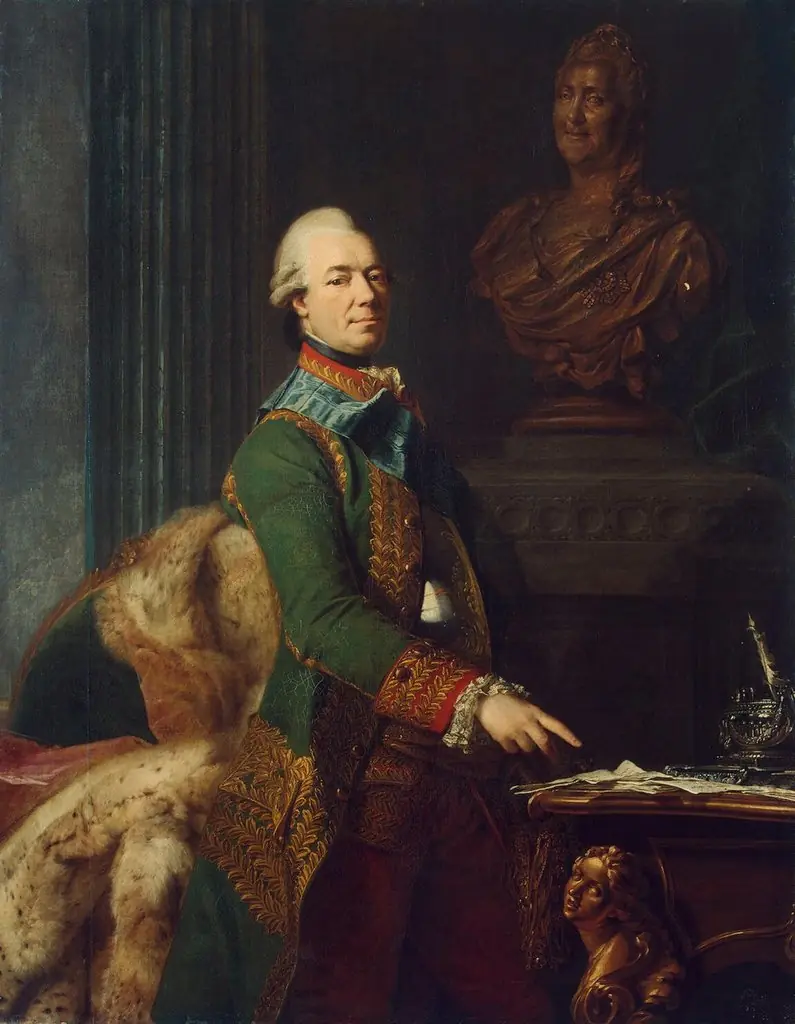 Portrait of Count Zakhar Chernyshev
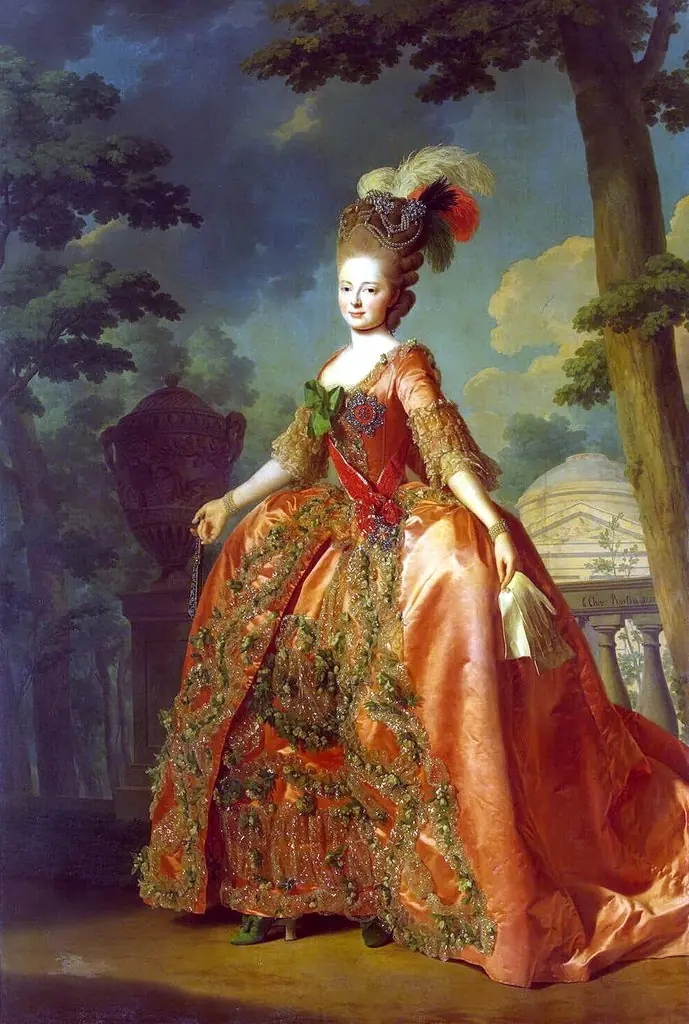 Portrait of Grand Duchess Maria Fiodorovna
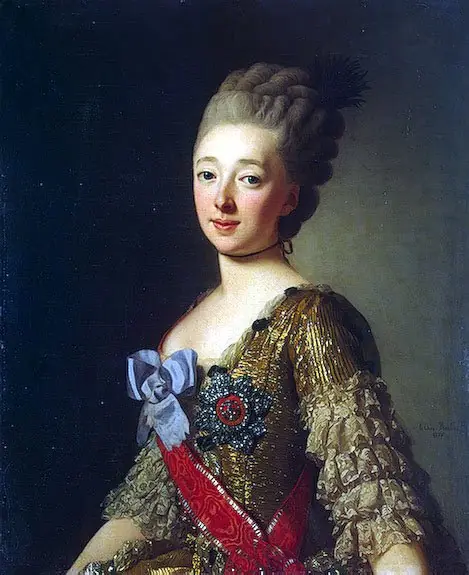 Portrait of Grand Duchess Natalia Alexeievna (Wilhelmina Louisa of Hesse-Darmstadt)
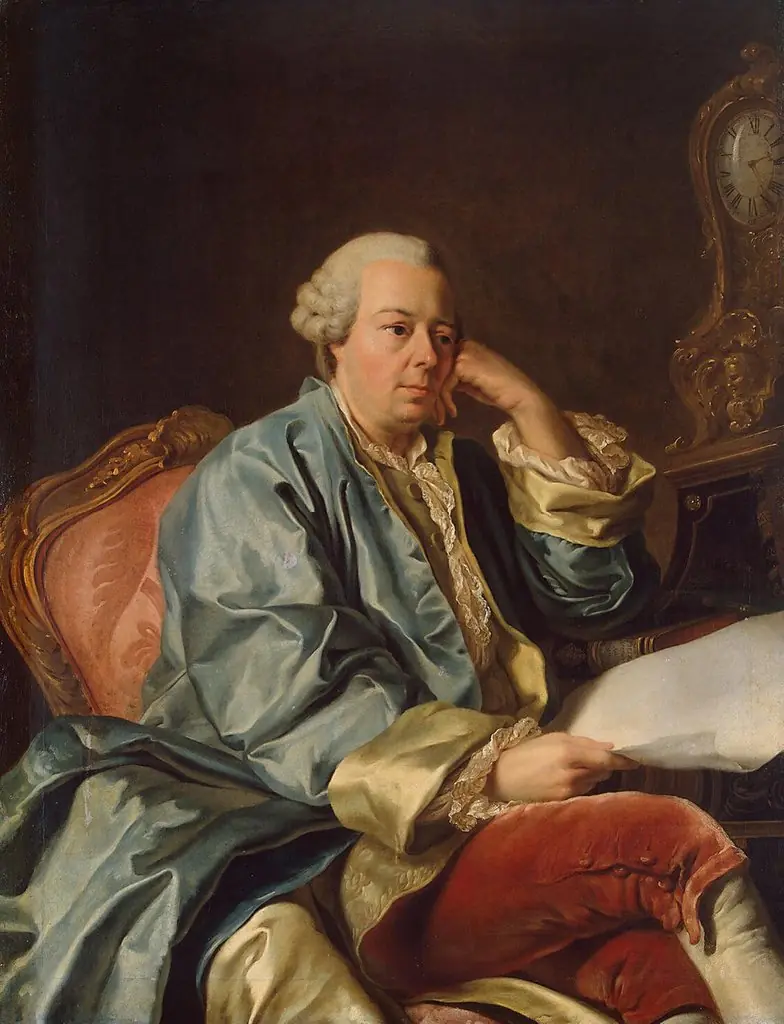 Portrait of Ivan Ivanovich Betskoi Wearing a Dressing Gown (copy)
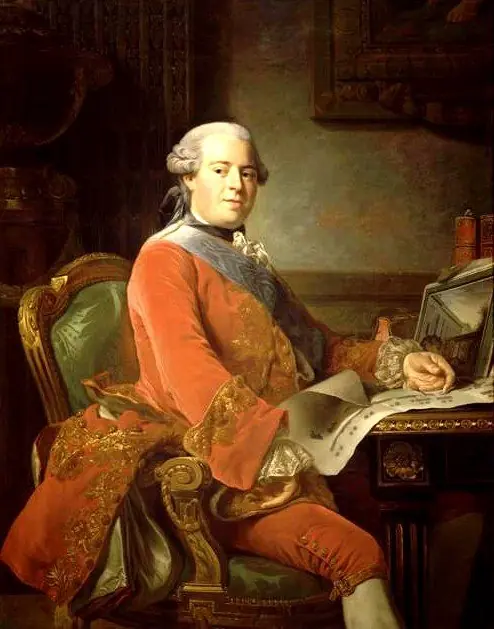 Portrait of Abel-François Poisson, marquis de Marigny
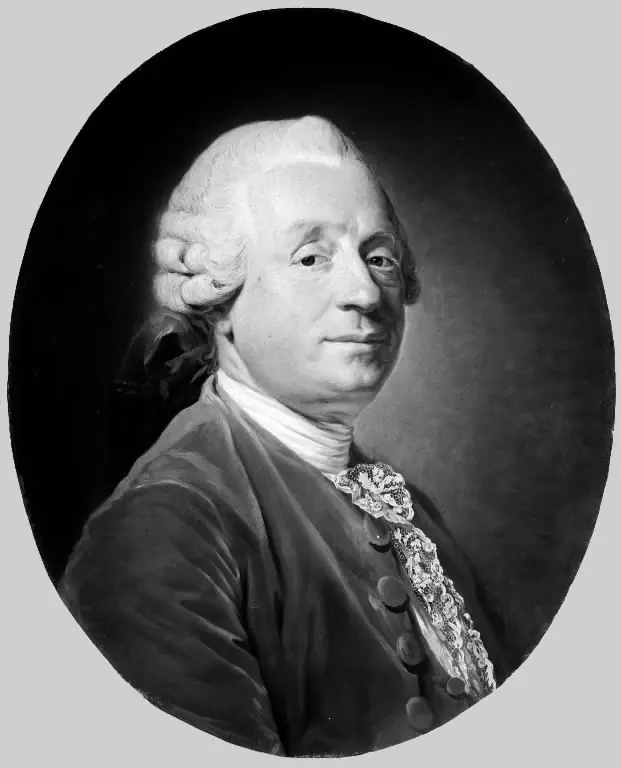 Portrait of Charles Auguste Bourlet de Vauxelles
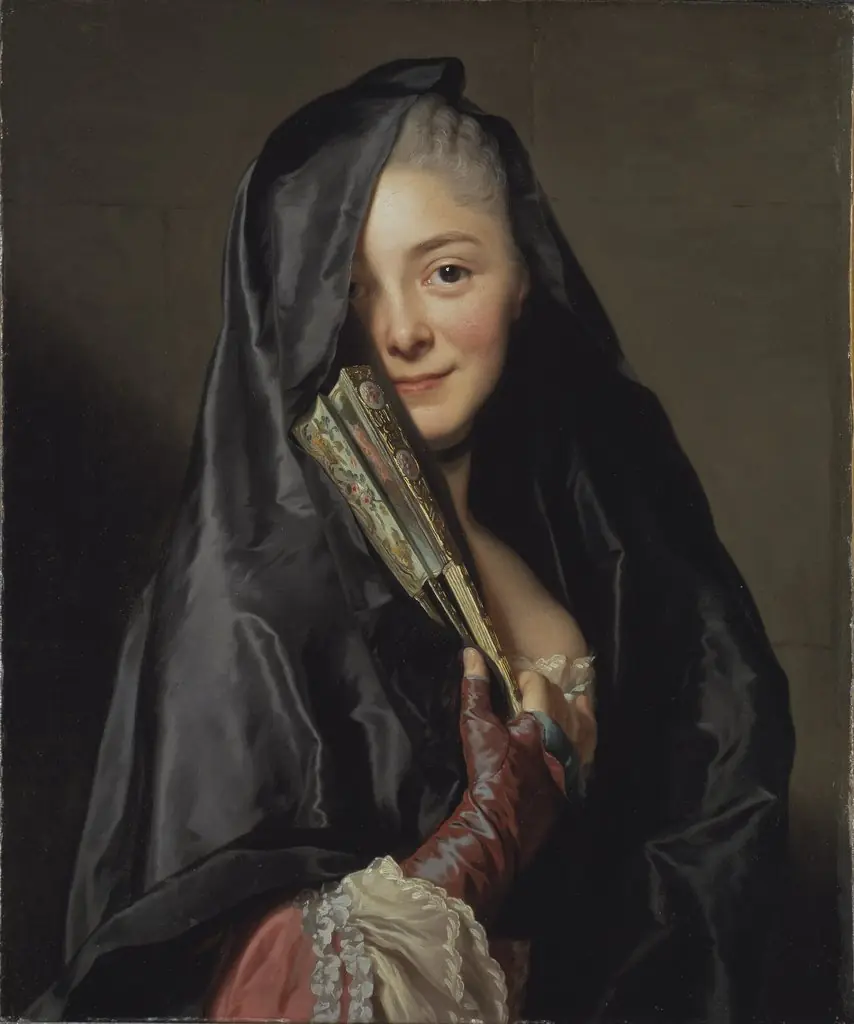 The Lady with a Fan, The Artist's Wife
- Portrait of Charles-Claude Flahaut de la Billarderie comte d'Angiviller (1730-1809)
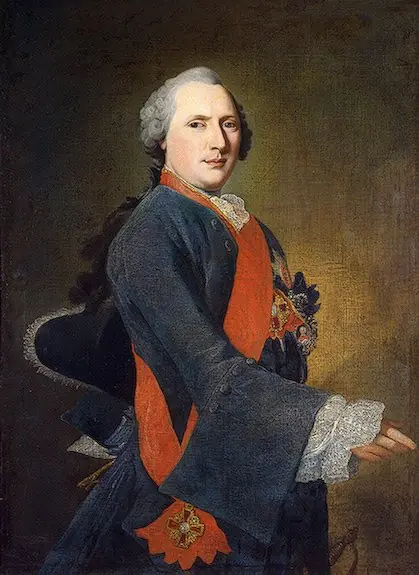 Portrait of Marshal of the Count Karl Sievers
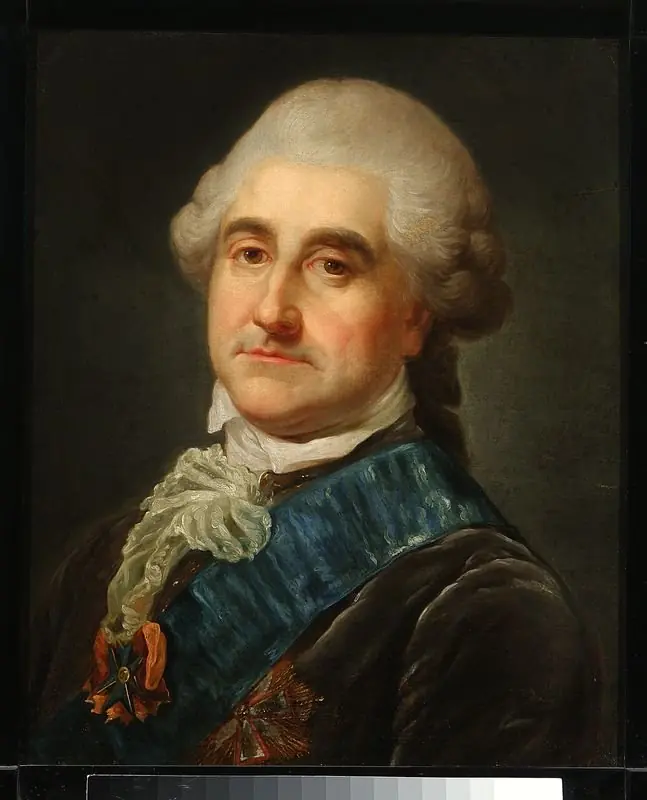 Portrait of Stanisław August Poniatowski
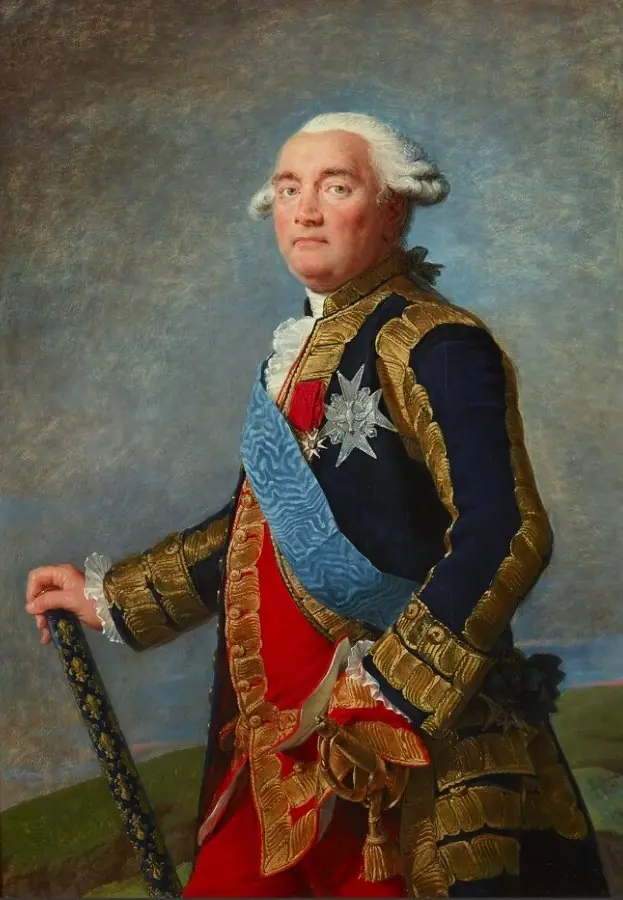 Philippe Henri, marquis de Ségur-Ponchat (1724–1801), französischer Marschall und Kriegsminister
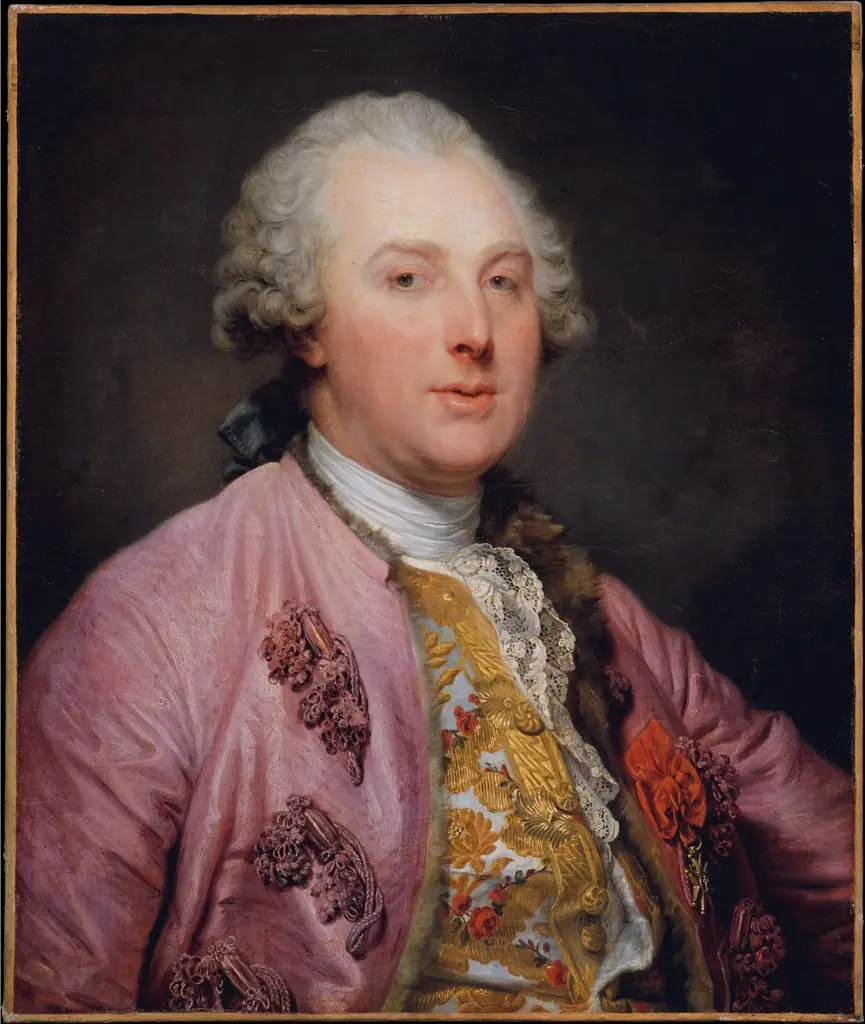 Portrait of Charles Claude de Flahaut de La Billarderie (Comte d'Angiviller)
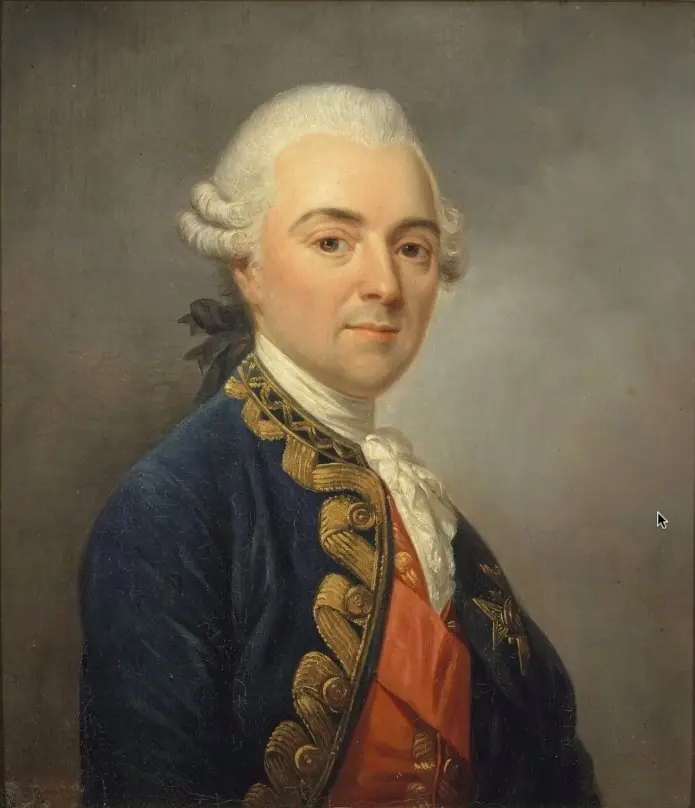 Portrait of Victor-Maurice de Riquet de Caraman (1722-1807)
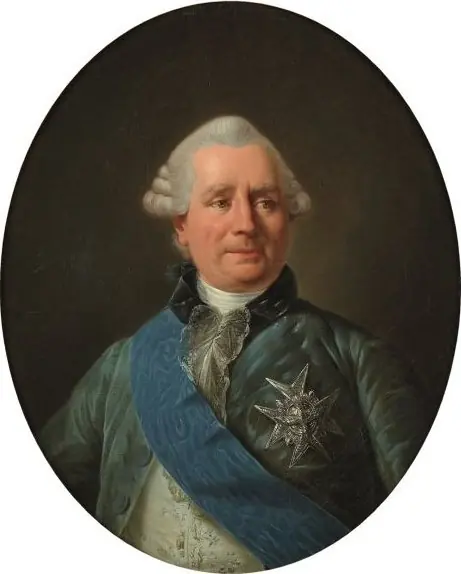 The Count de Vergennes
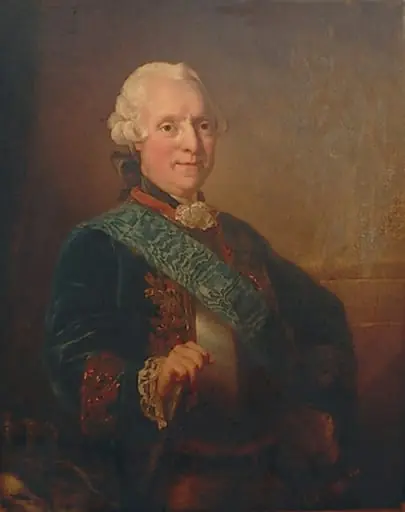 Kuningas Adolf Fredrik
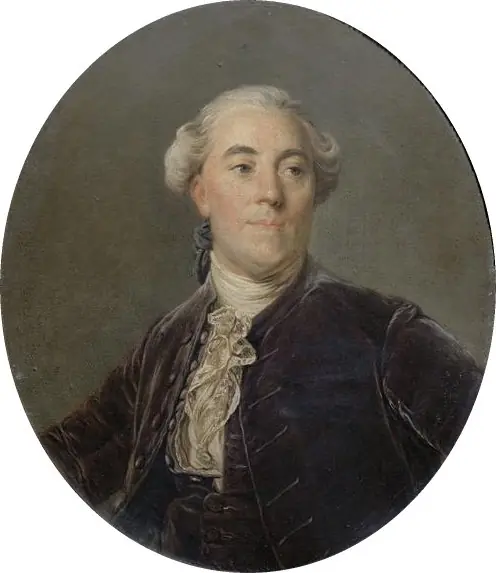 Portrait of Jacques Necker (1732-1804)
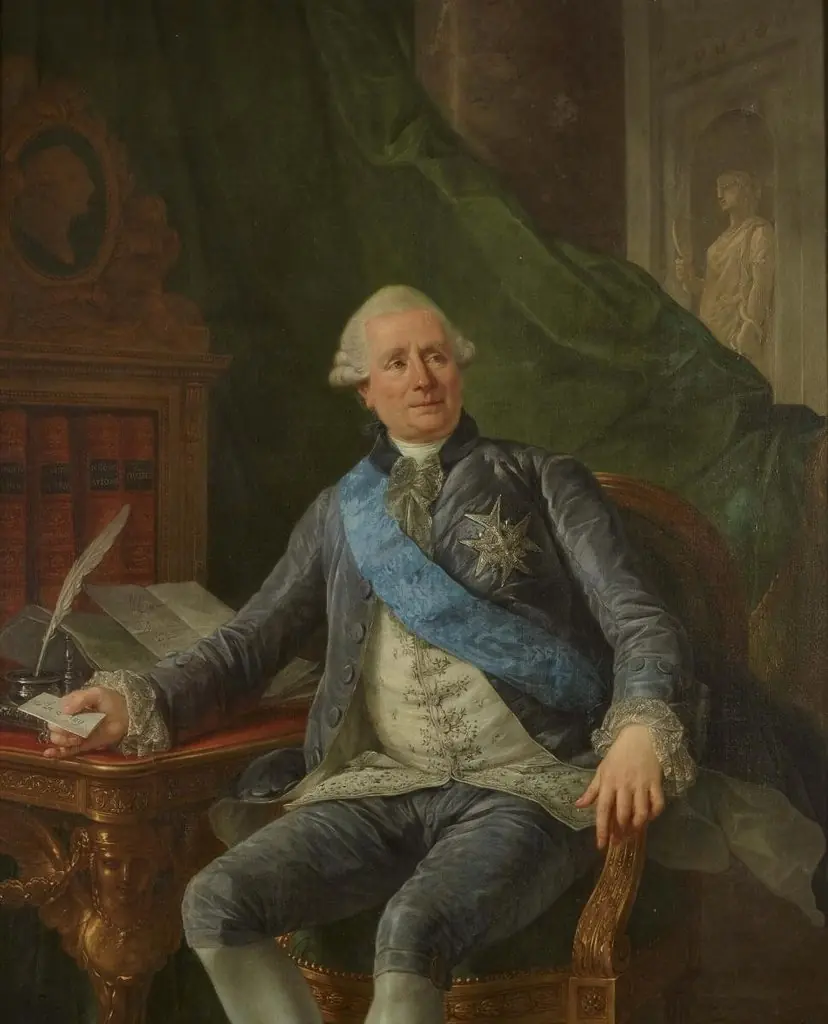 Portrait of the Comte de Vergennes
 Charles-Claude Flahaut de la Billaderie