Artwork
Seated Arab Man with Horse
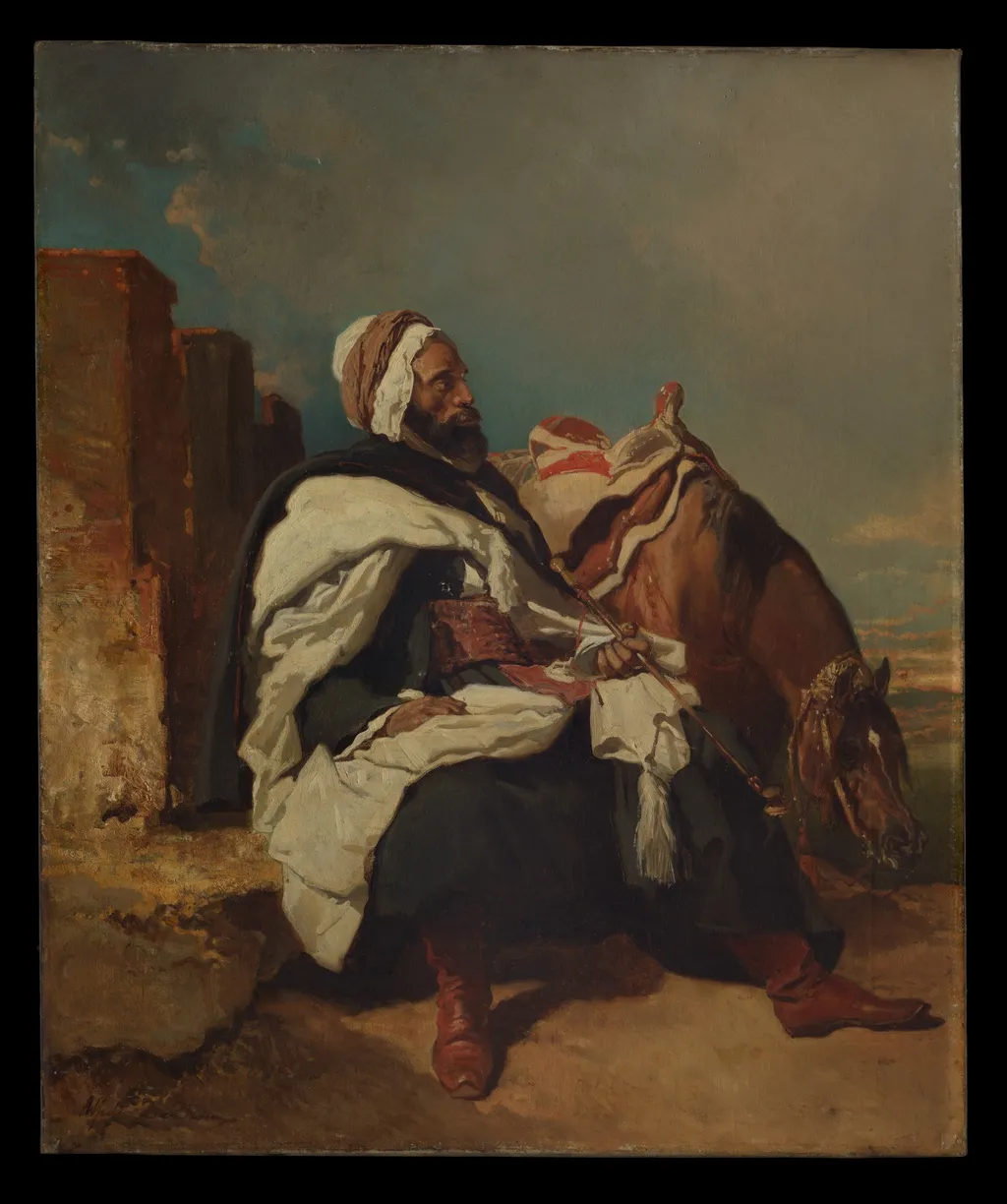
Seated Arab Man with Horse is an oil painting by the Orientalist artist Alfred de Dreux. It dates from 1854 and is held in the collection of the Metropolitan Museum of Art.
About this work
Subject & Meaning
The subject's attire and the equine's presence align with the Orientalist tradition of portraying North African or Middle Eastern life as exotic yet dignified.
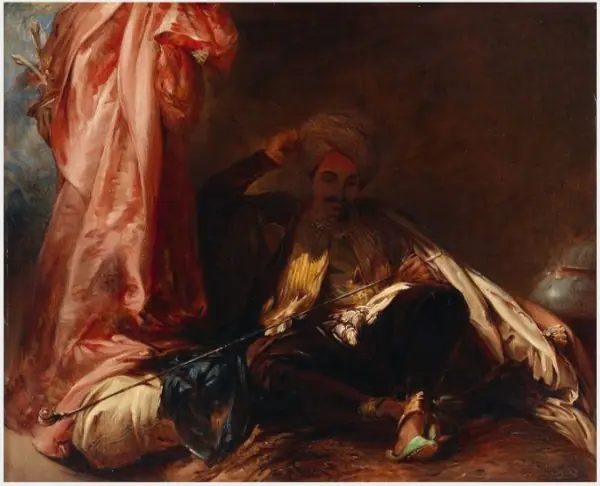
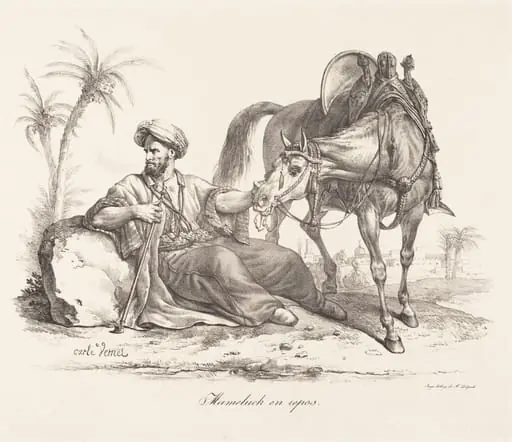
The painting depicts a seated figure in Arab dress, arranged in a quiet, contemplative pose beside a horse. The subject's attire and the equine's presence align with the Orientalist tradition of portraying North African or Middle Eastern life as exotic yet dignified. The composition emphasizes calm observation rather than action, suggesting themes of cultural encounter and exchange.
The horse, a recurring motif in Orientalist art, serves as both a status symbol and a marker of local custom, reinforcing the sitter's connection to equestrian culture. Together, these elements evoke an idealized vision of Arab society as perceived under French colonial influence during the mid-nineteenth century.
Technique & Style
Executed in oil paint on canvas, Seated Arab Man with Horse is a relatively modest-scale work measuring 64.8 cm in height by 54 cm in width. The painting belongs to the Orientalist movement, a stylistic current in which de Dreux was active and which characteristically emphasized detailed depictions of North African and Middle Eastern subjects, here a man and a horse. The use of oil on canvas is consistent with mid-nineteenth-century French academic practice and allowed for the layered, finished handling typical of de Dreux's Orientalist compositions. The work is held in the collection of the Metropolitan Museum of Art.
History & Provenance
The oil painting Seated Arab Man with Horse was created by Alfred de Dreux in 1854, classified within the Orientalist movement. The work depicts a man and a horse rendered on canvas, measuring 64.8 cm in height and 54 cm in width. The painting is currently held in the collection of the Metropolitan Museum of Art.
Specific commission details and the full chain of ownership prior to museum accession are not recorded in the available sources.
Overview
Created in 1854 by the French artist Alfred de Dreux, Seated Arab Man with Horse is an oil painting that exemplifies his focus on animal subjects and portraiture. This work portrays a man of apparent Middle Eastern or North African origin, resting alongside a horse, reflecting the artistic trends of the Orientalist movement. The piece is currently held in the collection of The Metropolitan Museum of Art.
Context
Alfred de Dreux was a French painter known for his equestrian scenes and portraits, often depicting animals with a keen eye for detail. Seated Arab Man with Horse falls within the Orientalist movement, a widespread artistic trend in 19th-century Europe. This movement frequently presented idealized or imagined views of North African and Middle Eastern cultures, often emphasizing exoticism and a sense of timelessness.
Own this work as a print
Artist & collection
Artist
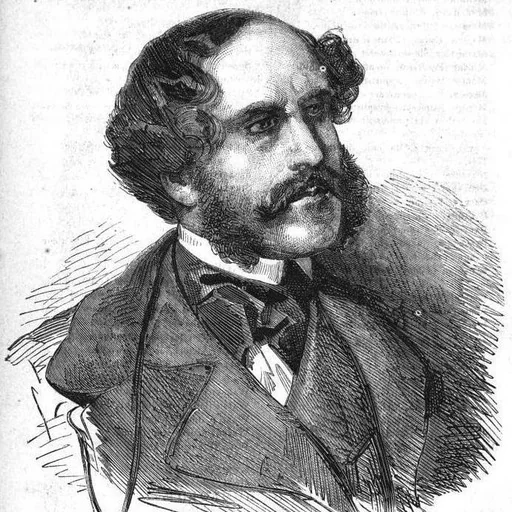
Pierre-Alfred Dedreux, who signed his works as Alfred de Dreux (French pronunciation:; 23 March 1810, in Paris – 5 March 1860, in Paris) was a French portrait and animal painter, best known for his scenes with horses.