Artwork
The Caliph of Constantine
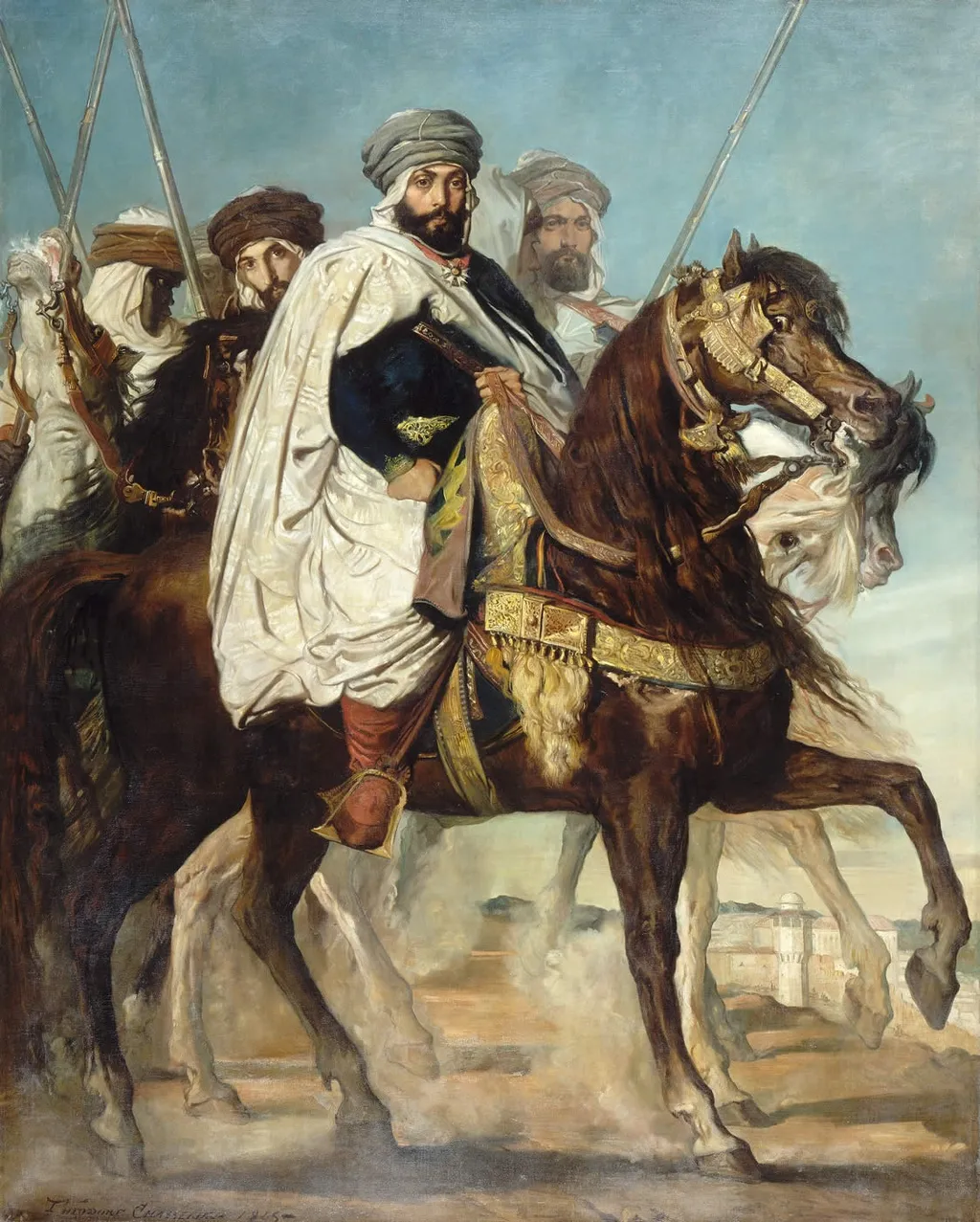
The Caliph of Constantine is an oil painting by the Orientalist artist Théodore Chassériau. It dates from 1854 and is held in the collection of the Museum of the History of France.
About this work
Overview
The work is now held at the Palace of Versailles in the collections of the Museum of the History of France, under inventory numbers MV 5407 and RF 1026.
The Caliph of Constantine is an oil-on-canvas painting by the French artist Théodore Chassériau, signed and dated 1845. Measuring 325 by 259 centimetres, this large-scale orientalist equestrian portrait depicts Ali Ben Ahmed, leader of the Haraktas tribe in Algeria, accompanied by his escort. The work is now held at the Palace of Versailles in the collections of the Museum of the History of France, under inventory numbers MV 5407 and RF 1026. Painted during a period when Chassériau was increasingly drawn to North African subjects, the canvas exemplifies the artist's celebrated passion for colour and movement, while also marking a significant moment in nineteenth-century French orientalist painting.
Subject & Meaning
The painting's full title, Ali Ben-Hamet, Caliph de Constantine and Chief of the Haractas, Followed by his Escort, identifies the central figure as Ali Ben Ahmed, a tribal leader who had invited Chassériau to portray him during a visit to Paris. The composition presents him triumphantly astride a dark brown horse adorned with elaborate gold-trimmed tack and a decorative saddle cloth. He wears a white draped cloak over a dark garment with gold embroidery, red boots, and a grey turban. Behind him, four companions wear varied head coverings including turbans and wrapped cloths, some carrying long rifles or spears raised at angles. One of the escorts is described as black. A white horse and rider appear partially behind the main group to the right. The background reveals distant buildings with domed and flat roofs, partially obscured by dust or haze near the ground, suggesting an Arab city with some Moorish-style architecture. Clouds of dust rising from the horses' hooves animate the scene and convey a sense of procession and authority. The iconography of the equestrian portrait traditionally signifies power and leadership, here adapted to an Algerian tribal context within the conventions of French orientalist art.
Technique & Style
Executed in oil on canvas, the painting demonstrates Chassériau's characteristic handling of colour and surface. The palette consists of warm browns, creamy whites, deep blues, and gold accents set against a pale blue sky. Light falls from the upper left, illuminating the central figure's white cloak and creating shadows on the horses and riders. The brushwork shows a smooth finish on faces and fabrics, with looser handling in the background and dust effects. This combination of precise detail in the foreground and atmospheric suggestion in the distance creates a dynamic spatial depth. The work exemplifies what critics and scholars have identified as Chassériau's passion for colour and movement during this period. However, contemporary reviewers noted certain technical weaknesses, particularly in the anatomical rendering of the horses.
History & Provenance
The painting was created in 1845 and exhibited at the Salon of that same year, where it attracted significant critical attention. After passing through private hands, the artist's nephew acquired the work at an auction at the Hôtel Drouot in Paris on 4 May 1881. Upon his death, he bequeathed it to the museum at Versailles. The work is now located at the Palace of Versailles, within the Museum of the History of France, and is catalogued under two inventory numbers: MV 5407 and RF 1026.
Context
The Caliph of Constantine occupies an important position within Chassériau's oeuvre and within French orientalist painting more broadly. The work emerged from the artist's engagement with North African subjects and his direct contact with Algerian figures who visited Paris. At the Salon of 1845, the painting received mixed reviews that reveal much about the critical standards and rivalries of the period. Chassériau was accused of a harmful imitation of Delacroix's art, a charge that suggests contemporaries recognised the younger artist's debt to the leading orientalist painter of the previous generation. Yet the same critics acknowledged the painting's grandeur and majesty. Technical criticisms focused on perceived deficiencies in equine anatomy, specifically a lack of science and firmness in the depiction of the horses and poorly attached limbs on the leading horse in the foreground. These critiques reflect the importance of academic standards in animal painting and the particular challenges of the equestrian portrait tradition, which Chassériau was adapting to new subject matter. The work has been discussed in scholarly literature including Nicolas Chaudun's study of the equestrian portrait in Western painting and the catalogue for the exhibition Chevaux et cavaliers arabes dans les arts d'Orient et d'Occident.
Legacy
The Caliph of Constantine remains a significant work for understanding Chassériau's development and the broader currents of French orientalist painting in the mid-nineteenth century. Its acquisition by the museum at Versailles through the artist's family ensured its preservation within France's national collections. The painting continues to be documented in official French museum databases, including the Joconde portal of the collections of French museums, which records it as part of the national patrimony. Its exhibition at the Salon of 1845 and subsequent critical discussion have made it a touchstone for scholars examining the reception of orientalist art, the competition between artists working in similar modes, and the adaptation of traditional European genres such as the equestrian portrait to colonial and exotic subjects. The work stands as evidence of the complex cultural encounters between France and Algeria during this period, mediated through the conventions of European academic painting.
Artist & collection
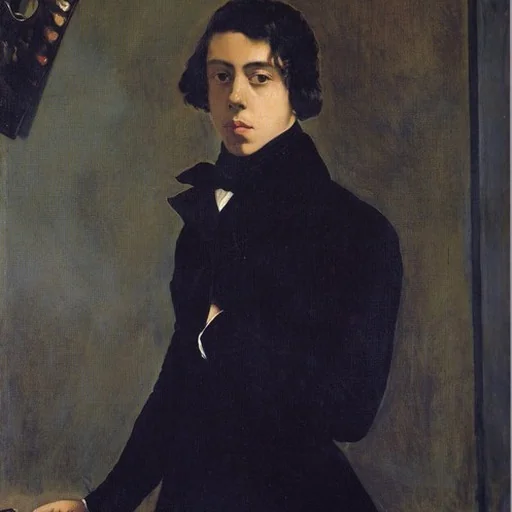
Artist
Théodore Chassériau (French pronunciation:; Spanish: Teodoro Chasseriau; September 20, 1819 – October 8, 1856) was a Dominican-born French Romantic painter noted for his portraits, historical and religious paintings,…

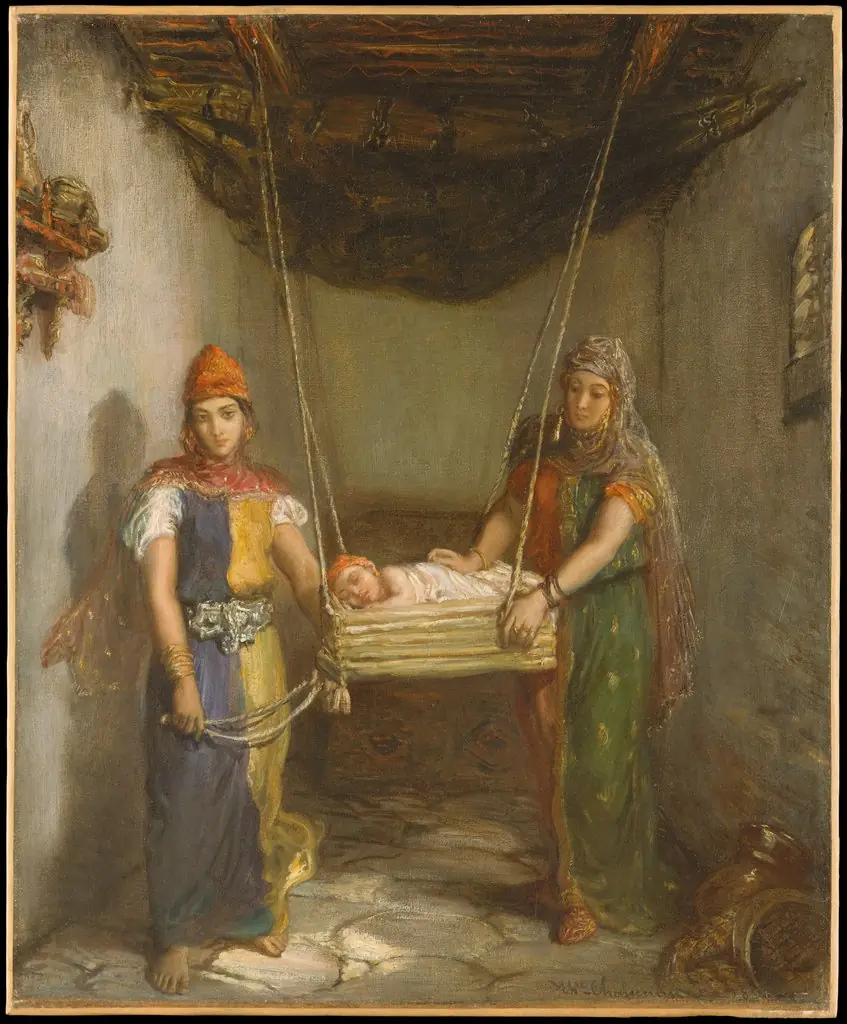 Scene in the Jewish Quarter of Constantine
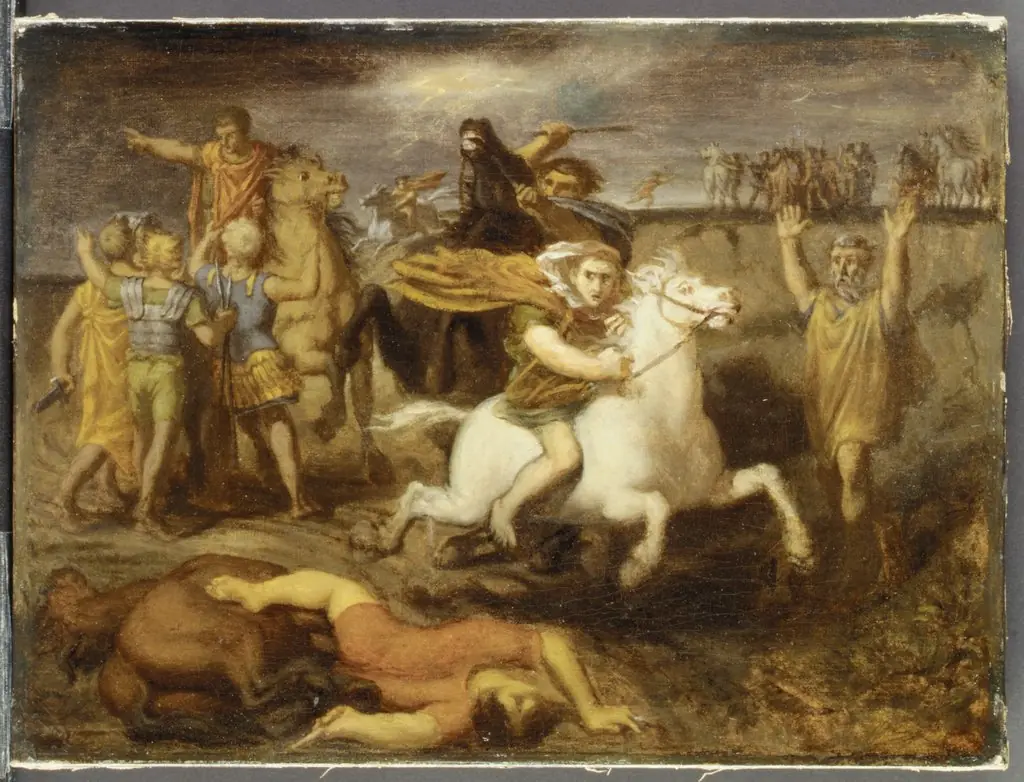 Scene from the Gallic Wars: The Gaul Littavicus, Betraying the Roman Cause, Flees to Gergovie to Support Vercingétorix
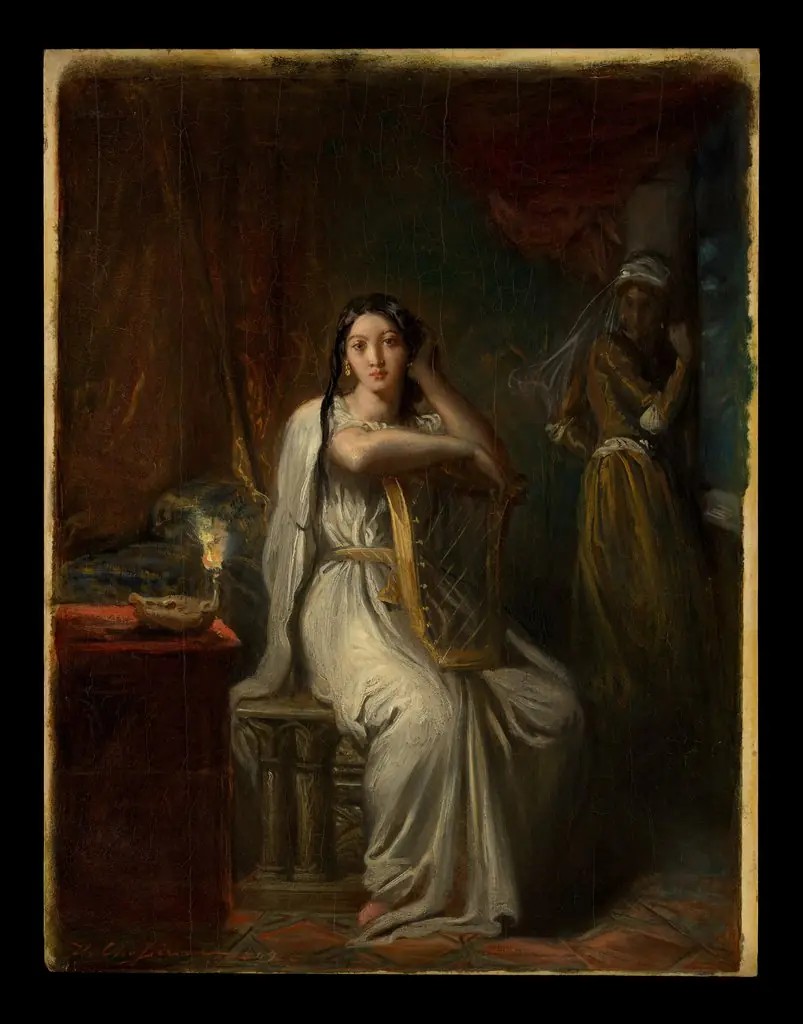 Desdemona (The Song of the Willow)
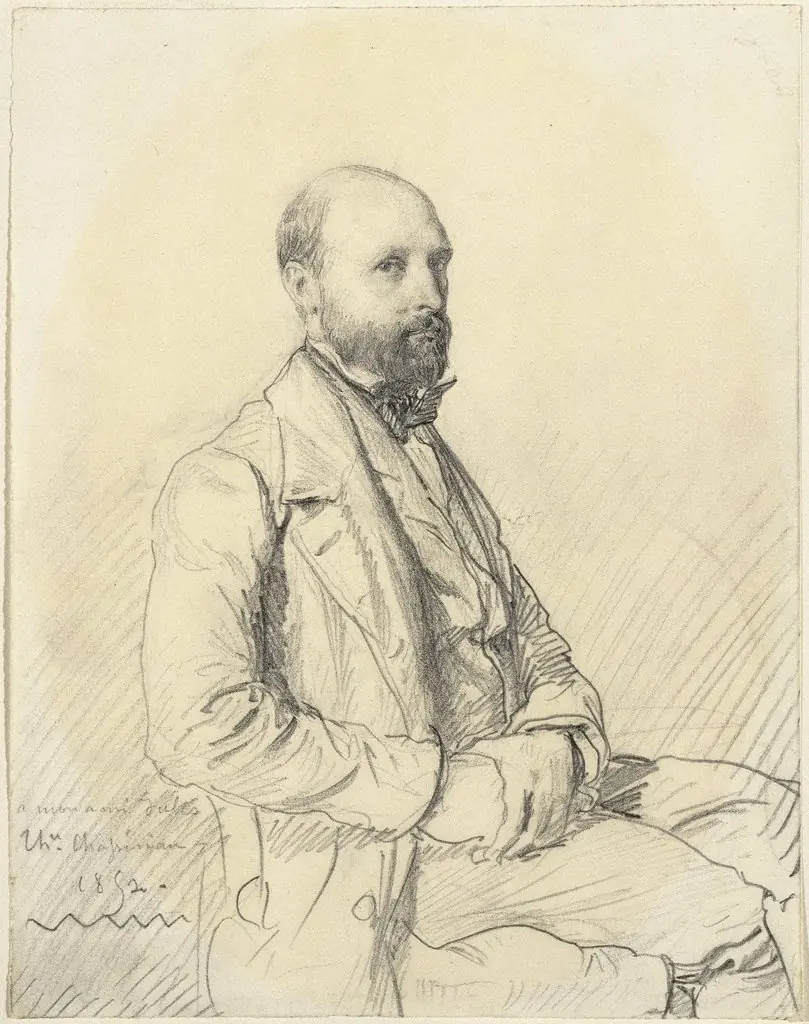 Jules Monnerot
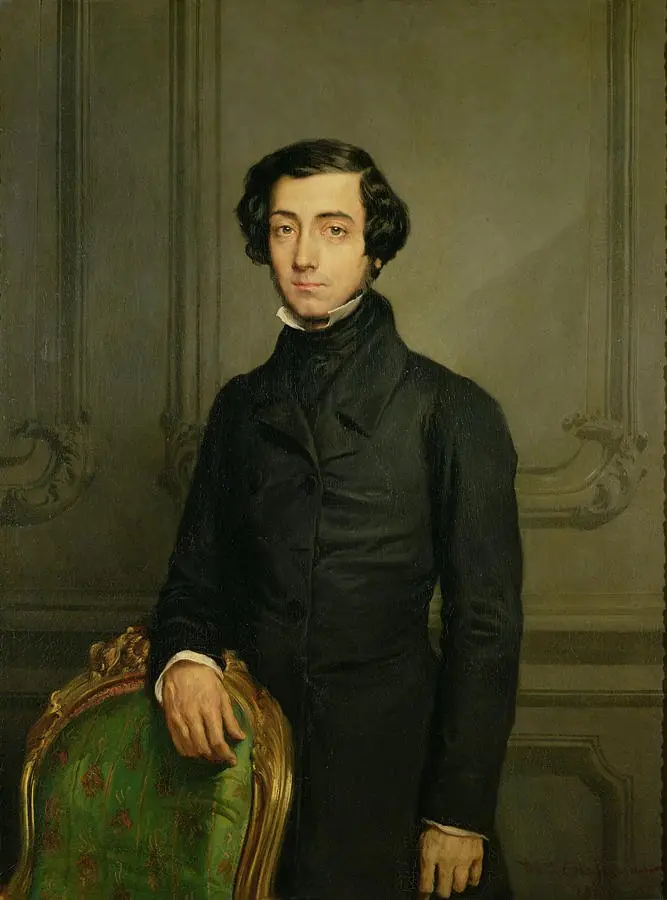 Alexis de Tocqueville
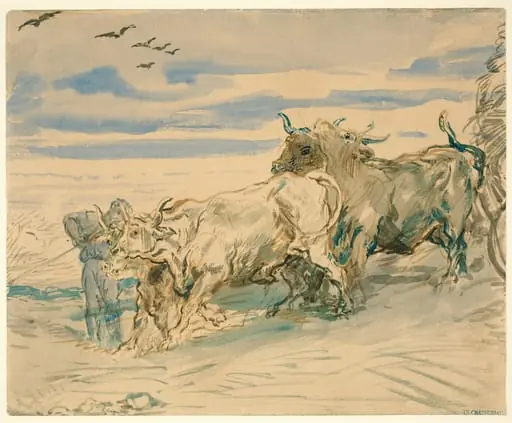 Drover with Oxen Pulling a Cart
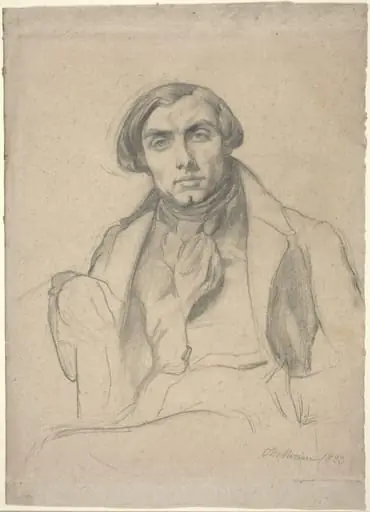 Auguste Ottin
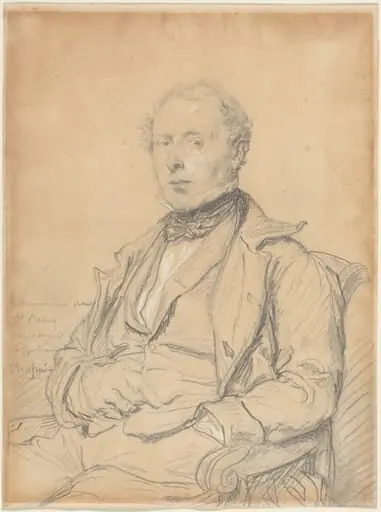 Victor-Auguste de Saint-Rémy
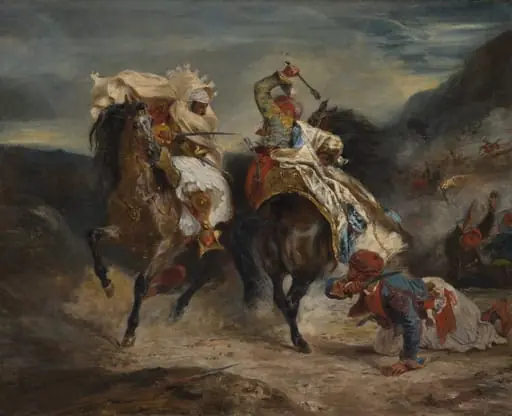
- The Combat of the Giaour and Hassan
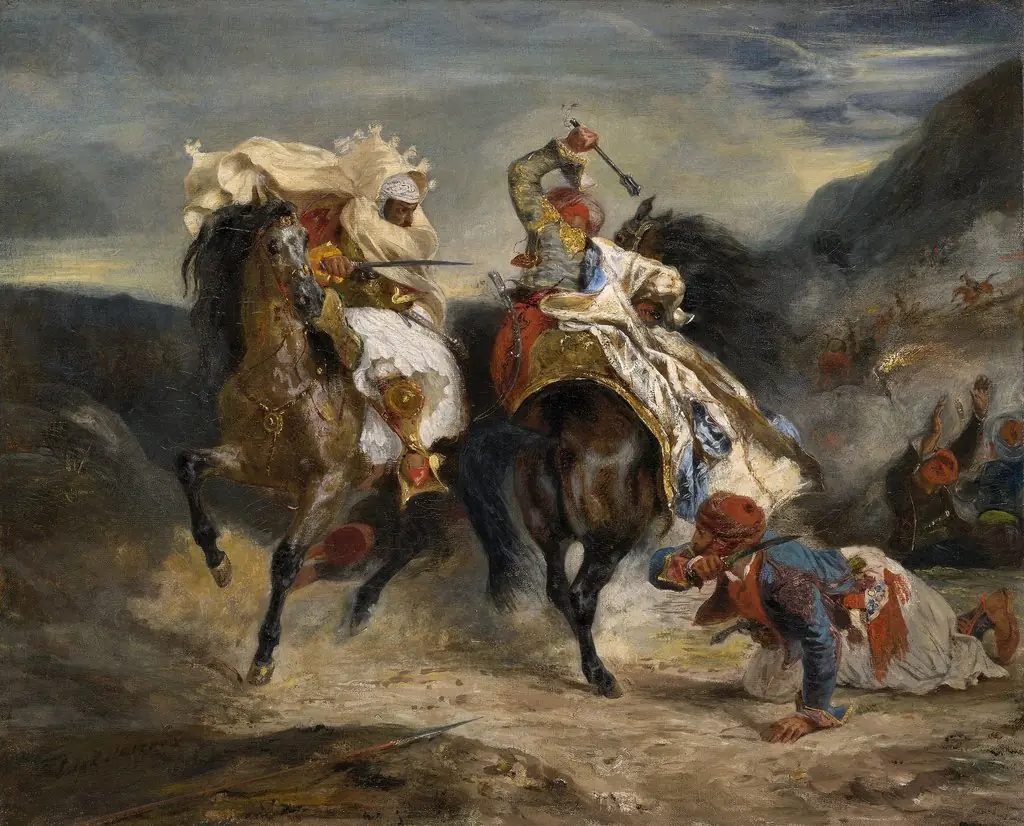 The Combat of the Giaour and Hassan
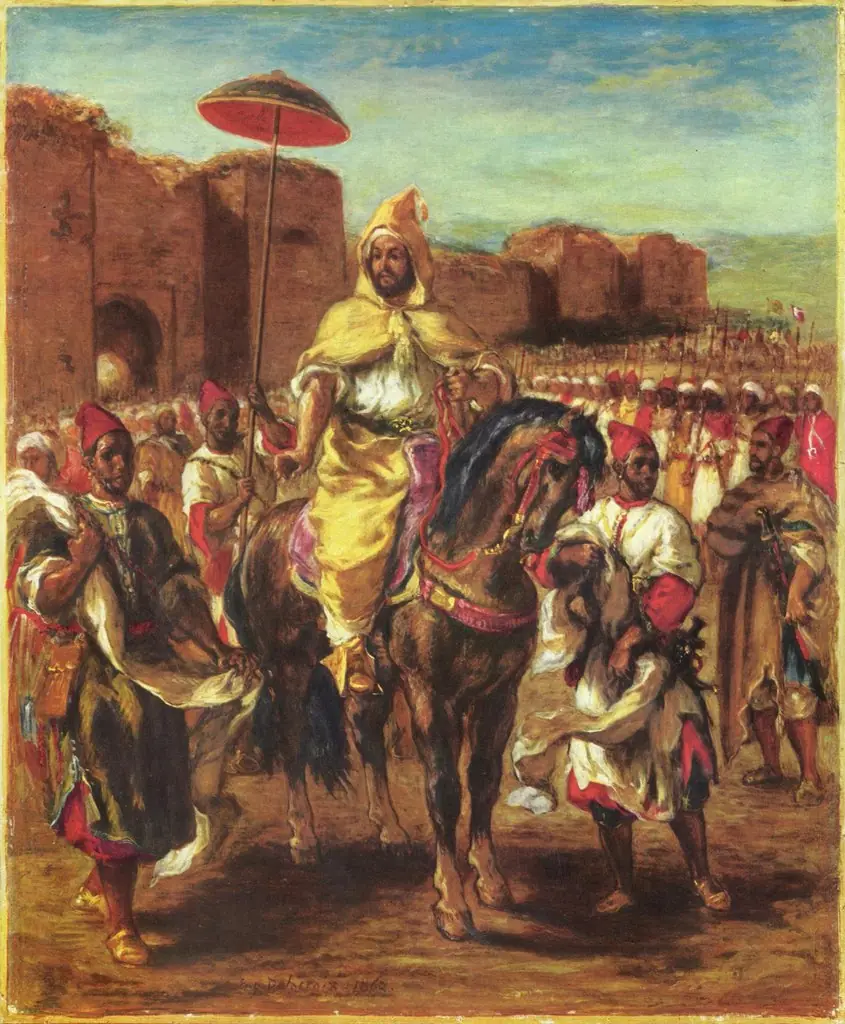 Portrait du sultan du Maroc
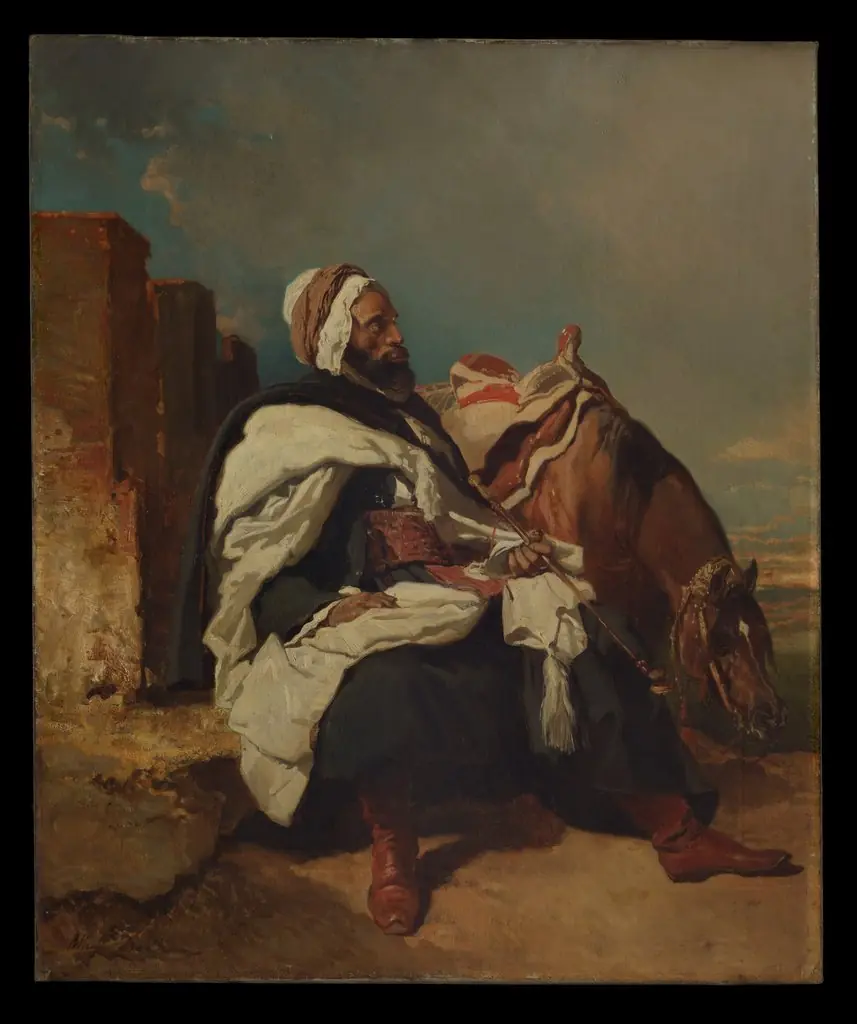 Seated Arab Man with Horse
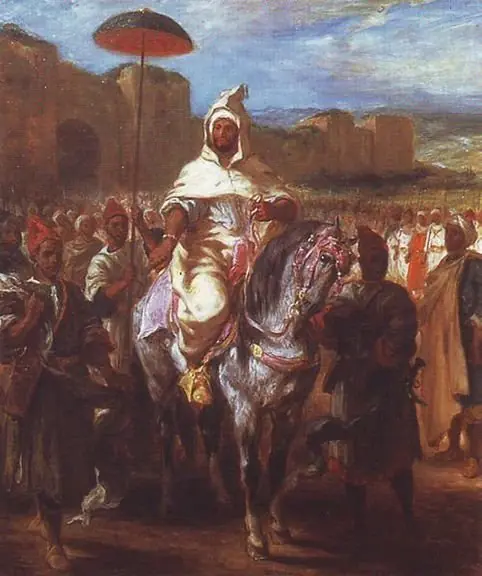 Le sultan du Maroc entouré de sa garde
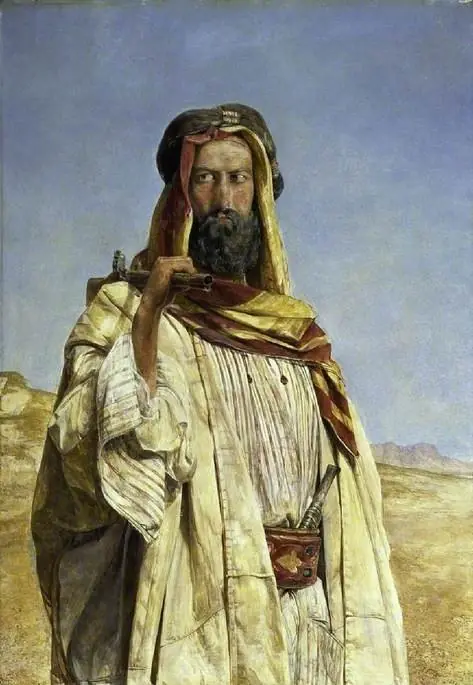 A Syrian Sheik, Egypt
 The Turkish Embassy in Naples
 Portrait of Mulay Ahmad
 A Moroccan Amir
 Episode from Austro-Turkish wars, sketch
 Călăreți arabi
 Mamluk with drawn sword, on horseback