Artwork
Arab Warrior
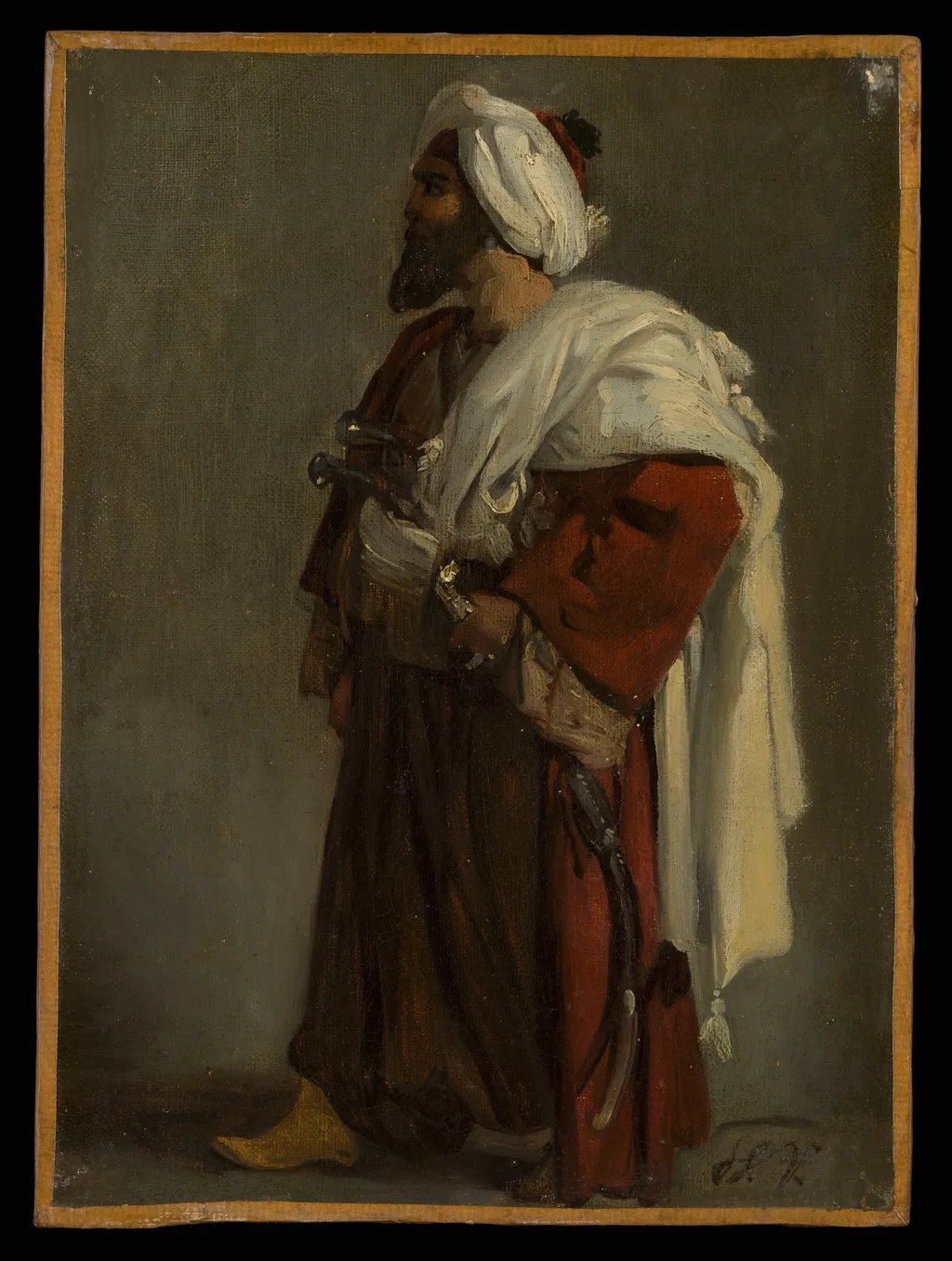
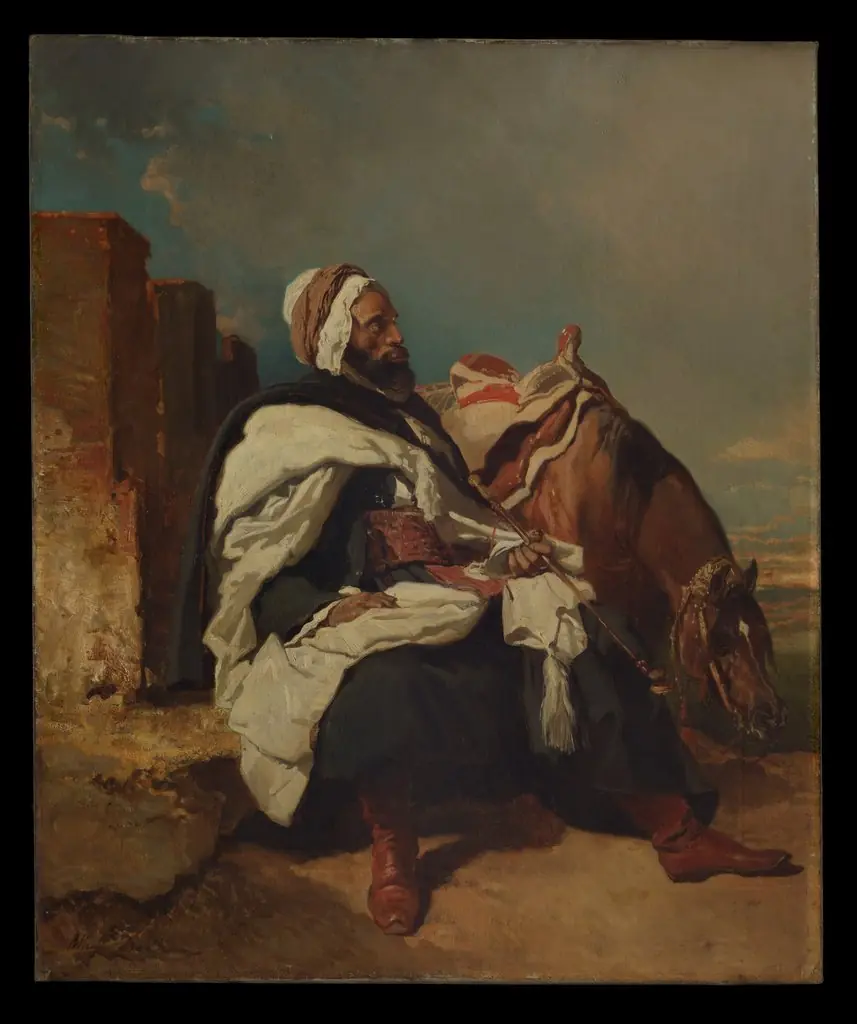
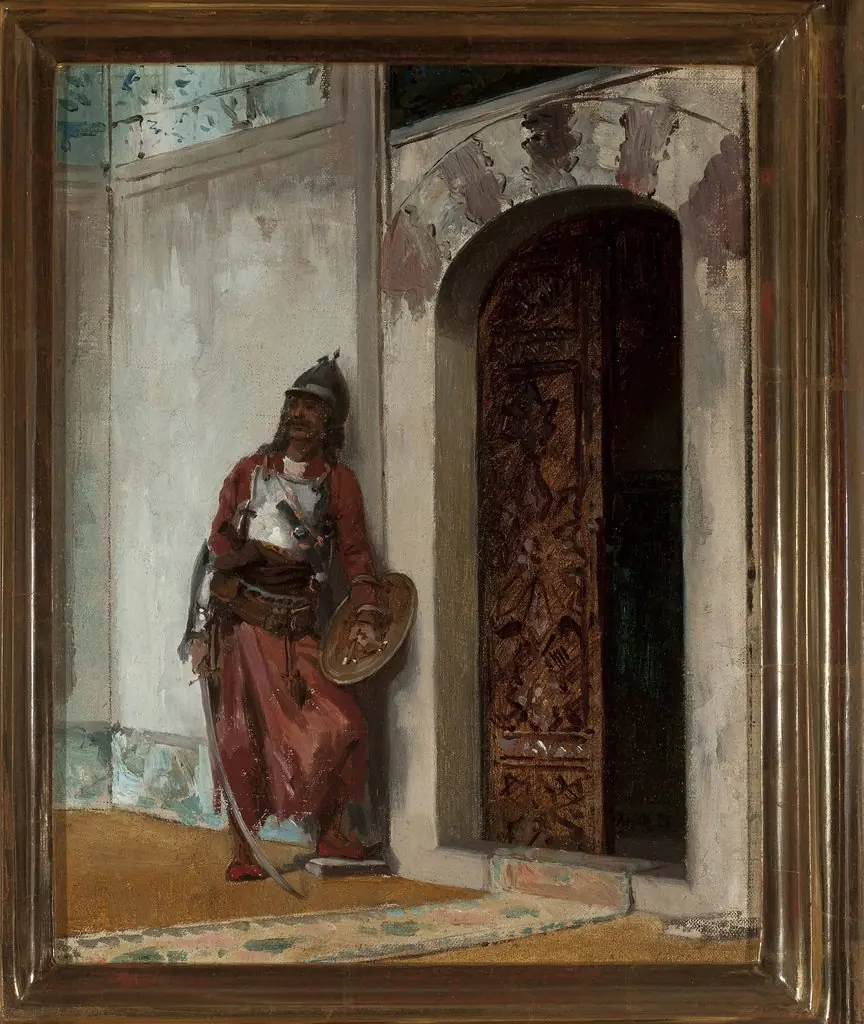
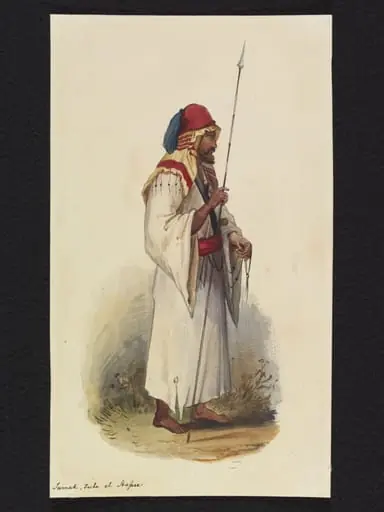
Arab Warrior is an oil painting by the Orientalist artist Horace Vernet. It dates from 1817 and is held in the collection of the Metropolitan Museum of Art.
About this work
Technique & Style
Arab Warrior is rendered in oil paint on a canvas support, a medium Vernet frequently employed for his small‑scale works.
Arab Warrior is rendered in oil paint on a canvas support, a medium Vernet frequently employed for his small‑scale works. The painting is classified within the Orientalist painting movement, which informs its formal approach: the figure is presented with careful attention to textile patterns, light effects, and a romanticized atmosphere typical of the genre. No specific details about the artist’s handling or the work’s current condition are provided in the available sources.
History & Provenance
The oil-on-canvas painting Arab Warrior was created by Horace Vernet in 1817. This work, measuring 31.8 by 22.2 centimeters, is classified as an Orientalist painting depicting a soldier. The piece is currently held in the collection of the Metropolitan Museum of Art, where it remains part of the institution's holdings.
While the specific commission details and the immediate chain of ownership leading to the museum are not detailed in the available records, the work's inception is firmly dated to 1817. The painting has been attributed to Vernet and is recognized within the context of his Orientalist output, featuring a male figure in a soldier's attire.
Overview
Horace Vernet's Arab Warrior, an oil painting from 1817, exemplifies the Orientalist movement through its depiction of a man in military dress. Vernet, a French artist known for his battle scenes and portraits, created this work during a period when European painters frequently explored subjects from North Africa and the Middle East. The painting is part of the collection at The Metropolitan Museum of Art.
Subject & Meaning
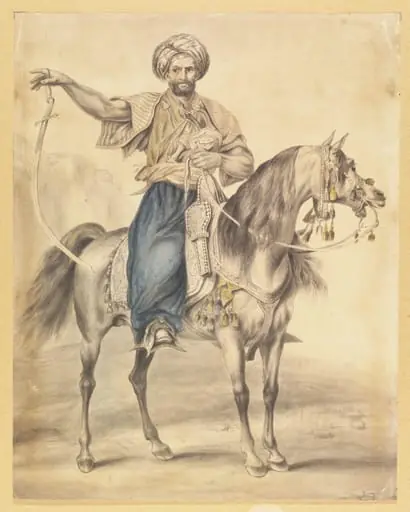
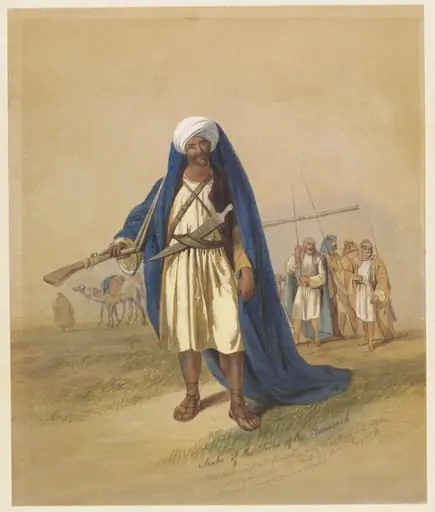
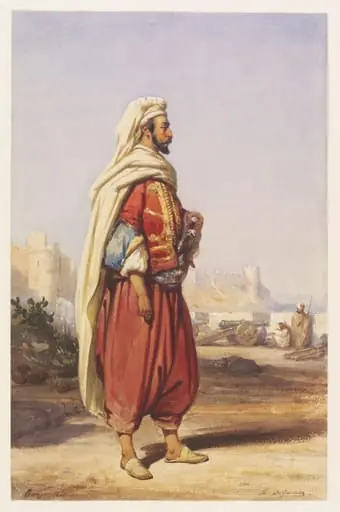
The composition features two figures, with a man prominently in the foreground. He is depicted with a white turban, a dark beard, and a curved sword secured by a belt, all set against a plain, dark background that emphasizes their forms. Behind him, a woman in a white veil is shown bending slightly forward, her face obscured. The focus on their attire and posture highlights the cultural representation central to the artwork.
Context
As a French painter, Horace Vernet contributed to the Orientalist trend that gained prominence in early 19th-century European art. This movement involved artists depicting scenes and figures from North Africa and the Middle East, often reflecting contemporary European perspectives and fascinations with these regions. Arab Warrior stands as an example of this artistic engagement, capturing a specific cultural representation prevalent in the era.
Own this work as a print
Artist & collection
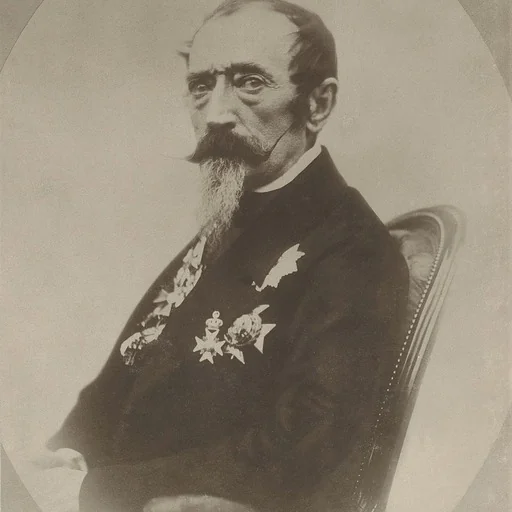
Artist
Émile Jean-Horace Vernet (French pronunciation:; 30 June 1789 – 17 January 1863), better known as Horace Vernet, was a French painter of battles, portraits, and Orientalist subjects.

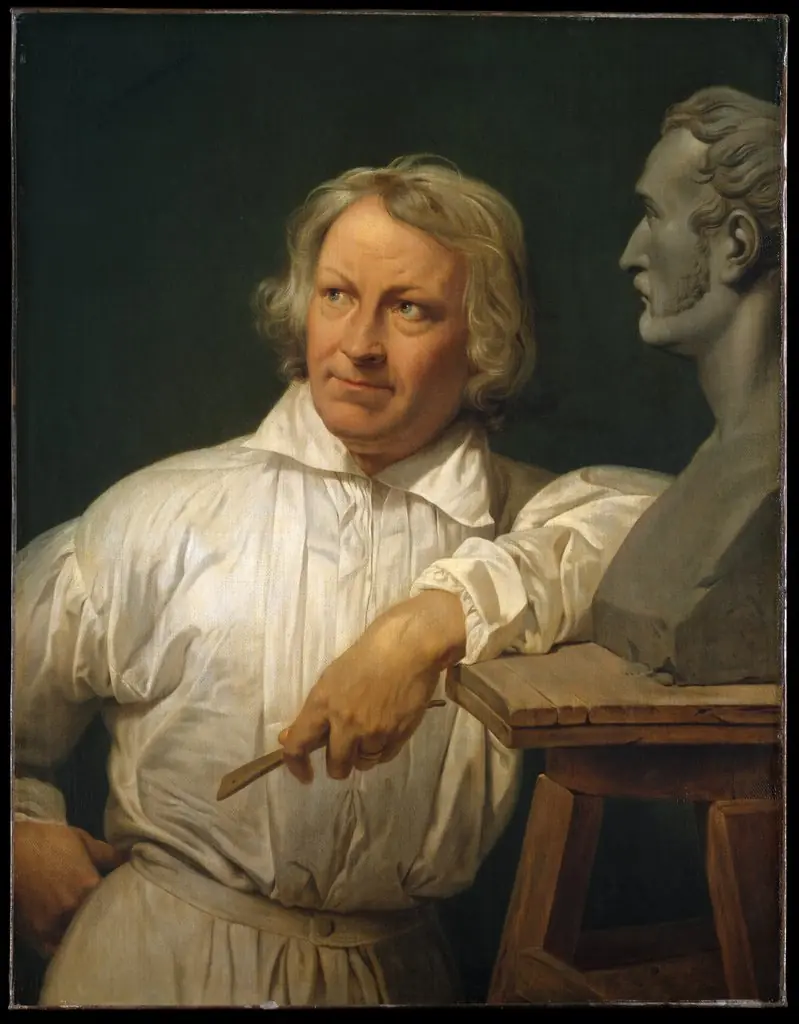 Bertel Thorvaldsen (1768–1844) with the Bust of Horace Vernet
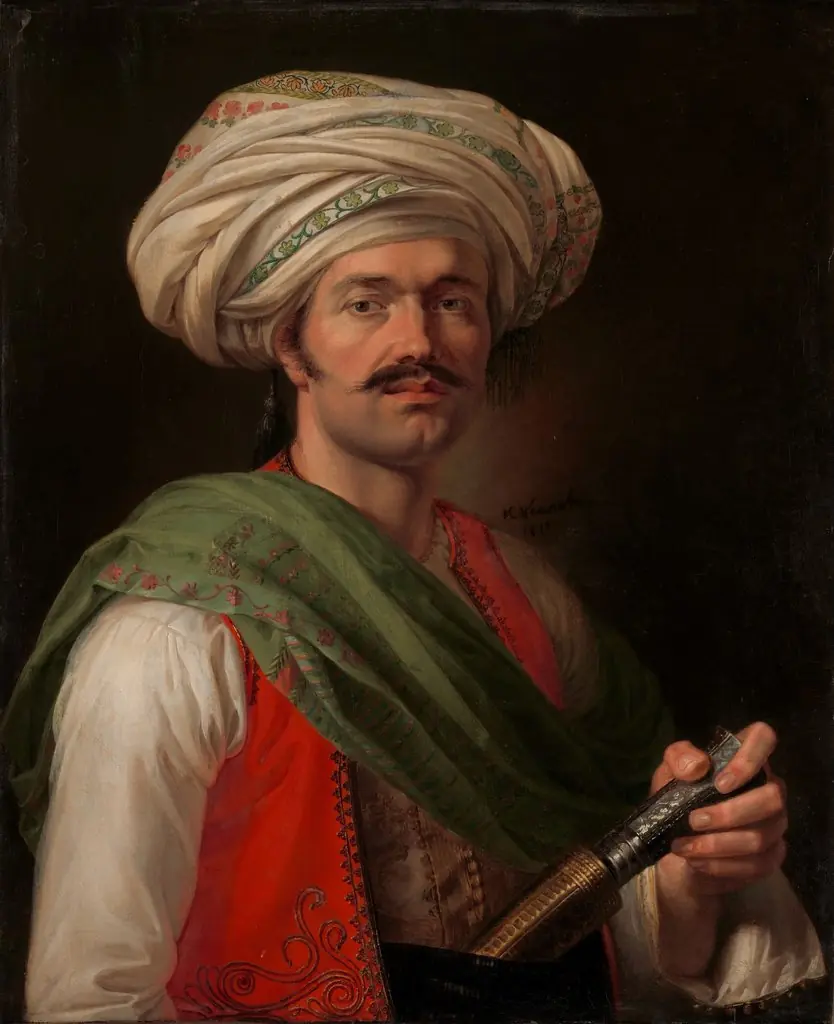 Portrait of a Mameluke, said to be Roustam Raza
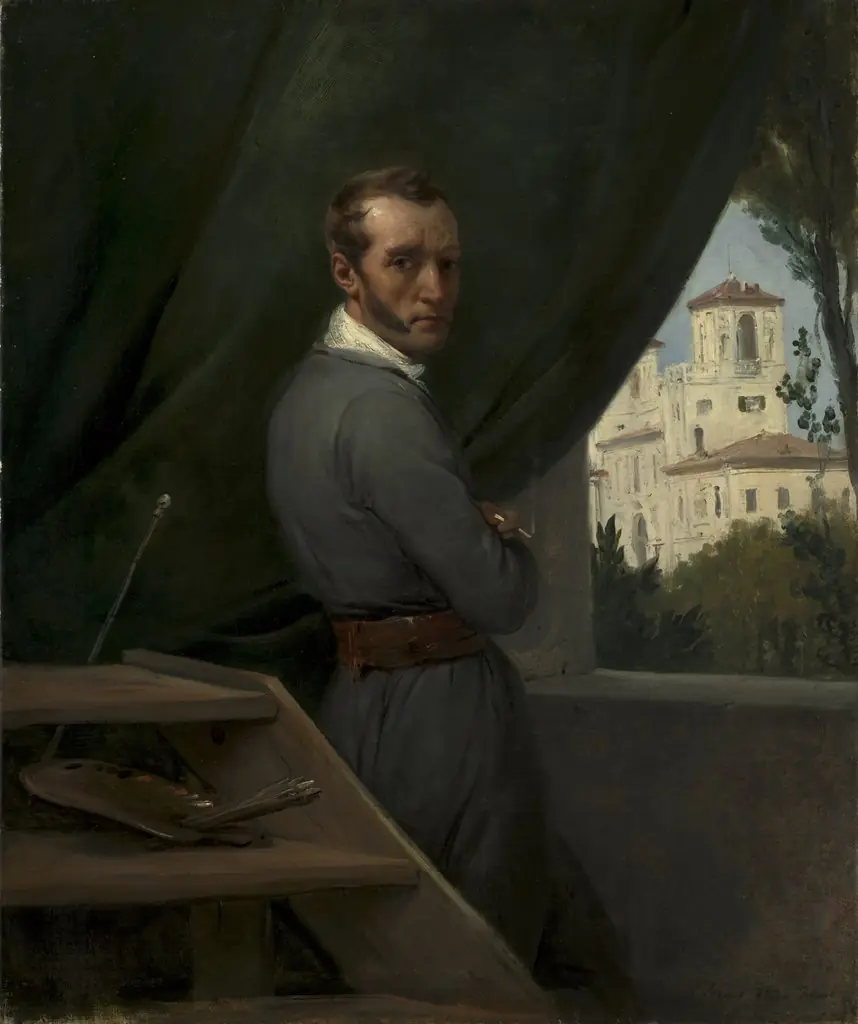 Self-Portrait in Rome
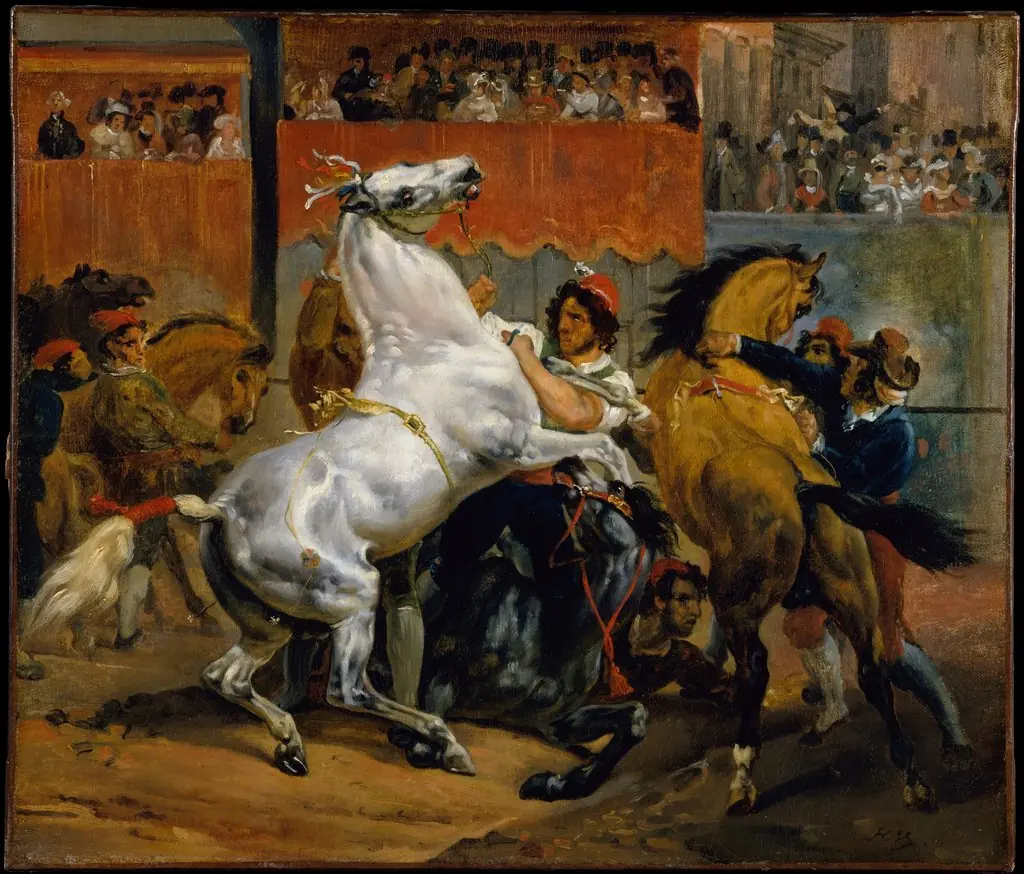 The Start of the Race of the Riderless Horses
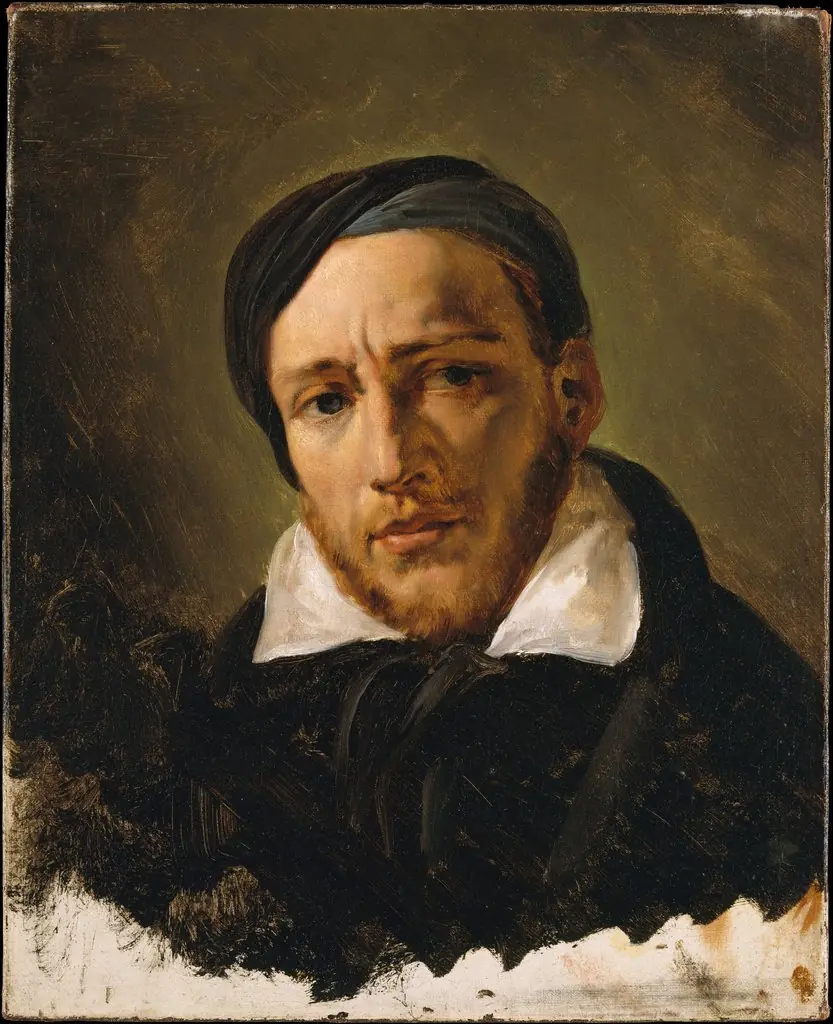 Jean-Louis-André-Théodore Gericault (1791–1824)
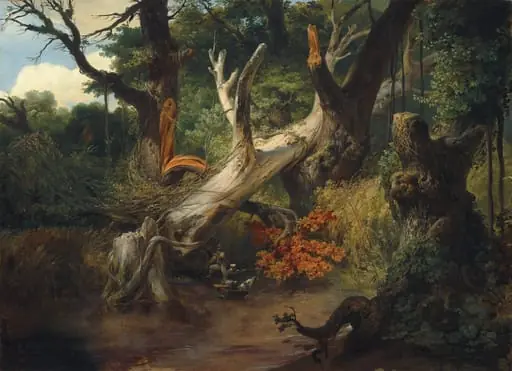 Hunting in the Pontine Marshes
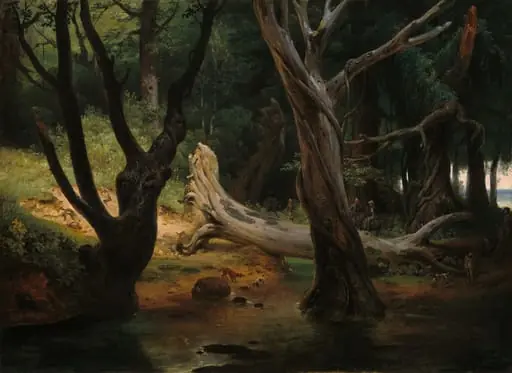 Departure for the Hunt in the Pontine Marshes
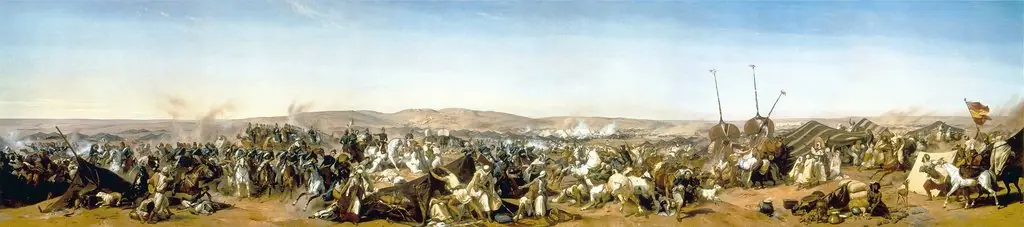 The seizure of Abd-el-Kader's camp in 1843