Artwork
Prince Don Carlos
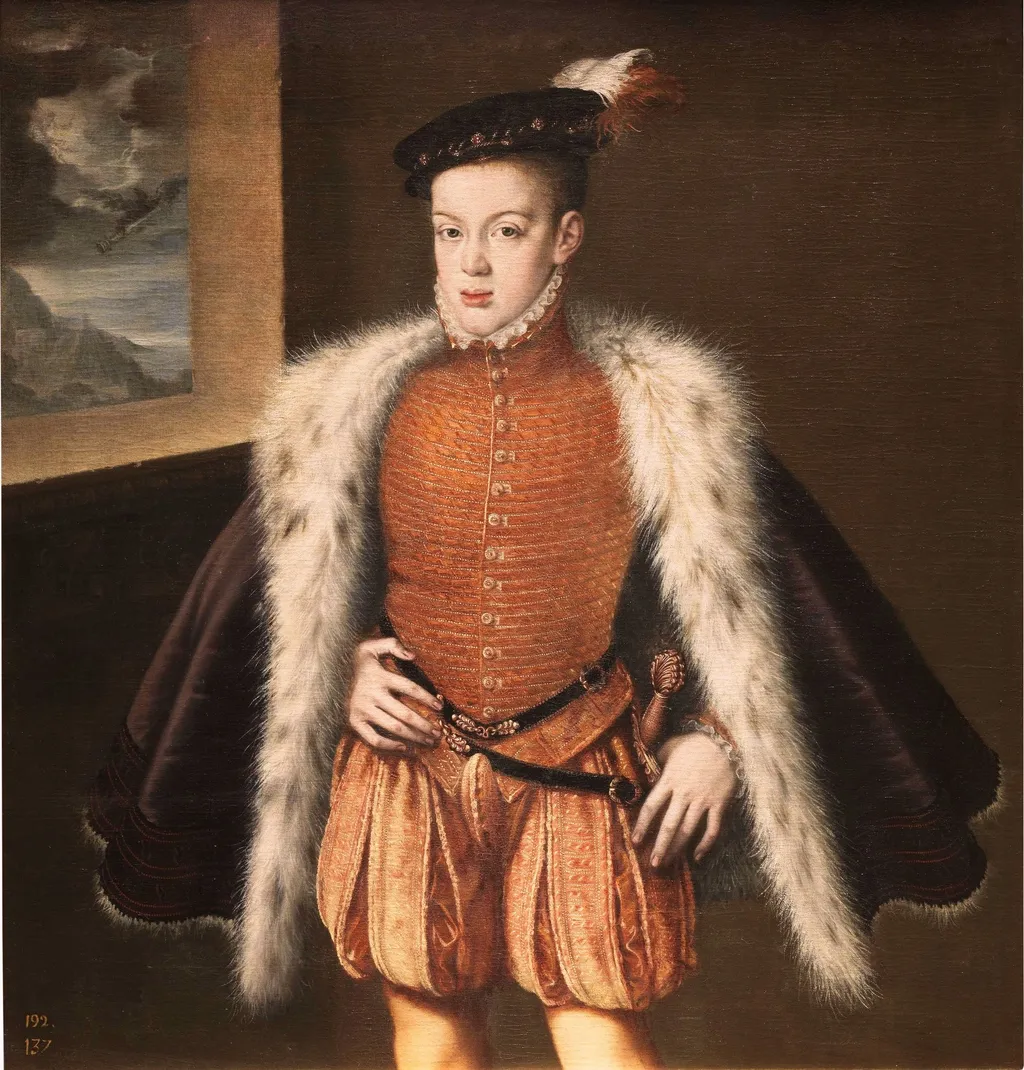
Prince Don Carlos is an oil painting by the Early Baroque Italian artist Alonso Sánchez Coello. It dates from 1555 and is held in the collection of the Museo del Prado. Executed in 1555, this oil portrait presents the young Prince Carlos, heir to the Spanish throne, in a formal pose.
About this work
Subject & Meaning
He is depicted wearing a luxurious fur-lined cloak, a court hat, and a sword belt with a visible sword hilt, while holding a rapier.
The portrait shows Don Carlos, the Prince of Asturias, as an idealized royal heir. He is depicted wearing a luxurious fur-lined cloak, a court hat, and a sword belt with a visible sword hilt, while holding a rapier. The composition includes symbolic elements such as a window revealing a landscape with Jupiter observing an eagle bearing one of the Columns of Hercules, reinforcing his status as the designated successor to the Spanish monarchy.
This representation masks his physical deformities, including a hunchback and possible mental disability, through the contemporary idealized portrait conventions.
The work was painted by Alonso Sánchez Coello between 1555 and 1559 and is housed in the Museo del Prado in Madrid. The symbolic landscape element was discovered during restoration work in 1990.
Technique & Style
Alonso Sánchez Coello executed this portrait in oil paint on canvas, producing an idealized image of the heir to the Spanish throne. The work measures 109 by 95 cm and is held by the Museo del Prado. The prince is shown in a three-quarter pose wearing a pourpoint topped by a small ruff, a luxurious cape lined with lynx fur, hose, a prominent codpiece, and a court bonnet.
A baldric crosses his waist, supporting the sword whose hilt is visible at his side. The composition deliberately conceals the sitter's physical deformities, his stoop and the effects of the inbreeding common among the Habsburgs, through the sweeping cape and the angled posture, presenting instead the idealized male silhouette of the period. A window revealed during a 1990 restoration opens onto a landscape in which Jupiter watches an eagle carrying one of the Pillars of Hercules, a dynastic emblem of the Spanish monarchy.
The canvas has been physically altered: it was cut down at some point, and the portion bearing the artist's signature has been lost.
History & Provenance
Alonso Sánchez Coello painted this portrait of Don Carlos, Prince of Asturias, between 1555 and 1559 while serving at the Spanish court after his return from Flanders. The work was created to commemorate the young heir of Philip II, who suffered physical and mental impairments likely linked to Habsburg inbreeding. It was first recorded in the Royal Alcazar inventory of Madrid in 1636, though the artist’s signature was lost when the canvas was cut.
The painting entered the collection of the Museo del Prado, where it remains on display. Its dimensions are 109 × 95 cm, and it was originally executed in oil on canvas.
The composition idealizes the prince, disguising his hunchback and developmental delays through a regal three-quarter pose, a luxurious lynx-fur-lined cloak, and a sword belt. A window in the background reveals a landscape added during 1990 restoration work, showing Jupiter observing an eagle bearing a column of Hercules, a symbol of Spanish monarchy.
The work is held by the Museo del Prado in Madrid. Its inventory number is recorded in the royal Alcazar inventory of 1636. It has been exhibited in exhibitions concerning Spanish Renaissance portraiture at the Museo del Prado.
The painting was created between 1555 and 1559 and is classified as a portrait. It depicts Carlos, Prince of Asturias, and measures 109 by 95 centimeters.
Context
The portrait of Prince Don Carlos by Alonso Sánchez Coello has been discussed primarily for its role in early Spanish court portraiture and its idealized depiction of the heir apparent. The work, painted between 1555 and 1559, is noted for its courtly elegance and symbolic landscape, which situates Don Carlos within the Habsburg visual tradition of dynastic representation. Scholars emphasize that the portrait conceals physical impairments associated with Habsburg endogamy, such as Don Carlos’s spinal curvature and intellectual disabilities, through carefully composed posture, luxurious attire, and strategic framing.
The discovery of a landscape window during 1990 restoration reinforced the painting’s iconographic program, linking the prince to imperial allegory through the motif of Jupiter and the columns of Hercules. The work’s later inclusion in the 1636 inventory of the Royal Alcázar in Madrid underscores its continued significance within the royal collection during the 17th century.
Critical attention has focused on the painting’s function as a propagandistic image, reinforcing the legitimacy of the Spanish Habsburg line. Its placement in the Museo del Prado’s holdings has ensured sustained art-historical engagement, particularly within studies of 16th-century Iberian court portraiture and the development of royal image-making under Philip II.
Overview
Executed in 1555, this oil portrait presents the young Prince Carlos, heir to the Spanish throne, in a formal pose. The figure stands against an unadorned dark backdrop, his attire and bearing emphasizing his noble status. The work resides in the Prado Museum’s collection, where it exemplifies the courtly portraiture of mid‑sixteenth‑century Spain.
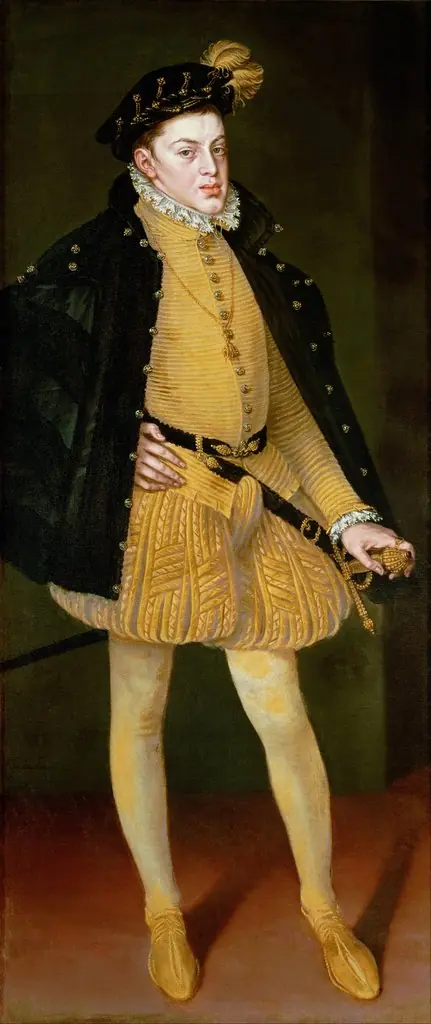
Own this work as a print
Artist & collection
Artist
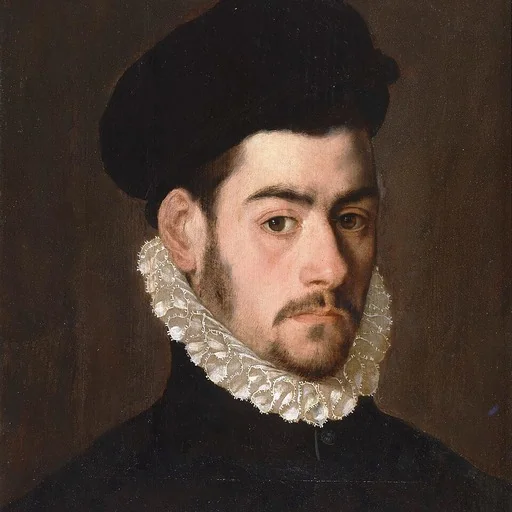
Alonso Sánchez Coello (c. 1531 – 8 August 1588) was an Iberian portrait painter of the Spanish and Portuguese Renaissance. He is mainly known for his portrait paintings executed in a style which combines the objectivity…

 El archiduque Leopoldo cuñado de Felipe III
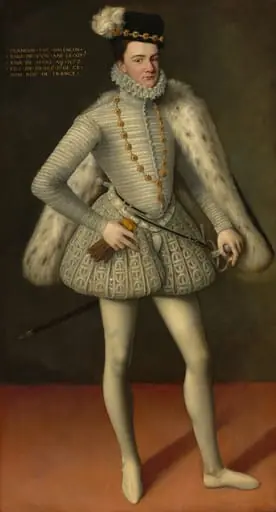 Prince Hercule-François, Duc d'Alençon
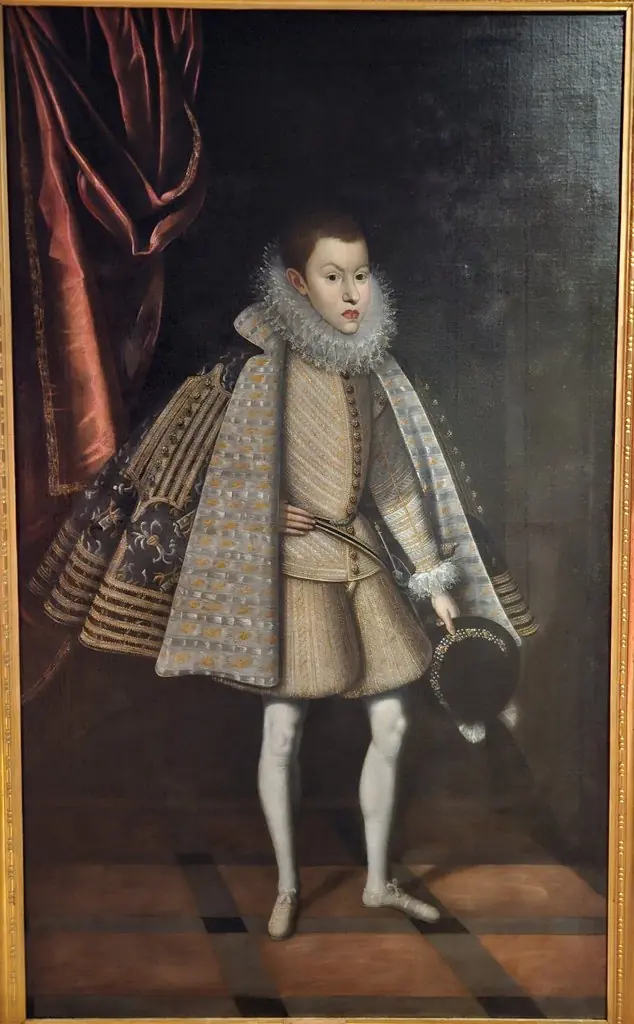 Retrato do Infante Carlos de Áustria
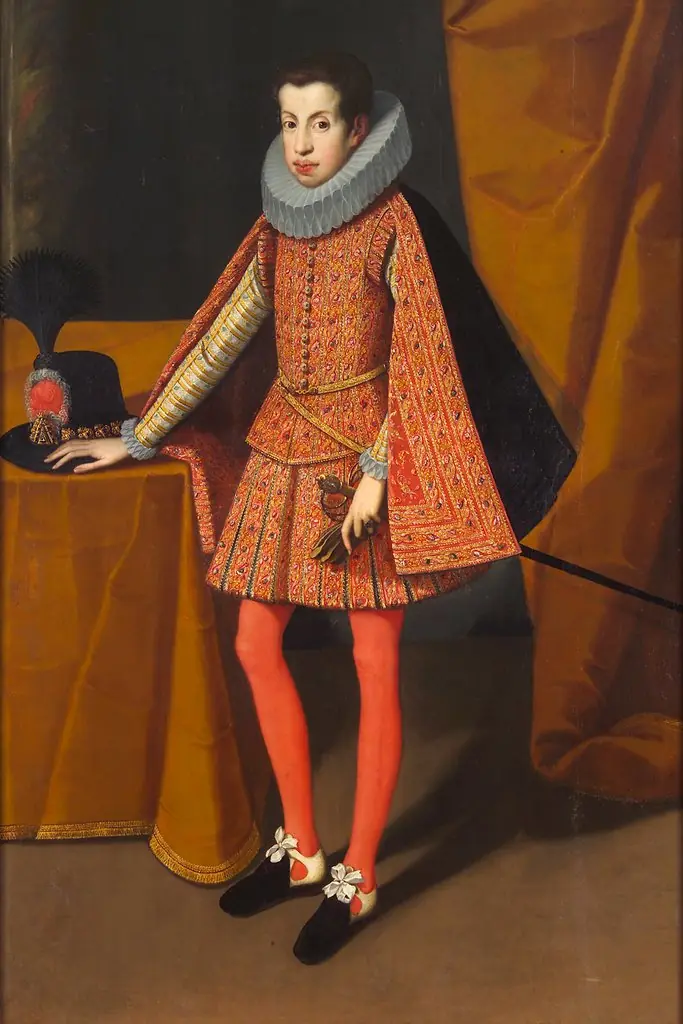 Kaiser Ferdinand III. (1608-1657)
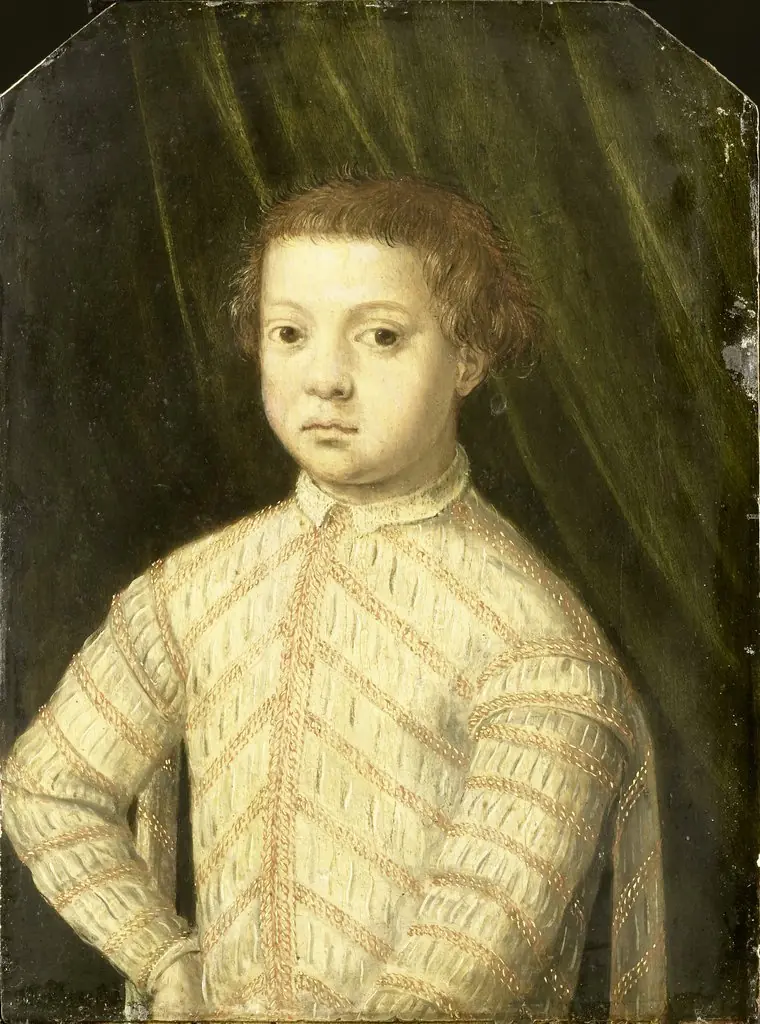 Portrait of a Boy, thought to be Giovanni de' Medici (1543-1562)
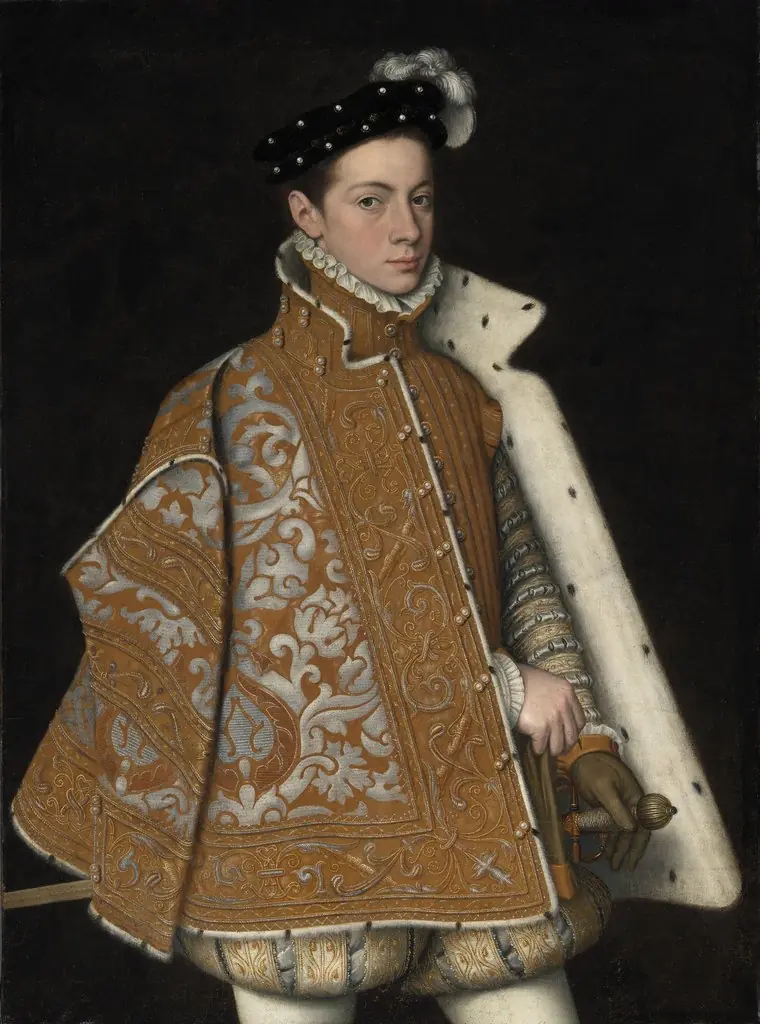 Portrait of Prince Alessandro Farnese
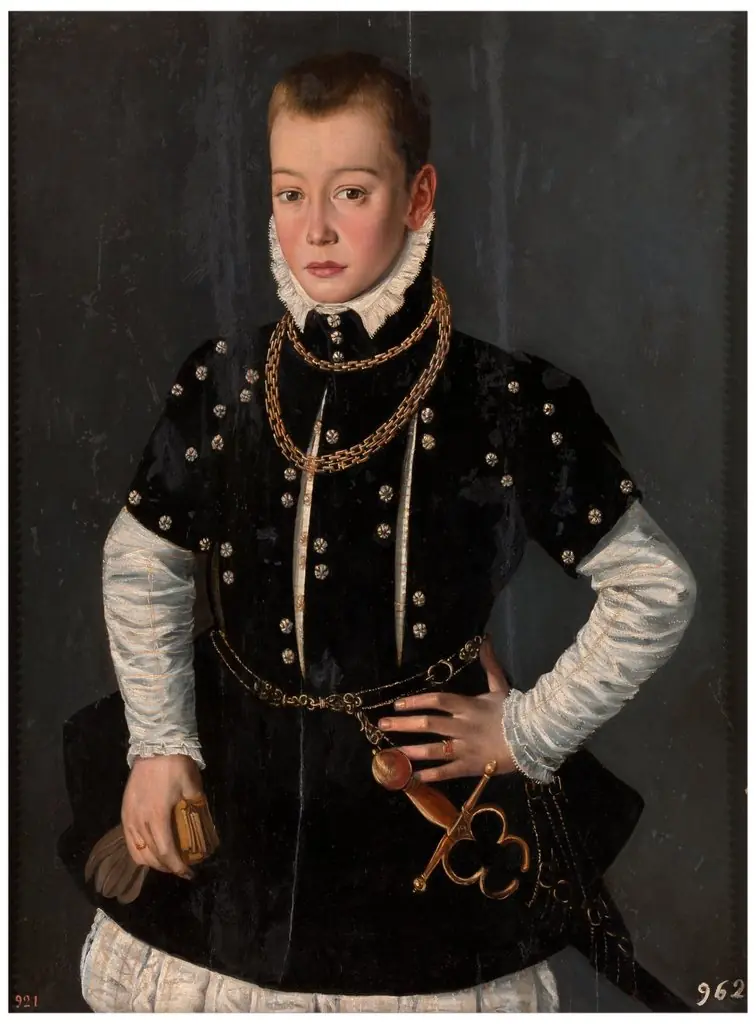 Portrait of an Unidentified Boy
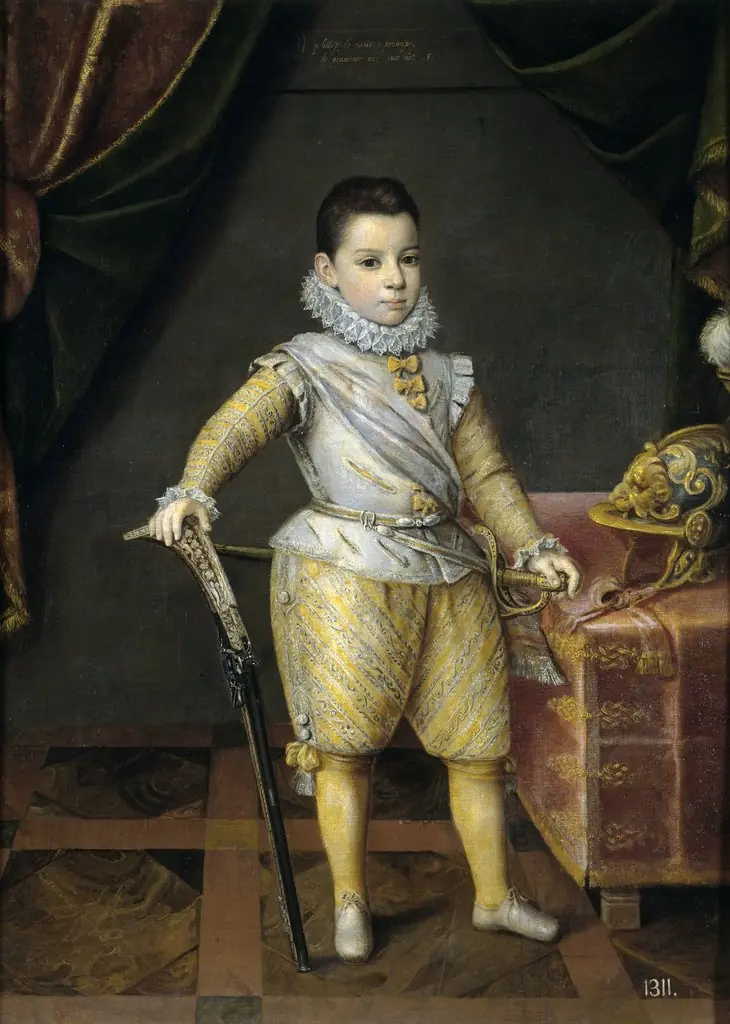 Portrait of Philip Emmanuel of Savoy (1586-1605), age five
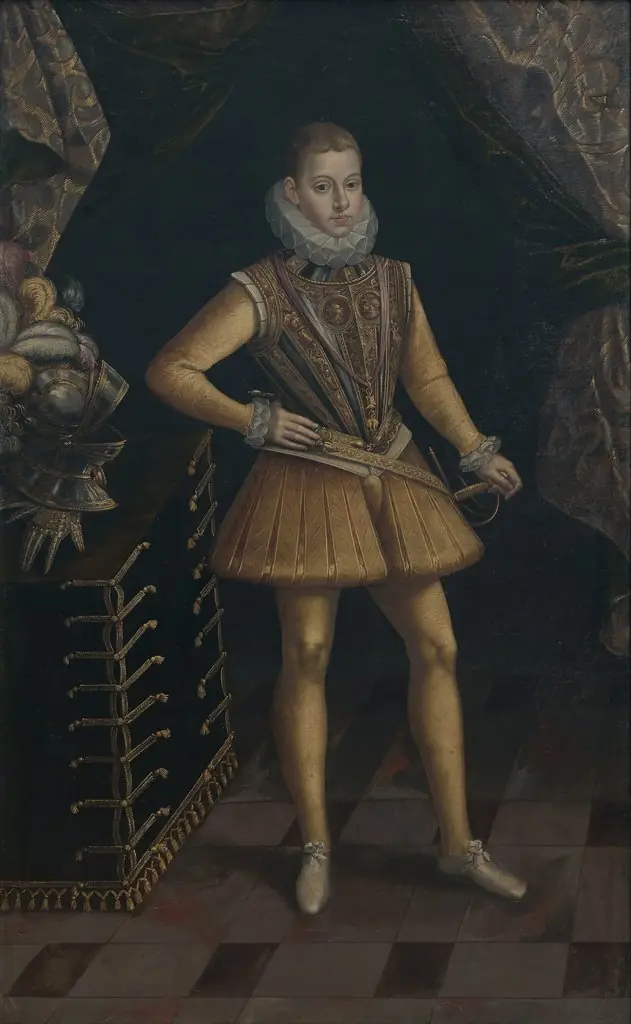 Philip of Asturias, later Philip III of Spain