Artwork
Francisco Pizarro, conqueror (1475–1541)
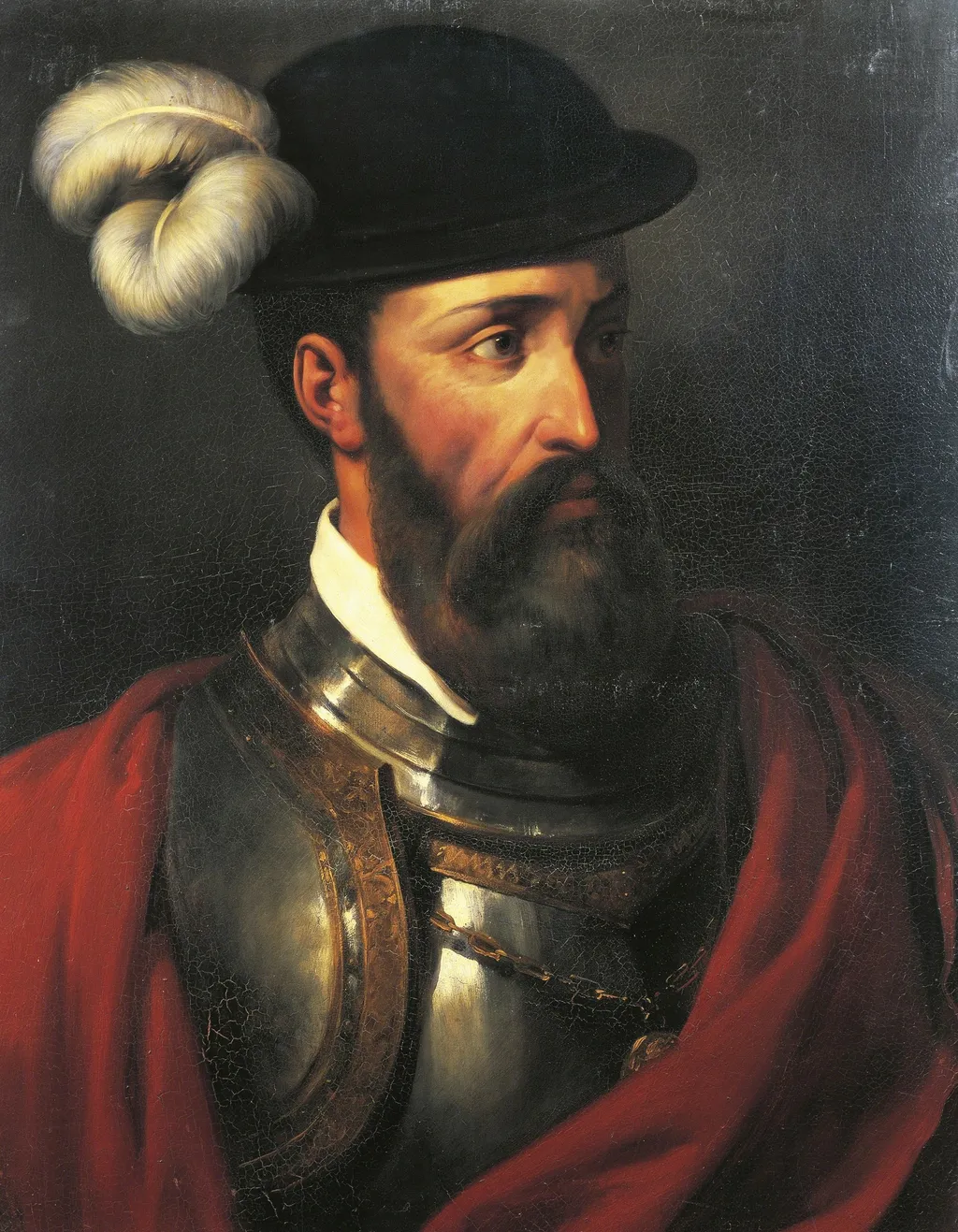
Francisco Pizarro, conqueror (1475–1541) is an oil painting by Amable-Paul Coutan. It dates from 1834 and is held in the collection of the Museum of the History of France.
About this work
Overview
This oil portrait, painted in 1834 by Amable-Paul Coutan, depicts Francisco Pizarro, the Spanish conquistador who led the conquest of the Inca Empire.
This oil portrait, painted in 1834 by Amable-Paul Coutan, depicts Francisco Pizarro, the Spanish conquistador who led the conquest of the Inca Empire. Executed in a realistic manner, the work presents Pizarro from the chest upward, against a dark, neutral background that isolates his figure. The painting resides in the collection of the Palace of Versailles, where it functions as part of a broader historical gallery of military and political figures.
Subject & Meaning
Pizarro is portrayed as a stern, contemplative leader, his gaze directed outward as if assessing a distant horizon. His attire, a black hat, red cape, and metal breastplate, combines elements of aristocratic dress with military function, suggesting both authority and martial identity. The composition avoids overt symbolism, instead emphasizing his presence as a historical actor, reflecting 19th-century France’s interest in colonial figures as embodiments of imperial ambition.
Technique & Style
Coutan employed careful chiaroscuro to model the contours of Pizarro’s face and armor, with fine brushwork rendering the texture of fabric, metal, and beard. The dark background enhances the three-dimensionality of the figure, while the subtle lighting draws attention to the face and upper torso. The style aligns with academic portraiture of the early 19th century, prioritizing naturalism over dramatic flair, and reflects a commitment to historical accuracy in dress and demeanor.
History & Provenance
Commissioned during the reign of Louis-Philippe, the painting entered the Palace of Versailles as part of a larger initiative to document France’s historical connections to global exploration and empire. Though Pizarro was Spanish, his role in the expansion of European power made him a figure of interest to French historians and collectors. The work has remained in the palace’s collection since its completion, with no documented changes in ownership.
Context
Created during a period of renewed French interest in colonial history, the portrait reflects broader 19th-century European narratives that framed conquistadors as agents of civilization and order. While Pizarro’s actions in South America were increasingly scrutinized, this image presents him without moral judgment, aligning with the era’s tendency to valorize military leadership regardless of ethical consequences.
Legacy
The portrait remains a visual reference for Pizarro’s public image in 19th-century European historiography. Though not widely reproduced, it contributes to the visual archive of colonial figures displayed in state institutions. Its presence in Versailles underscores how historical memory was curated through portraiture, shaping perceptions of empire long after the events it depicts.
Own this work as a print
Artist & collection

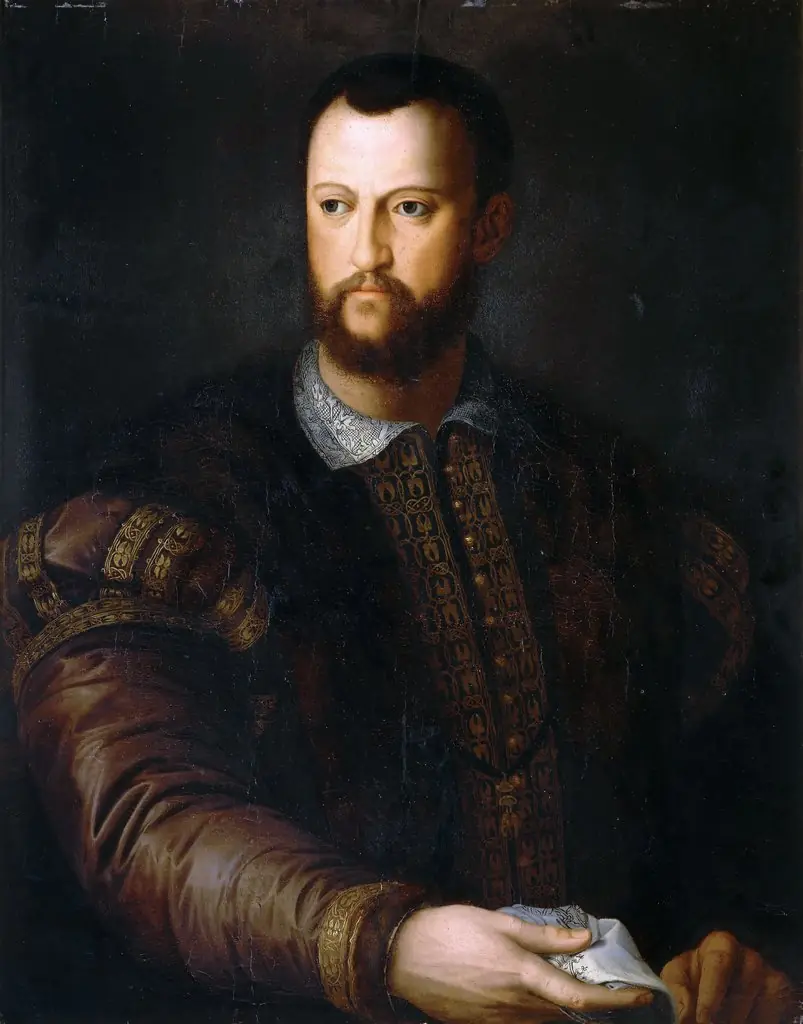 Portrait of Cosimo I de' Medici
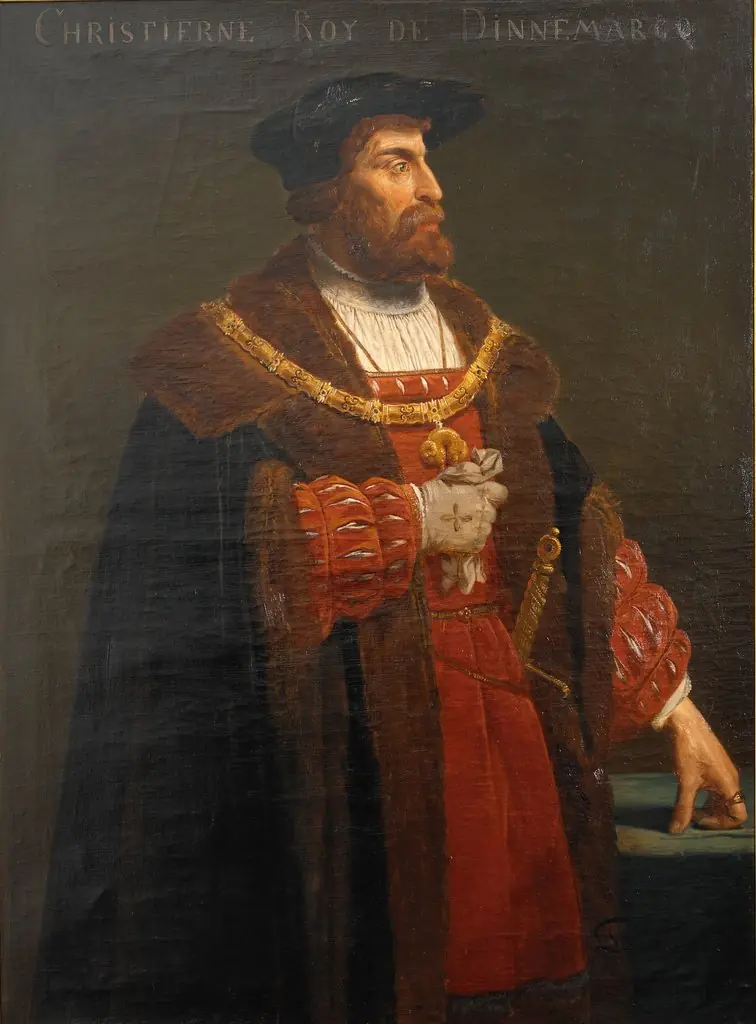 Christian II of Denmark
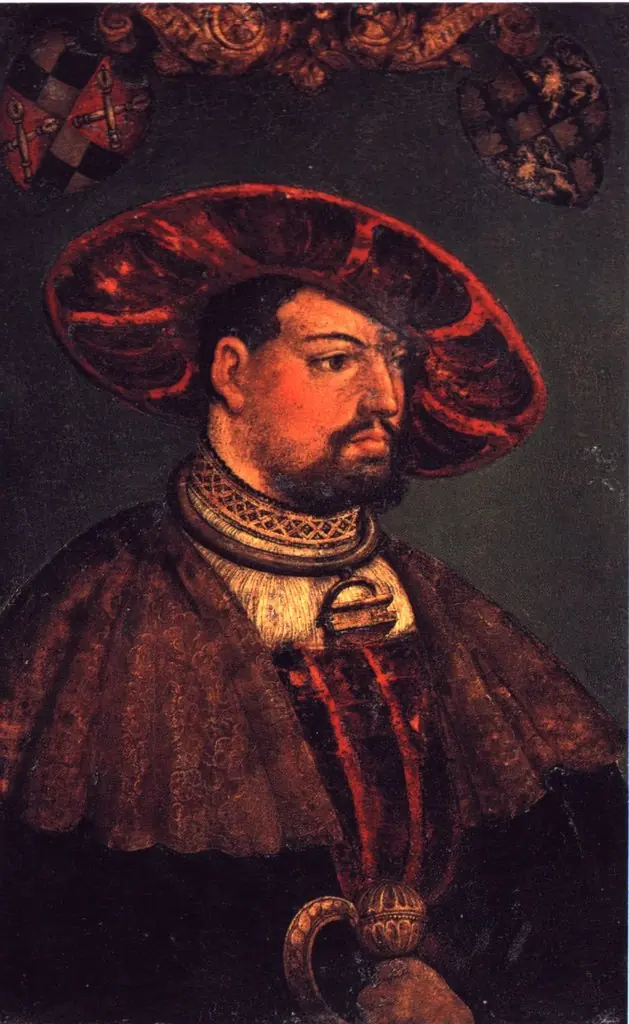 Painting of Eitelfriedrich III von Zollern (1520)
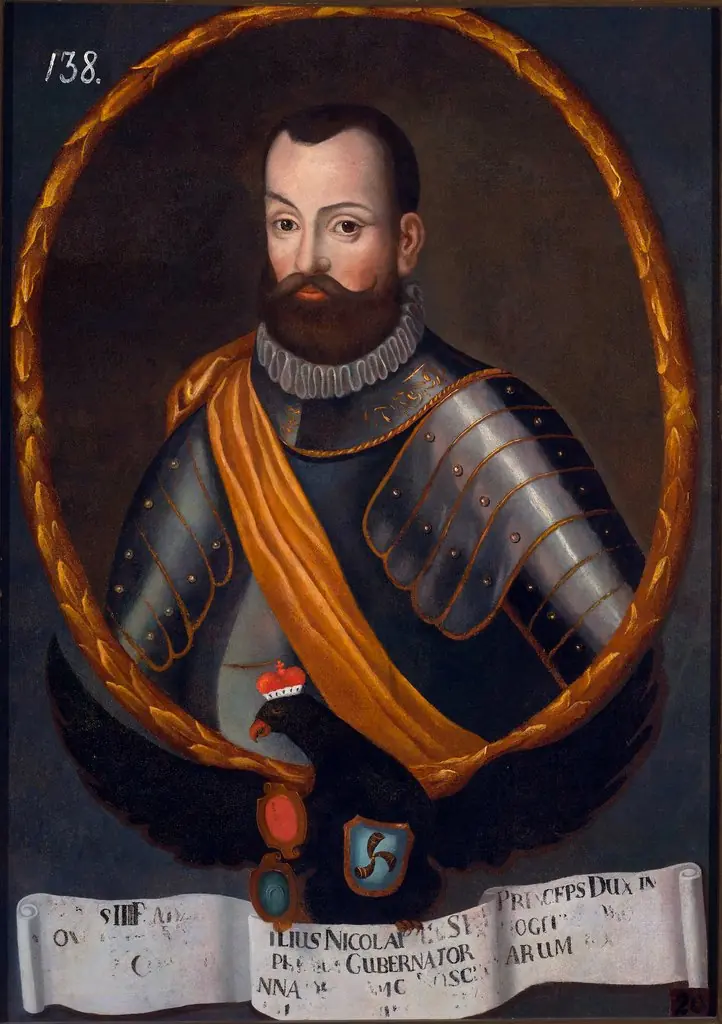 Portrait of Jan III Radziwiłł (?–1542)
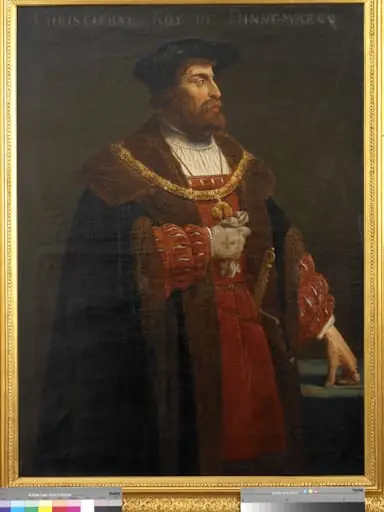 Christian II
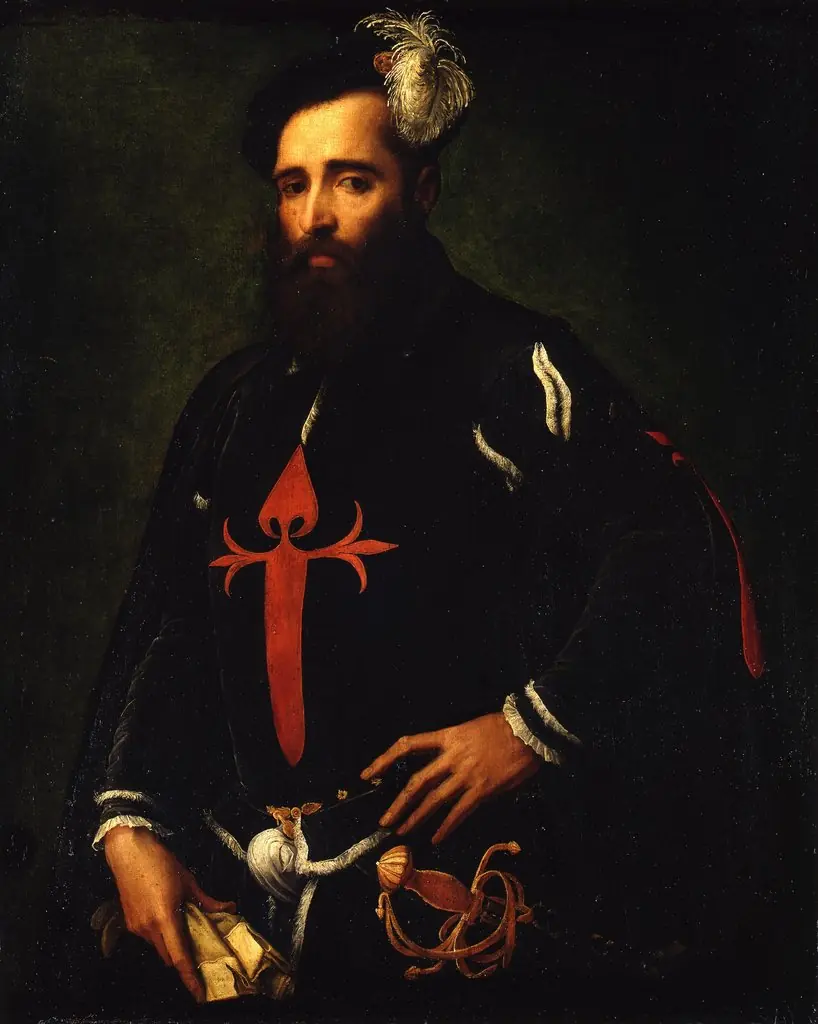 Portrait of a Nobleman in the Knightly Garb of the Order of Santiago
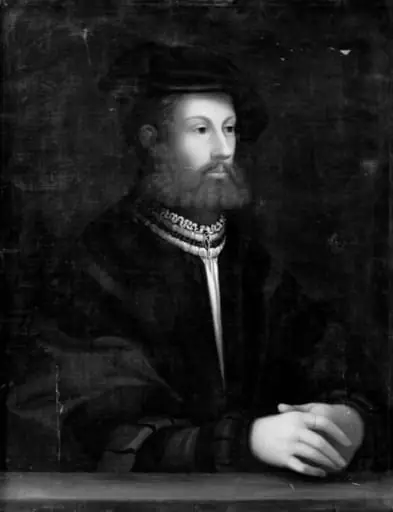 Portræt af Knipperdolling
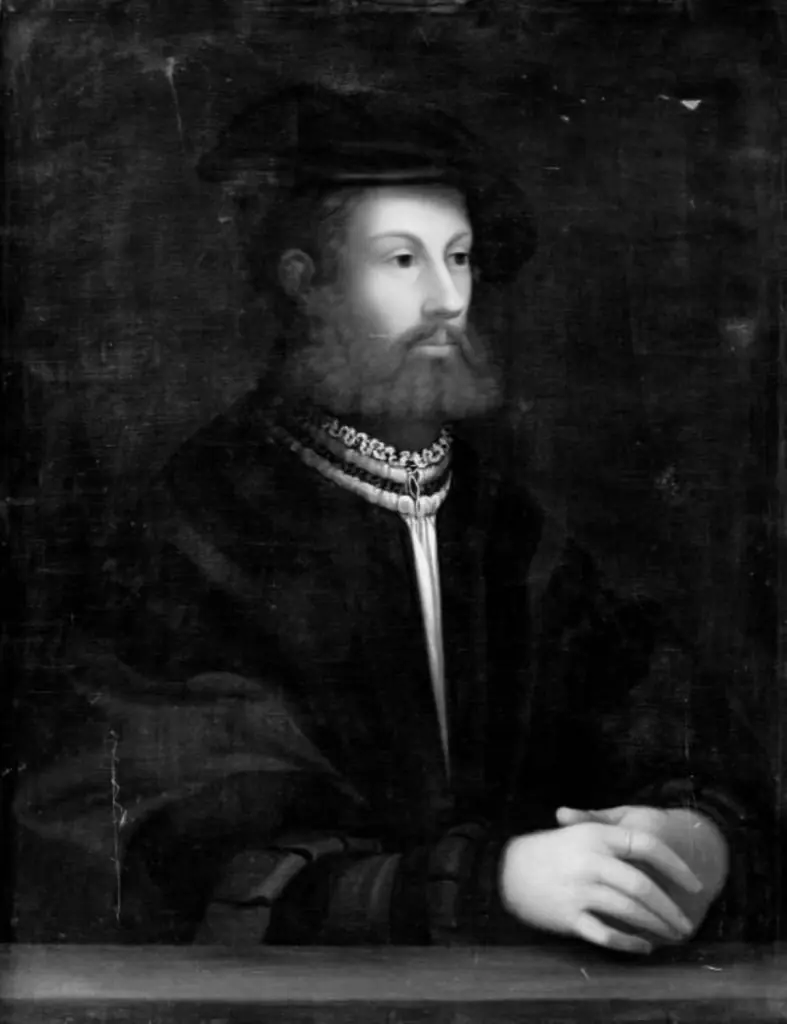 Portræt af Knipperdolling
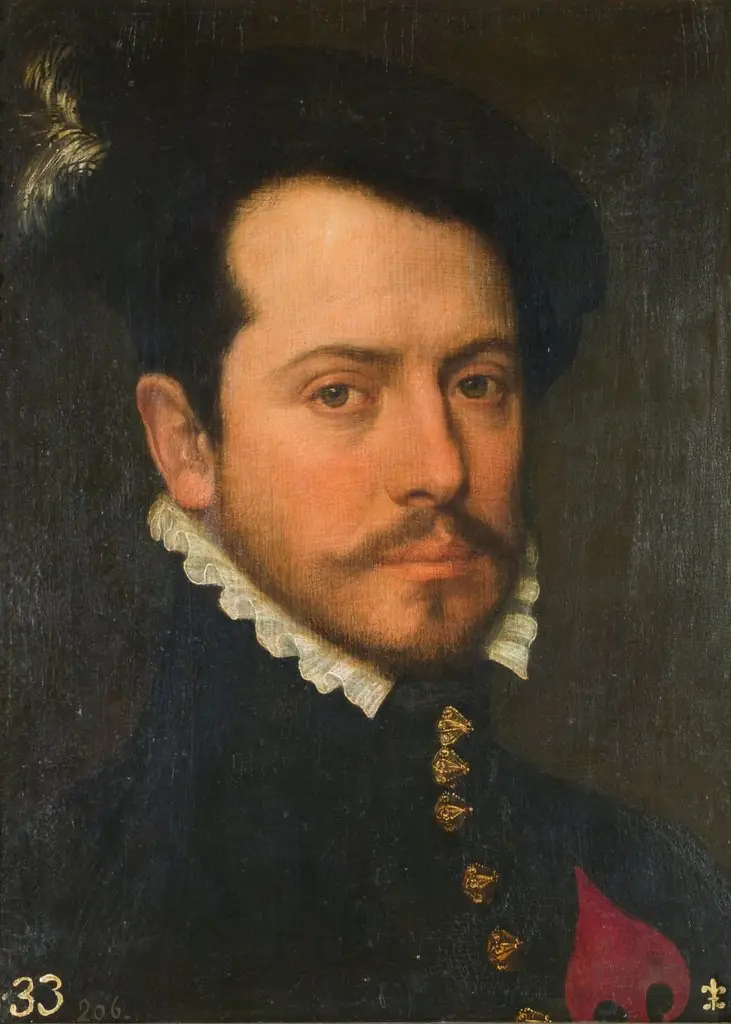 Portrait of a Knight of the Order of Santiago
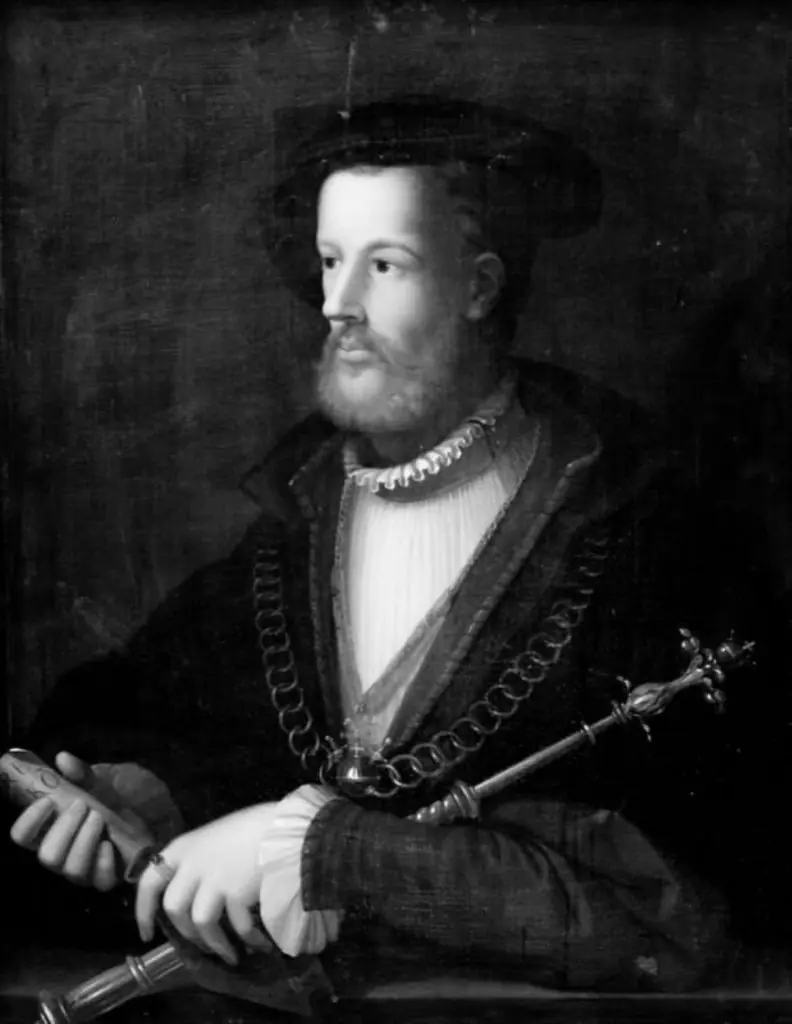 Portræt af Joh. v. Leyden ?